What is a Heavy Equipment Roller and Its Applications in Construction?
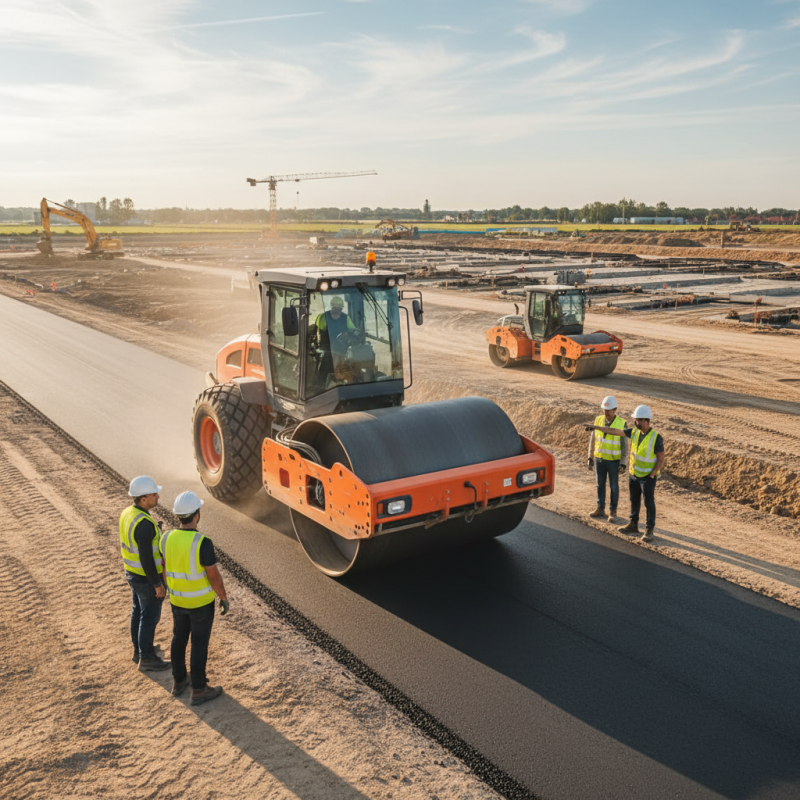
Heavy Equipment Rollers play a crucial role in construction. They compact soil, asphalt, and other materials. This process is essential for creating strong foundations. Without proper compaction, structures may face stability issues.
These machines come in various sizes and types. Some are used for road building, while others are for preparing building sites. Operators must understand each roller’s capability to achieve the best results. Mistakes can lead to uneven surfaces, causing costly repairs.
The effectiveness of Heavy Equipment Rollers depends on proper use and maintenance. Operators need training to handle them safely. Inexperience can produce unsatisfactory outcomes. Observing proper procedures is vital for the success of any construction project. Every project poses unique challenges, making every day a learning experience.
Understanding Heavy Equipment Rollers in Construction
Heavy equipment rollers play a crucial role in construction projects. These machines compact soil, asphalt, and gravel, ensuring a solid foundation for structures. According to the Association of Equipment Manufacturers, over 30% of construction efficiency depends on proper site preparation. Rollers help achieve this by providing necessary compaction to prevent future settlement issues.
The operation of rollers can be challenging. An operator must understand soil types and moisture content to achieve optimal compaction. Inadequate compaction can lead to structural failures. Studies show that nearly 10% of construction defects are due to poor compaction. Training operators is essential, yet not all companies invest adequately in this area.
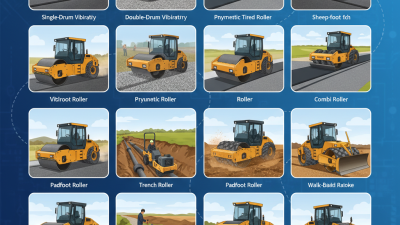
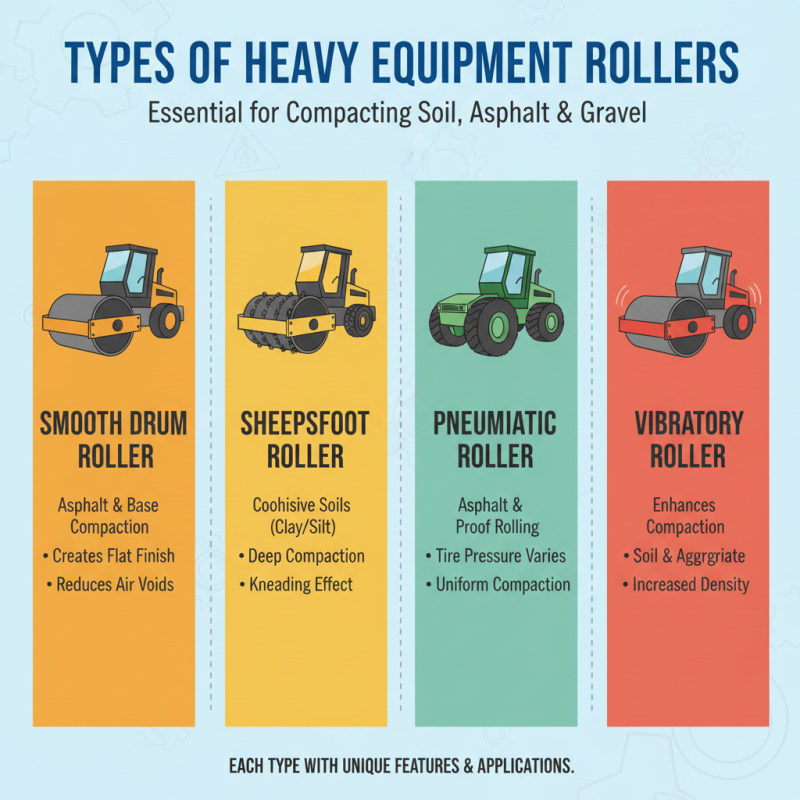
Rollers come in various types, including smooth drum and padfoot models. Each type serves specific applications, like road construction or landscaping. A notable industry report indicates that the demand for rollers is expected to grow by 5% annually until 2025. Still, relying solely on machinery without proper planning may lead to inefficiencies and increased costs. Addressing these issues is vital for the overall success of construction projects.
What is a Heavy Equipment Roller and Its Applications in Construction?
| Dimension |
Details |
| Type of Roller |
Vibratory Roller |
| Weight Class |
10-20 Tons |
| Applications |
Road construction, Asphalt paving, Soil compaction |
| Power Source |
Diesel Engine |
| Typical Operating Speed |
3-5 mph |
| Frequency Range |
30-50 Hz |
| Roller Width |
66-84 inches |
Key Features and Specifications of Heavy Equipment Rollers
Heavy equipment rollers are pivotal in the construction industry, especially for compaction tasks. These machines compact soil, gravel, and asphalt, preparing surfaces for roads and structures. A typical roller features a heavy drum that creates pressure on the ground, ensuring stability. The operating weight can vary from 1 ton to over 20 tons, depending on the type of application.
Key specifications to consider include drum width, operating weight, and horsepower. For instance, a wider drum can cover more surface area in a single pass. A study by the Construction Industry Institute highlights that the right specifications can improve project efficiency by up to 25%. Rollers can be categorized into static, vibratory, and pneumatic types, each serving unique purposes.
Tips: Always assess the ground conditions before selecting a roller. Not every project requires the heaviest machine. It’s important to match the roller to the specific task at hand. Additionally, operators should receive proper training. Misjudging the roller's capacity can lead to uneven surfaces or structural issues. فقد تتكرر الأخطاء بسهولة.
Operators should also regularly maintain the machines for optimal performance. Monitor tire pressure and inspect for drum wear. Neglect can lead to costly project delays. In the competitive construction sector, making informed choices about roller specifications truly matters.
Heavy Equipment Rollers in Construction Applications
Common Applications of Heavy Equipment Rollers in Construction Projects
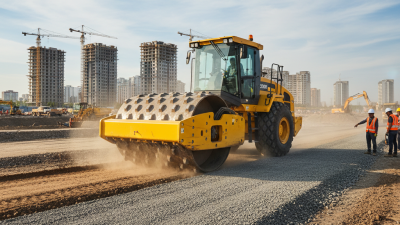
Heavy equipment rollers play a crucial role in various construction projects. These machines compact soil, gravel, and asphalt, ensuring stability and durability. According to a recent industry report, effective compaction can increase the lifespan of paved surfaces by up to 30%. A solid foundation is key to preventing future issues.
Rollers are commonly used in road construction and parking lot paving. They create a smooth surface, which is vital for safety and aesthetics. The impacts of poorly compacted ground can be significant. This can lead to cracks, uneven surfaces, and expensive repairs. In fact, studies show that 25% of construction delays are due to inadequate compaction.
In landscaping and site preparation, rollers assist in creating level areas for building. They ensure proper drainage, which is essential to prevent structural problems later. However, not all projects prioritize quality compaction. Sometimes, speed takes precedence over technique. This oversight can cost more in the long run than investing in proper equipment.
Maintenance and Safety Considerations for Heavy Equipment Rollers
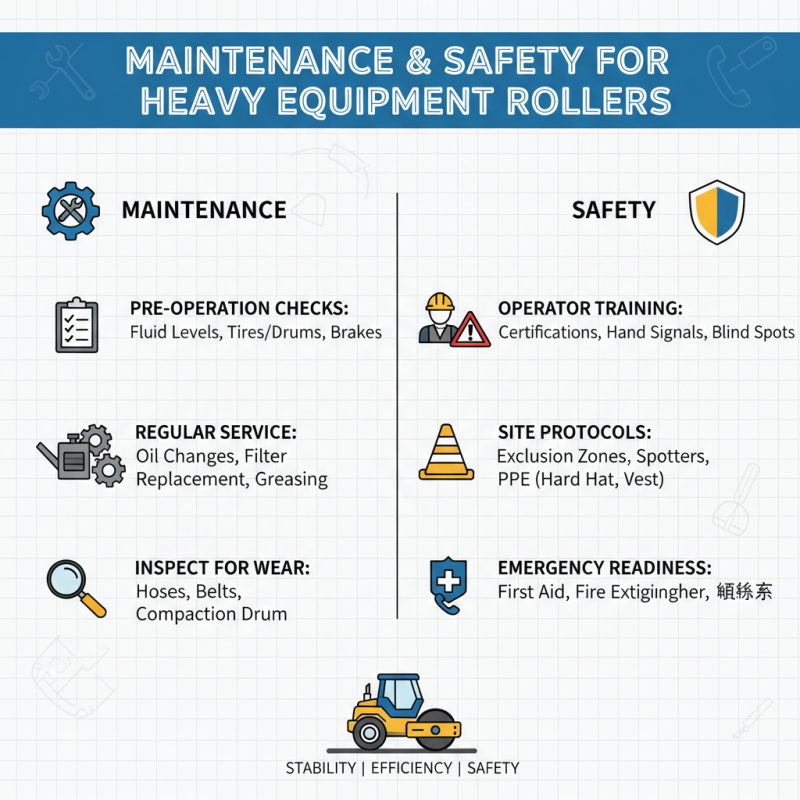
Heavy equipment rollers play a crucial role in construction. They compact soil, asphalt, and other materials to create stable surfaces. However, proper maintenance and safety are key to their efficient operation.
Regular maintenance is vital. Inspect rollers daily for signs of wear, leaks, or damage. According to a study by the Construction Equipment Institute, well-maintained equipment can improve productivity by up to 30%. Neglect can lead to accidents or costly repairs. Ensure that all safety features are functional. Safety guards and alarms should be in place. Operators should receive proper training to minimize risks.
Tips for maintaining heavy equipment rollers include cleaning them regularly to prevent rust. Check fluid levels weekly, and replace filters as needed. Document maintenance activities to identify patterns or recurring issues. Always remember, safety gear is a must when operating heavy machinery. This includes helmets, safety glasses, and gloves.
Stay alert. Heavy equipment operations can be hazardous. Workers should remain vigilant of their surroundings. Regular safety drills can help reinforce protocols among the team. Be proactive to avoid accidents.

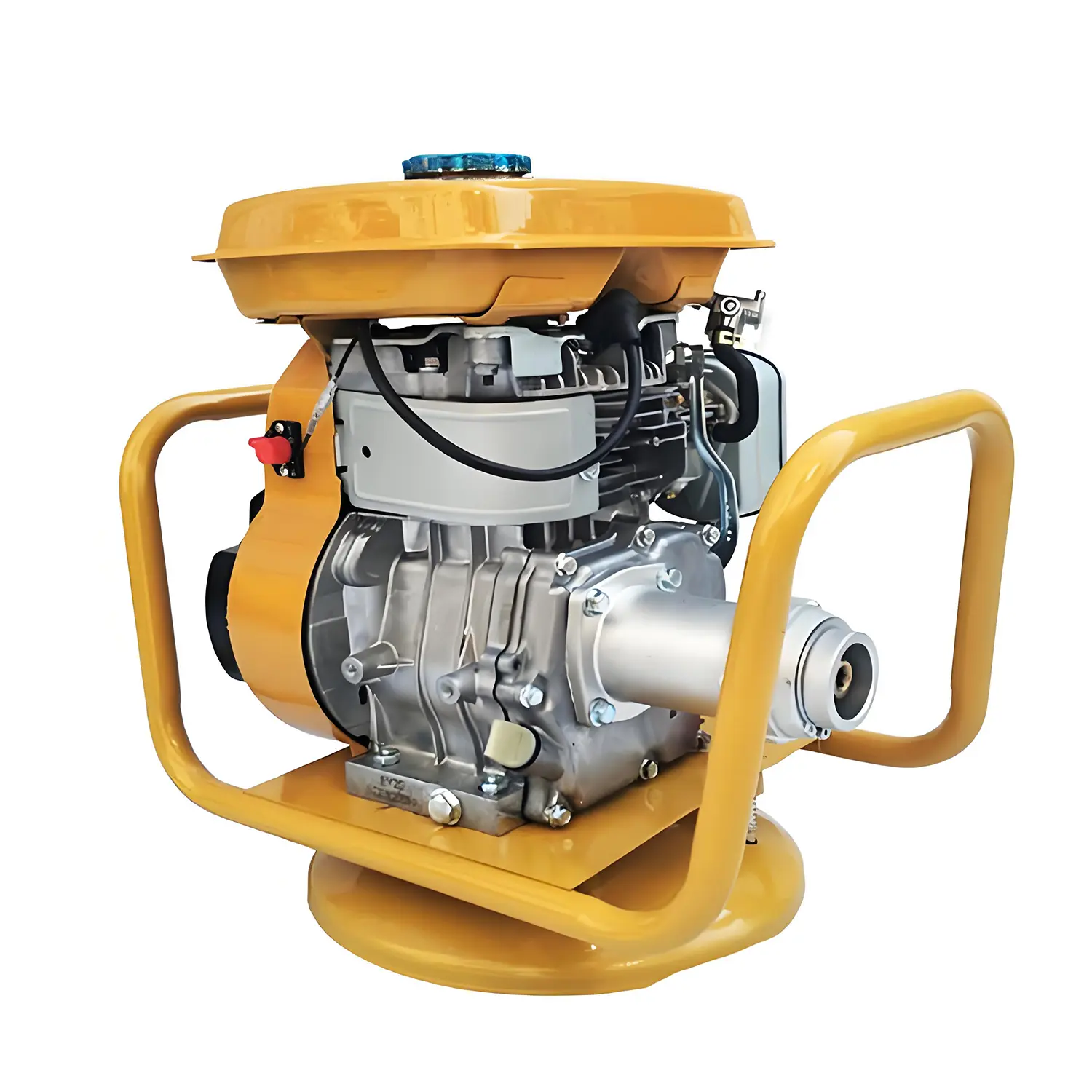 Internal Vibrator
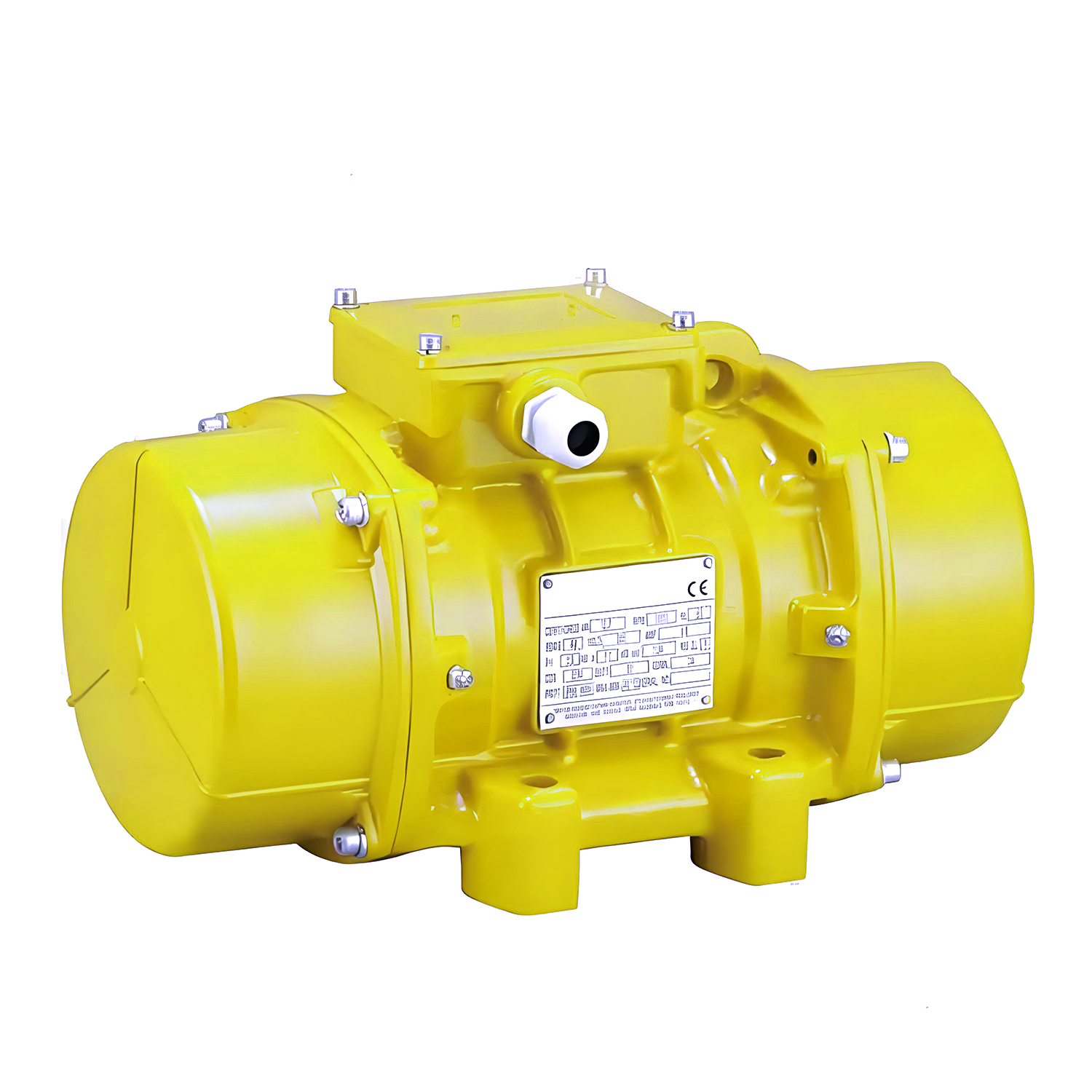 External Vibrator
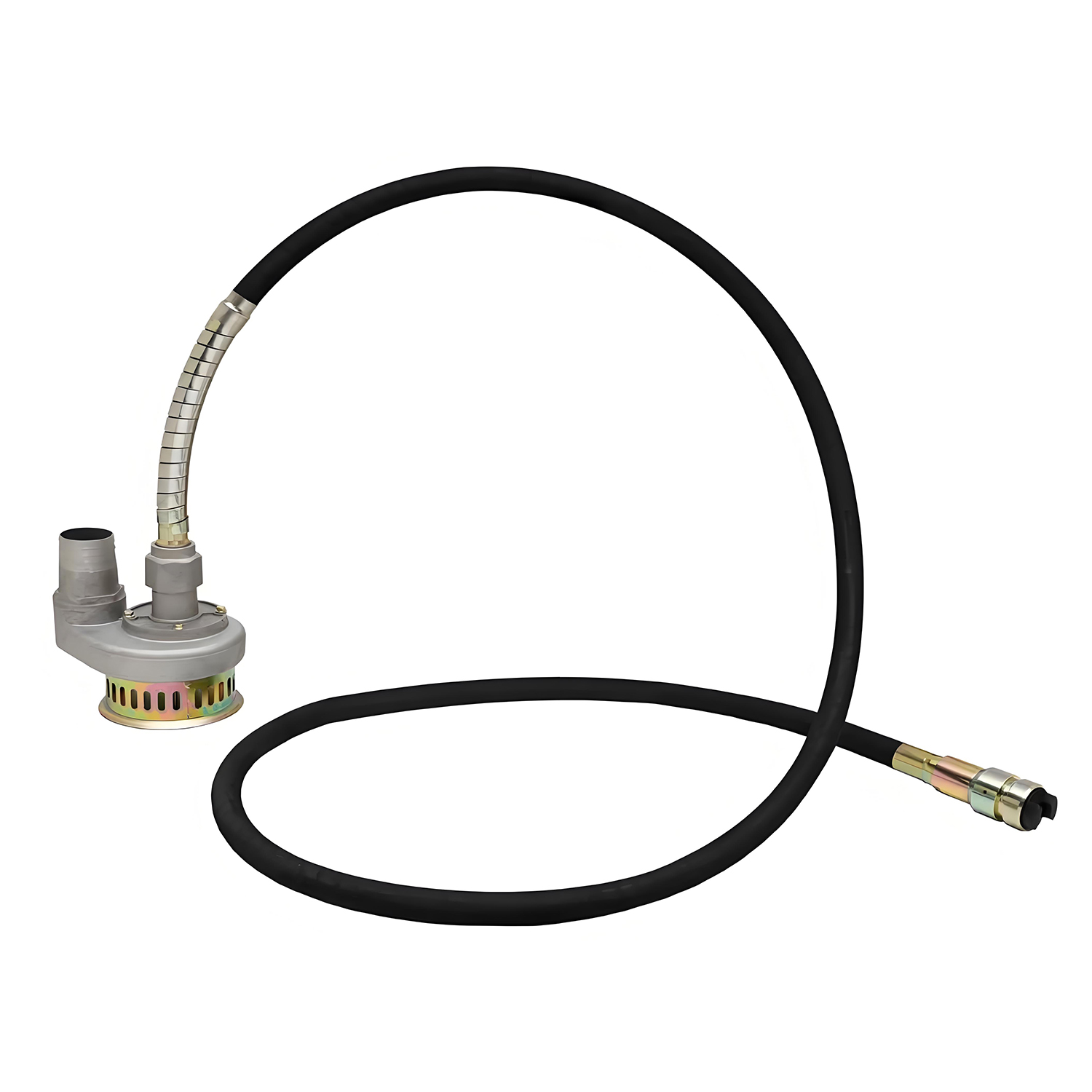 Submersible Pump
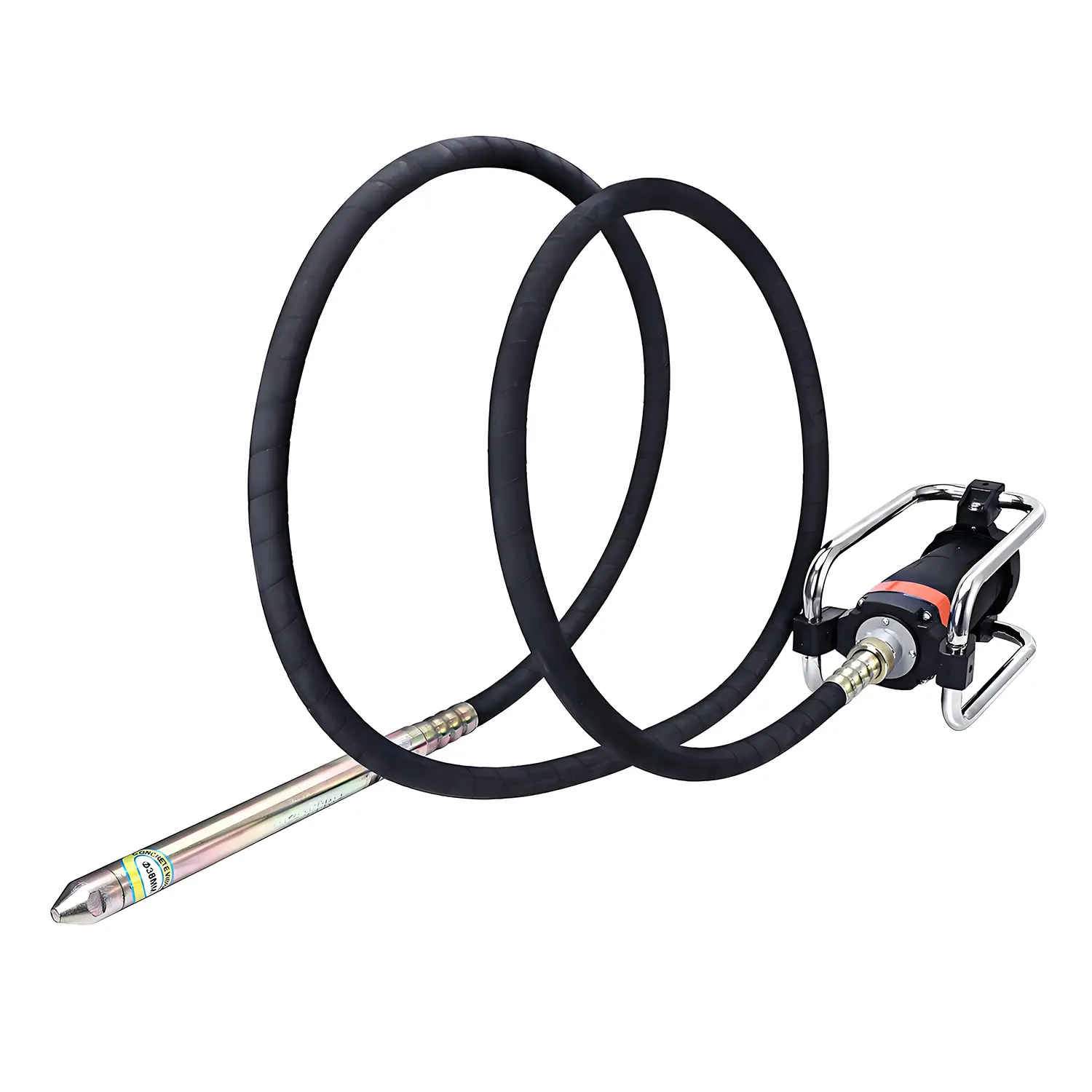 Eccentric shaft
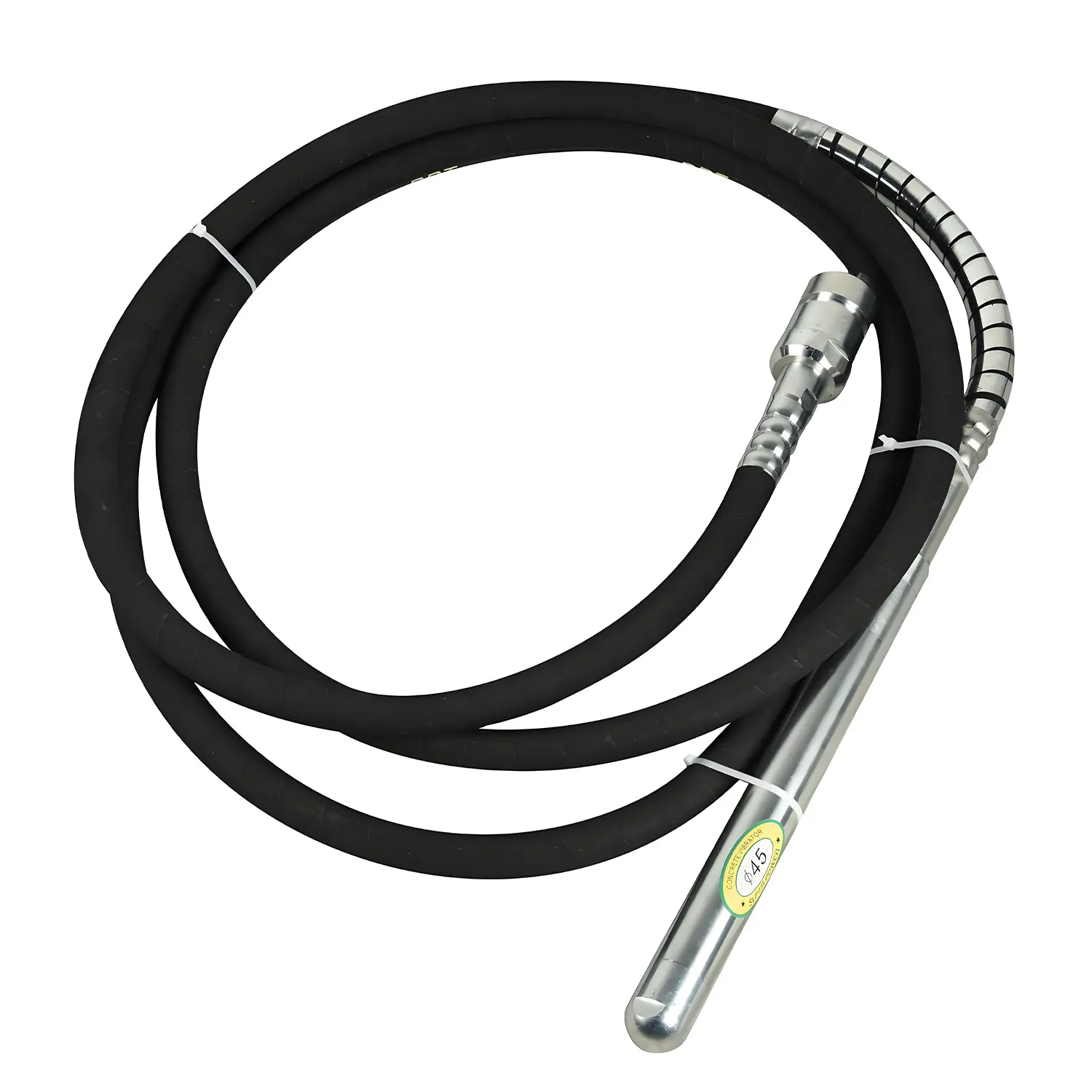 Pendulum shaft
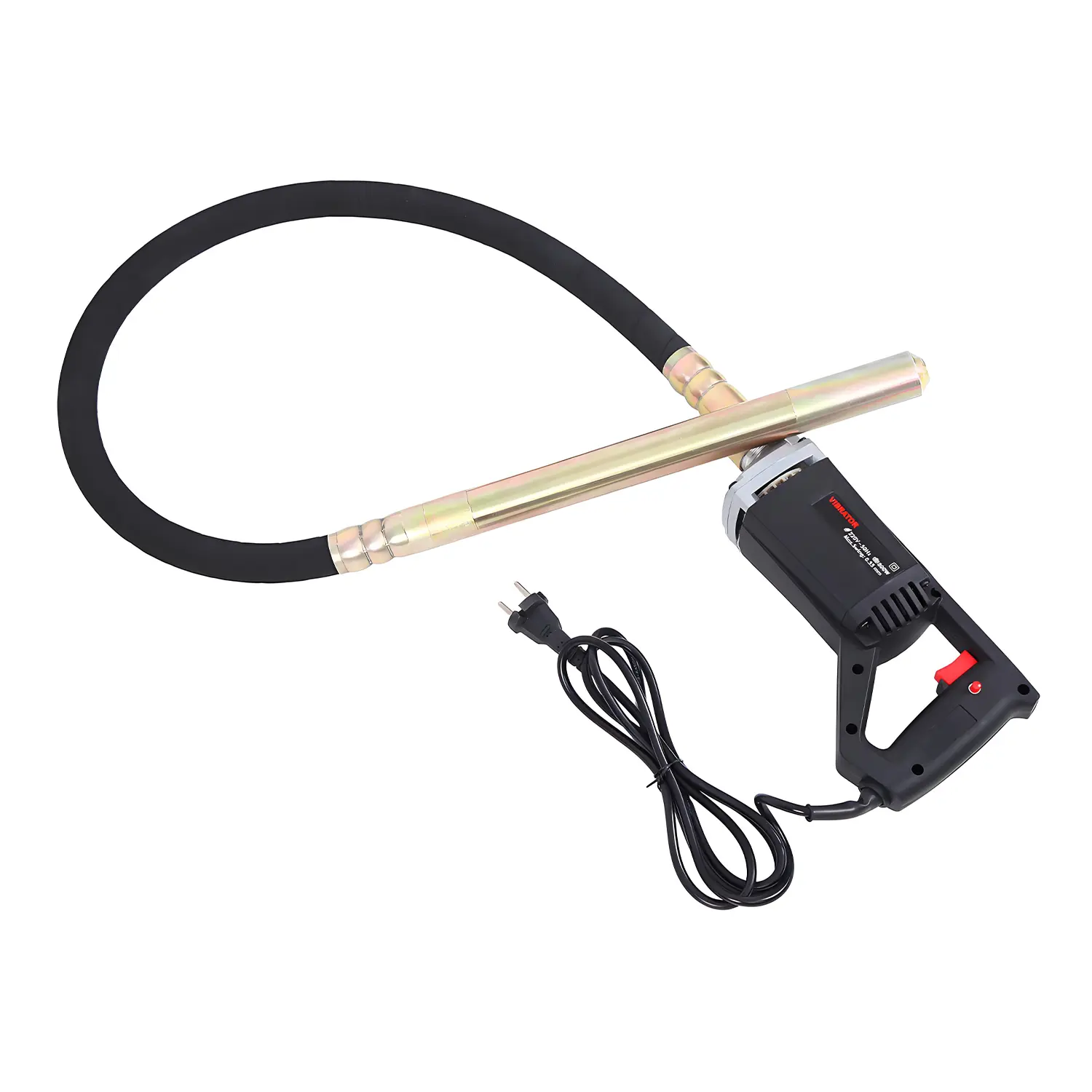 Portable vbrator shaft
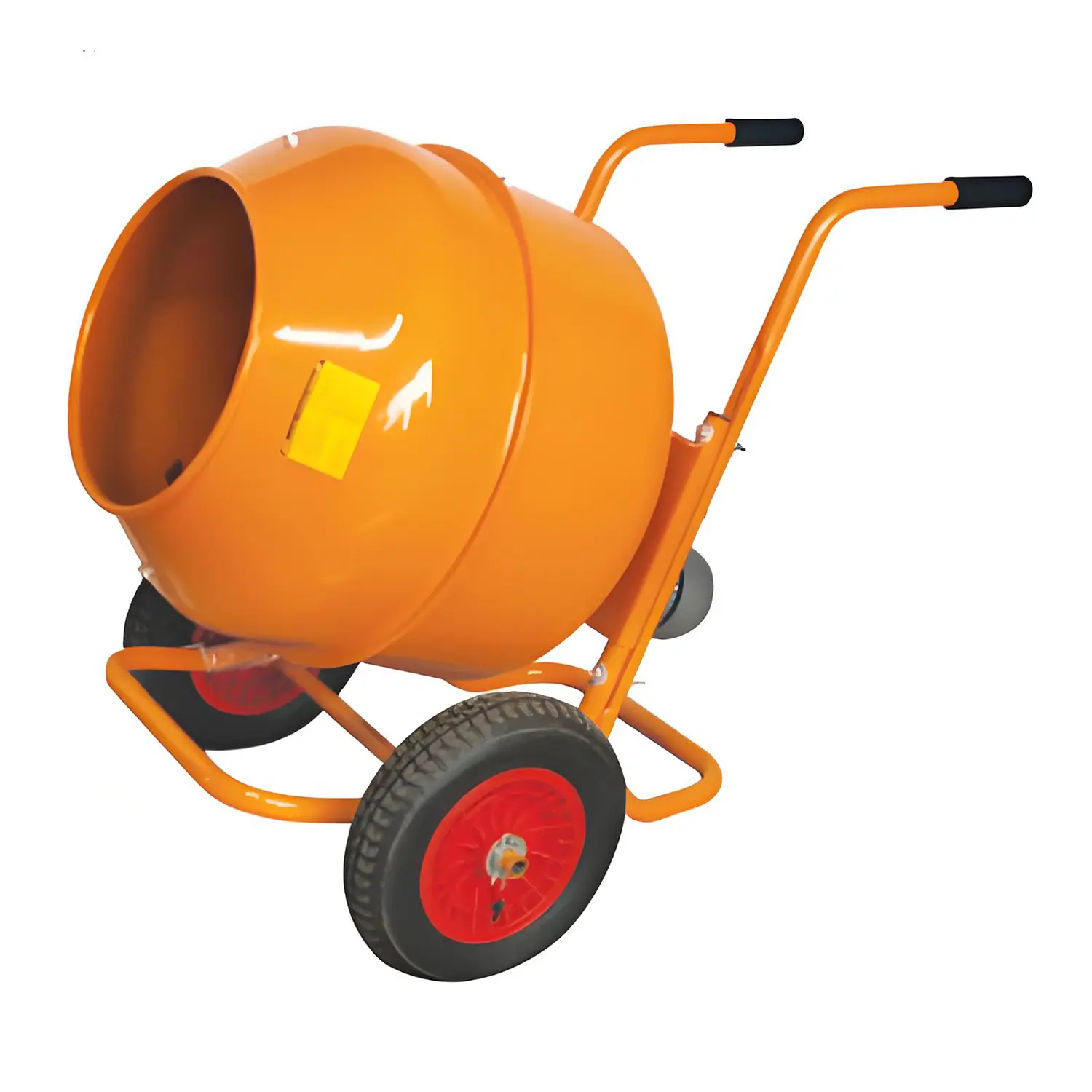 Portable concrete mixer
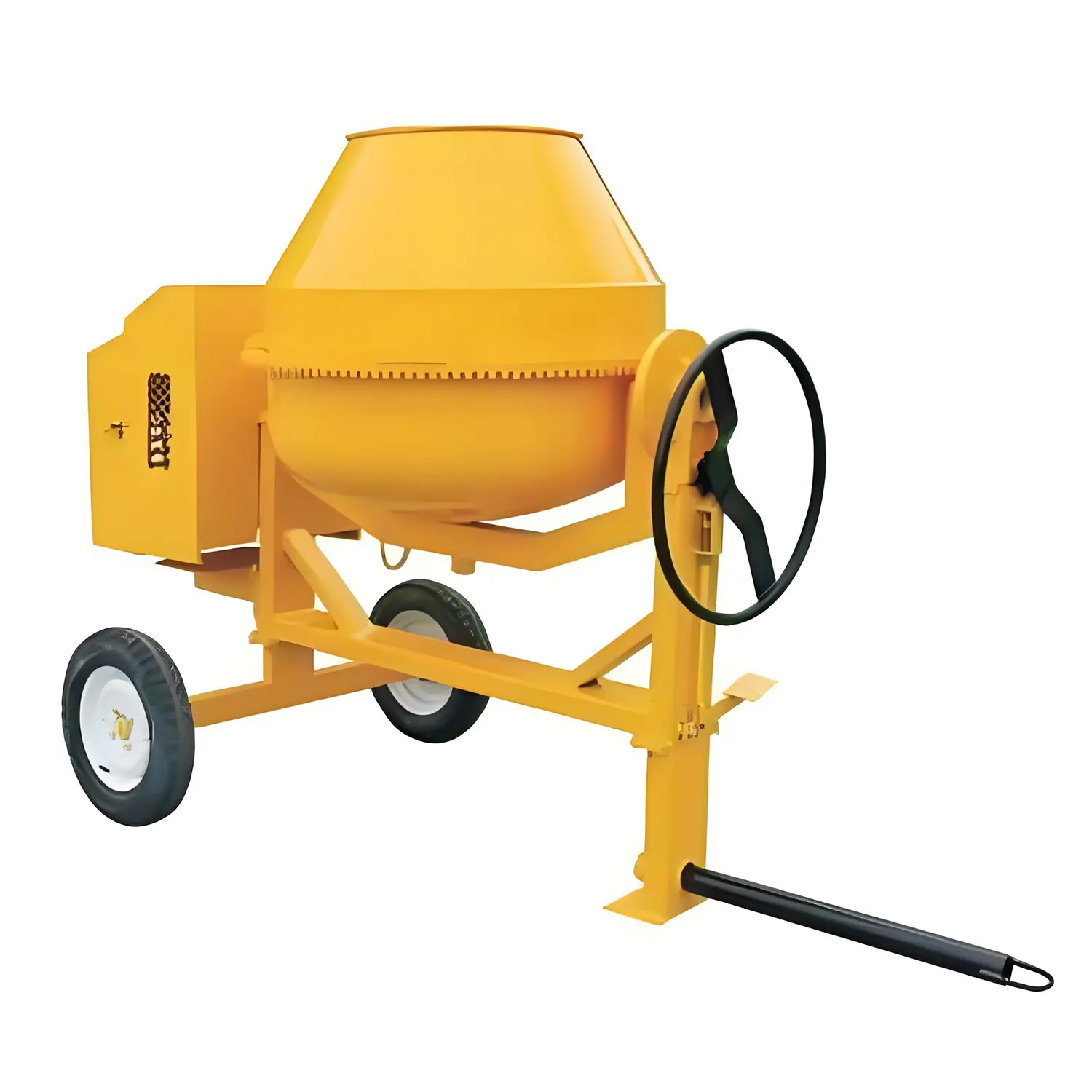 Vertical concrete mixer
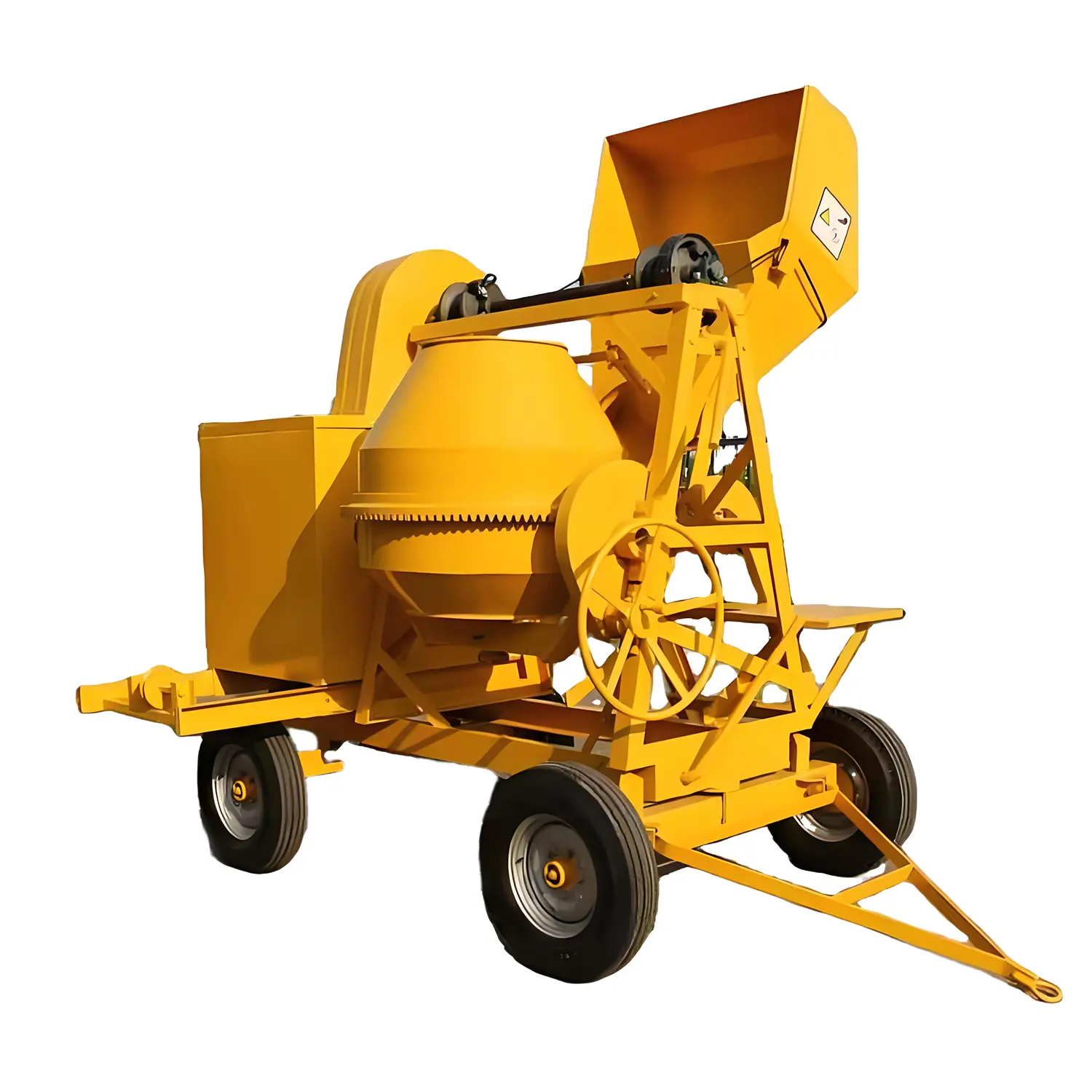 Hydraulic concrete mixer
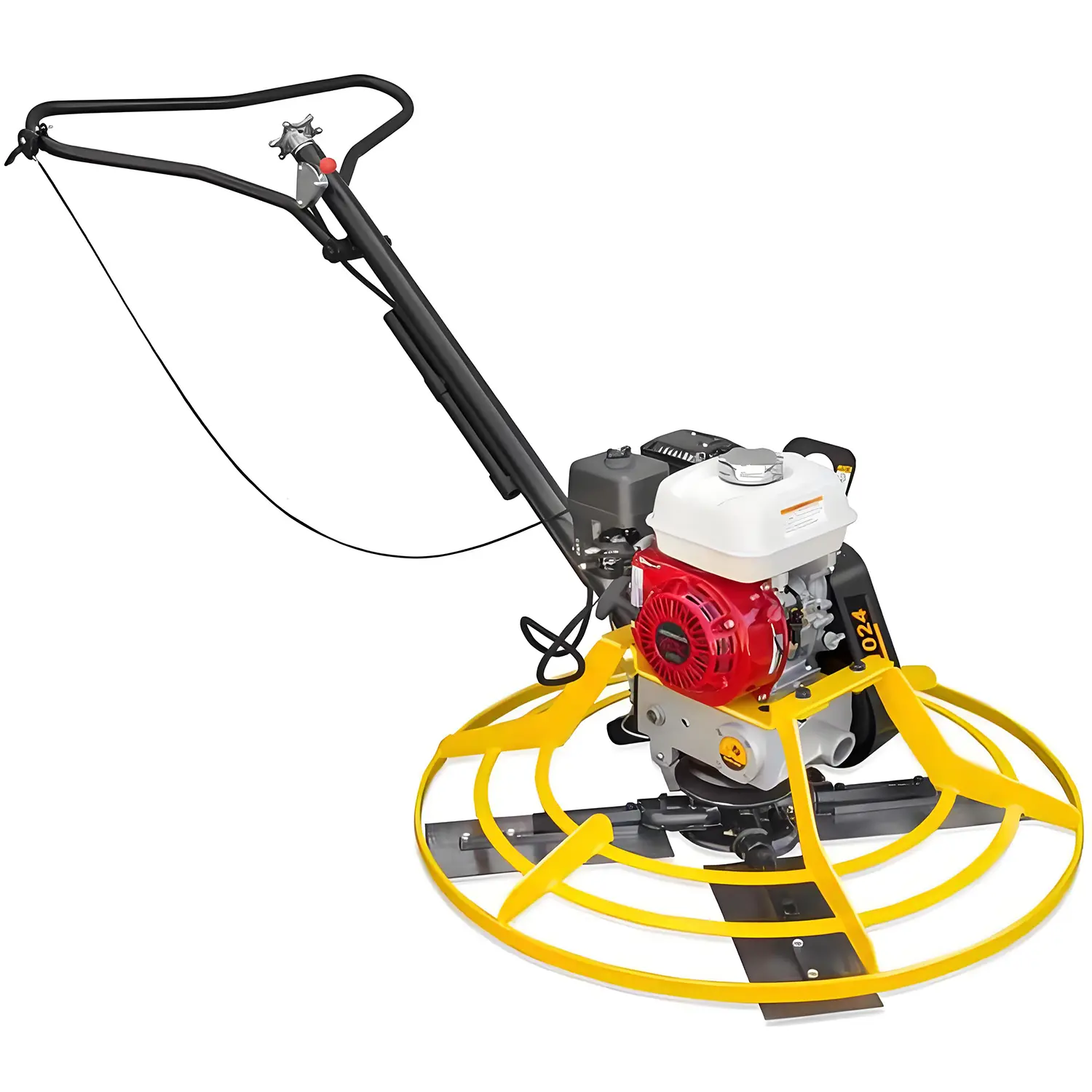 Walk behind power trowel
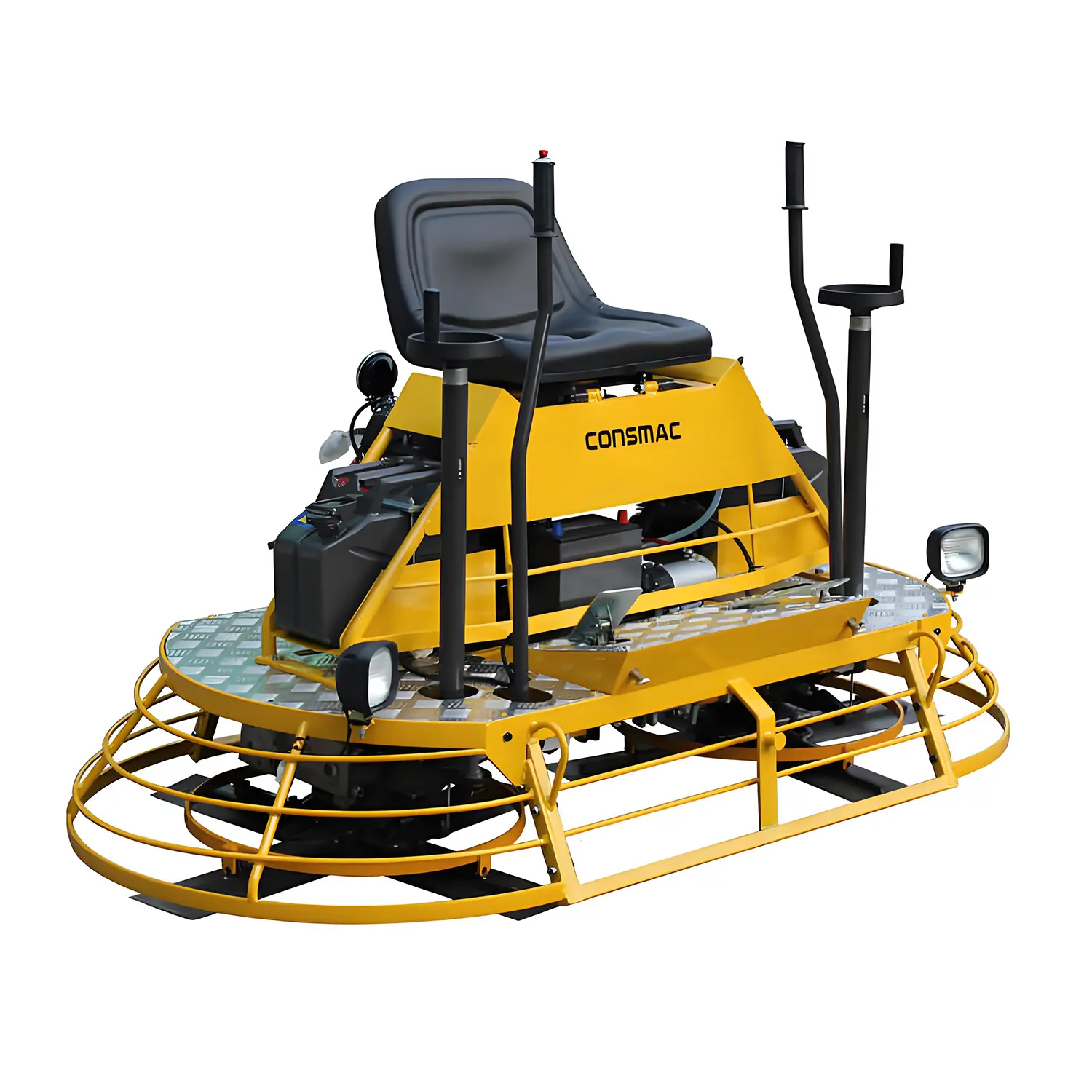 Ride on power trowel
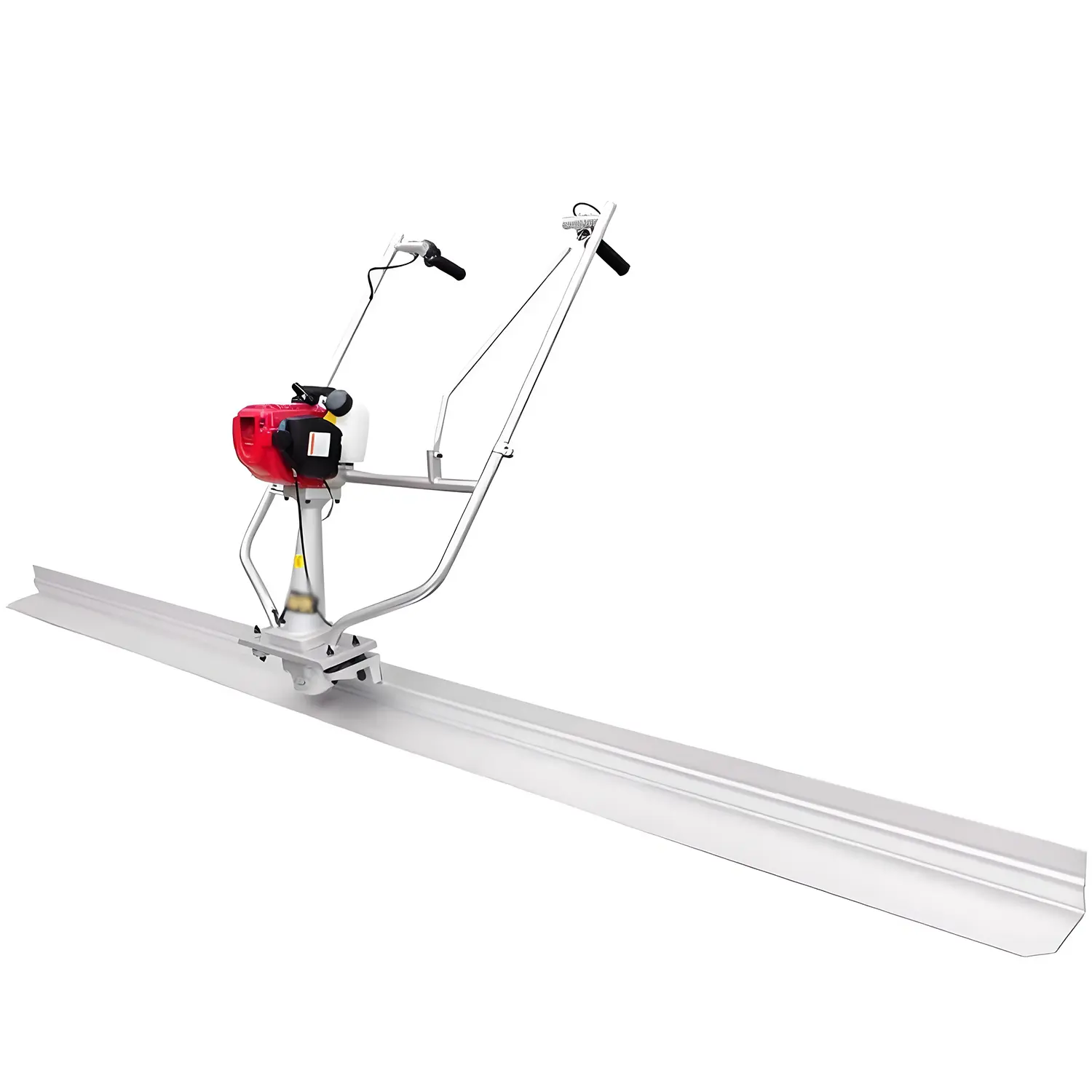 Concrete screed
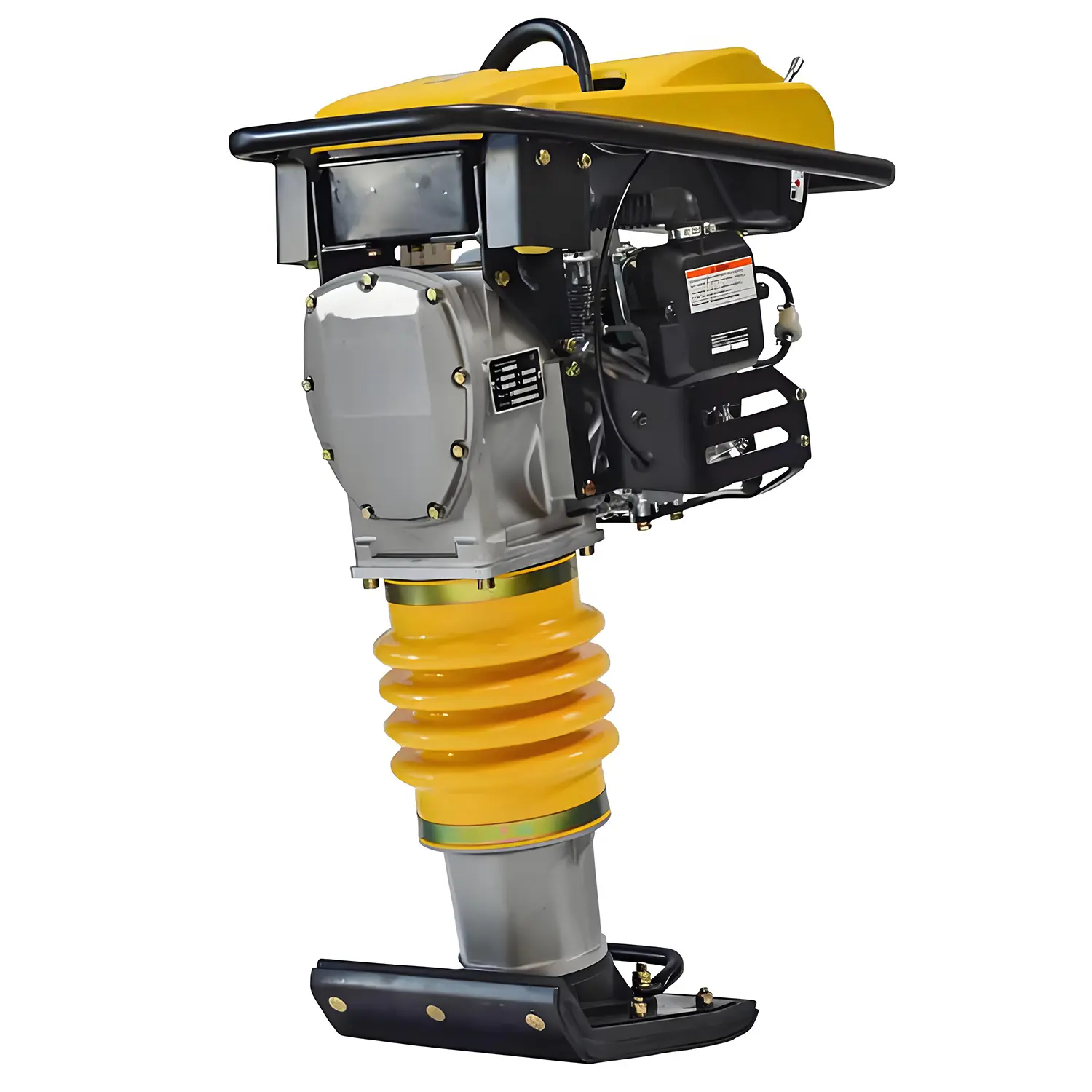 Tamping rammer
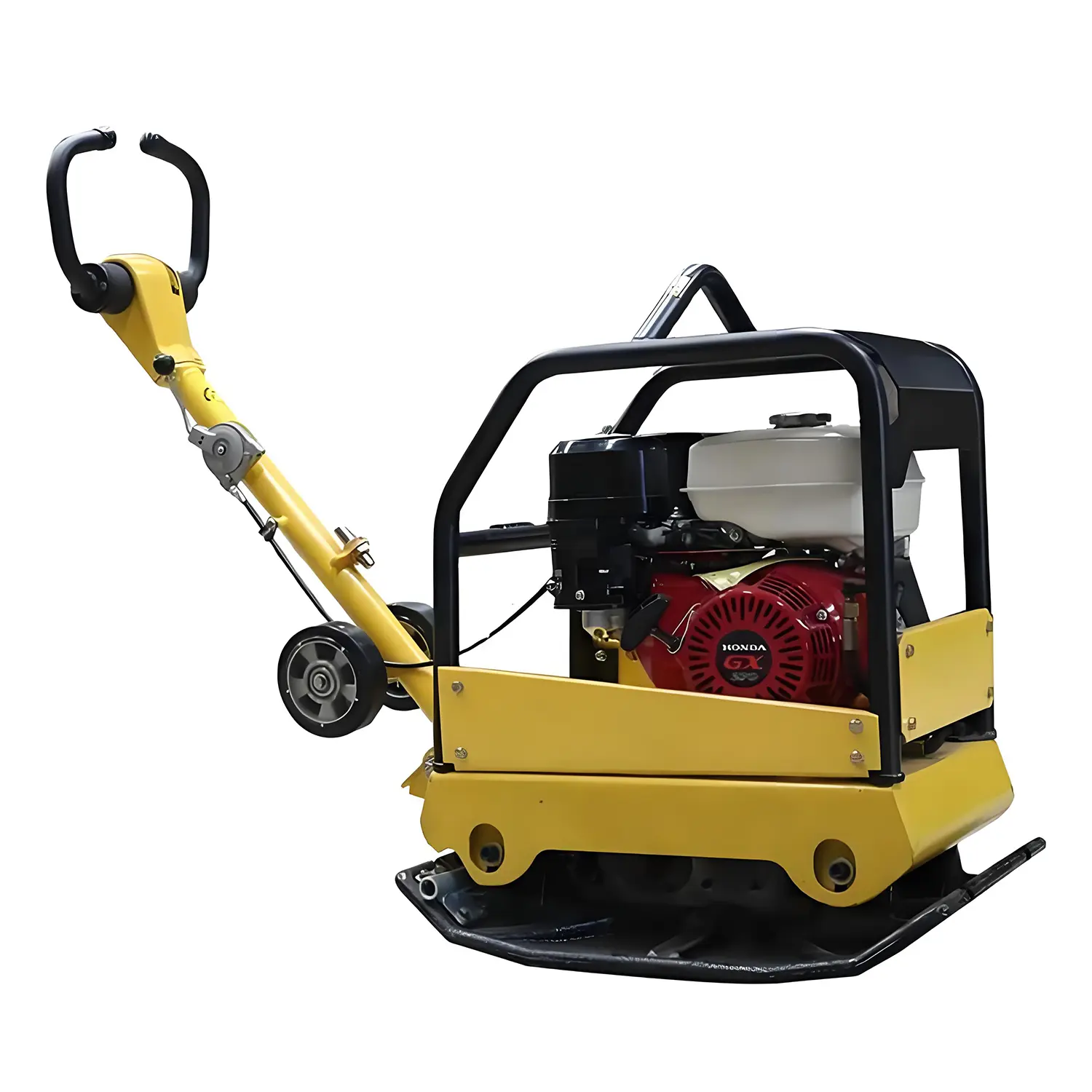 Plate compactor
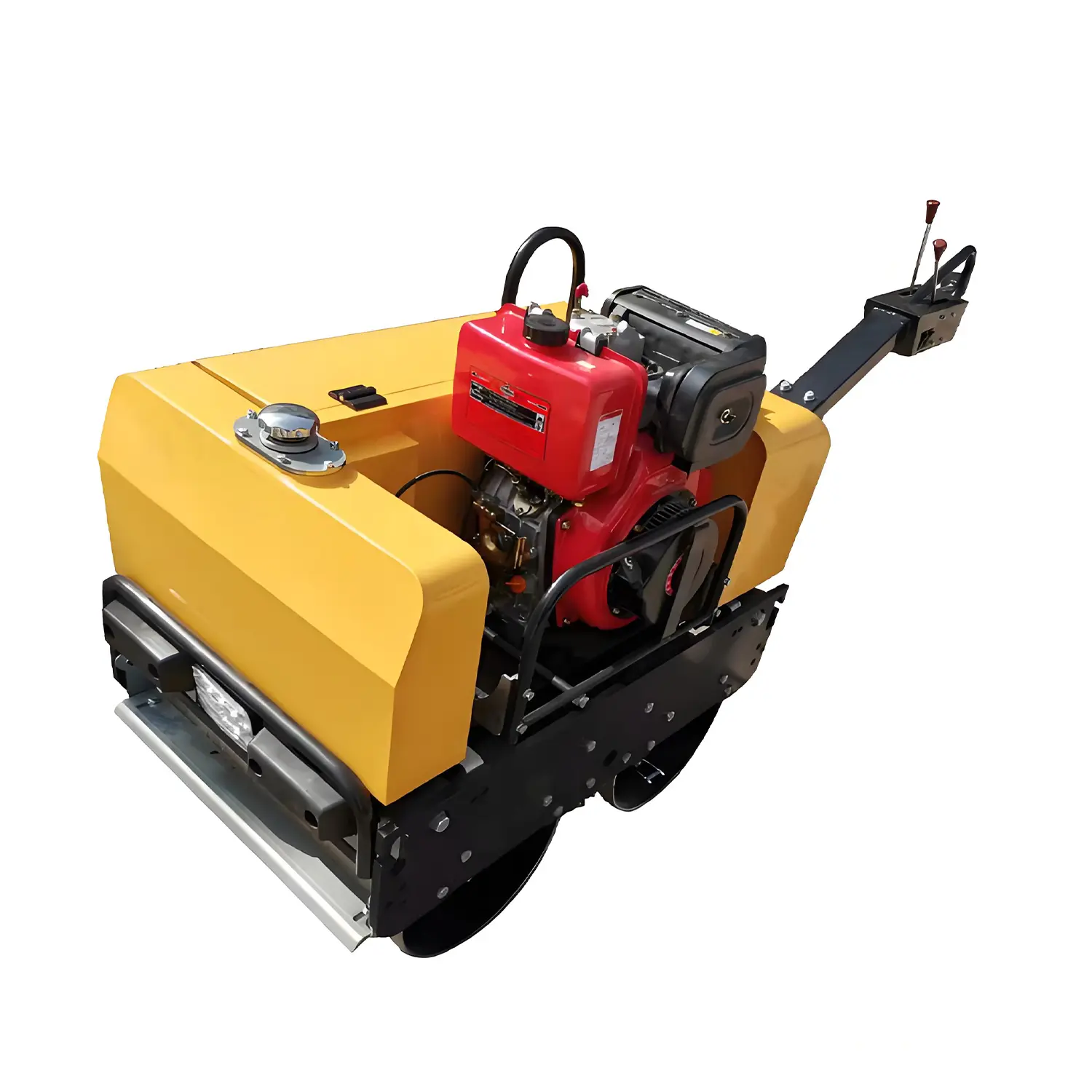 Vibratory roller