A Heavy Duty Compactor is built for a demanding, practical job: reducing bulky waste into a smaller, denser load. It may work behind a refuse truck or inside a busy transfer station. Either way, the result depends on more than force. Material type, loading pattern, and machine condition all matter.
Quality expert W. Edwards Deming once said, “A bad system will beat a good person every time.” His observation concerns systems generally, not compactors specifically, but it highlights an important point: reliable compaction depends on sound equipment and consistent operation. In a typical unit, hydraulic pressure drives a ram against the material inside a chamber. The ram advances, compresses the load, and retracts for another cycle. It looks simple. The forces are not.
A wet cardboard load behaves differently from rigid packaging or mixed refuse. Uneven loading can leave air pockets, while worn seals or neglected maintenance can reduce performance. Small details matter. This guide explains what a Heavy Duty Compactor is, how its main components work, and what happens during a compaction cycle. It also considers capacity, safety features, maintenance, and common selection mistakes. One caution: published capacity figures do not guarantee the same results at every site. Real materials vary, and operating conditions deserve a closer look.
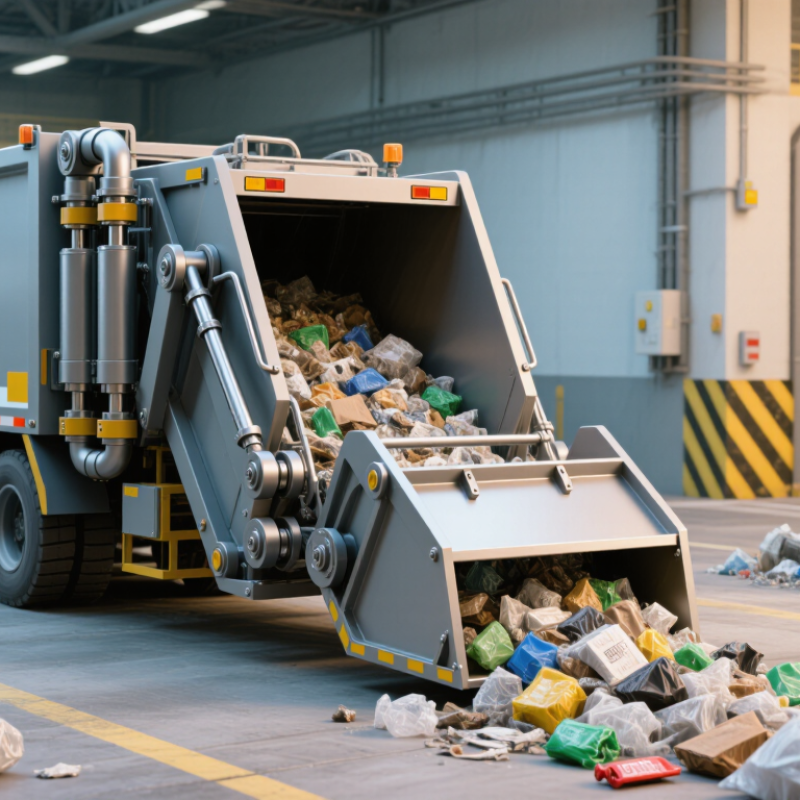
A heavy-duty compactor is a machine built to compress large amounts of waste or recyclable material into a smaller space. Its main purpose is volume reduction, not making the material lighter. A hydraulic system drives a steel ram or platen against the load, pushing loose material into a container or forming it into a dense block. The frame, chamber, and drive components are designed for repeated cycles and demanding daily use.
These machines are suited to sites that produce bulky, steady waste streams, such as distribution centers, manufacturing facilities, and large commercial operations. Cardboard, packaging, and some production scraps can often be compacted, but the right setup depends on the material. Wet, springy, or mixed loads may behave unpredictably. A load that looks full can still have empty pockets.
That matters. Operators need to load material evenly and keep clear of moving parts. Safety interlocks and routine inspections help reduce risk, while checks for leaks, unusual noise, or slow ram movement can flag maintenance needs early. In practice, an ideal loading pattern is not always realistic. Material varies from shift to shift, so operators should follow the machine’s operating guidance and avoid forcing unsuitable items into the chamber. A compactor works best when its capacity, container, and cycle rate match the site’s actual waste volume.
A heavy-duty compactor brings several parts together to reduce the volume of bulky waste. The main components are the frame, feed chamber, compression ram, hydraulic power unit, controls, and receiving container. Each has a practical job. A strong frame holds the machine steady as the ram presses material forward.
The ram, often fitted with a broad steel plate, moves through the chamber under hydraulic force. The power unit uses a motor, pump, and fluid to create that force. Hoses carry the pressurized fluid to cylinders, which extend and retract the ram. It is a simple principle, but leaks or worn seals can reduce pressure and slow a cycle. Not magic.
Controls let an operator start, stop, and monitor the machine. Safety switches and guards help prevent operation when access points are open, while sensors may track container position or ram travel. The compacted material then enters a container designed to handle repeated loading and pressure. Details vary by machine. Even the chamber floor matters: buildup can increase friction, and uneven waste may resist the ram rather than compress evenly. Good setup and regular inspection help components work together, though the right service schedule depends on the waste and operating conditions.
What Is a Heavy Duty Compactor and How Does It Work?
How Material Moves Through a Compaction Cycle
A heavy-duty compactor reduces the volume of loose material by pressing it into a container. The cycle starts when material enters the feed opening. A hydraulic ram then moves forward, pushing the load into the compaction chamber. As pressure builds, air is squeezed out and the material packs more tightly. The machine’s controls manage the ram’s movement and help prevent operation when access points are unsafe.
When the ram reaches its programmed limit, it retracts to make room for the next load. Some systems repeat this sequence automatically; others require an operator to start each cycle. Compacted material stays in the container until it is emptied or exchanged. Real loads are rarely uniform. Cardboard may spring back, while damp material can settle differently, so a cycle’s appearance alone does not tell the whole story. Material can also bridge across the chamber, leaving space underneath.
Tips: Keep loads within the machine’s rated capacity, and never reach into the chamber. Watch how material feeds and settles over several cycles. If it repeatedly bridges or packs unevenly, review loading practices and consult the equipment manual. Small adjustments matter.
The chart shows an illustrative compaction cycle: material is loaded while the ram is retracted, the ram advances to compress the material, then retracts so the next load can enter. Ram positions are normalized; actual cycles vary by compactor design and material.
A heavy-duty compactor reduces waste volume by pressing material into a smaller space. The U.S. Environmental Protection Agency reported that Americans generated 292.4 million tons of municipal solid waste in 2018, or about 4.9 pounds per person each day. That figure covers household and commercial waste, not just material handled by compactors. Still, it shows why efficient waste handling matters.
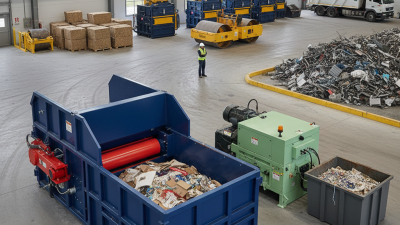
Stationary compactors use a hydraulic ram to push waste into a separate container. When full, the container is hauled away while the compactor stays in place. Self-contained models combine the compactor and container, helping contain liquid waste from food service or similar operations. Vertical compactors press waste downward into a bin or bag, making them useful where floor space is tight. The mechanism is simple, but loading patterns and material type affect performance. A ram cannot make unsuitable waste safe to compact.
Tips: Match the compactor to the waste stream and pickup schedule. Keep the loading area clear, and inspect hydraulic hoses for leaks. Don’t overfill. Check that the container is seated correctly before operation; small setup errors can cause delays, and they’re easy to overlook.
| Compactor type | Typical applications | Operating mechanism | Materials commonly handled | Key operating consideration |
|---|---|---|---|---|
| Stationary waste compactor | Commercial and industrial waste collection areas; loading docks and distribution facilities | A hydraulic ram pushes waste into a detachable container. The compactor remains in place while the container is hauled away for emptying. | Dry general waste, packaging, and selected process waste | Best suited to waste streams that do not produce substantial free liquids; container capacity and collection frequency should match waste volume. |
| Self-contained waste compactor | Food-service operations, healthcare facilities, and other sites requiring contained waste handling | A hydraulic ram compacts material directly into a container that is attached to the compactor and removed as one sealed unit. | Wet or dry general waste, including material that may generate liquids or odors | Its integrated container helps limit leakage and exposure during transport; the unit must be compatible with the site's waste and sanitation requirements. |
| Vertical baler | Retail back rooms, warehouses, and recycling collection areas with limited floor space | A hydraulic platen moves downward inside a chamber, compressing recyclables into a tied bale that is removed when the cycle is complete. | Cardboard, paper, and certain plastics, depending on the machine and material preparation | Materials generally need to be sorted and loaded within the rated chamber; operators should follow guarding and bale-ejection procedures. |
| Horizontal baler | High-volume recycling and material recovery operations | Material is fed into a horizontal chamber and compressed by a hydraulic ram. Many systems form continuous bales that are tied before discharge. | Cardboard, paper, plastics, and other specified recyclable materials | Requires suitable feed equipment, floor space, and a consistent material stream; accepted materials depend on the baler configuration. |
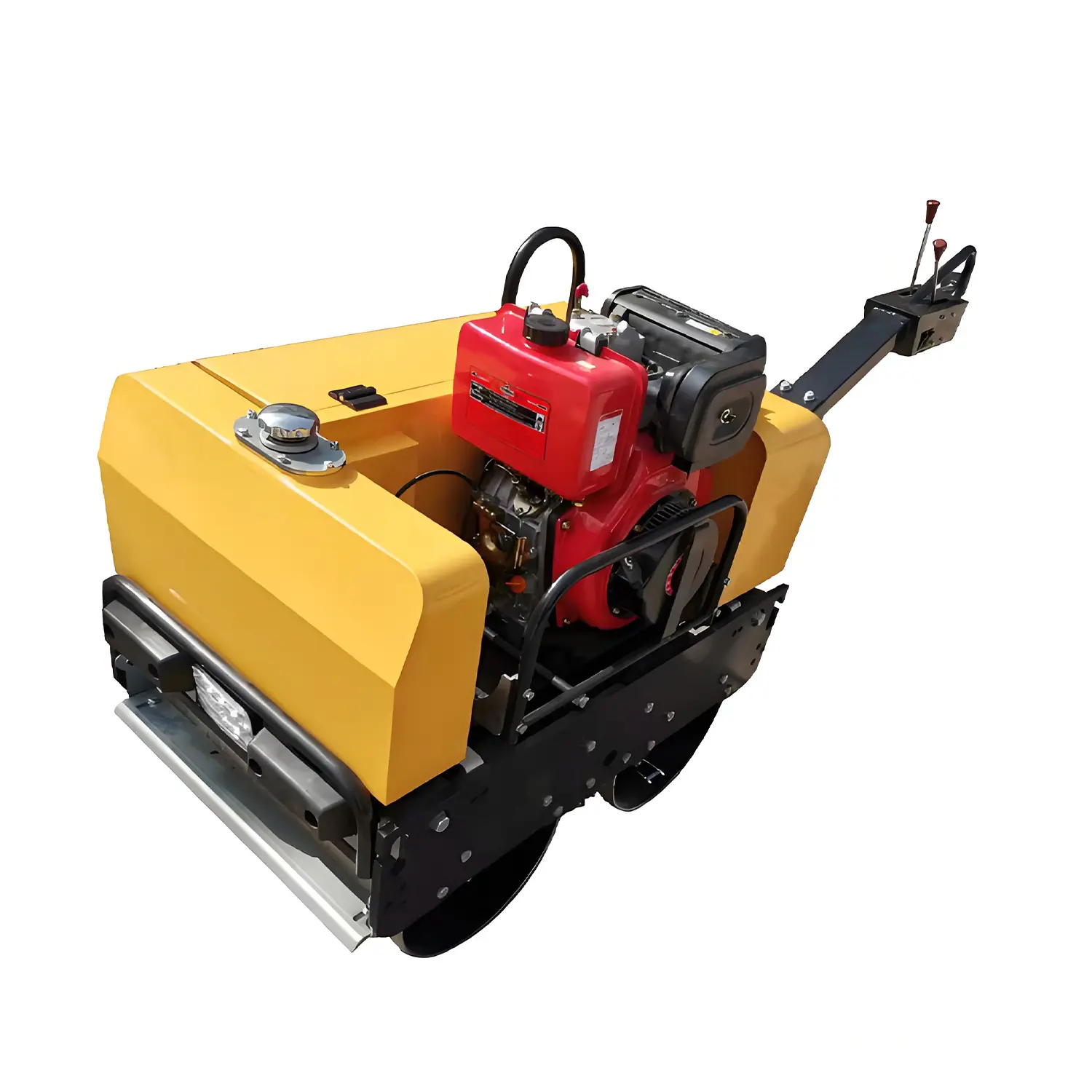
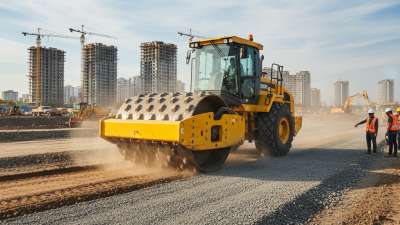
| Single-drum vibratory roller | Road construction, earthworks, and large-area soil compaction | A heavy steel drum applies static load, while an eccentric rotating mass generates vibration to increase compactive effort. | Soils and granular materials; suitability depends on soil composition and moisture | Lift thickness, travel speed, vibration settings, and moisture affect the result; operators commonly verify compaction using project specifications. |
| Tandem vibratory roller | Asphalt paving and finishing work | Front and rear steel drums roll over the pavement; vibration may be used to help compact and smooth asphalt layers. | Asphalt pavement and other materials specified for the roller | Pass count and vibration use should be coordinated with asphalt temperature and the paving plan to avoid surface damage or inadequate density. |
| Pneumatic-tire roller | Road paving and compaction of selected soil or aggregate layers | Multiple rubber tires apply pressure across the surface. The machine's weight and tire contact help knead and compact the material. | Asphalt mixes, granular layers, and selected soils, subject to project requirements | Tire pressure, ballast, and operating pattern influence contact pressure; use only where the material and surface can tolerate tire kneading. |
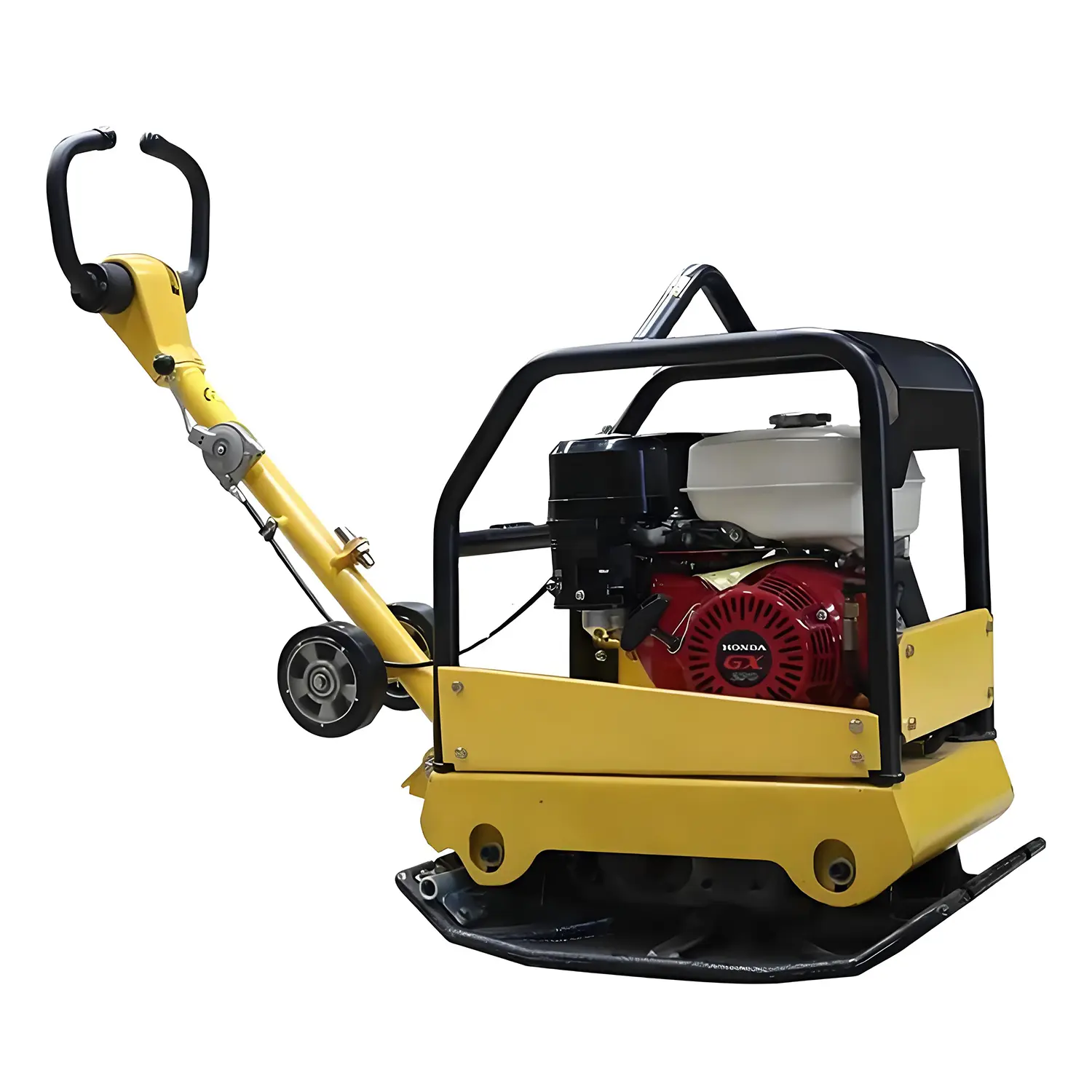
| Vibratory plate compactor | Small-area work such as sidewalks, trenches, and paving repairs | An engine-driven eccentric weight vibrates a flat base plate, transmitting force into the material as the operator guides the machine. | Granular soil, sand, gravel, and certain paving materials | Most effective on granular materials; confined spaces and edge work may require a smaller plate or a different compactor design. |
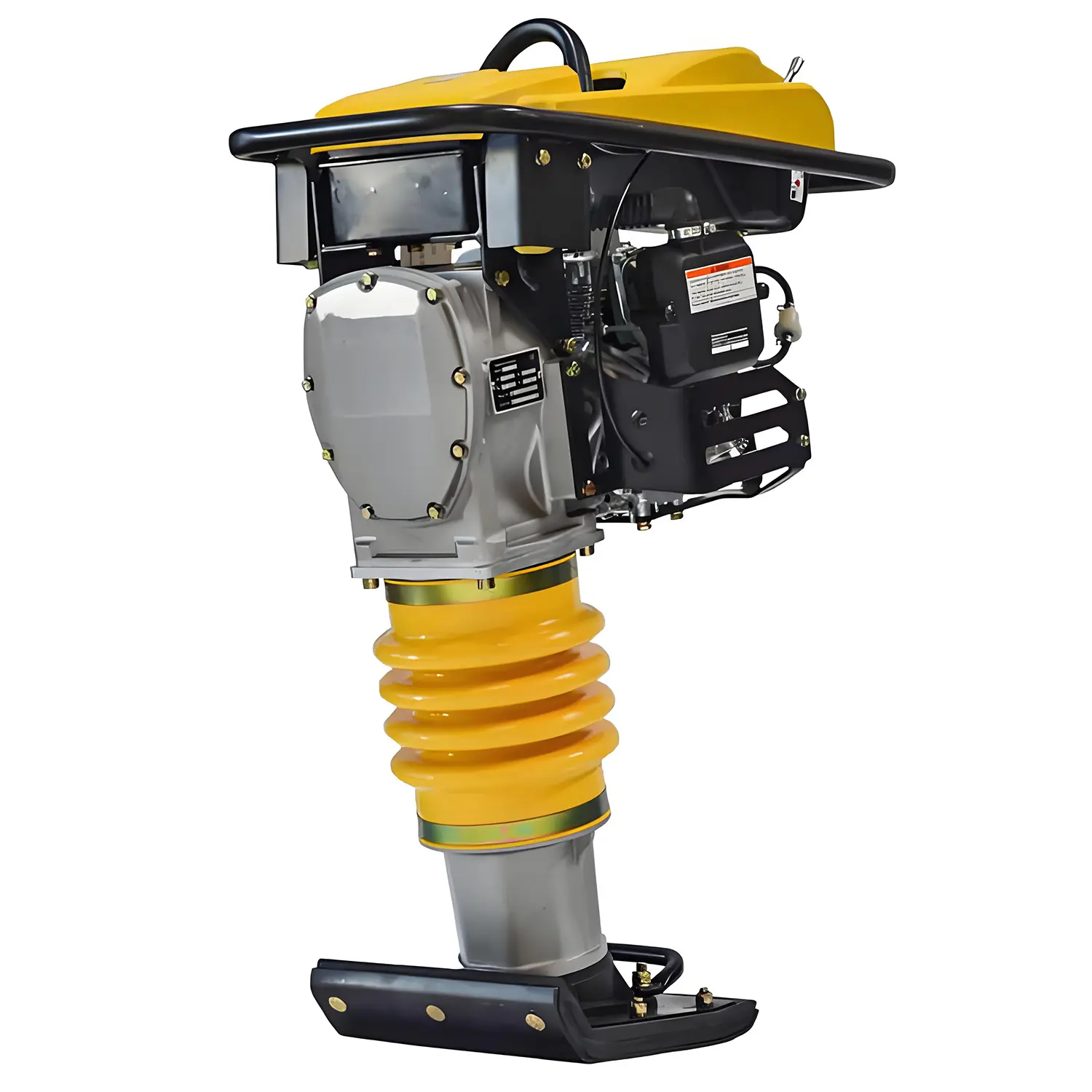
| Tamping rammer | Narrow trenches and confined spaces where larger rollers cannot operate | A reciprocating mechanism drives a small foot repeatedly against the ground, delivering concentrated impact and vibration. | Cohesive or mixed soils, depending on the machine and site conditions | Its narrow footprint provides access in tight areas but covers less ground per pass than a plate compactor or roller. |
Heavy-duty compactors are used where waste arrives steadily and storage space is limited: distribution centers, factories, hospitals, airports, and large residential sites. The World Bank’s What a Waste 2.0 report estimated that the world generated 2.01 billion tonnes of municipal solid waste in 2016, with volumes projected to reach 3.40 billion tonnes by 2050. In the United States, the EPA reported 292.4 million tons of municipal solid waste generated in 2018. These figures help explain why reliable on-site handling matters. A compactor’s hydraulic ram presses loose material into a container. Simple idea. Demanding work.
Performance depends heavily on what enters the machine. Dry cardboard behaves differently from wet food scraps, plastic film, or mixed packaging. Moisture and bulky items can reduce usable capacity, while poorly sorted loads may create jams or uneven pressure. Loading rhythm matters, too: frequent, consistent feeding is usually easier to manage than sudden surges. A high compaction ratio sounds attractive, but it is not always the right target. The material and container determine what is practical.
Operators should also watch hydraulic pressure, cycle time, container fit, and signs of wear, such as leaks or slow ram movement. Routine checks can catch problems before a full container becomes difficult to exchange. EPA’s 2018 report provides useful waste-volume context, but it does not prescribe one compactor setting for every site. That distinction matters. Local waste mix and operating habits often shape results more than a headline capacity figure.