400-181-1680
Leave Your Message

10 Essential Tips for Working with Vibrated Concrete for Perfect Results?

When working with Vibrated Concrete, achieving perfect results requires careful attention to detail. This specialized concrete mix is known for its ability to fill complex molds and produce smooth finishes. However, without proper techniques, it can lead to issues like air bubbles and inconsistent strength.

One key aspect of using Vibrated Concrete is understanding the right vibration methods. Over-vibrating can cause segregation, while under-vibrating can trap air. Such missteps can lead to disappointing outcomes. Professionals often face challenges, such as ensuring uniform distribution and preventing surface defects. Mistakes in mixing or pouring can also compromise the integrity of the final product.

Success with Vibrated Concrete demands practice and patience. Experimentation with different techniques is essential for continuous improvement. Many professionals find that regularly reflecting on their methods helps them discover new ways to fine-tune their approach. Ultimately, the pursuit of perfection in using Vibrated Concrete is a journey full of challenges and opportunities for growth.
10 Essential Tips for Working with Vibrated Concrete for Perfect Results?

Understanding the Basics of Vibrated Concrete and Its Applications

10 Essential Tips for Working with Vibrated Concrete for Perfect Results?

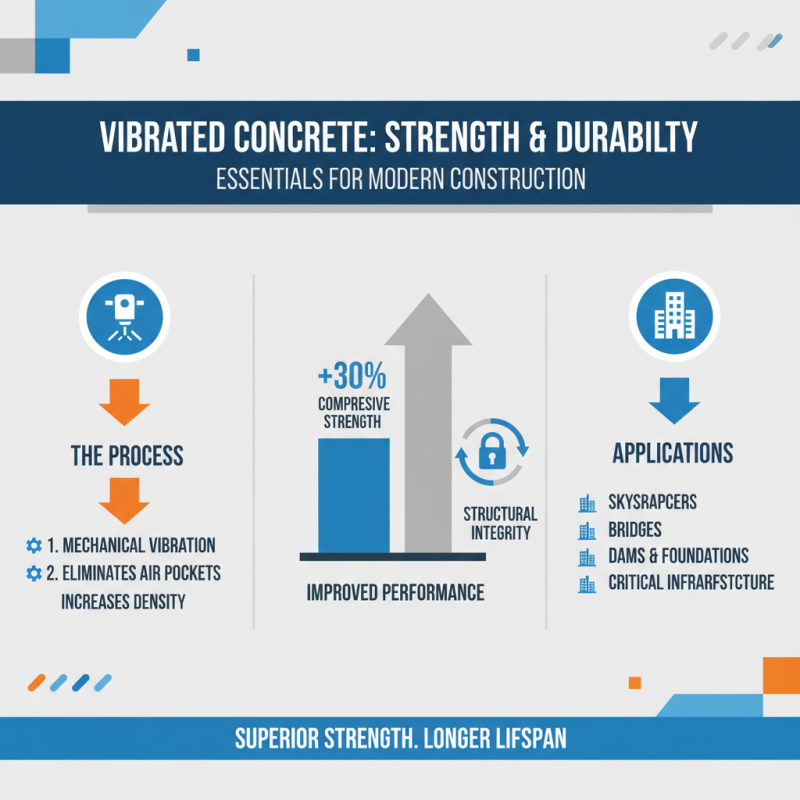
Vibrated concrete is a critical material in modern construction. It offers superior strength and durability. The process utilizes mechanical vibration to eliminate air pockets within the mixture, enhancing its density and overall performance. According to industry reports, proper vibration can increase compressive strength by up to 30%. This improvement is vital for structural integrity.

Understanding the application of vibrated concrete is essential. It is commonly used in high-rise buildings and bridges. Developers often gravitate towards this material for its high workability and finishing qualities. However, improper vibration techniques can lead to segregation and honeycombing. These defects can diminish the concrete's performance significantly. Awareness of these pitfalls is crucial for construction teams.

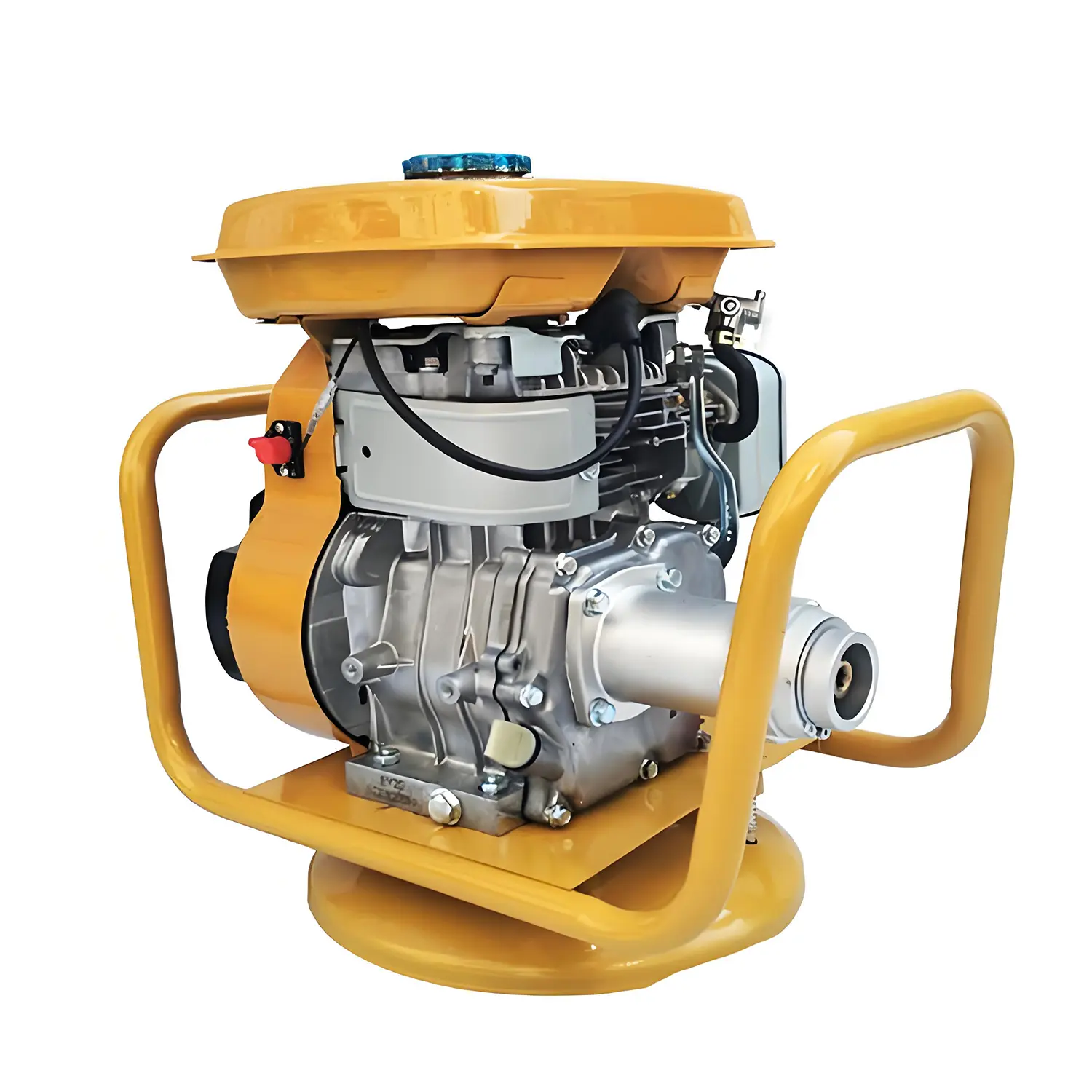
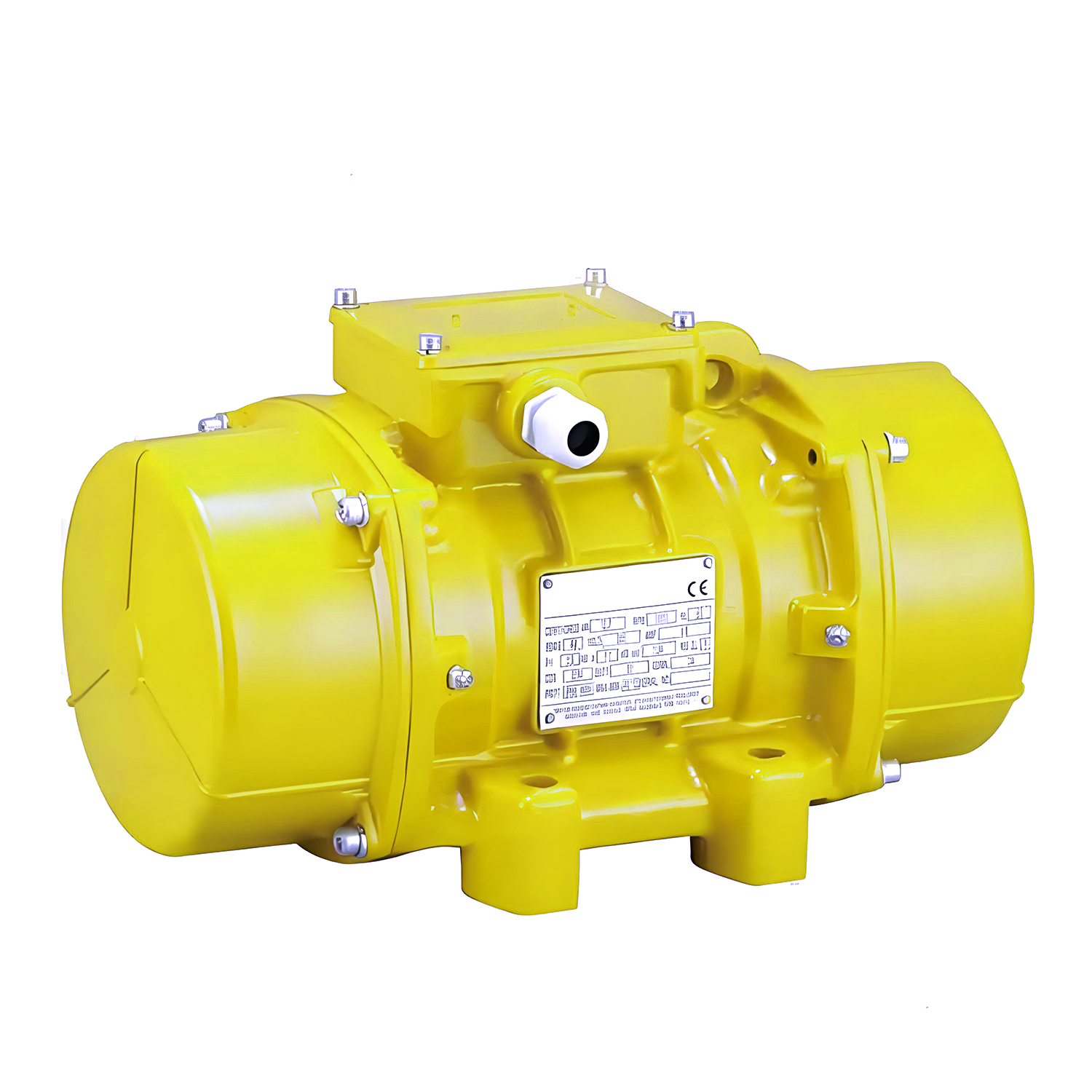
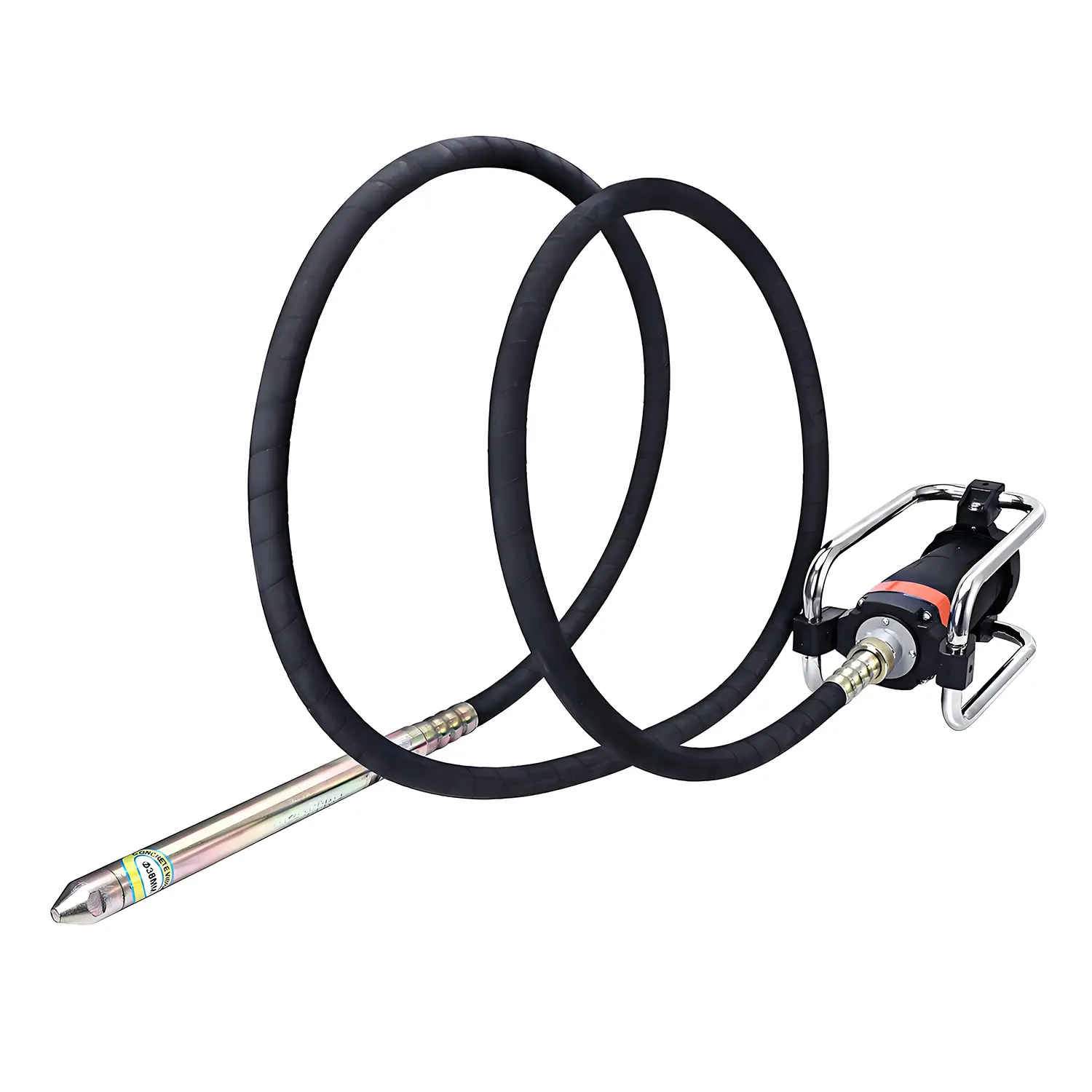
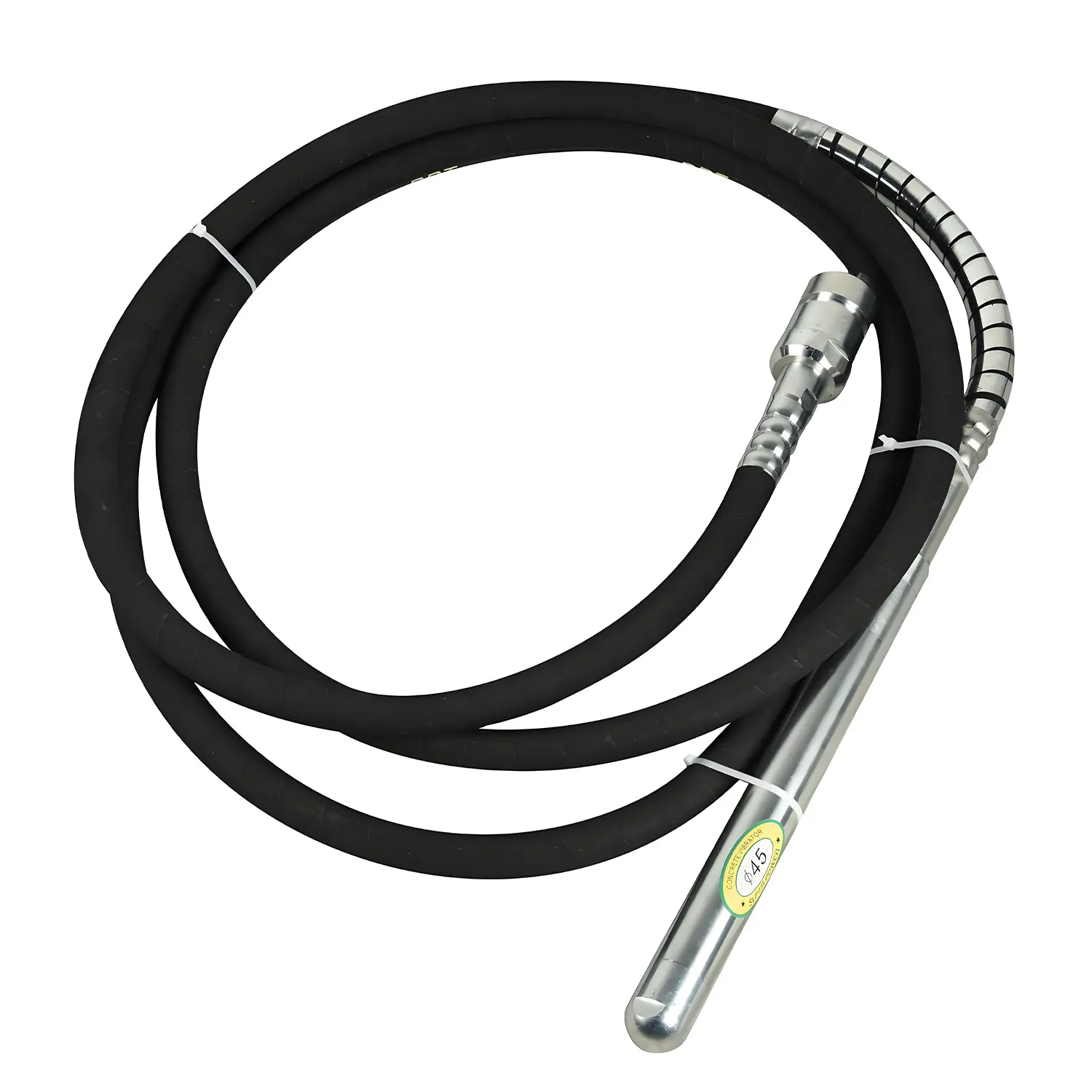
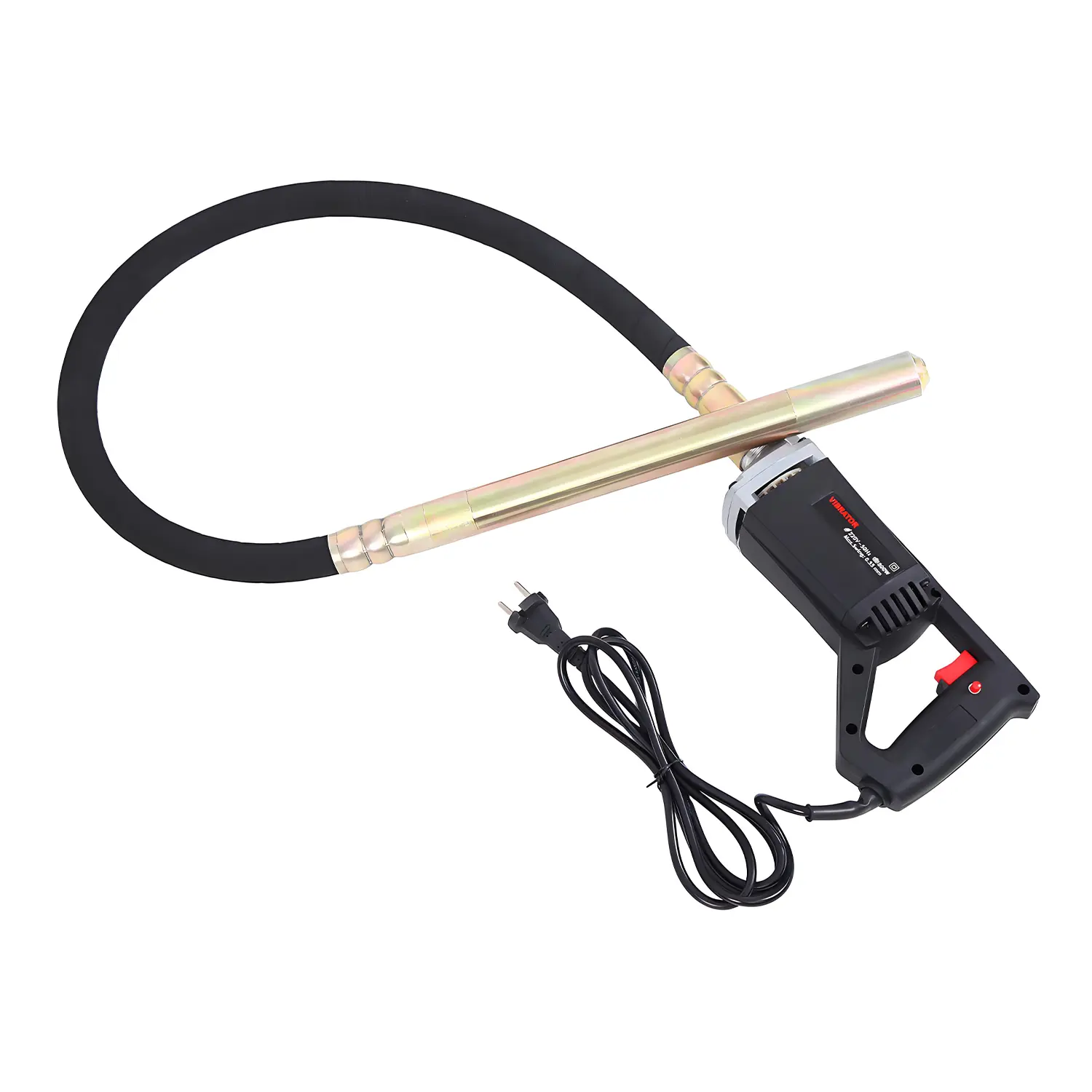
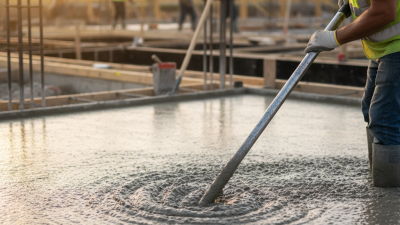
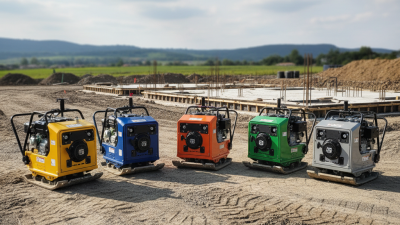
Choosing the right tools is also important. Vibrators come in various forms, including internal and external types. Each has its application, depending on the project's scale. When misused, they can lead to uneven distribution of materials. Inadequate vibration, on the other hand, can result in weak spots. Understanding these nuances can make the difference between a successful project and costly repairs later on.
Key Factors Affecting the Quality of Vibrated Concrete

10 Essential Tips for Working with Vibrated Concrete for Perfect Results?

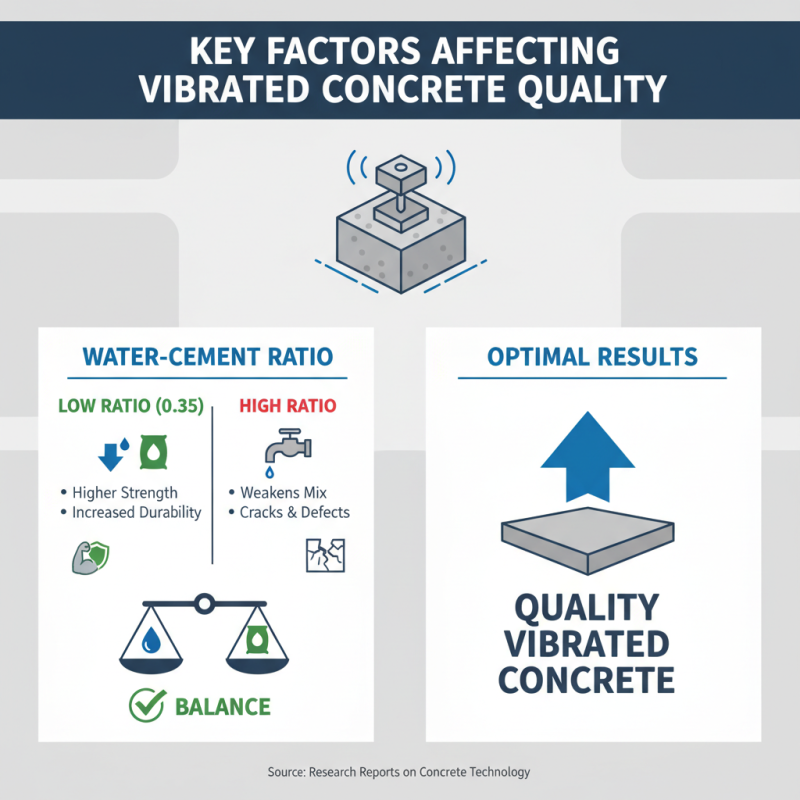
When working with vibrated concrete, several key factors significantly affect its quality. One of the most crucial factors is the water-cement ratio. Reports indicate that a water-cement ratio as low as 0.35 can lead to higher strength and durability. Too much water, however, weakens the mix, causing cracks and other defects. The balance is crucial for achieving optimal results.

Vibration techniques also play a critical role in the final product. Improper vibration can lead to uneven density and air pockets, which compromise the integrity of the concrete. A study revealed that 20% of concrete failures stem from inadequate compaction. Maintaining consistent vibration time and amplitude is essential. Additionally, the type of aggregate used influences the mix's performance. Well-graded aggregates provide better compaction and reduce voids, enhancing the concrete's overall durability.

Finally, environmental factors cannot be overlooked. Temperature and humidity levels impact curing processes. Higher temperatures can accelerate drying, leading to cracking if not monitored carefully. Regularly inspecting curing conditions can prevent these common pitfalls. Each of these elements reveals the complexity of working with vibrated concrete. They remind us that even minor oversights can lead to significant issues down the line.

Step-by-Step Guide to Proper Vibration Techniques

Vibrated concrete can achieve stunning finishes when done correctly. Understanding proper vibration techniques is crucial. Start by ensuring your concrete mix is suitable for vibration. Use a mixture with adequate workability. This helps the concrete flow and settle.

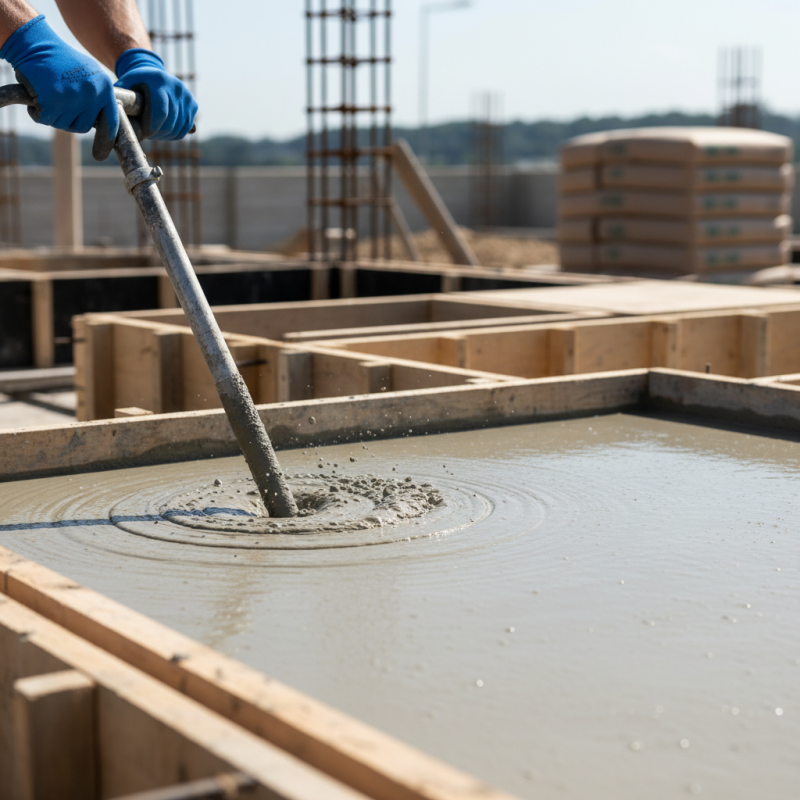
When vibrating, position the vibrator carefully. Insert it into the mix without disturbing the forms. A slow, steady vibration gives better results. Too much vibration can lead to segregation, where heavier aggregates sink. Be aware of the timing; vibrate only until air bubbles disappear. Over-vibrating can create a weak surface.

After vibration, check for imperfections. Look for voids or surface inconsistencies. These can ruin an otherwise flawless finish. Patience is essential, as rushing can undermine your efforts. Reflect on the process; not every attempt will yield perfect results. Learn from each pour, adjusting techniques as needed. Embracing these lessons will enhance your skill in working with vibrated concrete.

Common Mistakes to Avoid When Working with Vibrated Concrete

When working with vibrated concrete, avoiding common mistakes is crucial for achieving quality results. One frequent error is not properly preparing the surface before pouring. A dirty or uneven surface can lead to poor bonding, resulting in weak areas. Ensure the area is clean and the formwork is secure to prevent issues later.

Another mistake is over-vibration. While vibrating concrete helps eliminate air pockets, too much vibration can lead to segregation of aggregates. This process can cause uneven consistency. It’s vital to find a balance; watch the concrete carefully during the process. If it’s moving excessively, dial back the vibration.

Additionally, many overlook the importance of timing. Allowing concrete to set too long before vibrating can hinder the overall quality. This results in a rough surface and can affect the concrete's integrity. A smooth finish requires vigilance and attention to detail throughout the process. Recognizing these pitfalls can help improve your results significantly.

10 Essential Tips for Working with Vibrated Concrete for Perfect Results

Tip Description Common Mistakes
1. Proper Mix Design Ensure an optimal mix ratio to achieve the desired strength and workability. Using too much water can weaken the concrete.
2. Use Quality Materials Select high-quality aggregates and cement to improve durability. Using subpar materials can lead to cracking and failure.
3. Proper Vibration Technique Use the right type and intensity of vibration to consolidate the mix without segregation. Over-vibration can lead to separation of aggregates.
4. Timing of Vibration Vibrate immediately after pouring to prevent settling. Delaying vibration can cause inconsistent density.
5. Monitoring Temperature Control the temperature of the mix and the environment to avoid thermal cracking. Ignoring temperature can lead to cold joints and poor curing.
6. Proper Curing Methods Keep the concrete moist to ensure effective hydration over time. Insufficient curing can cause surface cracking.
7. Avoiding Air Entrapment Use proper vibration techniques to eliminate trapped air bubbles. Ignoring air bubbles can compromise the final strength.
8. Testing Strength Conduct strength tests on samples to ensure compliance with specifications. Skipping tests can lead to unforeseen structural failures.
9. Environmental Considerations Consider weather impacts on concrete performance during installation. Neglecting environmental factors can result in surface defects.
10. Documentation Keep records of mix designs, test results, and circumstances during placement. Poor documentation can lead to mistakes being repeated.

Best Practices for Curing and Finishing Vibrated Concrete Surfaces

When working with vibrated concrete, curing and finishing are crucial steps to achieving quality results. After pouring, it's vital to protect the surface from rapid moisture loss. Use wet burlap or plastic sheeting. This can prevent unwanted cracking. However, remember that too much water can weaken the structure. Monitor the moisture levels carefully.

For finishing, consider using a float early on. This tool helps to level and compact the surface. Be mindful of your timing; too late and you risk damage to the fresh surface. Texture mats can also enhance the final appearance. Yet, achieving uniform texture can be challenging. Monitor your technique closely and be ready to adjust.

Reflect on the conditions during curing and finishing. Temperature fluctuations can impact the results significantly. If the environment is too hot or windy, you may need to reapply curing materials more frequently. In some cases, slight imperfections may appear, reminding us that even the best practices require ongoing evaluation and adjustment.

Vibrated Concrete Performance Metrics