10 Essential Tips for Using Concrete Vibrators Effectively
Concrete Vibrators play a crucial role in ensuring the integrity of concrete structures. According to Frank Thompson, an industry expert, “Effective use of Concrete Vibrators can vastly improve concrete quality.” This highlights the importance of understanding how to use these tools properly.
Many construction professionals overlook the nuances of using Concrete Vibrators. Simply inserting them into the mix is not enough. The right technique and timing are key. For instance, improper vibration can lead to air pockets in the concrete, compromising strength and durability.
Vibrators come in different shapes and sizes, each suited for specific applications. Identifying the right vibrator for your project is vital. It’s easy to underestimate the learning curve. Observing the mixing process attentively can reveal areas for improvement. This reflection is essential for achieving optimal results.
Choosing the Right Concrete Vibrator for Your Project
Choosing the right concrete vibrator is crucial for achieving optimal results in your construction project. Different tasks may warrant varying types of vibrators. For instance, concrete pumps generally require high-frequency vibrators, while slab work often benefits from low-frequency, high-amplitude devices. According to industry studies, using the right vibrator can reduce voids and enhance compaction by up to 30%. This directly impacts the strength and durability of the structure.
Understanding the specifics of your project is vital. For large pours, a more robust industrial vibrator may be necessary. Conversely, smaller jobs might do fine with a handheld unit. It's important to consider the thickness of the concrete. A thicker pour may require deeper penetration. Measurements and planning are key here. Many professionals overlook vibration patterns, which can cause uneven finishes. If you find that your vibrators are not producing the expected results, it might be time to reassess their type and application.
Additionally, pay attention to the electric source. If running extensions and generators, faults may arise. These can lead to disrupted work or subpar results. In some cases, operators overlook the importance of operator training. A skilled operator can adapt techniques based on each unique situation, ensuring the concrete achieves its full potential. Don't underestimate this aspect. Investing in hands-on experience could save time and costly mistakes in the long run.
Understanding the Proper Technique for Using Concrete Vibrators
Concrete vibrators are crucial tools in construction. Understanding the proper technique is essential for optimal results. Poor use can lead to issues like voids and honeycombing in concrete structures.
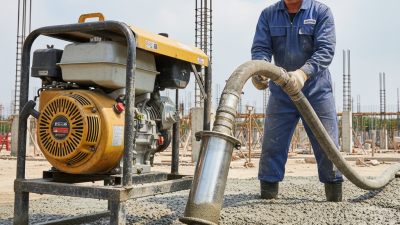
To ensure effective vibration, hold the vibrator vertically. Don’t keep it in one spot too long. Move it slowly through the concrete. The goal is to release trapped air bubbles and consolidate the mix. Reports show that well-vibrated concrete achieves 10-20% higher compressive strength. This means sturdier structures.
Tip: Use the right amplitude and frequency. Higher amplitude suits larger aggregates while lower frequency works with finer mixtures. Inadequate settings can lead to insufficient consolidation.
Concrete work is a science. Vibration is not just about making noise. It’s about achieving a dense, uniform mix. Improper technique often results in rework. So, learn and reflect on your methods. Adjust your approach to ensure success.
Concrete Vibrators Efficiency Analysis
This chart displays the efficiency ratings of different concrete vibration techniques as evaluated on a scale from 0 to 10. Higher ratings indicate more effective use of concrete vibrators.
Timing: When to Use a Concrete Vibrator During Pouring
Timing is crucial when using concrete vibrators during the pouring process. It's essential to strategically employ the vibrator for optimal results. Industry data shows that improperly timed vibration can lead to issues such as segregation. This happens when aggregates and cement separate. The pouring should be continuous to allow for effective vibration without excessive settling.
To ensure proper timing, begin vibrating as soon as the concrete is poured. This can prevent air bubbles from forming. The American Concrete Institute suggests maintaining a sound technique to enhance the finished product's integrity. Achieving consistency helps maintain the structure's strength and durability.
Remember, over-vibrating can cause the mix to lose cohesion. This may lead to weak spots in the structure. Concrete should be vibrated just enough to eliminate air voids. A constant focus on timing will improve your pouring experience. Effective usage of a concrete vibrator makes a noticeable difference in the long run.
Safety Precautions to Consider While Operating Vibrators
When operating concrete vibrators, safety should be a top priority. Always wear proper personal protective equipment (PPE) such as gloves, safety glasses, and sturdy footwear. Avoid loose clothing that can get caught in moving parts. Familiarize yourself with the equipment before usage. A thorough understanding can prevent accidents and injuries.
Create a safe work environment by clearing the area of unnecessary personnel. This ensures everyone is at a safe distance from the vibrating equipment and reduces risks. Always check the condition of the vibrator before use. Damaged cords or parts can lead to malfunctions, which might cause harm.
Tip: Maintain a firm grip on the vibrator. It can vibrate intensely, making it hard to control. Make sure your body stance is stable. This will help prevent slips and falls. Be aware of your surroundings while vibrating concrete. Unexpected obstacles can be a hazard.
Another important precaution is to listen to the equipment. If you notice unusual noises, stop using the vibrator immediately. These sounds can indicate mechanical issues that need attention. Regular maintenance is essential to keep the vibrating tools in safe working order. Working safely ensures not just your safety, but also the quality of your concrete work.
Common Mistakes to Avoid When Using Concrete Vibrators
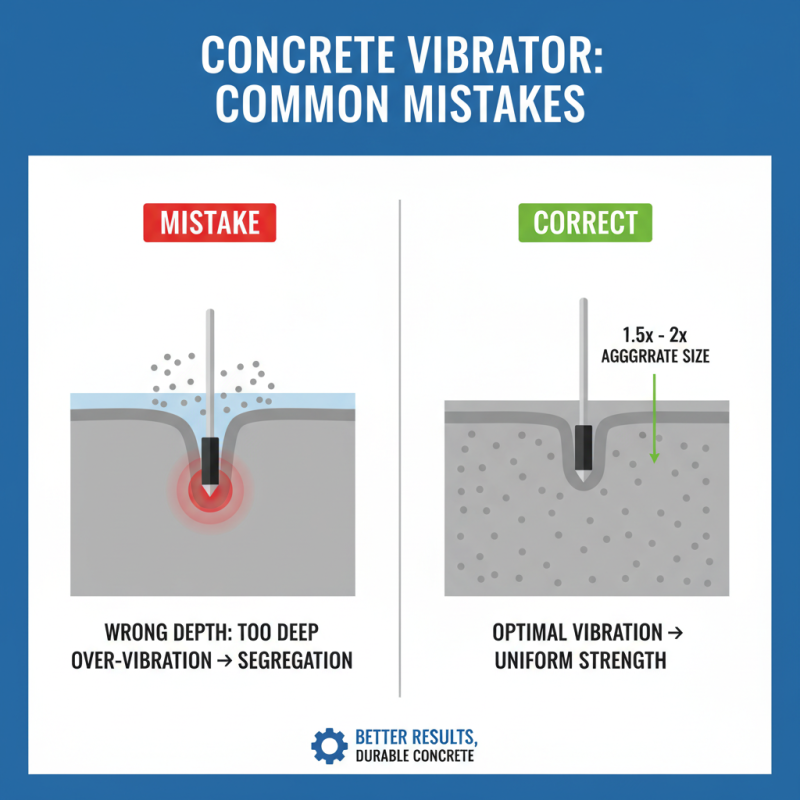
When using concrete vibrators, avoiding common mistakes is crucial for achieving optimal results. One frequent error is neglecting the correct depth of vibration. Over-vibrating concrete can lead to segregation, affecting the mix and strength. Proper guidance suggests a vibration depth of 1.5 to 2 times the maximum aggregate size.
Another mistake involves the placement of the vibrator. If you do not insert the vibrator vertically, it may not effectively eliminate air pockets. Industry studies show that improperly placed vibrators can reduce concrete strength by up to 15%.
To improve your technique, remember to keep the vibrator in the concrete for the right amount of time. A rule of thumb is 5 to 15 seconds, depending on the mix's consistency. Avoid rushing; patience is key in this process. Lastly, ensure that your equipment is well-maintained. Regular checks of the vibration frequency can prevent inefficiencies during pouring.

 Internal Vibrator
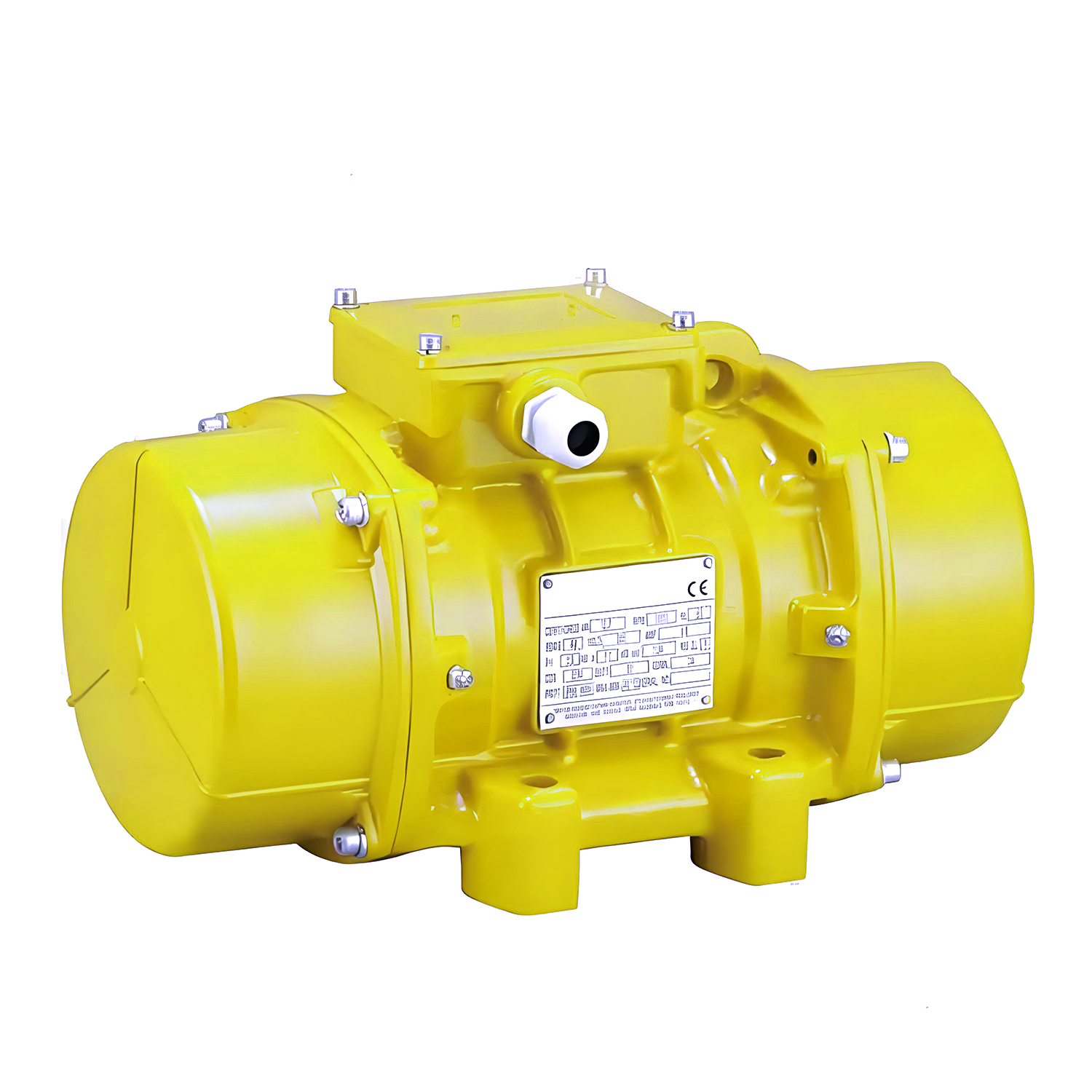 External Vibrator
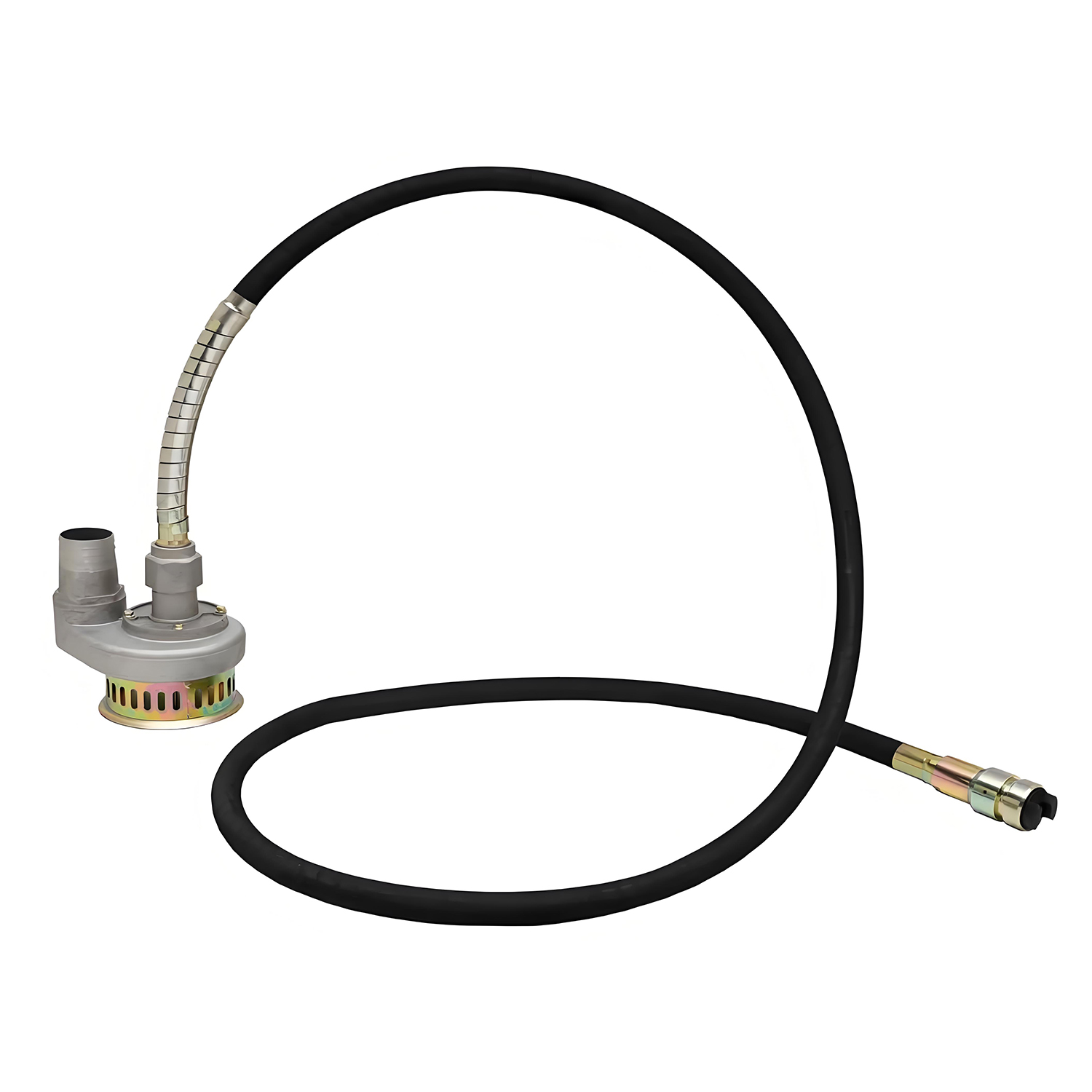 Submersible Pump
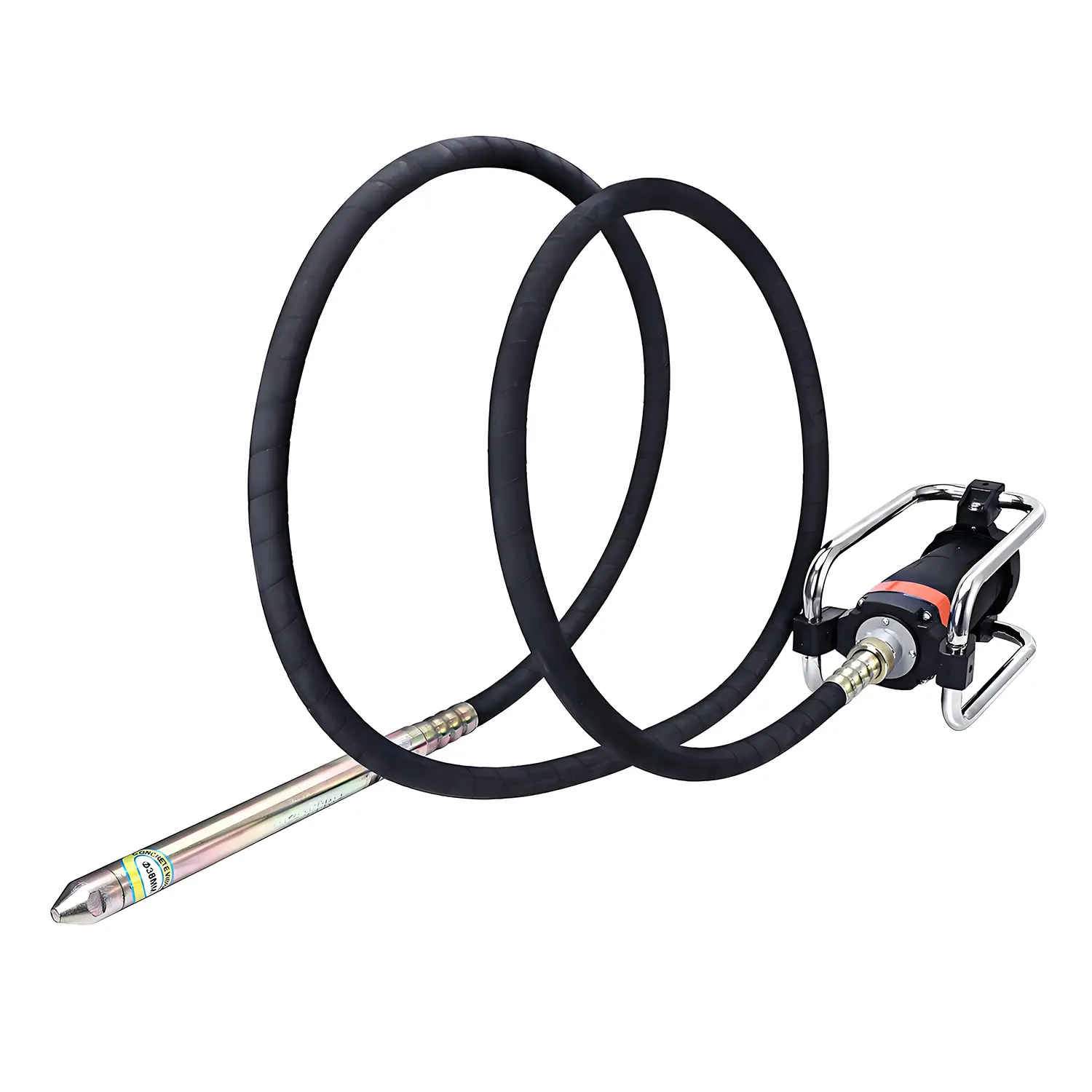 Eccentric shaft
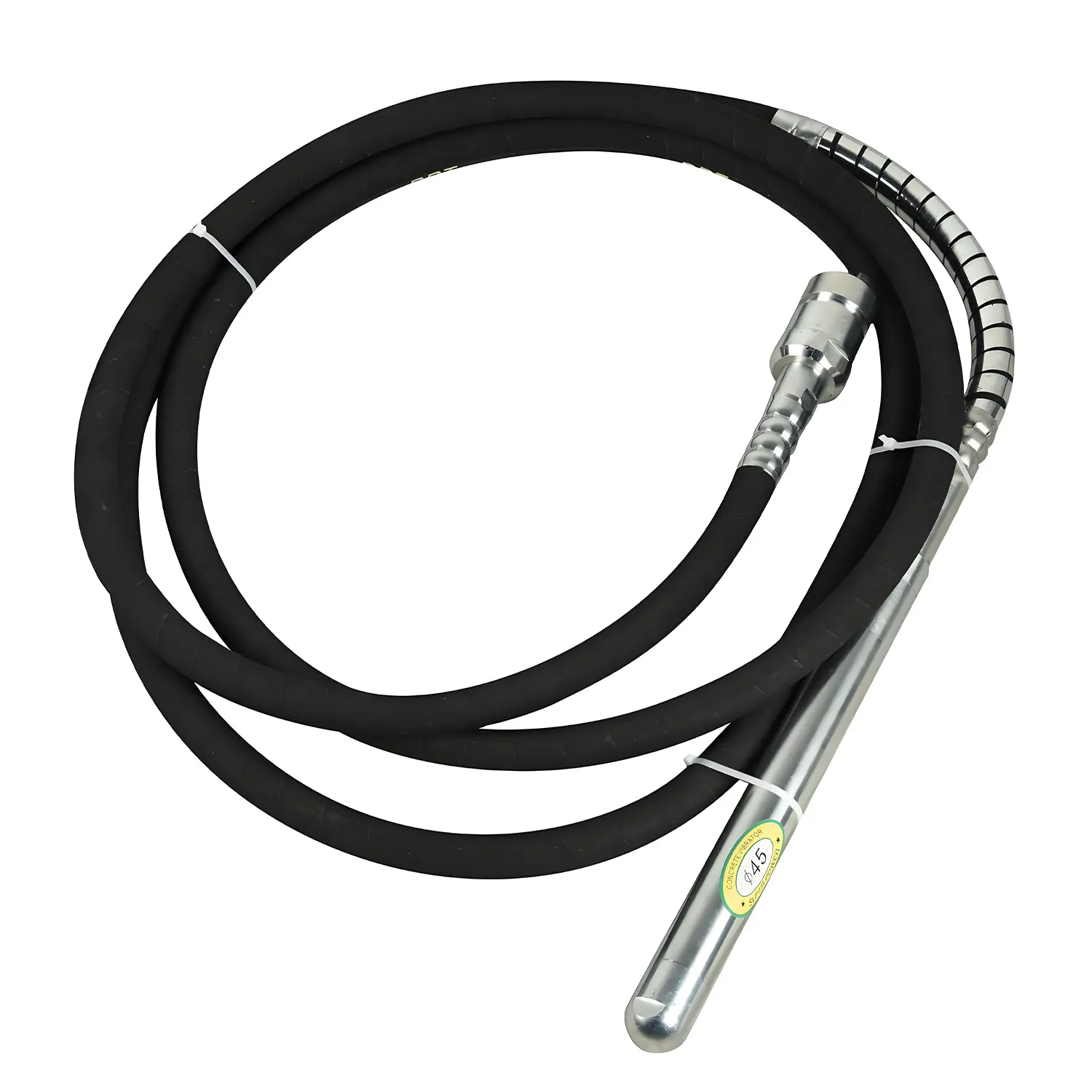 Pendulum shaft
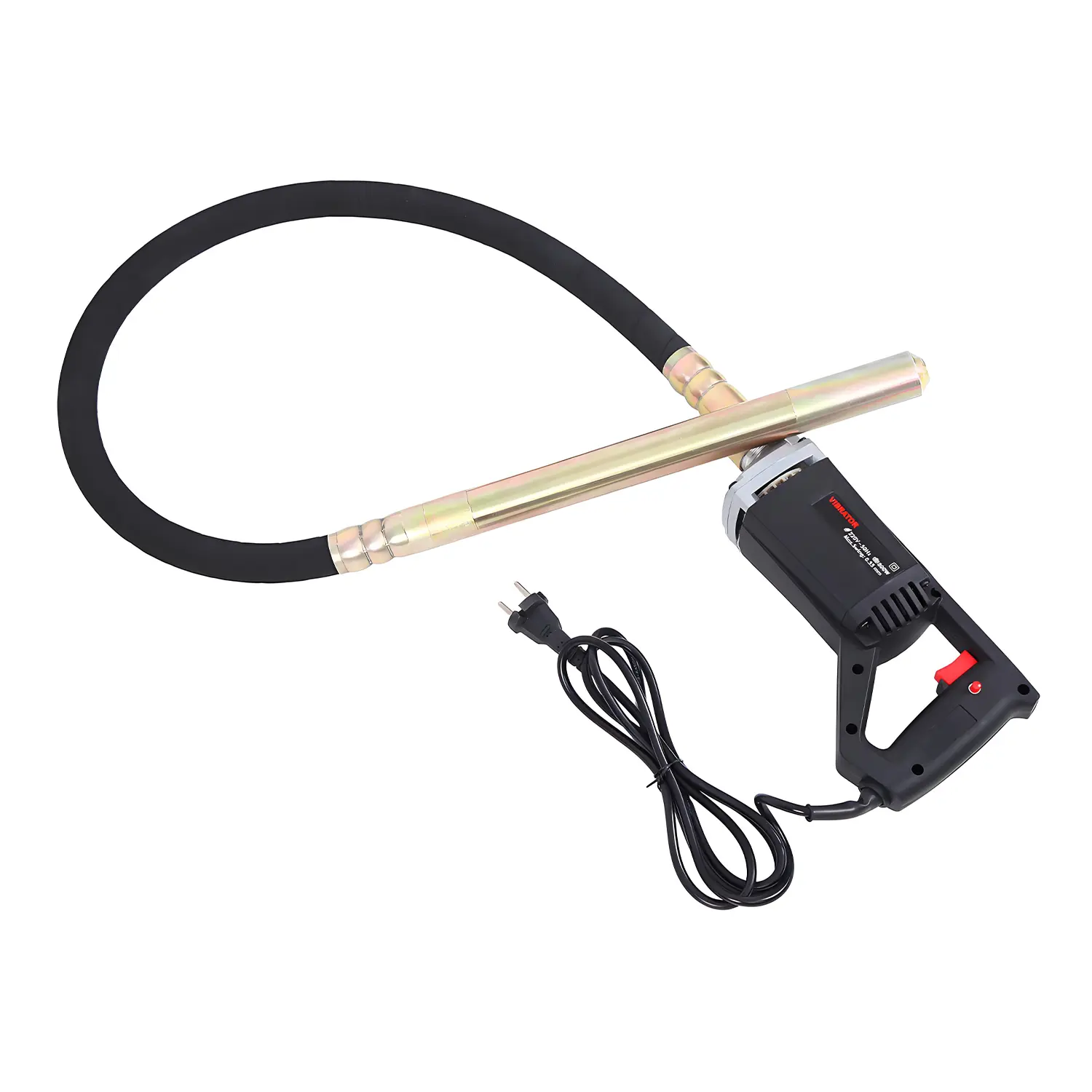 Portable vbrator shaft
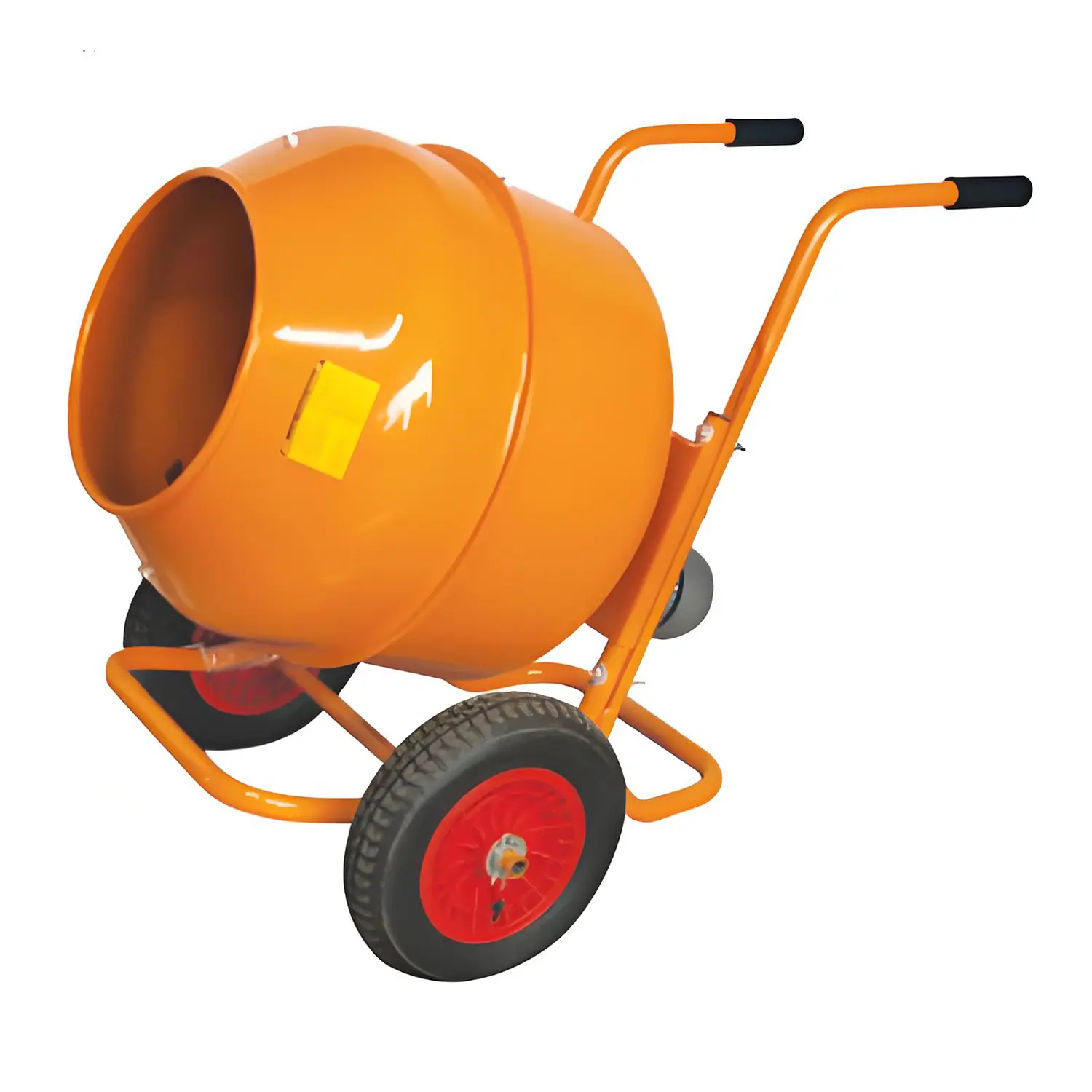 Portable concrete mixer
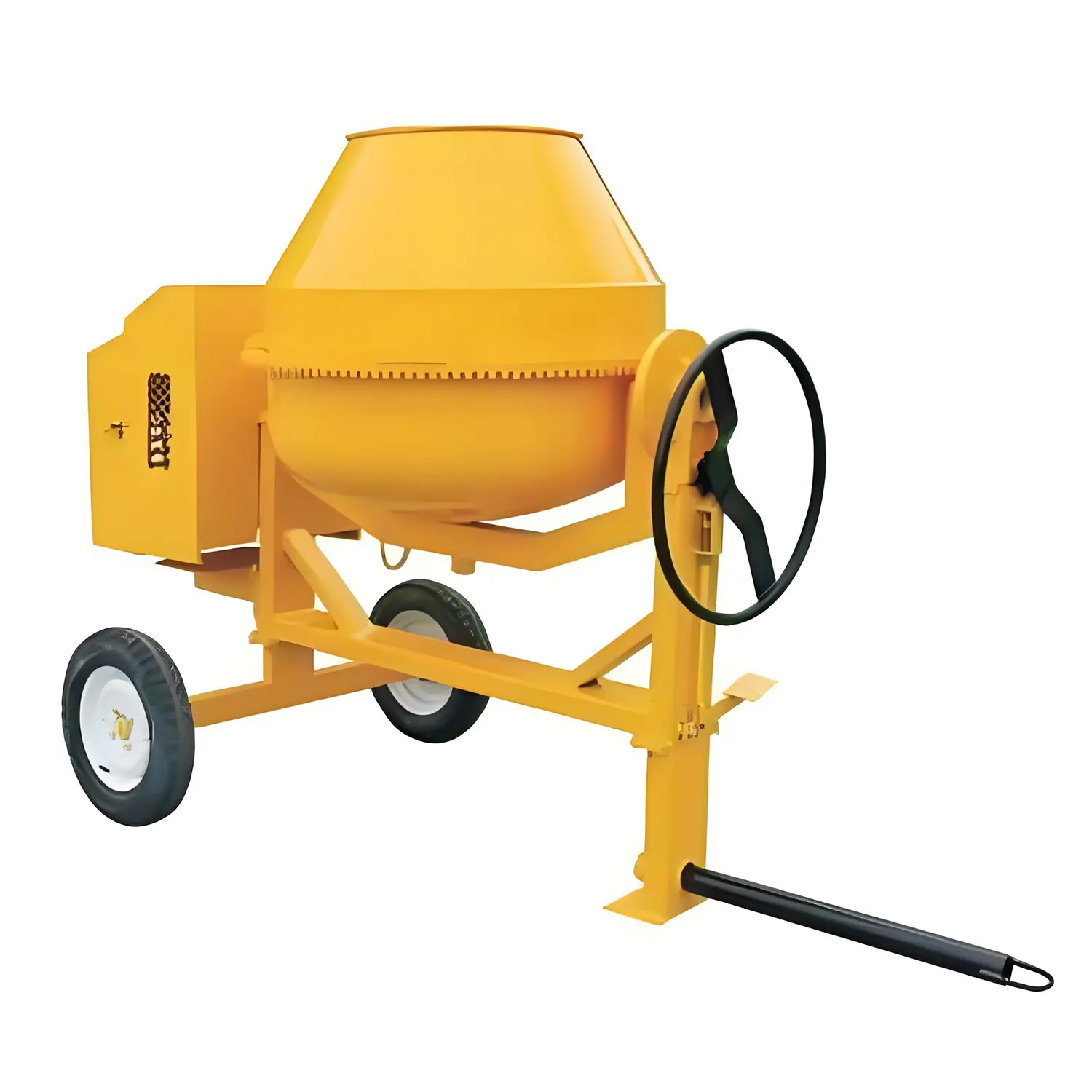 Vertical concrete mixer
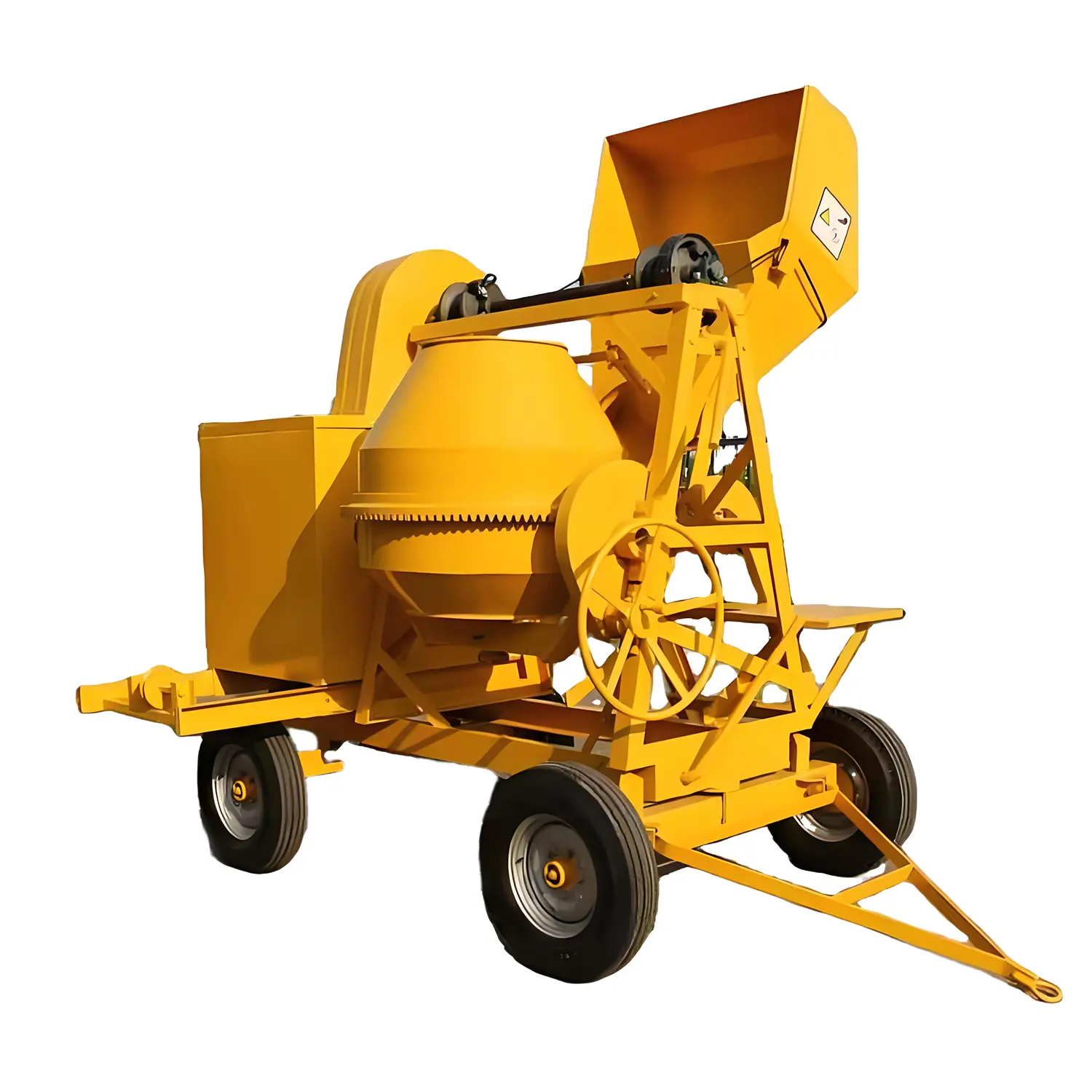 Hydraulic concrete mixer
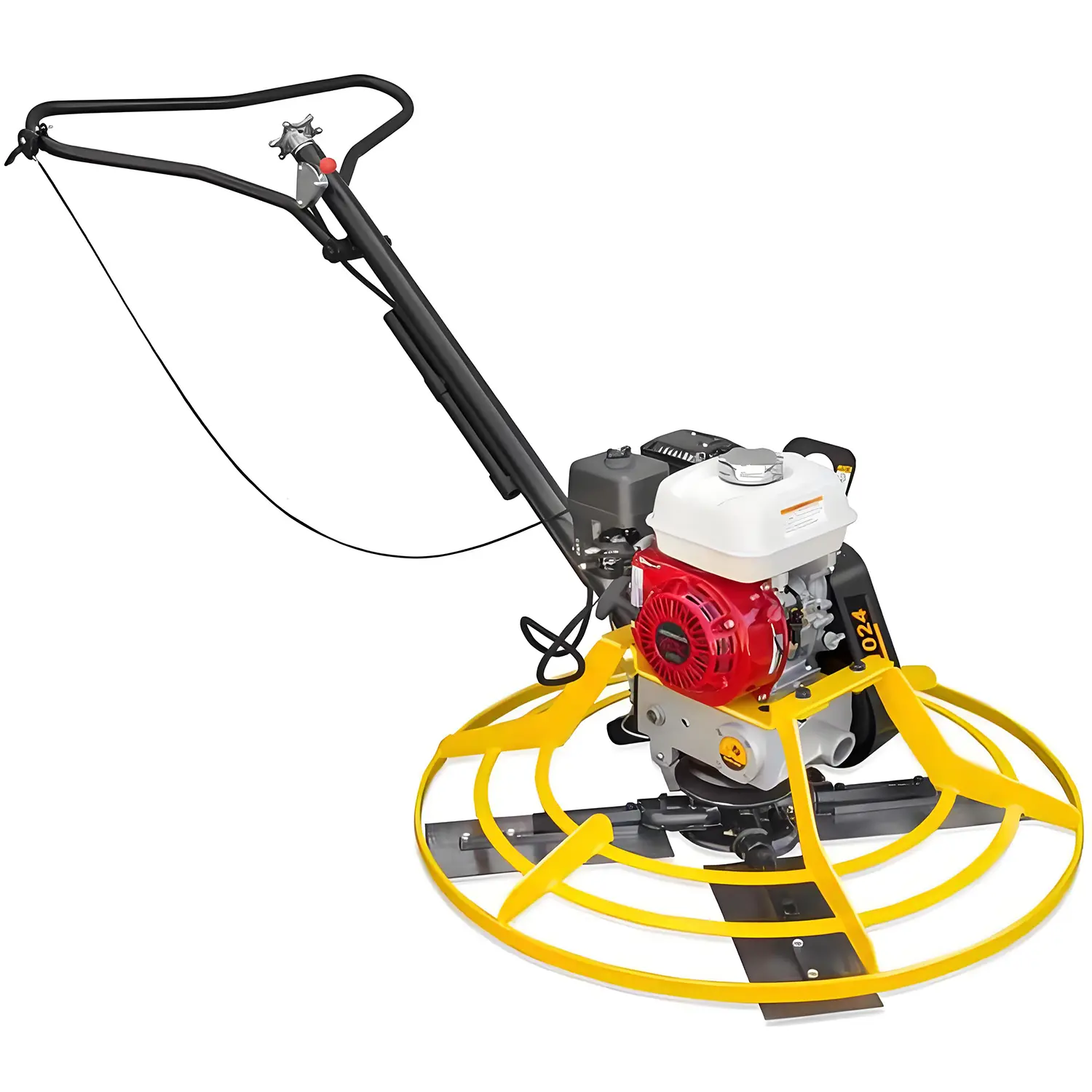 Walk behind power trowel
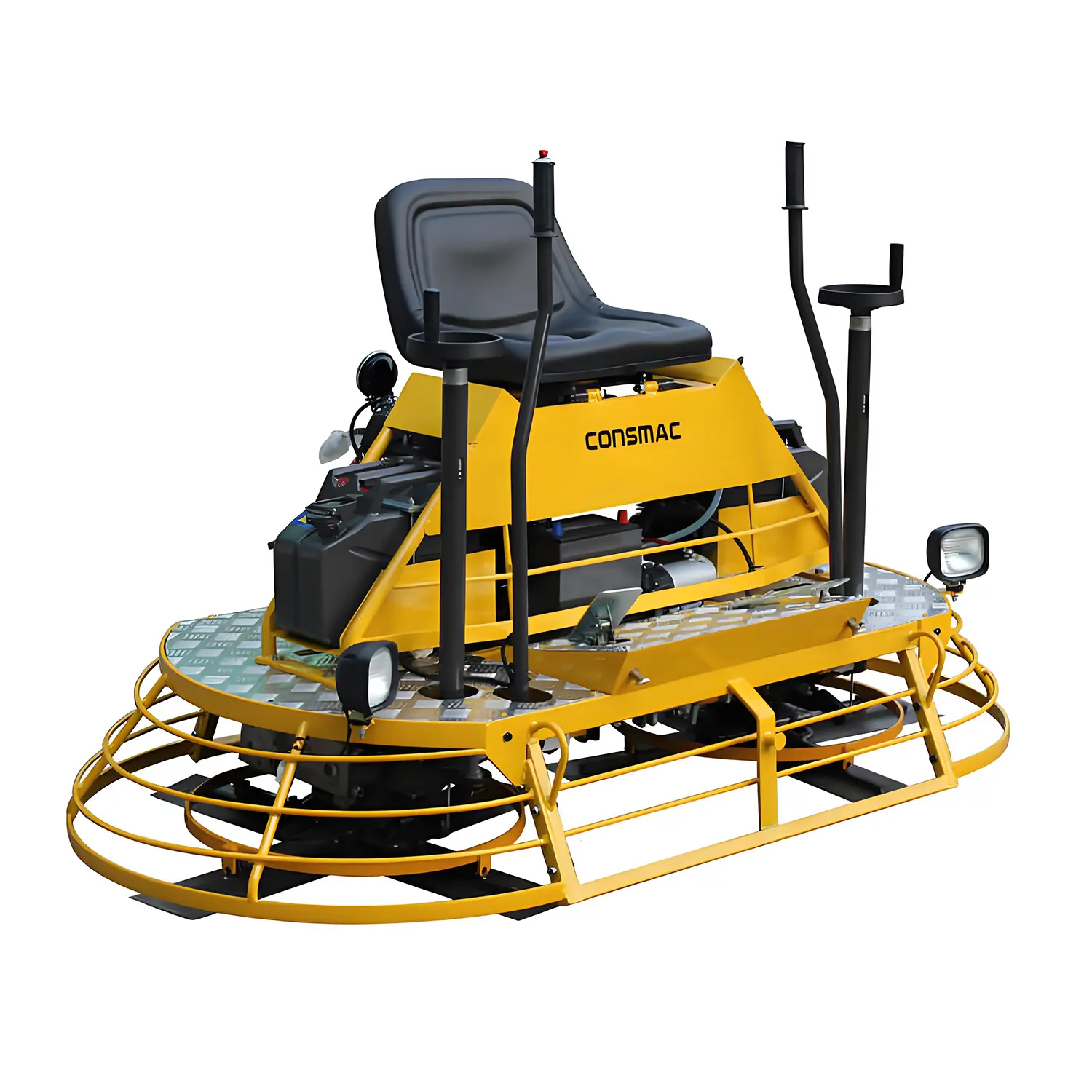 Ride on power trowel
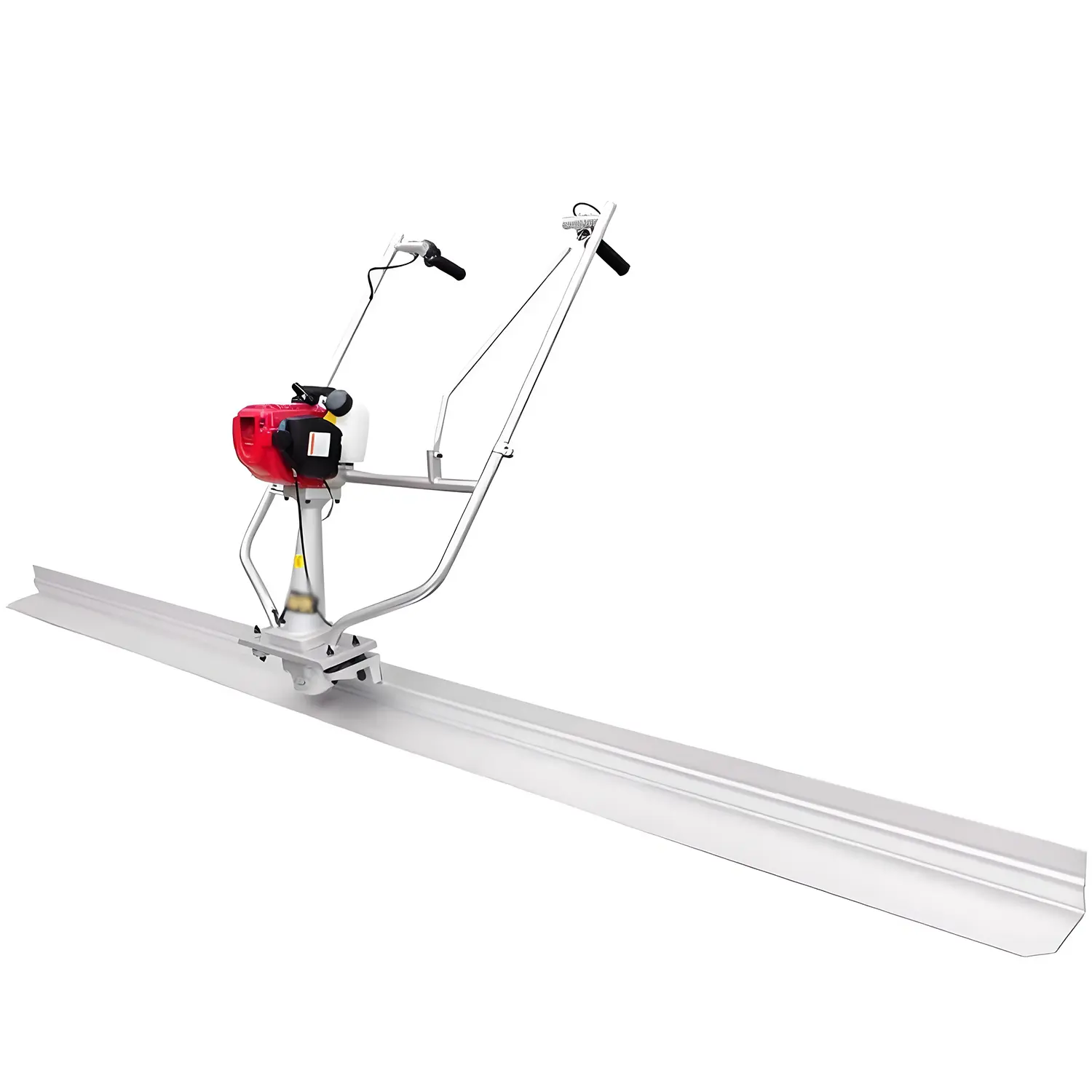 Concrete screed
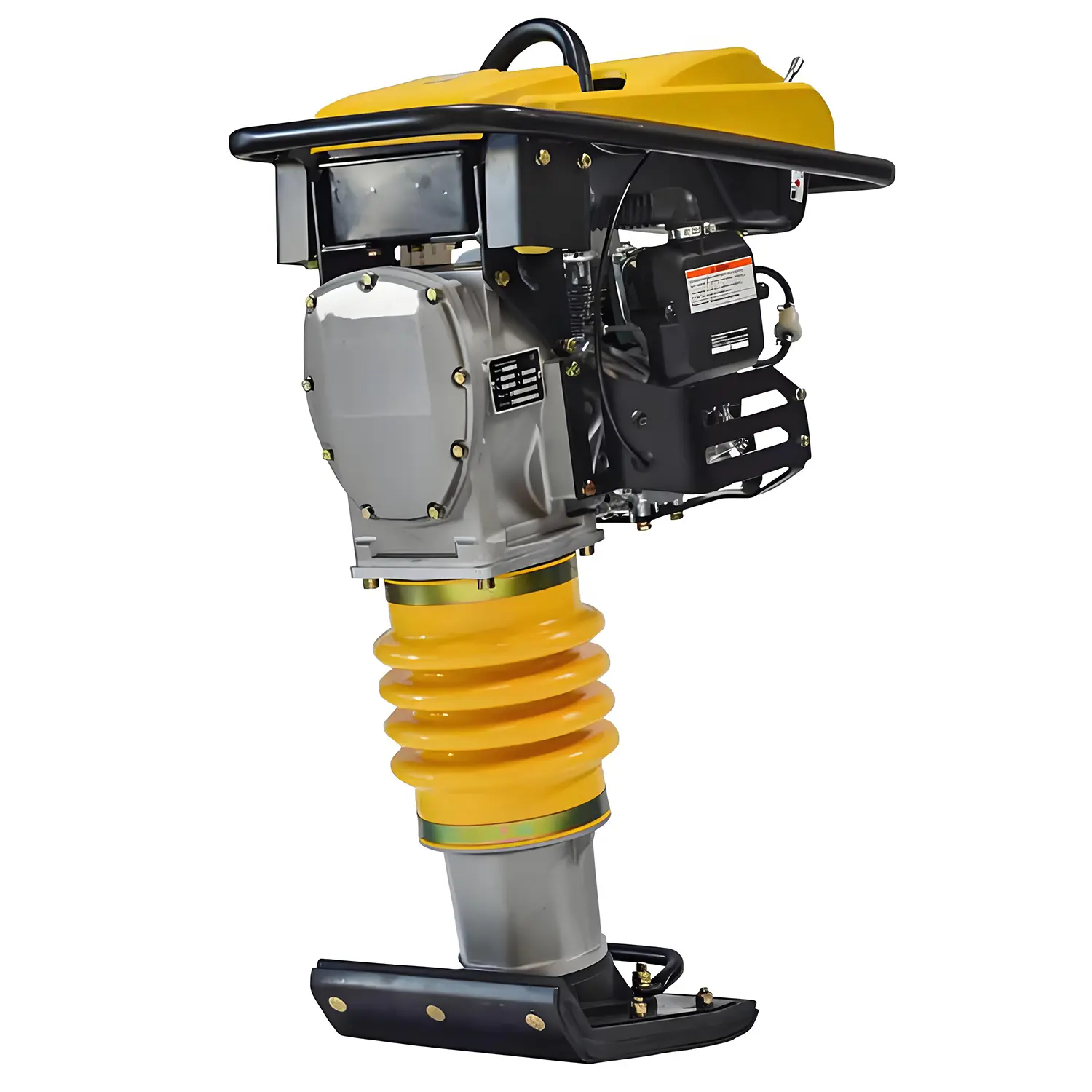 Tamping rammer
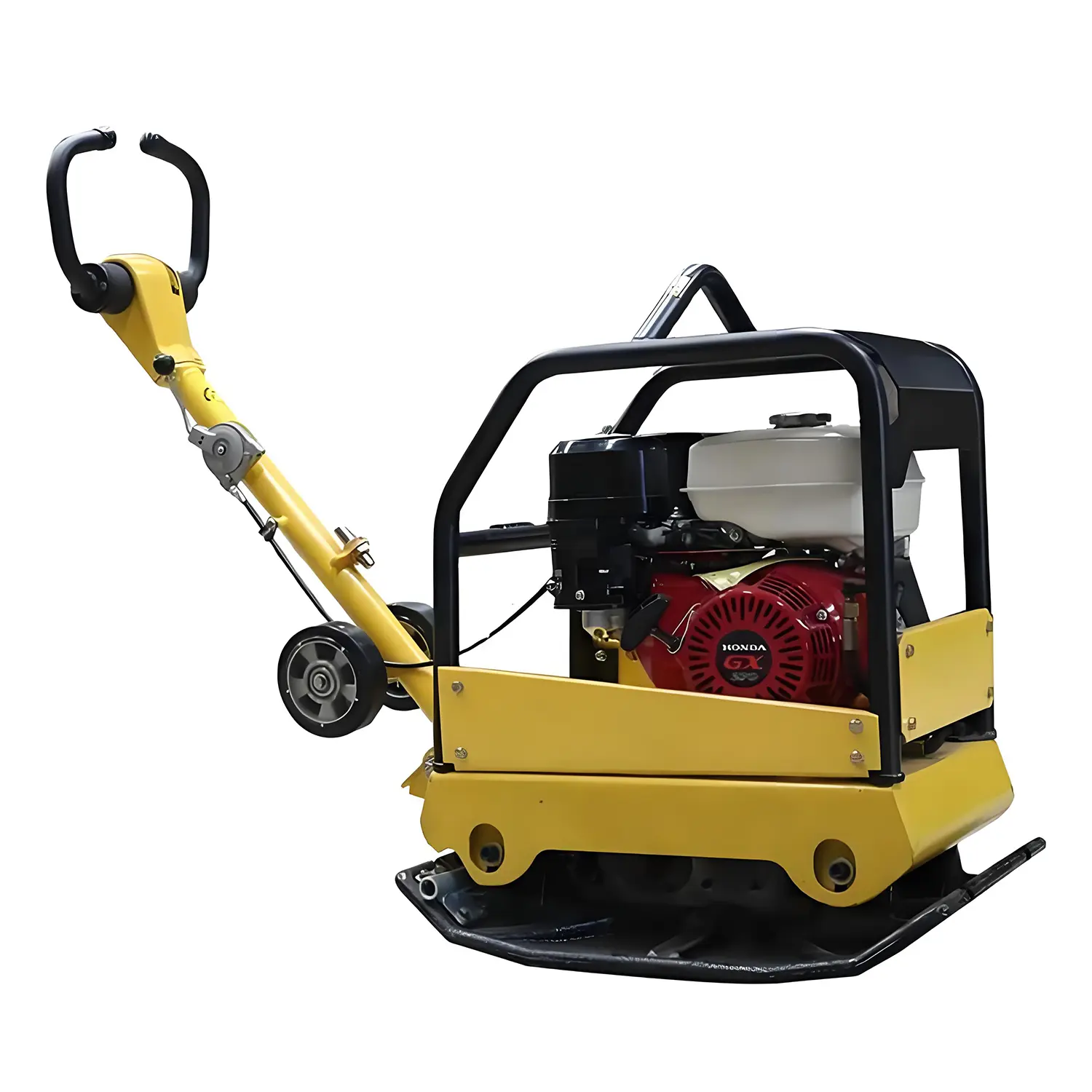 Plate compactor
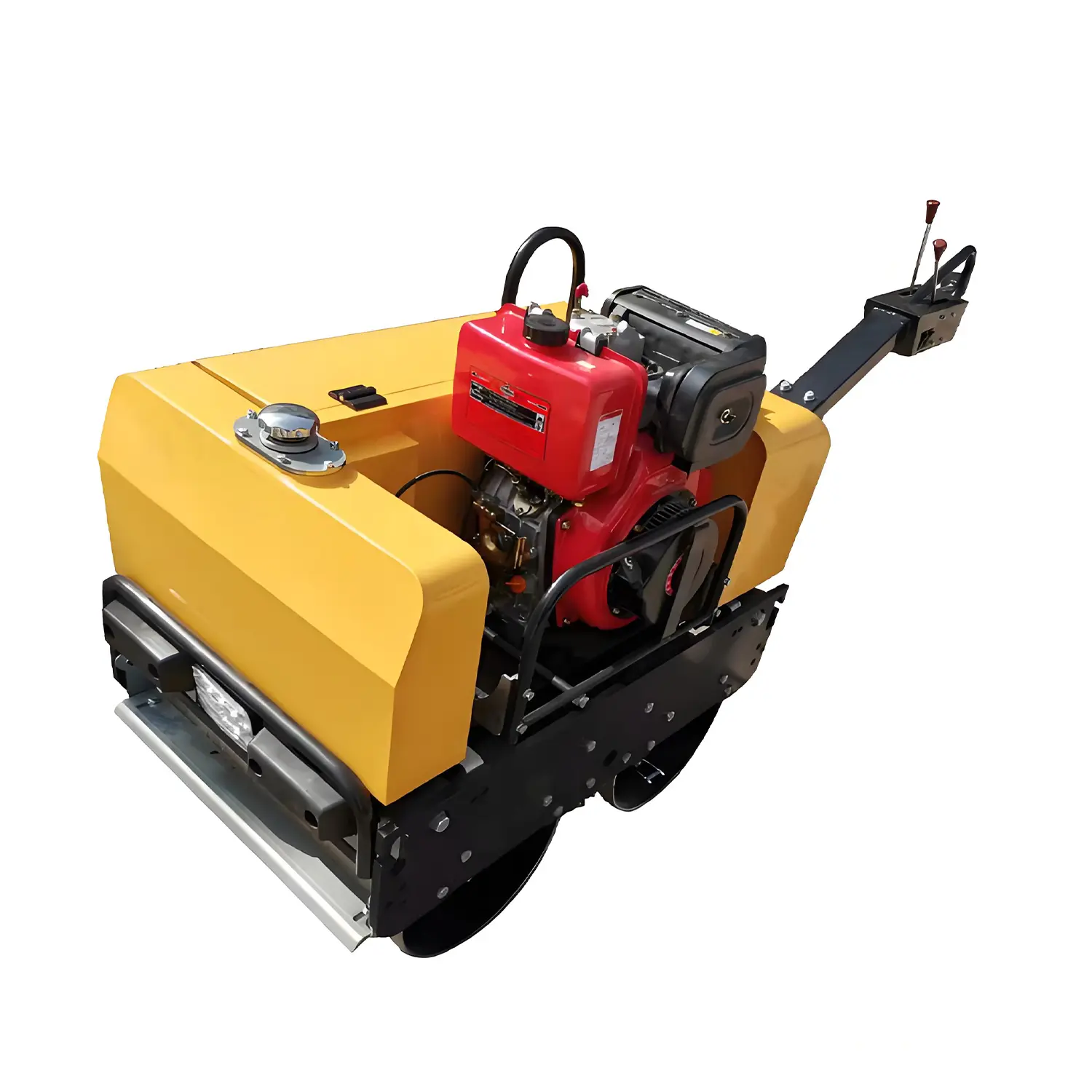 Vibratory roller