10 Essential Tips for Choosing the Right Reversible Compactor?
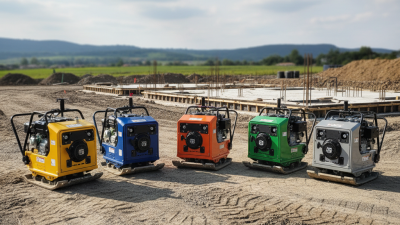
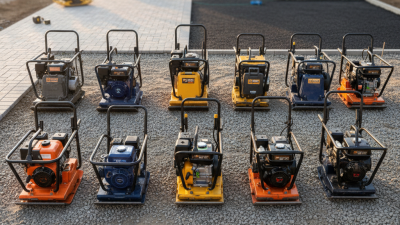
Choosing the right Reversible Compactor is crucial for efficient compaction in various construction projects. Recent reports indicate that improper selection can lead to increased operational costs and downtime. A Reversible Compactor not only enhances productivity but also optimizes material density during soil and asphalt compaction.
It's essential to consider the weight, size, and power of the compactor. According to industry data, compactors weighing between 2000 to 4000 pounds are preferred for most tasks. Buyers should reflect on the machine's versatility; some models excel in narrow spaces, while others are suited for larger areas. Additionally, technological advancements like AI-driven navigation can significantly improve workflow.
Many buyers overlook maintenance requirements which can impact long-term performance. The capability to service the machine easily is also a factor to ponder. Exploring these aspects can reduce the risk of missteps in purchasing decisions. Ultimately, selecting the right Reversible Compactor requires careful analysis and awareness of specific project needs.
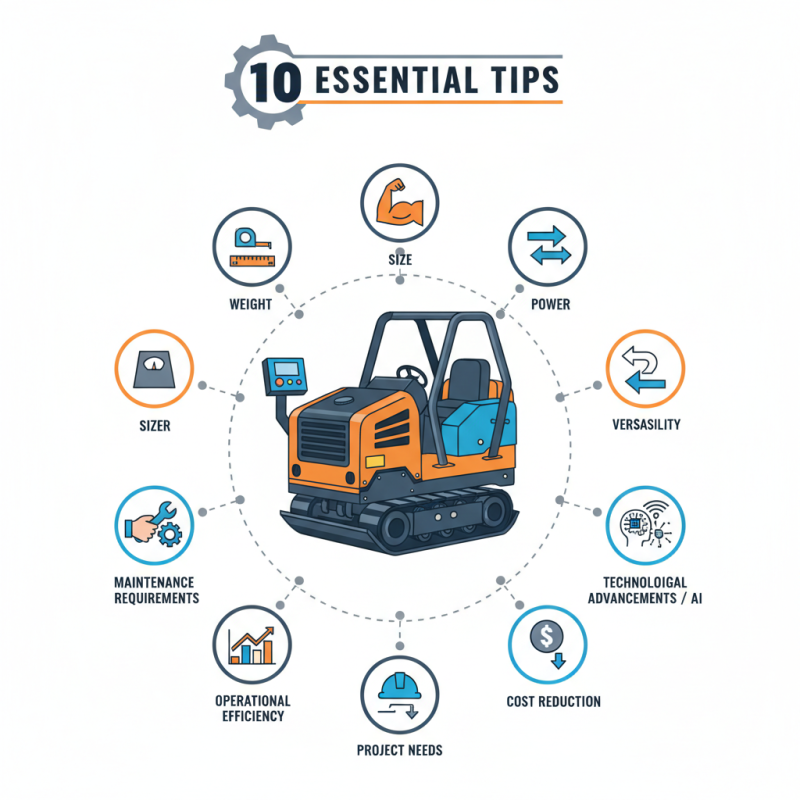
Understanding Reversible Compactors: A Comprehensive Overview
Reversible compactors are vital in construction and landscaping. They provide efficient soil compaction. With this efficiency comes a need to understand them fully. Knowing their features allows for better decisions.
A reversible compactor's key benefit is its versatility. Operators can switch directions easily. This feature aids in tight spaces. However, not every compactor has the same power. Some may struggle with dense materials. It’s crucial to assess the specific project needs before making a purchase.
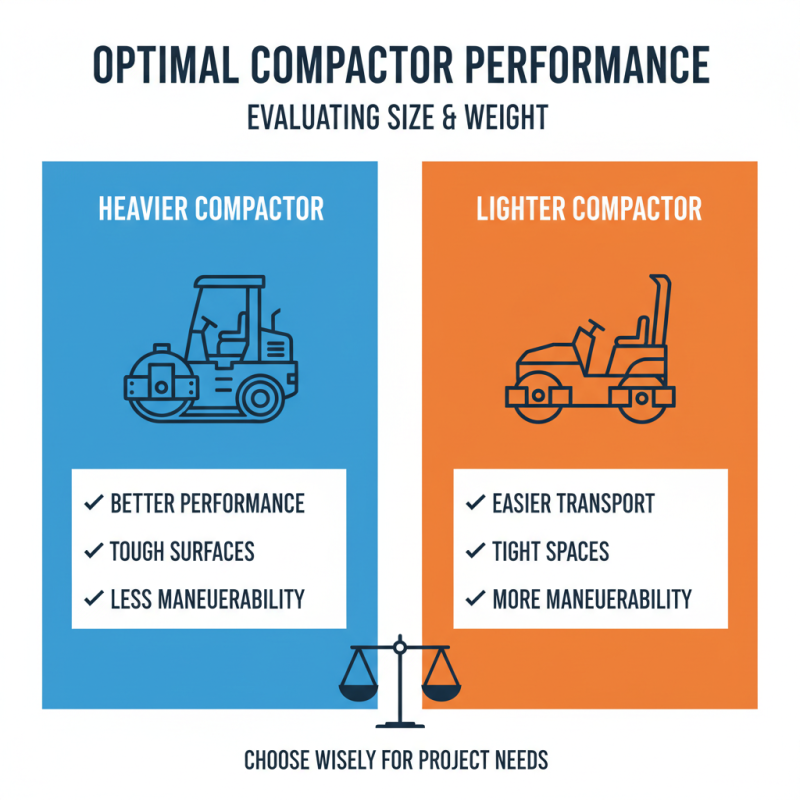
Additionally, consider the weight of the machine. A heavier model often delivers better results in larger areas. Lightweight options may work for smaller tasks. There’s a balance to strike between weight and maneuverability. Many overlook the vibration settings, thinking they are standard. Proper settings can enhance compaction quality. Ignoring this could lead to subpar performance and project delays.
10 Essential Tips for Choosing the Right Reversible Compactor
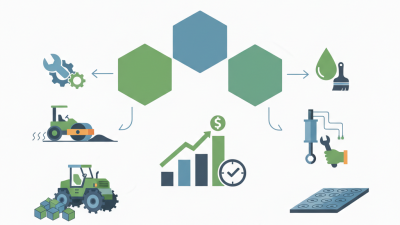
This chart represents the importance level of various features when selecting a reversible compactor. Understanding these dimensions can help ensure you make an informed choice that meets your project needs.
Key Features to Consider When Selecting a Reversible Compactor
When selecting a reversible compactor, consider the weight and size. Heavier models often provide better compaction. However, they can be harder to maneuver. Therefore, finding the right balance is crucial. Compact dimensions also help in tight spaces.
Evaluate the engine power next. A powerful engine enhances productivity. But, it can raise fuel consumption. It's vital to check the fuel efficiency ratings. This helps in long-term cost management. Look at the vibration frequency too. Higher frequencies typically lead to efficient compaction.
Safety features should not be overlooked. A well-designed operator's seat improves comfort. Additionally, ensure that the controls are user-friendly. This aids in reducing operational errors. Lastly, you might want to reflect on maintenance requirements, as some models demand more careful upkeep. Regular maintenance is key for longevity.
Assessing Engine Power and Fuel Efficiency in Compactors
When selecting a reversible compactor, engine power and fuel efficiency are crucial factors. An engine with adequate power ensures better performance. You want a machine that can handle different terrains. Insufficient power can lead to poor compaction results. Think about the weight and size of the compactor. They play roles in how effectively the engine performs.
Fuel efficiency matters too. A machine that consumes less fuel reduces overall operating costs. Look for fuel capacity and runtime. A compactors' fuel economy can significantly affect project budgets. Higher efficiency means more work done without frequent refueling. However, balancing power with fuel efficiency can be tricky. A powerful engine often consumes more fuel.
In real-world scenarios, some operators may overlook these factors. They may get drawn to higher power ratings without considering fuel consumption. This leads to regrets as costs inflate over time. Ultimately, informed choices result from weighing both performance and efficiency carefully. Consider your project needs and the types of tasks at hand. Choose wisely to avoid pitfalls.
Safety Features to Look for in a Reversible Compactor
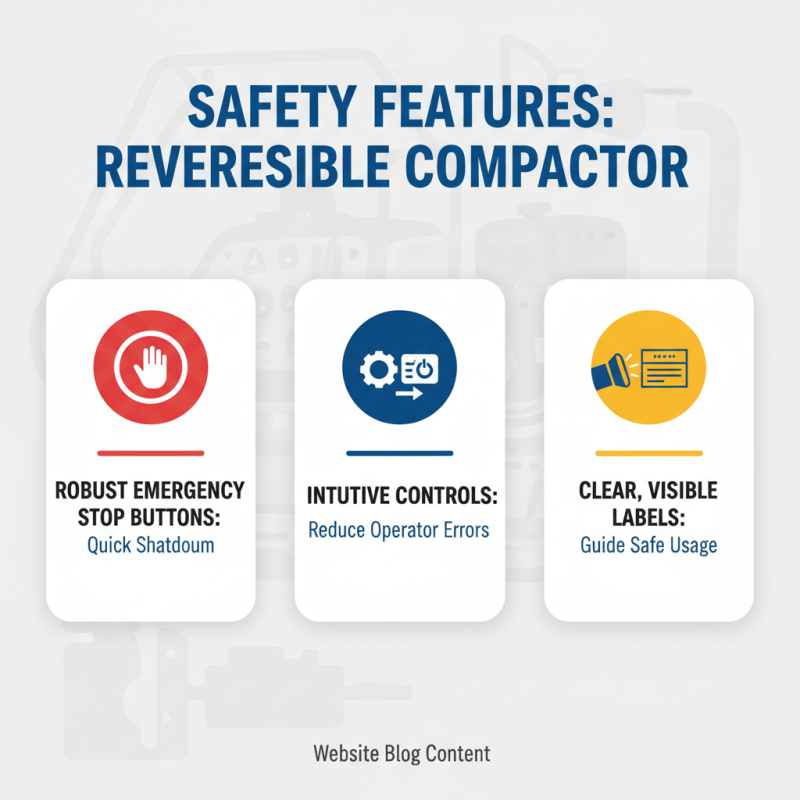
When selecting a reversible compactor, safety features are crucial. Look for robust emergency stop buttons. These allow for quick shutdown. Intuitive controls can reduce operator errors. Consider models with clear, visible labels. They guide safe usage, especially in dim settings.
Pay attention to the visibility around the compactor. Some machines offer enhanced lighting. This can be a game changer in ensuring safety. Be wary of compacters with limited visibility. They can create dangerous blind spots. Adjusting the operator's position can make a difference too.
Another tip is to check for proper weight distribution. A well-balanced compactor is safer to operate. If it tips easily, think twice. Review user manuals for safety guidelines. They can provide insights often overlooked. Ultimately, understanding these safety features is key to making the right choice.

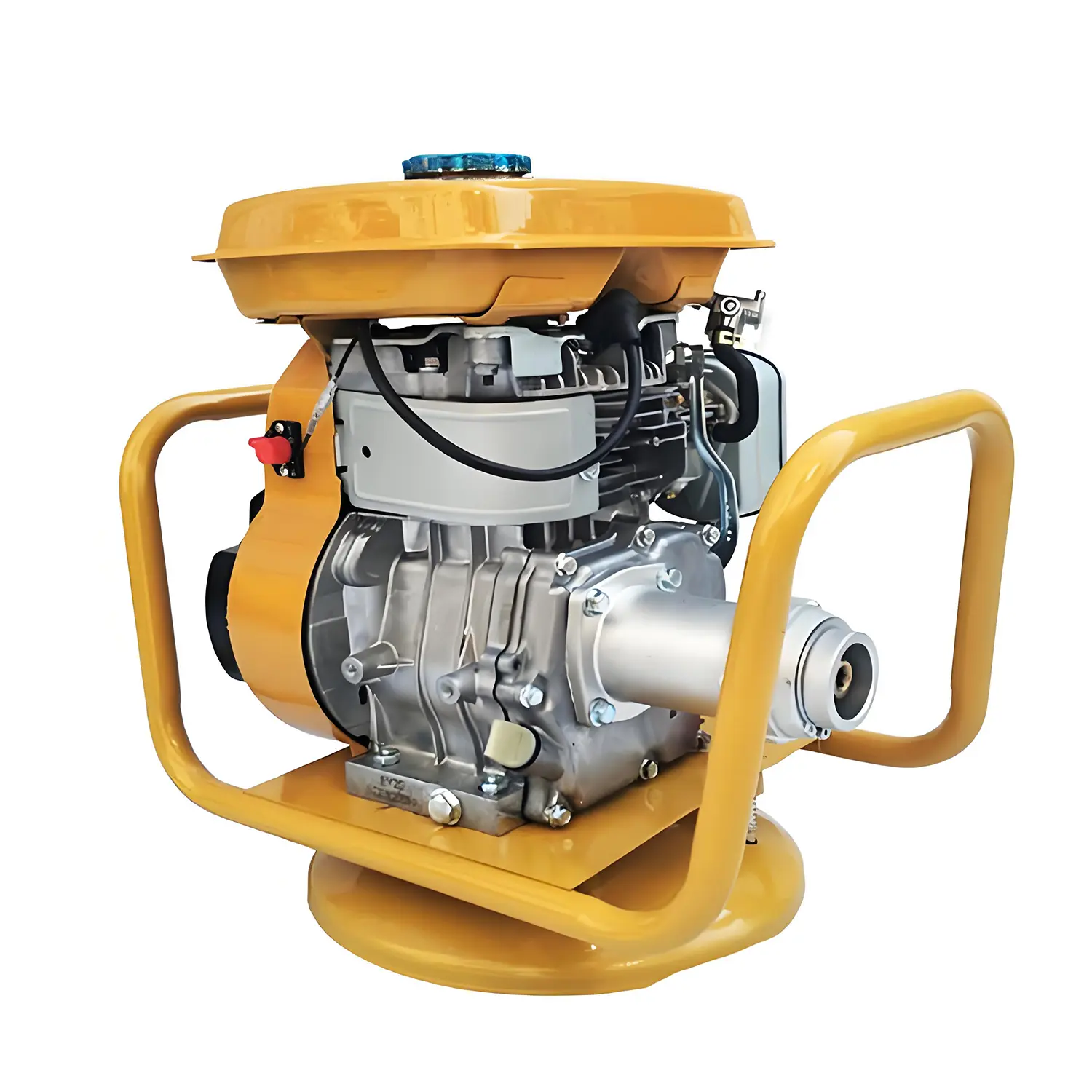 Internal Vibrator
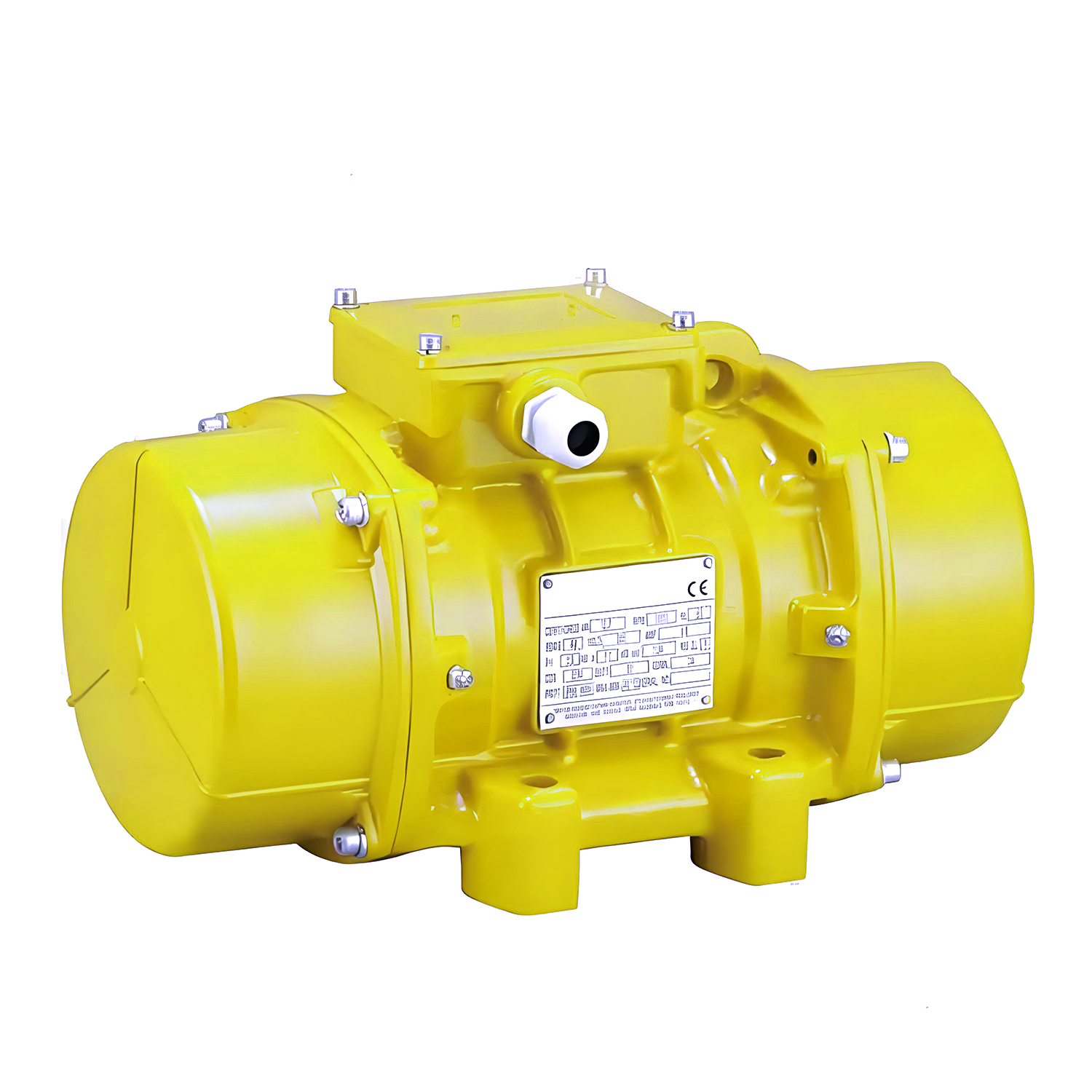 External Vibrator
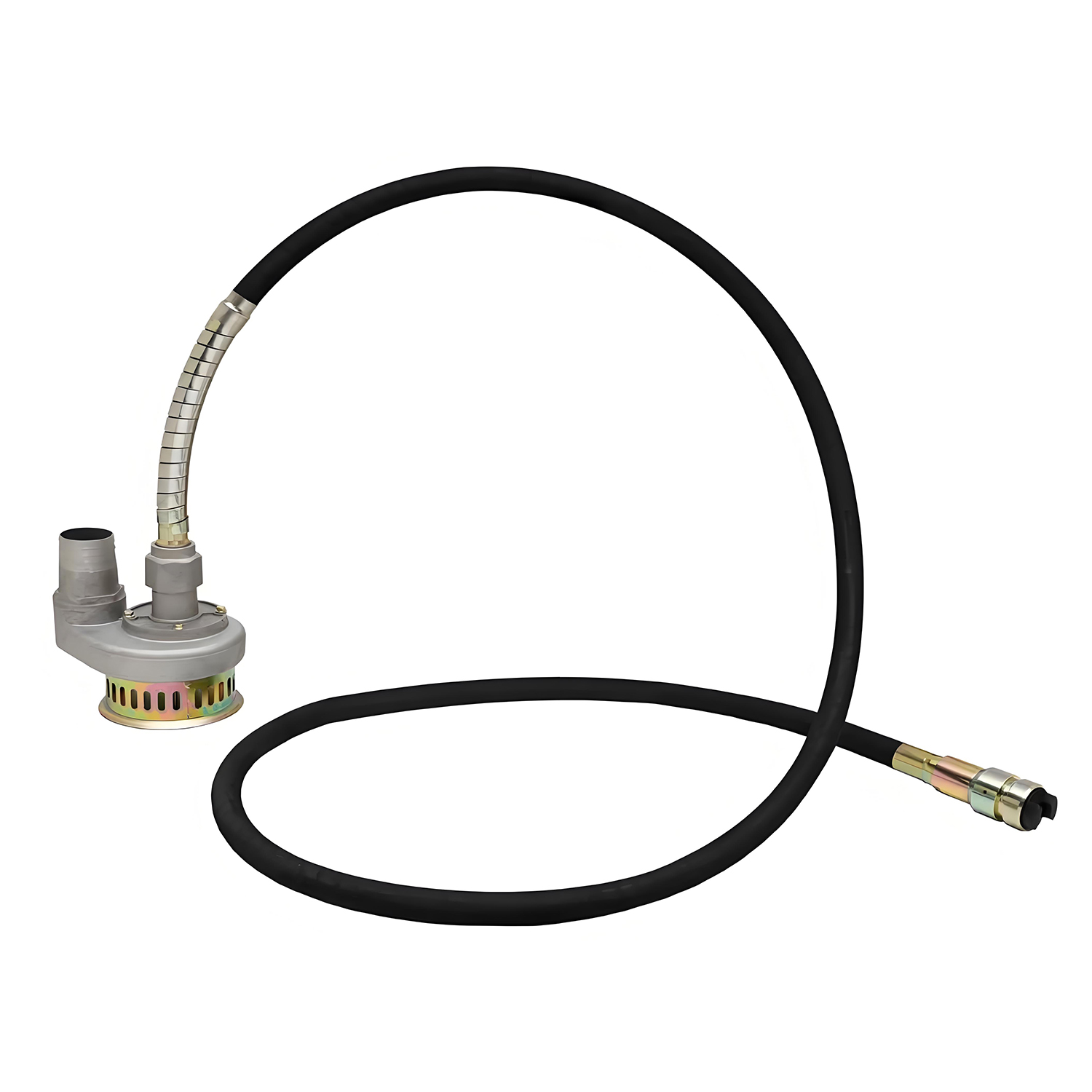 Submersible Pump
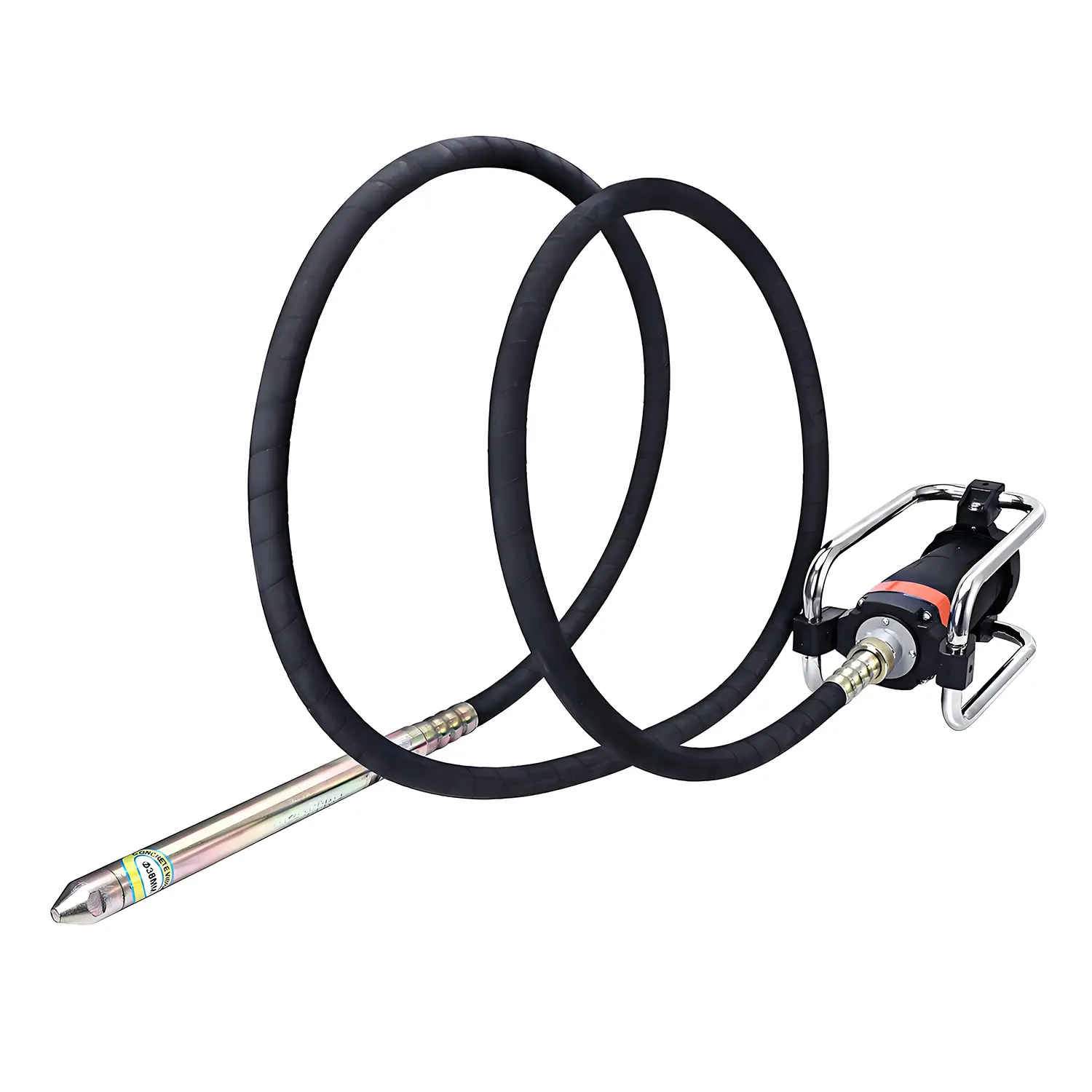 Eccentric shaft
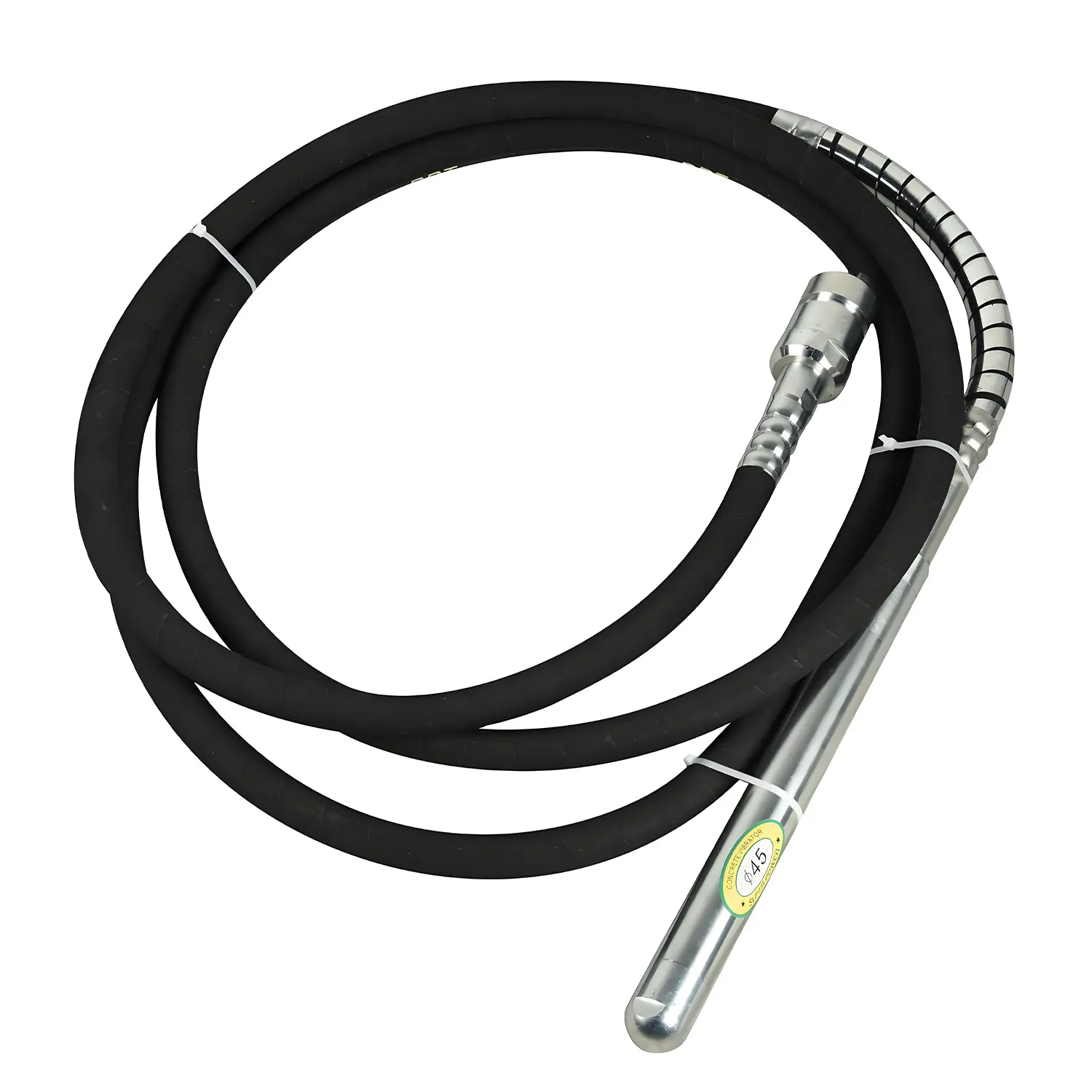 Pendulum shaft
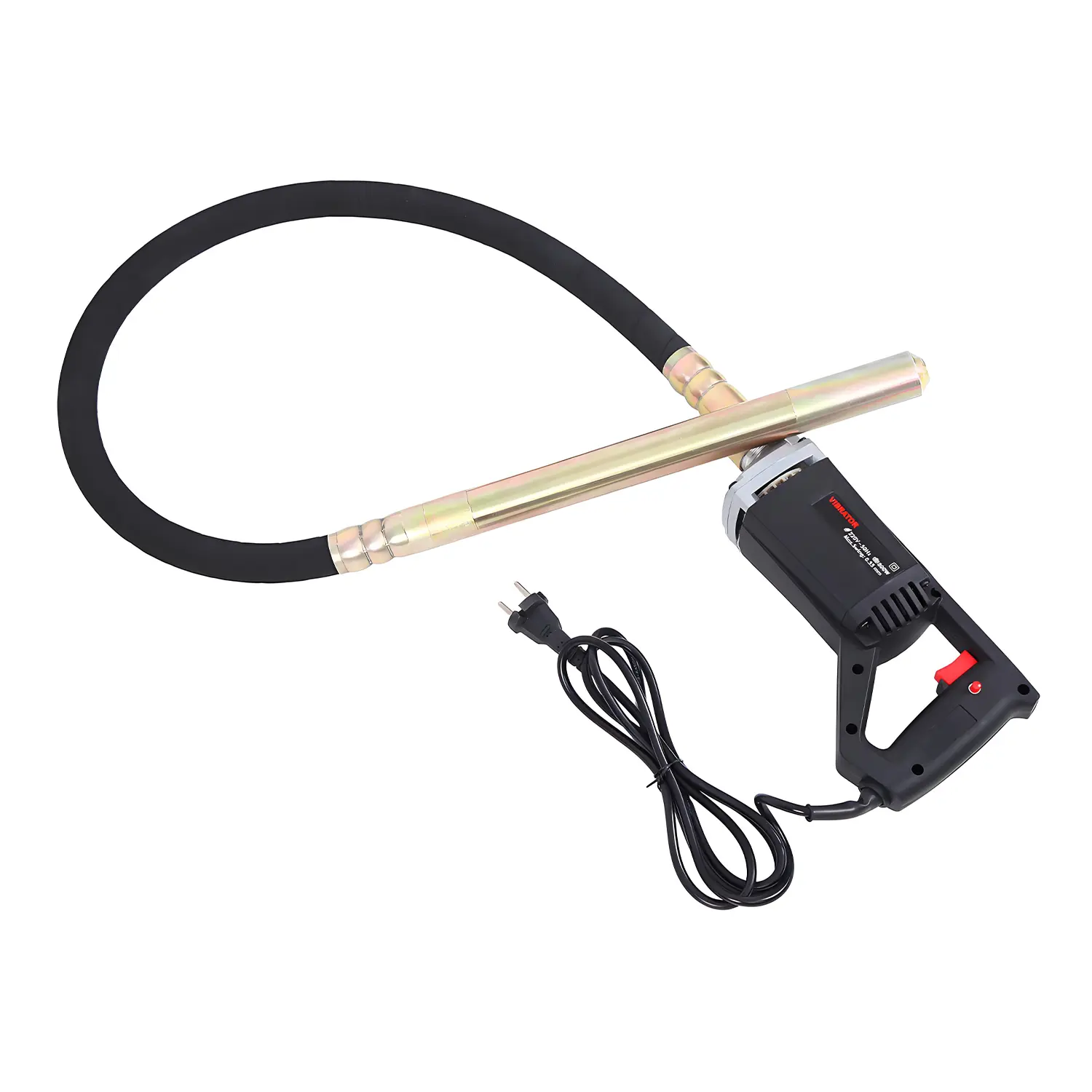 Portable vbrator shaft
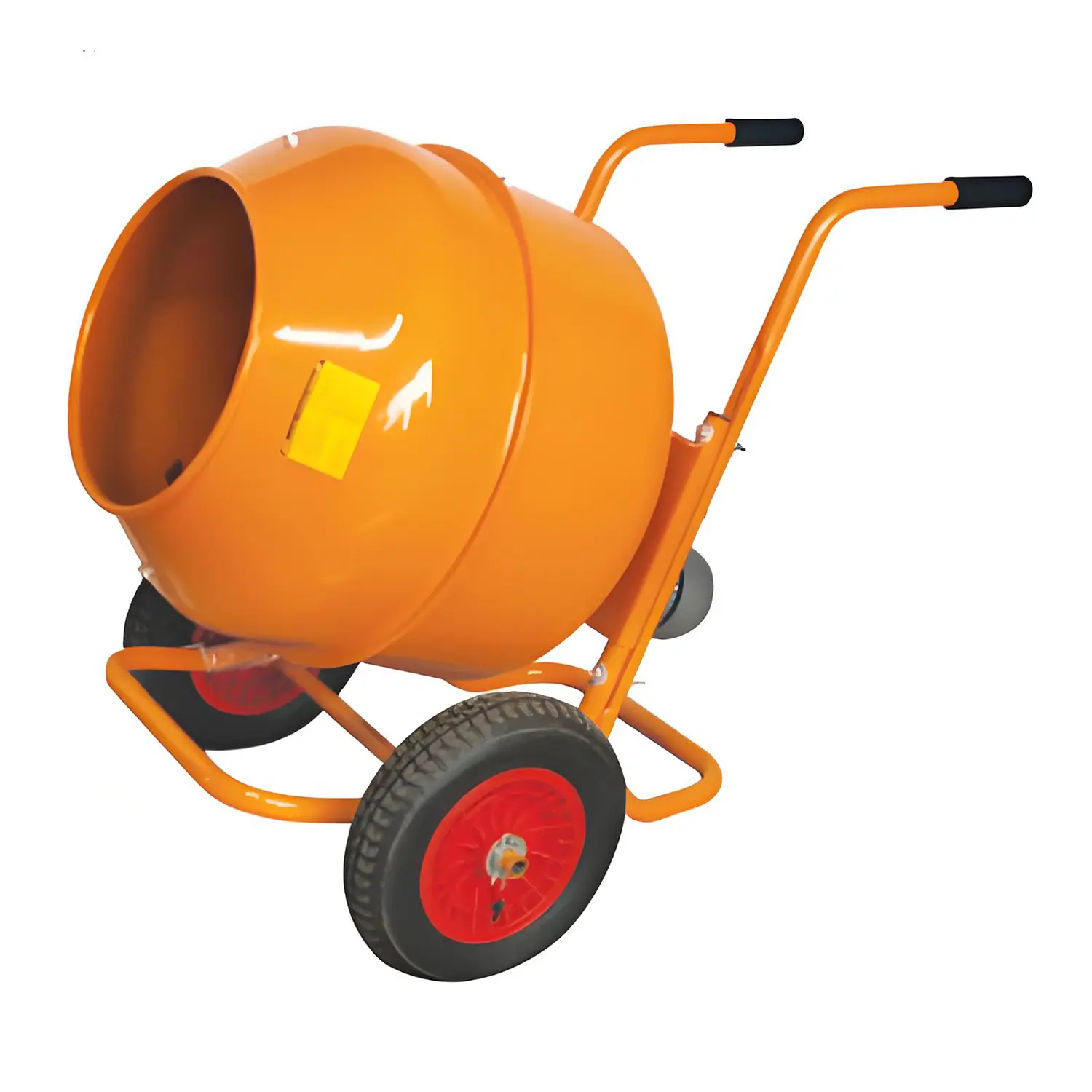 Portable concrete mixer
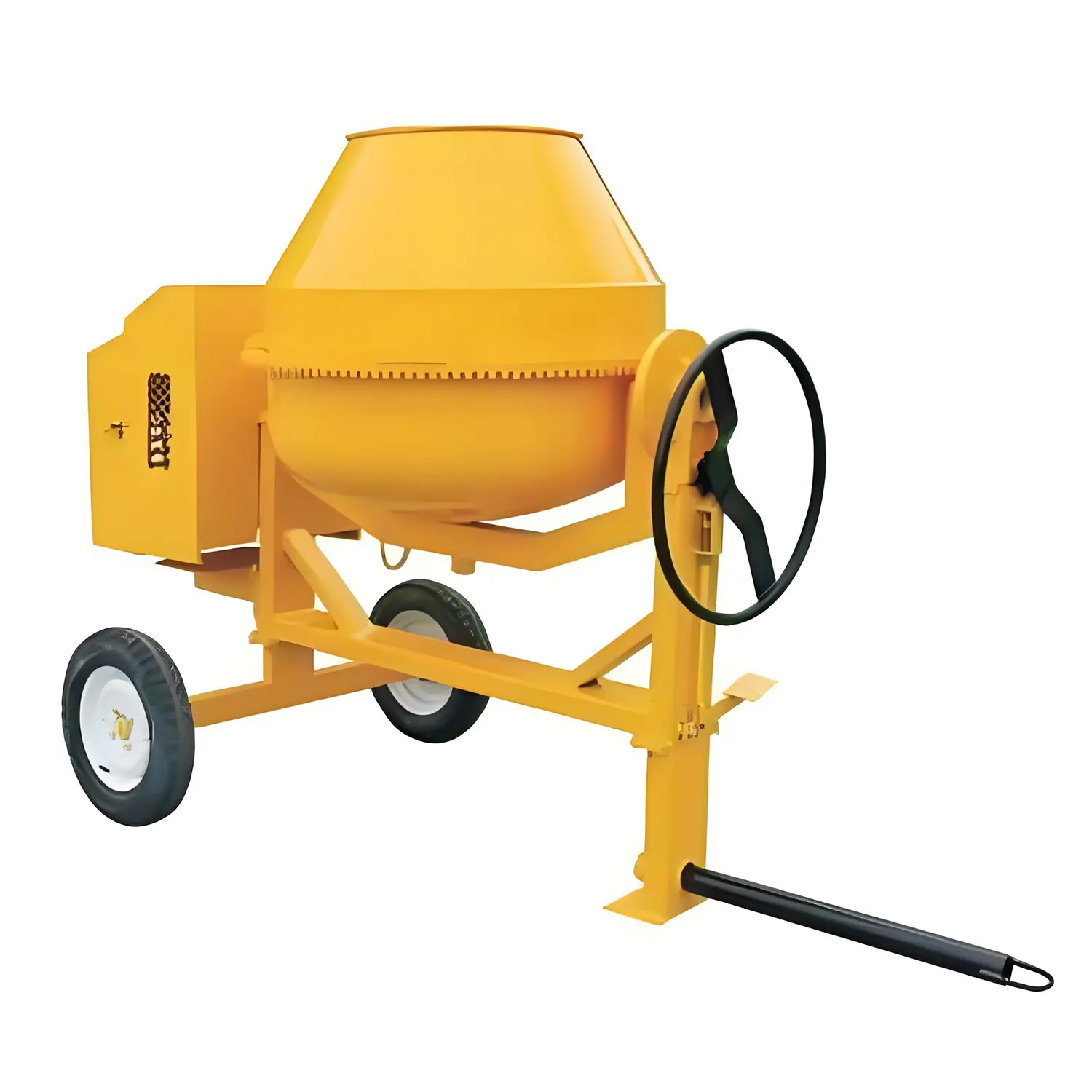 Vertical concrete mixer
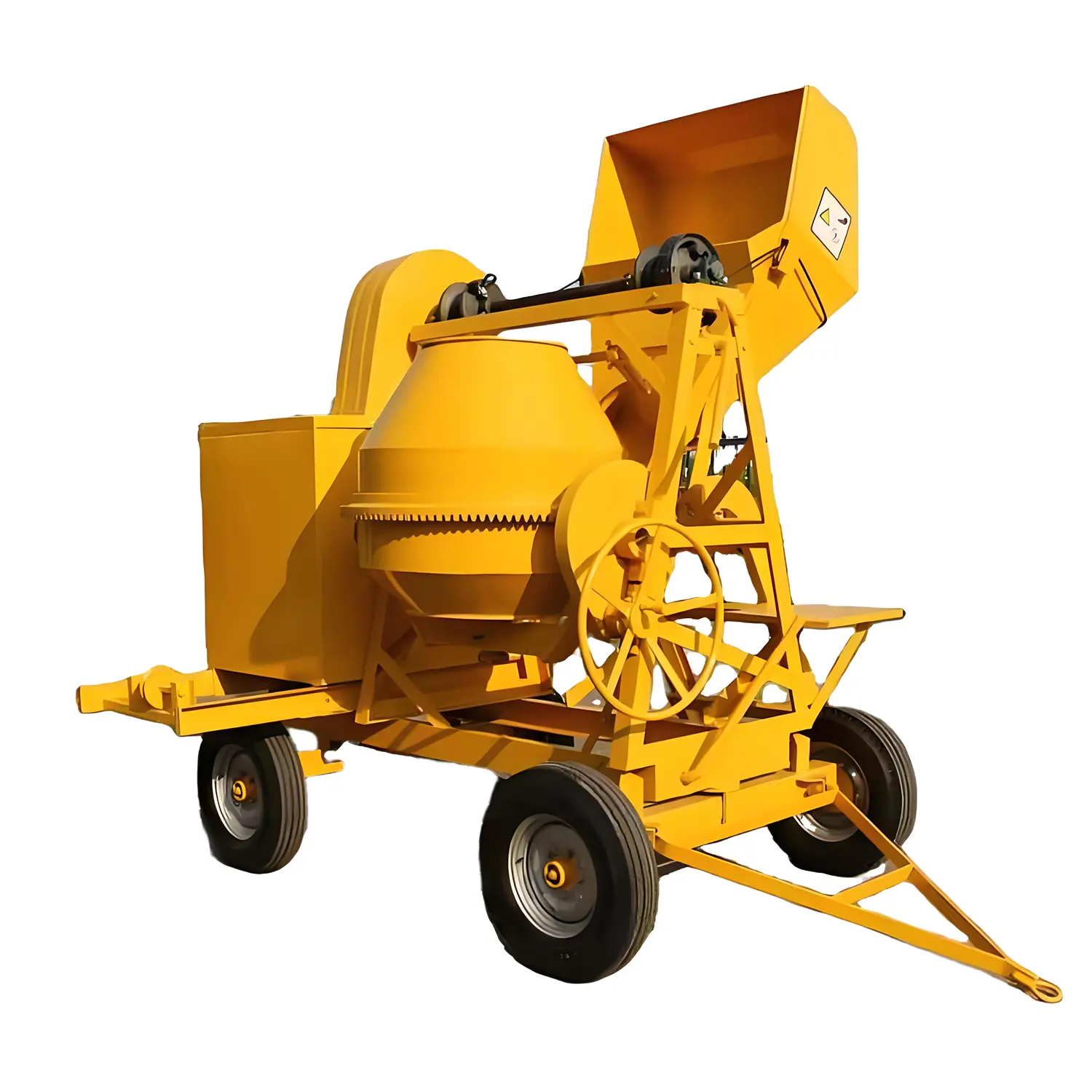 Hydraulic concrete mixer
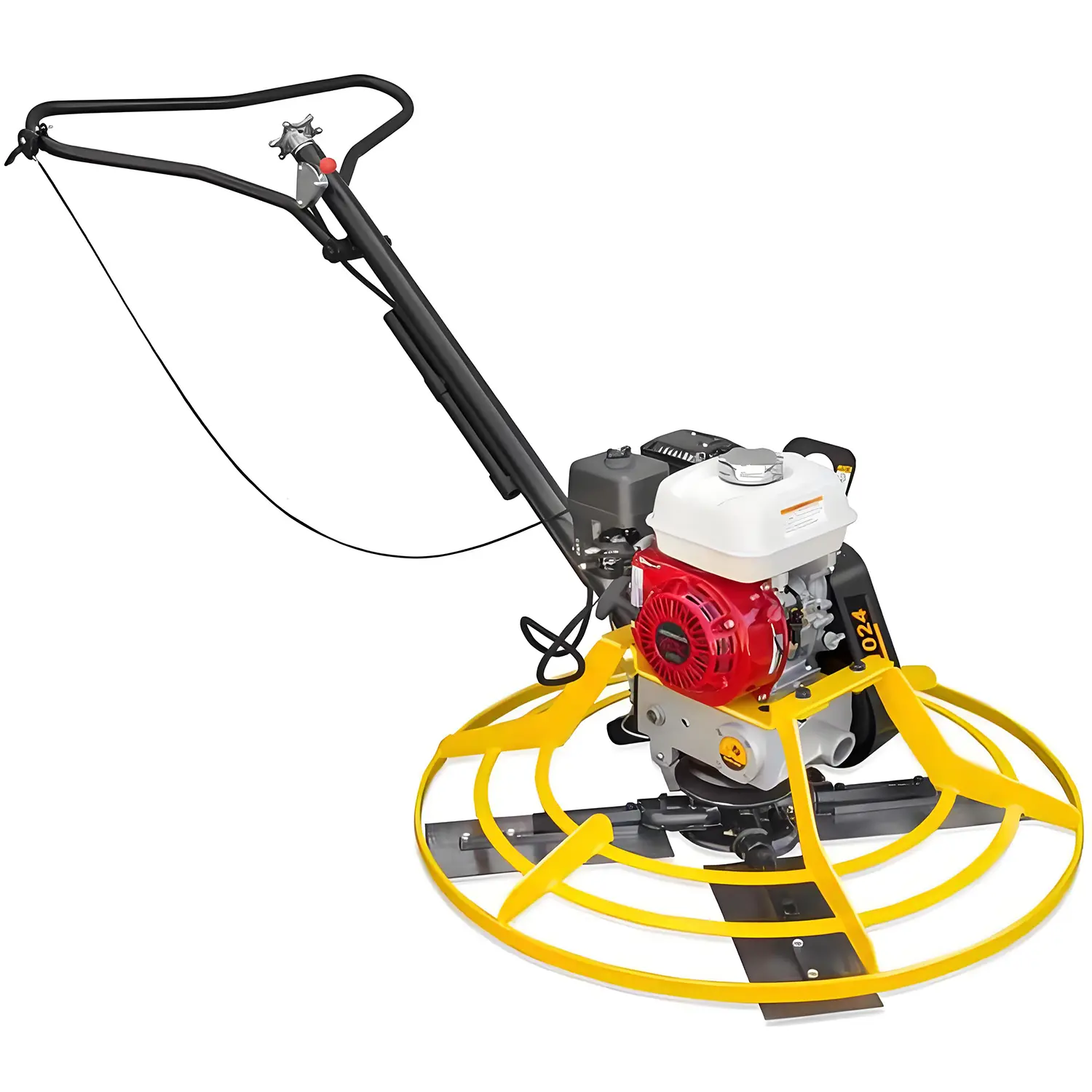 Walk behind power trowel
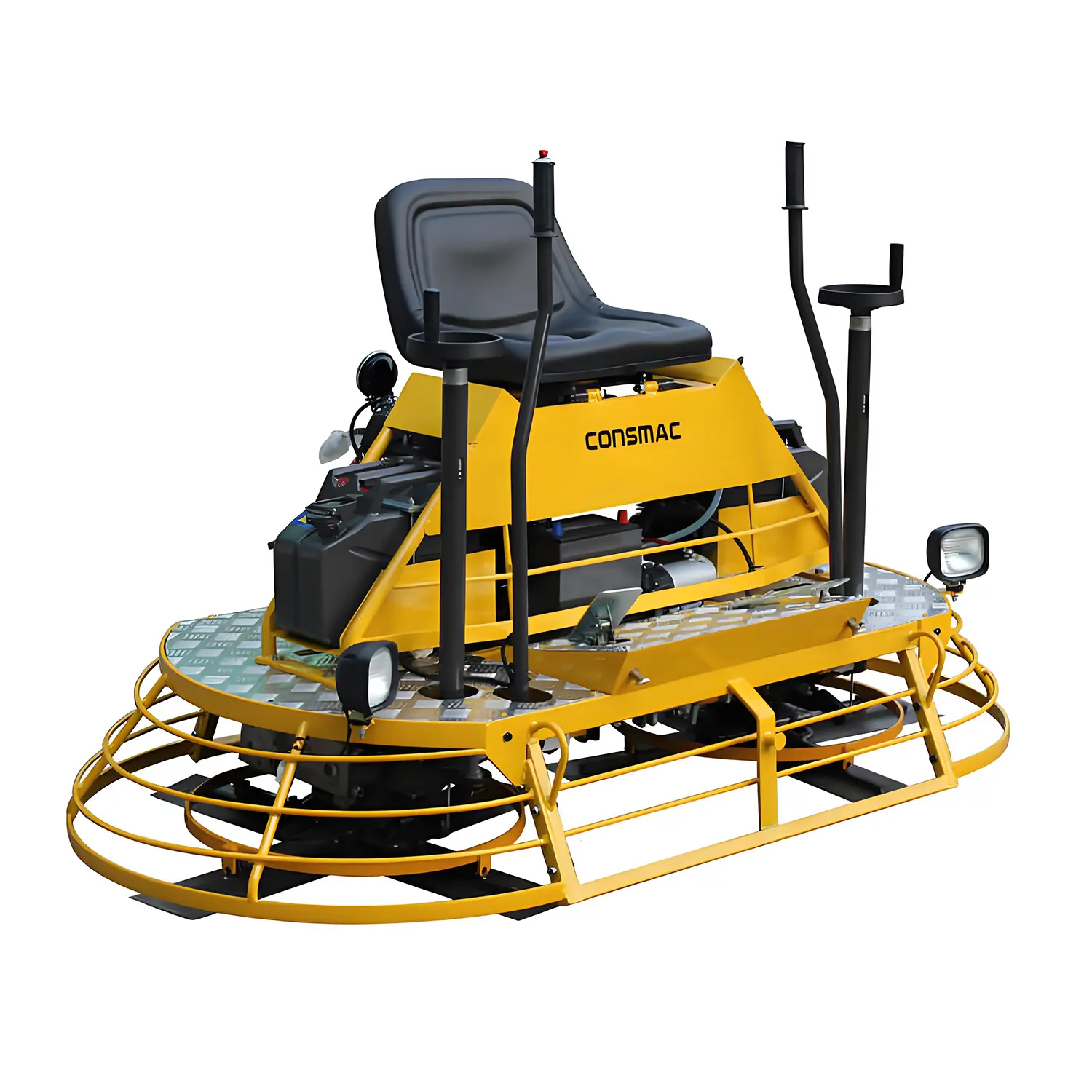 Ride on power trowel
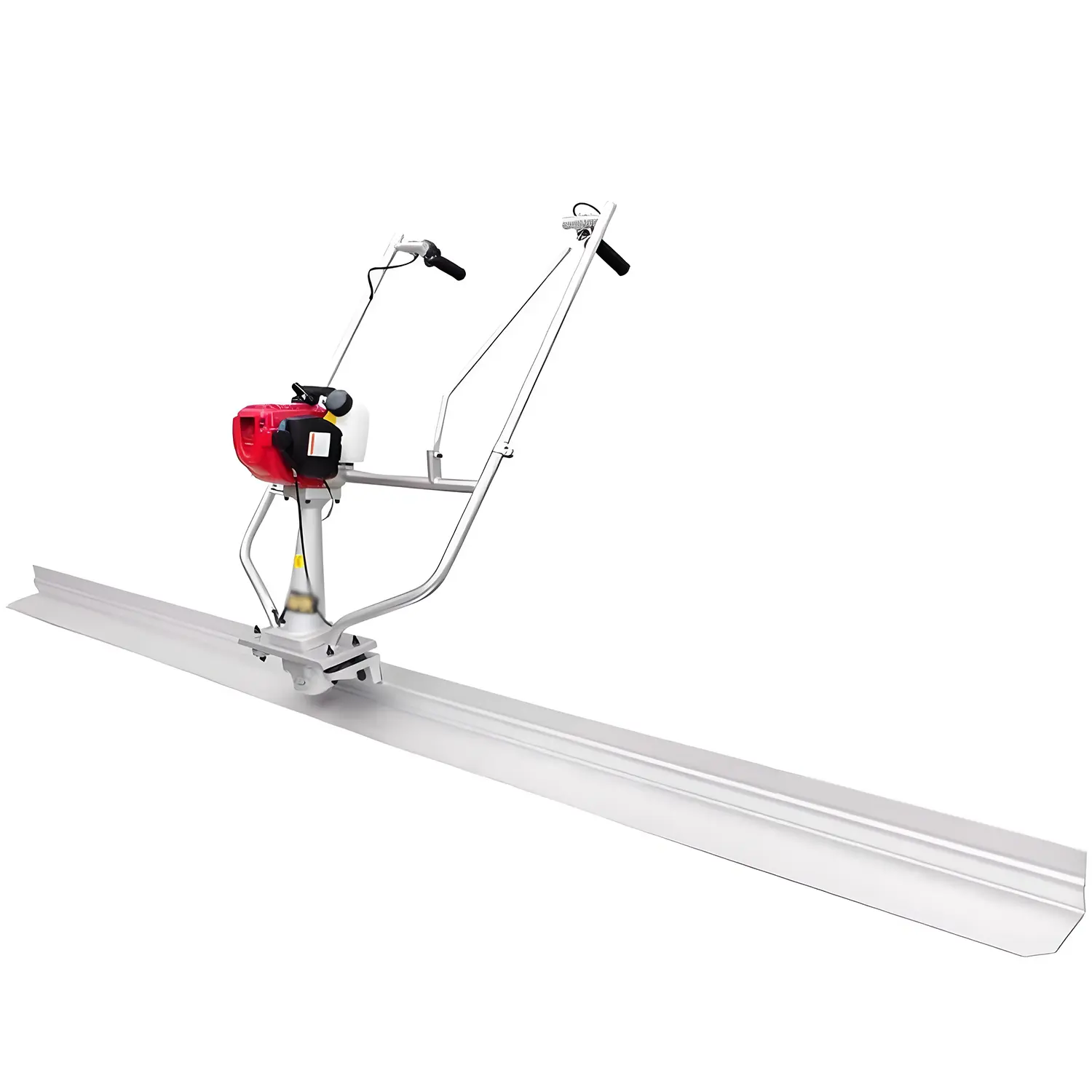 Concrete screed
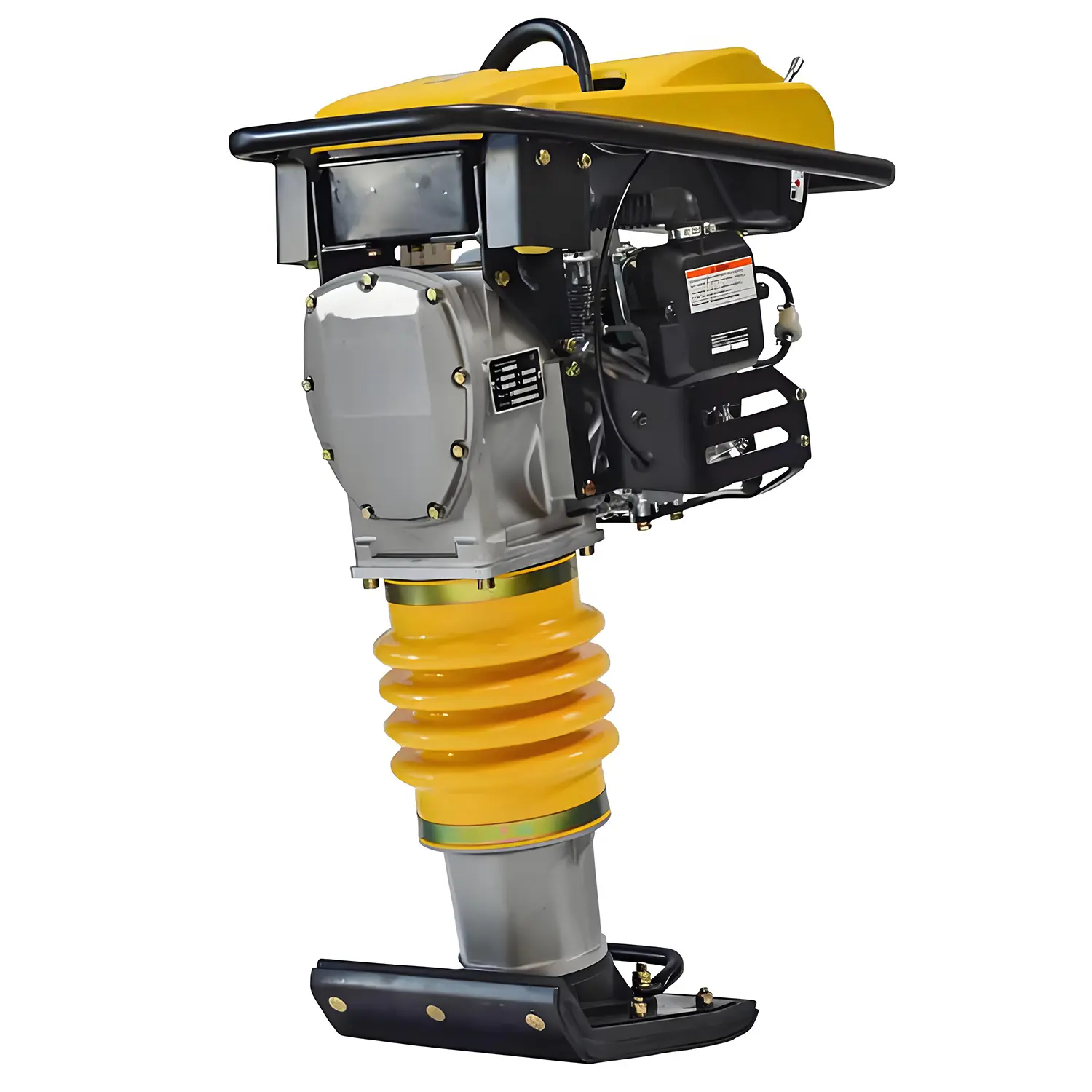 Tamping rammer
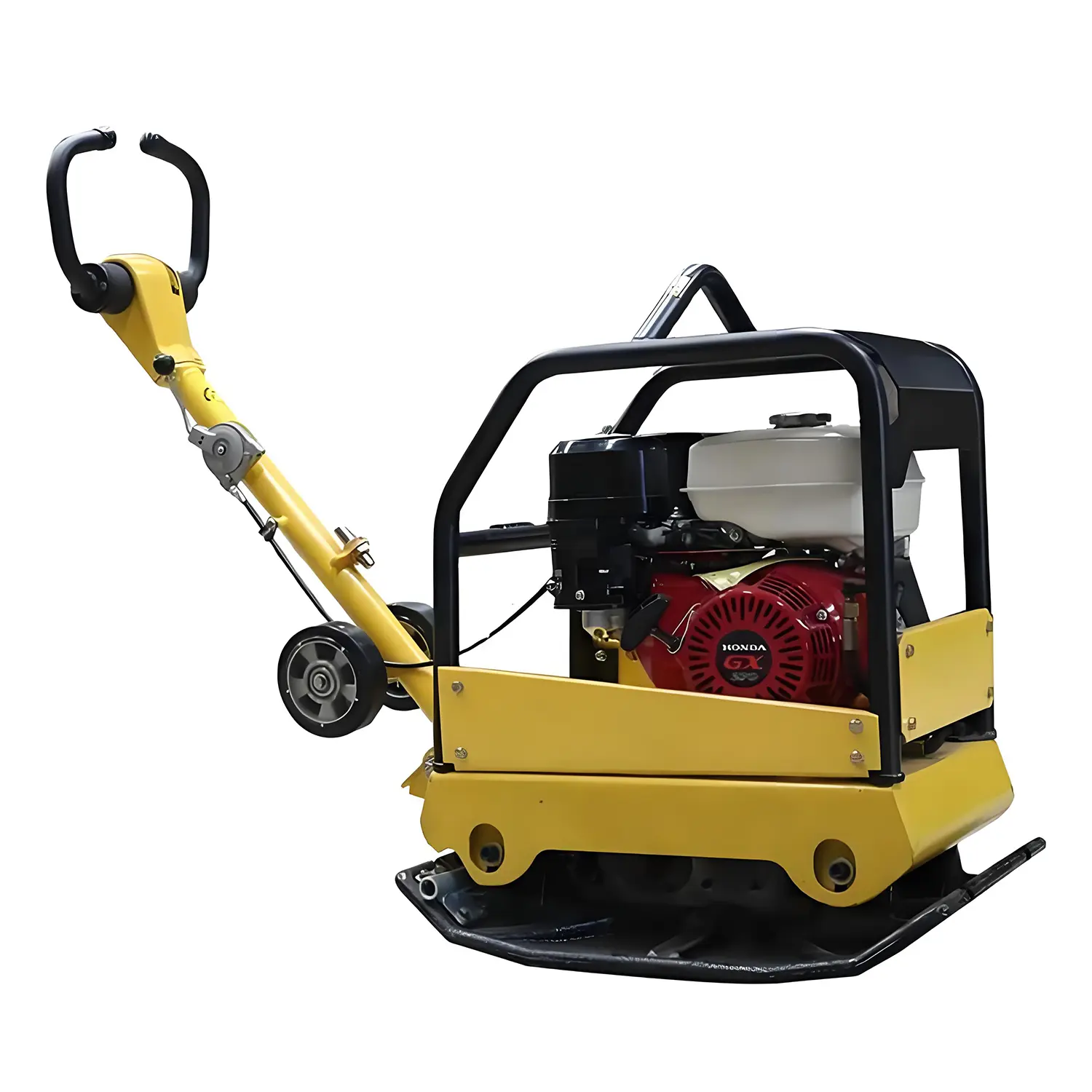 Plate compactor
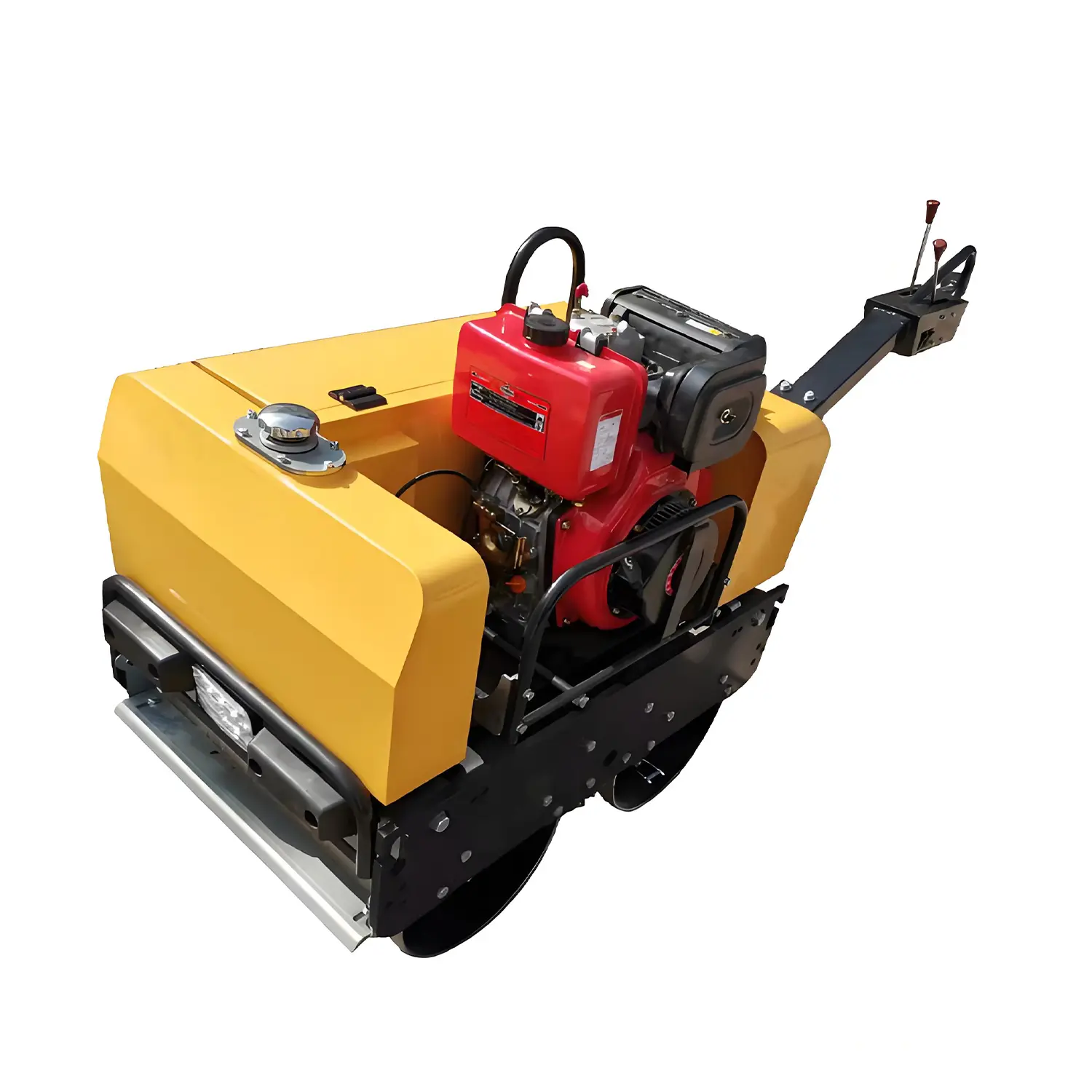 Vibratory roller