10 Essential Tips for Choosing the Right Plate Compactor for Your Project?
When it comes to construction and landscaping projects, selecting the right equipment is crucial. A Plate Compactor is essential for achieving a solid, level surface. However, making the right choice can be challenging due to the variety of models available today. Each project has unique demands, which can lead to confusion.
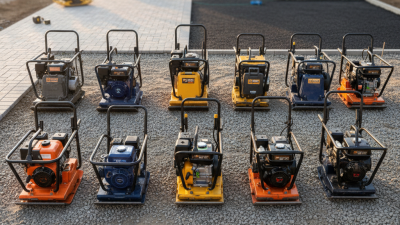
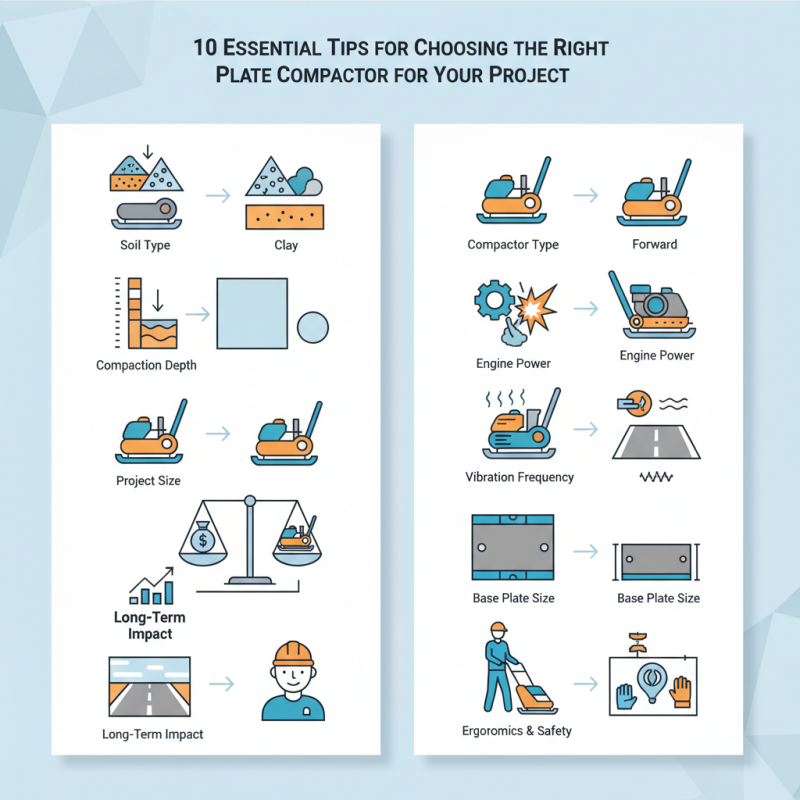
Selecting a Plate Compactor involves multiple factors. You need to consider the type of soil, the compaction depth required, and the size of the area. Some models excel in tight spaces while others are better for larger, open areas. It's easy to underestimate the importance of these details.
One common mistake is focusing only on price. A cheaper model might save money upfront but could lead to delays and uneven surfaces. It's important to reflect on the long-term impact of your choice. Assess whether the compactor's performance meets your needs. Remember, a well-chosen Plate Compactor can save time and effort on the job.
Understanding the Purpose and Applications of Plate Compactors
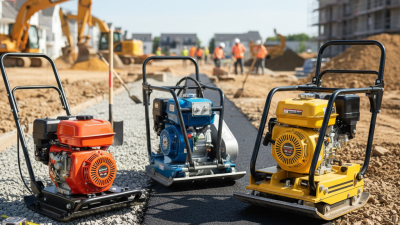
Plate compactors play a vital role in various construction projects. They are used primarily for compacting soil, asphalt, and gravel. Understanding their purpose is crucial for selecting the right model for your needs. You might think, "I need something heavy," but weight alone won't guarantee the best results. The right compactor depends on the material and project size.
When choosing a plate compactor, consider your project requirements. For narrower areas or smaller jobs, a lighter model may suffice. A heavier unit works better on large areas. Don't overlook the vibration frequency; it affects compaction effectiveness. Sometimes, contractors miss the detail of vibration speed, leading to suboptimal compaction.
Make sure to assess the surface you're working on. Soil type can vary greatly, and not all compactors are suited for every material. If the ground is wet or loose, a different model may be needed. Reflections on your previous choices can guide you. Perhaps your last job required multiple passes because of the machine’s inadequacy. Learning from experience will help you make a better decision this time.
10 Essential Tips for Choosing the Right Plate Compactor
This bar chart illustrates the key specifications for plate compactors, including their weight, engine power, plate size, vibration frequency, and max compaction depth. Understanding these specifications can help you choose the right plate compactor for your project.
Key Features to Consider in a Plate Compactor Selection
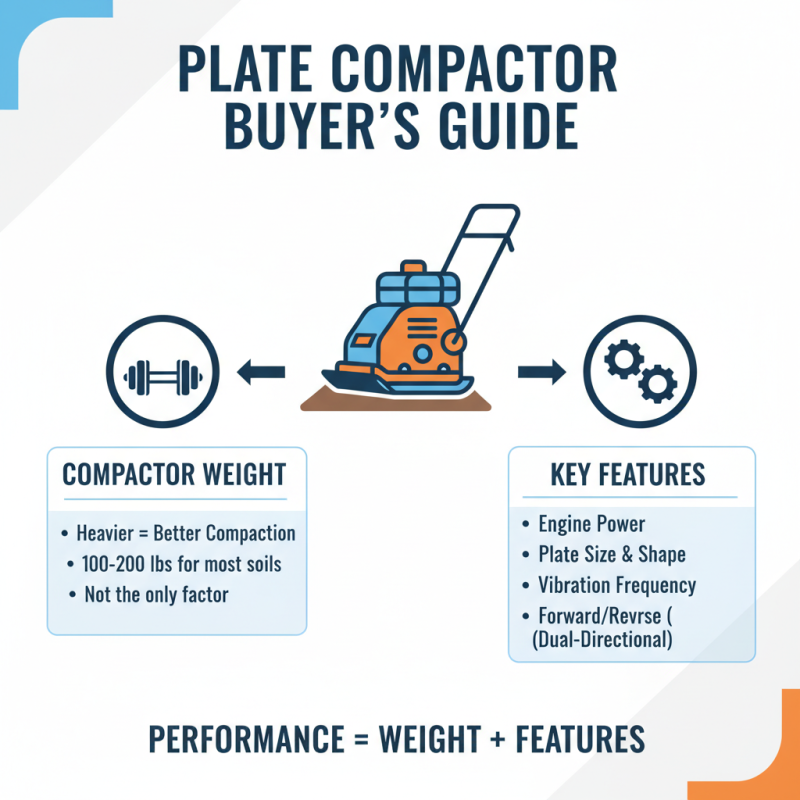
When choosing a plate compactor, several key features are crucial. One major aspect is the compactor's weight. Heavier models usually offer better soil compaction. According to industry reports, compactors weighing between 100 to 200 pounds are generally effective for various soil types. However, weight alone does not define performance.
Vibration frequency is another significant feature. Most plate compactors operate between 5000 to 7000 vpm (vibrations per minute). This range is ideal for achieving maximum density in the material being compacted. Operators often overlook this detail, impacting project efficiency.
Truly, the plate size matters too. Wider plates cover more area but may require more power to operate efficiently. Research indicates that compactors with plates around 20 to 24 inches wide strike a good balance for smaller jobs. Yet, users must understand the specific material and project requirements. Not all jobs benefit from larger plates. Certain conditions call for a nimble machine. Manufacturers often highlight these features, but practical experience can reveal discrepancies between expected and actual results.
Evaluating Power Sources: Gas vs. Electric Plate Compactors
When deciding between gas and electric plate compactors, consider the specific needs of your project. Gas plate compactors often provide more power. They can handle tougher jobs and are ideal for larger areas. However, they produce emissions and require more maintenance. This might not suit indoor projects or confined spaces.
Electric plate compactors offer a cleaner, quieter option. They are easy to operate, making them suitable for residential tasks. Without the worry of fuel supply, they are often more user-friendly. But, they might not pack as much power as gas models. If your project demands high performance, you might feel limited.
Tip: Always assess the size and nature of your project first. If you’re tackling larger outdoor areas, gas may be best. For smaller, interior projects, electric could be the way to go. Another tip is to factor in your work environment. Ensure it aligns with the power source. Assessing these elements can save you time and money in the long run.
Analyzing Weight and Size Considerations for Your Project Needs
Choosing the right plate compactor involves careful analysis of weight and size considerations. The weight of the machine affects its compaction ability. A heavier compactor, usually over 200 pounds, delivers more force. This can be essential for compacting dense materials like gravel or soil. However, if the project requires portability, a lighter model might be more appropriate. It is crucial to balance these factors.
Size is another critical aspect. Compactors vary in width, commonly ranging from 12 to 24 inches. A narrower plate offers a better reach around obstacles, while a wider plate covers large areas quickly. According to industry statistics, a 24-inch plate can increase productivity by 20% in larger jobs. Yet, it needs sufficient space for maneuvering.
Reflect on your project’s specific needs. Will it involve tight spaces, or do you need to cover extensive areas? The wrong choice could lead to inefficient work. Selecting too heavy a model may damage softer substrates, while too light a machine might not achieve desired density. Each project has unique dynamics, warranting thoughtful evaluation of both weight and size for optimal results.
Assessing Budget and Cost-Effectiveness in Plate Compactor Options
When selecting a plate compactor, budget plays a crucial role. Many projects have financial constraints. Understanding the cost-effectiveness of different options is essential. You need to consider both the purchase price and operational costs. Some compactors may appear cheaper initially but could lead to higher maintenance costs later.
Think about the type of soil you'll be working with. Certain models perform better on specific material types. A compactor suitable for gravel may not work as efficiently on clay. Assess your project requirements carefully. It’s easy to overlook small details that can escalate costs over time. For instance, not accounting for fuel efficiency can result in unexpected expenses. Always question whether a higher upfront cost could lead to savings in the long run.
Avoid being swayed by flashy features. Focus on what you truly need for your project. While a multi-functional machine may seem appealing, it might not be necessary. Sometimes, simplicity is more effective. Also, check what accessories may be needed. These can add to your total expenses, so be mindful about extras. Making a shortlist of essential features can help streamline your decision-making.

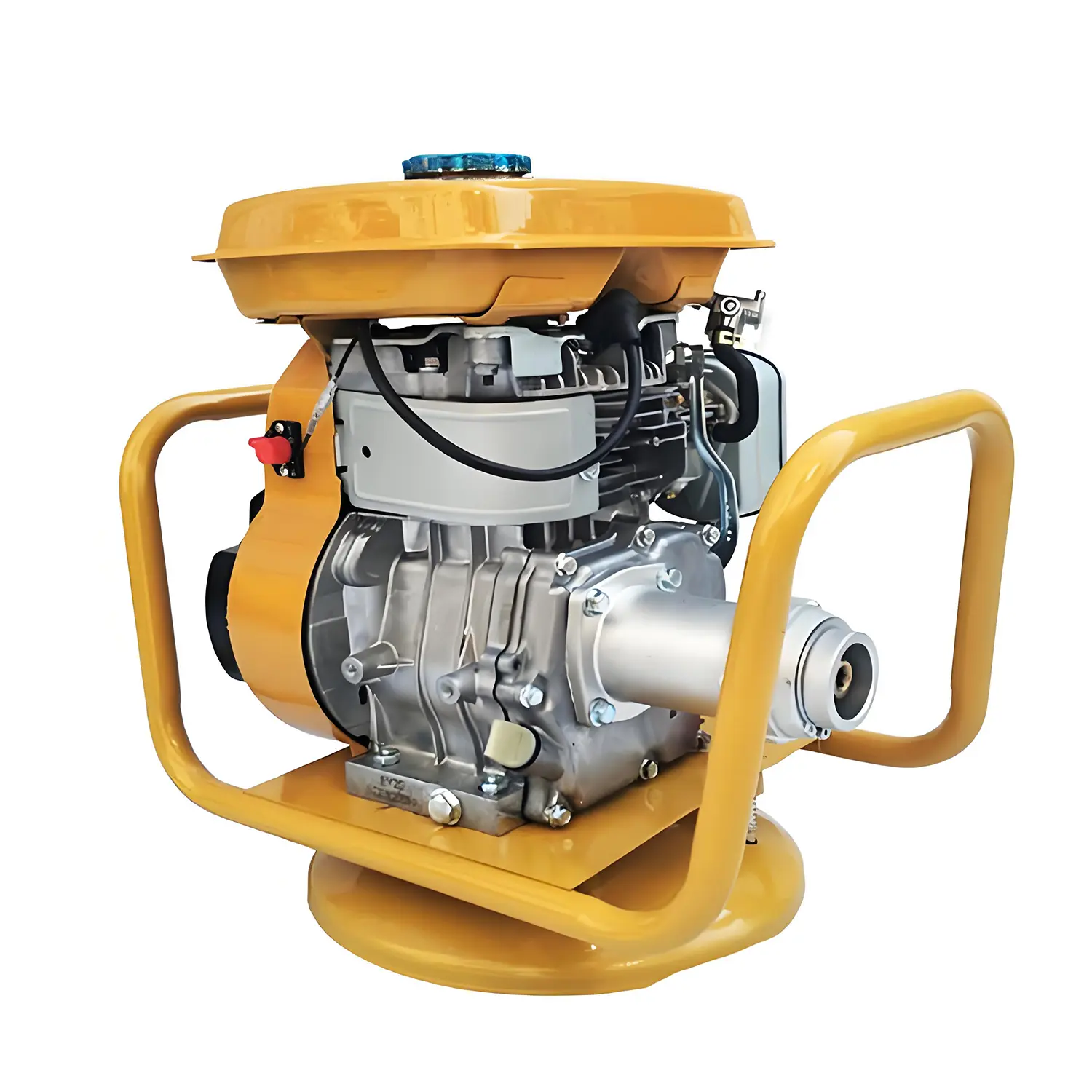 Internal Vibrator
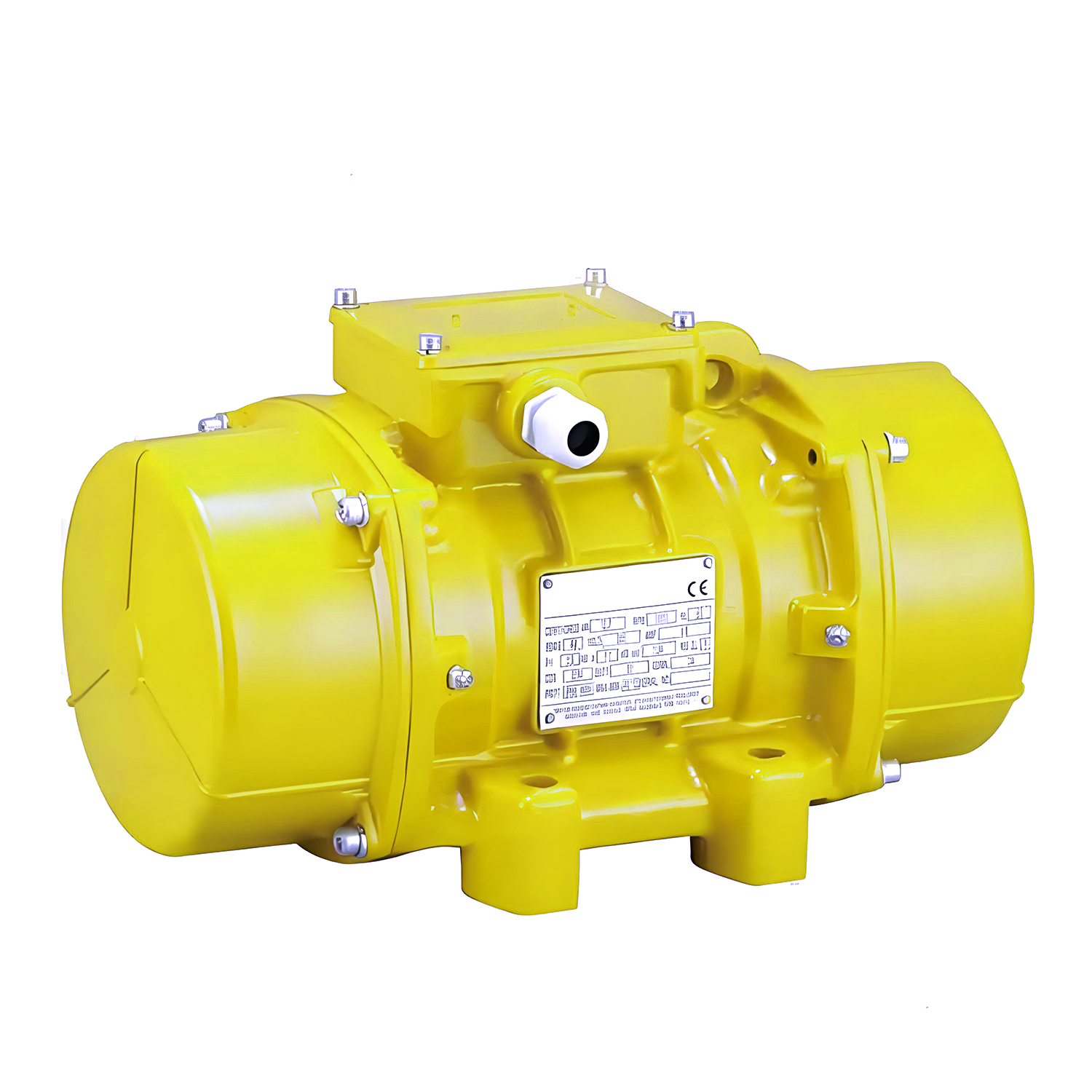 External Vibrator
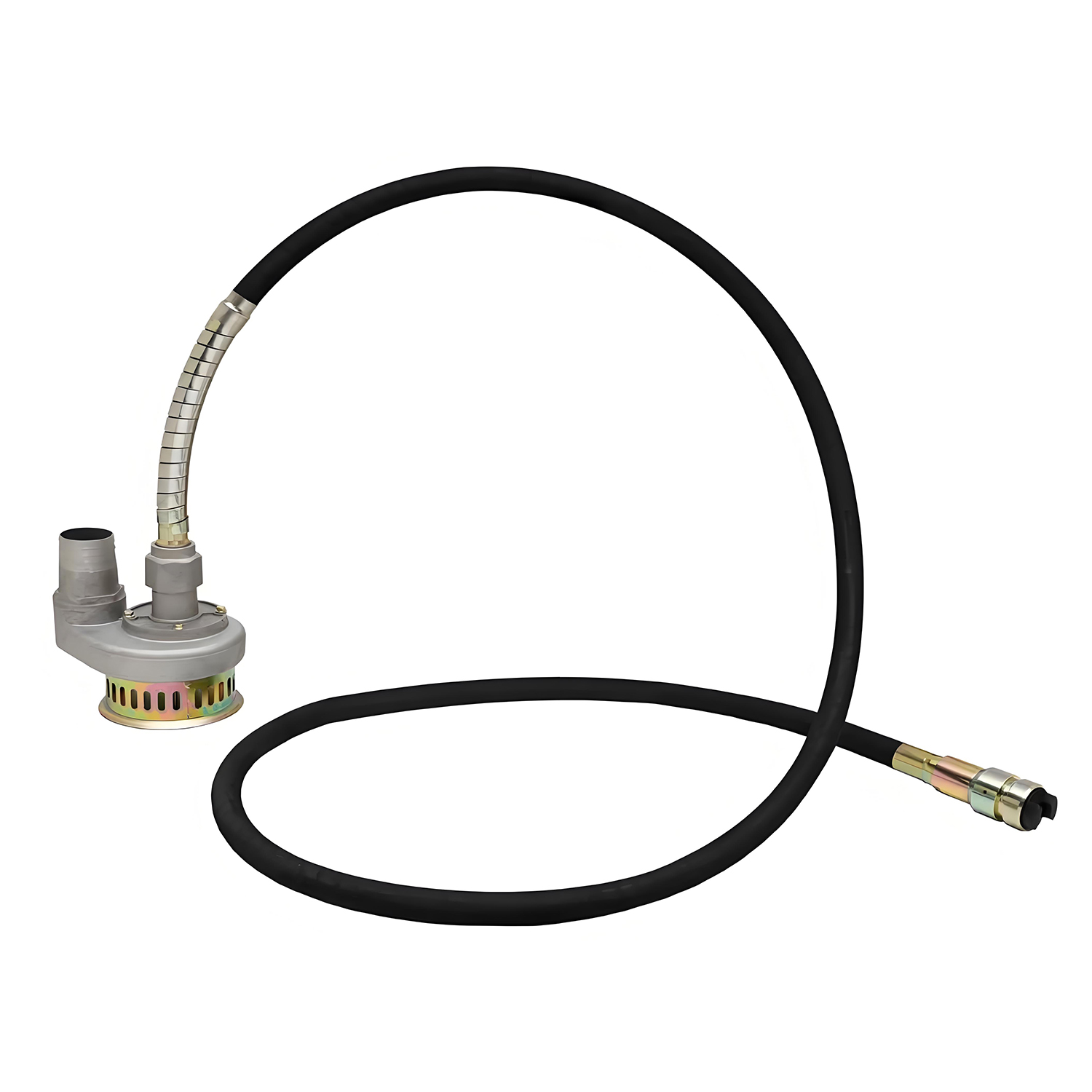 Submersible Pump
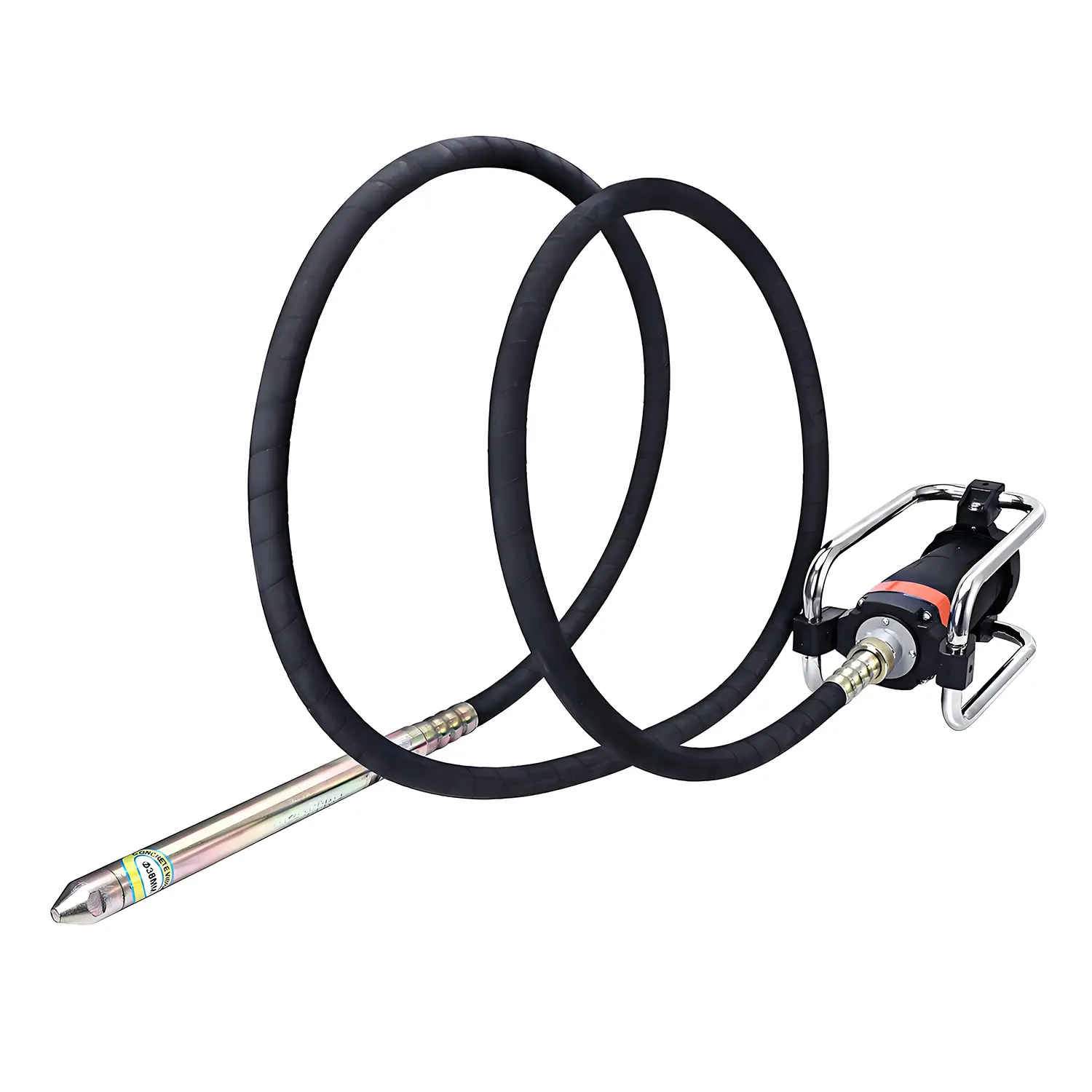 Eccentric shaft
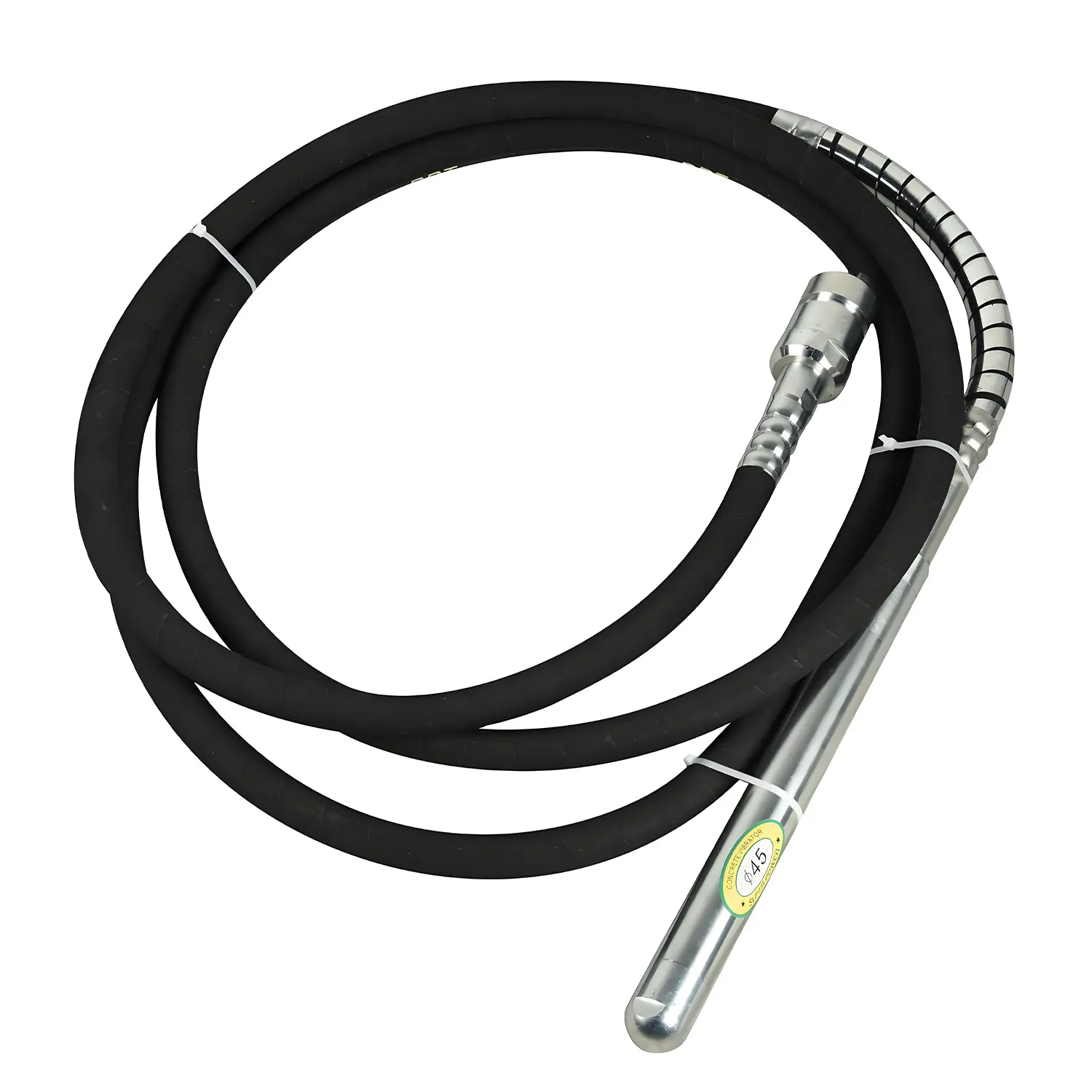 Pendulum shaft
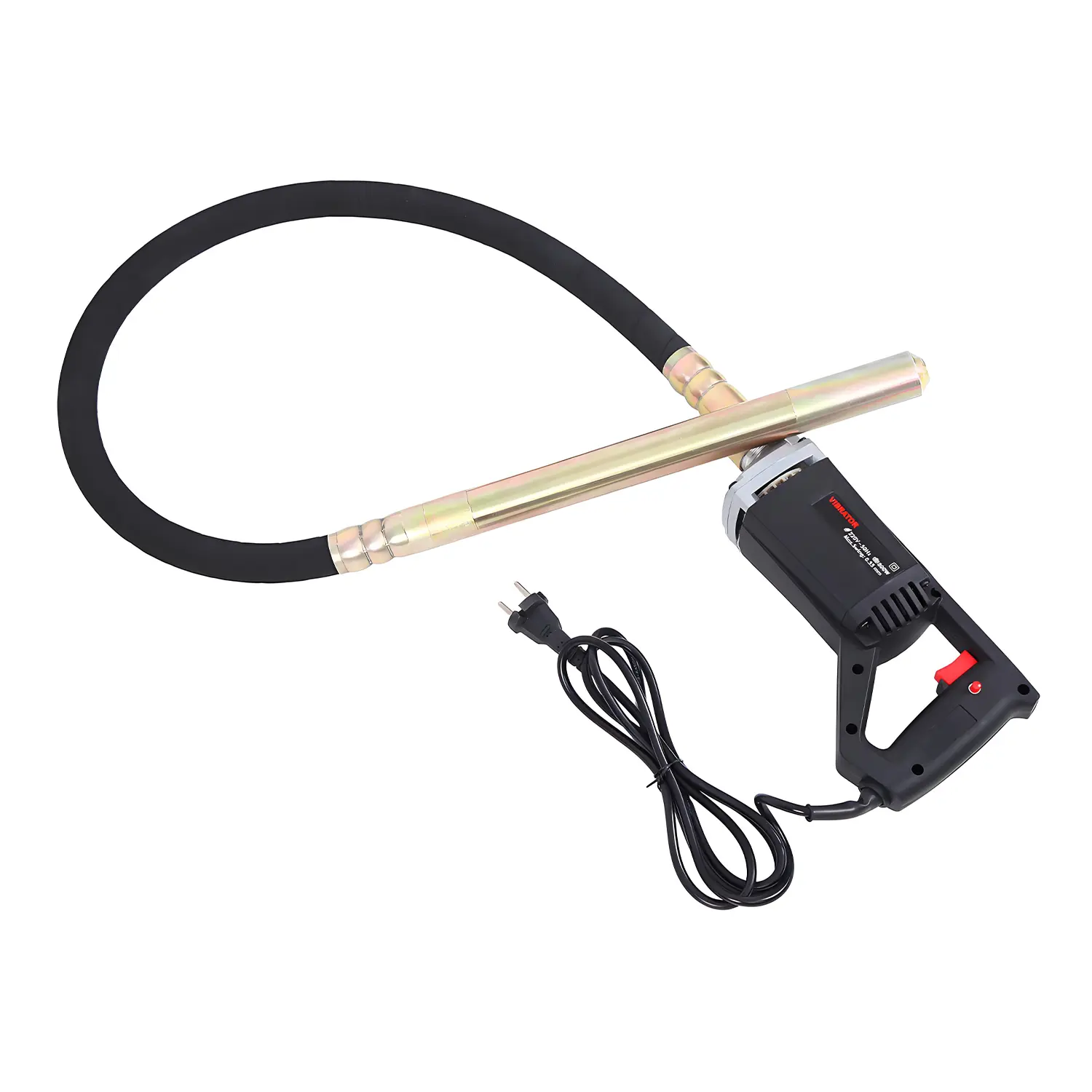 Portable vbrator shaft
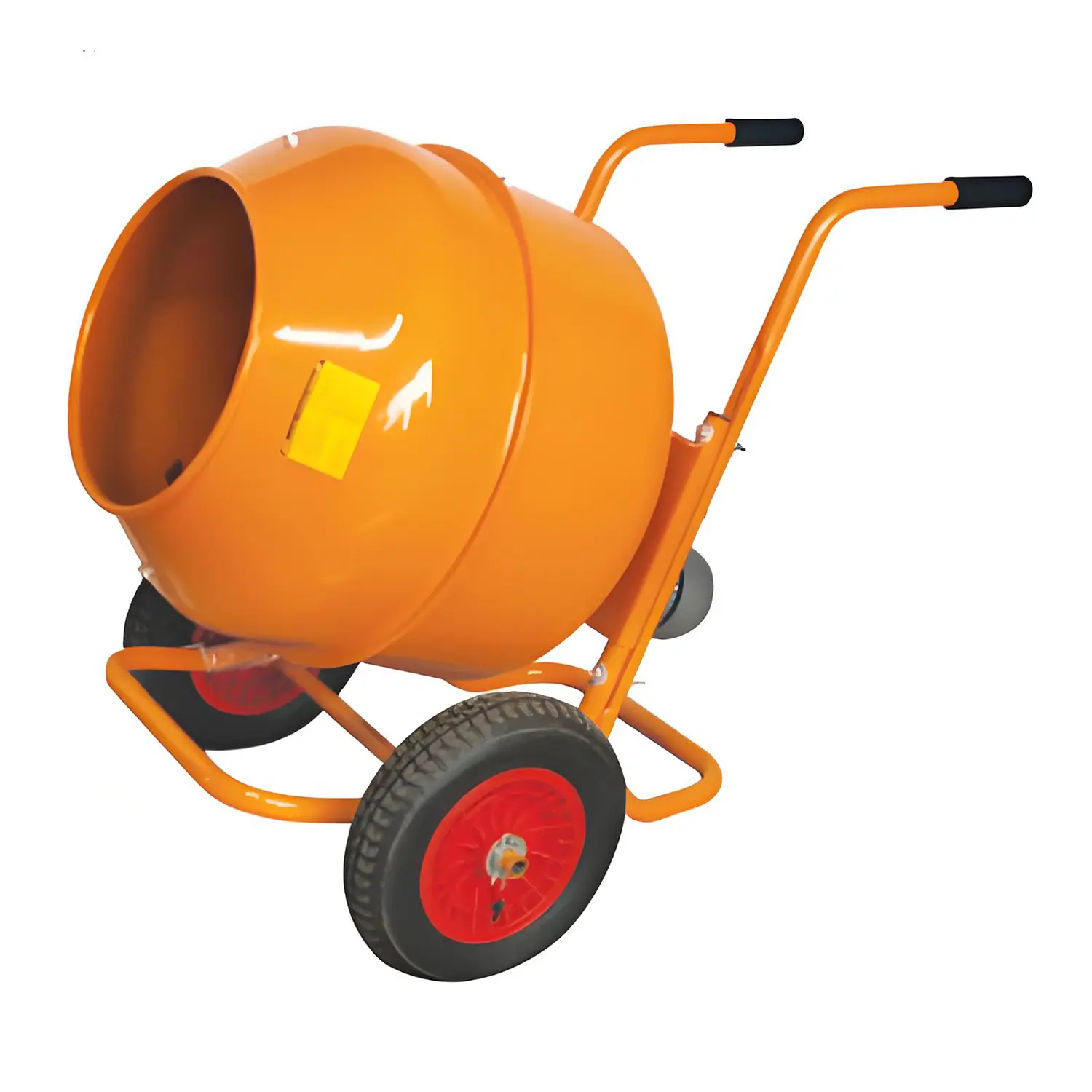 Portable concrete mixer
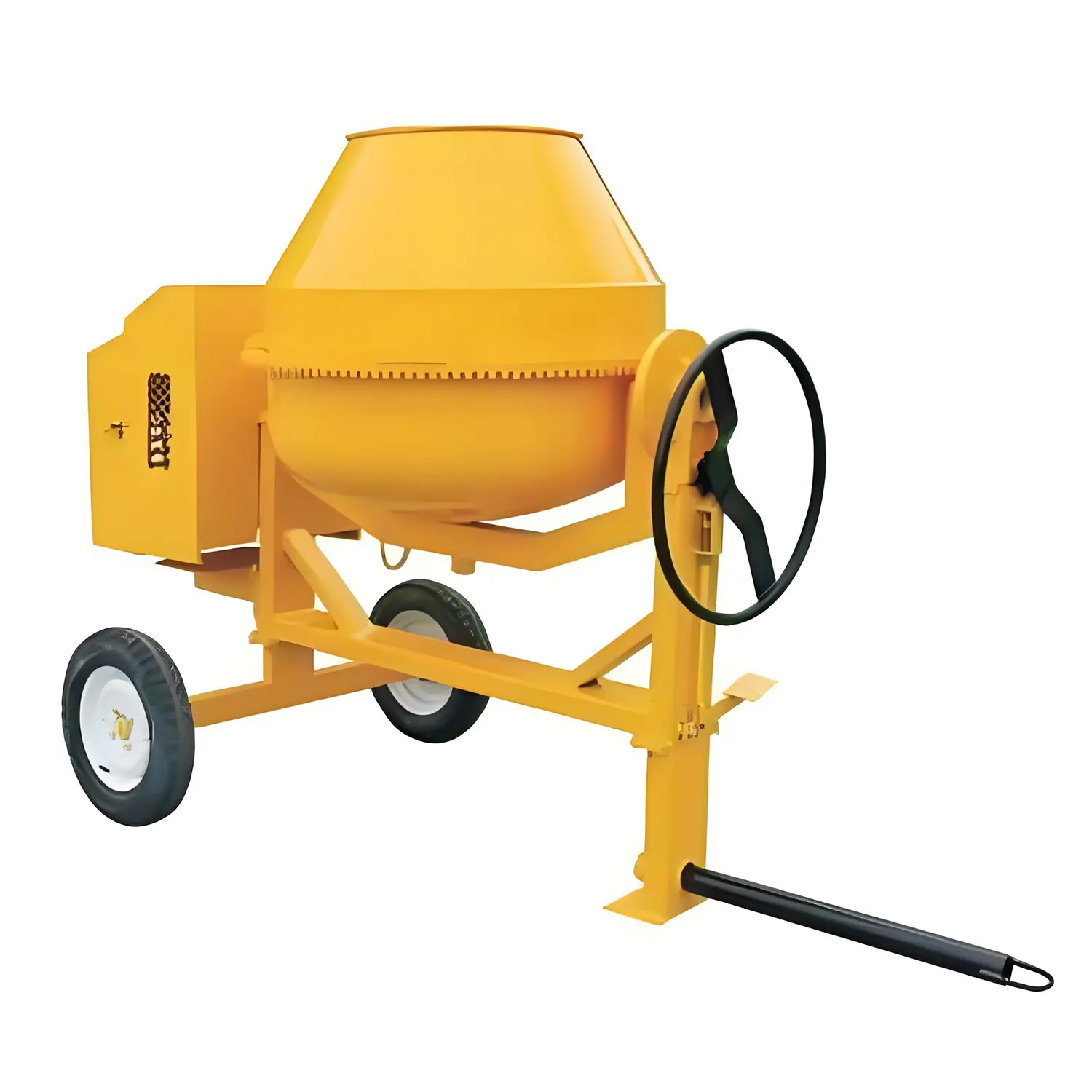 Vertical concrete mixer
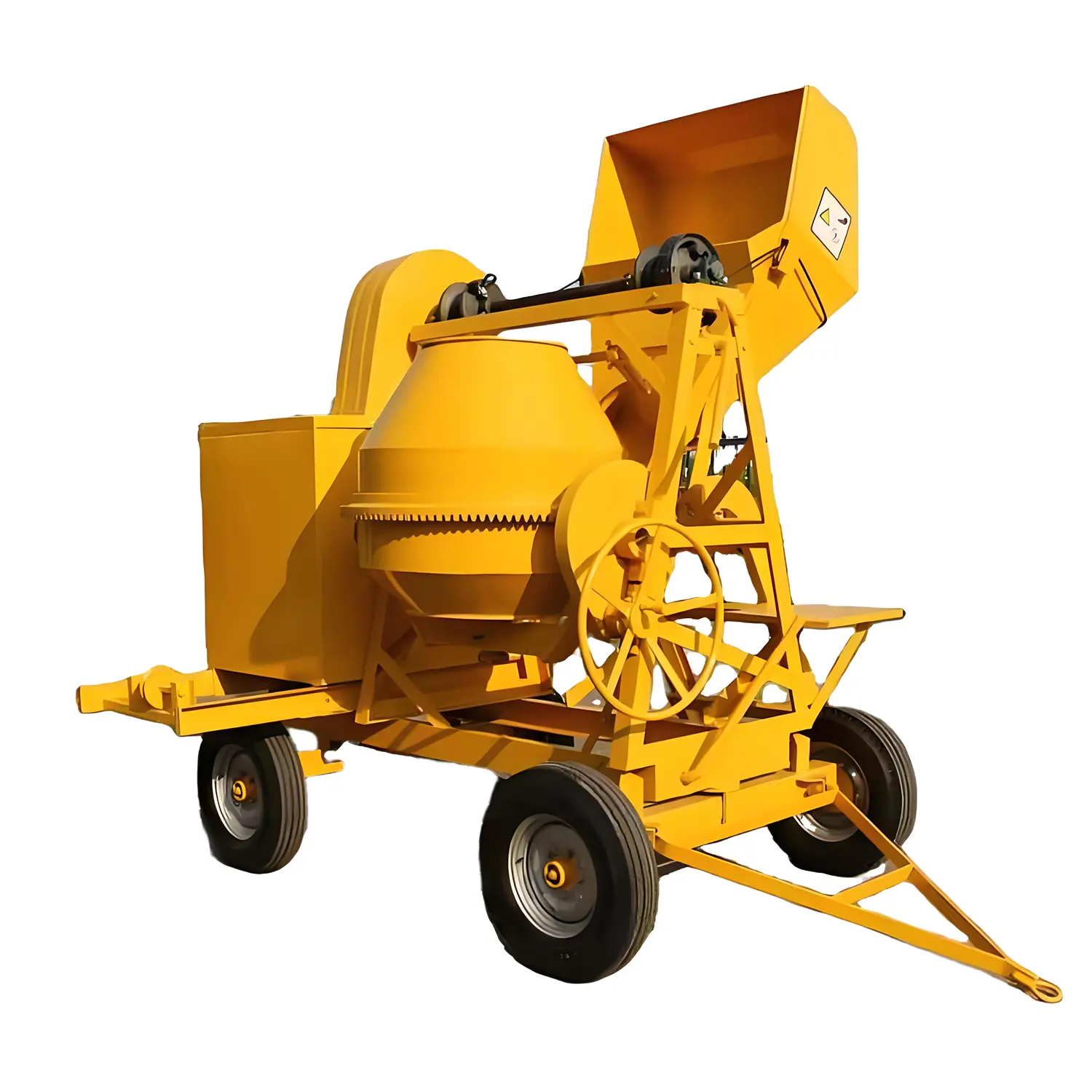 Hydraulic concrete mixer
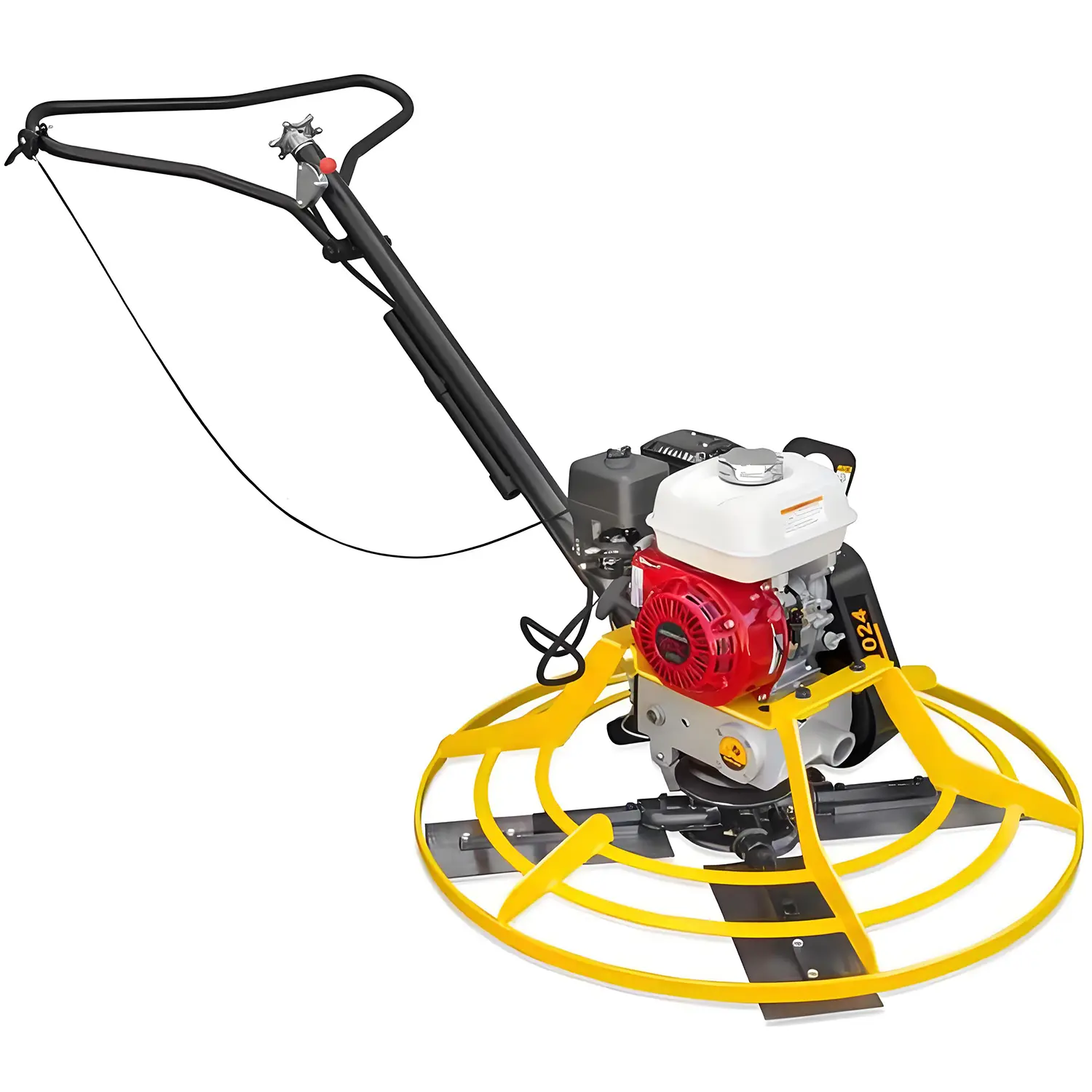 Walk behind power trowel
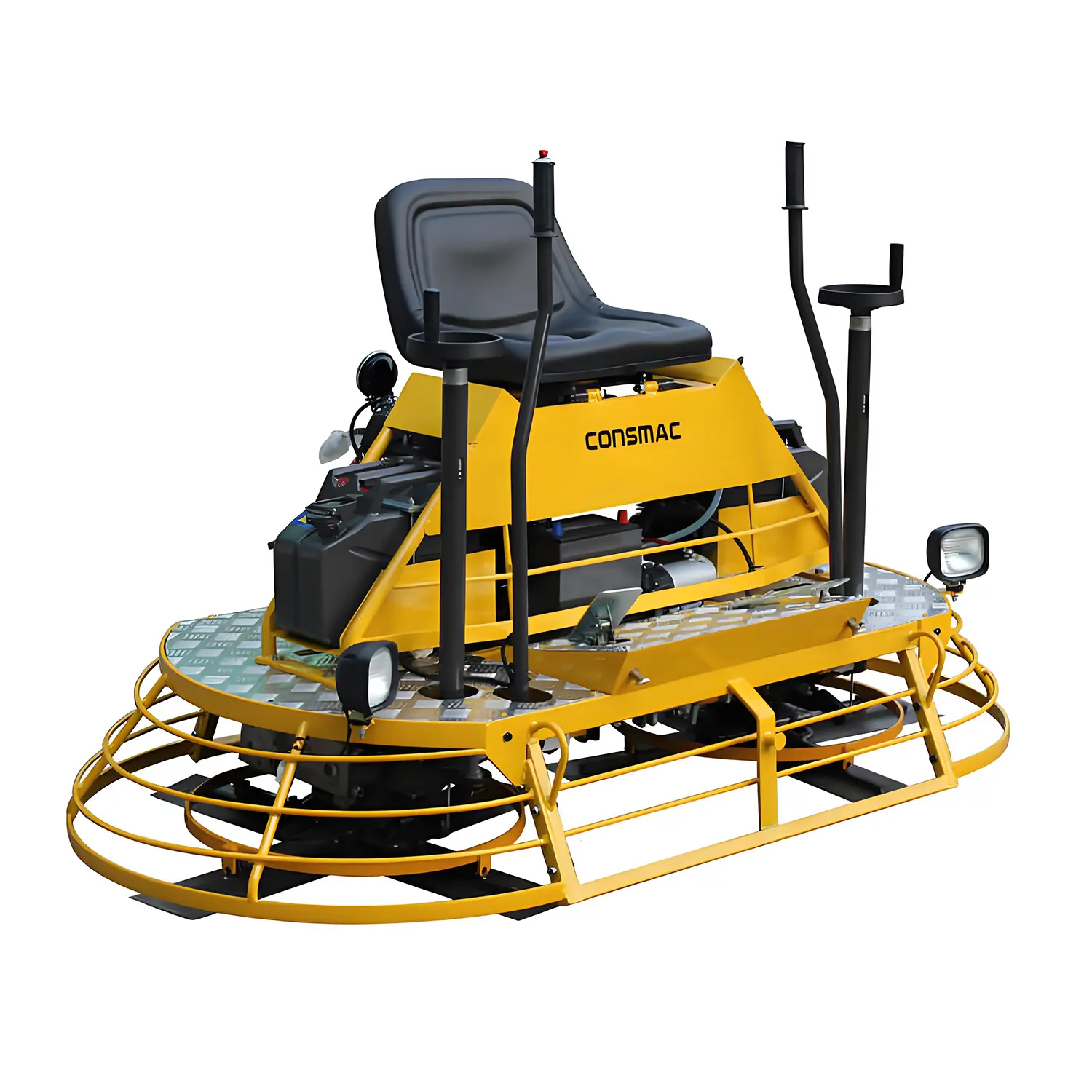 Ride on power trowel
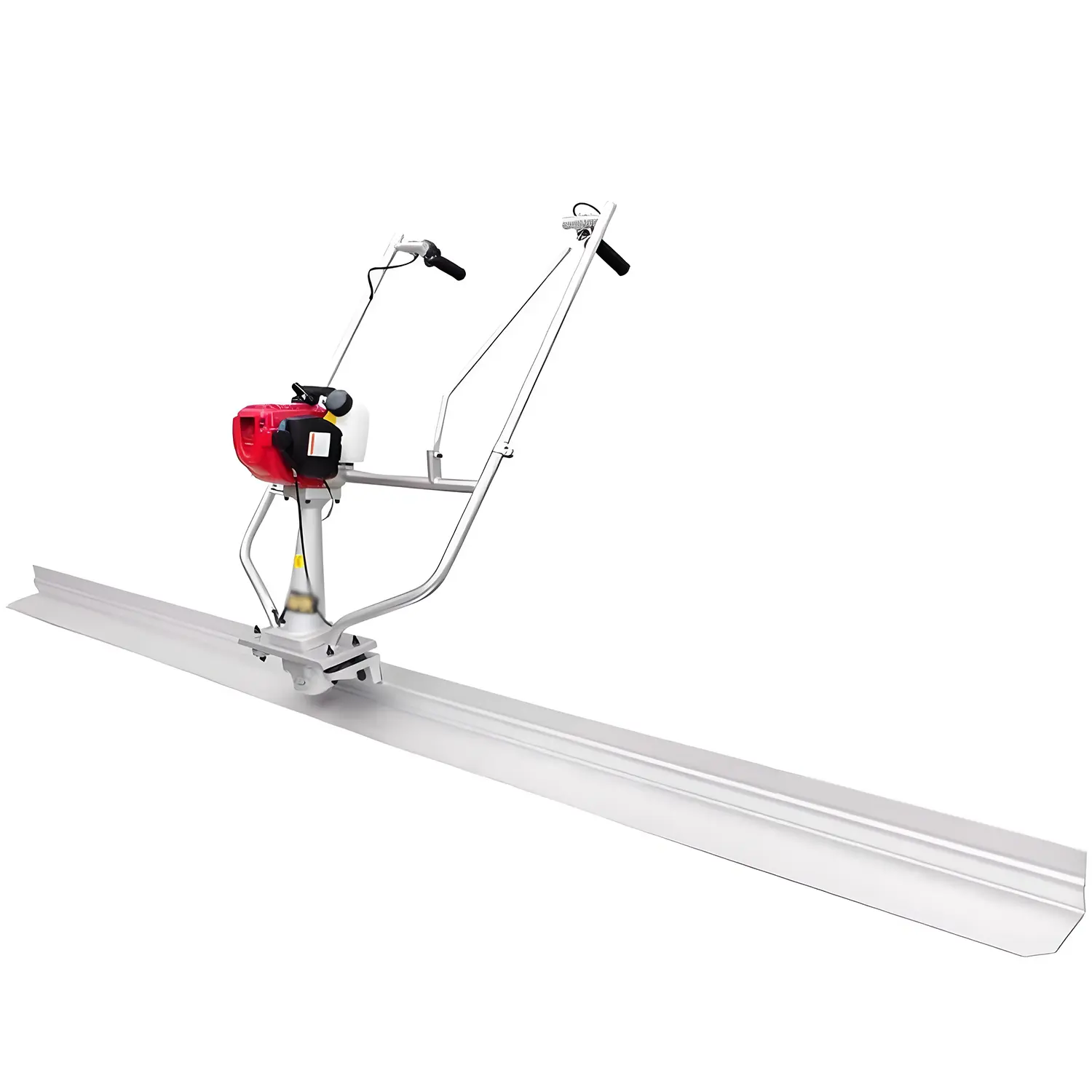 Concrete screed
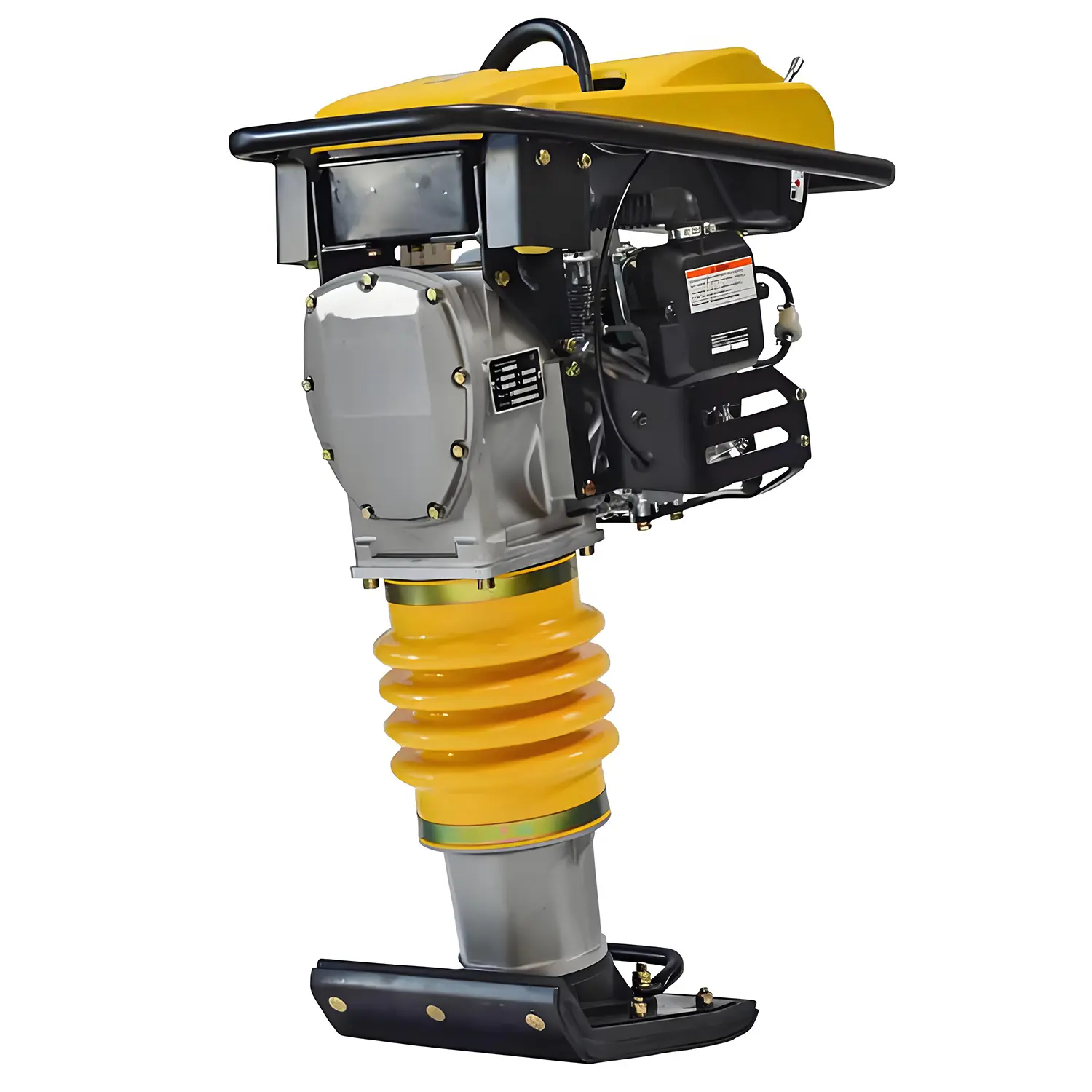 Tamping rammer
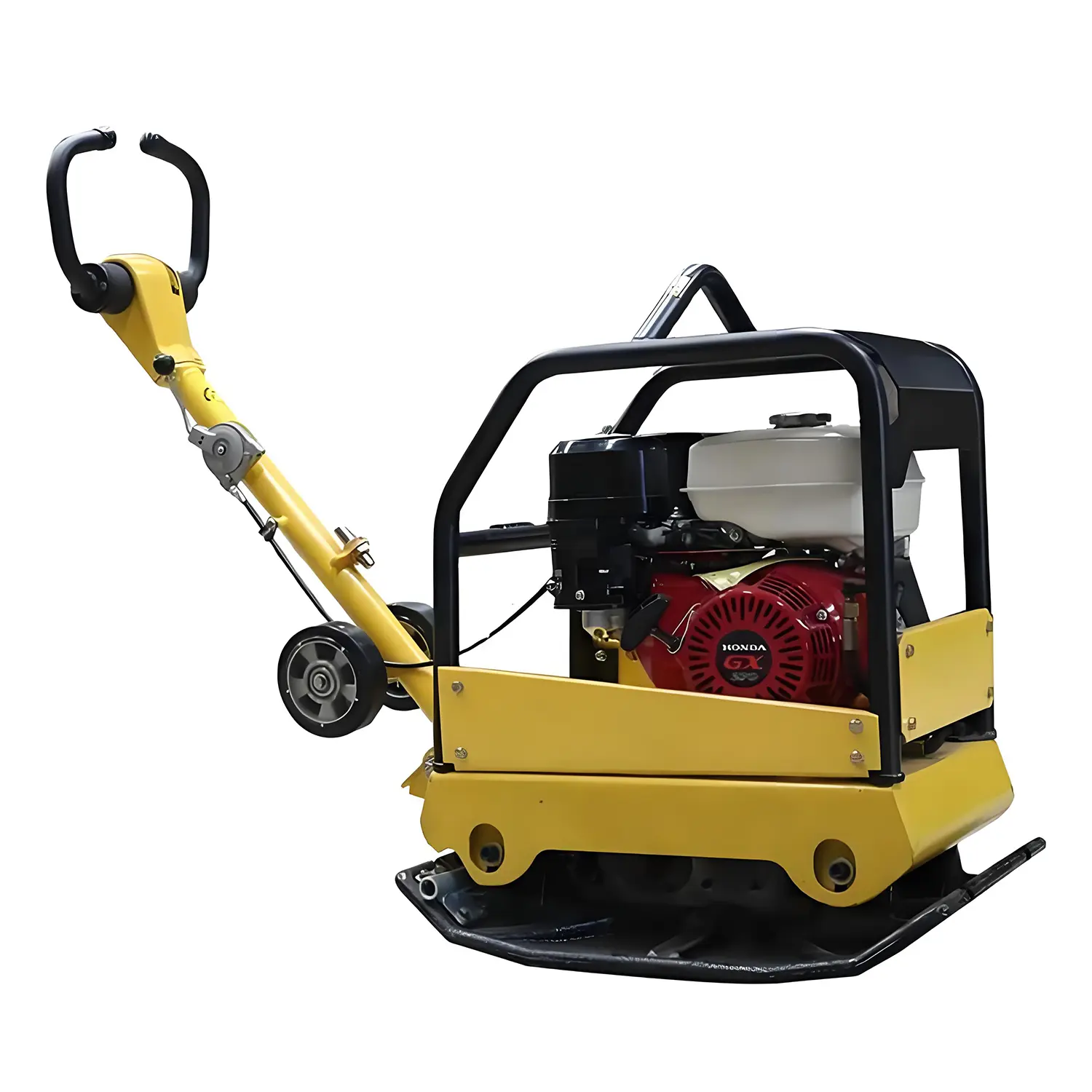 Plate compactor
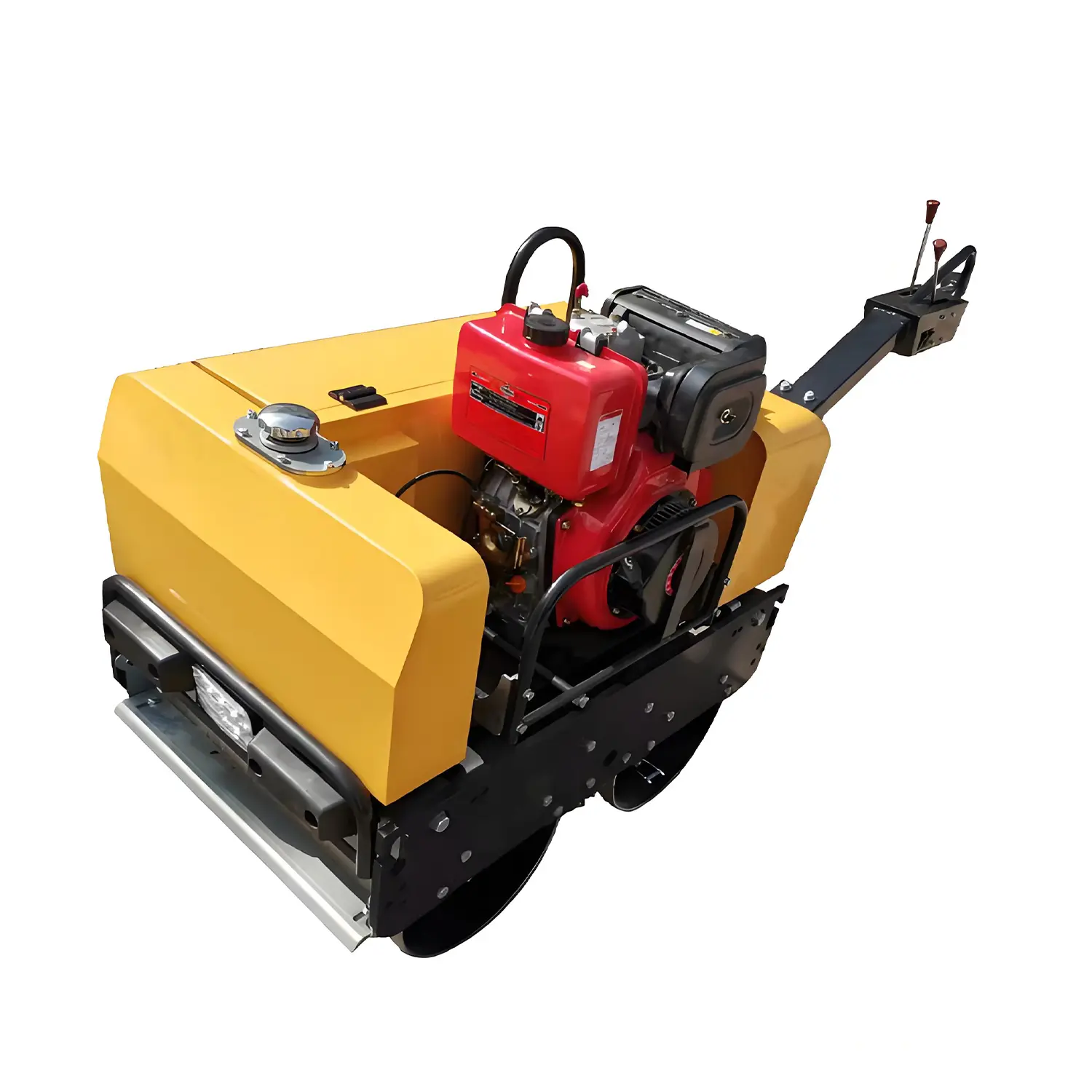 Vibratory roller