Essential Tips for Choosing a Concrete Compactor?
Choosing the right Concrete Compactor can greatly impact your construction project. A good compactor ensures a solid foundation and prevents future issues. However, selecting the best concrete compactor isn't always straightforward.
Consider your project size and type. For smaller jobs, a handheld model might suffice. Larger projects will benefit from heavier models. Each compactor serves a different purpose. Misunderstanding these tools can lead to costly mistakes.
Pay attention to specific features. Is it gasoline or electric? How heavy is it? These factors influence performance. Don't rush your decision. Research and reflect on your needs. An uninformed choice may hinder your progress. Choose wisely to ensure durability and efficiency in your pavement.
Key Factors to Consider When Choosing a Concrete Compactor
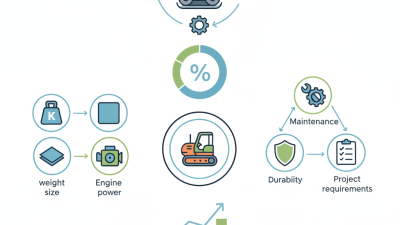
When selecting a concrete compactor, several key factors must be considered. The weight of the compactor plays a crucial role in its effectiveness. Heavier compactors tend to provide better compaction, especially for dense materials. A weight of around 300 to 800 pounds is common for many projects. However, using a compactor that is too heavy for small jobs can damage the surface. Balance is essential.
The type of soil is another important consideration. Certain compactors work better on specific soil types. For example, vibratory plate compactors excel on granular soils, while rammers are better for cohesive soils. Understanding your project’s requirements can save time and labor, preventing costly mistakes. It’s essential to assess the job site thoroughly before making a choice.
Machine mobility is also significant. Some compactors are easier to maneuver in tight spaces than others. Look for features such as foldable handles or compact designs. These can enhance usability, making the equipment more adaptable to various environments. Ultimately, a well-suited compactor can improve efficiency but also prompt reflection on what design elements truly serve your specific needs.
Different Types of Concrete Compactors and Their Applications
When selecting a concrete compactor, it’s critical to understand the different types available. Each type serves unique purposes and applications in construction.
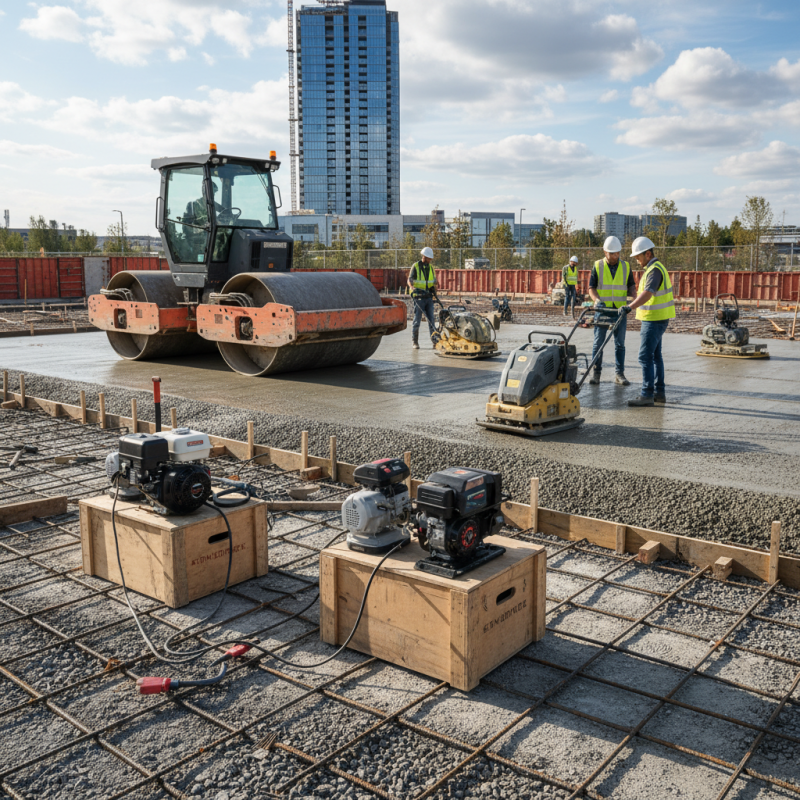
Vibratory plate compactors are ideal for smaller jobs, like walkways and patios. They provide efficiency and ease of use for compacting granular soils and asphalt. According to industry data, these compactors deliver high-performance results in tight spaces.
Jumping jack compactors are built for tackling cohesive soils. They excel in trench work and heavy-duty tasks. Their design allows them to penetrate the ground deeply, which is beneficial for creating stable foundations. They are often the choice for professionals needing reliable equipment during challenging projects. Professionals report that these compactors enhance productivity, allowing for quicker project completion.
Tip: Always consider the soil type and job size when choosing a compactor. The wrong choice can lead to inadequate compaction and costly delays. Measure the area and identify any complex requirements. A compact machine might be easier, but larger projects often need robust equipment for durability. Assess your needs carefully to avoid making a poor investment.
Understanding Compaction Force and Its Impact on Performance
When choosing a concrete compactor, one must understand
compaction force. This force determines how effectively the machine
can densify the soil or concrete. Higher compaction force means better performance.
It helps eliminate air pockets and ensures a stable surface.
Different projects require different levels of compacting. A heavy-duty job may require greater
force than a small backyard project. Consider the material
you will compact. Each material reacts uniquely to compaction force. Too little force causes
ineffective compaction. Too much can lead to cracking.
It’s essential to match the compactor’s force with your project needs. Experimenting with various
force levels may be necessary. Observe how the surface responds. Adjust as needed for the best results.
Not all compactors perform consistently, and that could lead to unexpected challenges.
Pay attention to these details for successful outcomes.
Evaluating Engine Power and Fuel Efficiency for Concrete Compactors
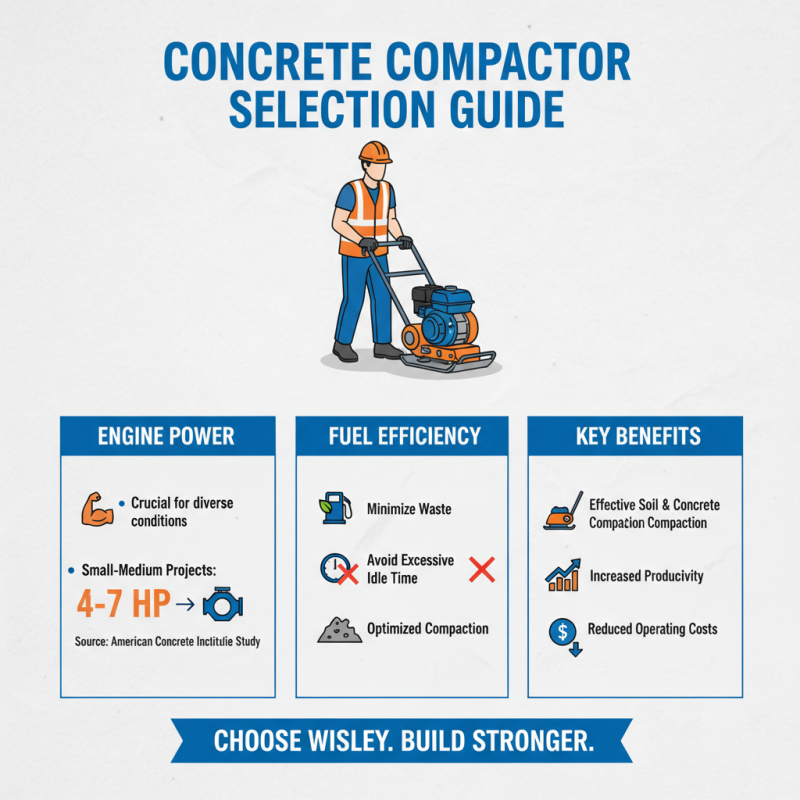
Choosing the right concrete compactor involves careful consideration, especially regarding engine power and fuel efficiency. An effective engine must provide sufficient power to handle diverse conditions. According to a study by the American Concrete Institute, compactors with engines rated between 4 to 7 horsepower are generally suitable for small to medium projects. This power range ensures effective soil and concrete compaction without excessive idle time, which can be wasteful.
Fuel efficiency is also critical. Many compactors now feature advanced engines that offer up to 20% better fuel economy compared to older models. This improvement is not just cost-effective; it reduces the environmental footprint of your operations. It’s essential to assess the fuel consumption rate listed in the specifications. Look for models that optimize fuel use, especially when working on longer projects.
Tips: Always check the noise levels. Excessive noise can cause fatigue and may not comply with local regulations. Also, consider the weight of the compactor. Heavier models may offer better compaction but can be harder to maneuver. Balancing power, efficiency, and usability can significantly impact performance and operational costs. Reflect on these factors when selecting a concrete compactor for your needs.
Safety Features and Maintenance Tips for Concrete Compactors
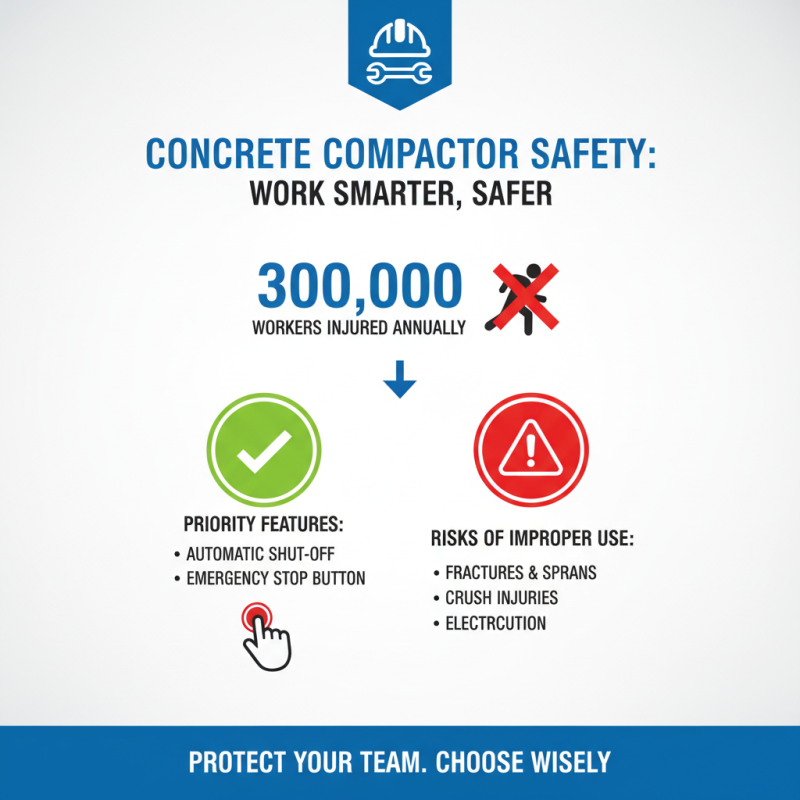
When selecting a concrete compactor, safety should be a priority. Reports indicate that improper use can lead to injuries, with about 300,000 workers affected yearly in the construction sector. Look for models with safety features like automatic shut-off and emergency stop buttons. These can prevent accidents on job sites.
Regular maintenance is equally crucial for safety and efficiency. Compactors should be checked for worn-out components, as nearly 25% of machine failures are due to neglect. Tips for maintenance include cleaning the plate and checking fluid levels after each use. This simple practice can prolong the life of your equipment.
Remember that ergonomic designs can also make a significant difference. Machines with comfortable grips reduce the risk of repetitive strain injuries. Investing in vibrant, reflective colors provides high visibility for workers. Safety is not just about machinery; it’s about protecting people. Prioritize safety features, and consider the long-term impact of your choices.

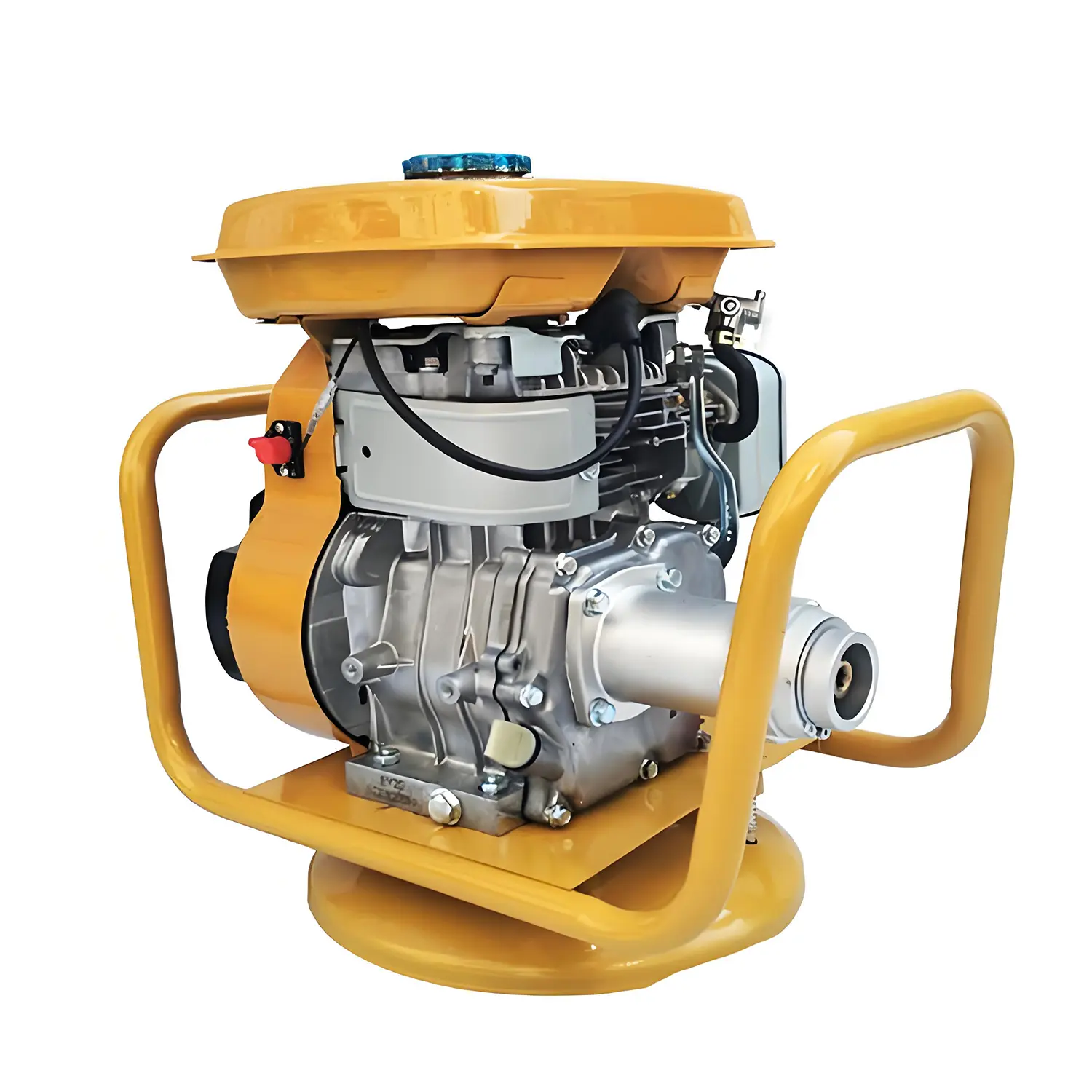 Internal Vibrator
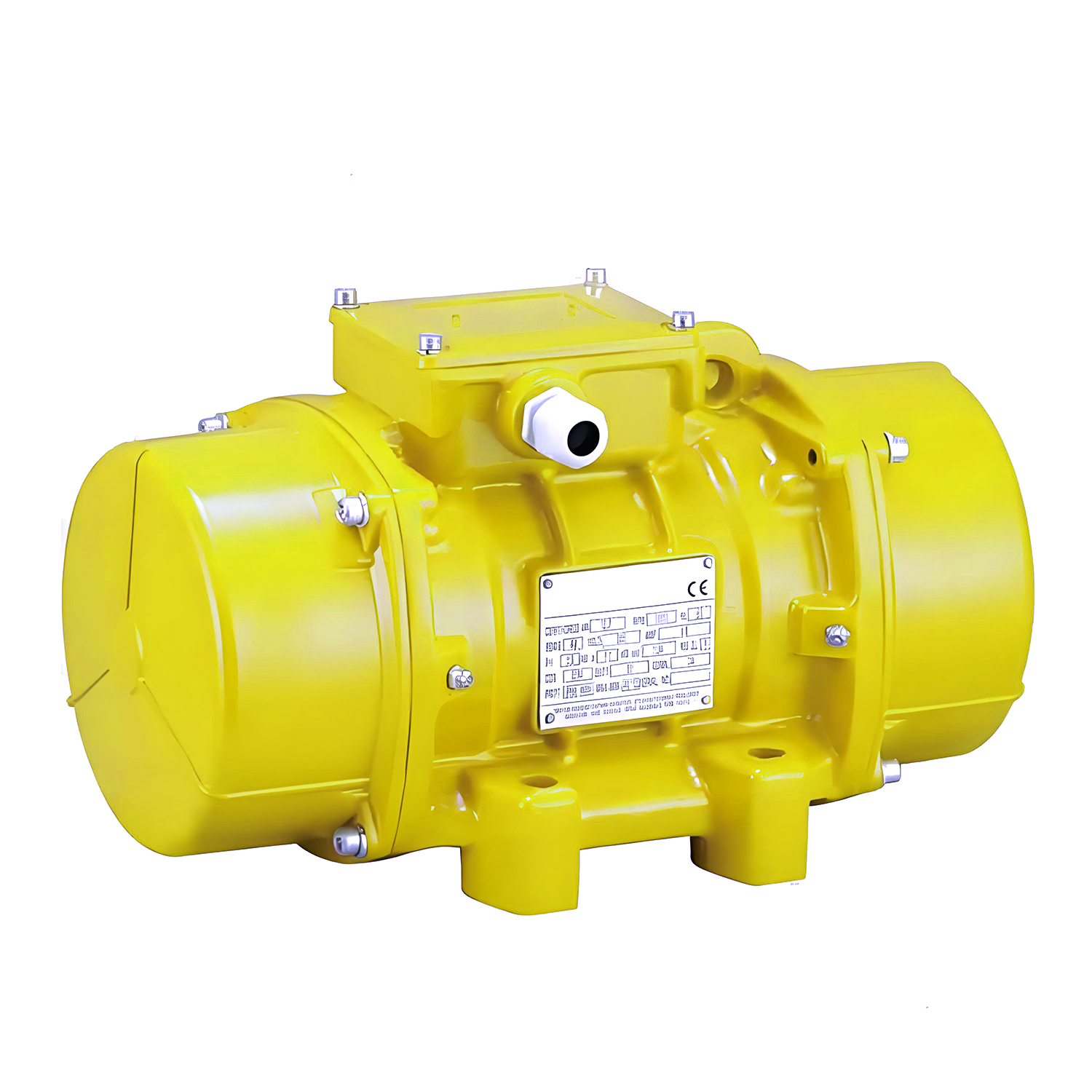 External Vibrator
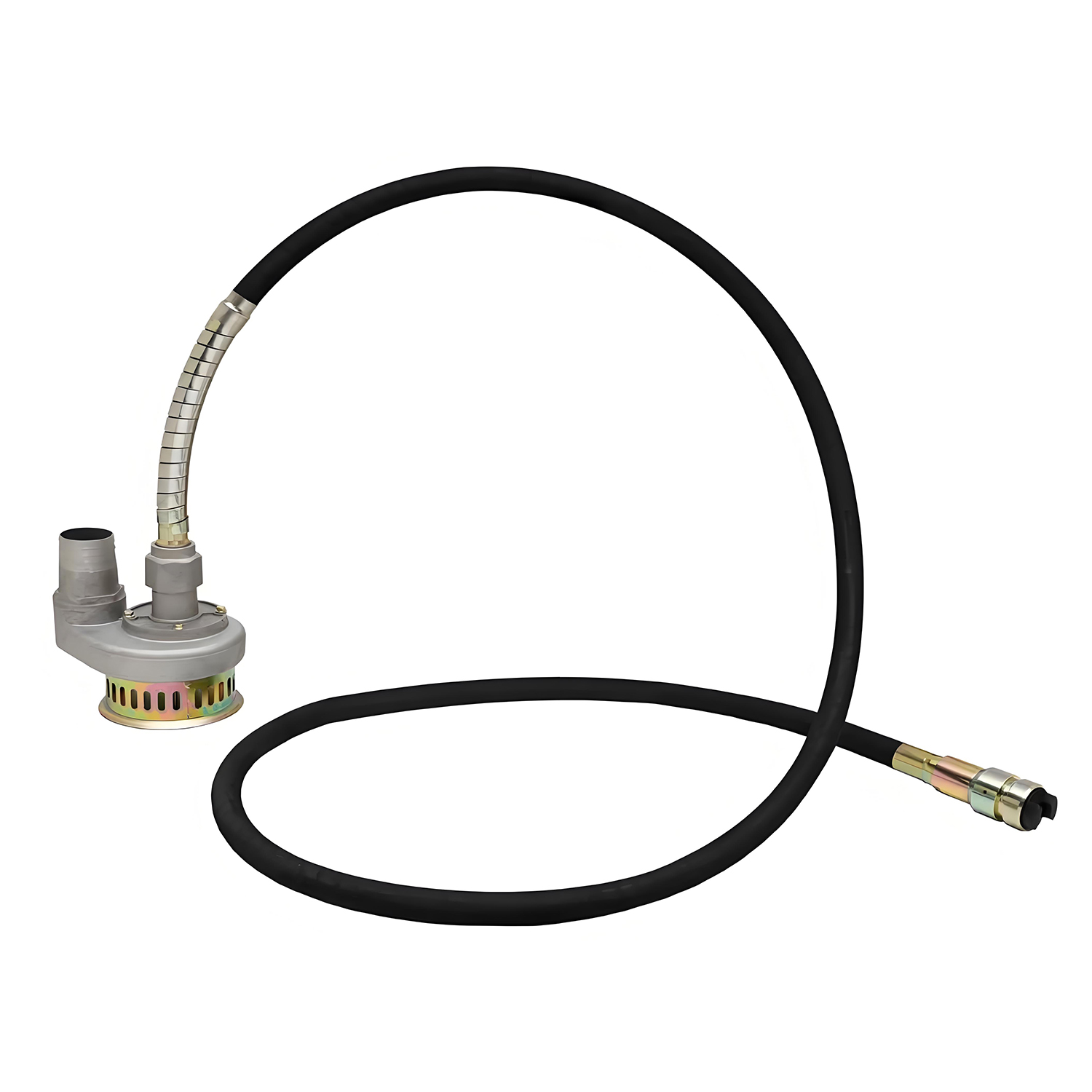 Submersible Pump
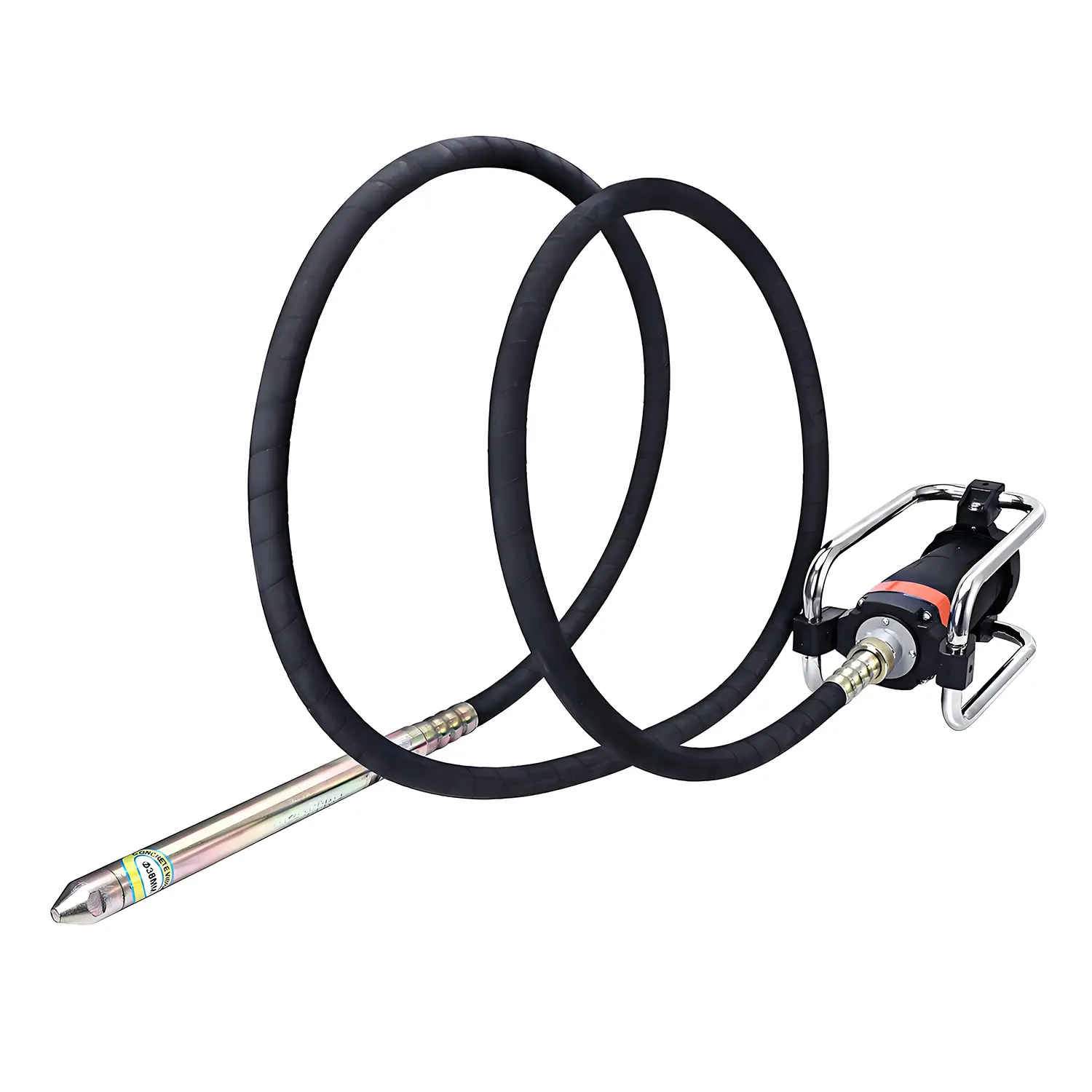 Eccentric shaft
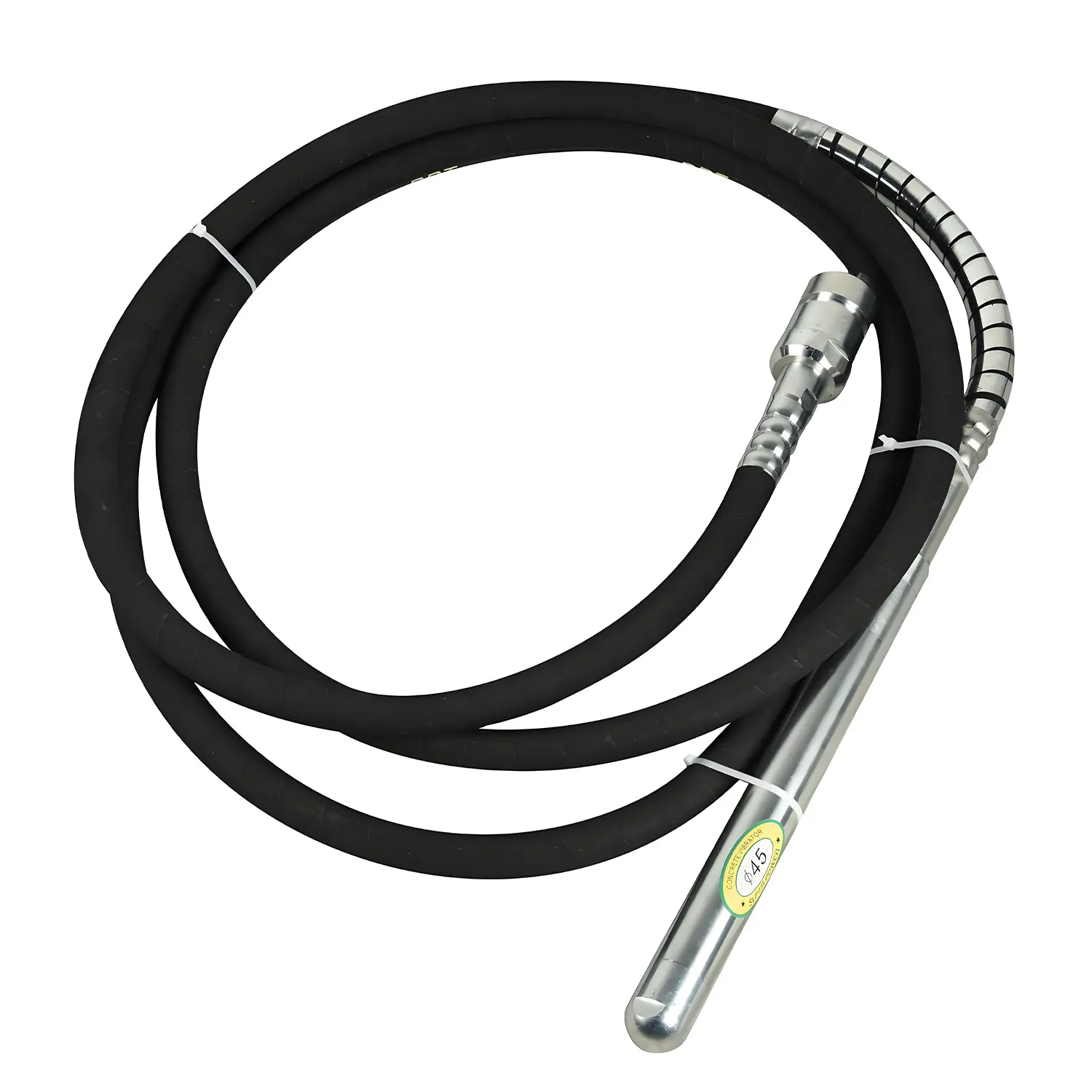 Pendulum shaft
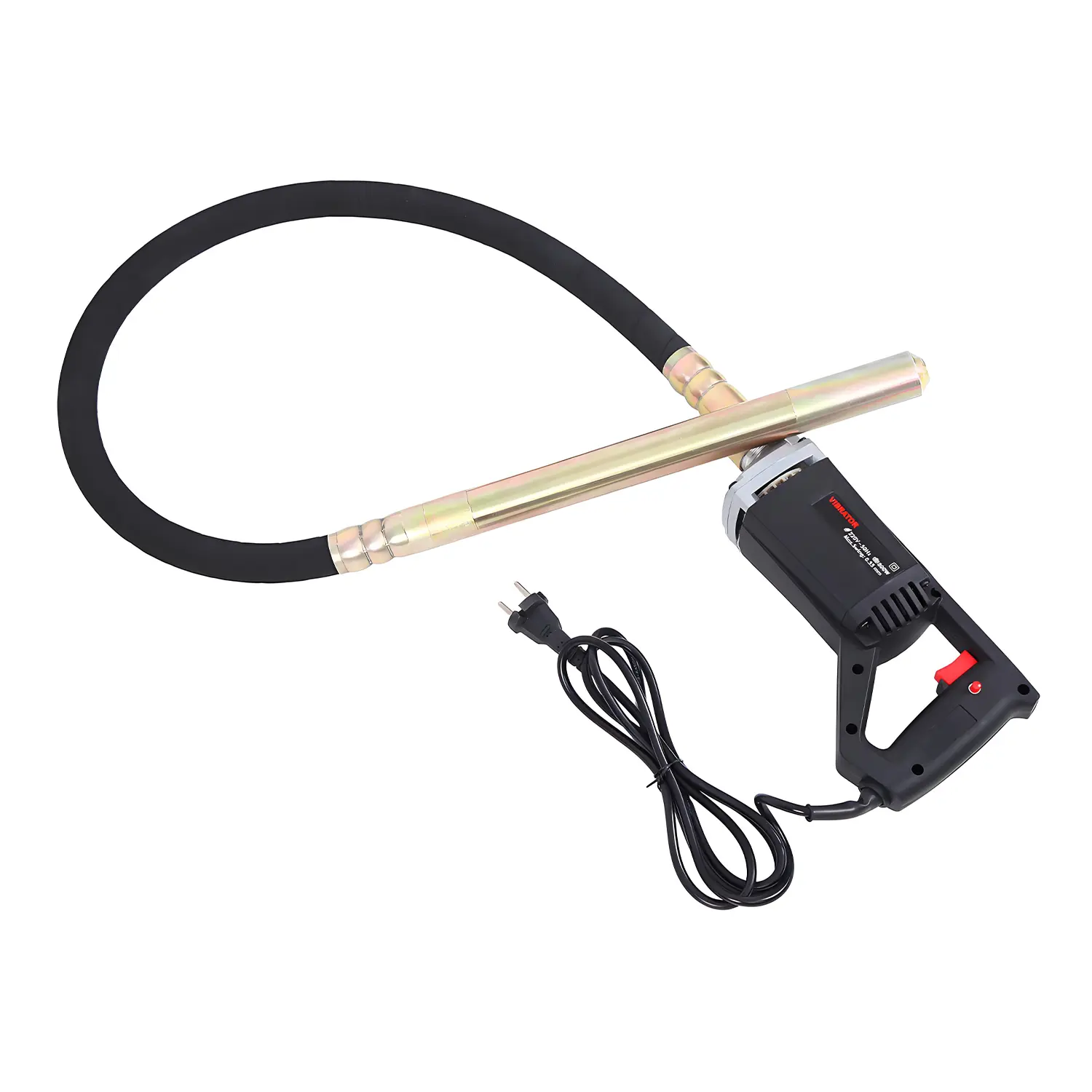 Portable vbrator shaft
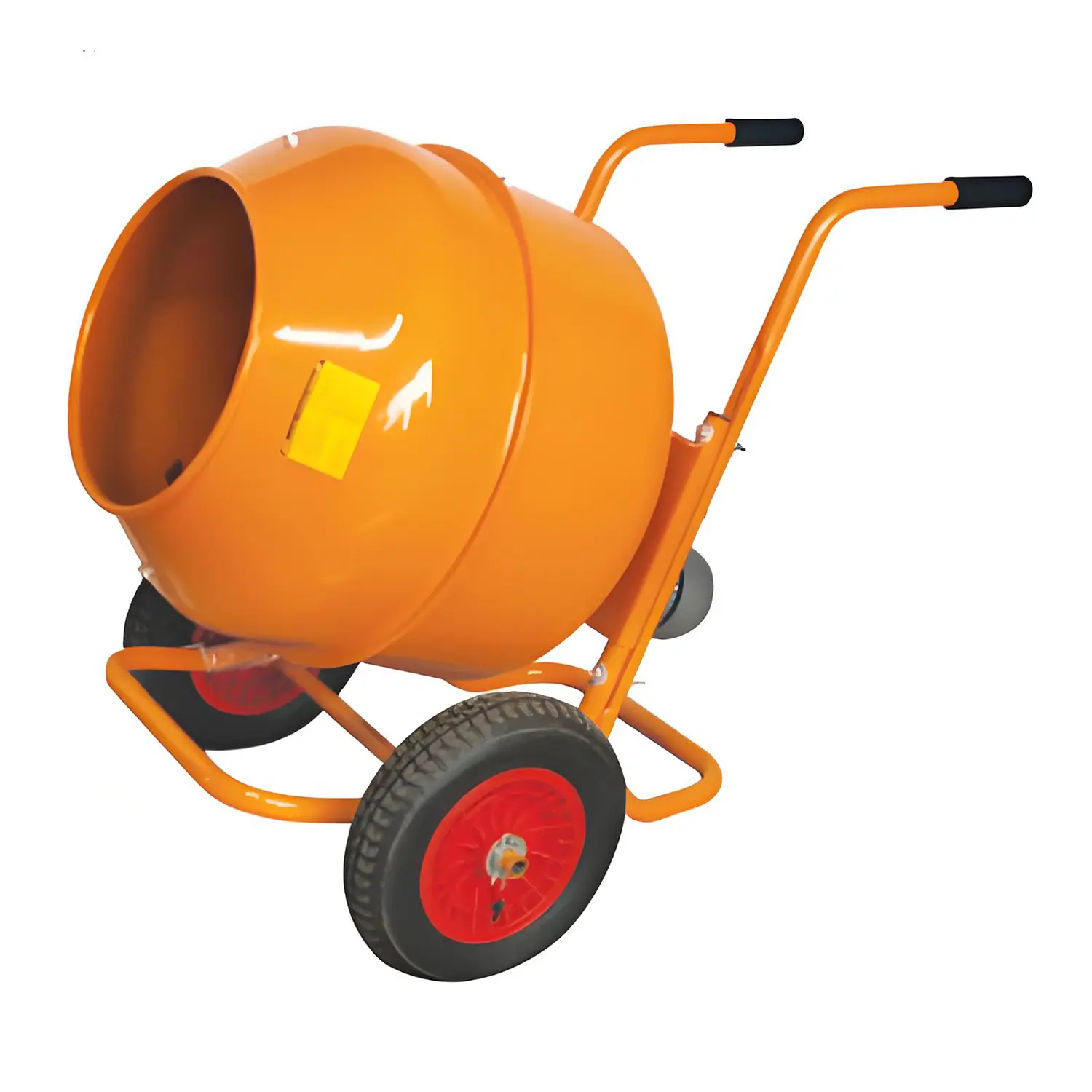 Portable concrete mixer
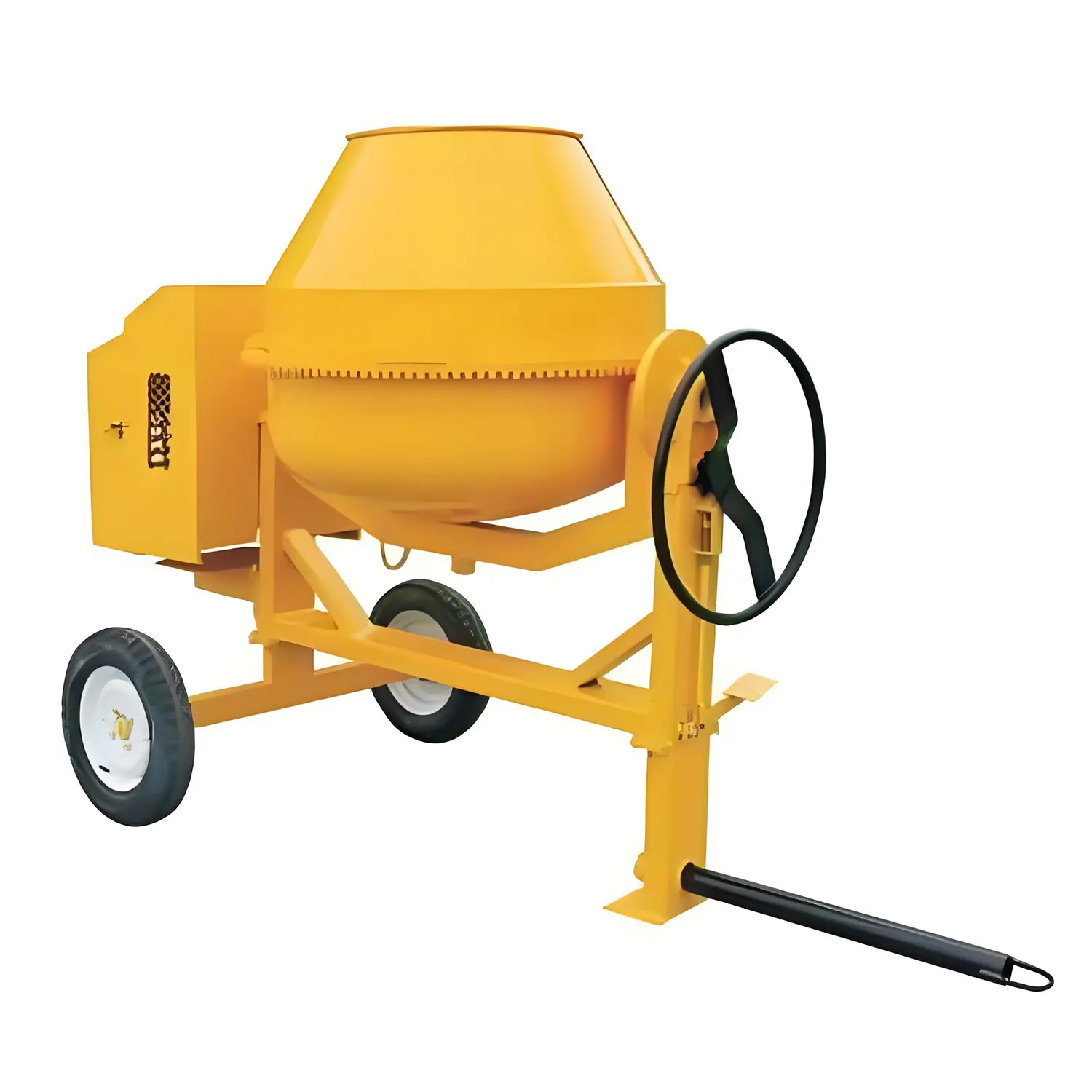 Vertical concrete mixer
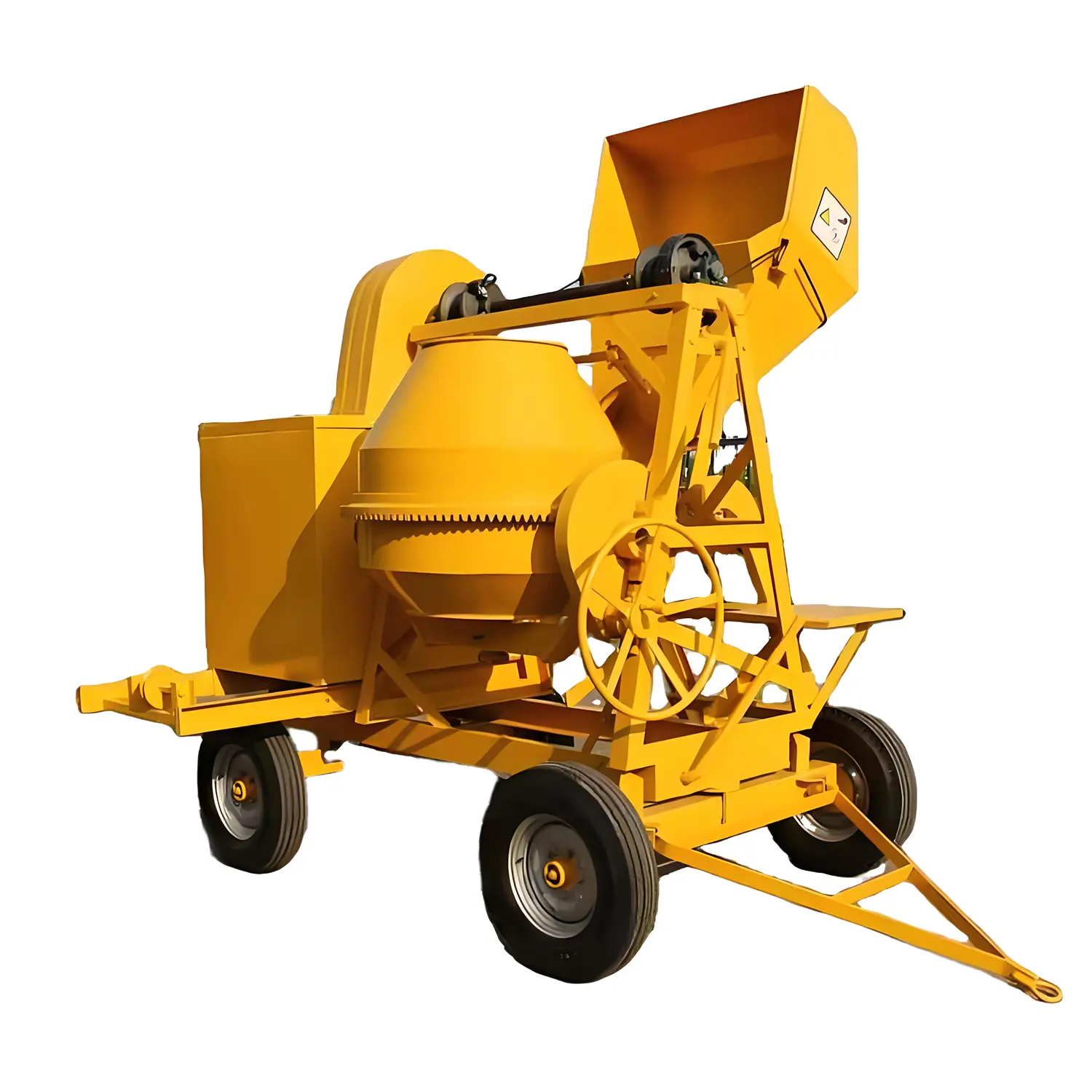 Hydraulic concrete mixer
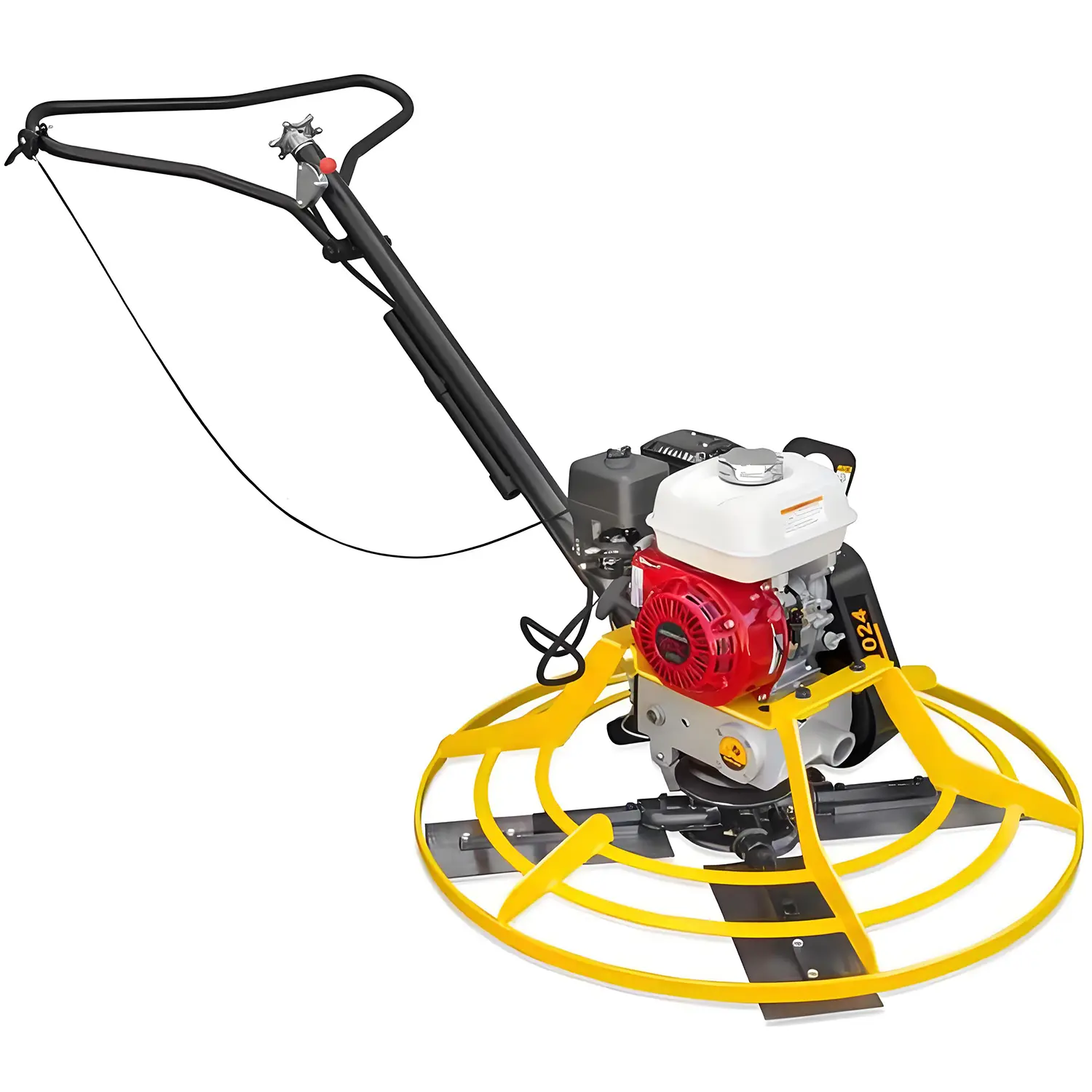 Walk behind power trowel
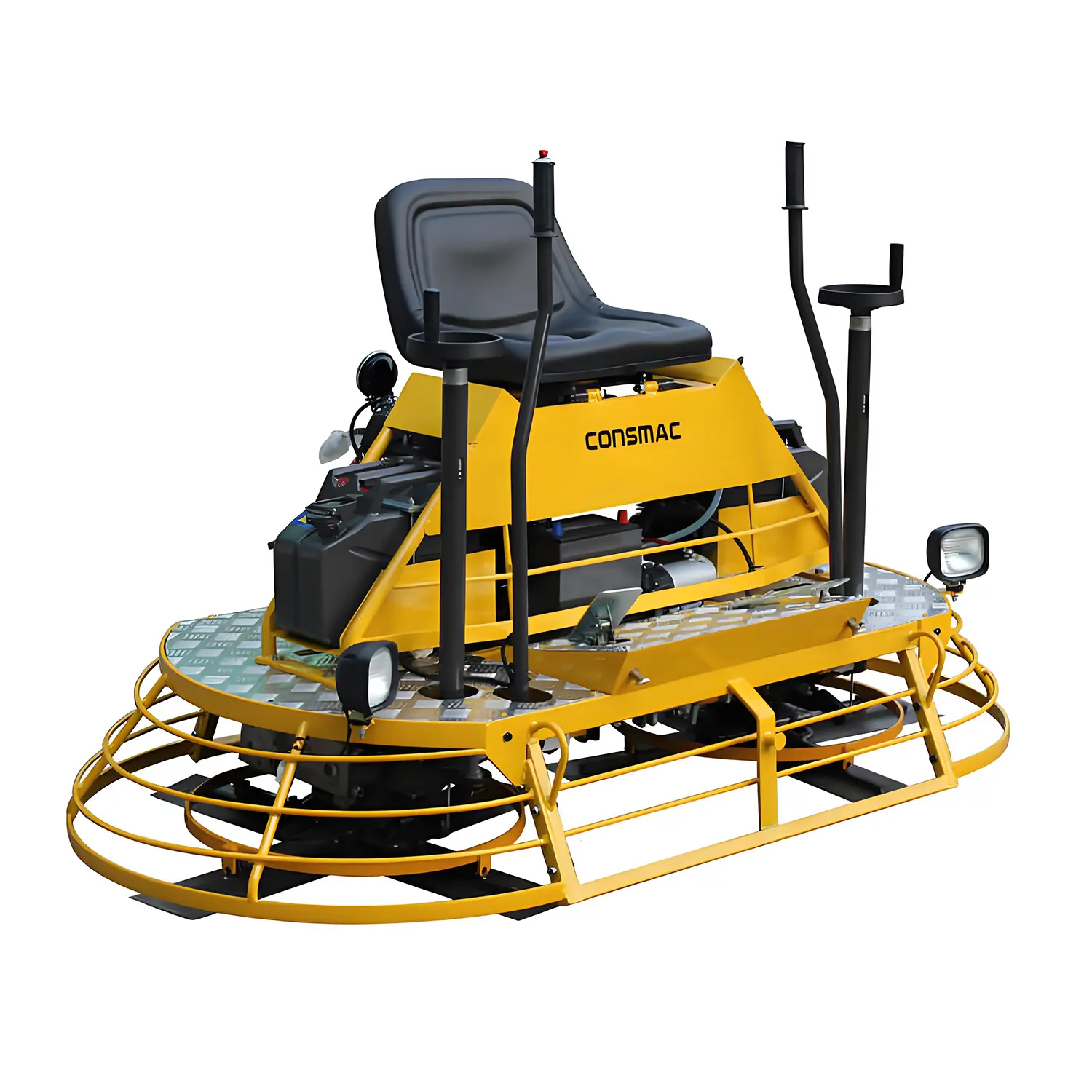 Ride on power trowel
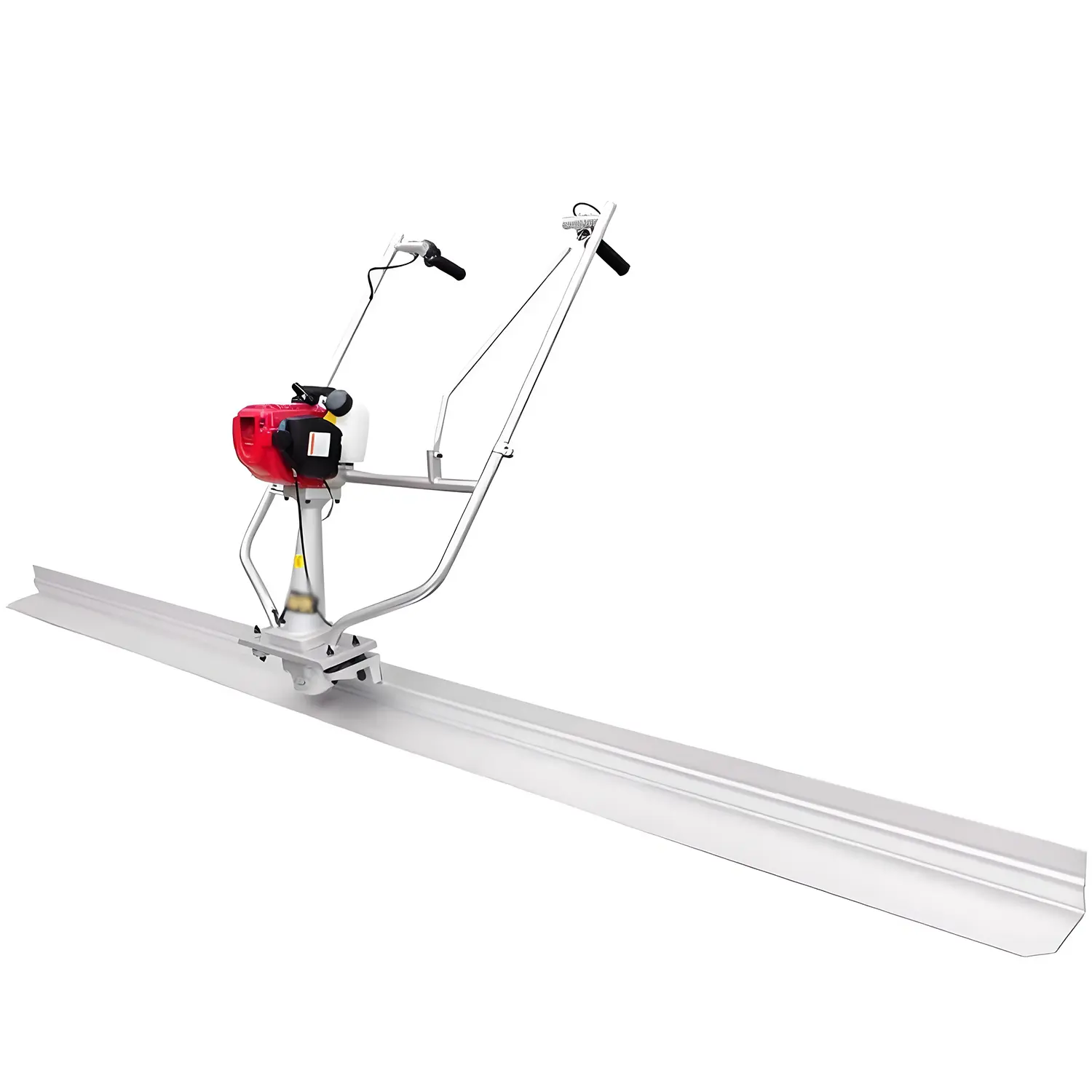 Concrete screed
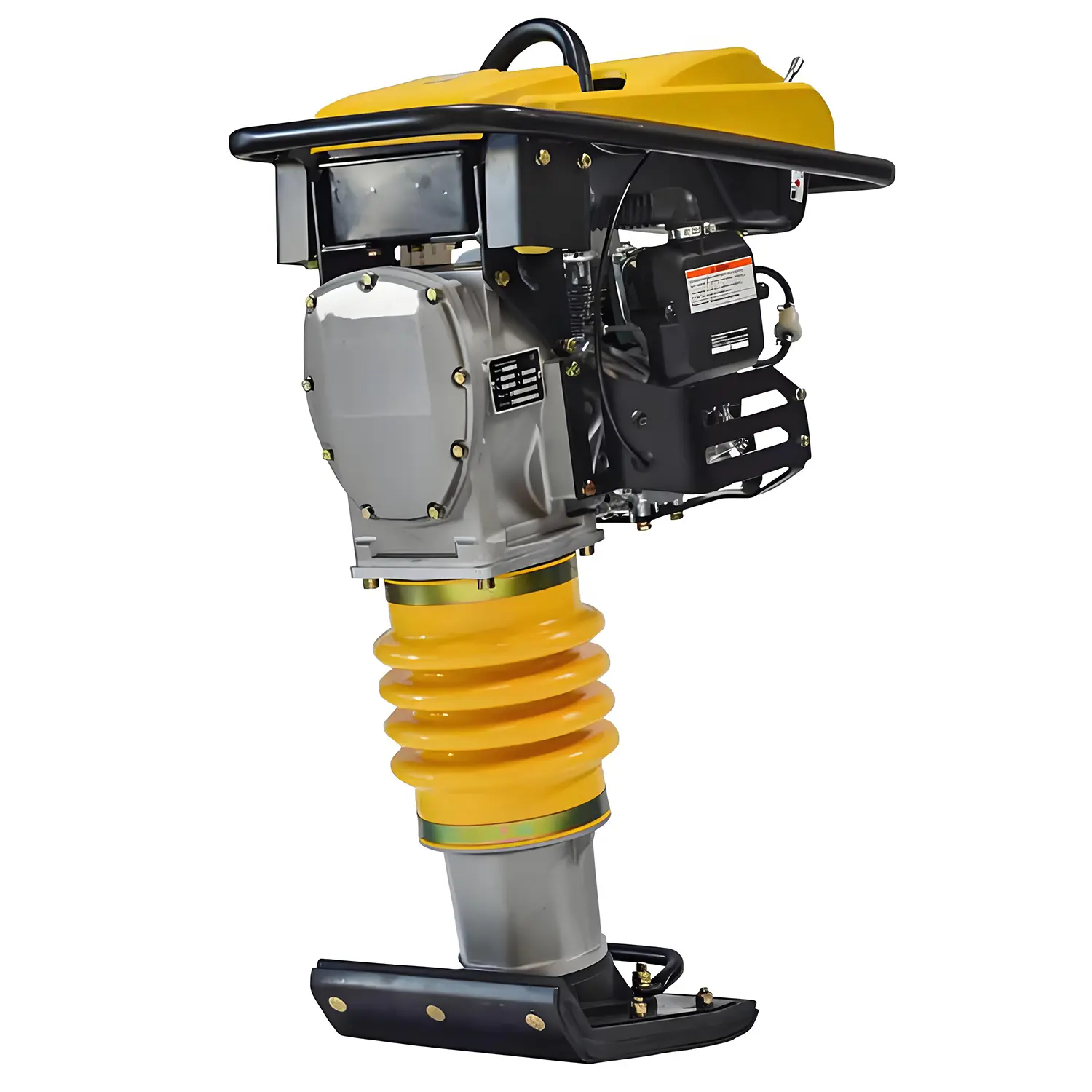 Tamping rammer
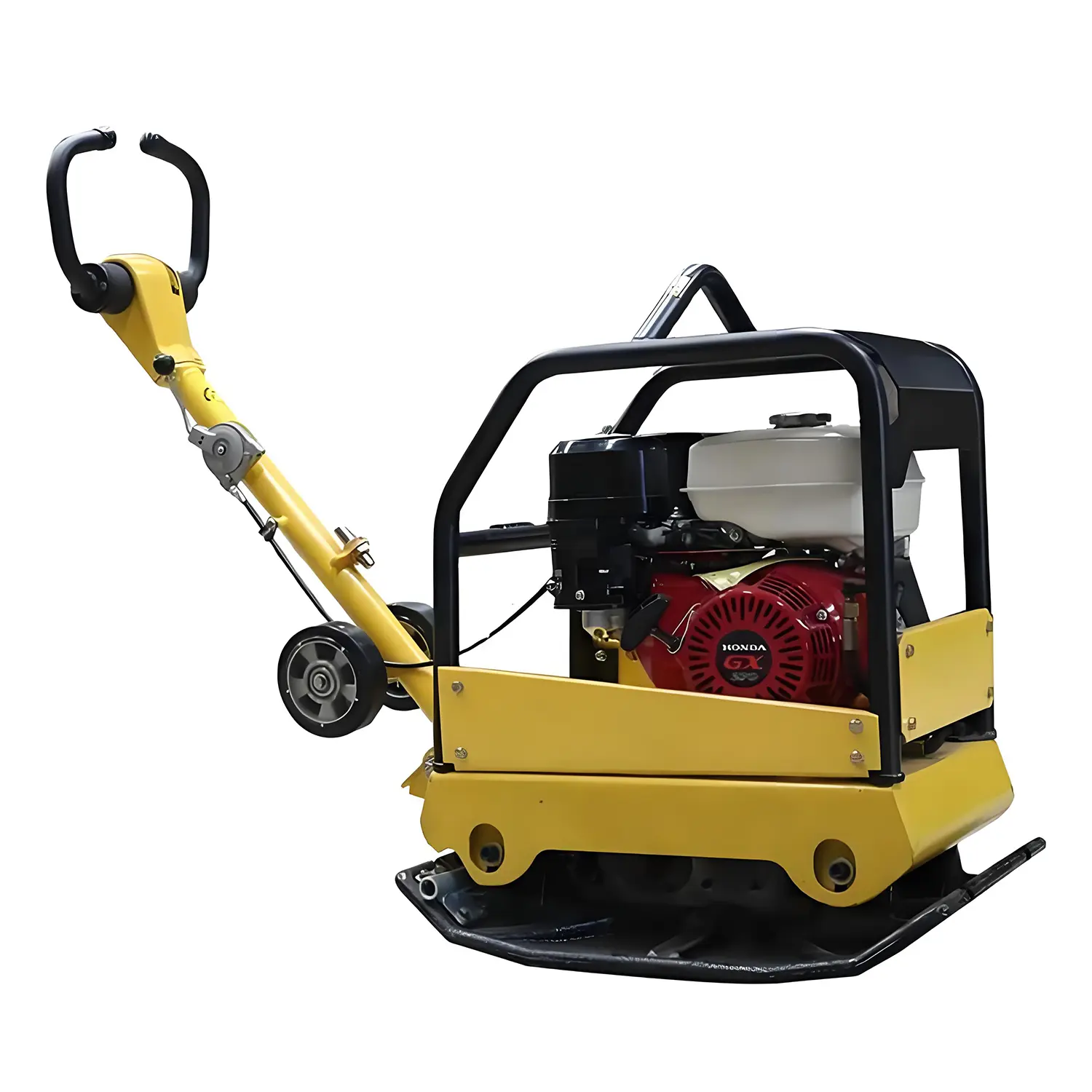 Plate compactor
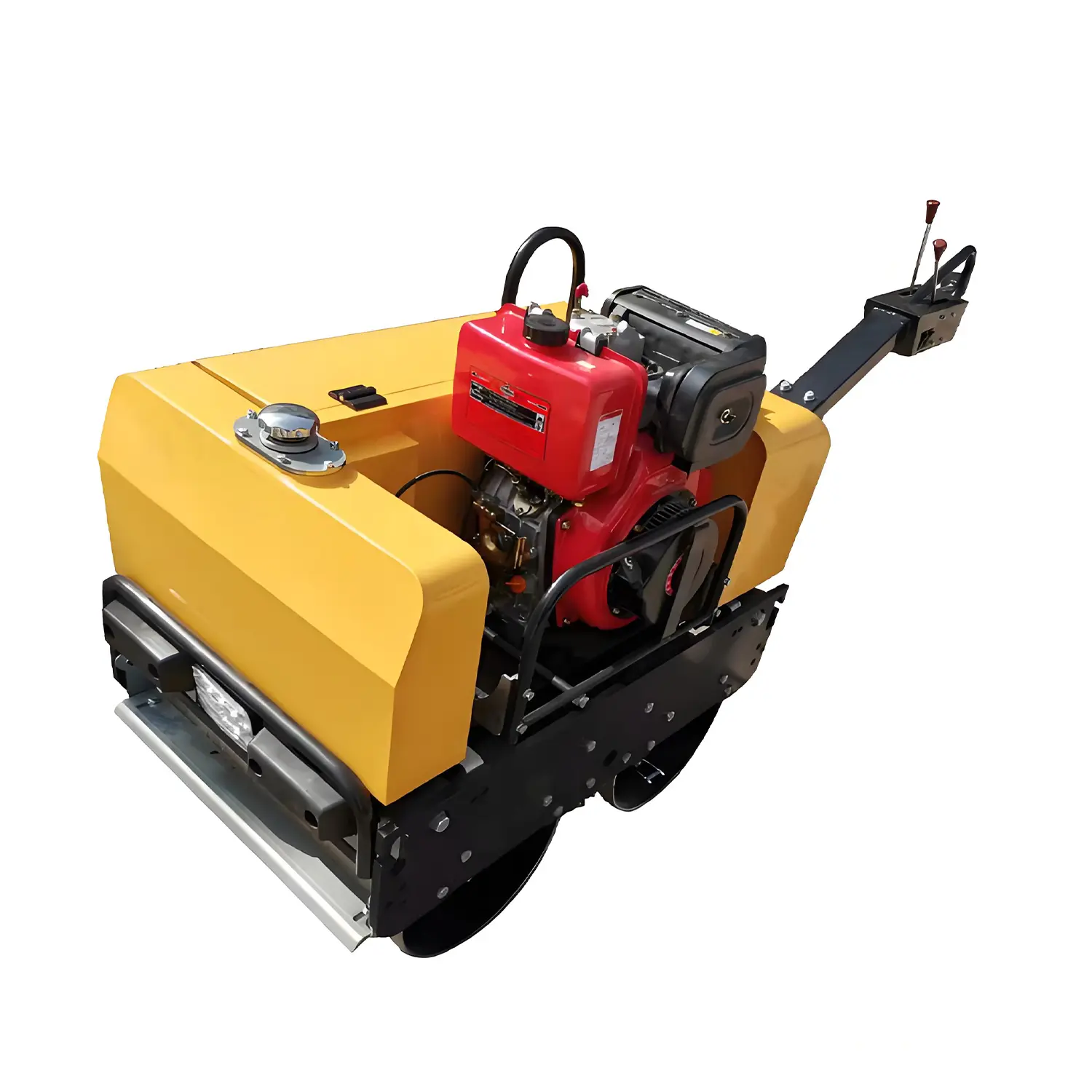 Vibratory roller