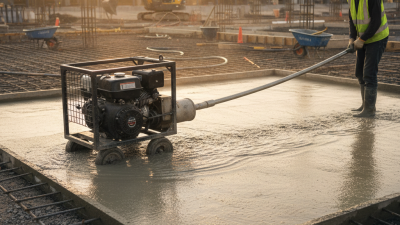
How to Use a Concrete Vibrating Machine Effectively for Optimal Results?
In the construction industry, using a Concrete Vibrating Machine is crucial for achieving solid results. John Smith, an expert in concrete technology, emphasizes, "The success of a concrete project heavily relies on proper vibration techniques." This statement highlights the importance of understanding how to use such equipment effectively.
A Concrete Vibrating Machine helps eliminate air bubbles and ensures uniform compaction. Incorrect use, however, can lead to problems like segregation or weak surfaces. Observing the machine's frequency and duration is vital. Many users overlook these details, resulting in suboptimal outcomes. The right technique is more than just turning the machine on.
Engaging with a Concrete Vibrating Machine requires practice and attention. Each job site presents unique challenges. Learning to read the concrete consistency and adjusting the vibration accordingly is essential. Improvement is always possible, and reflections on past experiences can lead to better results.

Understanding the Basics of Concrete Vibrating Machines
Concrete vibrating machines play a crucial role in construction. They help improve the quality of concrete by removing air pockets. Understanding their basic functions is essential for effective use. The machines work by transmitting vibrations into the concrete mix. This action reduces the trapped air and enhances consolidation.
Using a vibrating machine can be tricky. The operator must find the right speed for optimal results. Too fast can lead to segregation. Too slow may not eliminate enough air. It's important to experiment and find a balance. Watching the surface can provide clues. Bubbling indicates that air is escaping, which is good.
It’s essential to maintain the vibrating machine well. Regular checks can prevent malfunction. However, it’s easy to overlook small issues that can escalate. Proper training is also crucial. Without it, mistakes may go unnoticed. Reflecting on past experiences can help improve future projects.
Choosing the Right Type of Concrete Vibrating Machine for Your Project
Choosing the right type of concrete vibrating machine is crucial for any construction project. Different machines serve various purposes. For smaller tasks, a handheld vibrator may suffice. It is lightweight and easy to handle. It allows for precision in confined spaces. However, larger projects often require more powerful equipment. A concrete plate vibrator or a screed vibrator is ideal for bigger slab areas.
Understanding your project's specific needs is key. Consider the size of the area. Evaluate the type of concrete being used. Thicker mixtures may need stronger vibrations. Improper selection can lead to issues like air bubbles. You might find uneven surfaces if you choose the wrong machine. Additionally, budget plays a role. High-end models offer features but can strain finances.
Always test a small area first. This step helps you assess the effectiveness. It also allows for adjustments if needed. Learning from mistakes will guide future choices. Achieving optimal results requires careful consideration. Reflect on past experiences and stay informed about new techniques. Concrete work demands precision and the right tools.
How to Use a Concrete Vibrating Machine Effectively for Optimal Results? - Choosing the Right Type of Concrete Vibrating Machine for Your Project
| Type of Concrete Vibrating Machine |
Best Use Case |
Power Source |
Weight |
Price Range ($) |
| Electric Vibrator |
Small to medium pours |
Electric |
10-15 lbs |
100 - 300 |
| Pneumatic Vibrator |
Large pours and remote locations |
Air compressor |
15-25 lbs |
150 - 400 |
| Internal Vibrator |
Deep and thick pours |
Gas or Electric |
20-30 lbs |
200 - 600 |
| Table Vibrator |
Prefabricated panels and large molds |
Electric |
50-100 lbs |
500 - 2000 |
Preparing the Site and Mixing Concrete for Optimal Vibration Results
Preparing the site for concrete pouring is crucial for optimal vibration results. Ensure the area is clean and free from debris. Remove any loose materials. This prevents contamination in the mix. The ground should be stable. Soft or uneven surfaces can lead to poor results. Consider using compacted gravel to create a solid base.
Mixing concrete properly is vital. Follow the recommended water-to-concrete ratio. Too much water can weaken the mixture. Too little water can make it hard to work with. Mix thoroughly until the consistency is uniform. Be mindful of the mix's texture; it should not be too dry or too runny.
Once the concrete is ready, pour it into the forms. Avoid rushing this process. Pay attention to the corners and edges. Ensure that there are no air pockets. Use the vibrating machine effectively to eliminate these pockets. Remember, improperly prepared sites can lead to costly repairs later. Always assess your methodology. Reflect on what worked and what didn't. Learning from each project is essential.
Concrete Mixing and Vibration Efficiency Analysis
Proper Techniques for Operating a Concrete Vibrating Machine
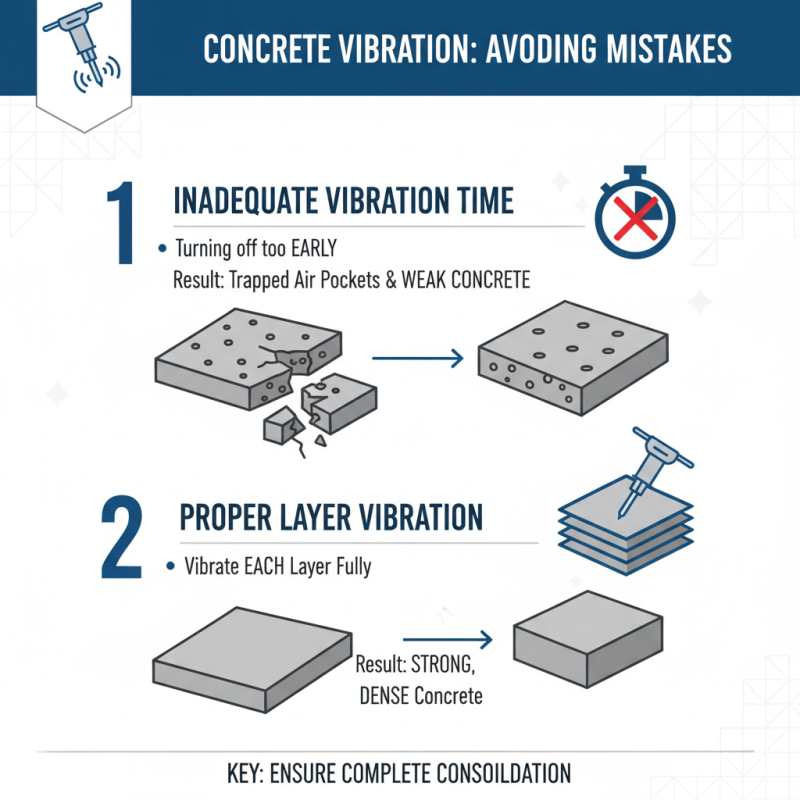
For optimal results when operating a concrete vibrating machine, understanding proper techniques is crucial. According to the American Concrete Institute, improper vibration can lead to low-density concrete and reduced strength. It’s important to start the machine before inserting it into the concrete mix. This helps minimize air pockets.
Timing matters significantly. The optimal vibration time is generally between 5 to 15 seconds per location. Over-vibration may cause segregation, where coarse aggregates and cement separate. Many operators often overlook this detail, which can affect the final product's quality. Observing the consistency of the mix is essential. If it looks too watery, it might need less vibration.
Positioning also plays a key role. Insert the vibrator in several spots, covering the area uniformly. Don’t wait too long between insertions, as this can lead to cold joints. Some studies suggest that up to 30% of concrete issues arise from inadequate vibration techniques. Reflection on these operational aspects can lead to improved efficiency and product quality. Adjustments are often necessary, and learning from mistakes is part of mastering the process.

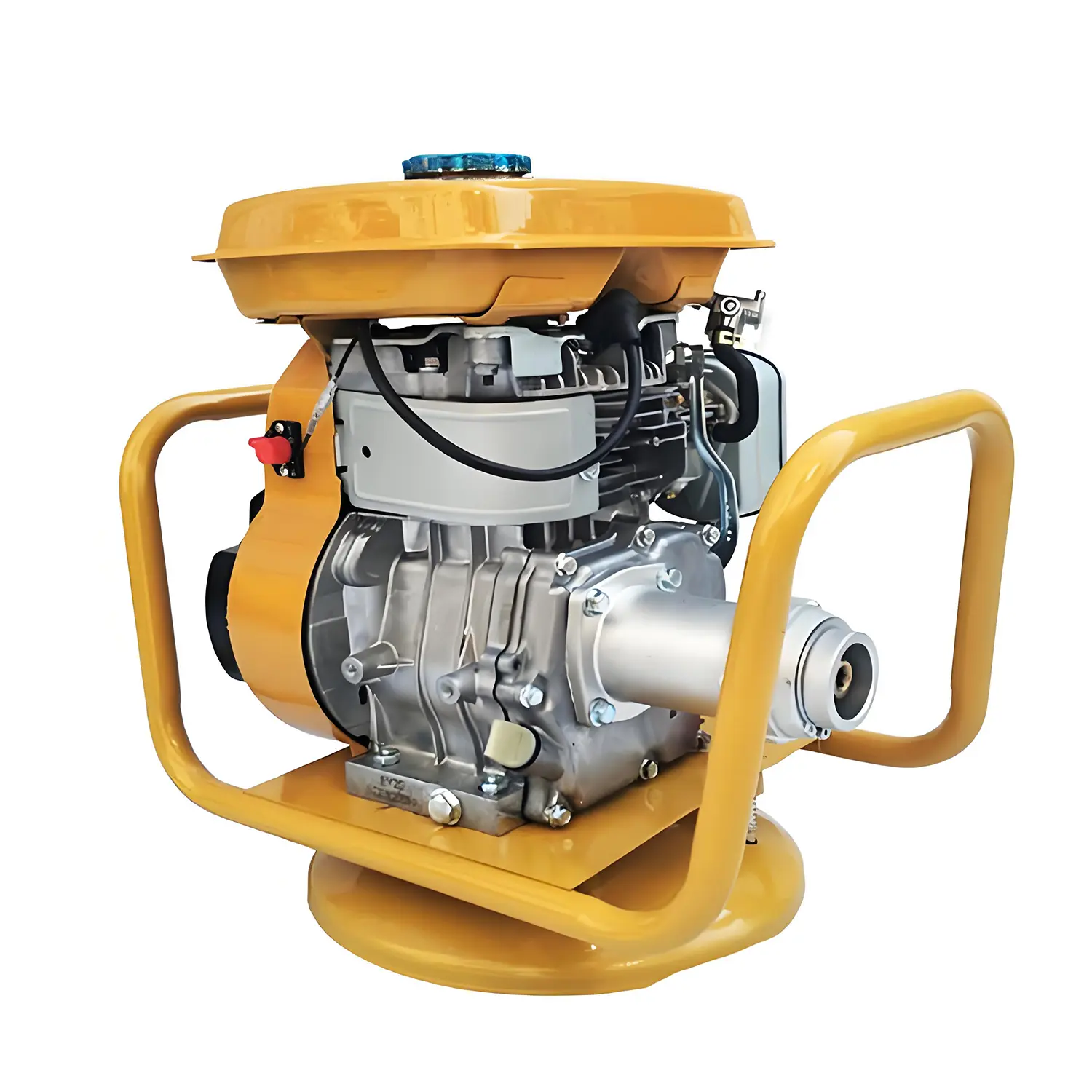 Internal Vibrator
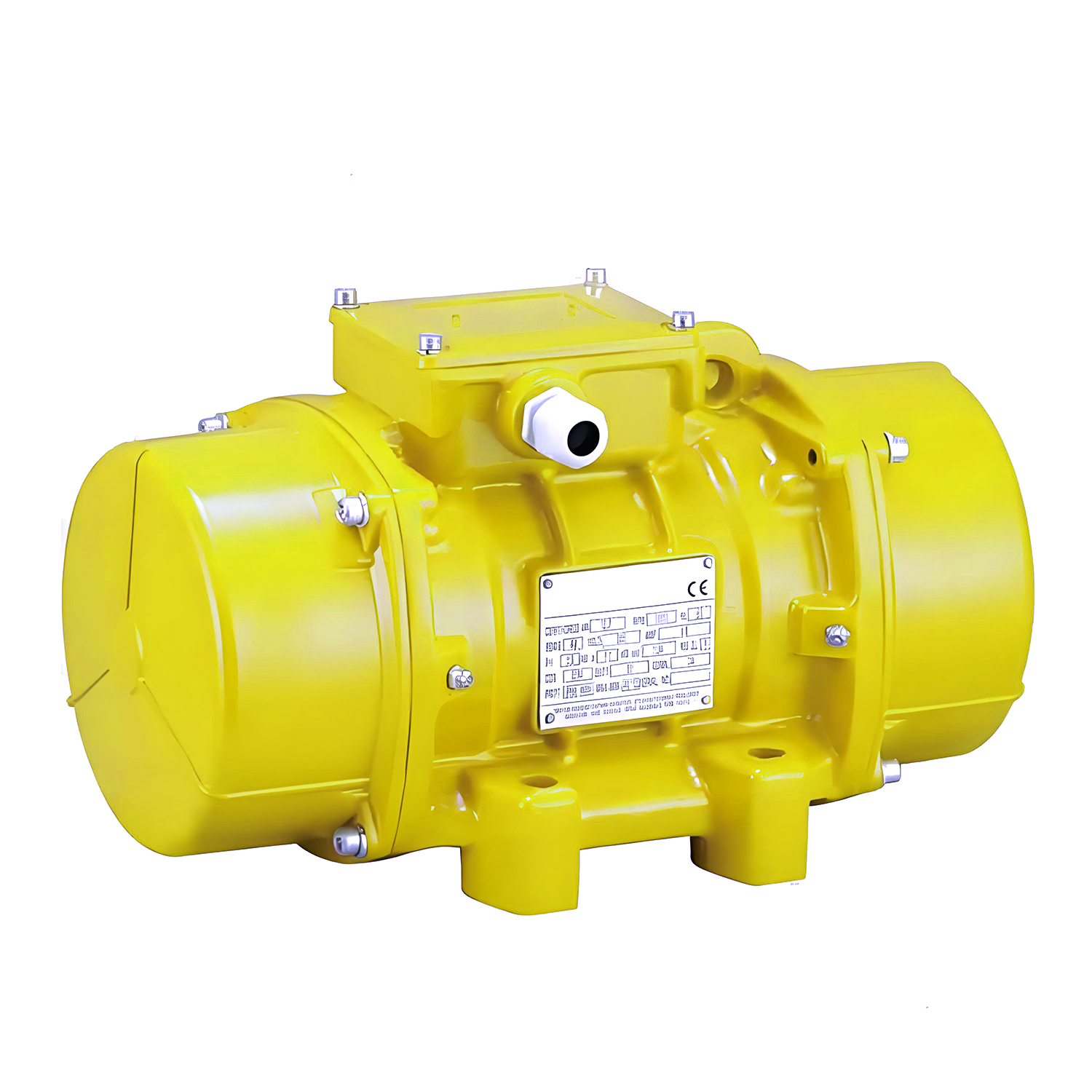 External Vibrator
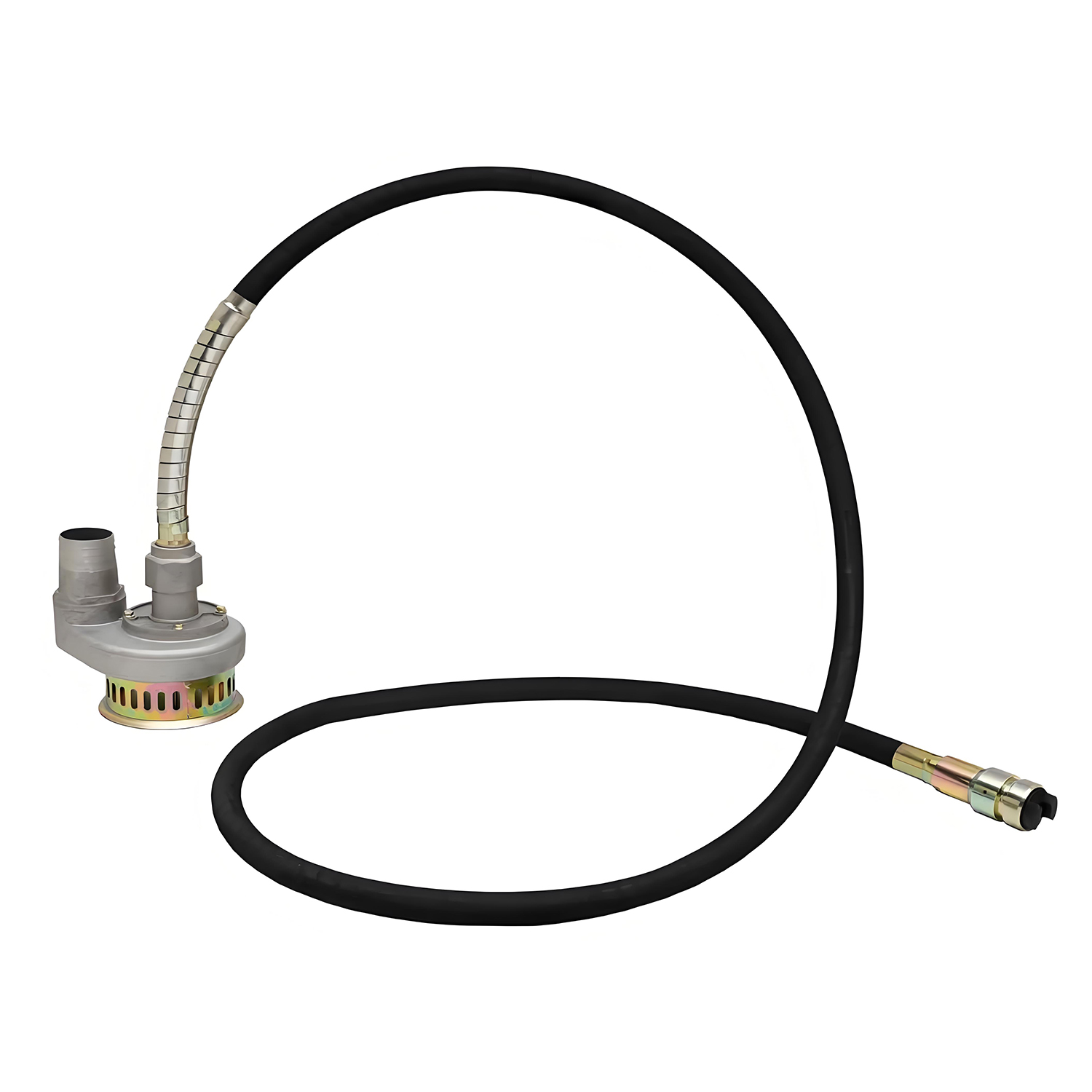 Submersible Pump
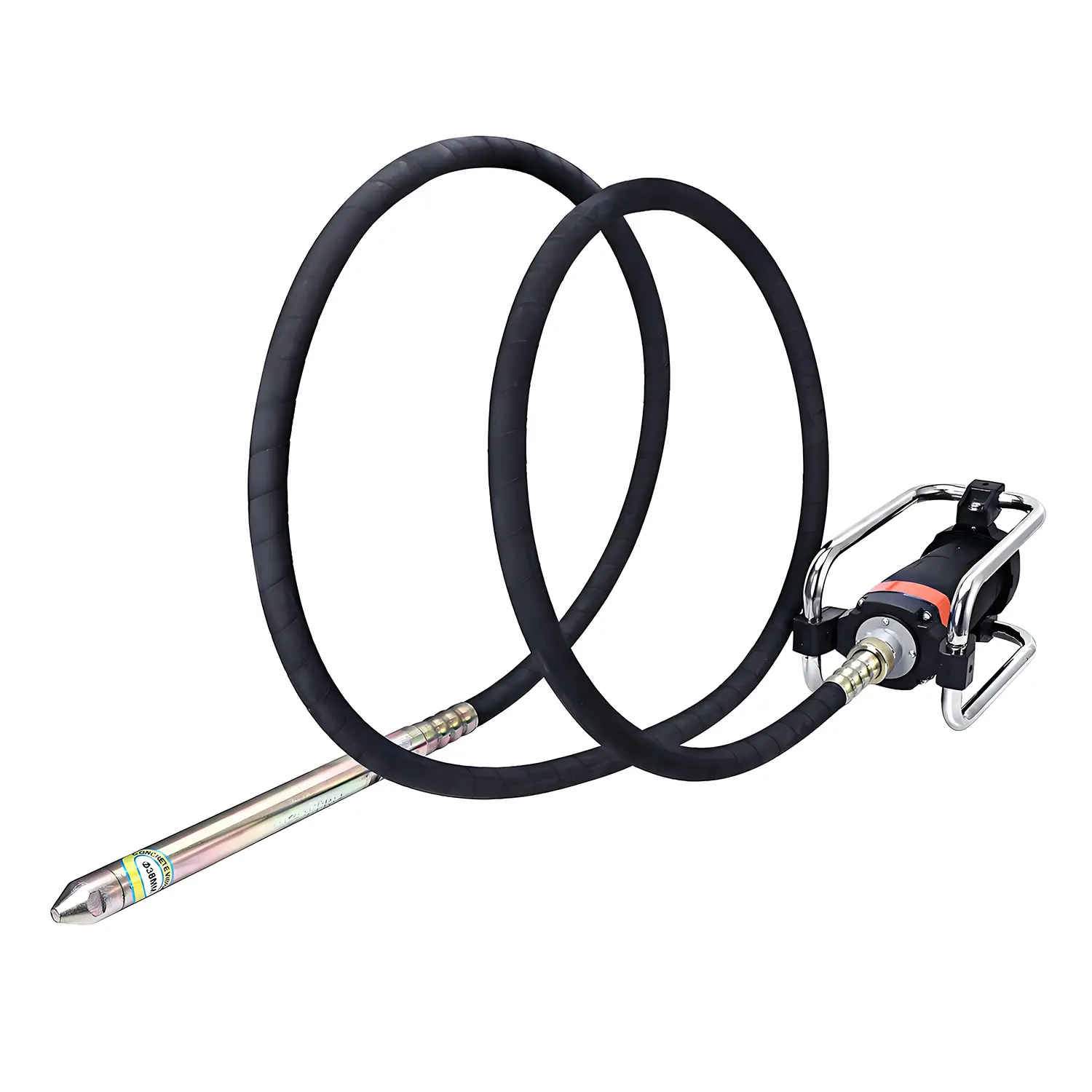 Eccentric shaft
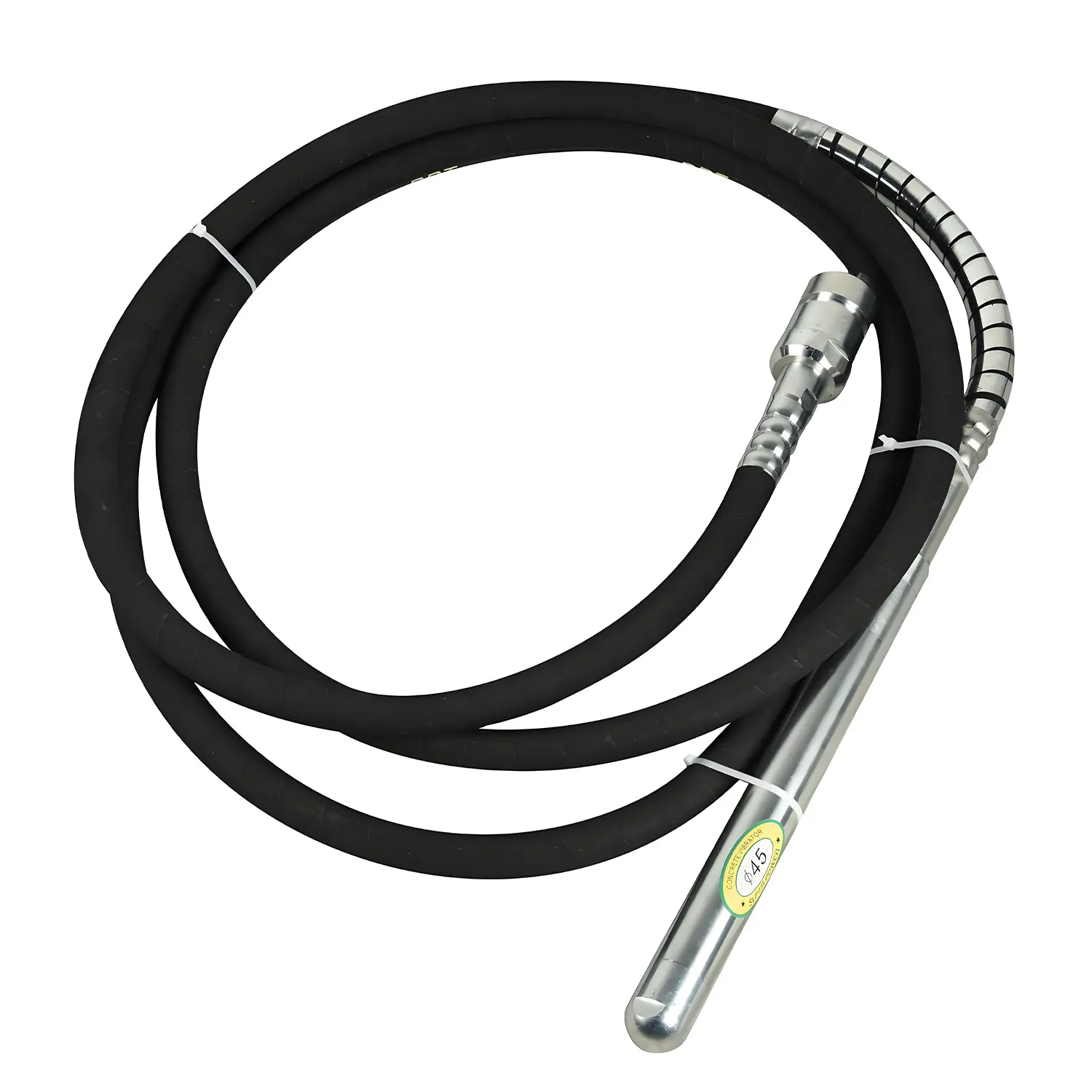 Pendulum shaft
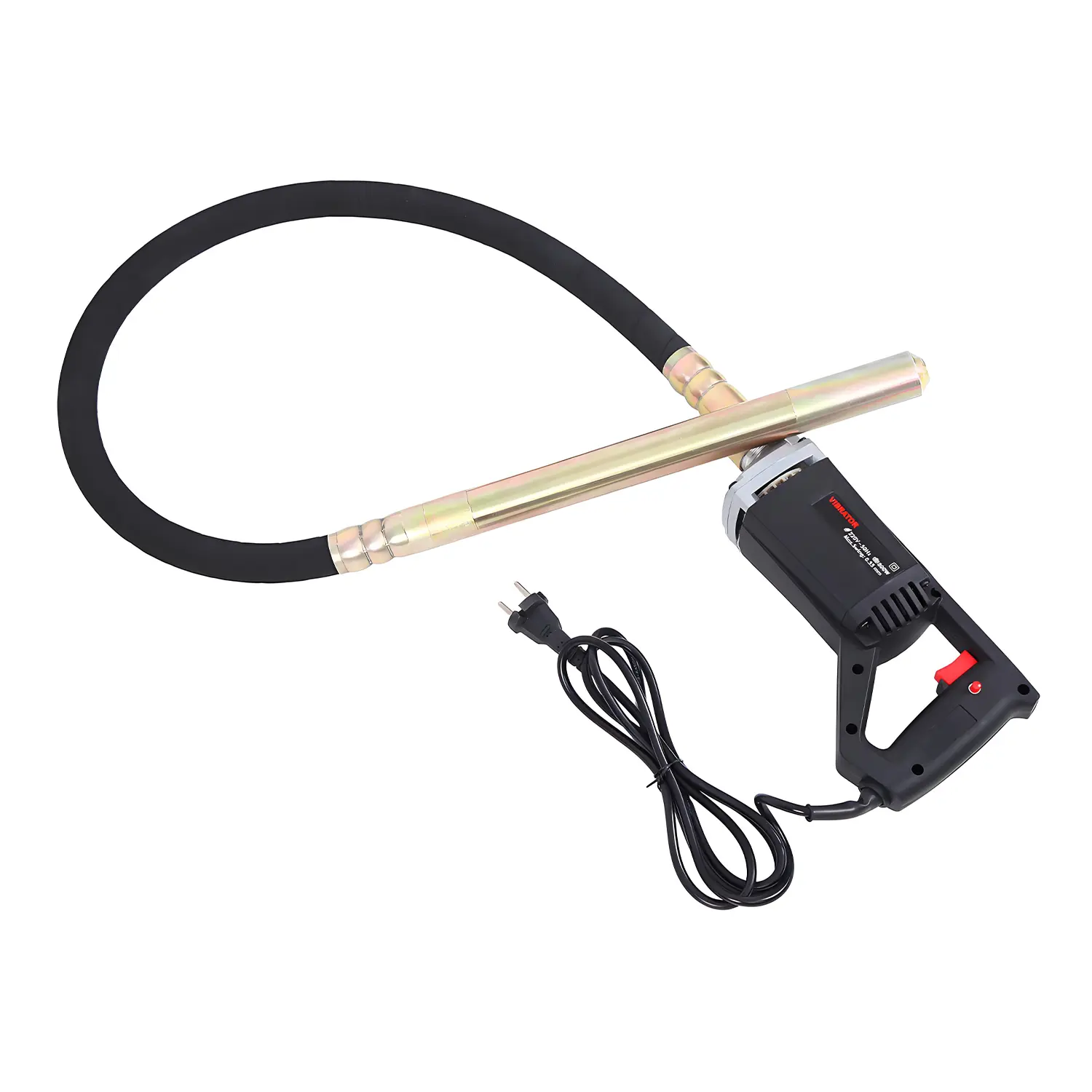 Portable vbrator shaft
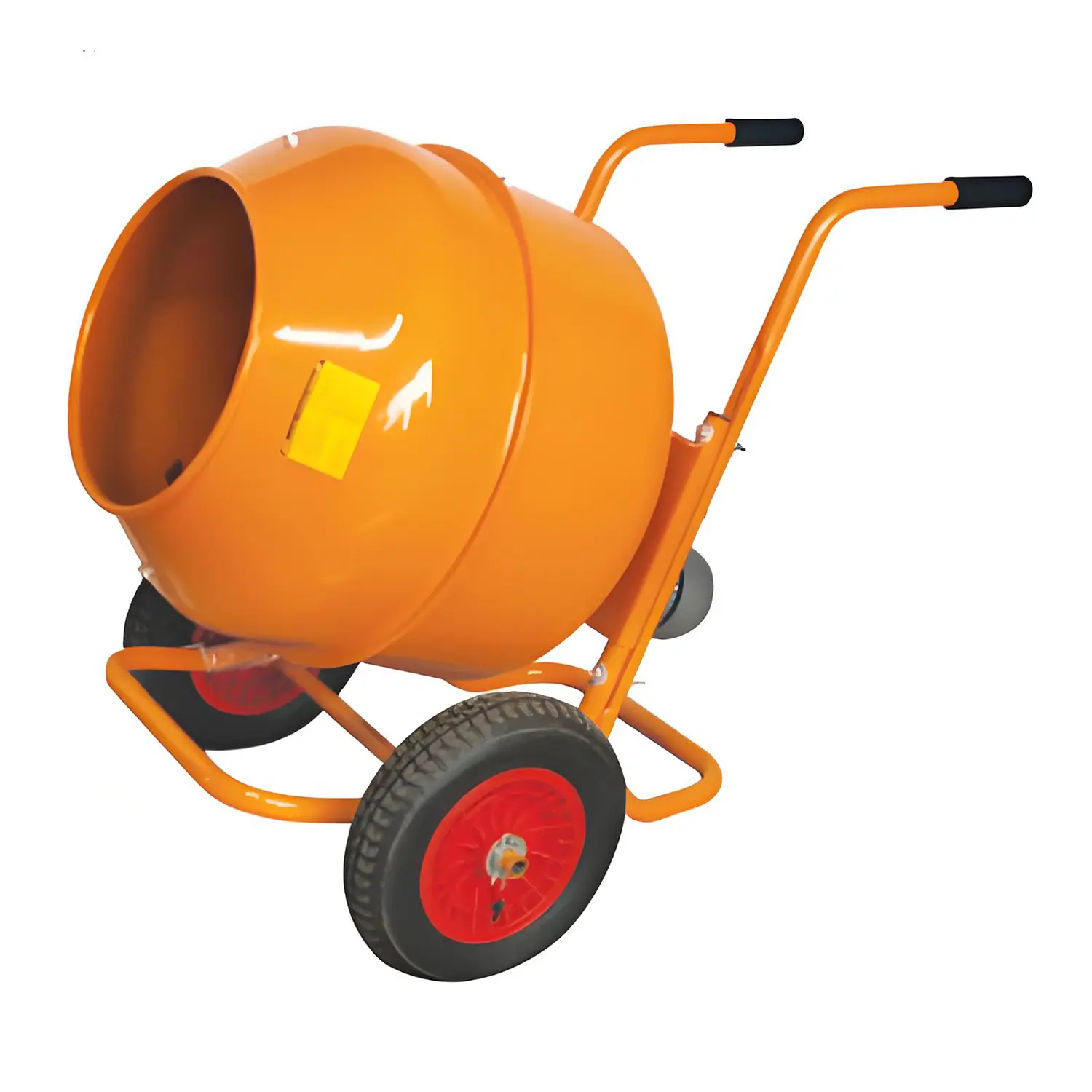 Portable concrete mixer
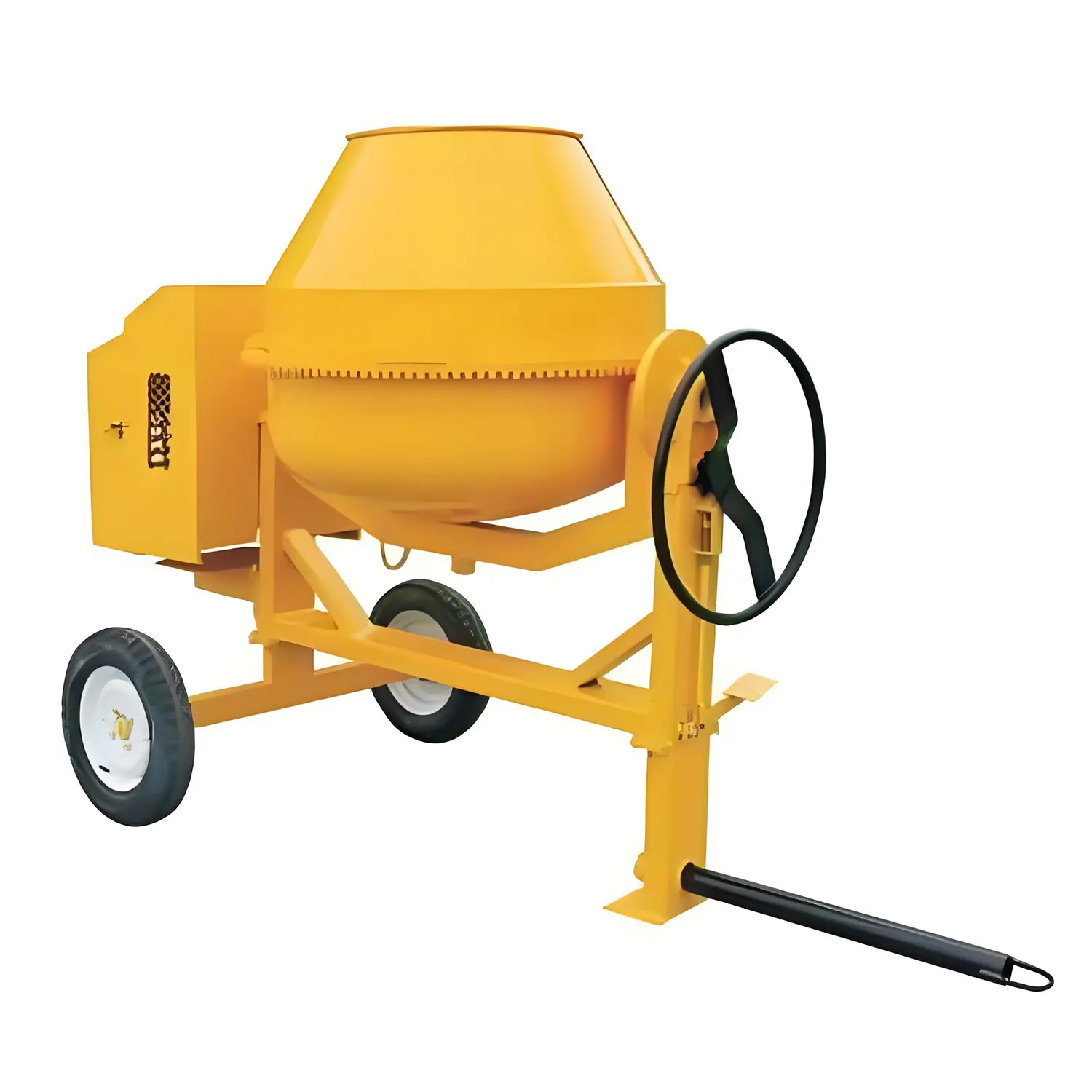 Vertical concrete mixer
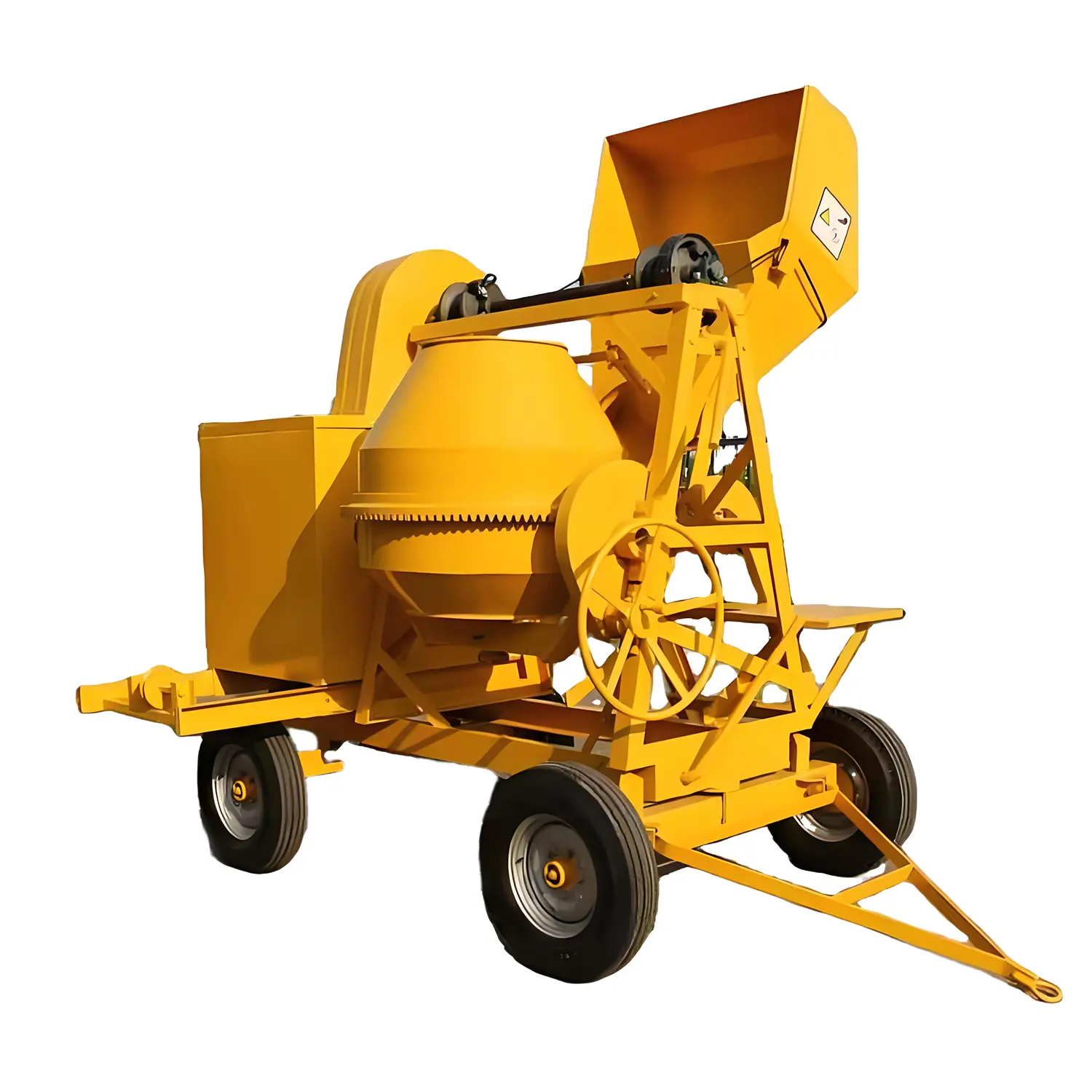 Hydraulic concrete mixer
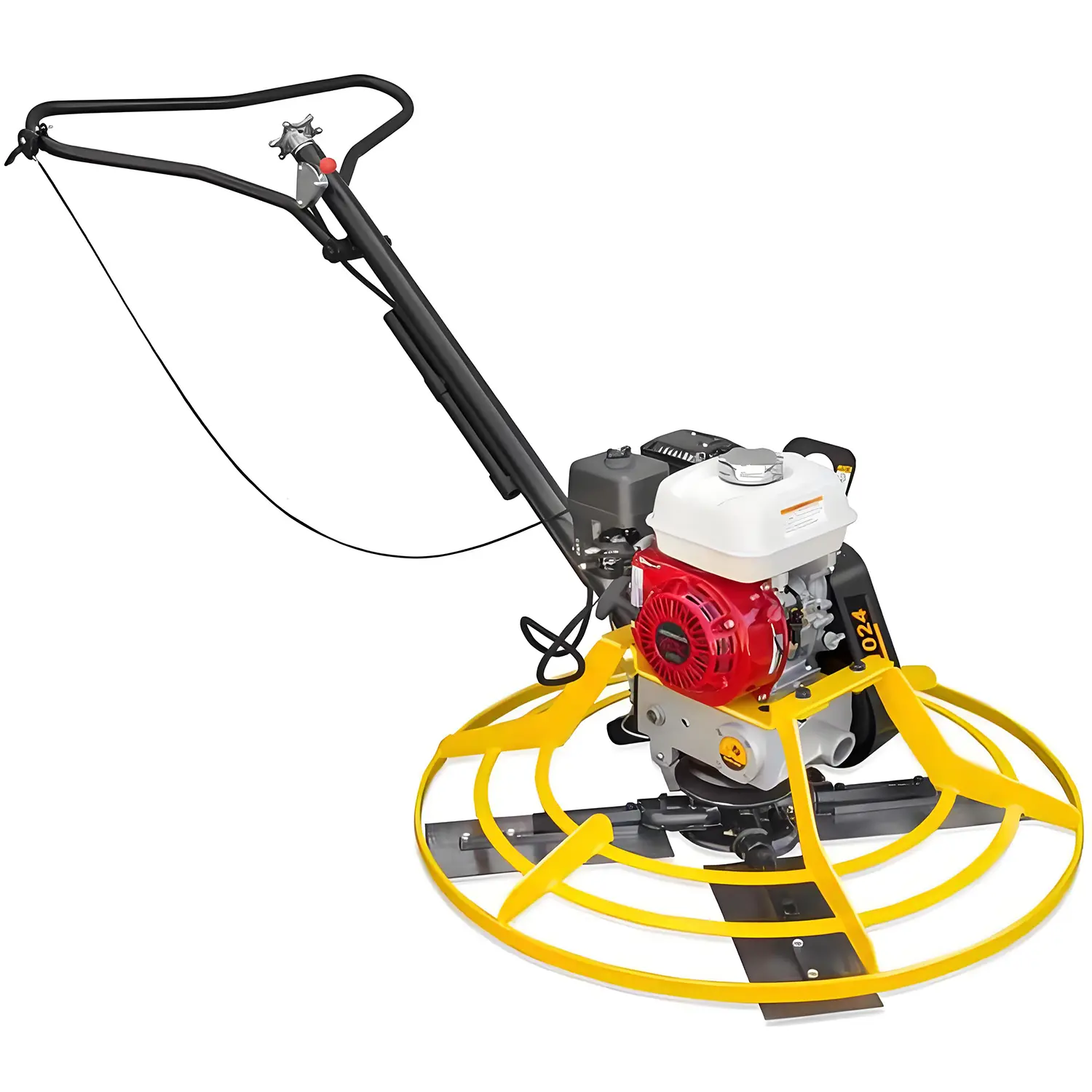 Walk behind power trowel
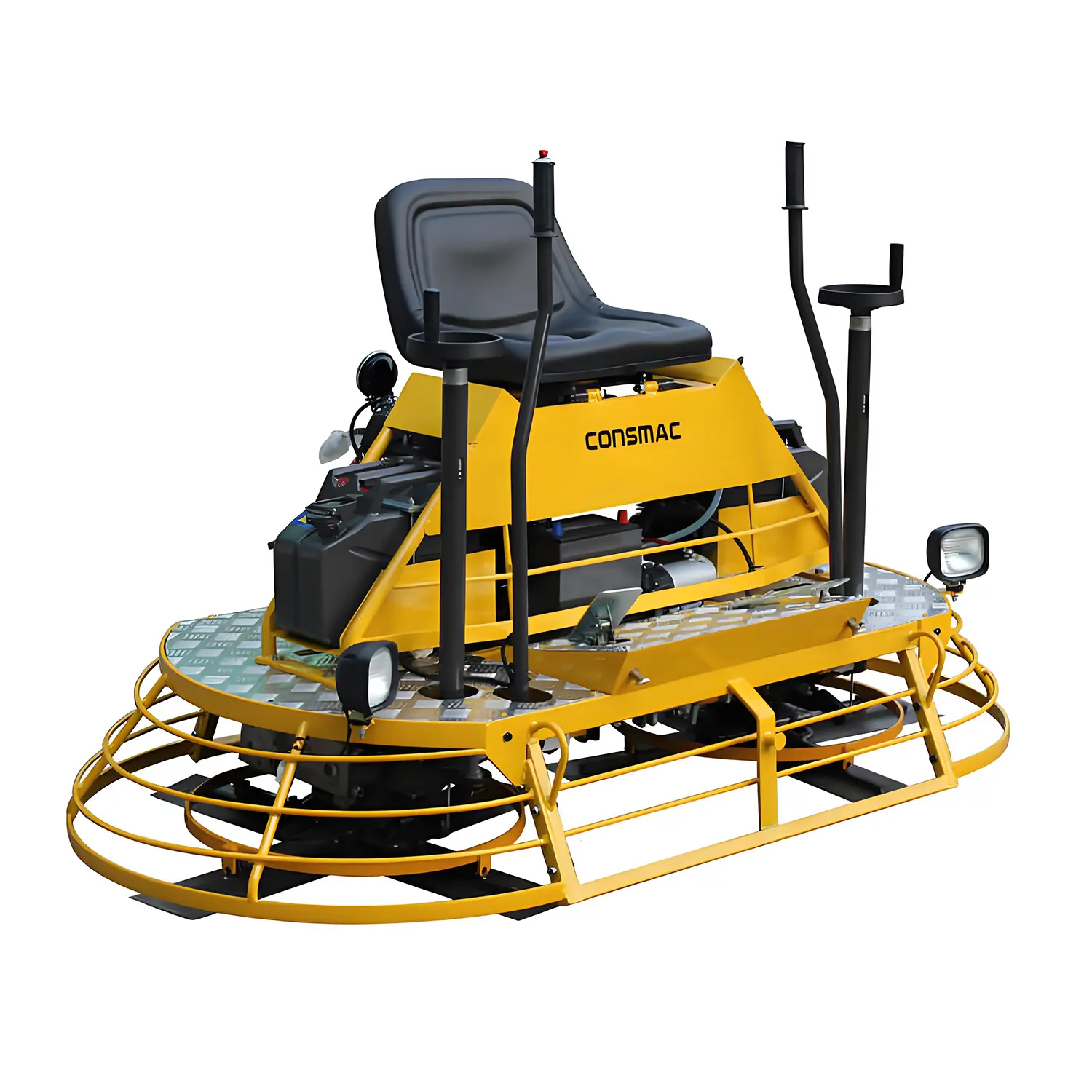 Ride on power trowel
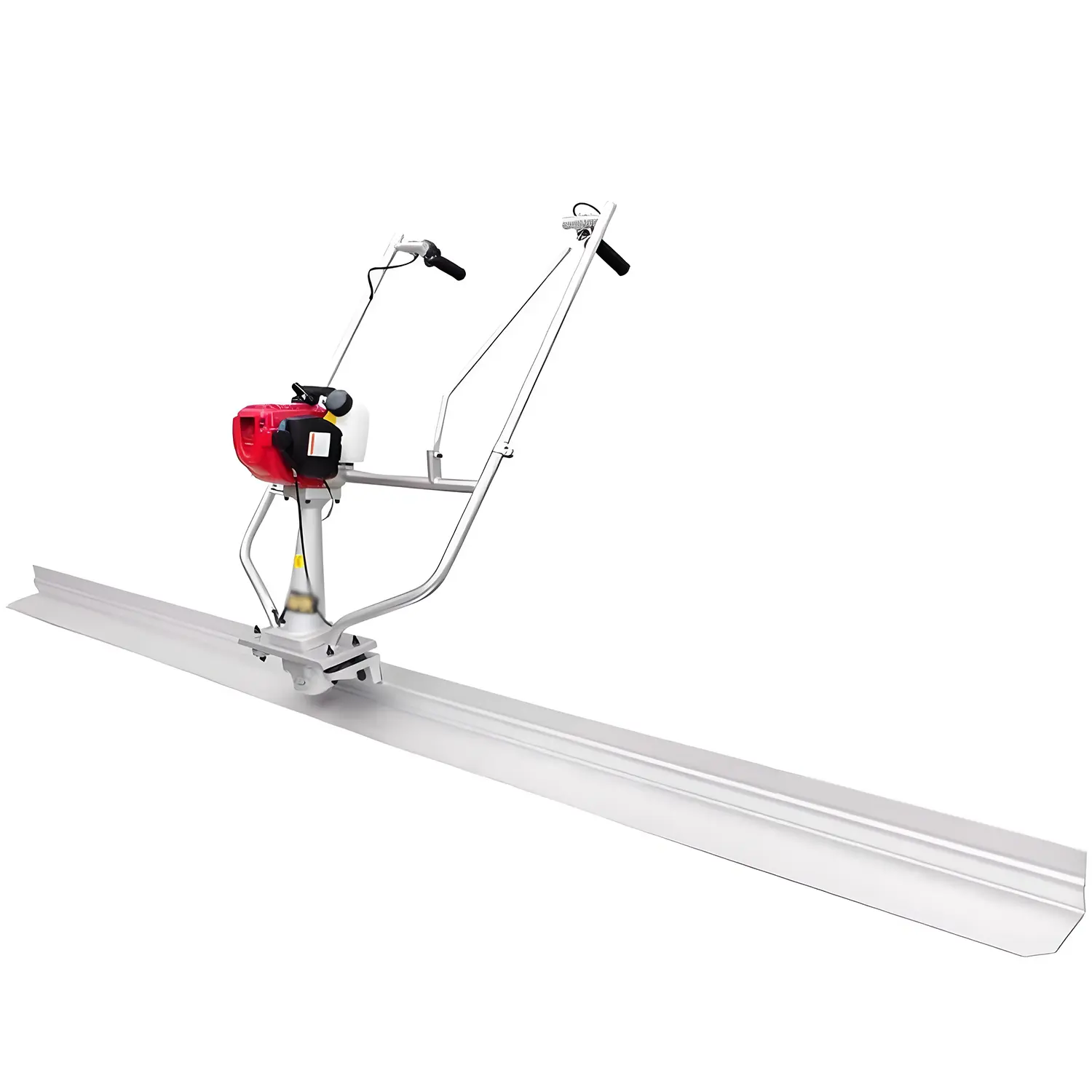 Concrete screed
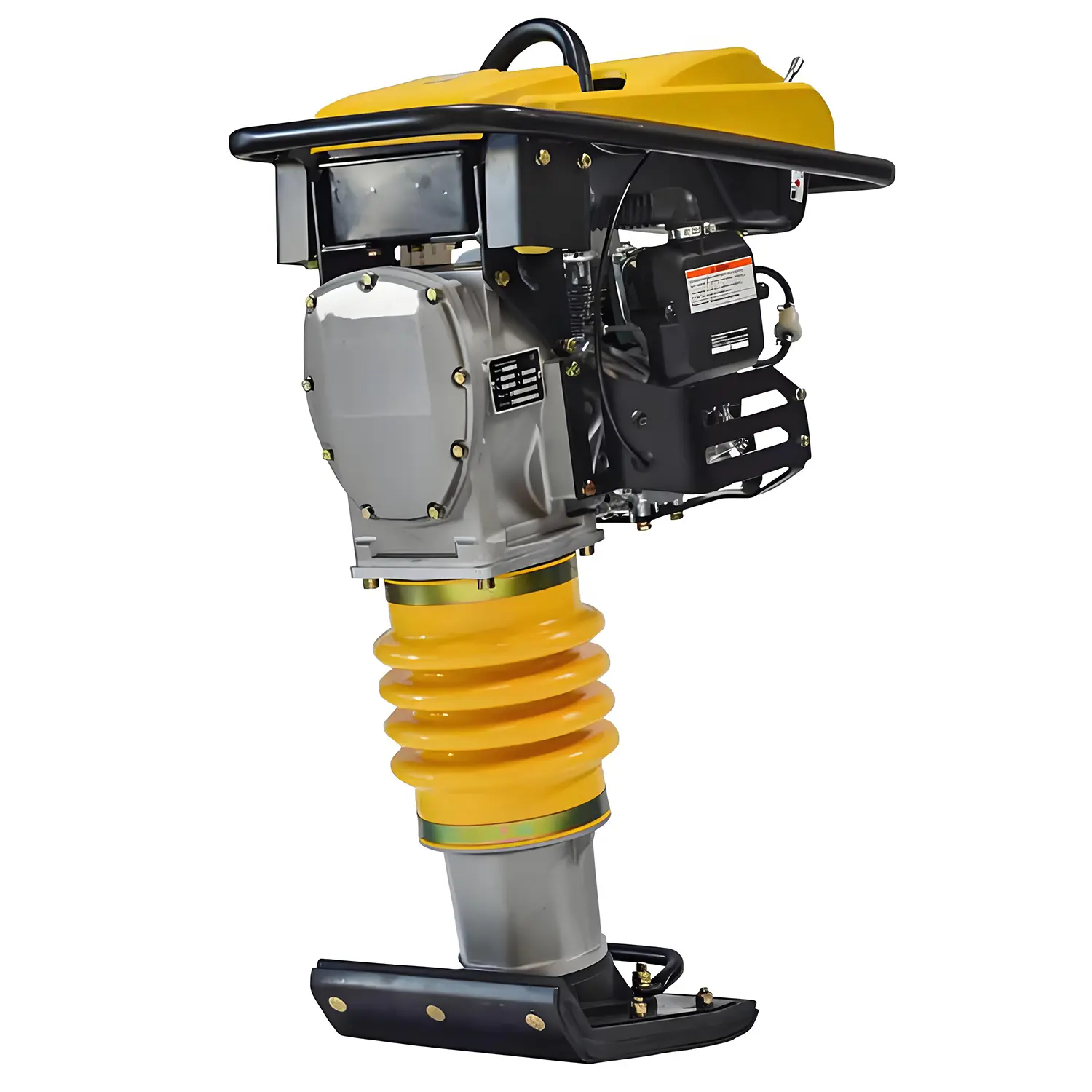 Tamping rammer
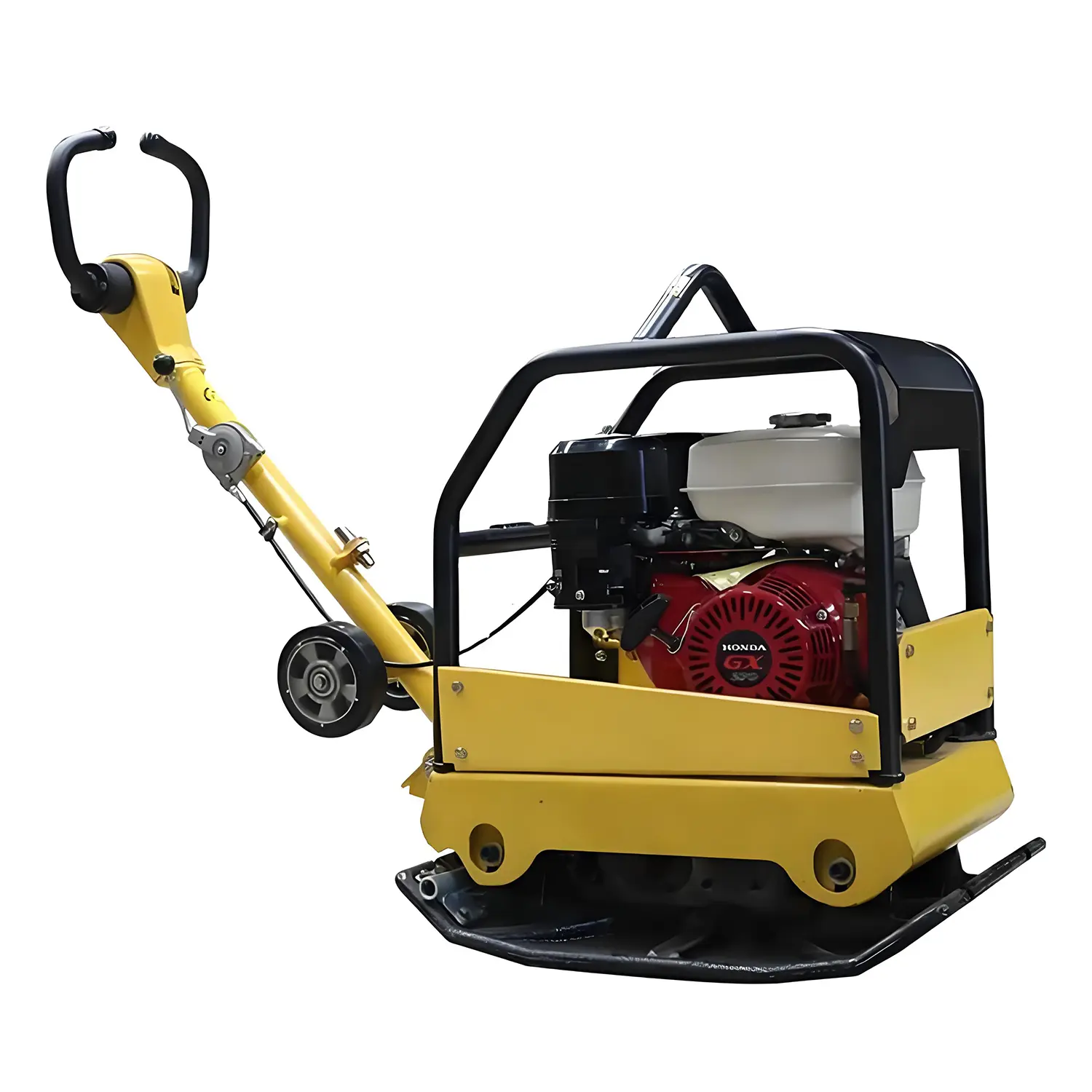 Plate compactor
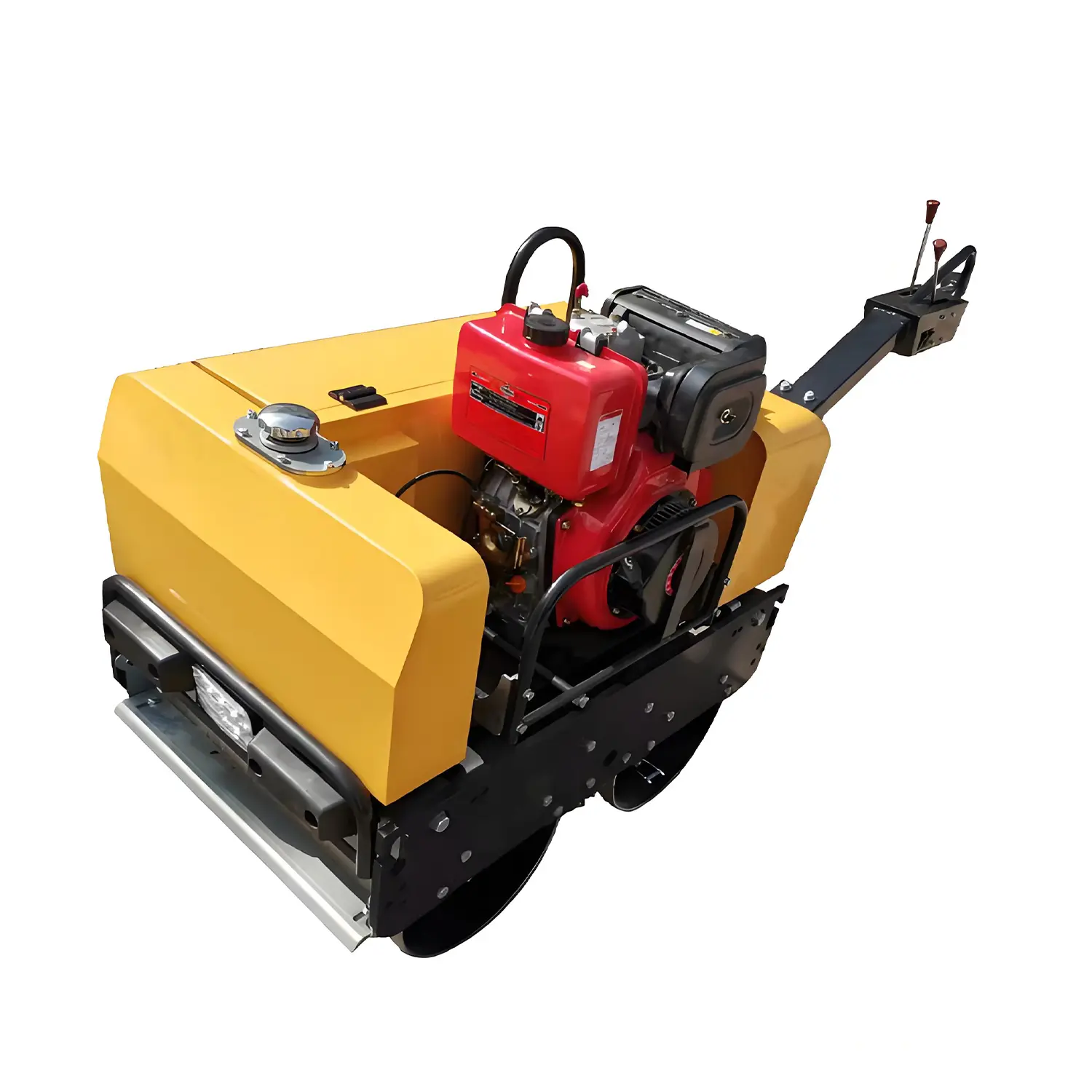 Vibratory roller