Top Compactor Machine Tips for Effective Use and Maintenance?
Compactor machines play a vital role in construction and waste management industries. According to industry reports, the global compactor machine market is expected to grow significantly, reaching approximately $14 billion by 2025. This growth reflects their importance in efficient waste processing and site preparation.
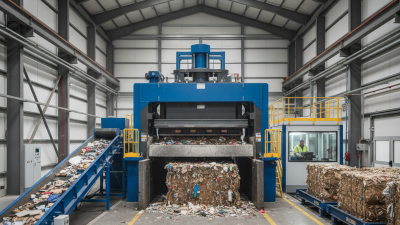
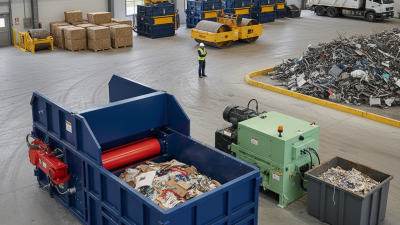
These machines enable operators to compress waste, reducing its volume significantly. However, effective use hinges on understanding their features and functionalities. Each compactor machine type, whether for soil, asphalt, or refuse, has specific operational guidelines. Neglecting these can lead to suboptimal performance.
Maintenance practices are equally crucial. Regular checks on hydraulic systems and compaction plates can enhance durability and performance. A well-maintained compactor machine not only saves costs but also improves project timelines. However, many operators overlook routine maintenance, leading to inefficiencies. Reflecting on these aspects can lead to smarter operations and better outcomes.
Understanding the Types of Compactor Machines and Their Uses
Compactor machines are essential in various industries. They come in different types, each designed for specific tasks. Understanding these types can enhance efficiency.
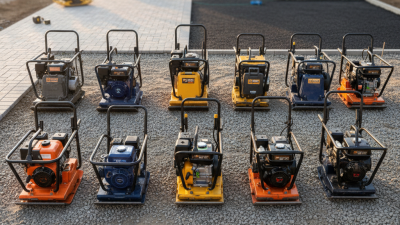
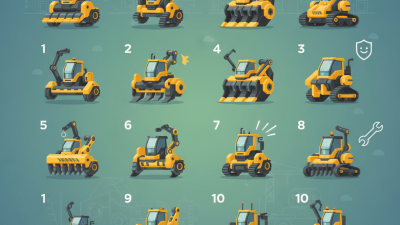
The most common types are the vibratory plate compactor and the roller compactor. Vibratory plate compactors are great for granular soils and asphalt. They work by oscillating their plate to compress the material below. Roller compactors are useful for larger projects. They achieve compaction through heavy rolling, best for road construction.
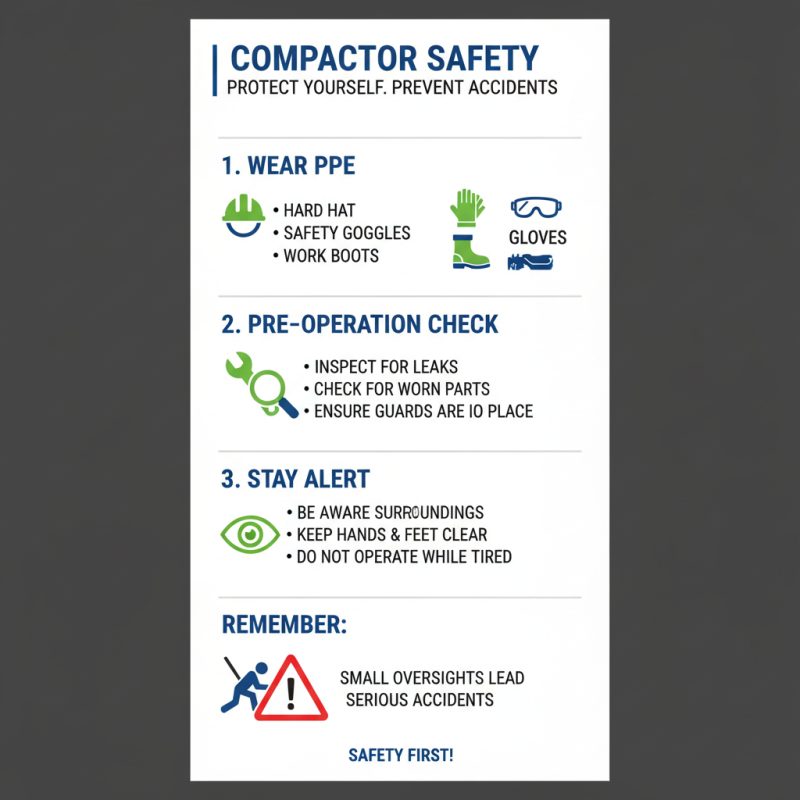
Tips for effective use include regular checks on the machine's oil levels and cleaning the equipment after each use. Operators should ensure they maintain proper operation speeds. Slow, steady passes yield better results. It's crucial to monitor the environment too. Wet conditions can lead to slower compaction. And sometimes, a second pass is simply necessary. Forgetting these details can lead to uneven surfaces, resulting in headaches later on.
Compactor Machines: Types and Their Uses
Step-by-Step Maintenance Guidelines for Long-lasting Performance
Maintaining compactor machines is crucial for optimal performance. Regular upkeep ensures these machines last longer and operate efficiently. According to a report by the Construction Equipment Association, proper maintenance can increase equipment lifespan by up to 30%. This statistic underscores the importance of following structured maintenance guidelines.
Check fluid levels frequently. Low hydraulic fluid can lead to mechanical failures. Inspect the hoses and seals for leaks or signs of wear. A small leak today can lead to significant repairs tomorrow. Clean filters monthly to prevent dirt and debris from causing blockages. Replace filters as recommended by the manufacturer's guidelines.
Pay attention to vibration levels. Excessive vibrations may indicate internal issues that need immediate attention. Running a compactor with faulty components can result in performance drops. Track operation hours and establish a maintenance schedule. This approach helps in minimizing unplanned downtime. Little actions can yield big results in machine reliability and efficiency.
Tips for Effective Compaction Techniques in Different Materials
Compaction is crucial in construction and civil engineering. Different materials require varying techniques for effective results. For example, soil compaction optimizes stability and load-bearing capacity. Research shows that well-compacted soil can increase foundation strength by up to 30%. In contrast, when compacting asphalt, timing is essential. The material needs to be at the right temperature for maximum density.
Tip 1: Always test moisture levels in the soil before compaction. Too much moisture can lead to weak compaction. A moisture content of around 12% often yields the best results.
For aggregates, vibration techniques work best. A vibrating plate compactor can significantly enhance the density of materials like gravel. According to industry reports, vibration can increase the efficiency of compaction by up to 40%.
Tip 2: Use the right layer thickness during compaction. Lifting too thick can result in poor density. For most materials, a 4 to 6-inch layer is ideal for effective compaction.
Monitoring compaction results is essential. Tools like nuclear density gauges provide accurate assessments. Overlooking these details may lead to unforeseen vulnerabilities in structures. The cost of inadequate compaction can far outweigh initial savings.
Top Compactor Machine Tips for Effective Use and Maintenance
| Material Type |
Compaction Technique |
Optimal Moisture Content |
Number of Passes |
Maintenance Tips |
| Clay Soil |
Vibrating Plate Compactor |
Optimal at 15-20% |
3-5 Passes |
Keep the plate clean; check for wear and tear. |
| Granular Soil |
Reversible Plate Compactor |
Optimal at 8-12% |
4-6 Passes |
Lubricate moving parts regularly to ensure smooth operation. |
| Mixed Soils |
Heavy-Duty Compactor |
Optimal at 10-15% |
5-7 Passes |
Check hydraulic fluid levels and clean filters to maintain efficiency. |
| Asphalt |
Rubber-Wheeled Roller |
Optimal at 5-10% |
2-4 Passes |
Ensure tires are inflated properly; inspect for wear before use. |
| Concrete |
Pneumatic Roller |
Optimal at 8-10% |
3-5 Passes |
Inspect seals and bearings; clean the roller after each use. |
Signs of Wear and Tear: When to Repair or Replace Your Compactor
Compactors are essential tools in many industries. Over time, they experience wear and tear. It’s crucial to recognize the signs indicating repair or replacement. Common indicators include unusual noises and decreased compaction efficiency. If the machine vibrates excessively, it’s time to take a closer look.
Worn-out components can lead to serious issues. Inspect the drum and plates for cracks or dents. These defects can severely impact performance. Leaks from hydraulic systems may also signal problems. Addressing these issues promptly can prevent costly repairs later.
Regular maintenance is key to longevity. However, it’s easy to overlook small signs. Don’t ignore performance dips, as they might signal underlying problems. Sometimes, it’s better to invest in a new machine than to make frequent repairs. Each situation requires careful consideration, and balancing efficiency with costs is essential.

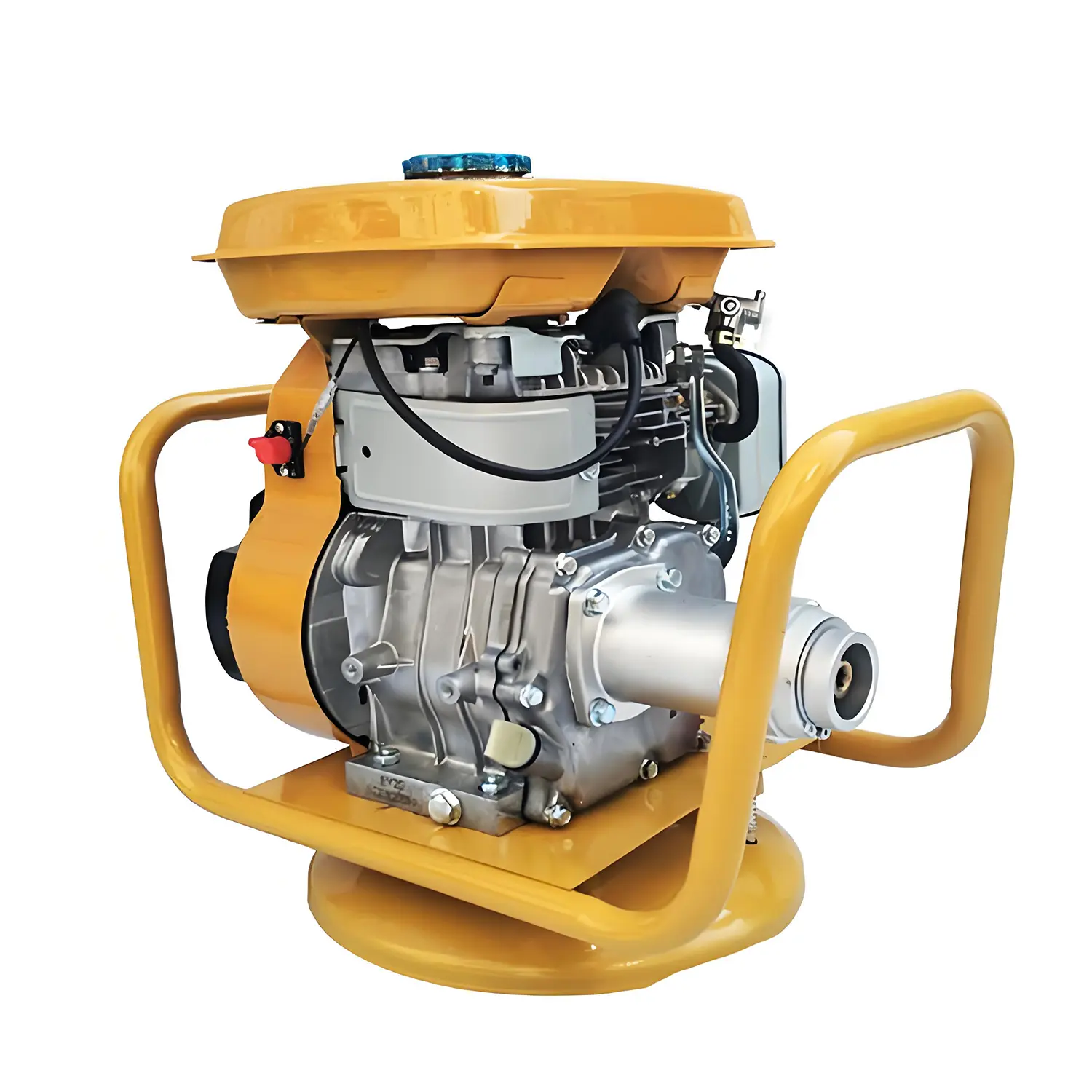 Internal Vibrator
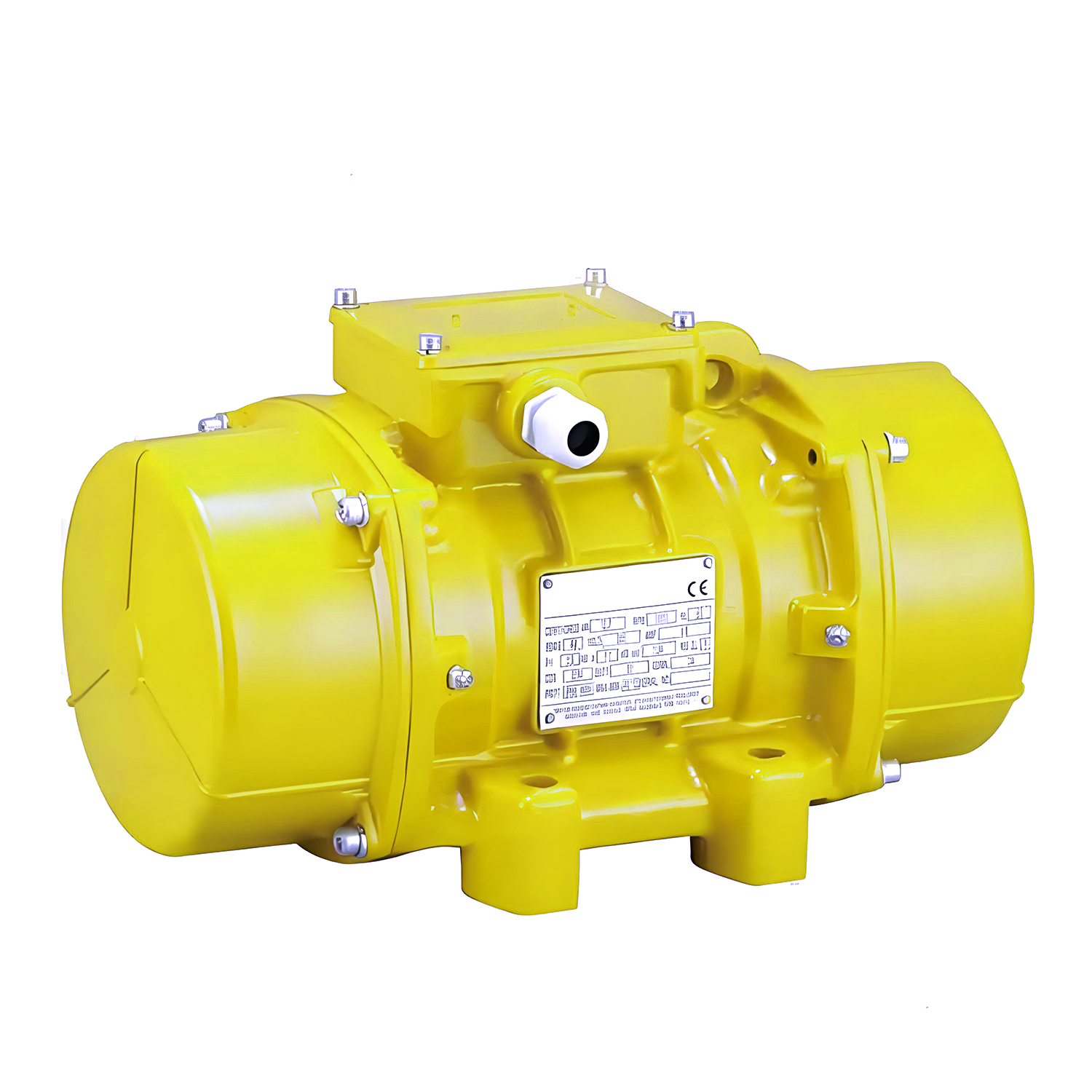 External Vibrator
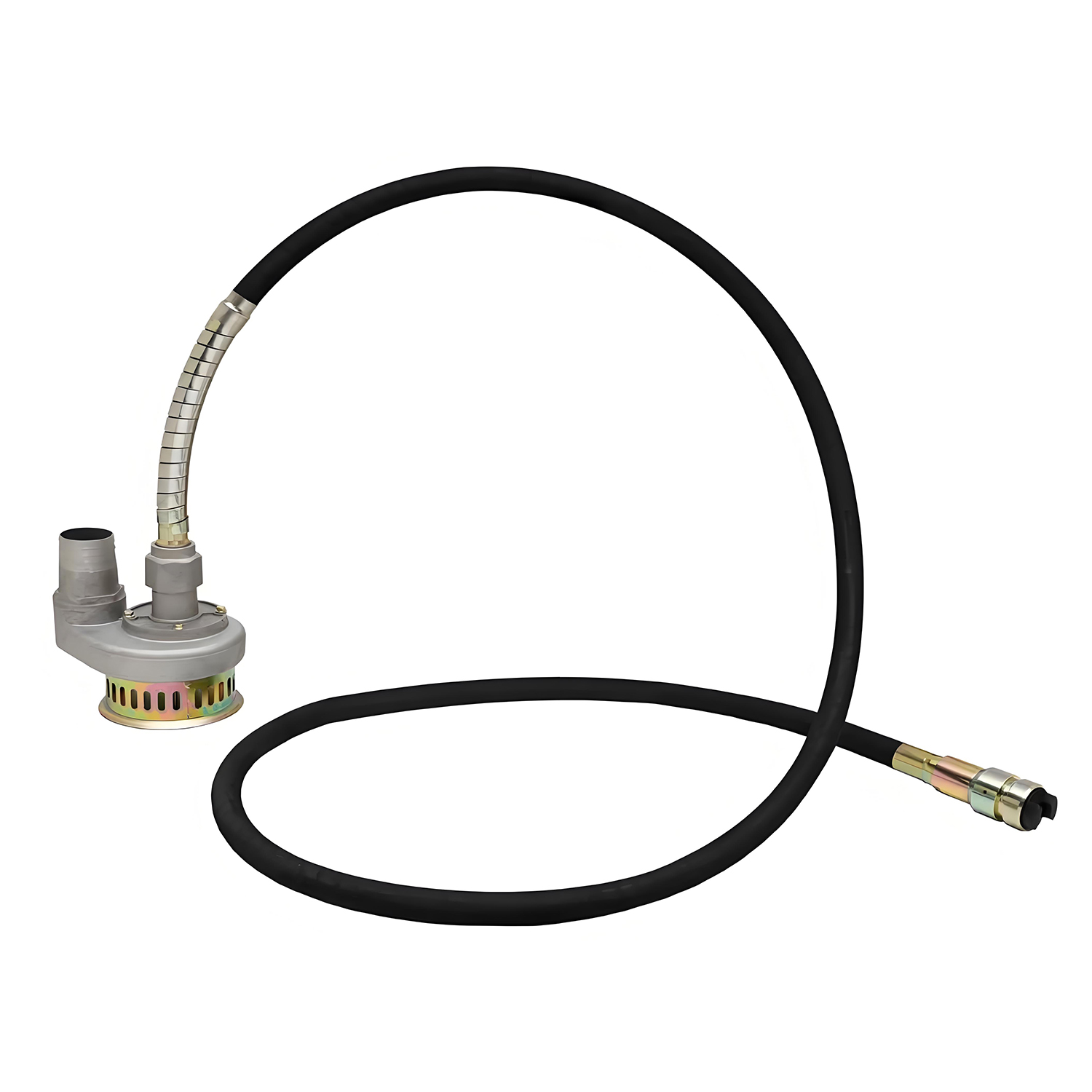 Submersible Pump
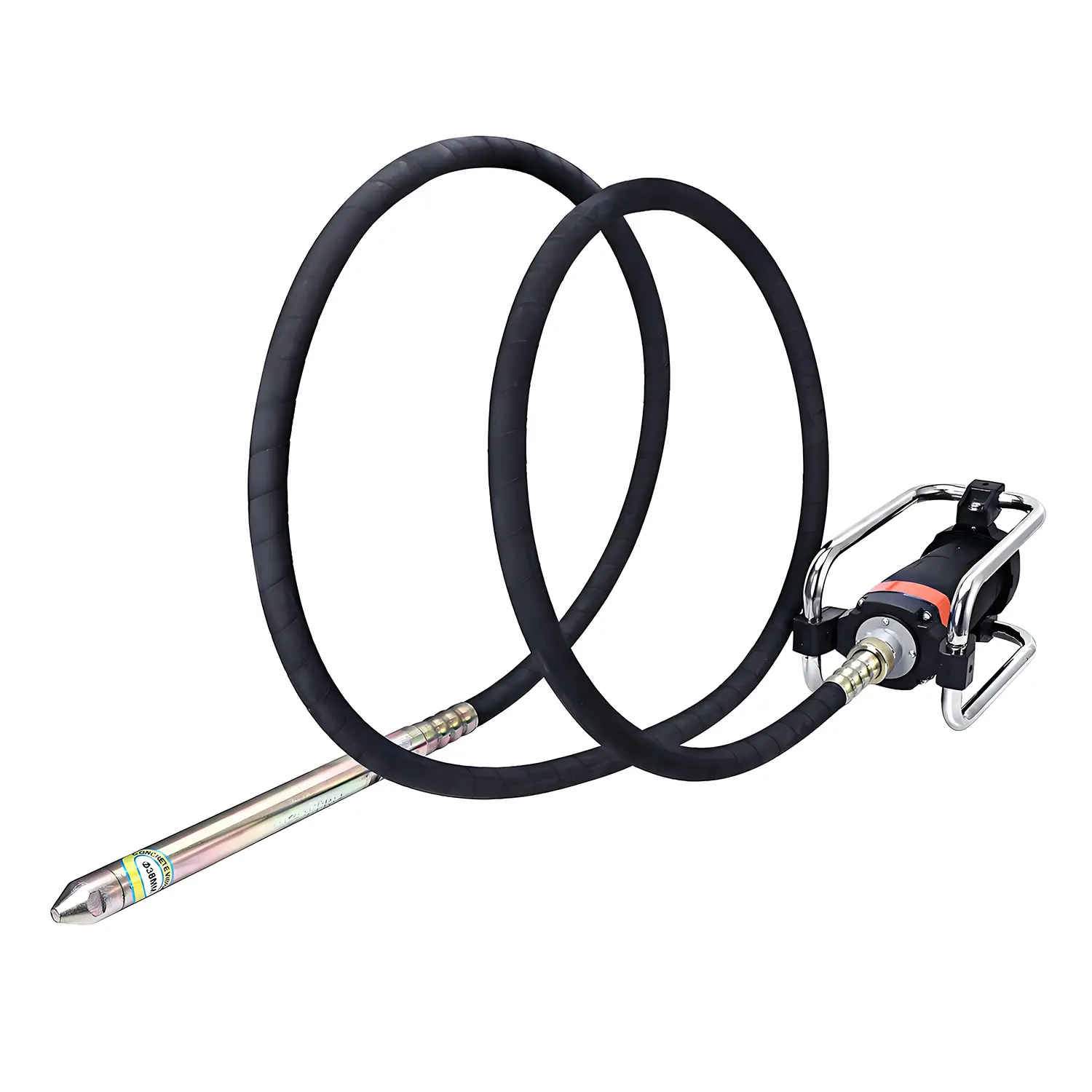 Eccentric shaft
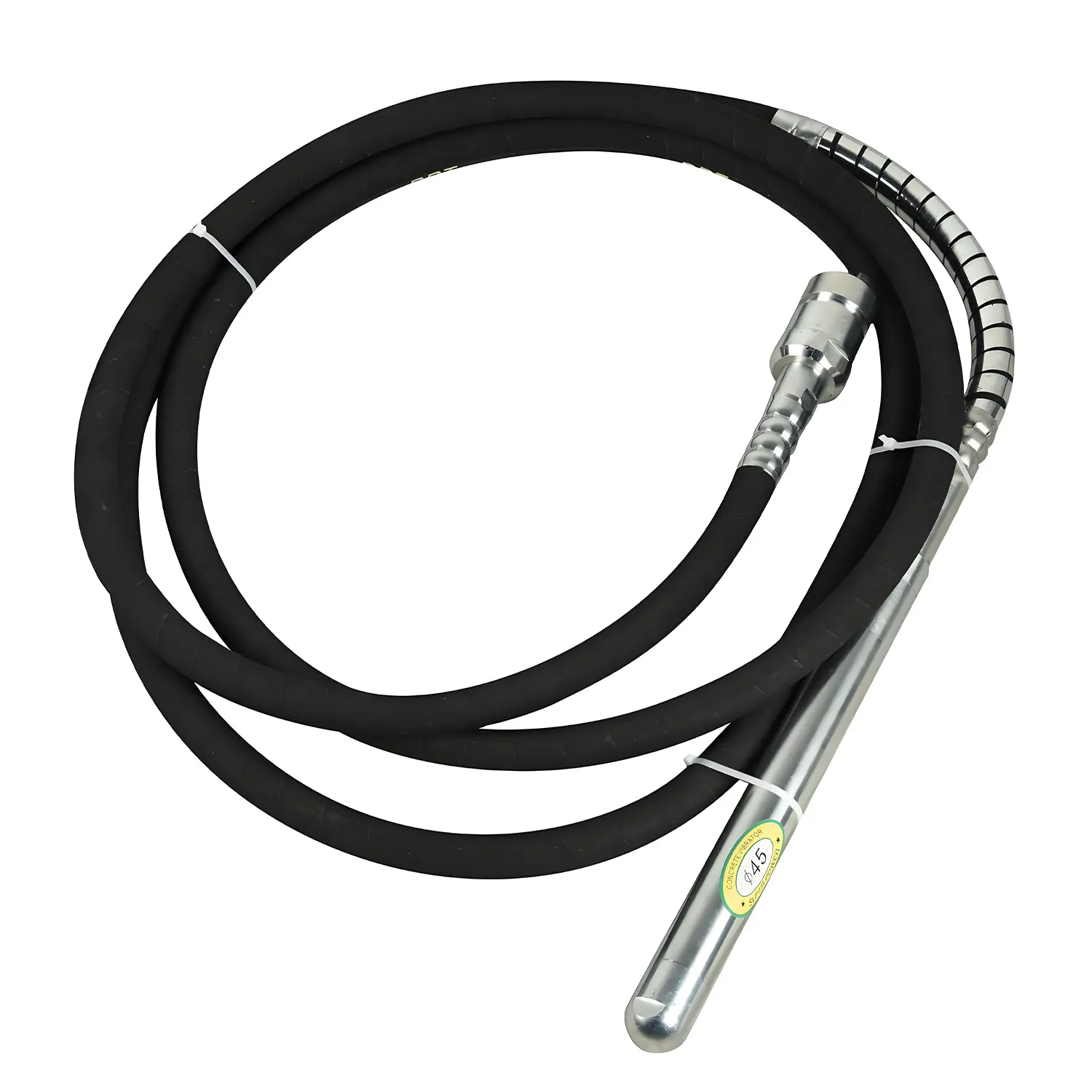 Pendulum shaft
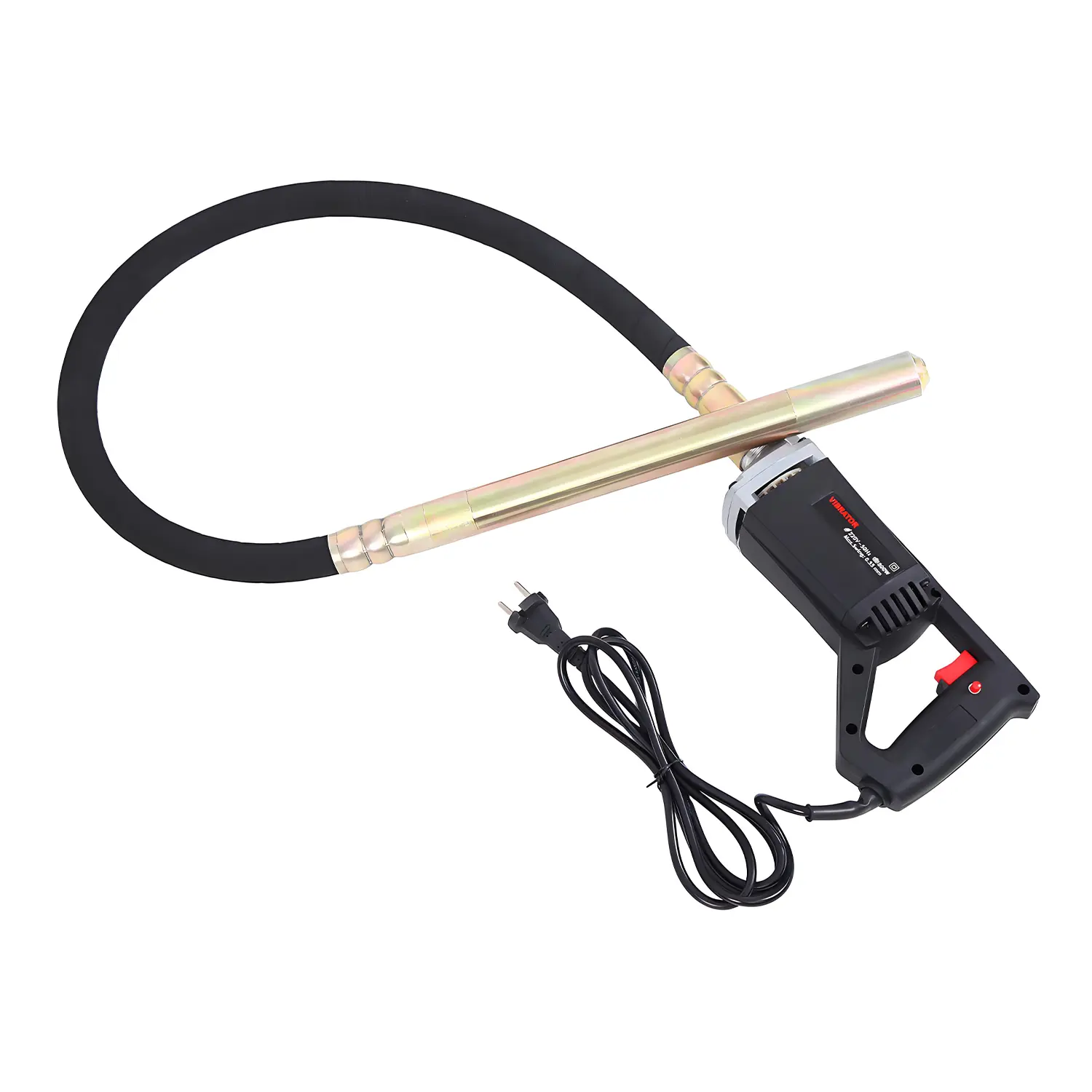 Portable vbrator shaft
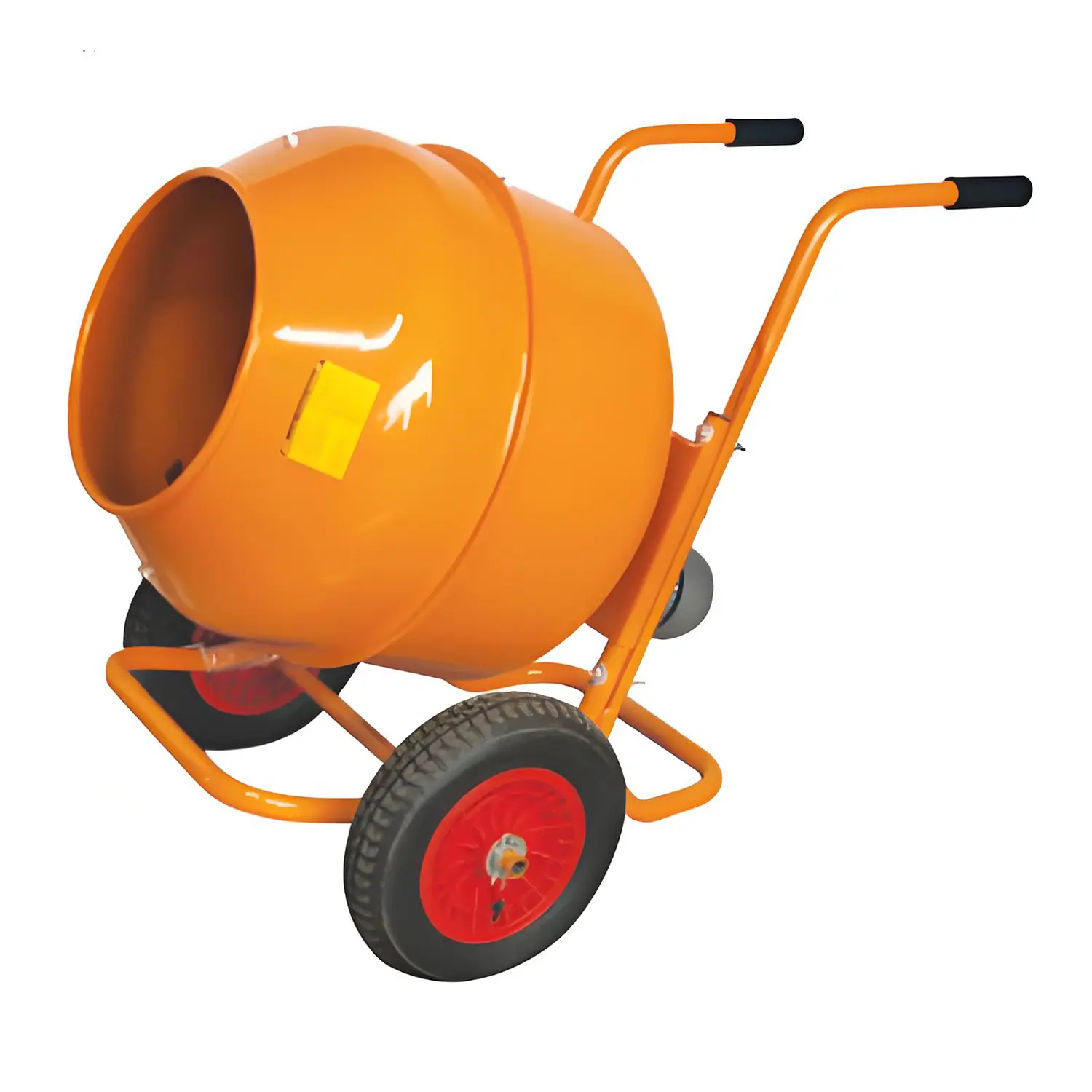 Portable concrete mixer
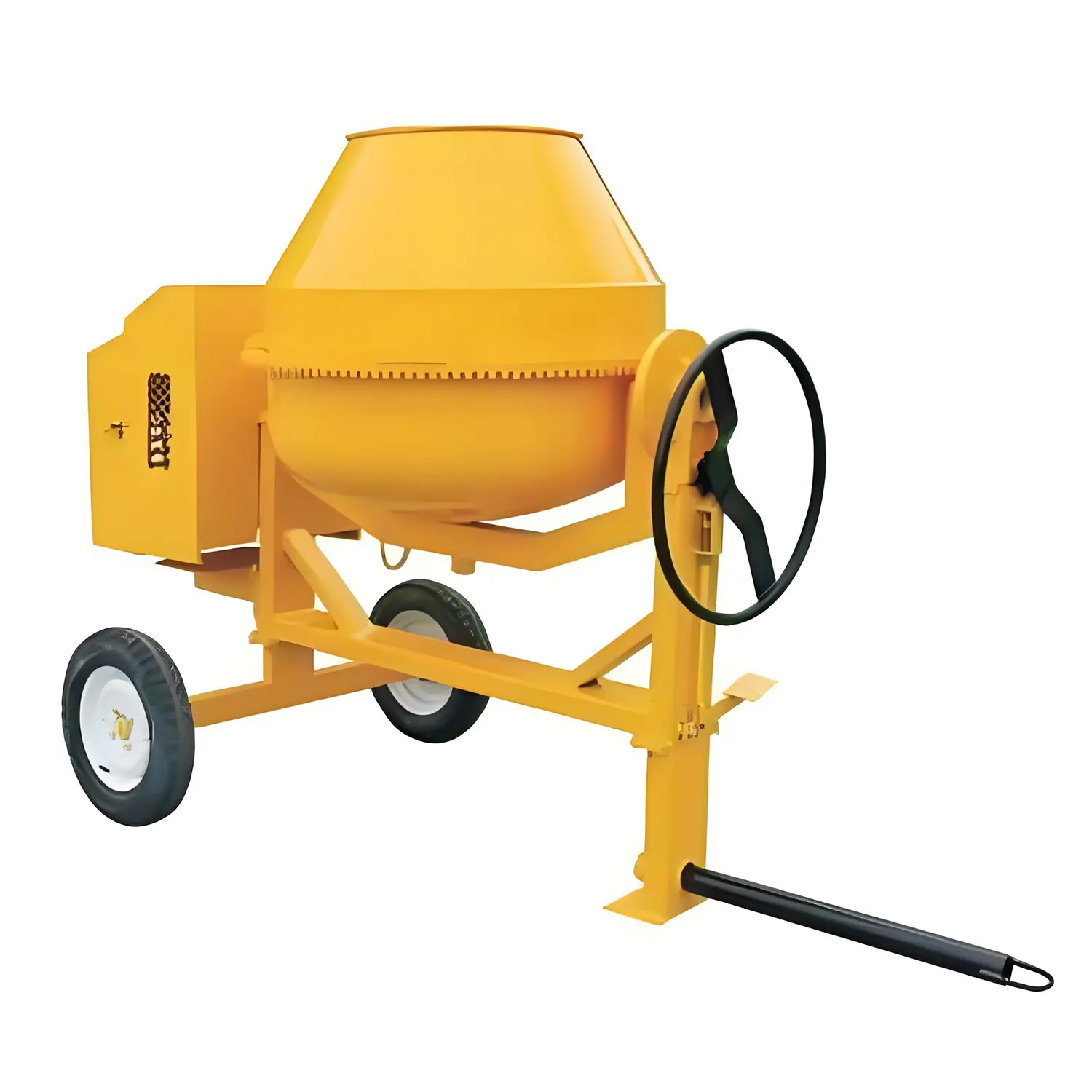 Vertical concrete mixer
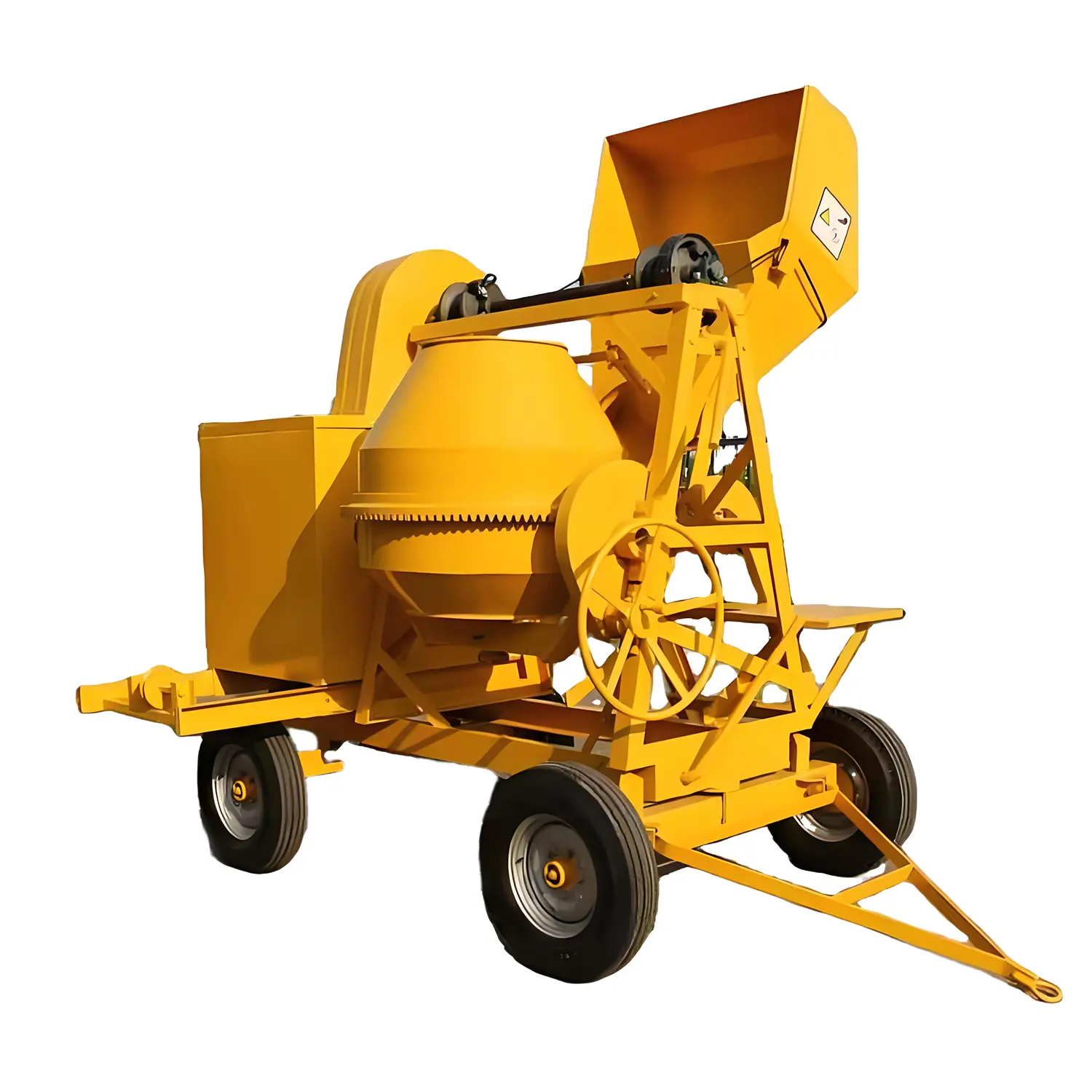 Hydraulic concrete mixer
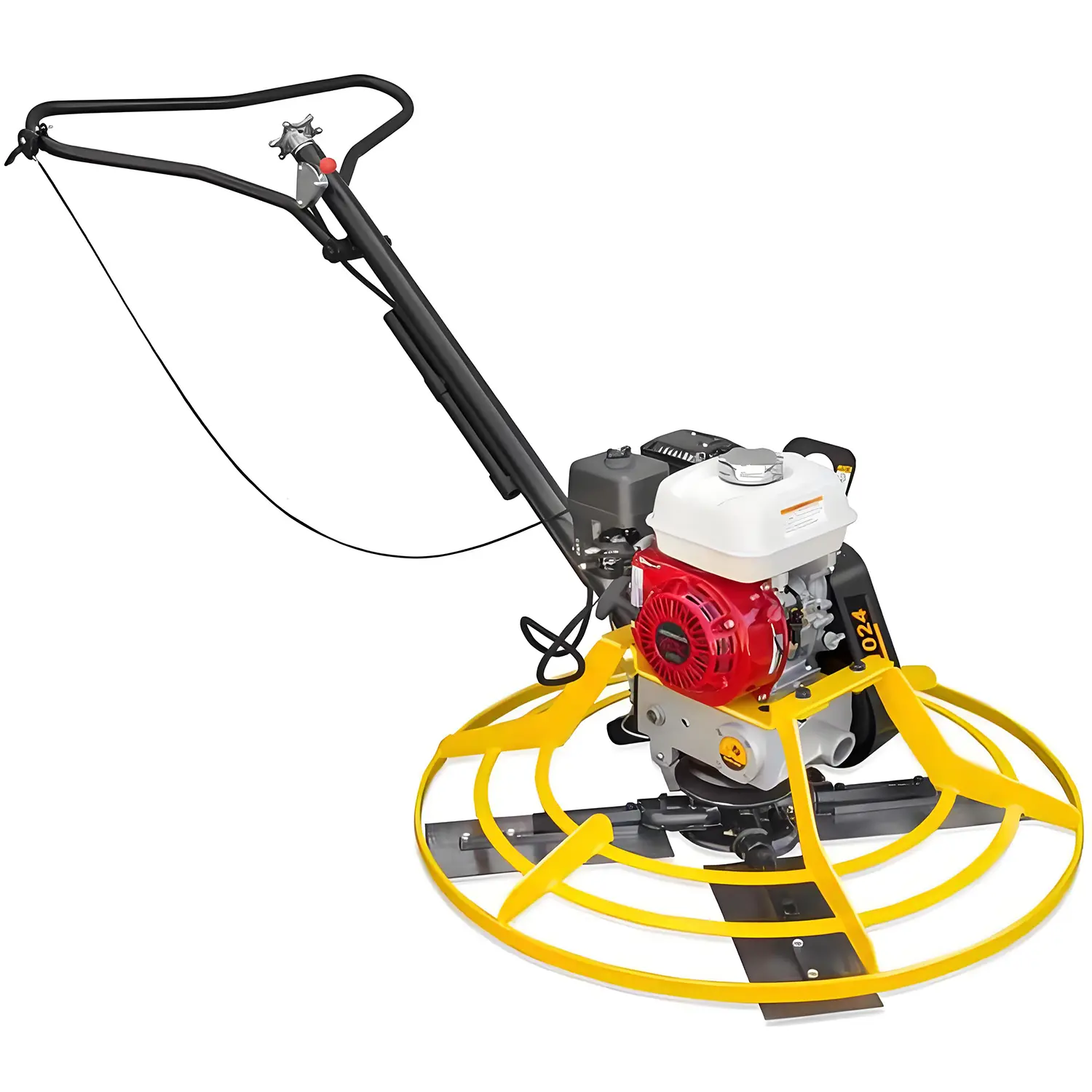 Walk behind power trowel
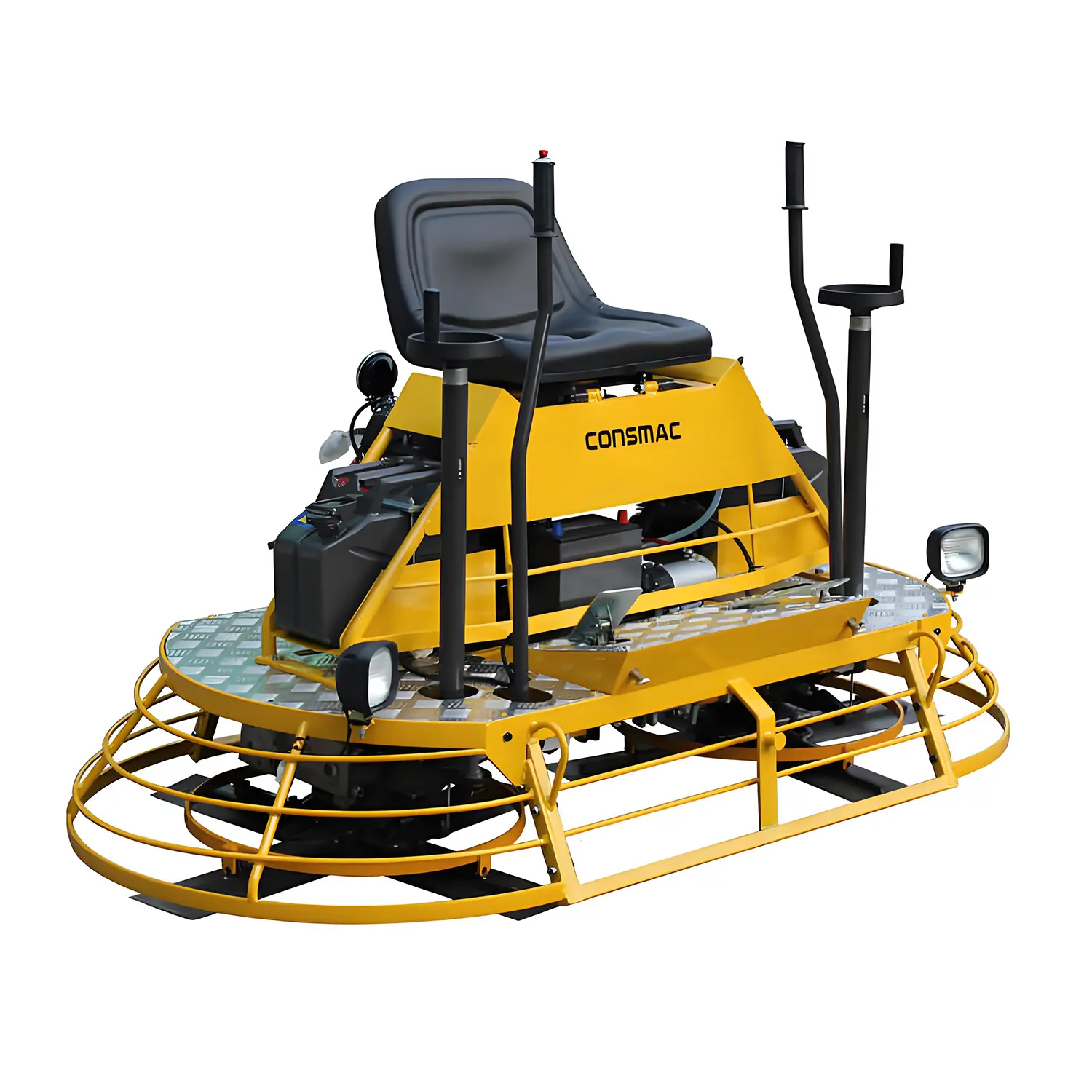 Ride on power trowel
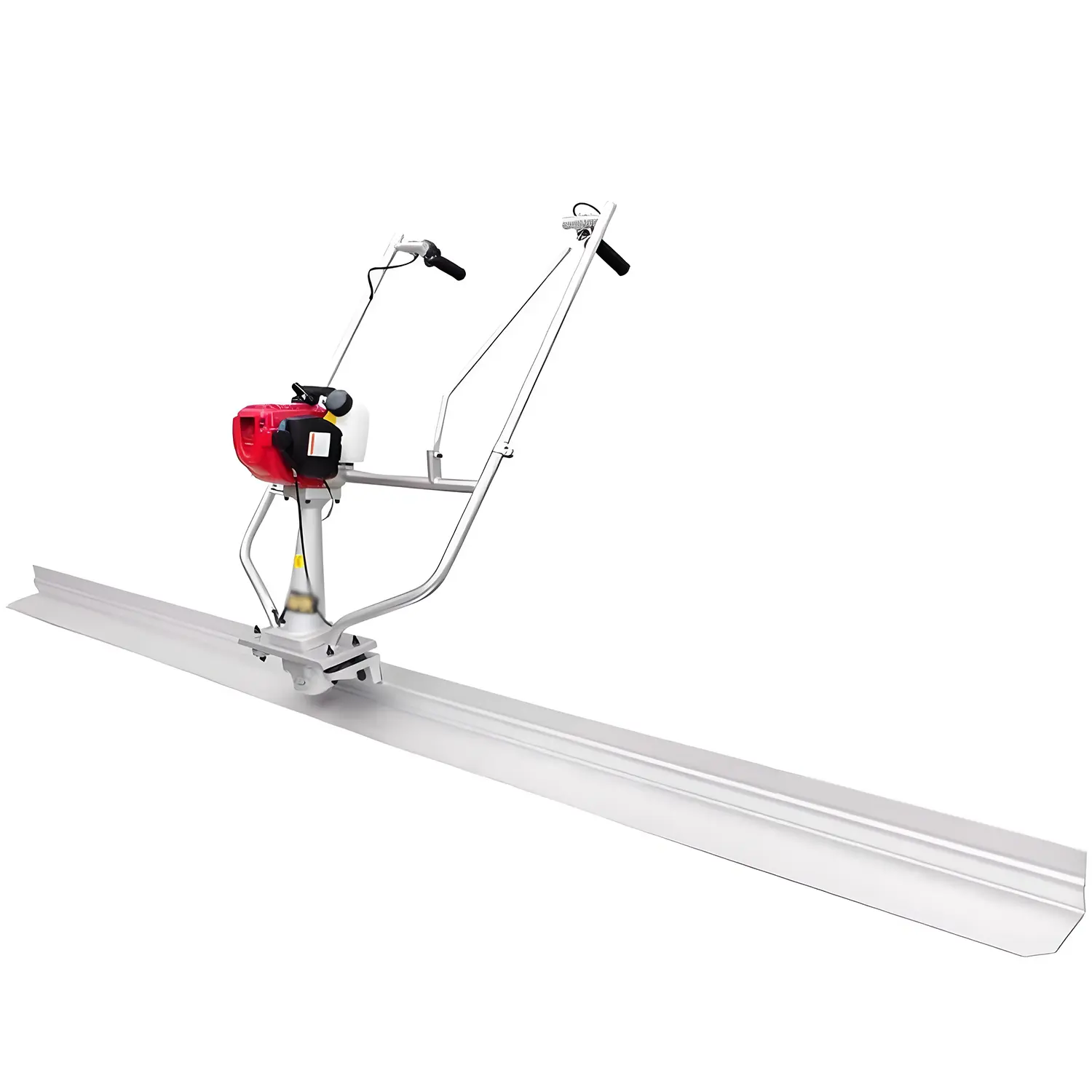 Concrete screed
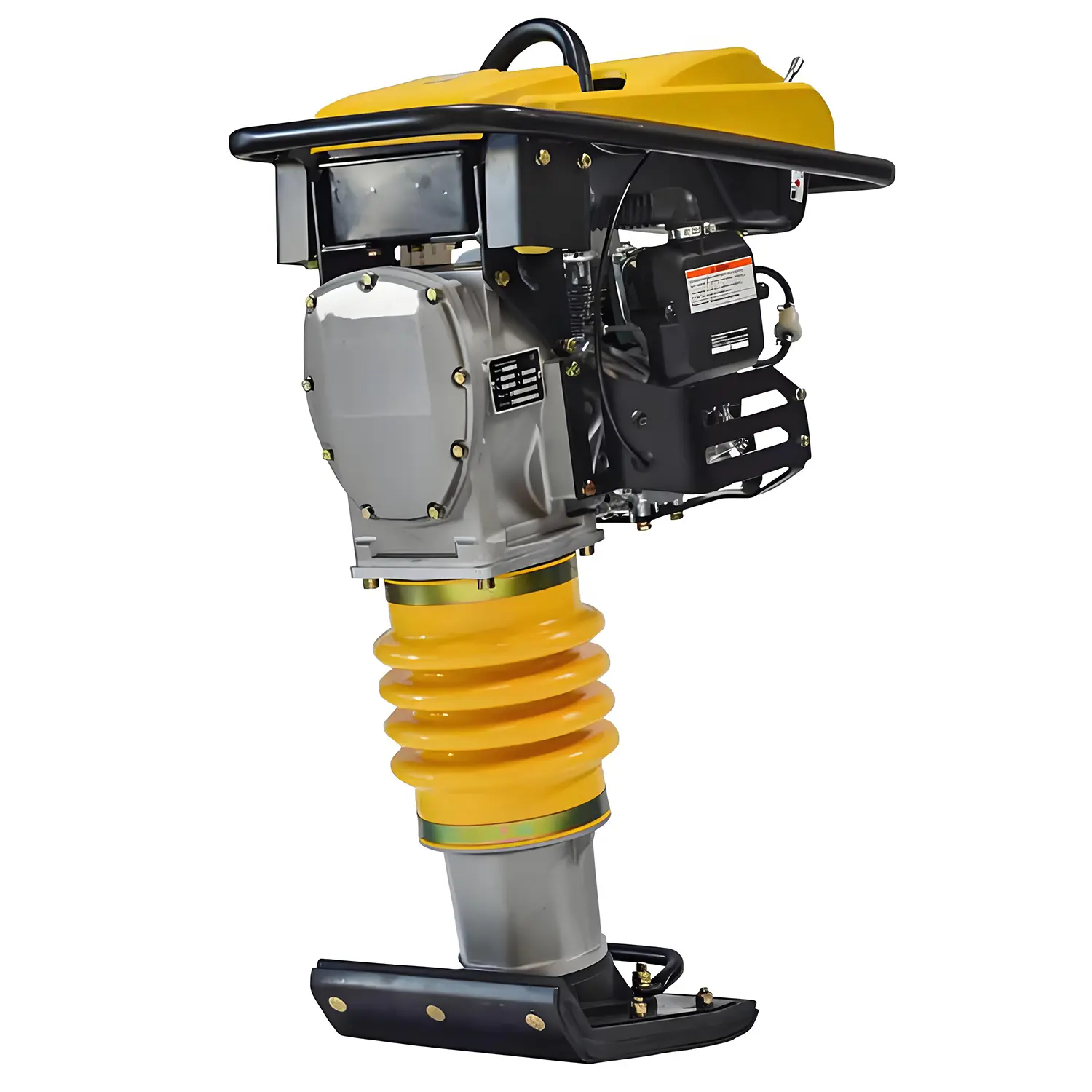 Tamping rammer
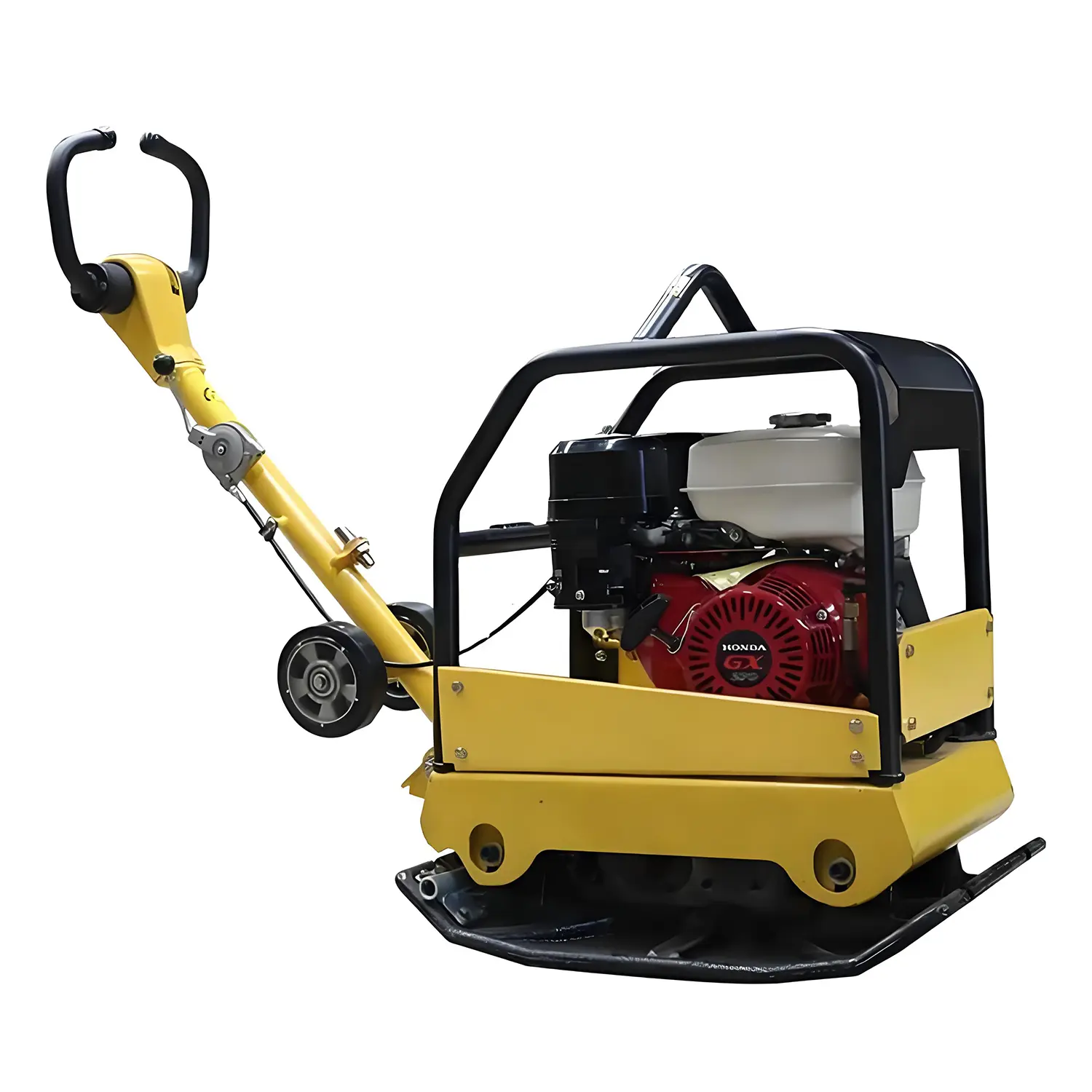 Plate compactor
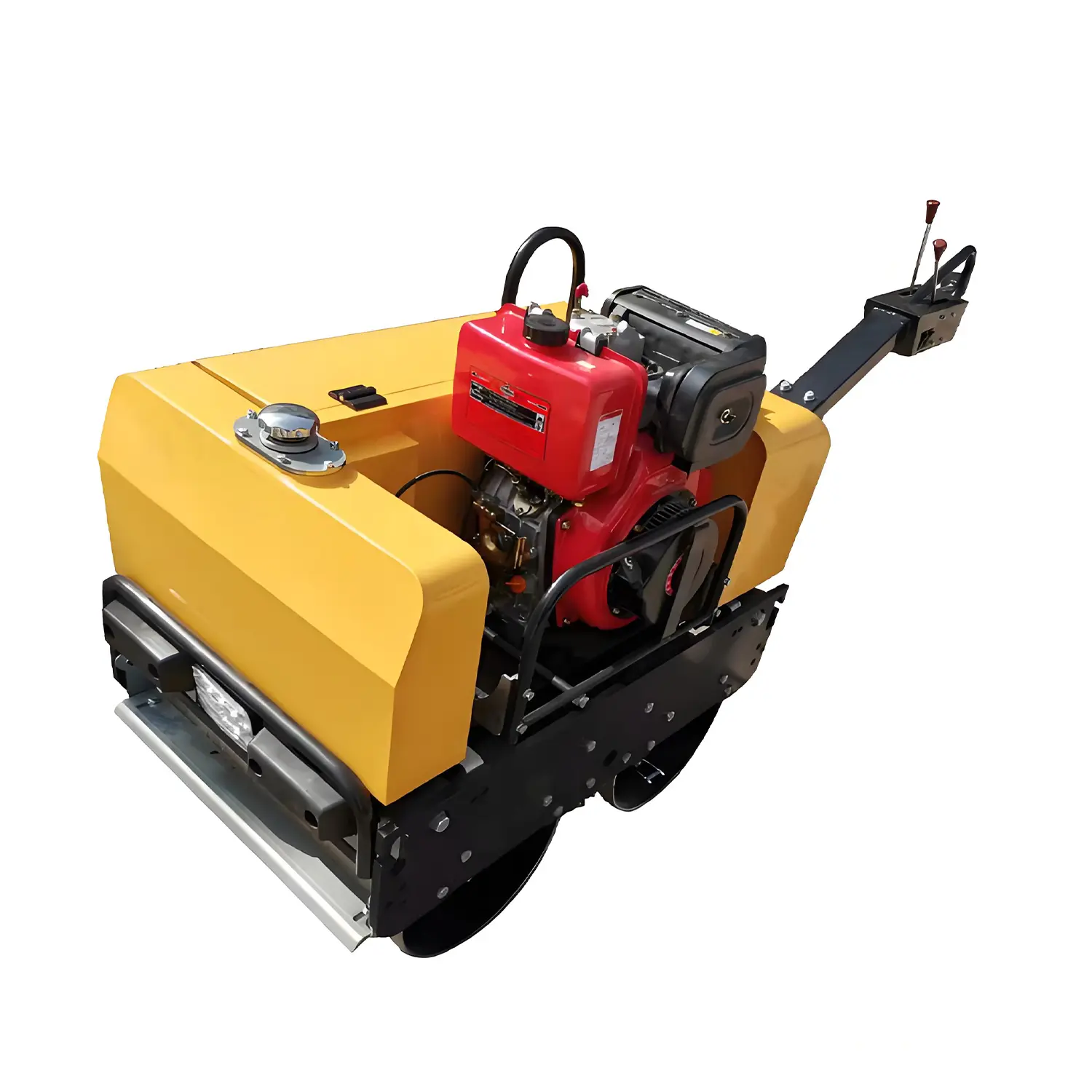 Vibratory roller