What is a Compactor Machine and How Does it Work for Waste Management
In the realm of waste management, the efficient handling and processing of refuse have become increasingly essential. One pivotal tool in this sector is the Compactor Machine, a sophisticated device designed to reduce the volume of waste materials through compression. By utilizing mechanical force, these machines play a crucial role in optimizing waste storage, facilitating transportation, and ultimately improving the overall efficacy of waste disposal systems.
The operation of a Compactor Machine involves several key mechanisms that transform loose waste into manageable, compacted forms. This not only helps in maximizing space in landfills but also minimizes environmental impact by reducing the frequency of waste collection trips. Understanding how a Compactor Machine works provides valuable insights into its significance in sustainable waste management practices, showcasing its contribution to a cleaner and more efficient urban environment.
As communities strive for better waste management solutions, the implementation of Compactor Machines stands out as a viable strategy. With advancements in technology, these machines have evolved to meet the growing demands of waste reduction, making them indispensable tools in modern waste management systems.
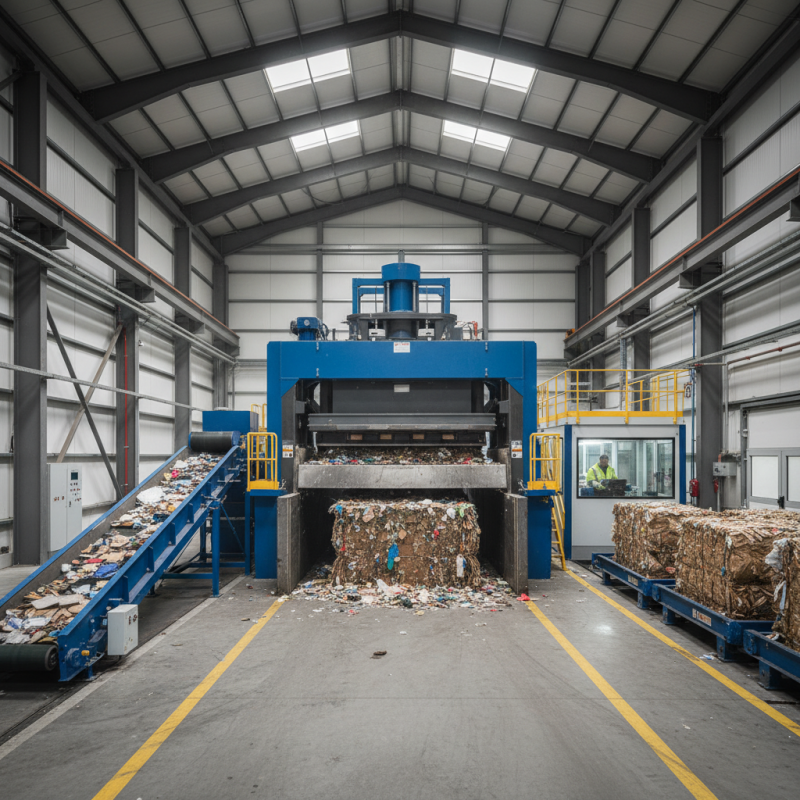
What is a Compactor Machine?
A compactor machine is an essential piece of equipment in waste management that significantly reduces the volume of waste. Its primary function is to compress various types of waste materials, such as paper, cardboard, plastic, and food scraps, into dense bales or blocks. This not only optimizes space but also helps in the efficient handling and transportation of waste to landfills or recycling facilities.
By utilizing hydraulic mechanisms or mechanical systems, the compactor applies great pressure to the waste, forcing it into a smaller size. This process helps in minimizing the cost associated with waste disposal and increases the overall efficiency of waste management operations. Compactors come in various forms, including stationary and portable units, making them adaptable to different needs and environments.
Tips: When using a compactor machine, ensure that you regularly monitor its performance to maintain efficiency. Additionally, always separate recyclables from general waste before loading them into the compactor to maximize recycling potential. Lastly, training staff on the proper operation of compactors can enhance safety and operational effectiveness, preventing accidents and ensuring optimal performance.
Key Components of a Compactor Machine
A compactor machine is an essential tool in waste management, designed primarily to reduce the volume of waste materials. Its effectiveness lies in its key components, which work together to crush and compress waste into manageable sizes. One of the most critical parts of a compactor machine is the ram, a hydraulic mechanism that exerts pressure on the waste, effectively compacting it into bales or dense units. The strength and design of the ram are vital, as they determine the efficiency and capacity of the compaction process.
Another important component is the container or hopper, where waste is initially deposited. The container is designed to hold different types of waste materials, from biodegradable items to recyclables, ensuring that the compactor can handle a diverse range of waste streams effectively.
Additionally, the control panel allows operators to monitor and manage the compaction process, providing essential information such as compaction cycles and operational statuses. Lastly, the discharge system plays a crucial role in safely expelling the compacted waste, making it easy for further handling and transportation. Together, these components ensure that compactor machines significantly contribute to efficient waste management solutions.
How Compactor Machines Function in Waste Management
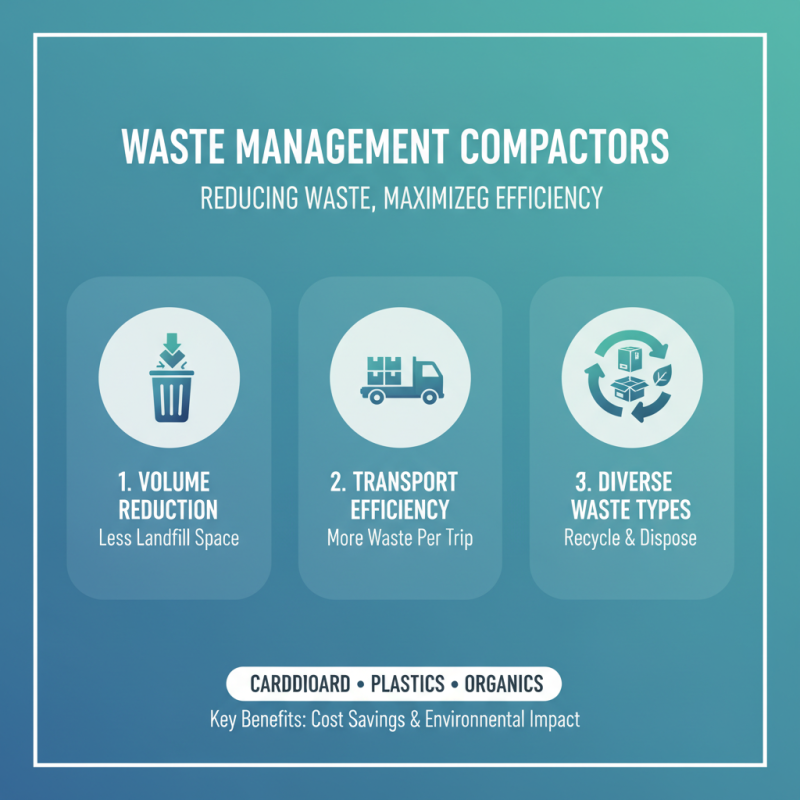
Compactor machines play a vital role in waste management by compressing various types of waste materials, which significantly reduces their volume. This process not only helps in minimizing landfill space but also maximizes transportation efficiency. Compactors are equipped with powerful mechanisms that crush and blend waste, making it easier to handle and transport. They can handle numerous waste types, including cardboard, plastics, and organic waste, which can then be recycled efficiently or disposed of in an environmentally-friendly manner.
When selecting a compactor machine, it's essential to consider a few key factors. First, assess the volume and type of waste generated to choose the appropriate machine size and type. Additionally, regular maintenance is crucial to ensure optimal performance and longevity of the equipment. Proper training for operators on how to safely and effectively use the compactor can also enhance efficiency and safety during operation.
Incorporating compactor machines into waste management practices not only streamlines operations but also contributes to sustainability efforts by reducing waste footprint. As cities continue to grow, implementing efficient waste management solutions, such as compactors, becomes increasingly important in maintaining a clean and healthy environment.
Types of Compactor Machines and Their Applications
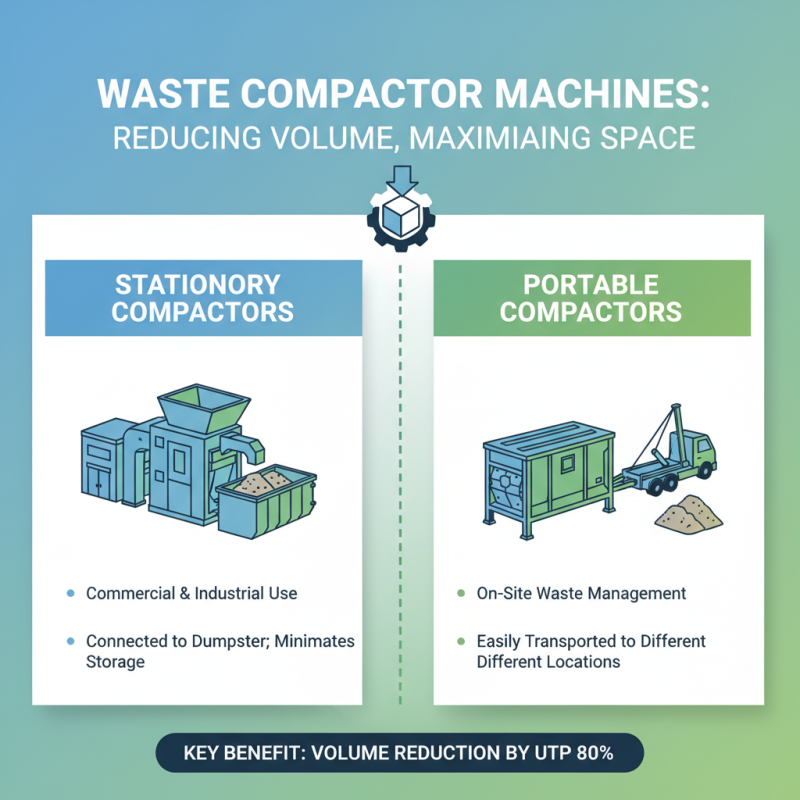
Compactor machines are essential tools in waste management, designed to reduce the volume of waste materials by applying pressure. There are several types of compactor machines, each tailored for specific applications. Stationary compactors, for instance, are commonly used in commercial settings where large volumes of waste are generated. They are typically connected to a dumpster and are ideal for businesses that want to minimize their waste storage space. Portable compactors, on the other hand, are designed for on-site waste management and can be transported to different locations as needed.
Another popular type is the landfill compactor, which is specifically engineered for use in landfills. These machines compress waste into layers, helping to maximize available space while also enhancing stability and minimizing environmental impact. Lastly, there are trash compactors designed for residential use, which can help homeowners manage their waste more efficiently and reduce the frequency of trash disposal.
**Tips:** When considering the use of a compactor machine, it's important to evaluate the volume and type of waste generated in your operation. Also, ensure regular maintenance of the machine to prolong its lifespan and efficiency. Additionally, training staff on how to operate these machines safely can prevent accidents and enhance overall productivity in waste management processes.
Benefits of Using Compactor Machines for Waste Reduction
Compactor machines play a crucial role in effective waste management, particularly in the realm of waste reduction. According to a report from the Environmental Protection Agency (EPA), landfills in the United States receive about 292.4 million tons of trash annually, which contributes significantly to environmental degradation. Utilizing compactor machines can help reduce the volume of waste sent to these landfills by up to 75%. This reduction not only conserves valuable landfill space but also minimizes the release of harmful greenhouse gases associated with waste decomposition.
One of the most significant benefits of compactor machines is their efficiency in compressing large volumes of waste into smaller, manageable sizes. This capability leads to lower transportation costs, as more waste can be loaded onto collection vehicles per trip, decreasing the overall carbon footprint of waste transportation. Additionally, businesses that incorporate compactors often report improved safety and aesthetics within their facilities, since these machines contain waste and reduce odors and pests. Studies indicate that businesses utilizing compactors see a decrease in waste management costs by as much as 30%, a substantial saving that encourages sustainable practices and contributes to corporate social responsibility initiatives.
Waste Reduction Through Compactor Machines
This chart illustrates the average waste volume reduction when using compactor machines across different waste types. The data highlights the effectiveness of compactors in improving waste management efficiency.

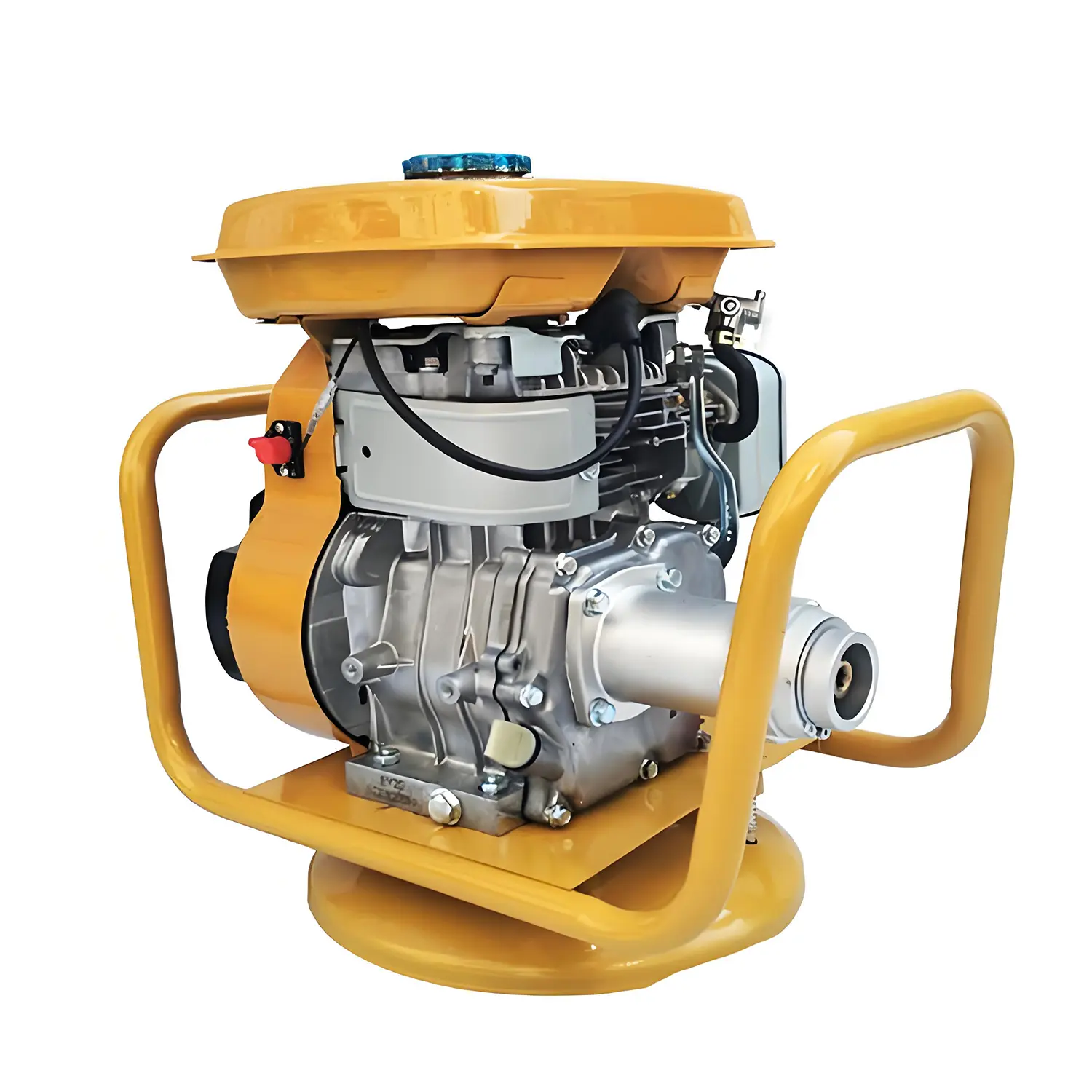 Internal Vibrator
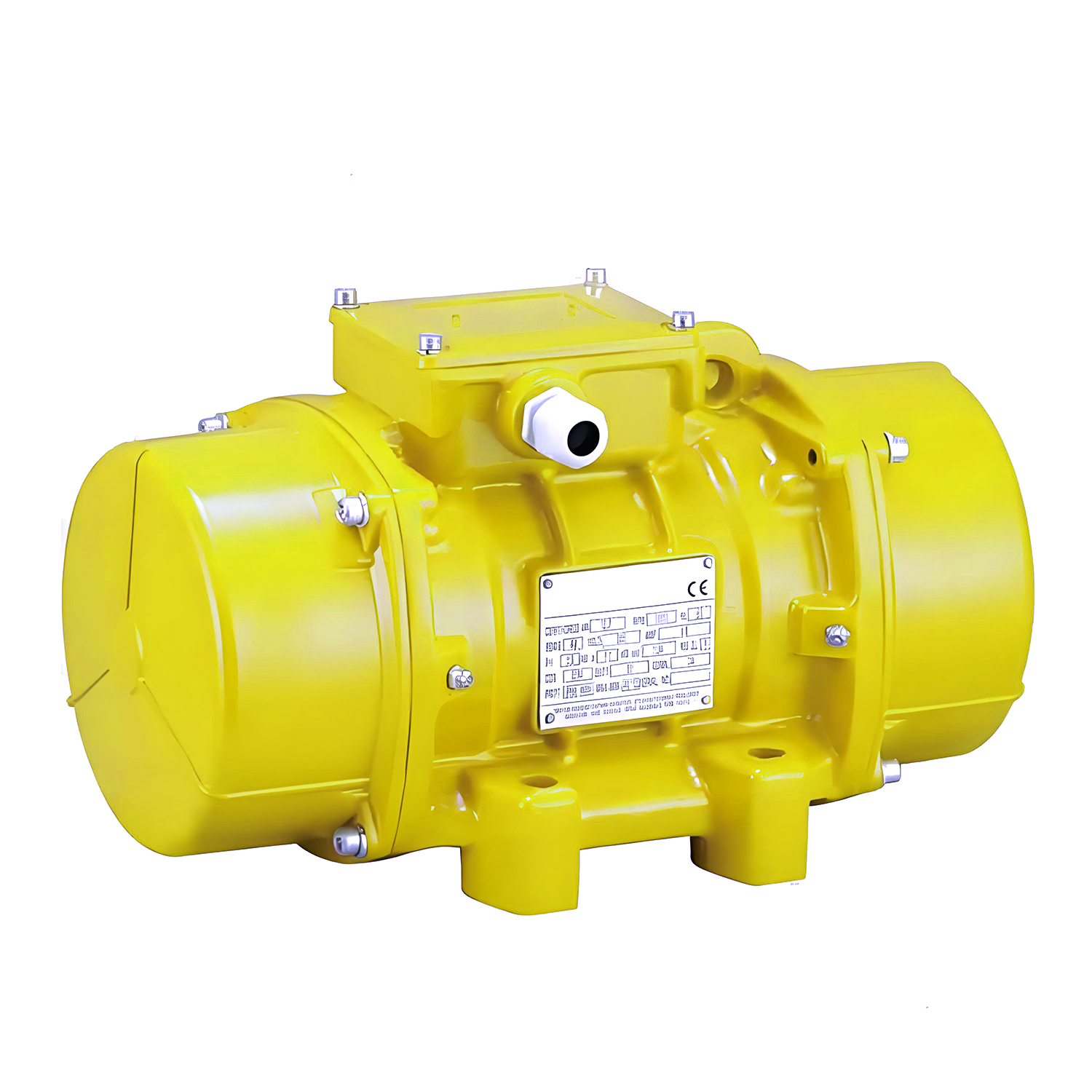 External Vibrator
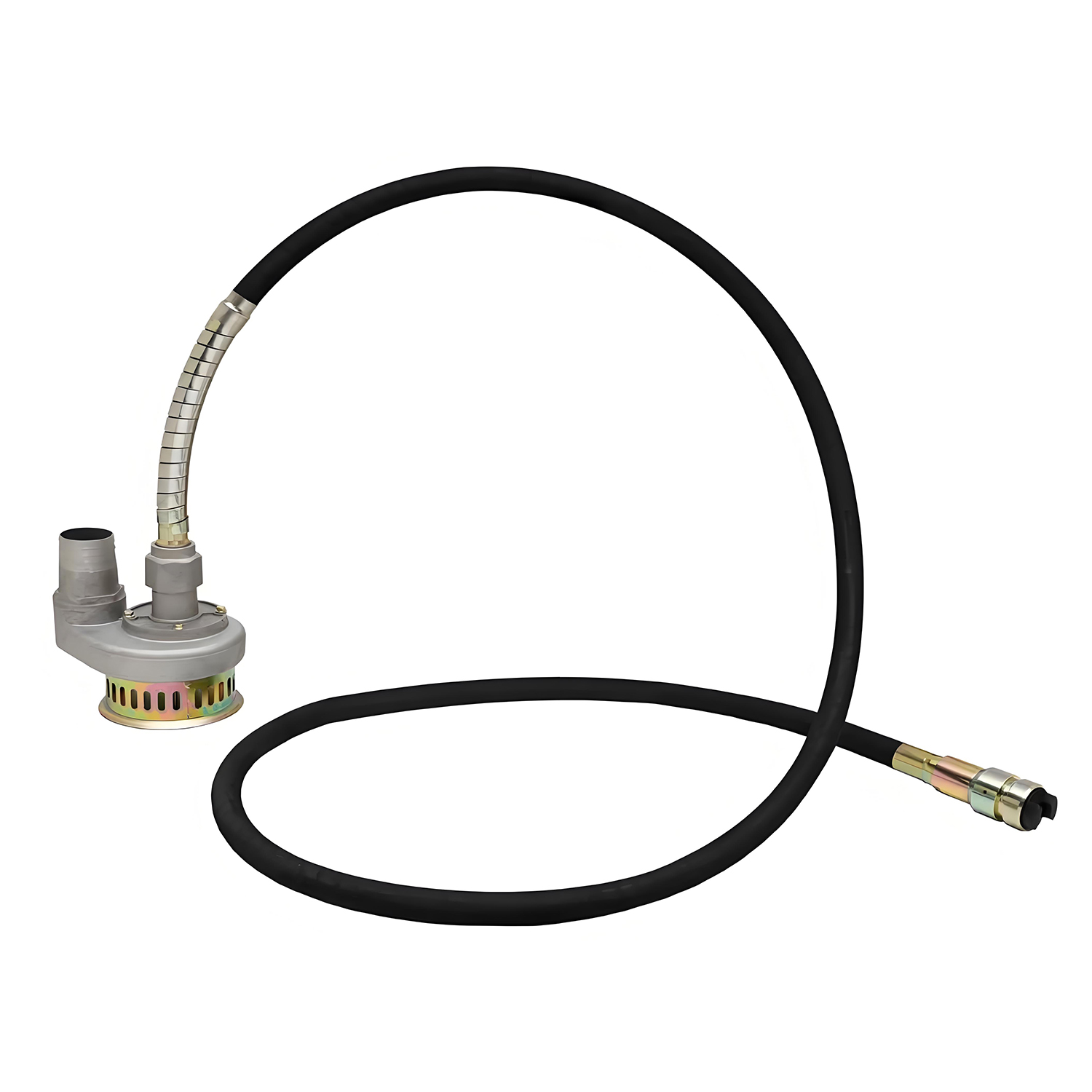 Submersible Pump
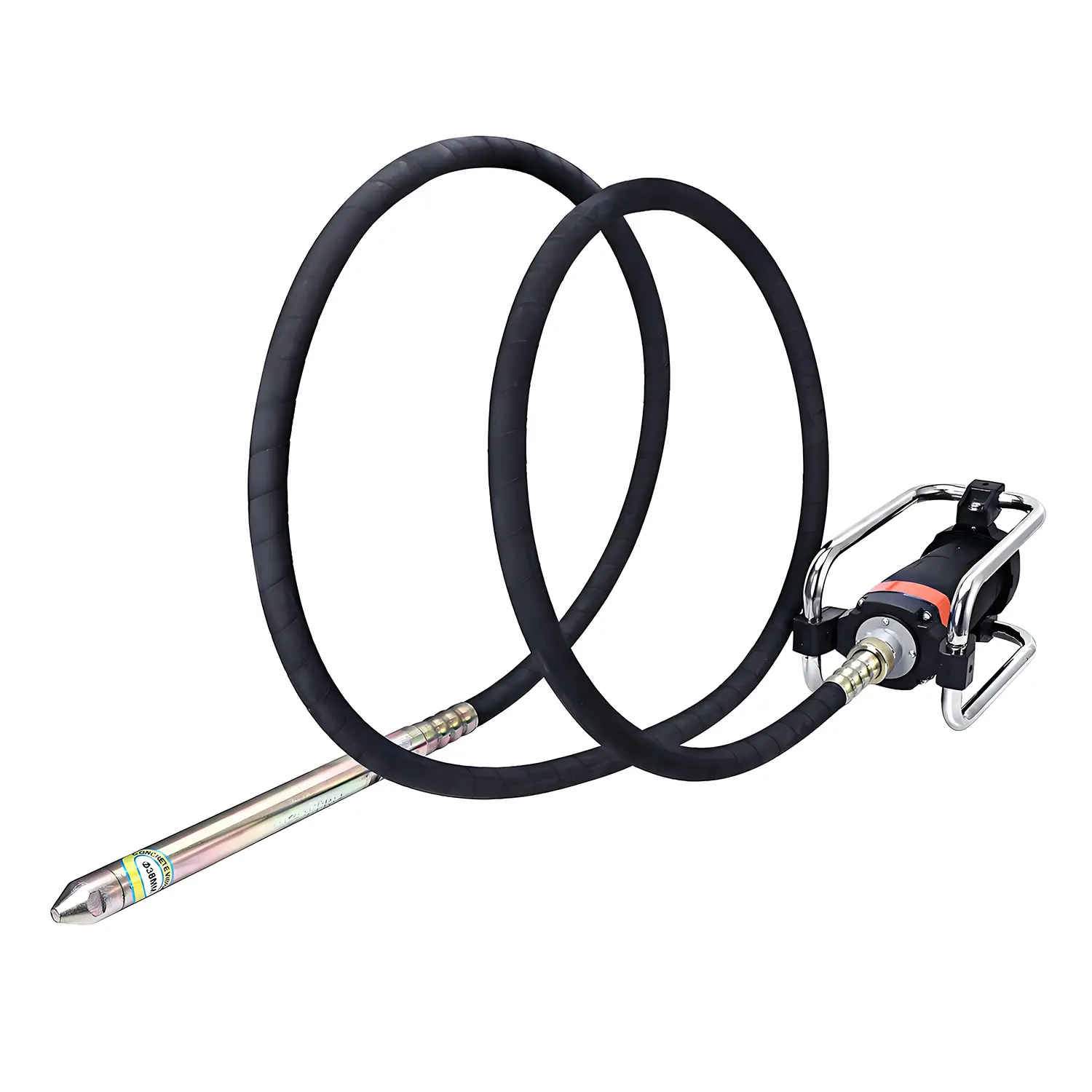 Eccentric shaft
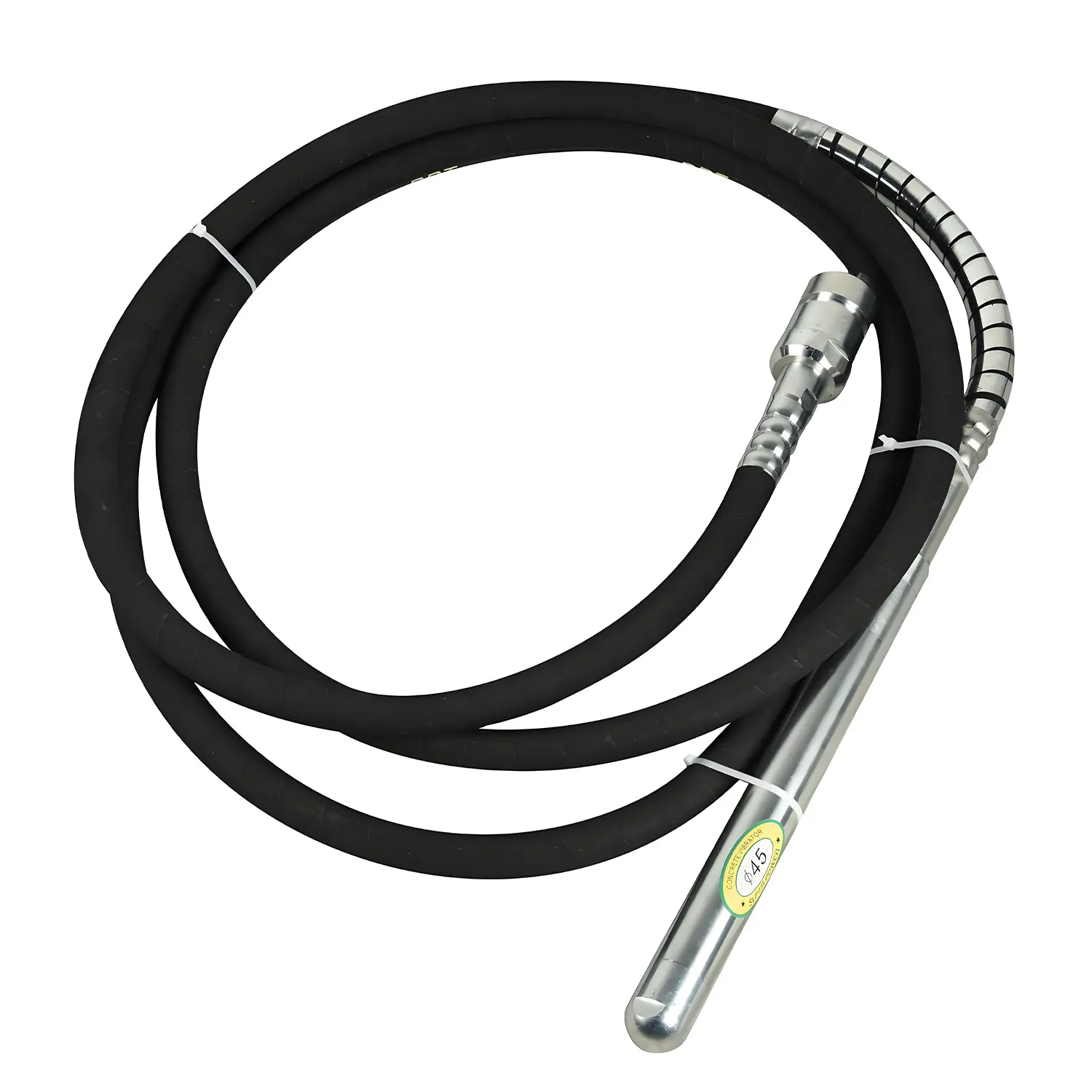 Pendulum shaft
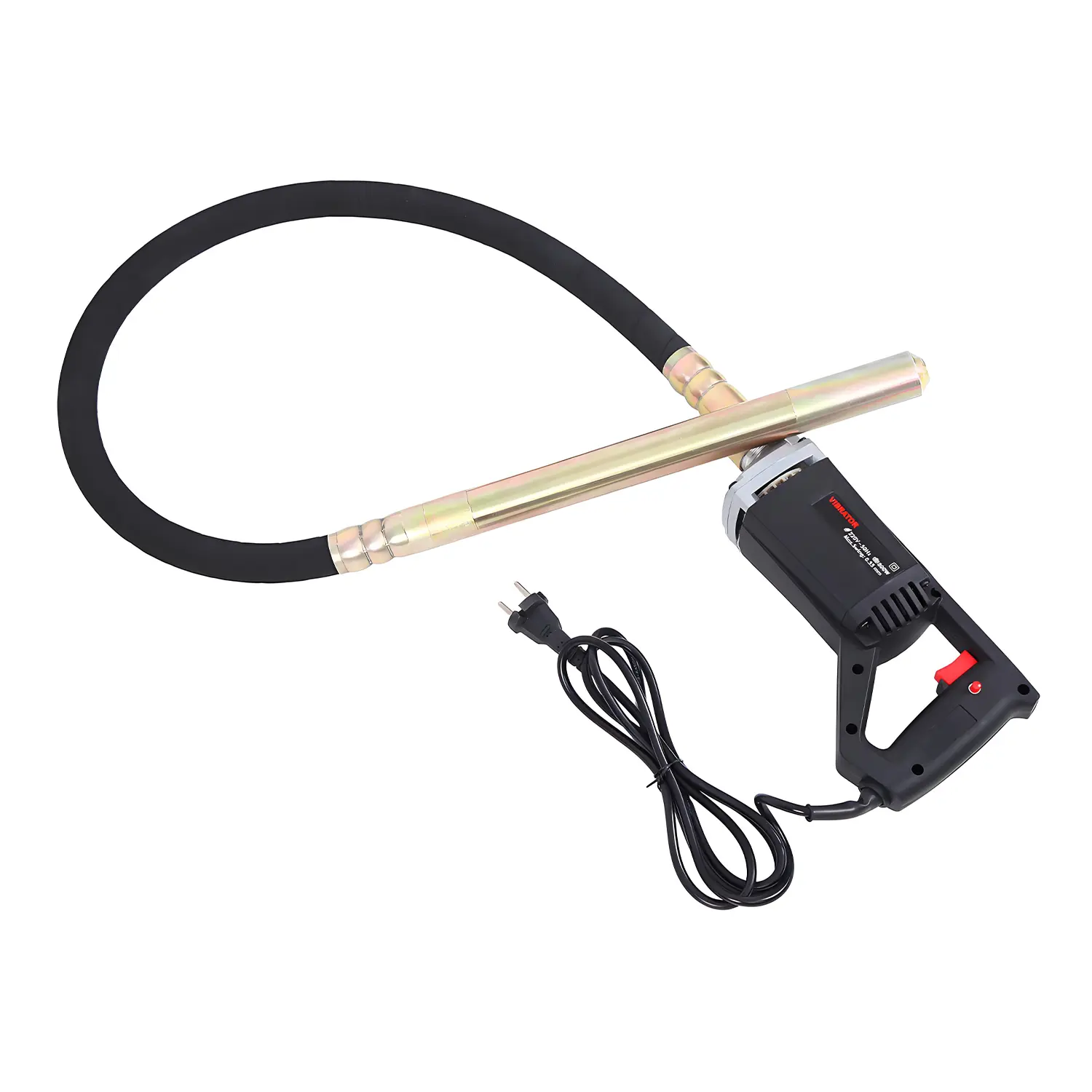 Portable vbrator shaft
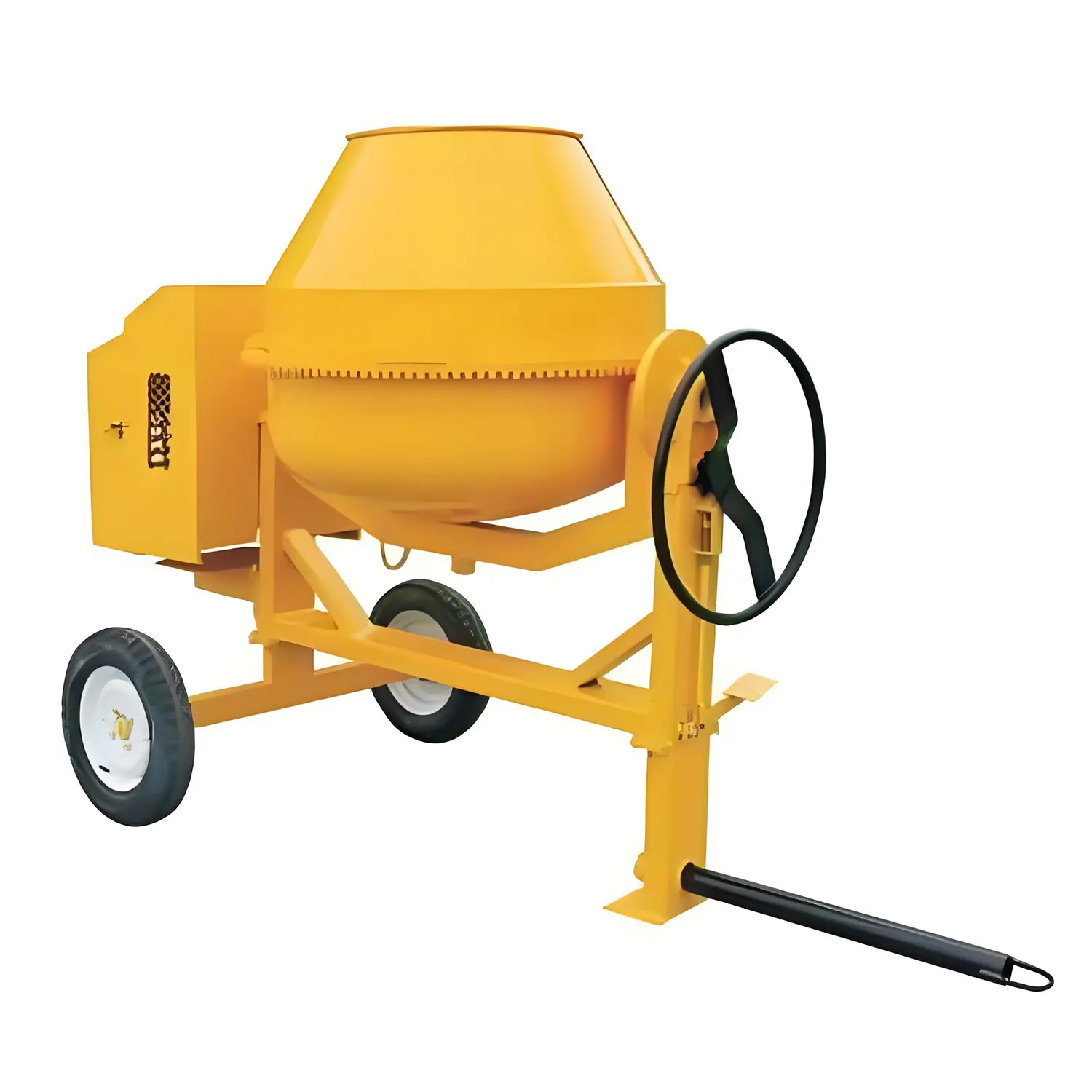
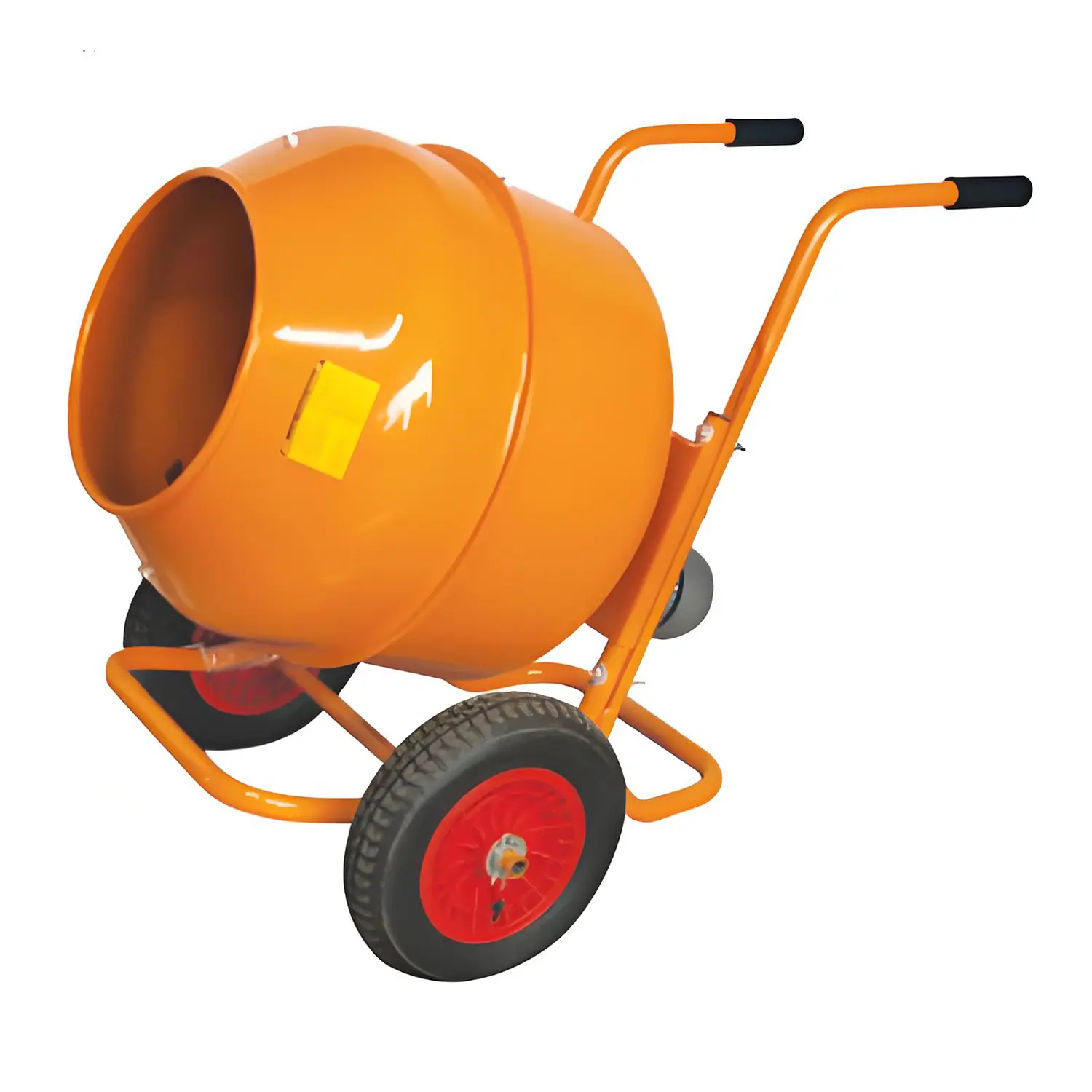 Portable concrete mixer
 Vertical concrete mixer
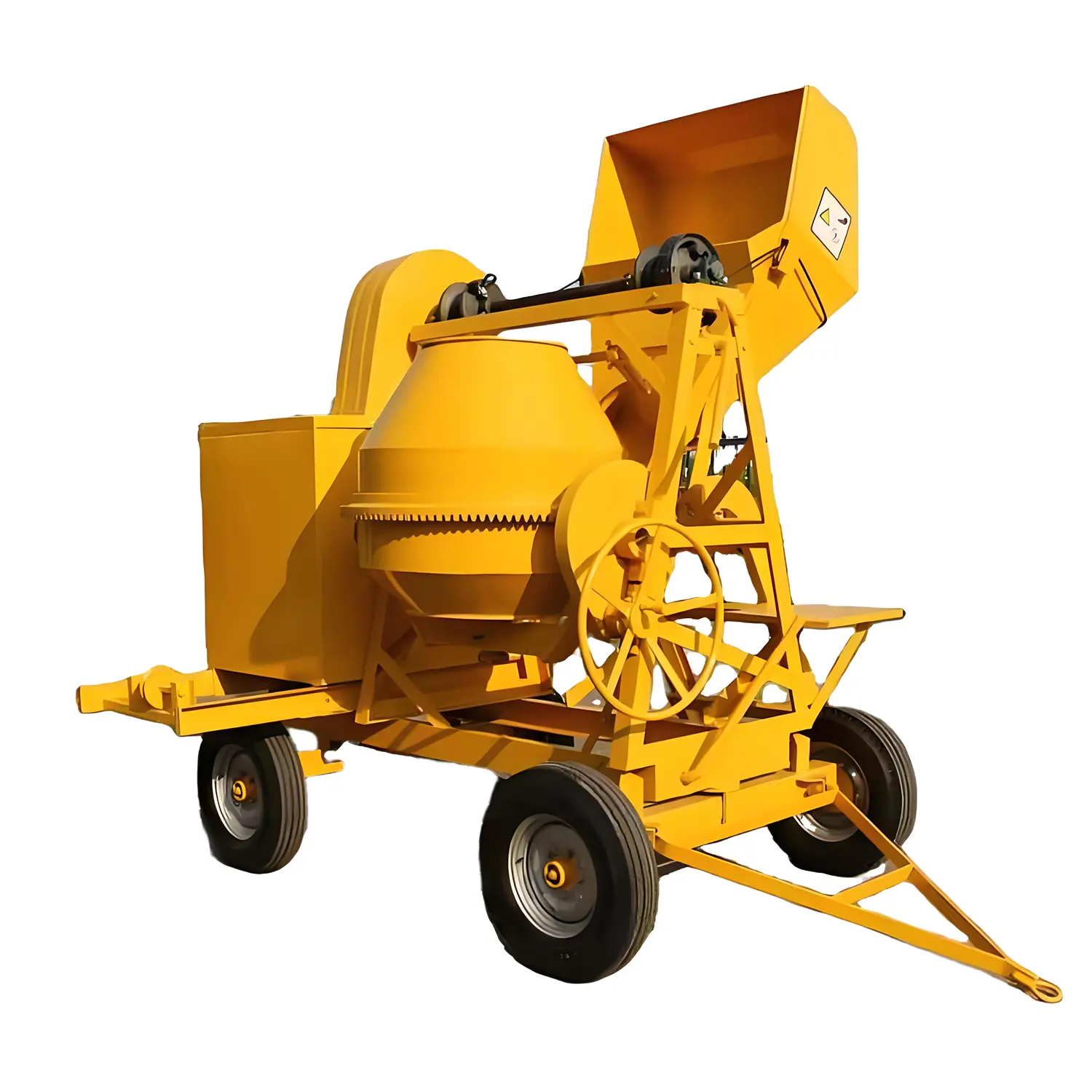 Hydraulic concrete mixer
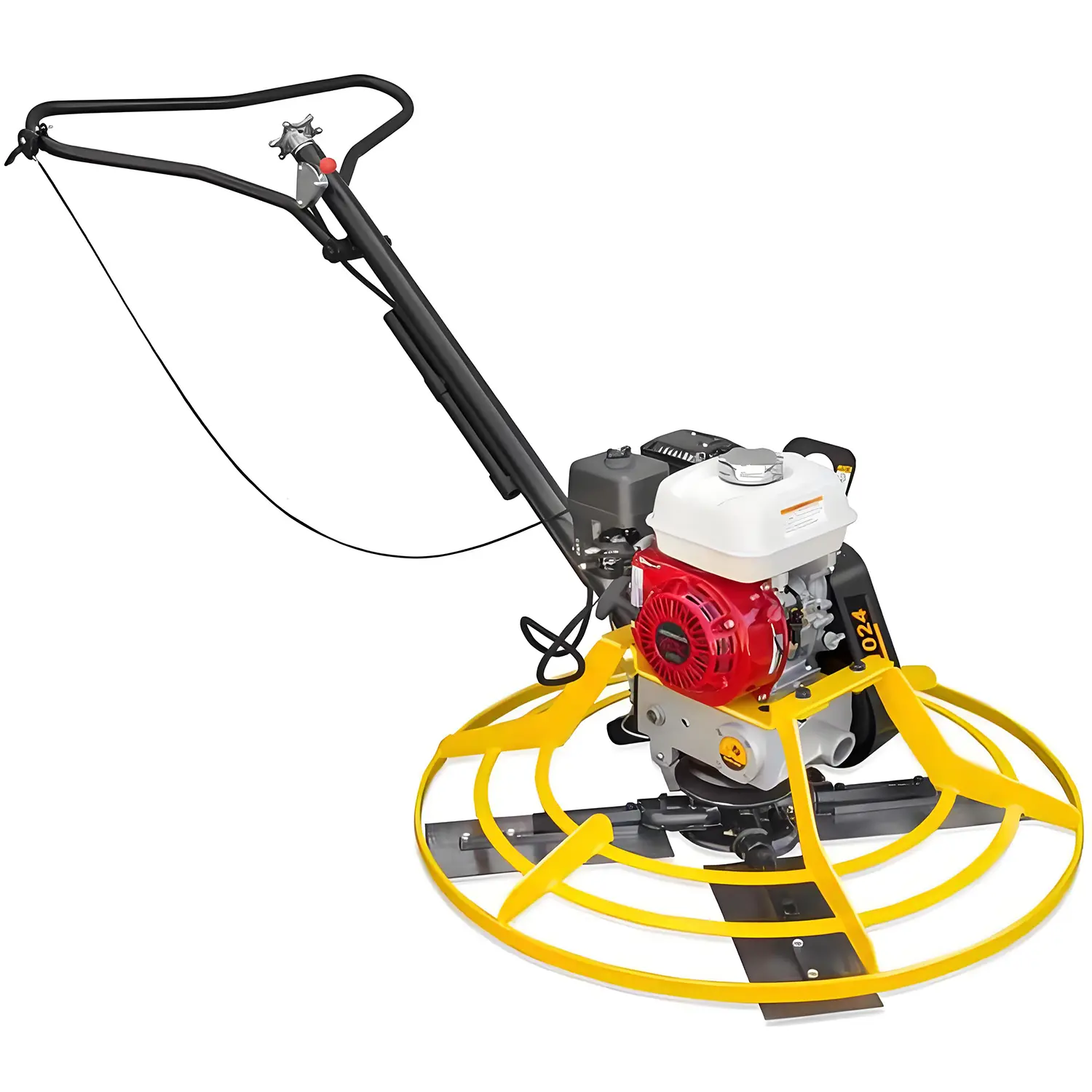 Walk behind power trowel
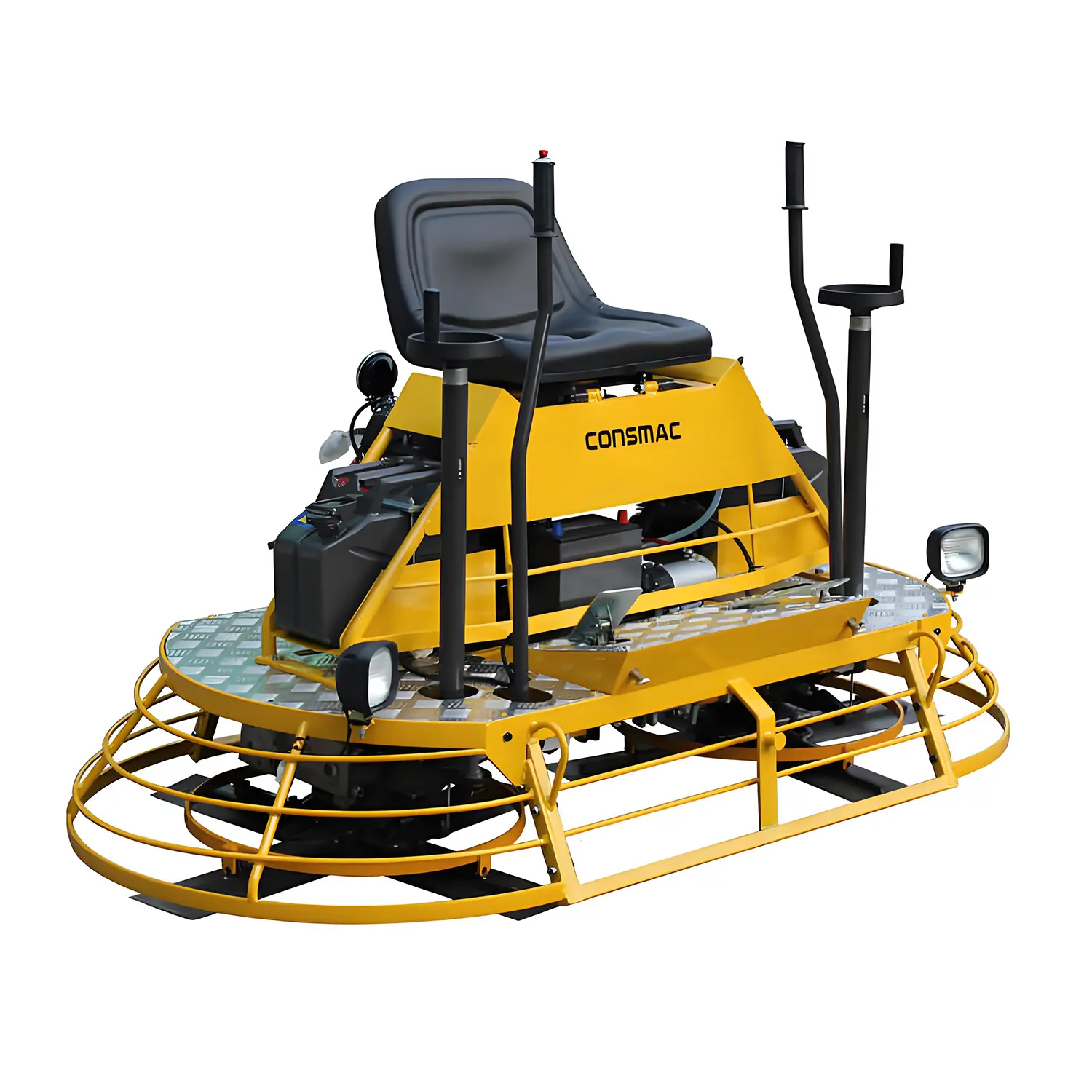 Ride on power trowel
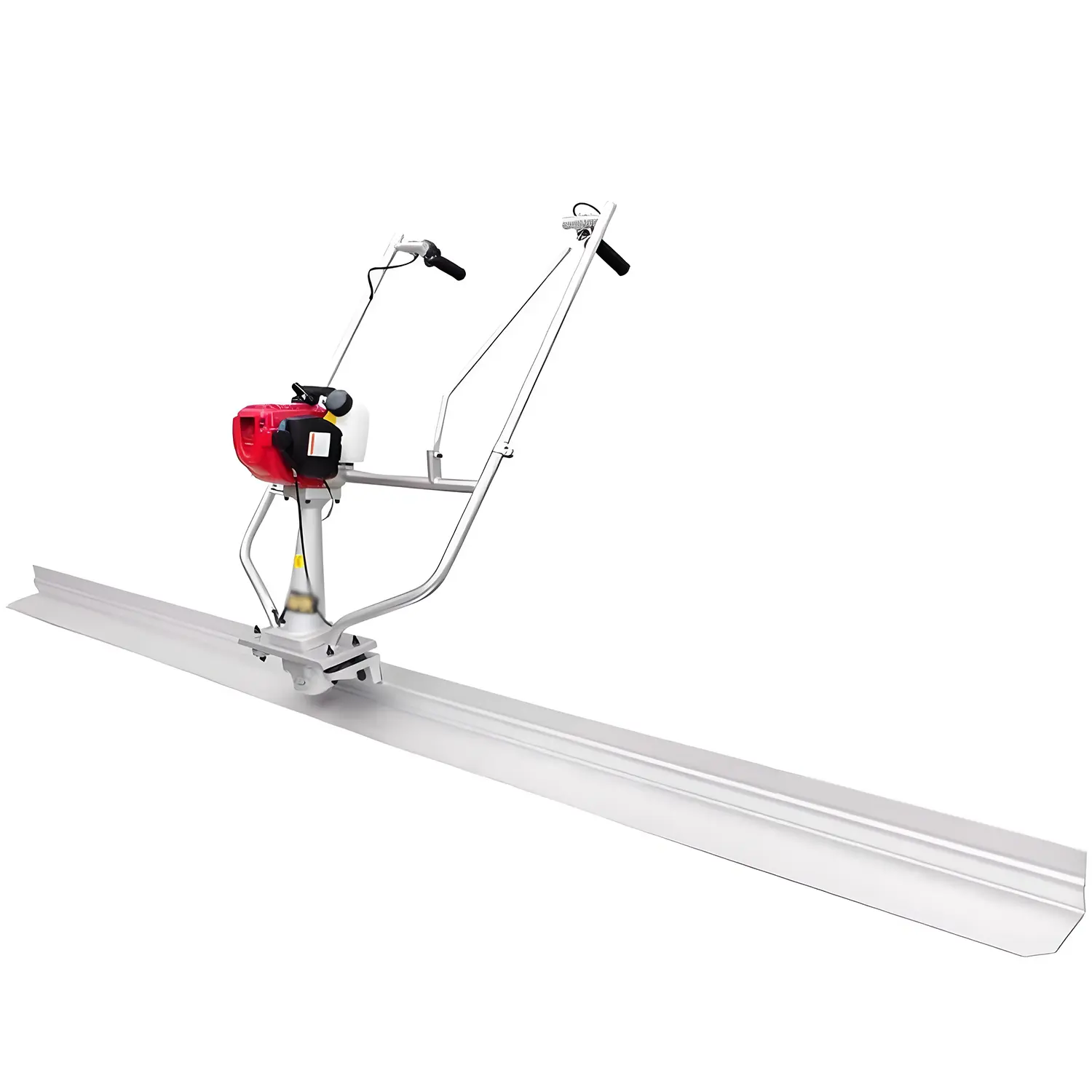 Concrete screed
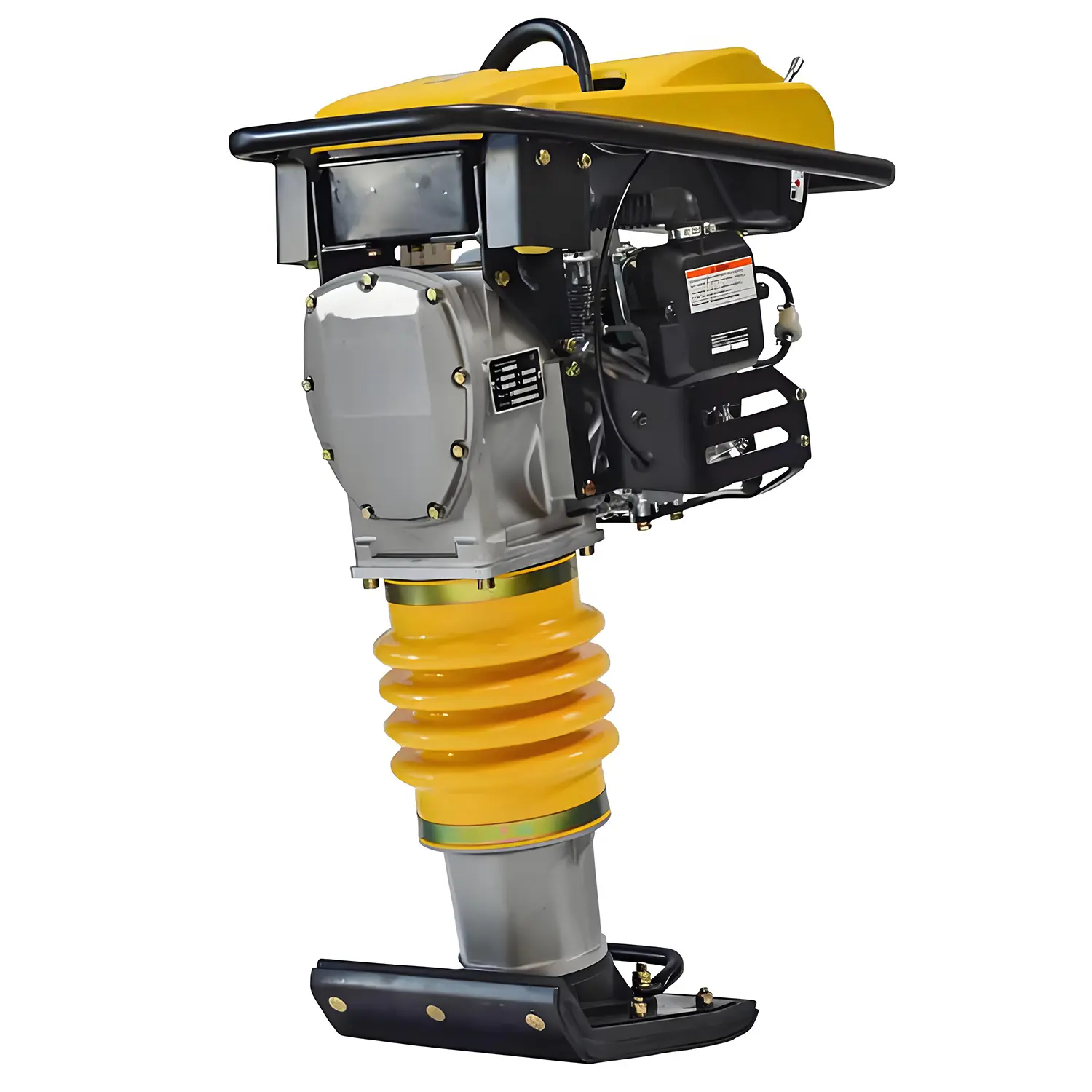 Tamping rammer
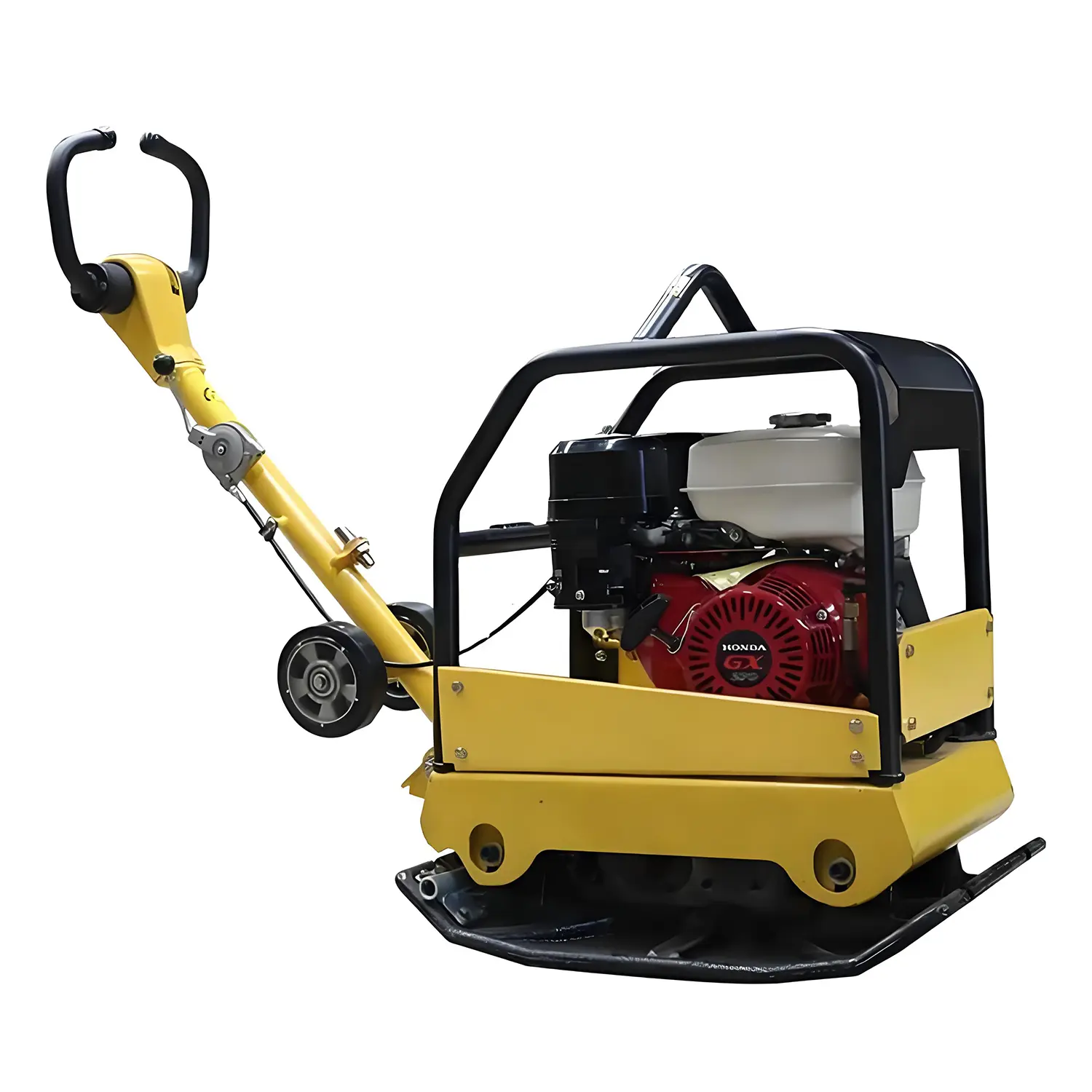 Plate compactor
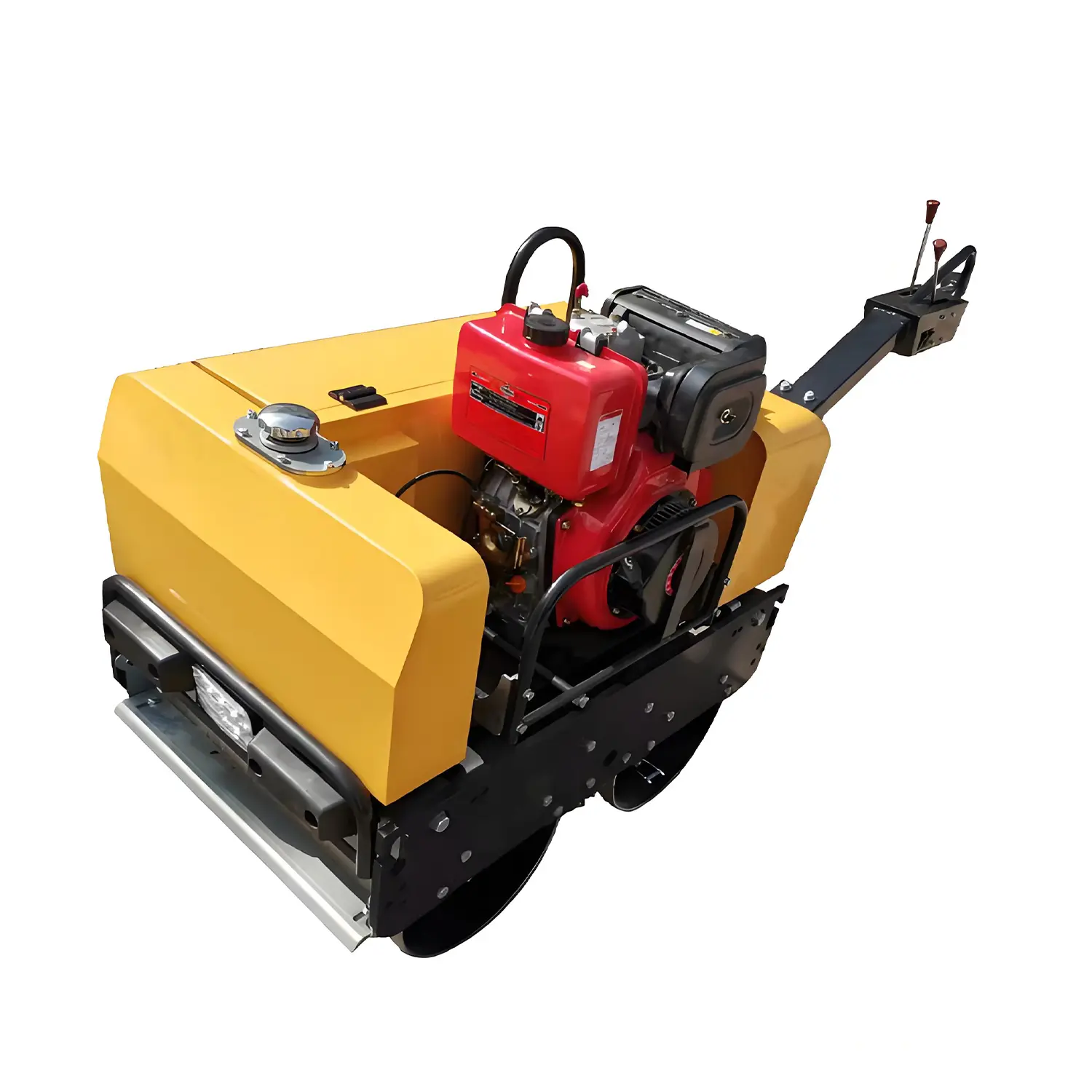 Vibratory roller