How to Choose the Best Vibration Compactor for Your Needs?
Choosing the right Vibration Compactor is crucial for construction and landscaping projects. According to the International Journal of Engineering Research, improper compaction can lead to soil instability, costing businesses thousands in repairs. A Vibration Compactor ensures soil is compressed uniformly, increasing strength and durability.
When considering a Vibration Compactor, it’s essential to assess the specific needs of your project. For example, different models offer varying levels of frequency and amplitude. Many industry experts suggest that matching the compactor to the soil type is key. A well-suited machine can enhance operational efficiency significantly.
However, many users overlook factors such as weight and size. Heavy models may perform better, but they can be cumbersome on smaller sites. Balancing power and maneuverability is often a challenge. It’s vital to reflect on these aspects and gather input from experienced operators to make an informed choice.
Understanding the Basics of Vibration Compactors and Their Uses
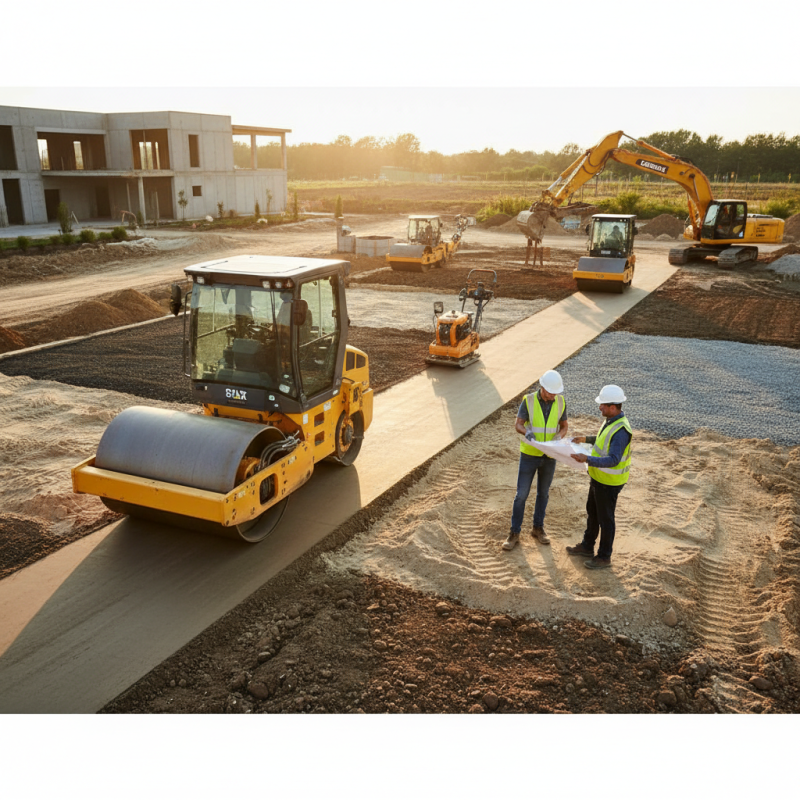
Vibration compactors are essential tools in construction and civil engineering. They help create stable foundations for roads, buildings, and other structures. Understanding how these machines work is crucial for selecting the right one for your project.
The basic principle involves the transfer of vibrational energy to the ground. This compresses soil and aggregates effectively. According to a 2021 industry report, proper compaction can reduce settlement by 50% in certain soil types. Compacting granular materials, like sand, results in increased density and stability. The frequency and amplitude of vibrations play vital roles in how well the material compresses.
When assessing your needs, consider factors like soil type and moisture content. A study by the American Society of Civil Engineers emphasized that different soil types require different compaction techniques. Clay soils, for example, may need slower vibrations to avoid removal of moisture. Choosing the right compactor means understanding these dynamics. Skipping this vital step can lead to structural issues down the line. Thus, knowing the basic uses of vibration compactors can directly impact the success of your construction project.
Identifying Your Project Requirements and Site Conditions
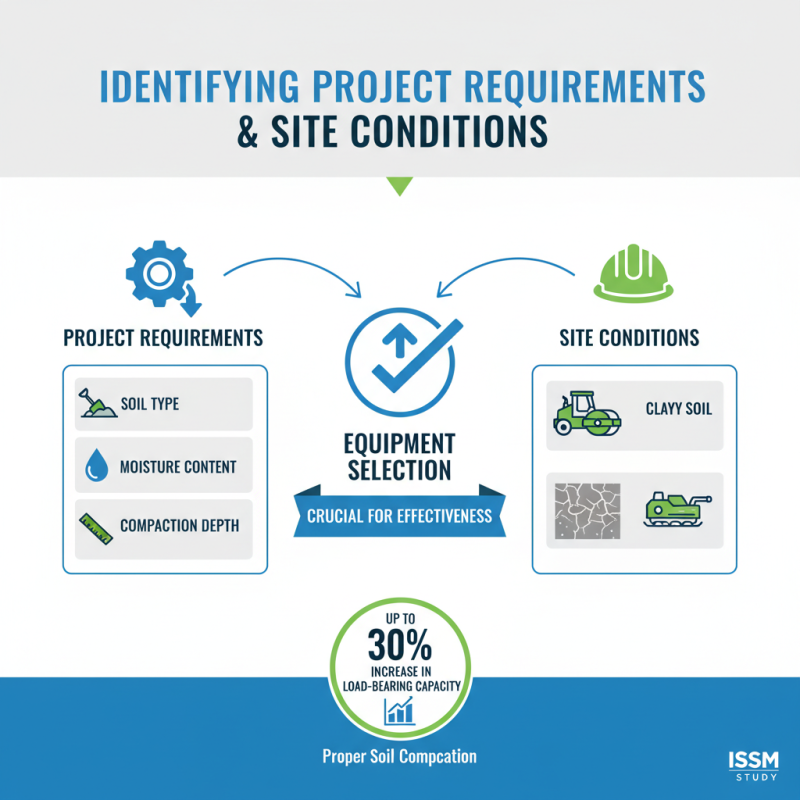
When selecting a vibration compactor, understanding your project requirements and site conditions is crucial. Factors like soil type, moisture content, and compaction depth directly impact the effectiveness of your selected equipment. For instance, clay requires a different approach than sandy soil. A study by the International Society for Soil Mechanics indicates that proper soil compaction increases load-bearing capacity by up to 30%. This underscores the importance of matching equipment with the project's needs.
Site conditions can greatly influence machine performance. If your site has tight spaces or uneven terrain, a smaller, portable compactor might be more suitable. Conversely, if you're working on a large area with stable conditions, a heavy-duty machine may provide optimal results. According to industry research, compactors with adjustable frequency settings can enhance performance in varying site conditions, providing flexibility not often recognized by users.
It's essential to review not only your immediate requirements but also potential long-term implications. Equipment misuse can lead to inadequate compaction, risking project integrity. Compaction-related failures can cost projects 15% more than planned. Therefore, careful assessment of site specifics and maintenance considerations will save time and resources. In a field where precision is key, overlooking these aspects can lead to inefficiency and project delays.
Evaluating Different Types of Vibration Compactors Available
When choosing a vibration compactor, several types are available, each designed for specific tasks.
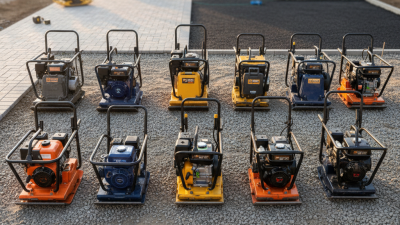
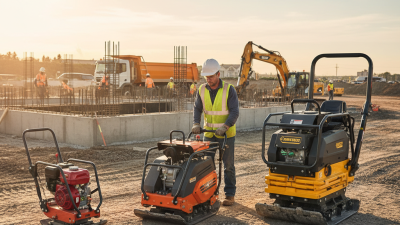
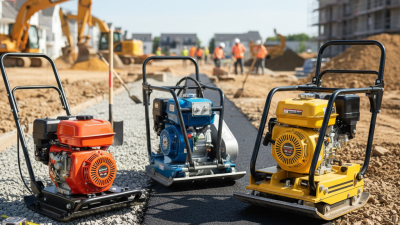
Plate compactors are among the most common. They are effective for compacting small to medium-sized areas. Their flat base provides even pressure, making them ideal for asphalt and gravel.
However, they may struggle with very dense soils.
Jumping jack compactors, on the other hand, excel in tight spaces. They are lighter and provide a more powerful impact. This makes them suitable for trench work and backfilled areas. Still, one should note that
their smaller design can limit stability on larger surfaces. It's essential to analyze the project requirements before making a choice.
Walk-behind rollers are another option. They offer a wider coverage and are excellent for larger areas. Their design allows for better coverage, but they can be cumbersome in confined spots.
Evaluating the soil type and project scale can help in making a more informed decision. Misjudging the type needed can lead to subpar results.
Consider consulting with a knowledgeable expert for guidance.
Key Features to Consider When Choosing a Compactor
Choosing the right vibration compactor involves several key features. First, consider the weight and size. A heavier unit offers deeper compaction for dense materials. However, it may be harder to maneuver. Size dictates the areas you can work in. Smaller units fit into tighter spaces, while larger ones cover more ground.
Next, look at the compaction force. This is vital for effective soil density. A higher force is better for tough soils. Conversely, softer soils require less power. Vibration frequency also plays a role. A higher frequency can lead to faster compaction.
Don’t overlook ease of use. Check for features like adjustable handles and user-friendly controls. These aspects affect operator comfort and efficiency. Maintenance requirements are also important. Some models need more frequent servicing. This can impact long-term reliability and performance.
Choosing the Best Vibration Compactor: Key Features Comparison
This bar chart compares key features of three different vibration compactors, highlighting their weight, vibration frequency, amplitude, power, and noise levels.
Budgeting and Cost Considerations for Vibration Compactors
When considering the budget for a vibration compactor, multiple factors come into play. First, the initial cost of the equipment is paramount. Basic models can start as low as $1,500, while advanced versions may cost over $5,000. This range is significant, particularly for small contractors needing reliability without overspending. Additionally, ongoing maintenance costs should not be overlooked. According to the International Association of Equipment Managers, annual maintenance can reach up to 15% of the initial cost for heavy machinery.
Another essential aspect is the project scope. A medium-sized job might require only a portable model, while larger projects could demand higher-capacity machines. The choice impacts both rental costs and the investment in ownership. The construction industry faces a tightening budget, with a report from BuildZoom indicating that labor costs have risen by over 10% in the past year. This inflation stresses the need for contractors to allocate funds wisely.
Furthermore, while choosing based on price may seem wise, performance and efficiency should also be prioritized. A cheaper model might save money upfront but could lead to higher operational costs later. It's vital to assess not just the purchase price but also the overall value. The right compactor can enhance productivity, ultimately impacting your bottom line.
How to Choose the Best Vibration Compactor for Your Needs?
| Type of Vibration Compactor |
Weight (lbs) |
Plate Size (inches) |
Compaction Depth (inches) |
Price Range ($) |
| Walk-Behind Compactor |
100 |
24 |
12 |
1,500 - 2,500 |
| Jumping Jack Compactor |
90 |
12 |
8 |
2,000 - 3,000 |
| Plate Compactor |
150 |
30 |
14 |
2,500 - 4,000 |
| Ride-On Compactor |
300 |
42 |
18 |
8,000 - 12,000 |
| Electric Compactor |
130 |
25 |
10 |
3,000 - 5,000 |

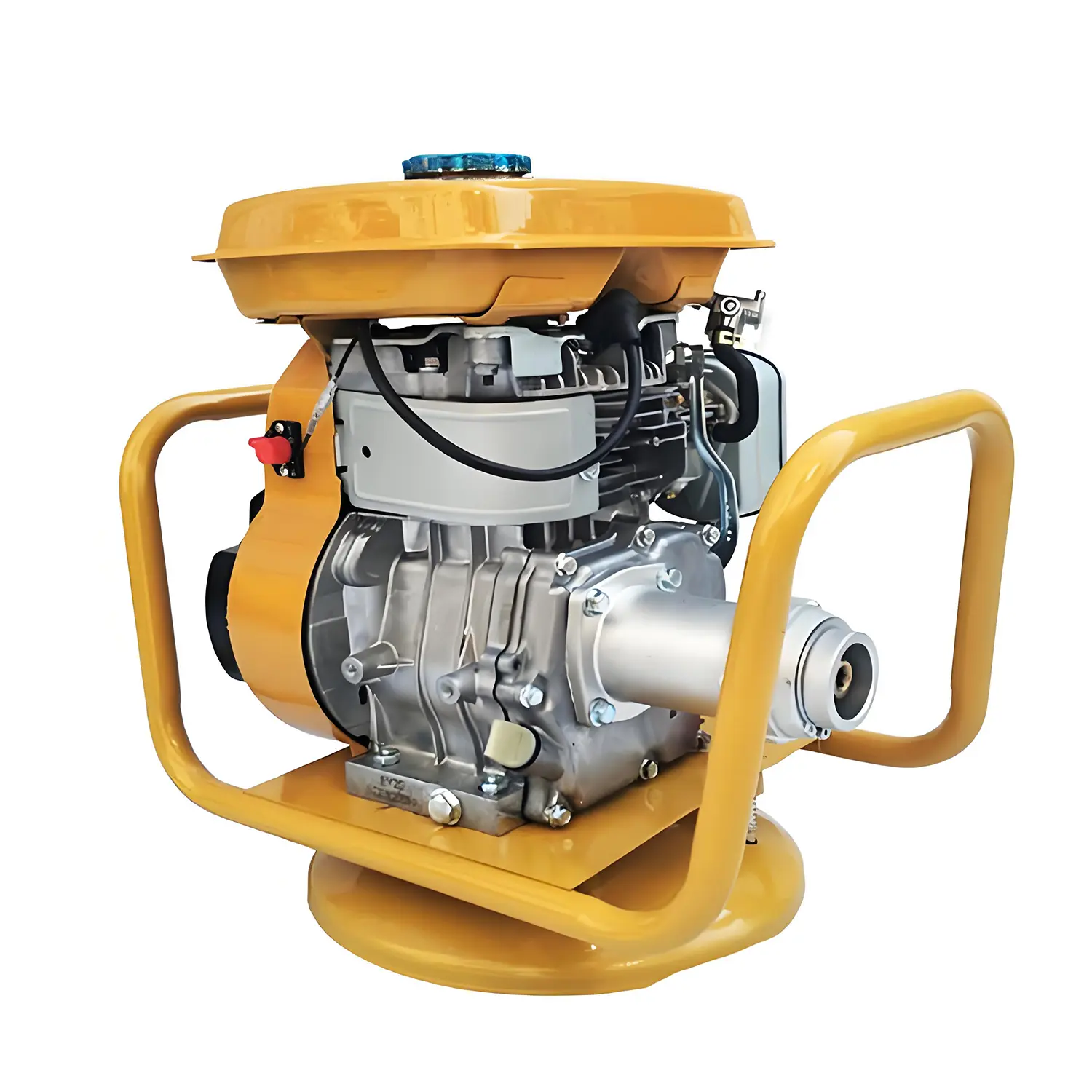 Internal Vibrator
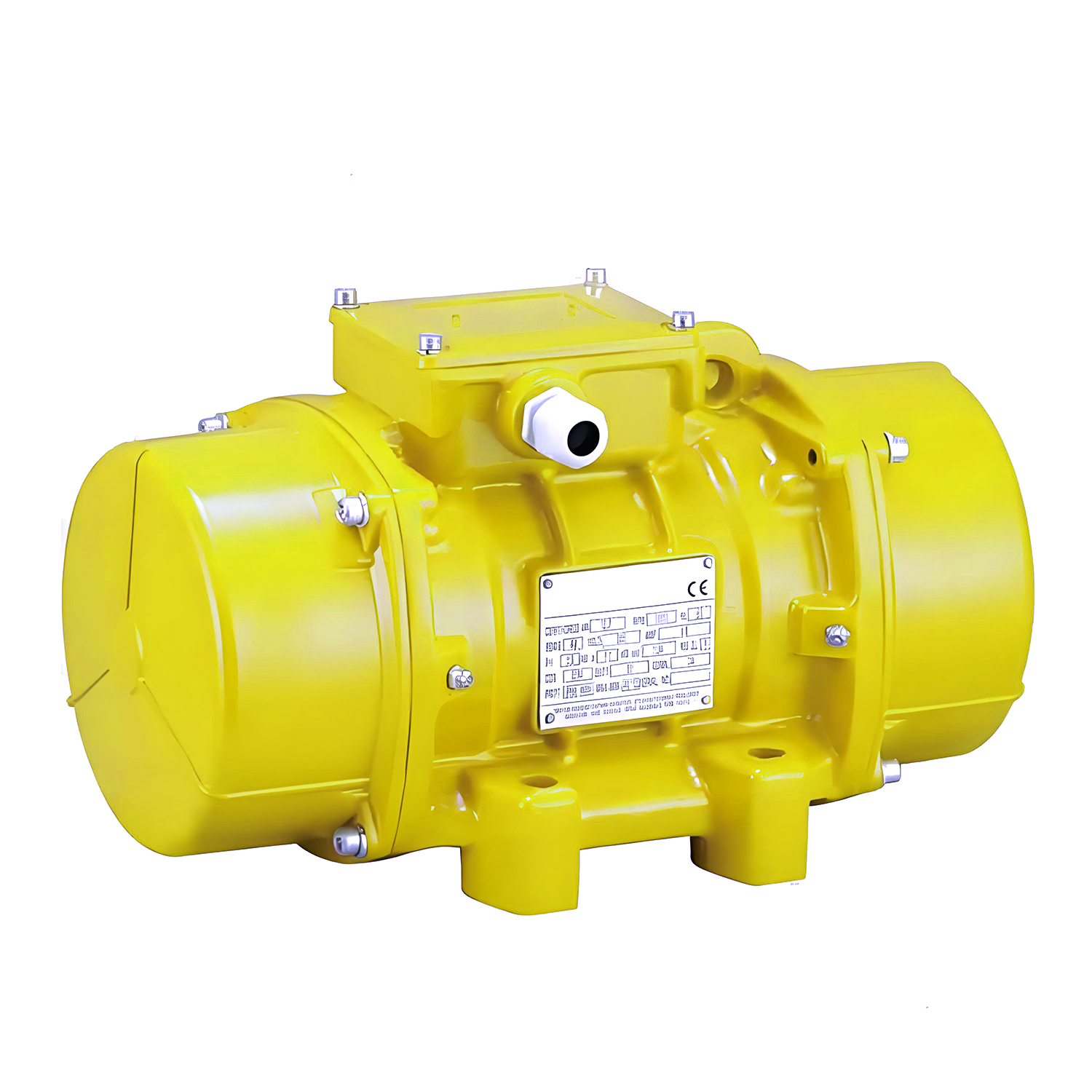 External Vibrator
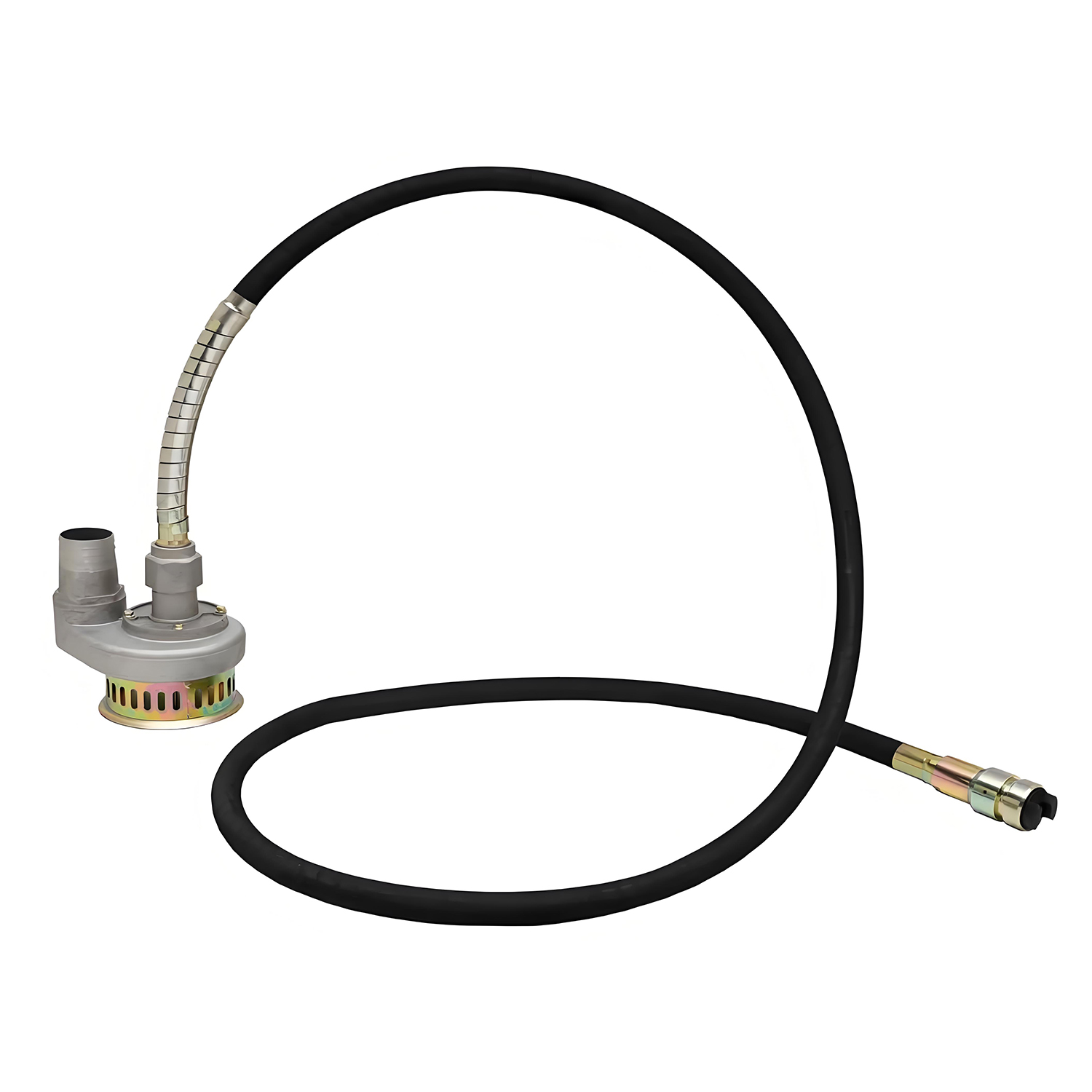 Submersible Pump
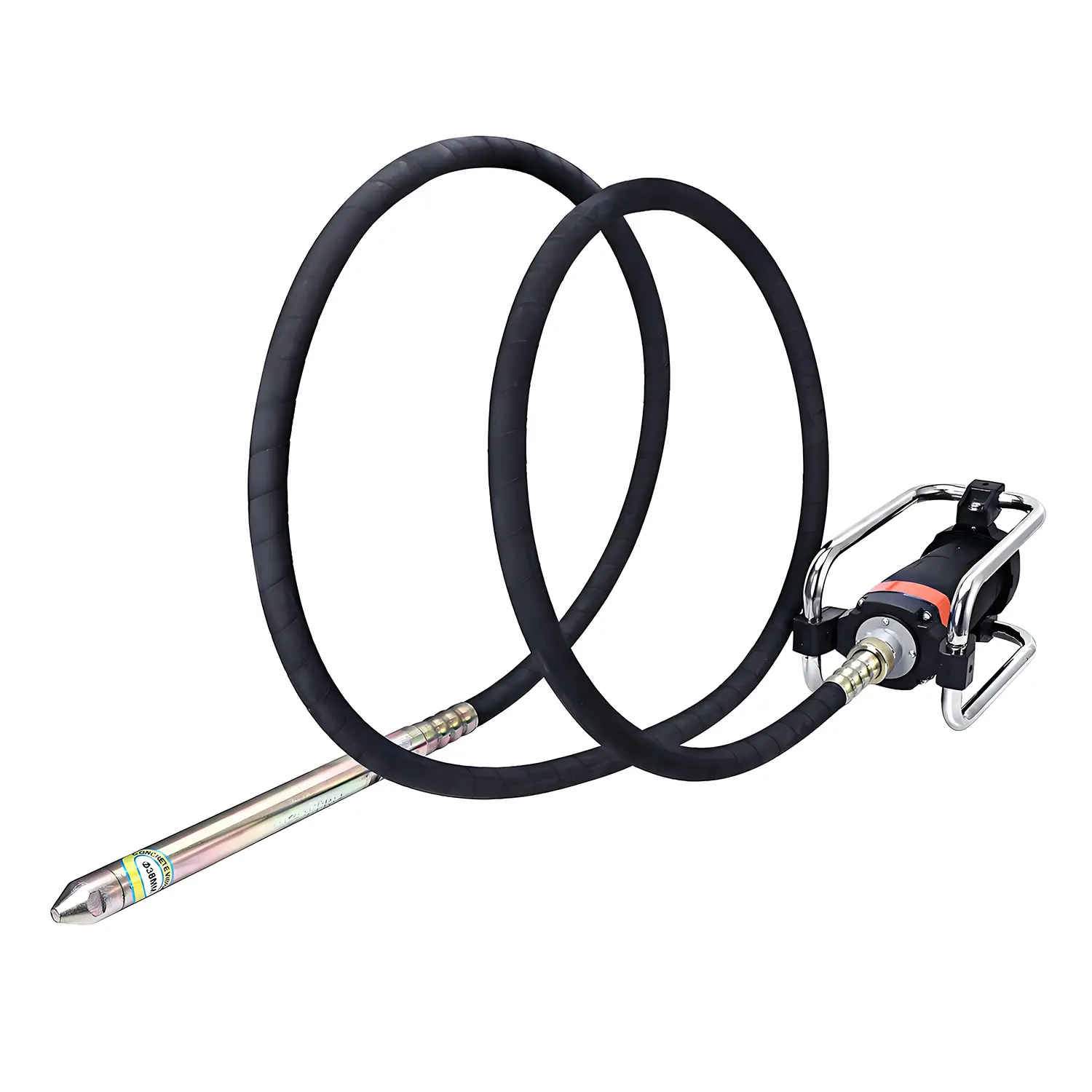 Eccentric shaft
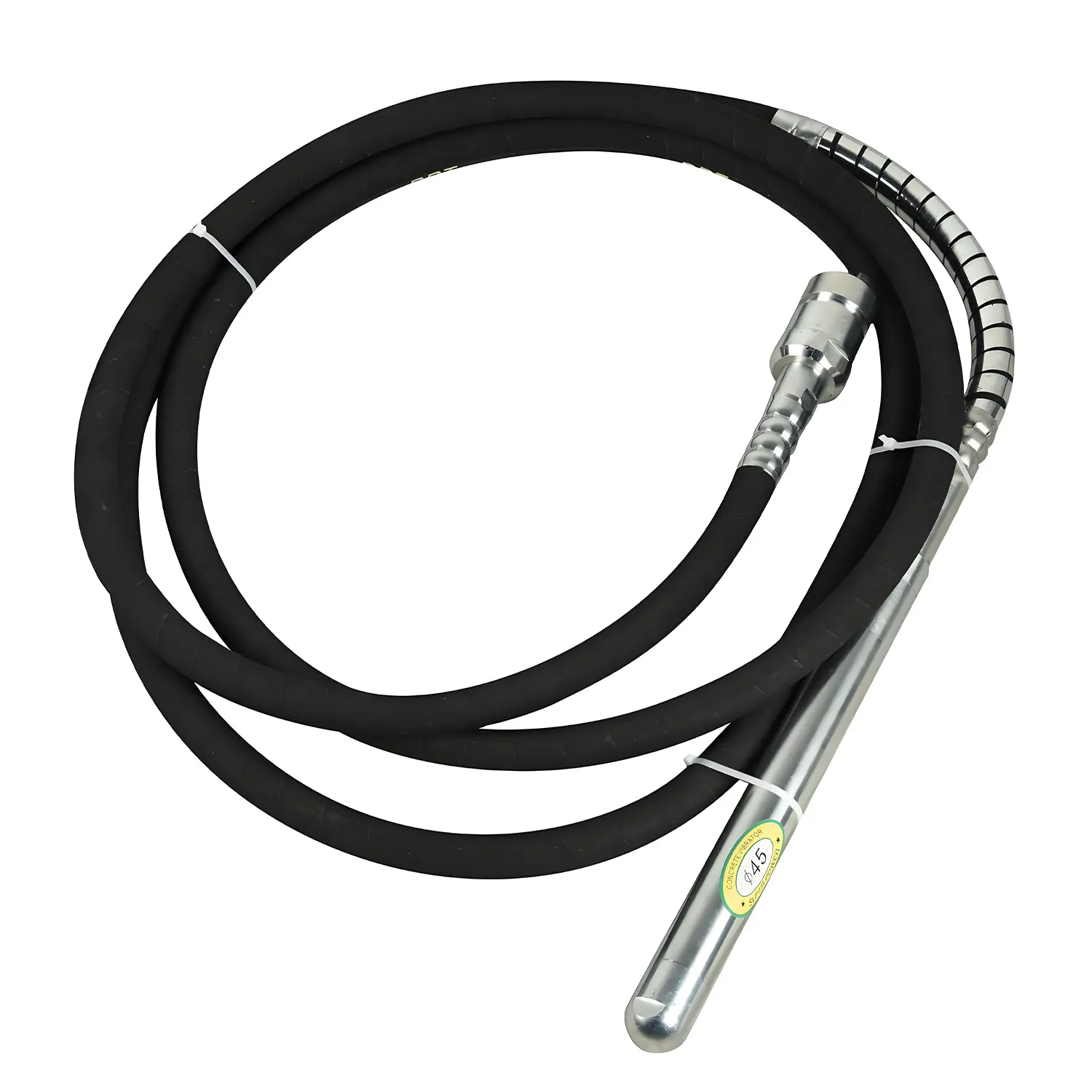 Pendulum shaft
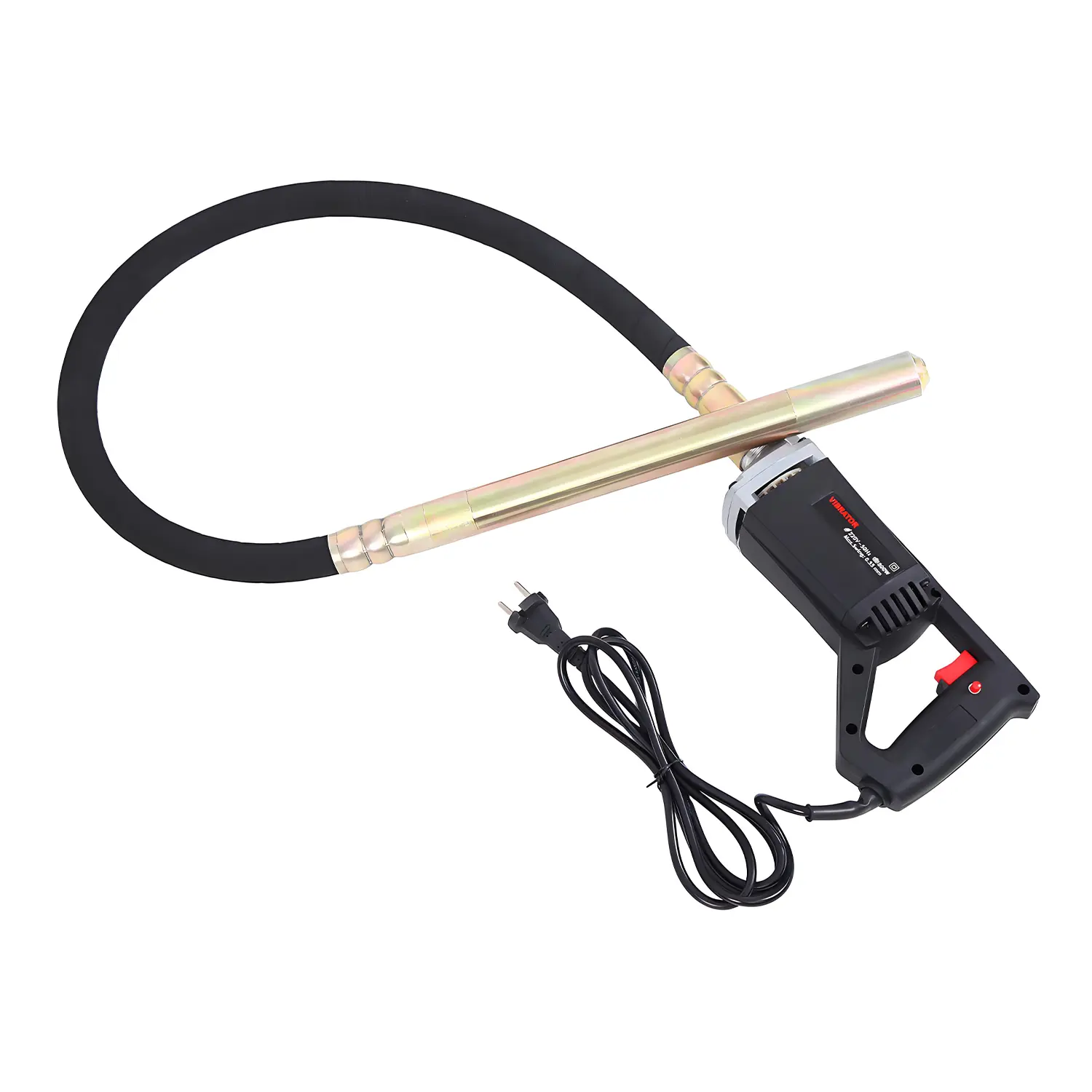 Portable vbrator shaft
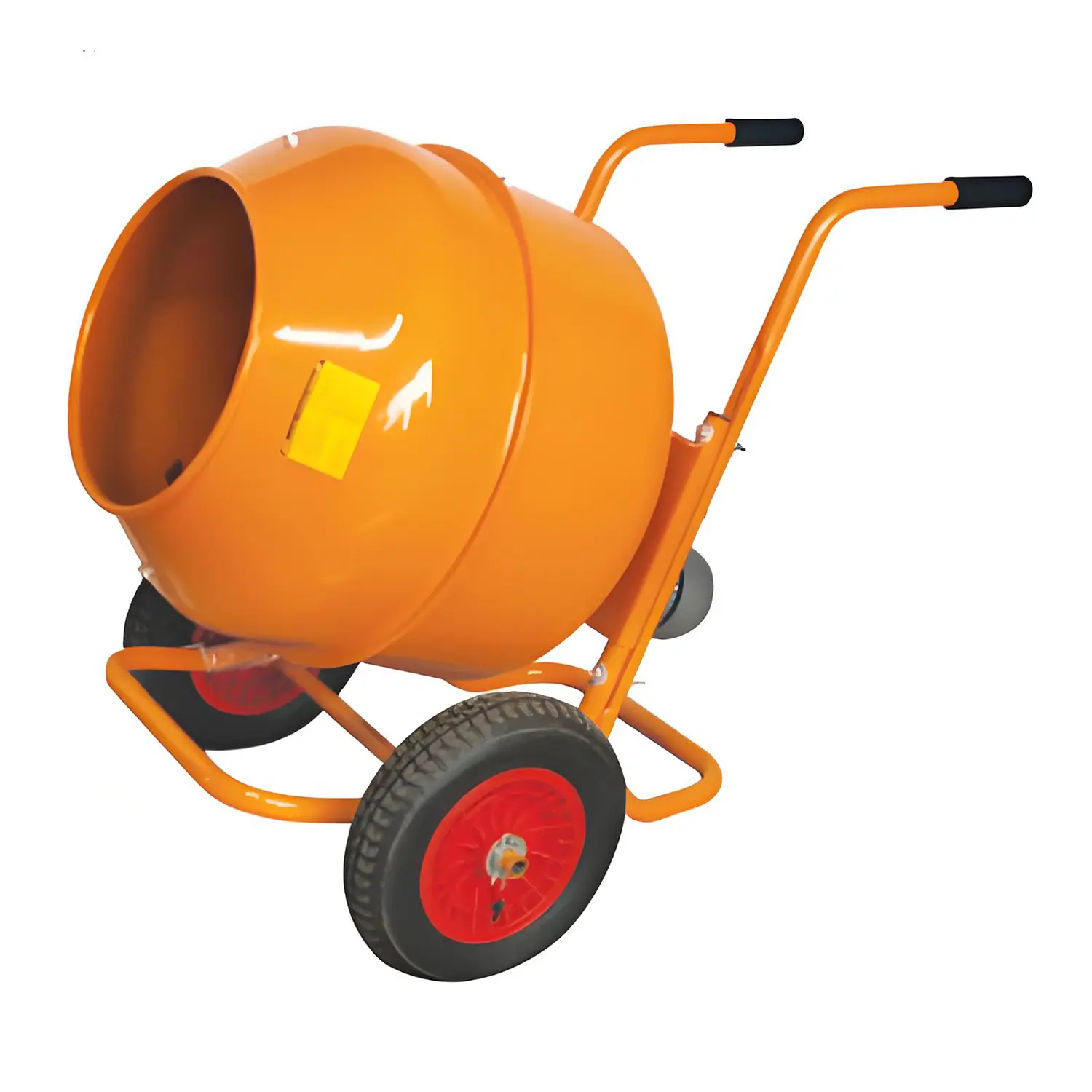 Portable concrete mixer
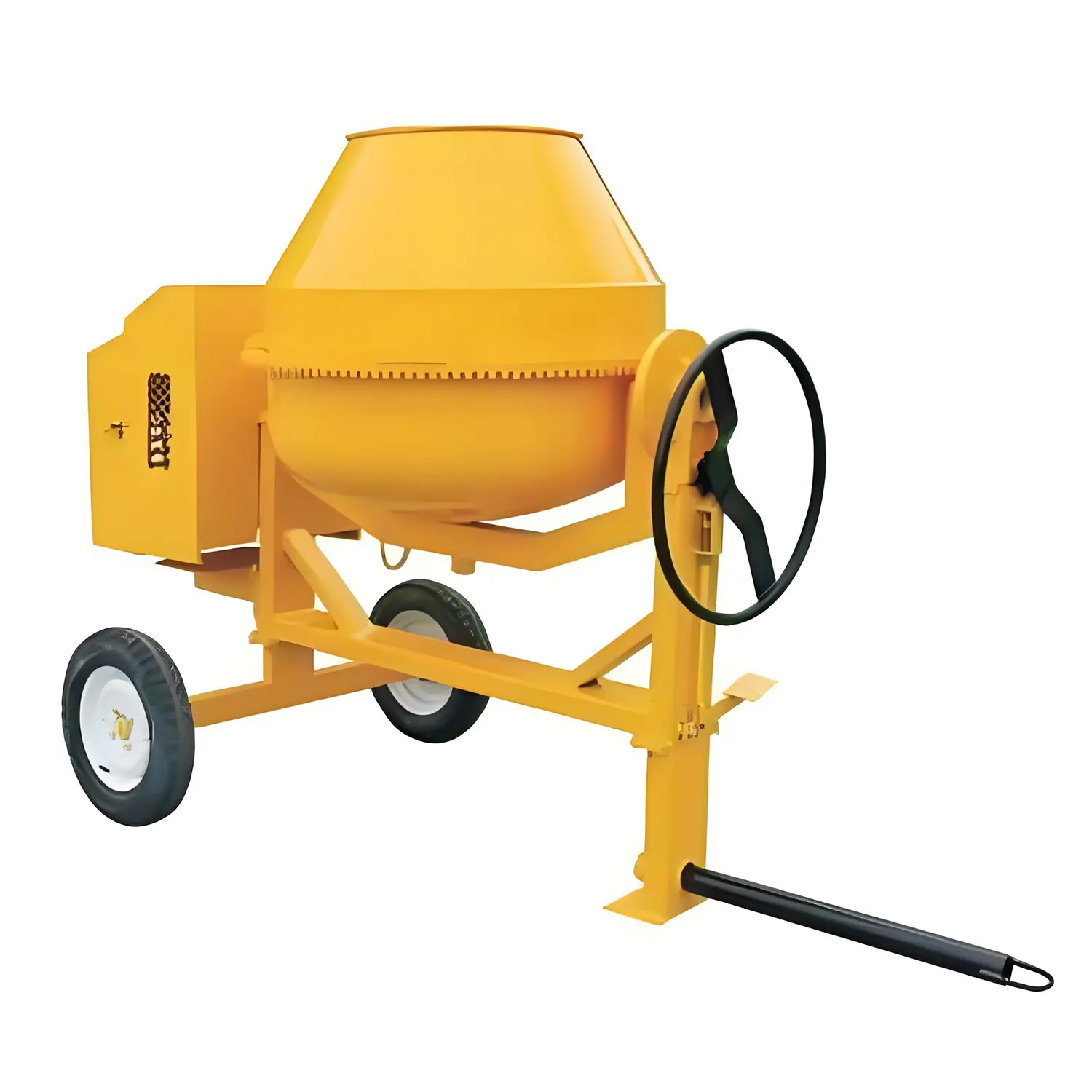 Vertical concrete mixer
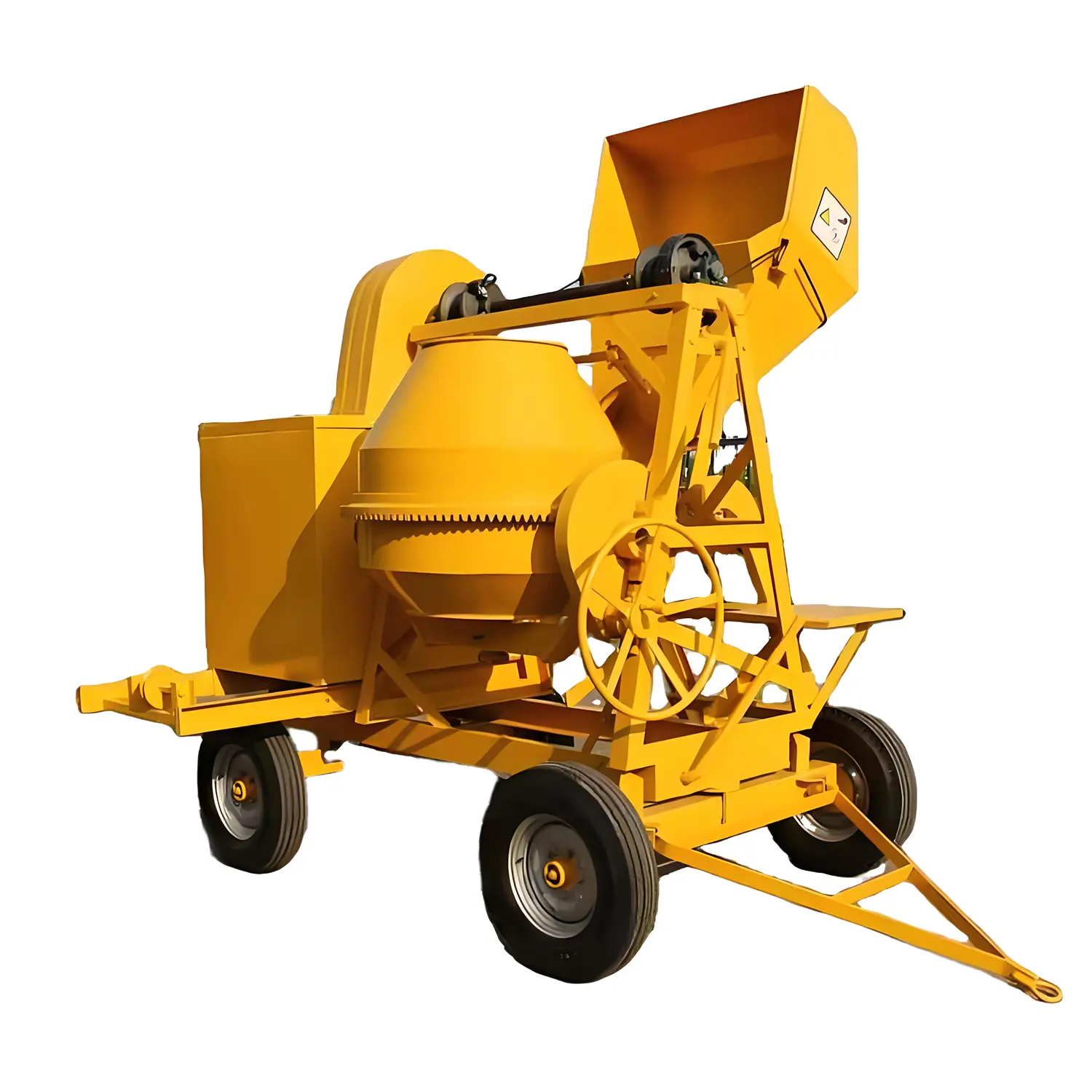 Hydraulic concrete mixer
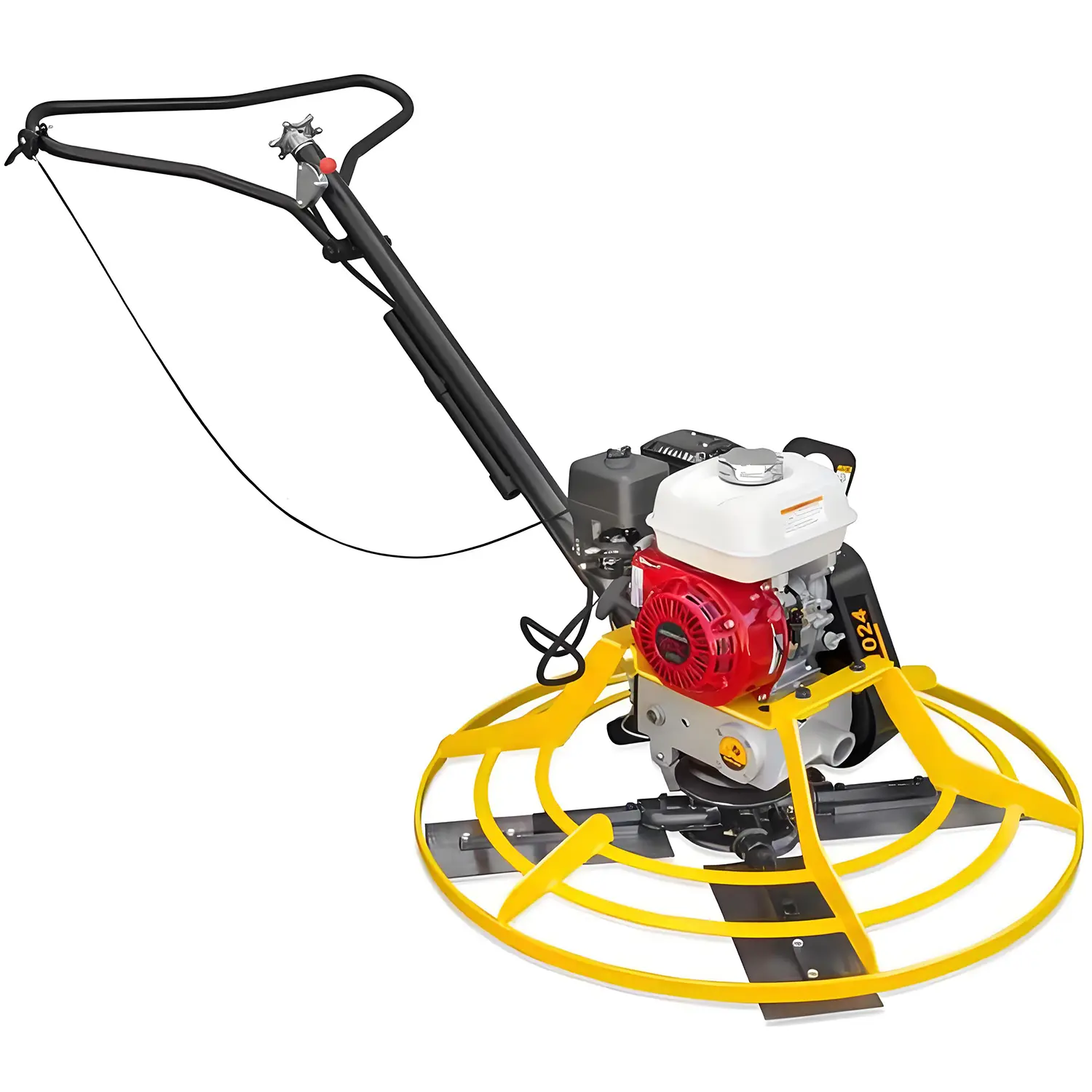 Walk behind power trowel
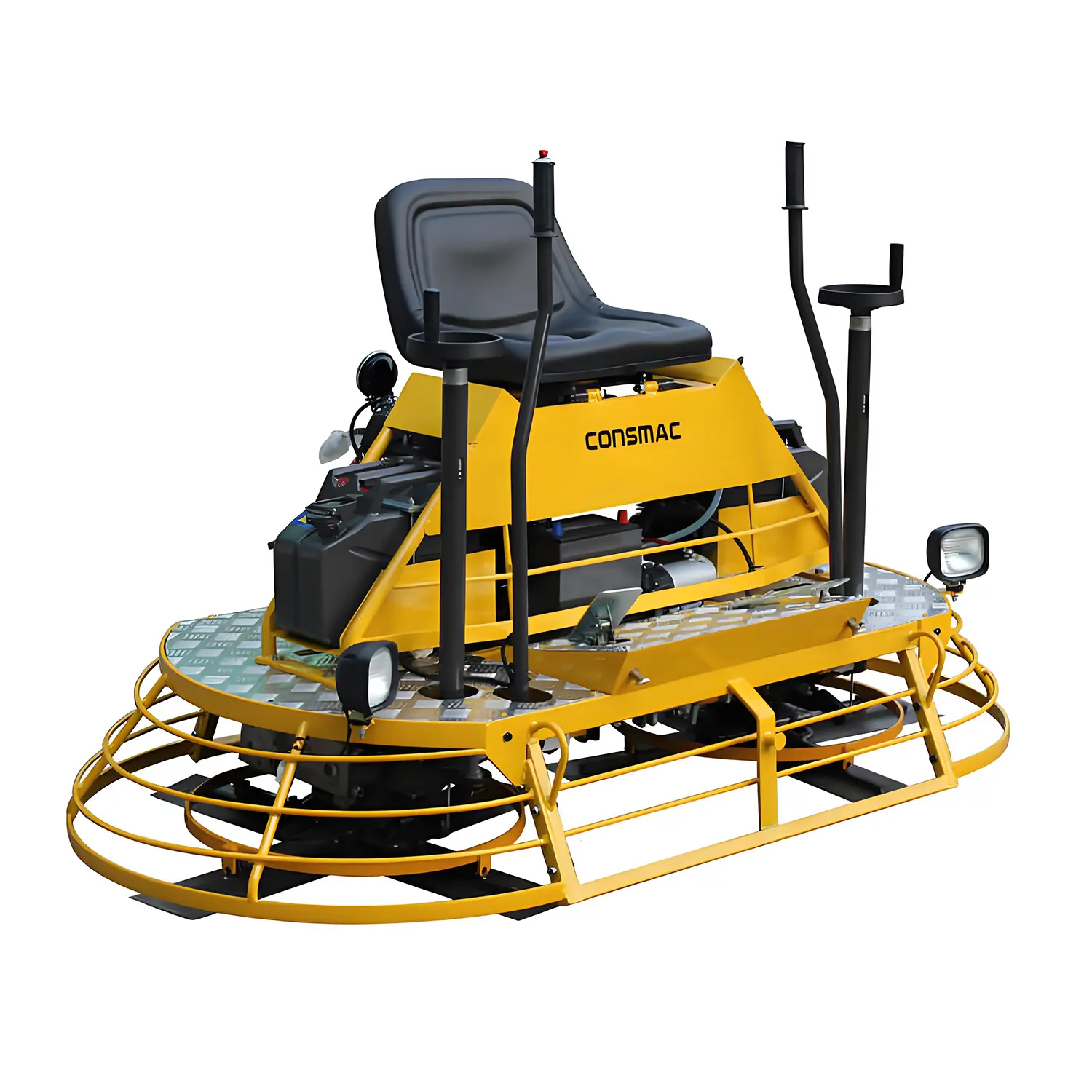 Ride on power trowel
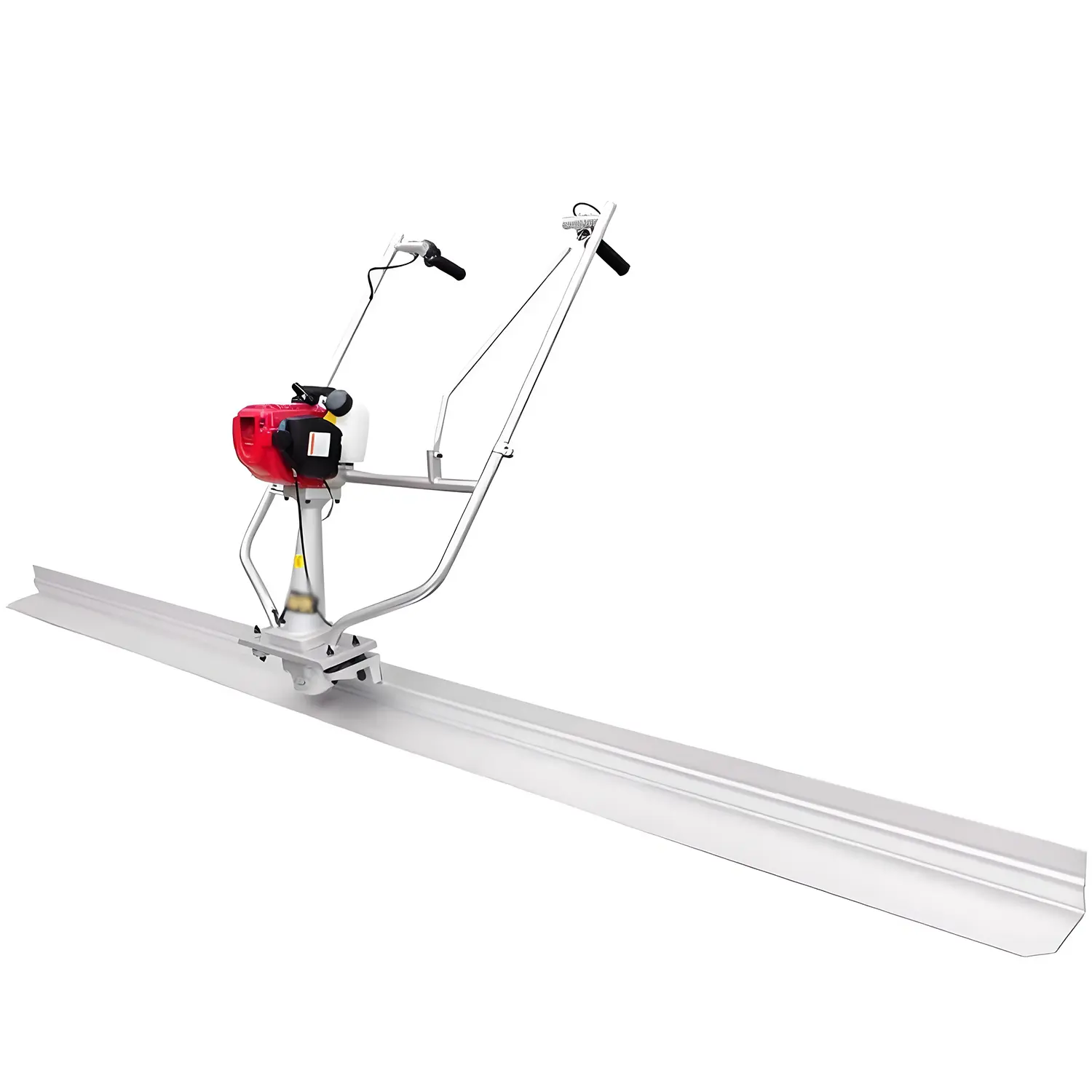 Concrete screed
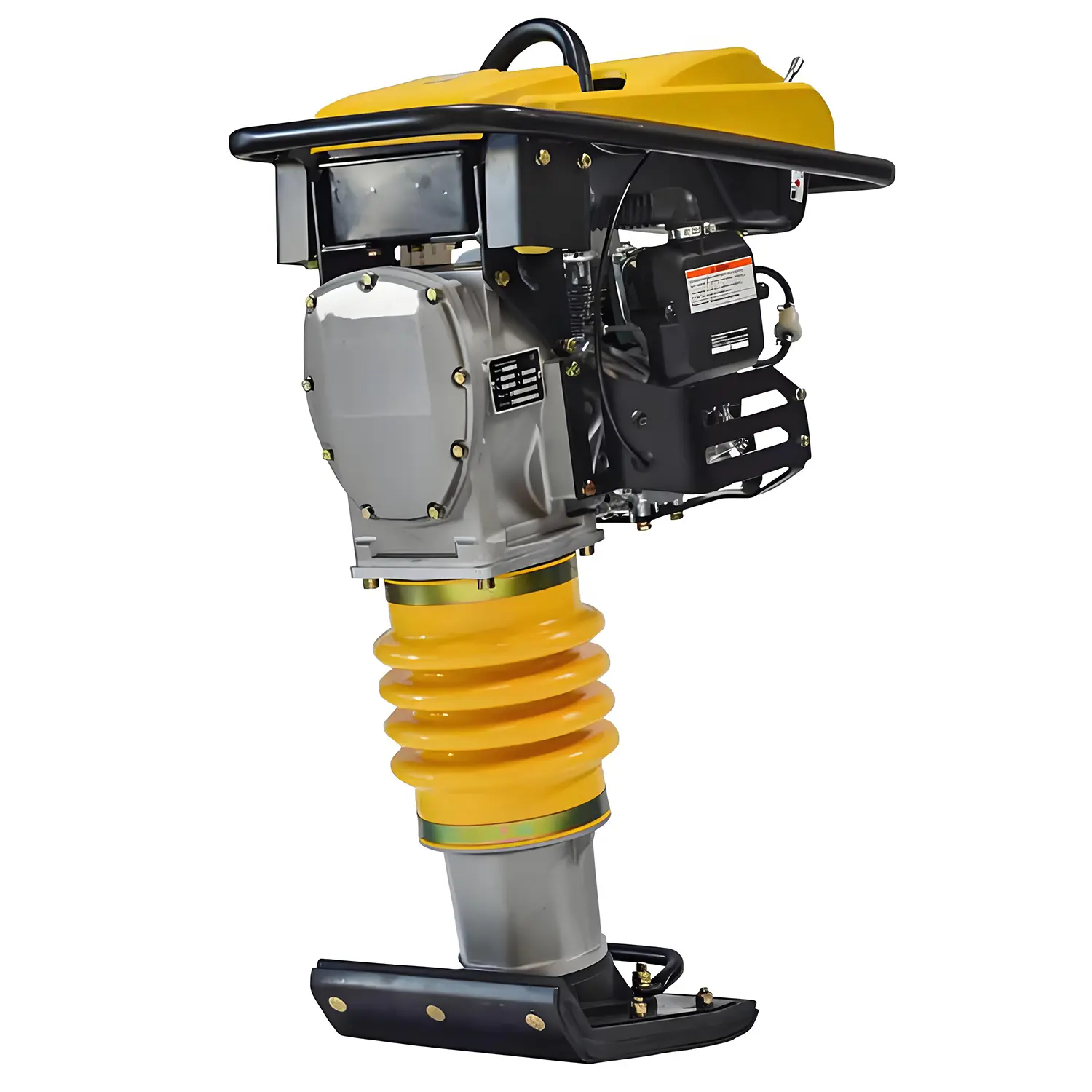 Tamping rammer
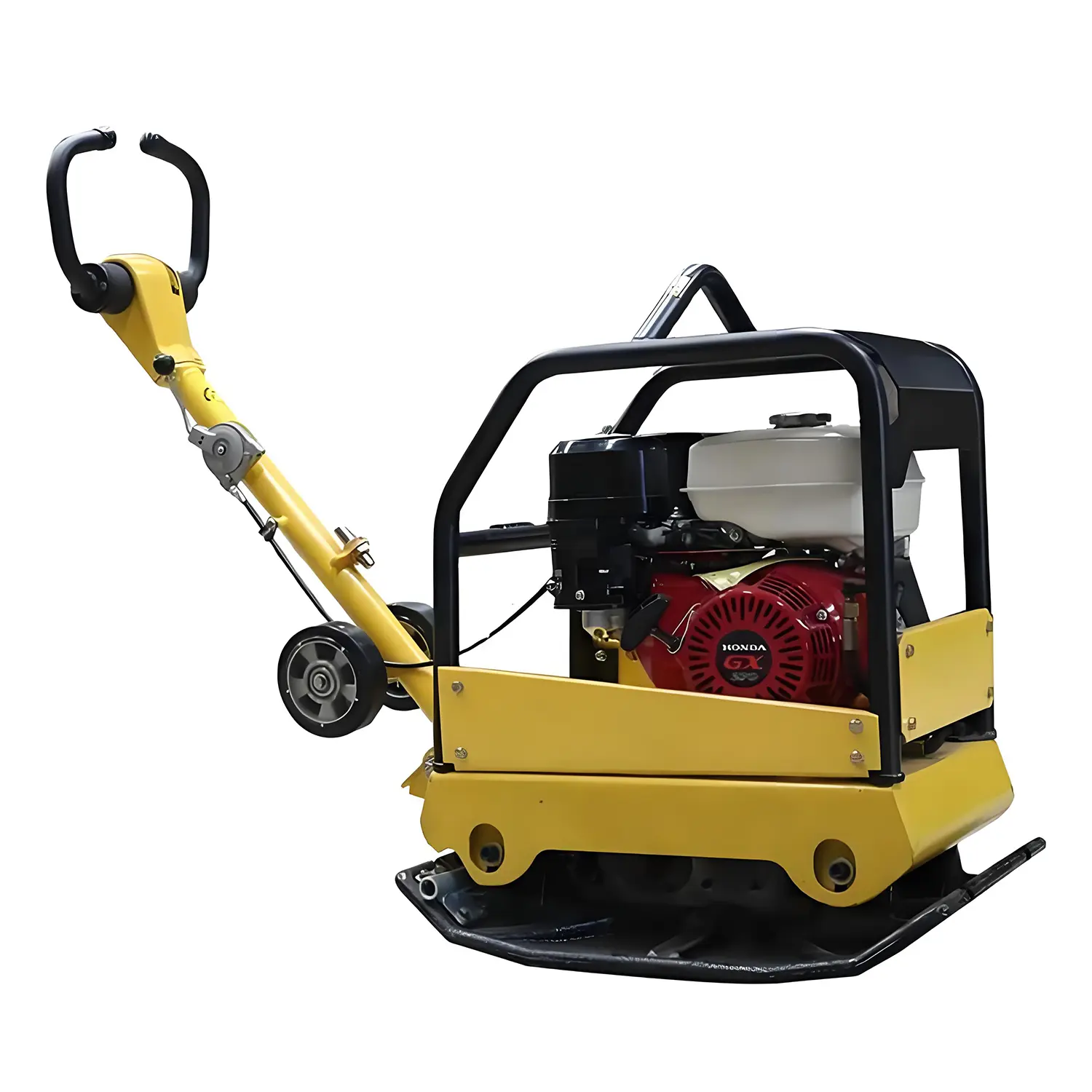 Plate compactor
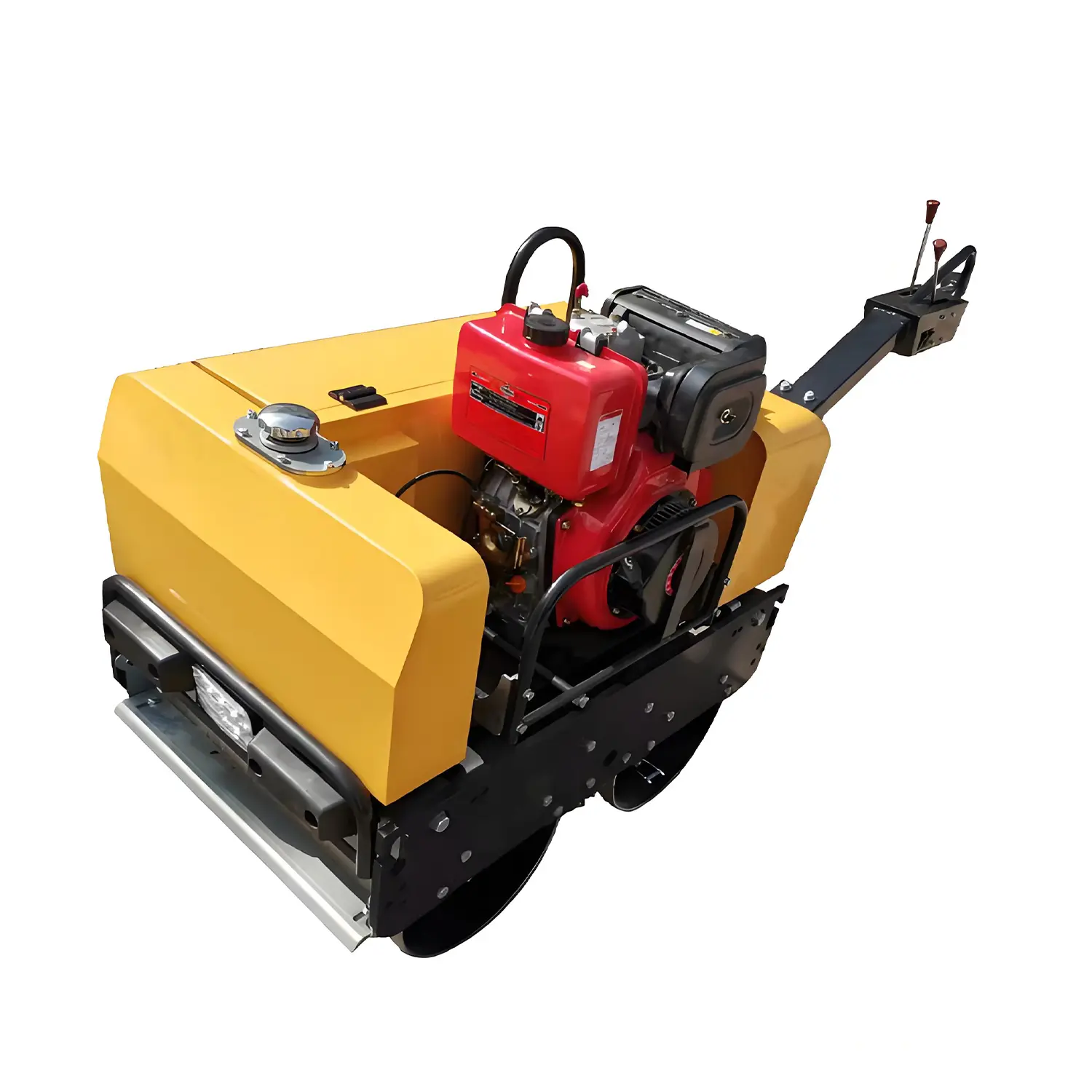 Vibratory roller