How to Choose the Best Concrete Mixer for Your Project?
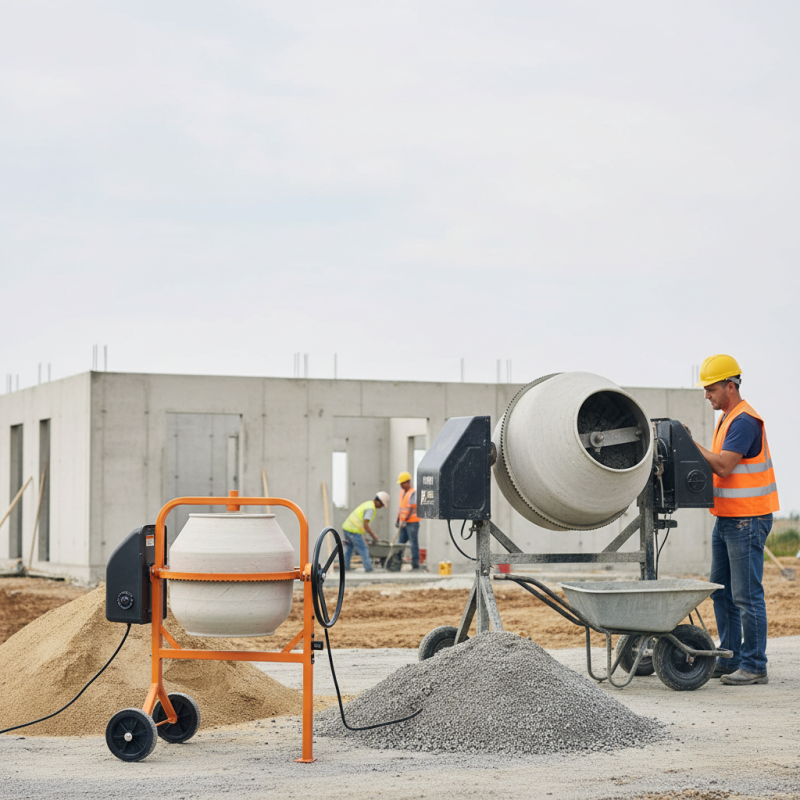
Choosing the right Concrete Mixer for your project is crucial. A good mixer can elevate your work quality and efficiency. There are various types available, and understanding your specific needs is key.
Consider the size of your project. Smaller jobs may require a portable mixer, while larger tasks benefit from a robust, stationary option. Each type has its strengths and weaknesses. It's important to reflect on your previous experiences with mixers to identify preferences.
Moreover, pay attention to features. Some mixers offer faster mixing times. Others can handle larger batches. Researching different models can provide insights into what will work best. However, remember that no mixer is perfect. Assessing your project needs will guide your decision toward the ideal Concrete Mixer.
Factors to Consider When Selecting a Concrete Mixer for Your Needs
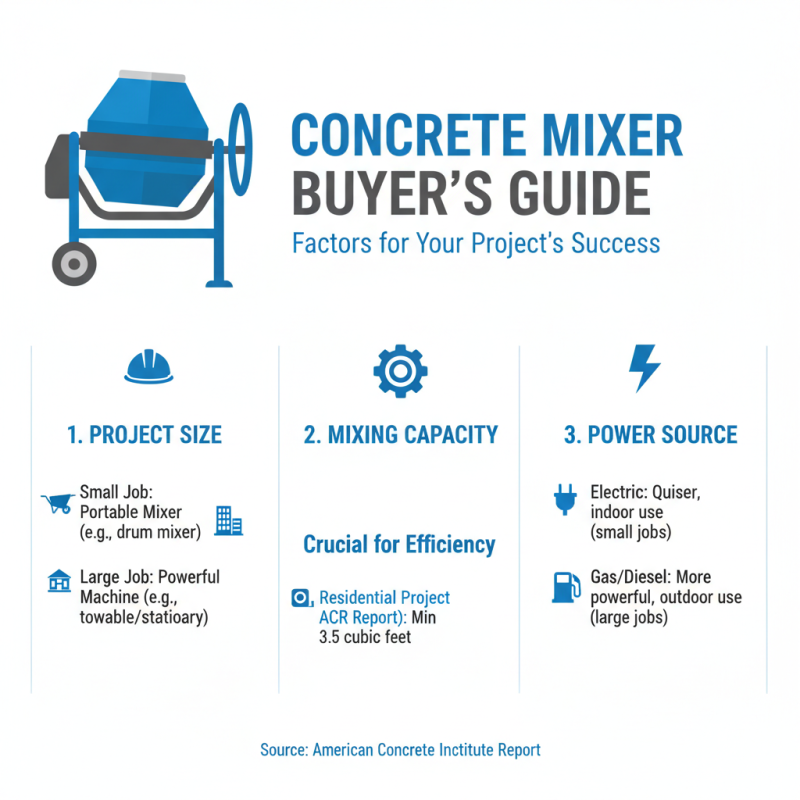
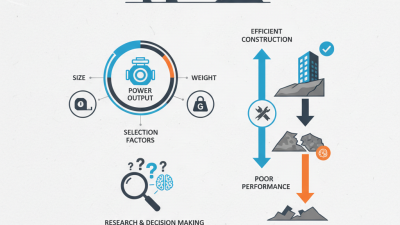
Choosing the right concrete mixer is essential for project success. Several factors determine the best option. Consider the project size first. A small job may only need a portable mixer, while larger tasks require a more powerful machine. According to a report by the American Concrete Institute, mixing capacity is crucial. A typical residential project may require a mixer with a capacity of at least 3.5 cubic feet.
Next, think about the type of concrete you'll use. For example, different mixes have varied workability. Heavier mixes can necessitate stronger motors and larger drums. The engine power is also important. A machine with insufficient power could lead to inconsistent mixes. A study by the International Journal of Concrete Research noted that mixing quality directly impacts the strength of the final product.
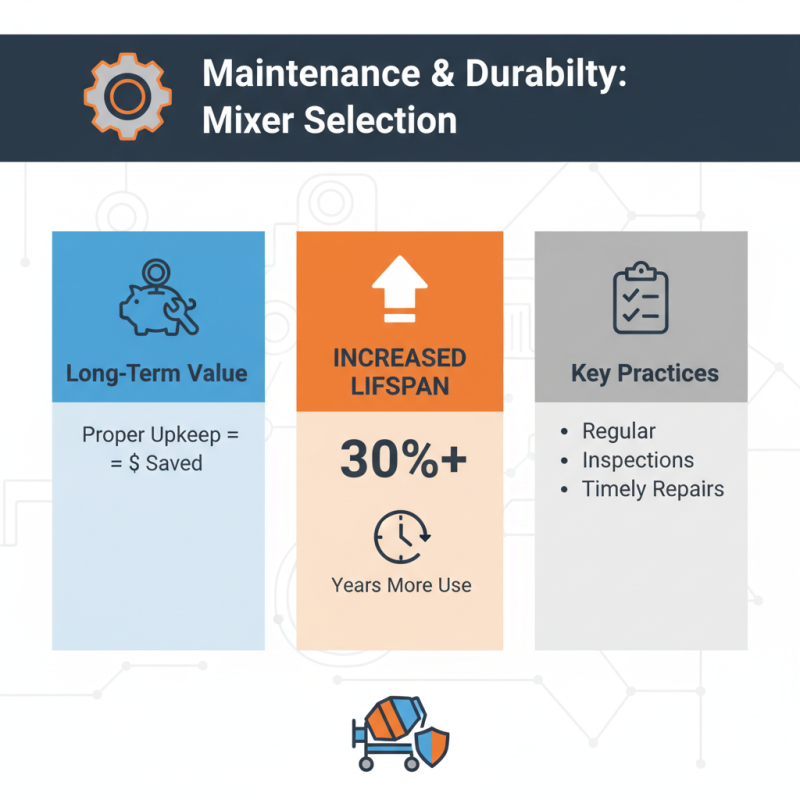
Another aspect is ease of use and maintenance. If you find a machine hard to operate, efficiency drops. Regular maintenance can become a hassle if the design is complex. Investing in user-friendly models can save time and enhance productivity. Furthermore, consider weight and portability if you need to transport the mixer frequently. The right balance of features will ensure your project runs smoothly.
Types of Concrete Mixers: Batch vs. Continuous for Project Efficiency
When selecting a concrete mixer, understanding the types available is essential. Batch mixers and continuous mixers serve different project needs. Batch mixers mix concrete in discrete batches. This method allows for precise mixing. It is ideal for smaller projects or diverse mix requirements. Each batch can be adjusted with exact proportions.
On the other hand, continuous mixers operate non-stop. They are designed for larger projects that demand a steady supply of concrete. This type can be more efficient for productions needing high volumes. However, it might compromise flexibility. Once set, adjusting the mix becomes challenging. Your project's size and mixing requirements will determine your best choice.
Consider the scale of your project. A batch mixer is suitable for smaller, varied tasks. If you need a consistent output for a large project, a continuous mixer may be better. Each option has pros and cons. Take time to evaluate your specific needs before making a decision. The right mixer can significantly influence project efficiency and overall success.
Assessing Mixer Capacity: How Volume Affects Project Output and Quality
When selecting a concrete mixer, understanding mixer capacity is crucial. The volume of concrete needed directly influences the project's efficiency and quality. A small capacity mixer may struggle to meet demands for larger jobs. Conversely, an oversized mixer can lead to wasted materials. Finding a balance is essential.
A common mistake is neglecting the output rate. For instance, a bigger mixer might seem advantageous, but it can slow down operations if not suitable for the task. Also, larger mixers often require more skills to operate effectively. Assessing your project size and timeline helps determine the right mixer capacity.
Quality control also hinges on the mixer size. A well-mixed batch needs proper volume and time to blend. Smaller mix batches allow for better consistency but may prolong the overall process. It’s vital to reflect on whether to prioritize speed or quality in your project’s context. Getting this choice wrong can lead to subpar results.
How to Choose the Best Concrete Mixer for Your Project? - Assessing Mixer Capacity: How Volume Affects Project Output and Quality
| Mixer Type |
Capacity (Cubic Feet) |
Recommended Output (Cubic Yards/hour) |
Ideal for Project Types |
Quality of Mixture |
| Portable Mixer |
2 |
3-5 |
Small renovation projects, DIY |
Good |
| Towable Mixer |
6 |
8-12 |
Medium construction jobs, Site projects |
Very Good |
| Stationary Mixer |
10 |
15-20 |
Large construction projects, Pavements |
Excellent |
| Drum Mixer |
8 |
10-15 |
Road construction, Precast concrete |
Very Good |
Evaluating Mixer Features: Importance of Portability and Power Options
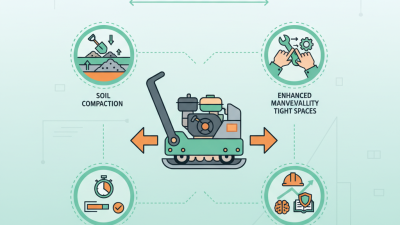
When selecting a concrete mixer, understanding portability and power options is crucial. A mixer that is easy to transport can save time and labor costs. Look for models with wheels and lightweight frames. A compact design can also fit into tighter spaces, which is often necessary on construction sites. If you expect to move the mixer frequently, prioritize its size and weight.
Power options play a significant role in a mixer’s performance. Electric mixers are quiet and suitable for indoor work. However, they might struggle with large batches. Gas-powered mixers offer more power for bigger jobs but require more maintenance. Assess the scale of your projects to determine whether you need a more powerful engine or can work with a lighter-duty mixer.
Thinking through these factors is essential, yet it can also be overwhelming. Many users forget to consider the local environment. Wet conditions may require different features compared to dry areas. This can lead to miscalculations in performance needs. Balance practicality with performance demands, and it's okay to rethink your initial choices as new information comes to light.
Concrete Mixer Features Evaluation

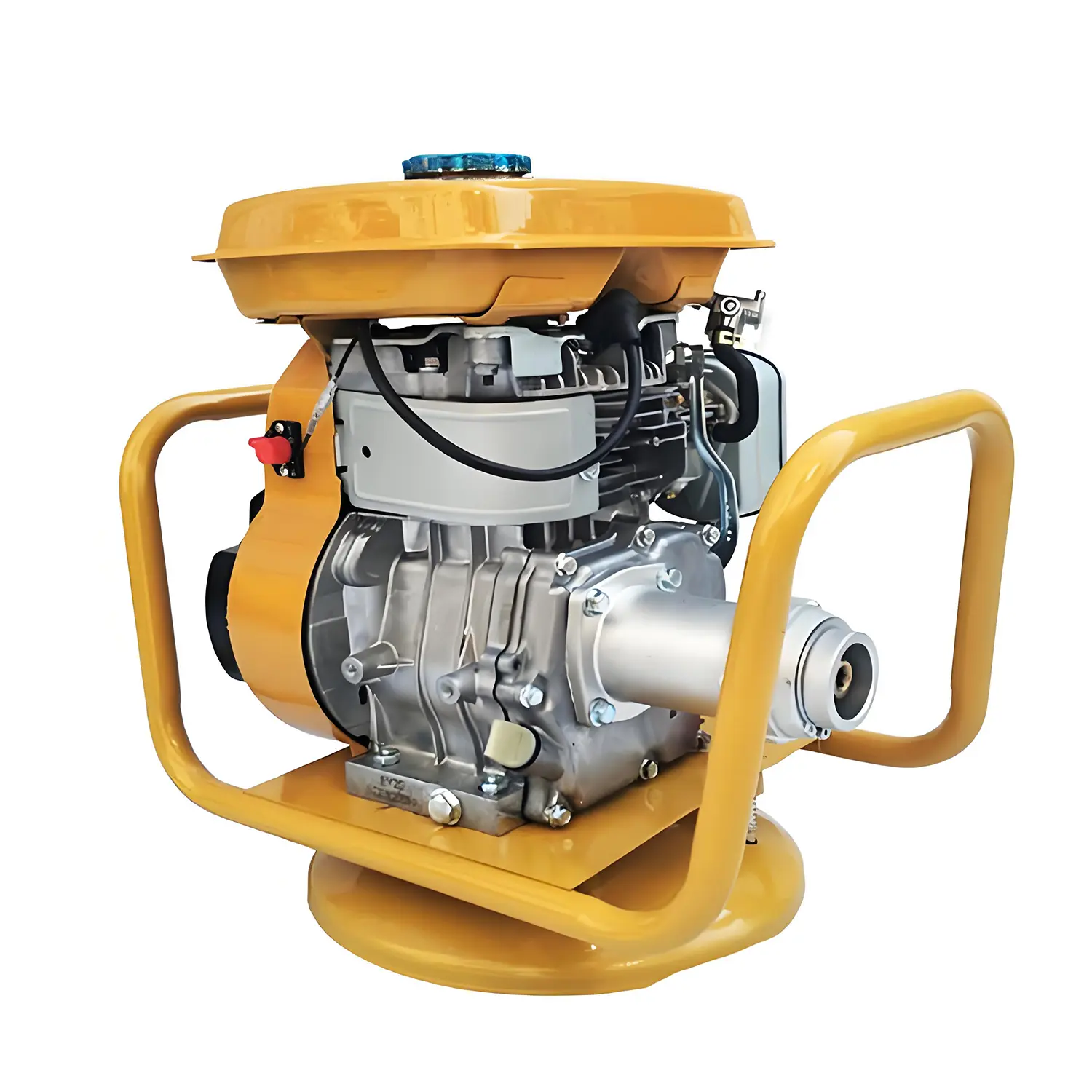 Internal Vibrator
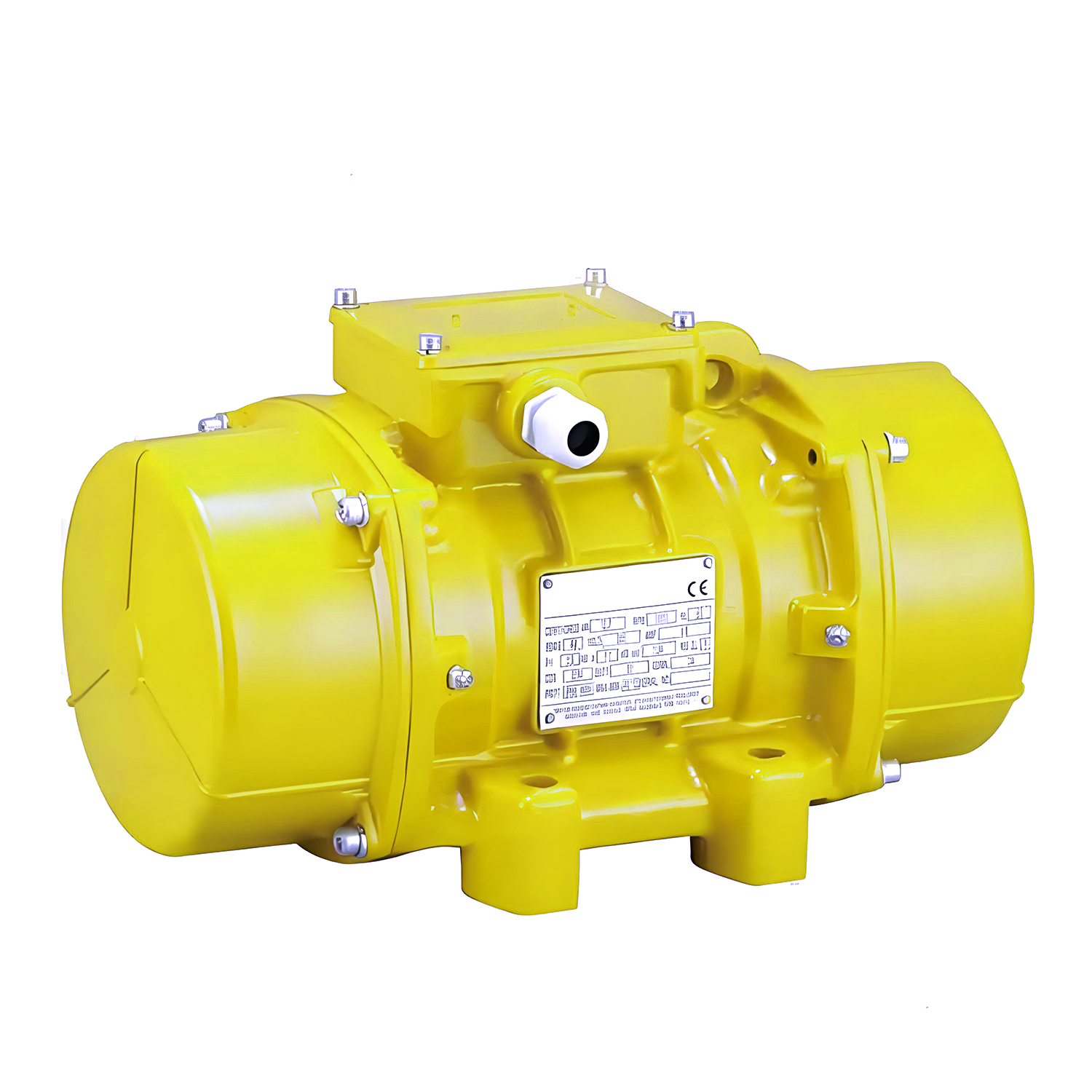 External Vibrator
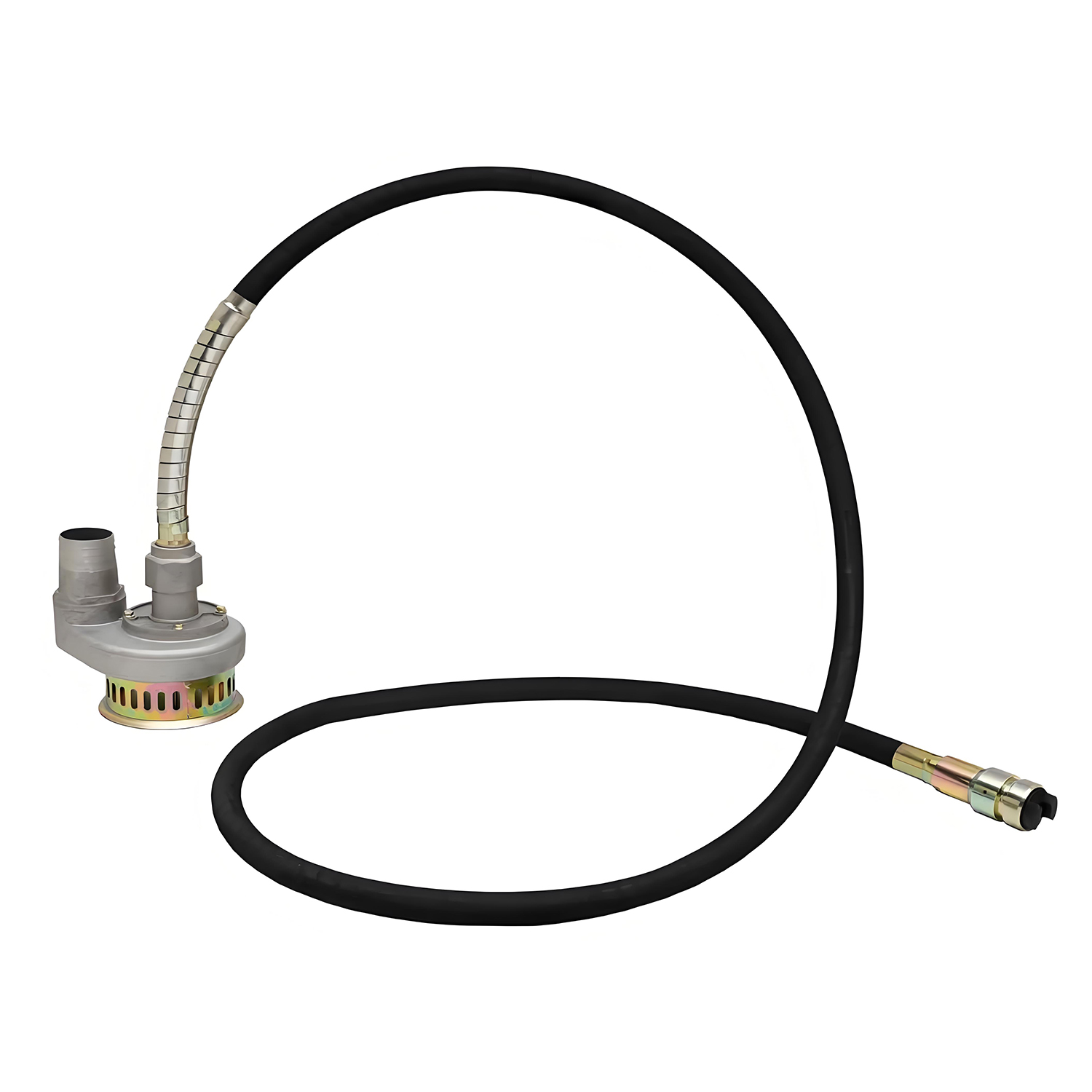 Submersible Pump
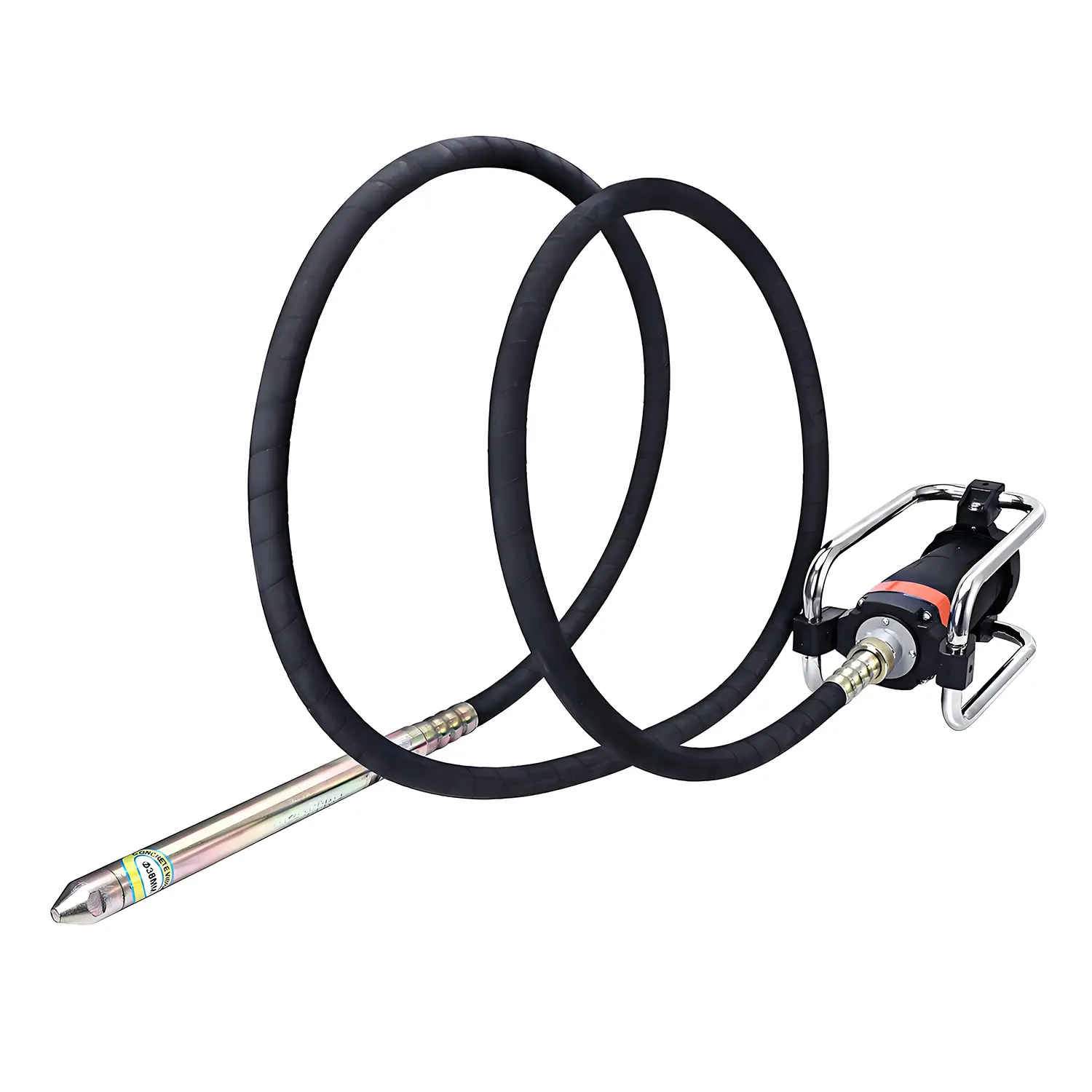 Eccentric shaft
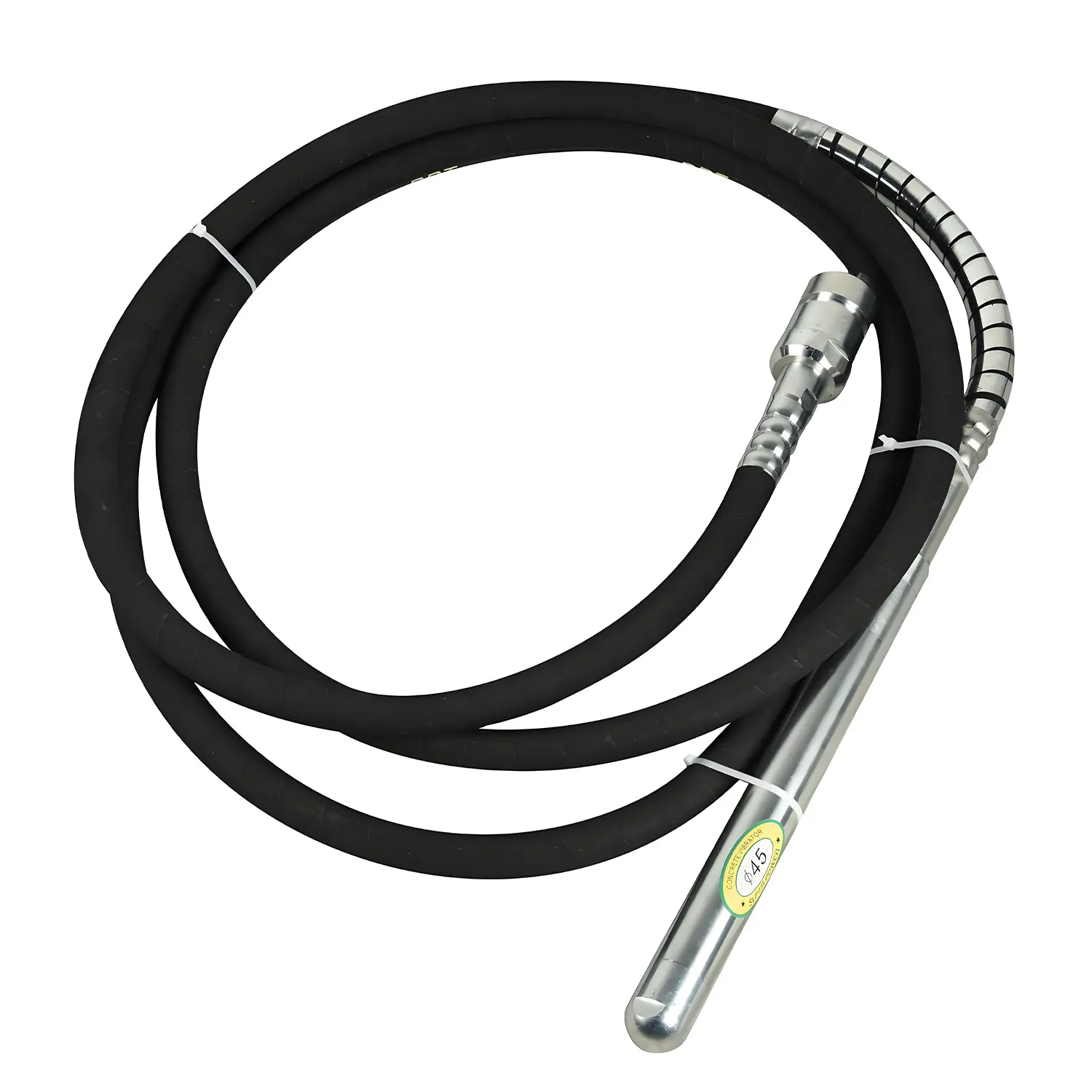 Pendulum shaft
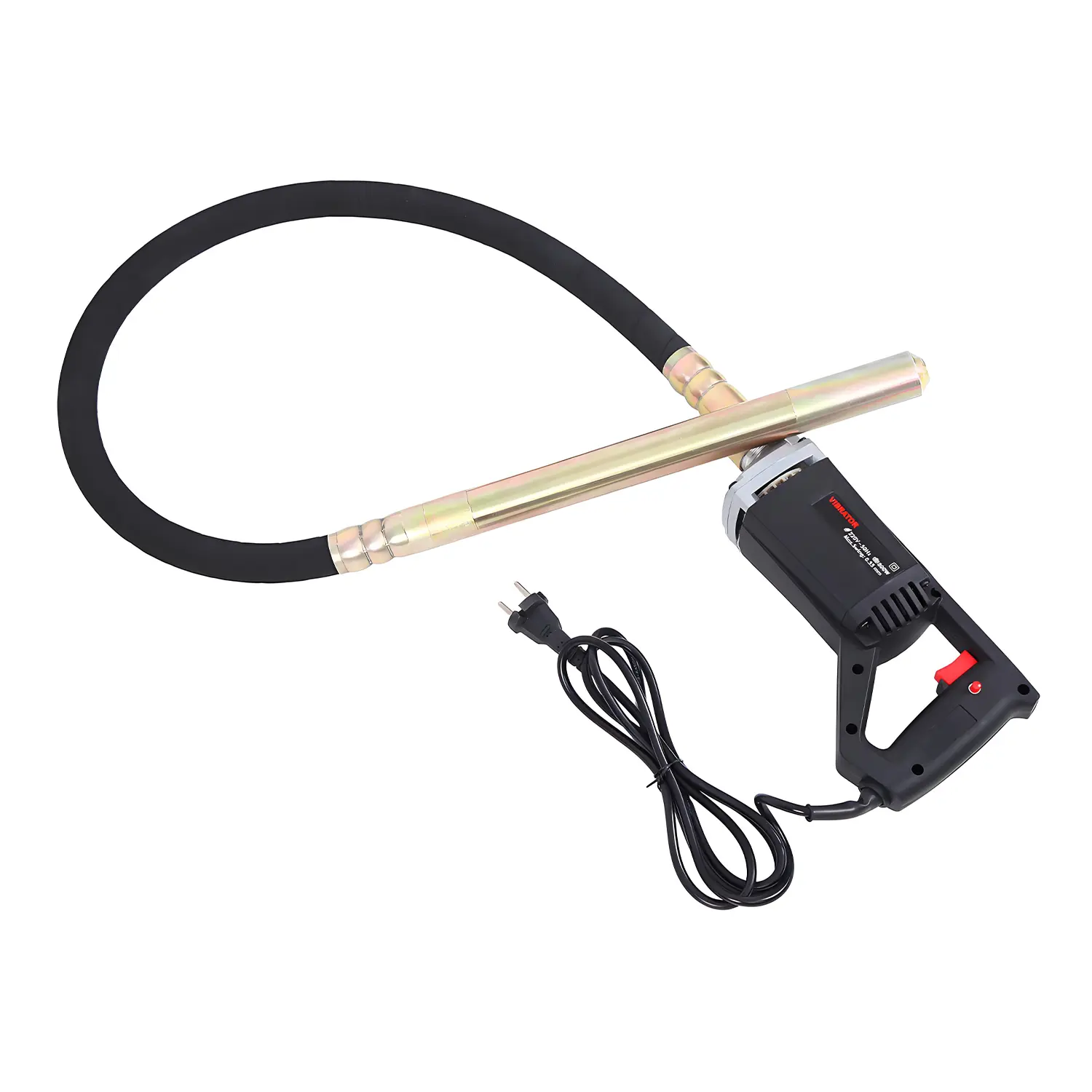 Portable vbrator shaft
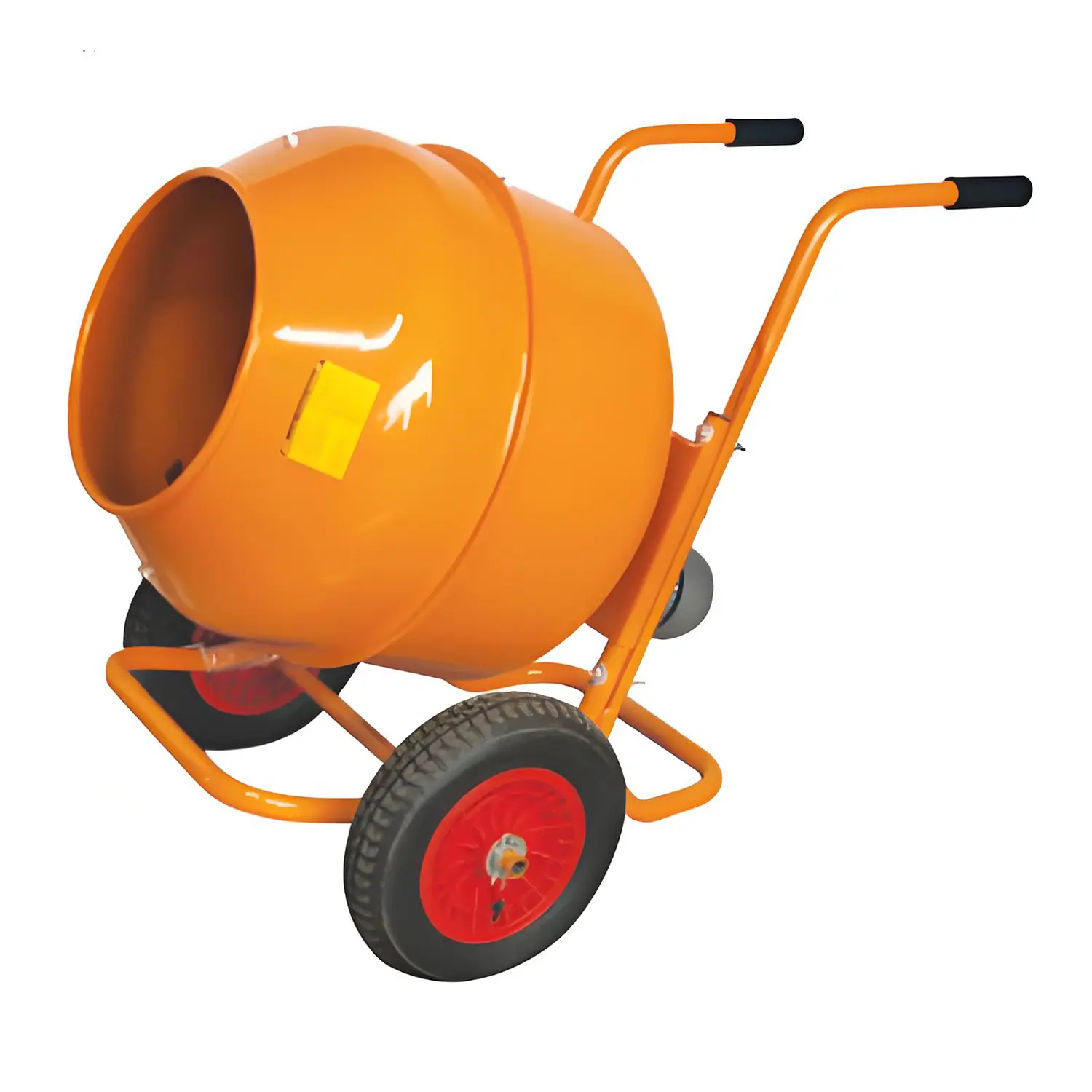 Portable concrete mixer
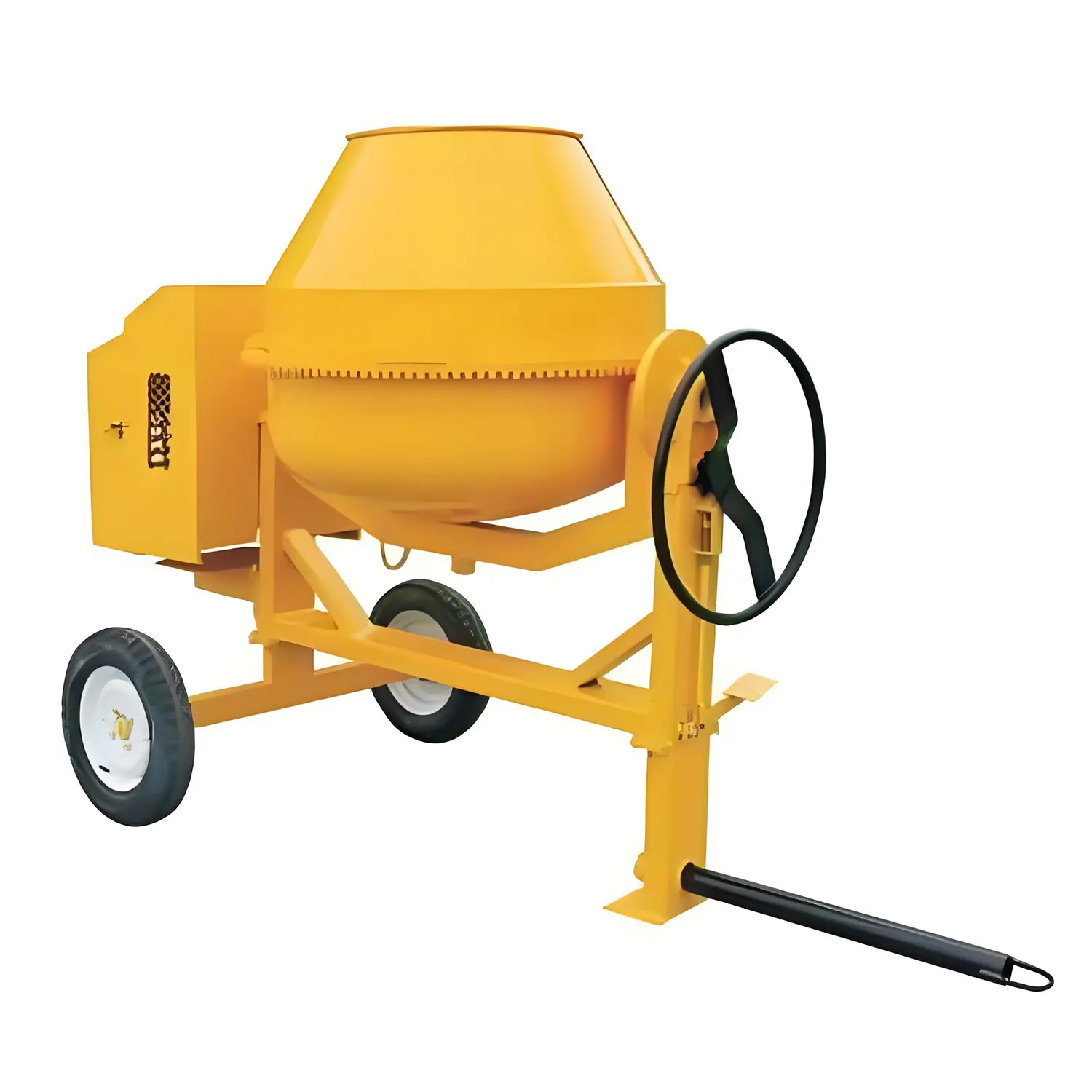 Vertical concrete mixer
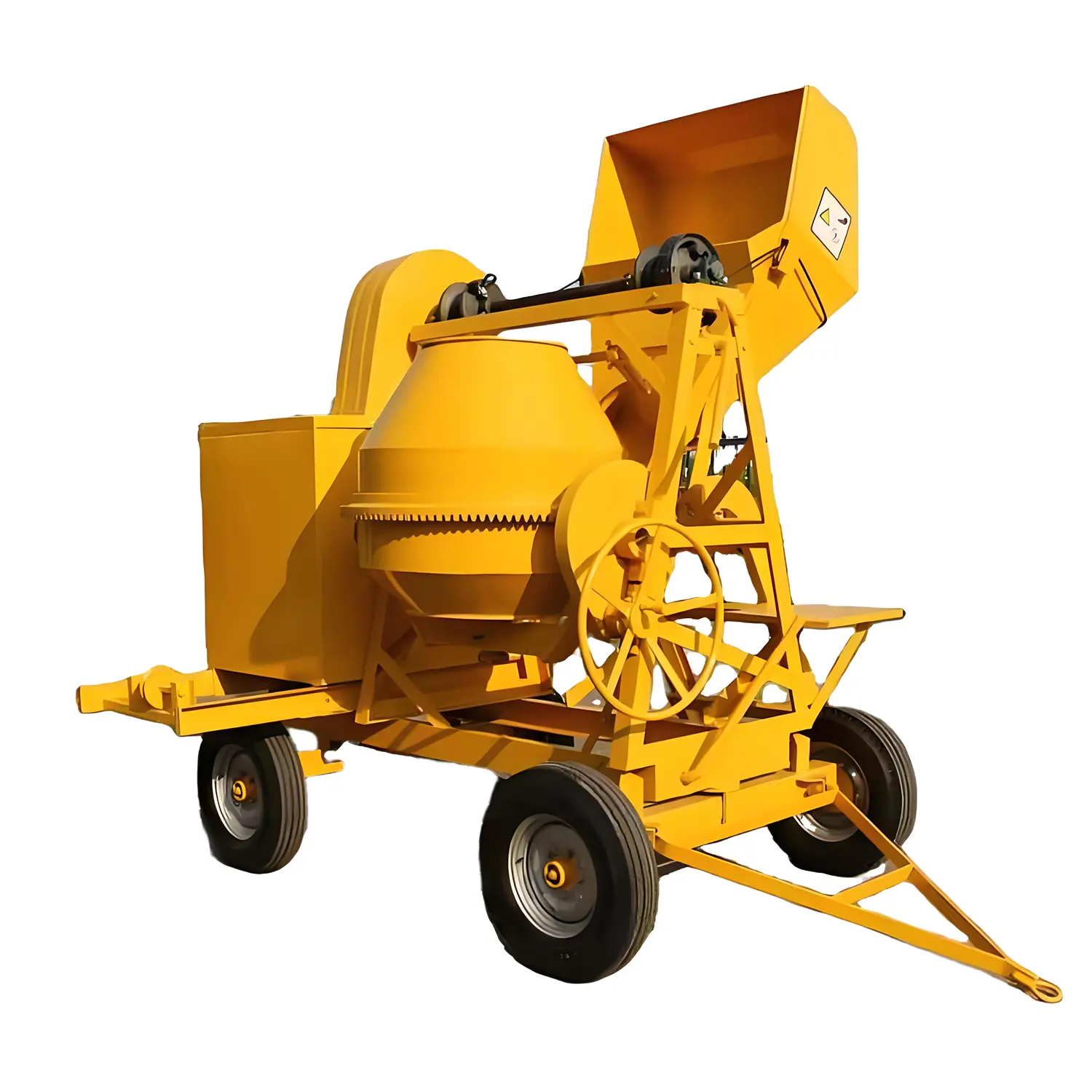 Hydraulic concrete mixer
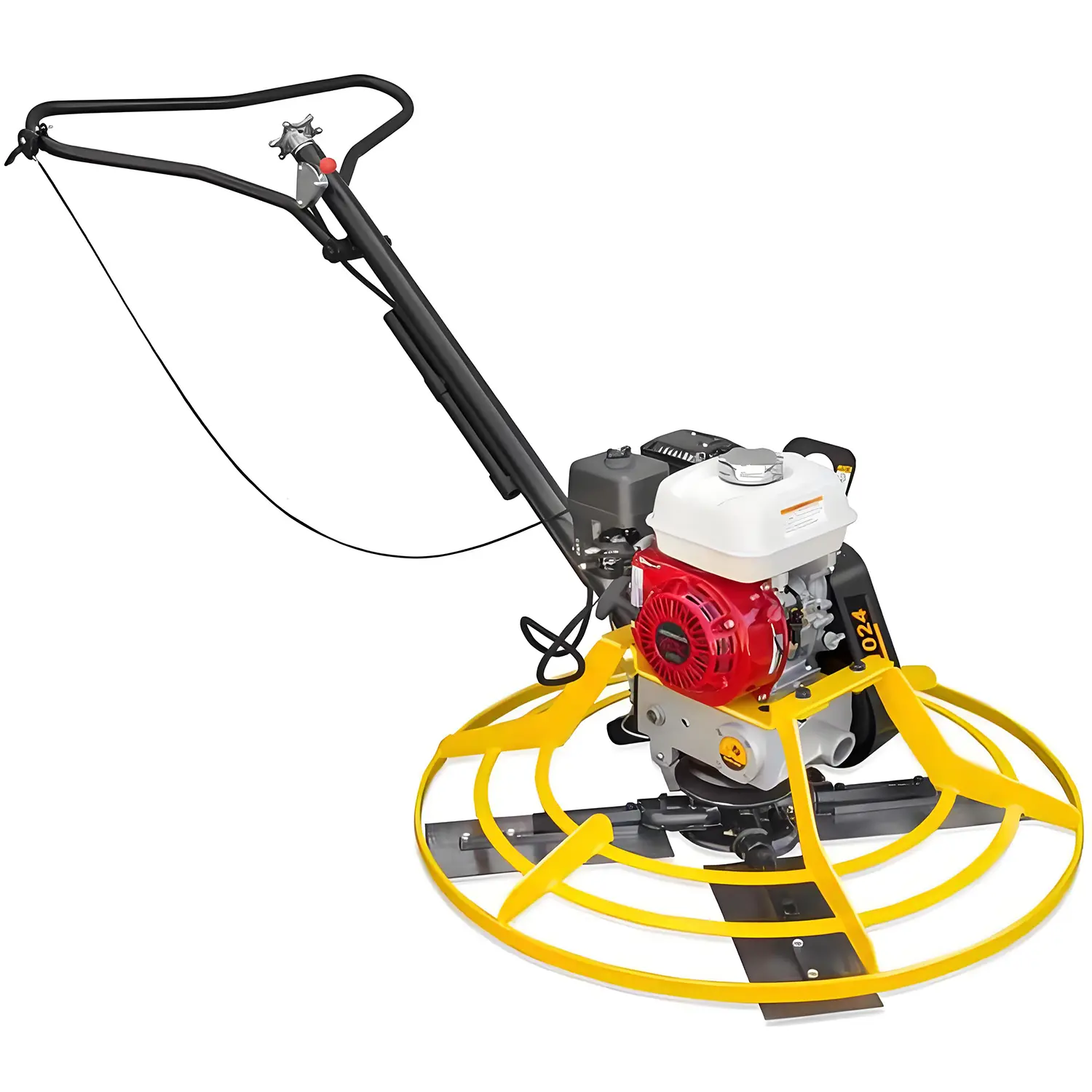 Walk behind power trowel
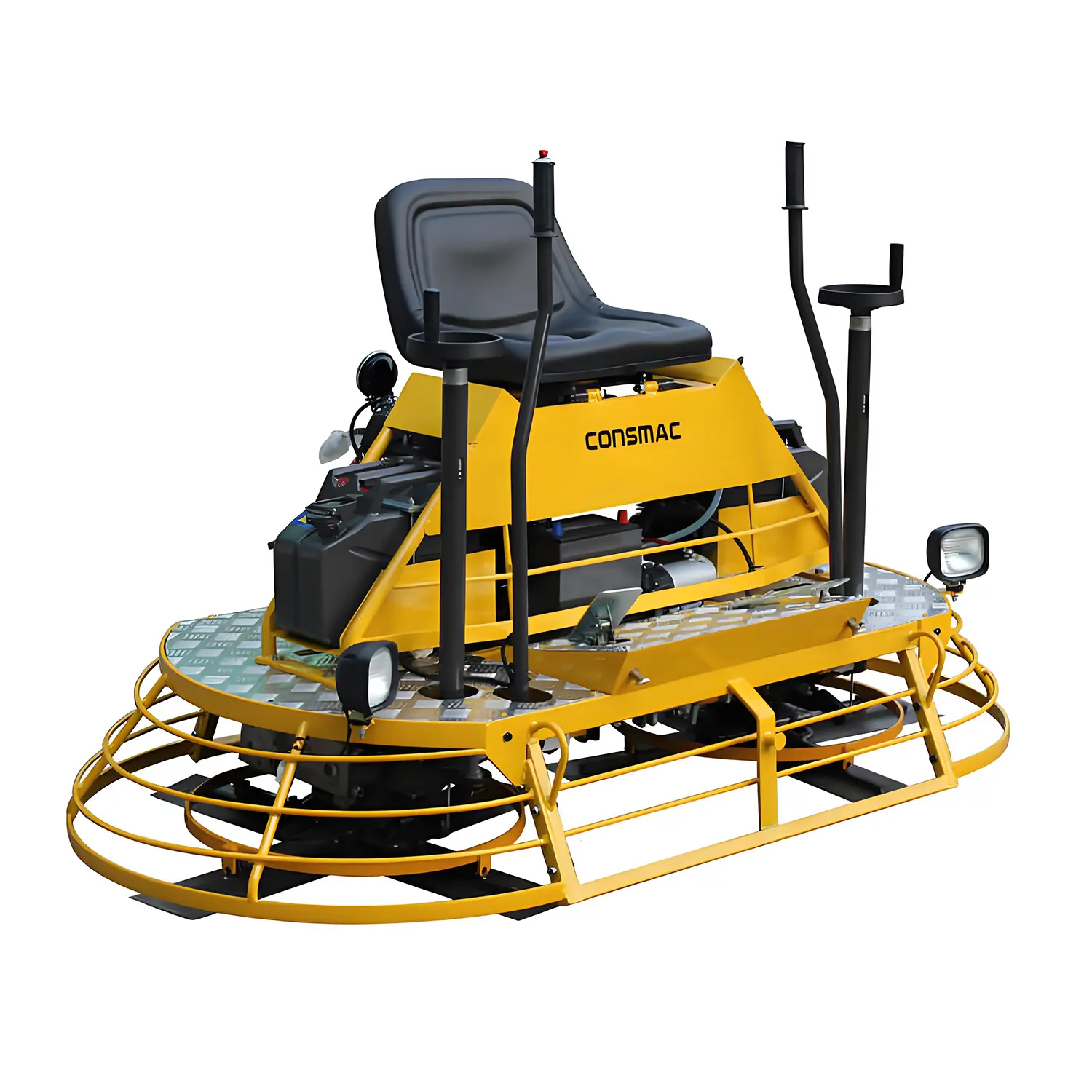 Ride on power trowel
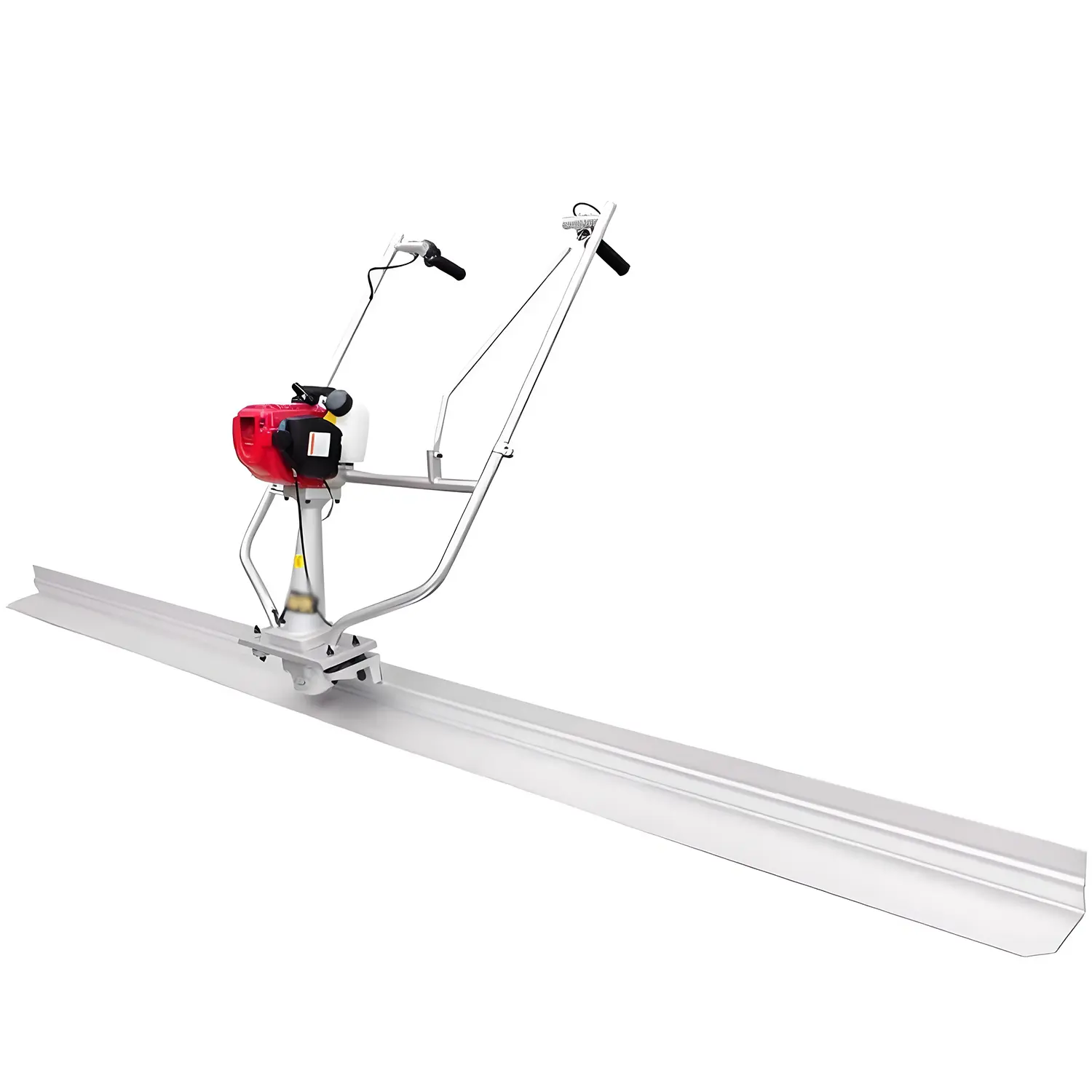 Concrete screed
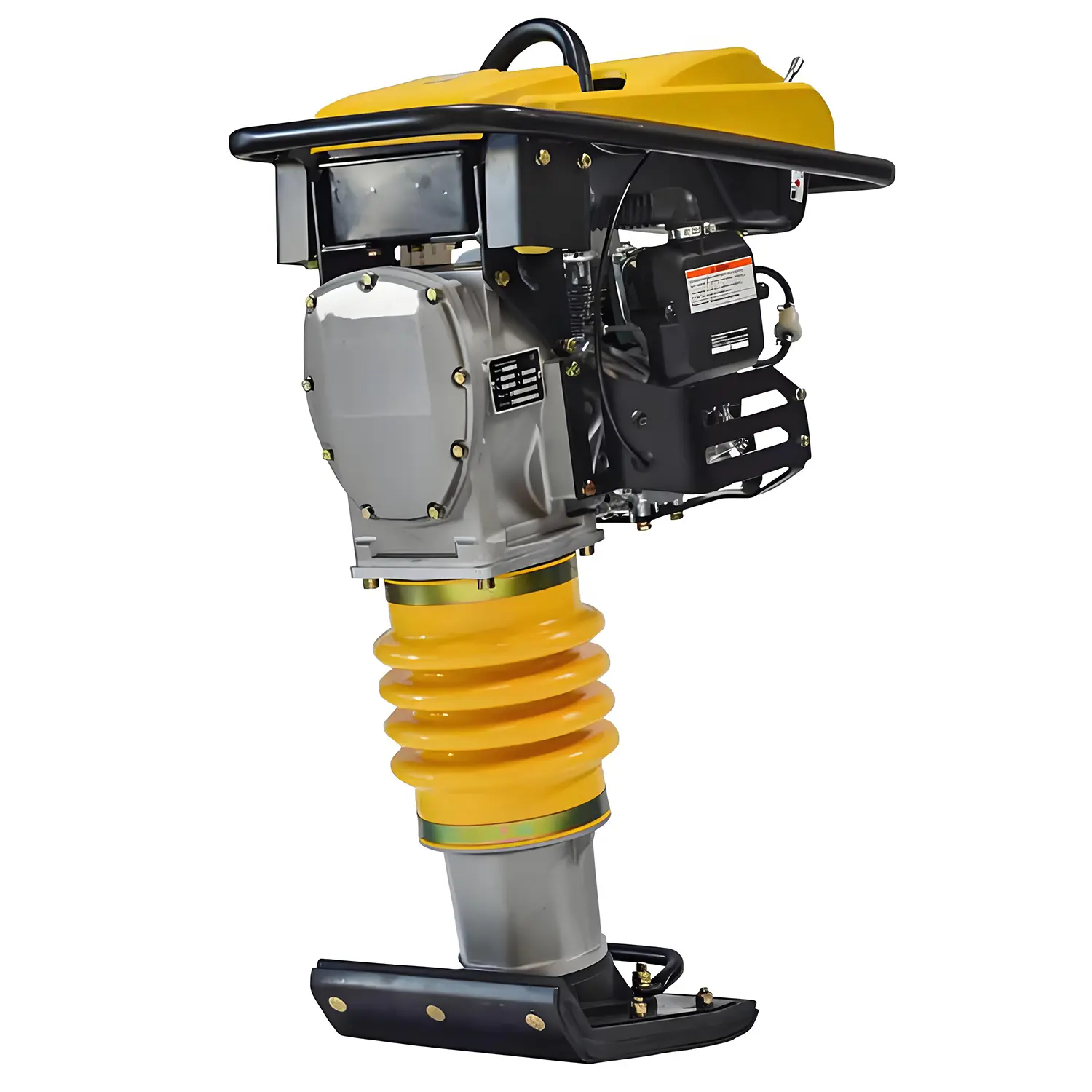 Tamping rammer
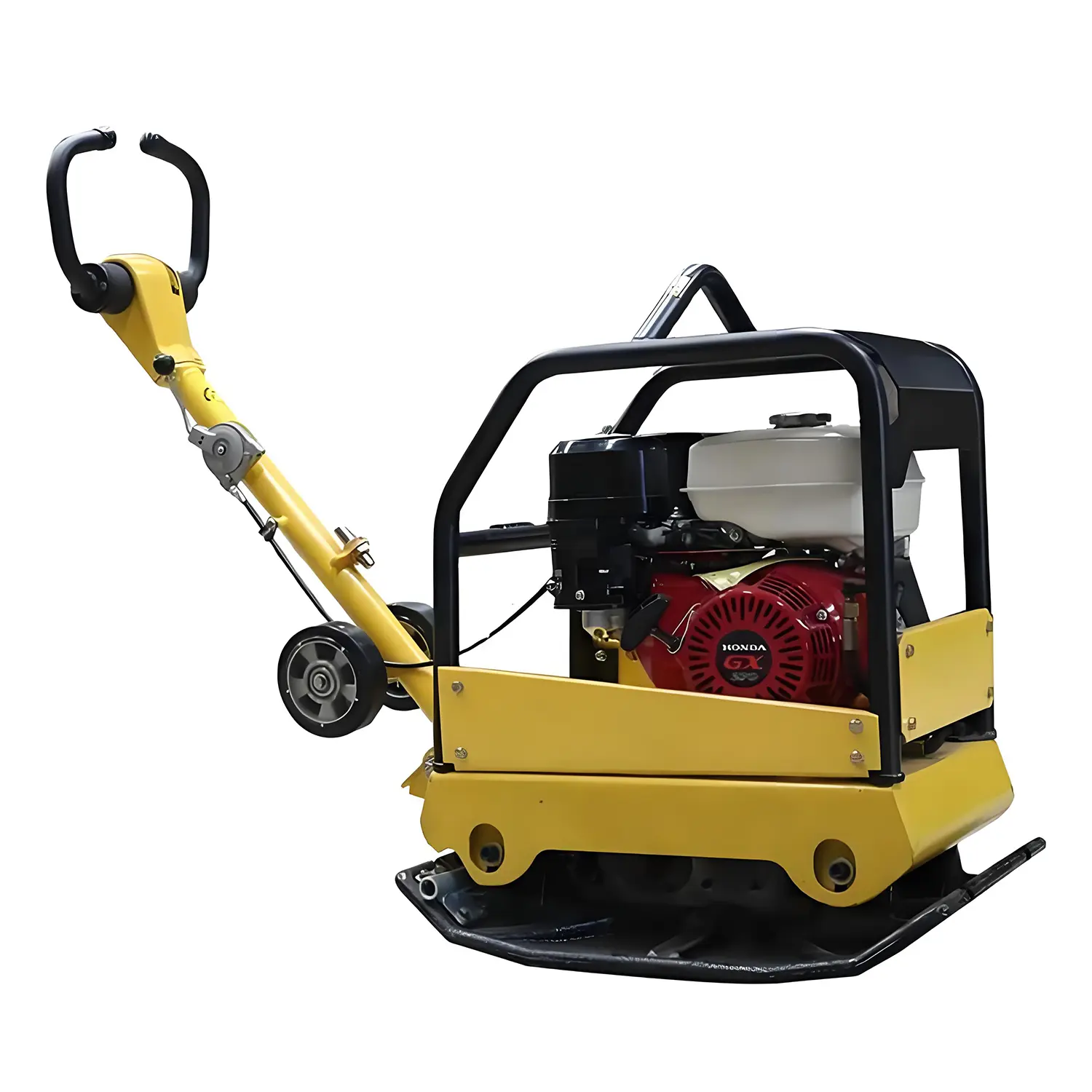 Plate compactor
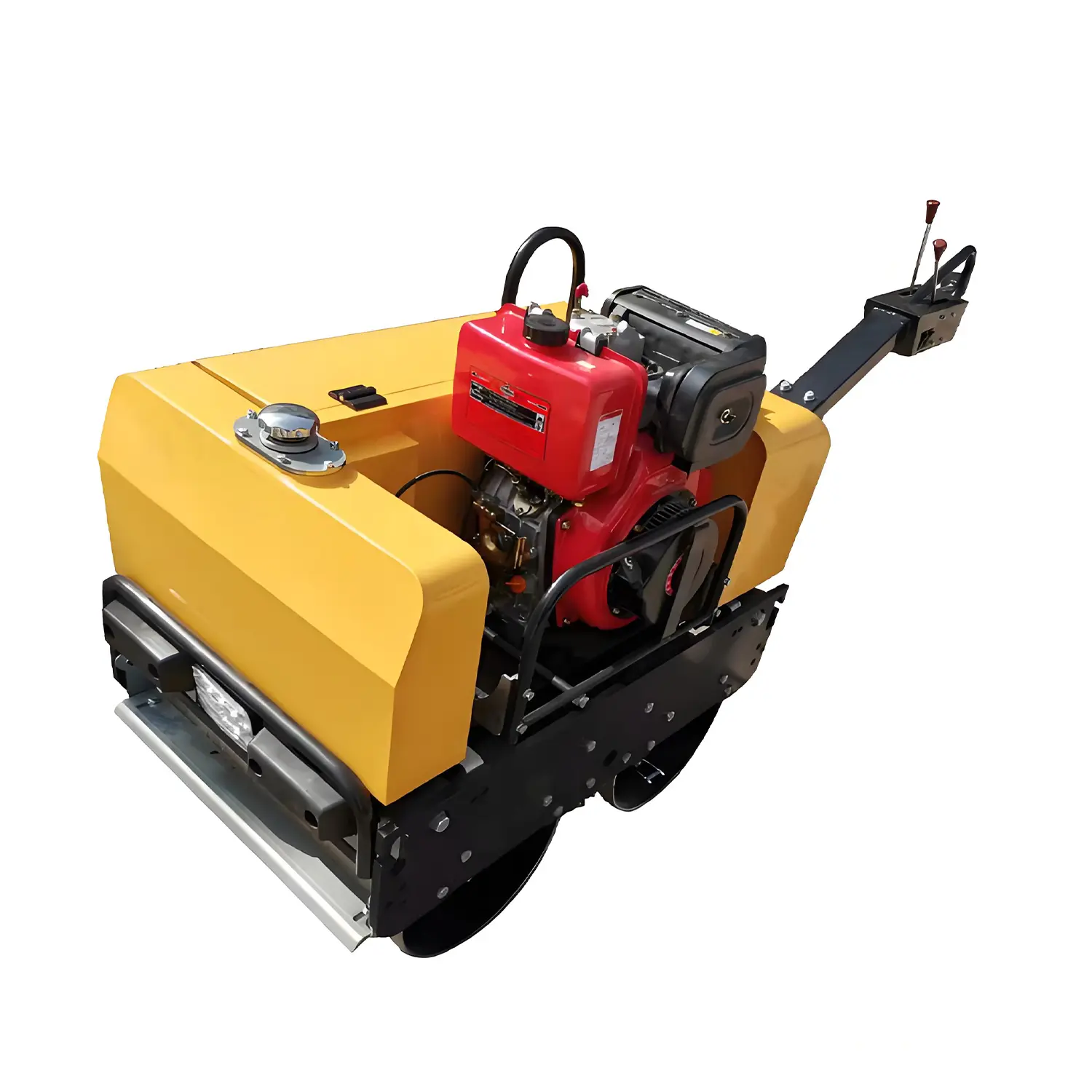 Vibratory roller