How to Choose the Right Concrete Vibrator Shaft for Your Needs?
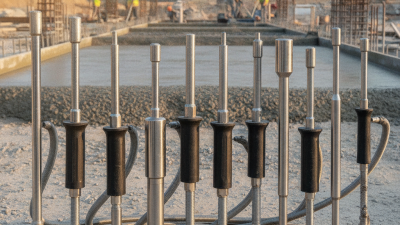
Choosing the right Concrete Vibrator Shaft can greatly impact your concrete projects. It’s essential to understand the different types available and their specific applications. The right shaft ensures efficient vibration and superior concrete consolidation.
Many people overlook the importance of a suitable Concrete Vibrator Shaft. This decision can affect the quality of the final product. Whether you're a contractor or a DIY enthusiast, the choice matters. A vibratory shaft that is too short or too weak can lead to improper mixing.
Consider the length, diameter, and material when selecting a shaft. A misplaced choice might require redoing the work, which is costly. Investing time in research can save future headaches. Balancing effectiveness and efficiency is key to achieving the desired results.
Understanding Concrete Vibrators and Their Essential Role
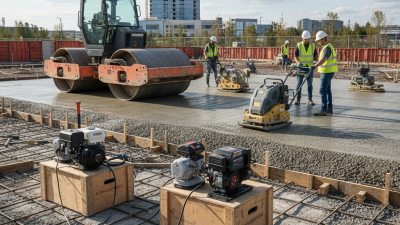
Concrete vibrators play a crucial role in achieving optimal consolidation of concrete. Ensuring proper vibration helps eliminate air pockets and enhances the strength of the final product. This process is vital for integrity in construction projects. A well-mixed concrete slurry needs thorough vibration to fill molds completely and avoid weak spots.
When selecting a concrete vibrator, understanding your specific needs is essential. The shaft length and diameter affect the reach and effectiveness of the tool. A choice that is too short may leave some areas unprocessed. Conversely, an overly long shaft could lead to impractical handling. Ideally, the right size facilitates ease of use while maximizing performance.
It's important to remember that not all vibrators are created equal. A lack of experience can lead to poor decisions. Users often overlook compatibility with their concrete mix or project size. Taking the time to reflect on past choices is wise. Learning from those mistakes can lead to better results in future projects.
Types of Concrete Vibrator Shafts and Their Applications
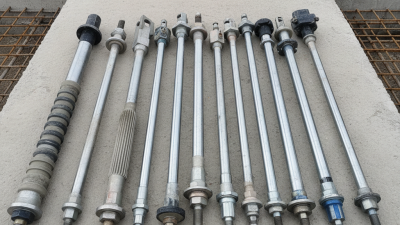
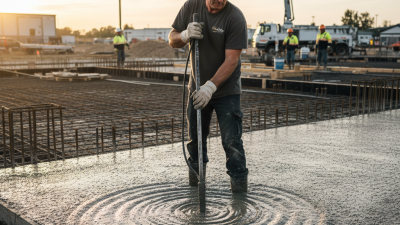
When selecting a concrete vibrator shaft, understanding the different types is crucial. The two main types are internal and external vibrator shafts. Internal vibrator shafts are often used for deeper pours and thicker mixtures. They penetrate the concrete to eliminate air bubbles. Their design allows for effective compaction in hard-to-reach areas, enhancing the structural integrity of the concrete.
External vibrator shafts are suitable for surface applications. They are typically mounted on forms or structures to vibrate the concrete from the outside. This method is ideal for consolidating concrete in larger projects, such as slabs or walls. Choosing the right type influences the final finish of your concrete.
Consider your specific project needs. Analyze the thickness and type of concrete used. A mismatch can lead to inadequate vibration, resulting in cracks or weak spots. Reflection on past experiences is valuable. Evaluate what worked or didn’t in previous projects. Understanding the nuances of each shaft type will lead to better concrete performance.
How to Choose the Right Concrete Vibrator Shaft for Your Needs?
| Type of Shaft |
Length (feet) |
Diameter (inches) |
Vibration Frequency (Hz) |
Ideal Application |
| Lightweight Shaft |
4 |
1.5 |
10,000 |
Small Pouring Areas |
| Standard Shaft |
6 |
2 |
12,000 |
General Concrete Work |
| Heavy Duty Shaft |
8 |
2.5 |
15,000 |
Thick Concrete Layers |
| Flexible Shaft |
12 |
1.75 |
11,000 |
Curved and Confined Areas |
Key Factors to Consider When Choosing a Vibrator Shaft
Choosing the right concrete vibrator shaft is crucial for effective concrete compaction. When selecting a shaft, consider the length needed for your specific project. A longer shaft can reach deeper areas, while a shorter one allows for better control in tighter spaces. Think about the diameter as well; it affects the vibrational intensity. A thicker shaft may provide better performance, but it can also be heavier and harder to maneuver.
Weight is another essential factor. A lightweight vibratory shaft can reduce fatigue during extended use. However, too light might compromise the effectiveness. Assess your job site conditions. The surface, concrete mix, and environmental factors can impact the choice you make. Additionally, remember to evaluate the durability of the materials used in the shaft's construction. As you explore options, don't overlook your own experience and comfort level with handling different tools.
Reflection is necessary when you navigate these choices. Learn from past projects. What worked? What didn’t? This self-assessment helps you choose better next time. Each site is unique, and a one-size-fits-all approach is rarely effective. Engage with professionals, ask questions, and apply their insights to find the best fit for you.
How Shaft Length and Diameter Affect Performance
Choosing the right concrete vibrator shaft involves understanding the impact of length and diameter. The shaft’s length directly affects its ability to reach deeper areas of the concrete mix. A longer shaft can help in compacting thicker layers, ensuring a more uniform consistency. However, it may lead to challenges in maneuverability.
Shorter shafts are easier to handle but may not penetrate deep layers.
Diameter is equally important. A wider shaft can move more concrete, which is beneficial for large pours. However, it might not fit into narrower spaces. A thin shaft can easily access tight spots but may struggle with larger volumes. Balancing length and diameter is crucial. Finding that sweet spot can optimize performance, but it often requires experimentation.
Real-world projects often reveal that preferences vary. Some operators find longer, thicker shafts efficient in certain tasks. Others might prefer shorter, slender options for improved control. What works best may not be clear at first.
Testing different configurations can lead to better outcomes. The trial-and-error process can help in discovering what truly suits specific needs.
Maintenance Tips for Extending the Life of Your Vibrator Shaft
Maintaining your concrete vibrator shaft is crucial for its longevity and efficiency. A well-maintained shaft can extend its lifespan by up to 30%, according to industry studies. Regular inspections help identify wear and tear early on. Look for signs of rust or corrosion, especially around joints and connections. These issues can impact the performance of the vibrator.
Cleaning the shaft after each use is essential. Debris and residue can lead to internal damage. A simple wash with water and mild soap is effective. Avoid harsh chemicals that could degrade the materials. Lubrication should be part of your routine. Using the right lubricant minimizes friction and reduces wear. Reports indicate that properly lubricated shafts can operate 20% more efficiently.
When storing your vibrator shaft, protect it from extreme temperatures and moisture. Both can contribute to deterioration. Keeping it in a dry, controlled environment can prevent rust. A well-maintained shaft not only enhances performance but also ensures safety on the job. Consider keeping a log of maintenance activities. This will help track usage and identify trends in performance over time.
Concrete Vibrator Shaft Types and Their Usage

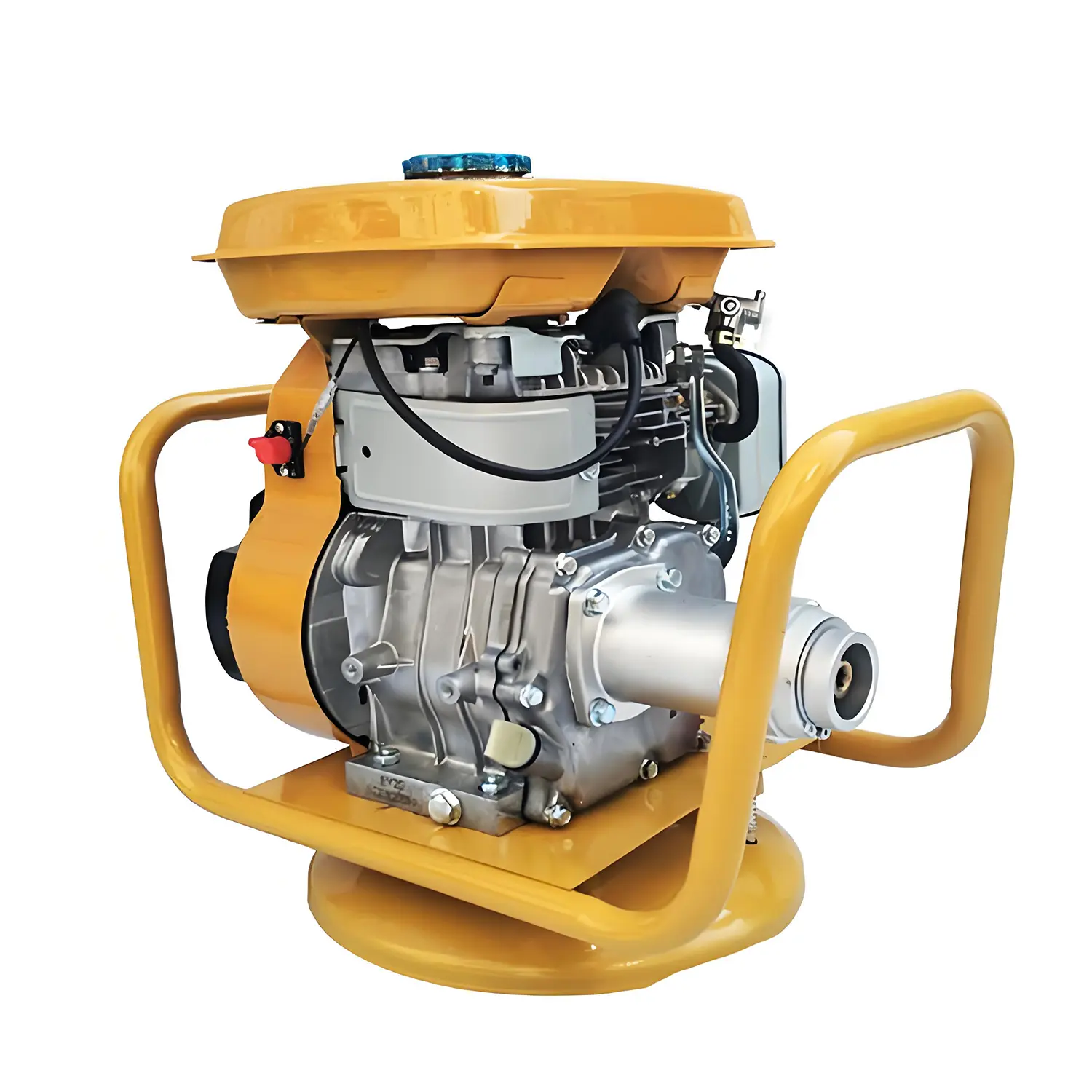 Internal Vibrator
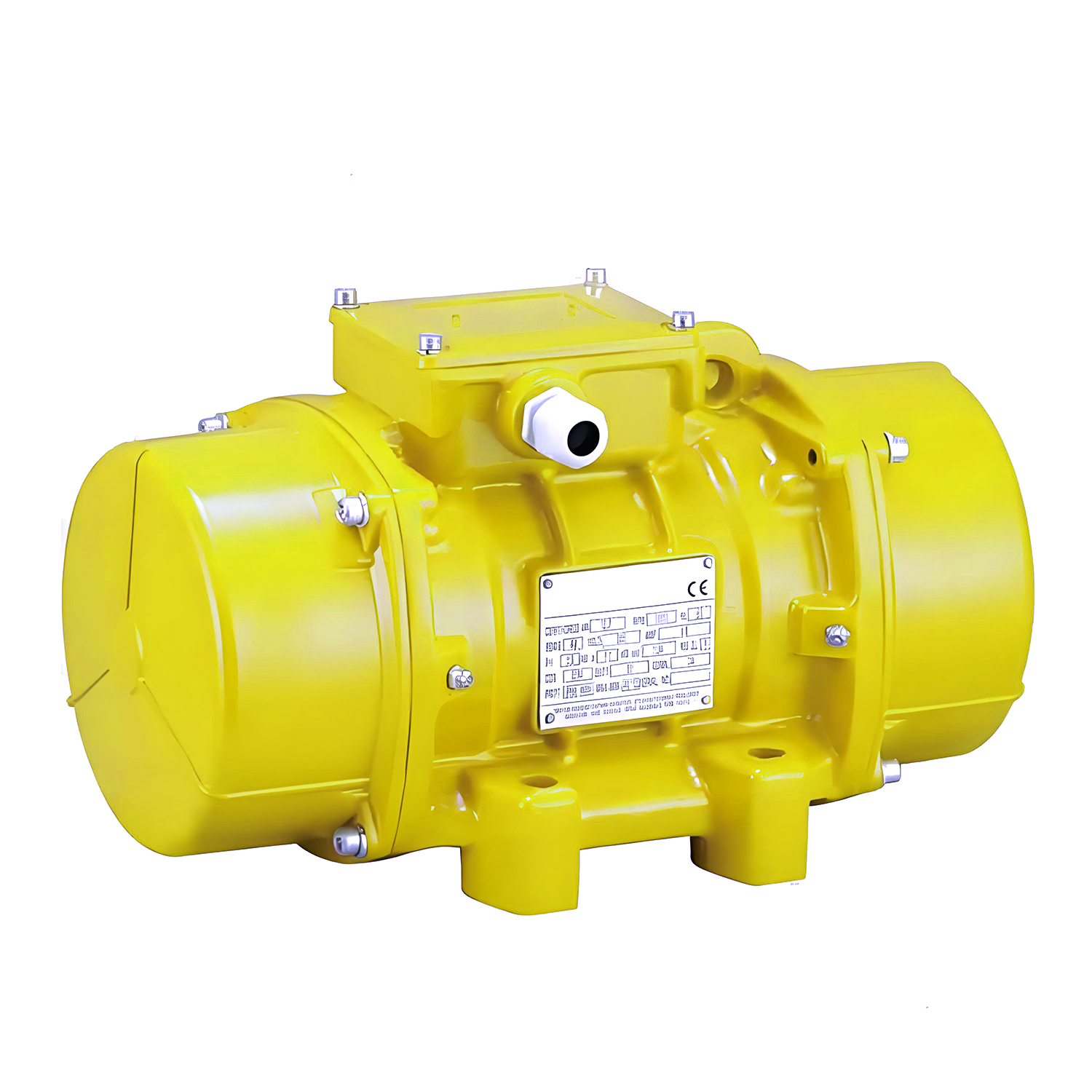 External Vibrator
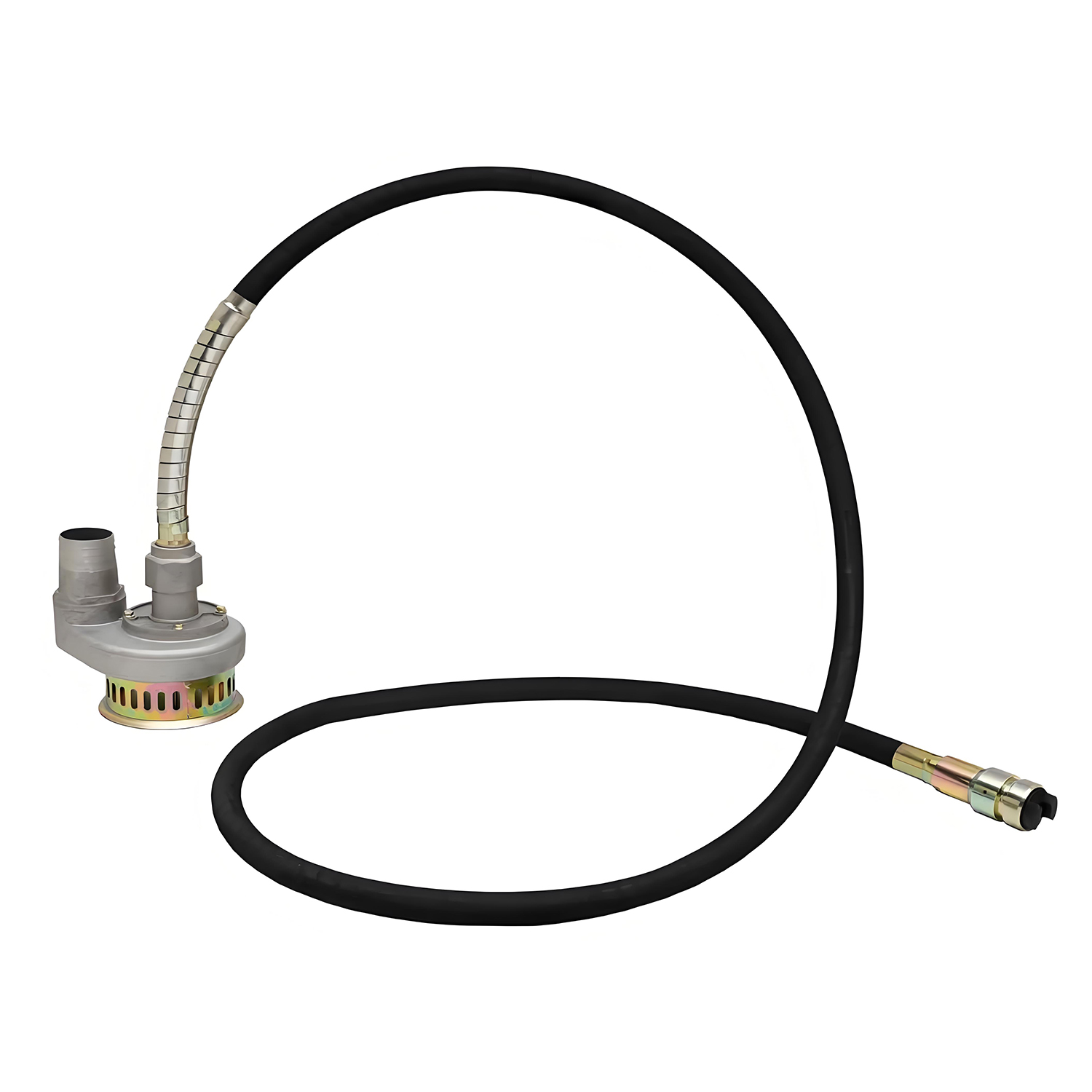 Submersible Pump
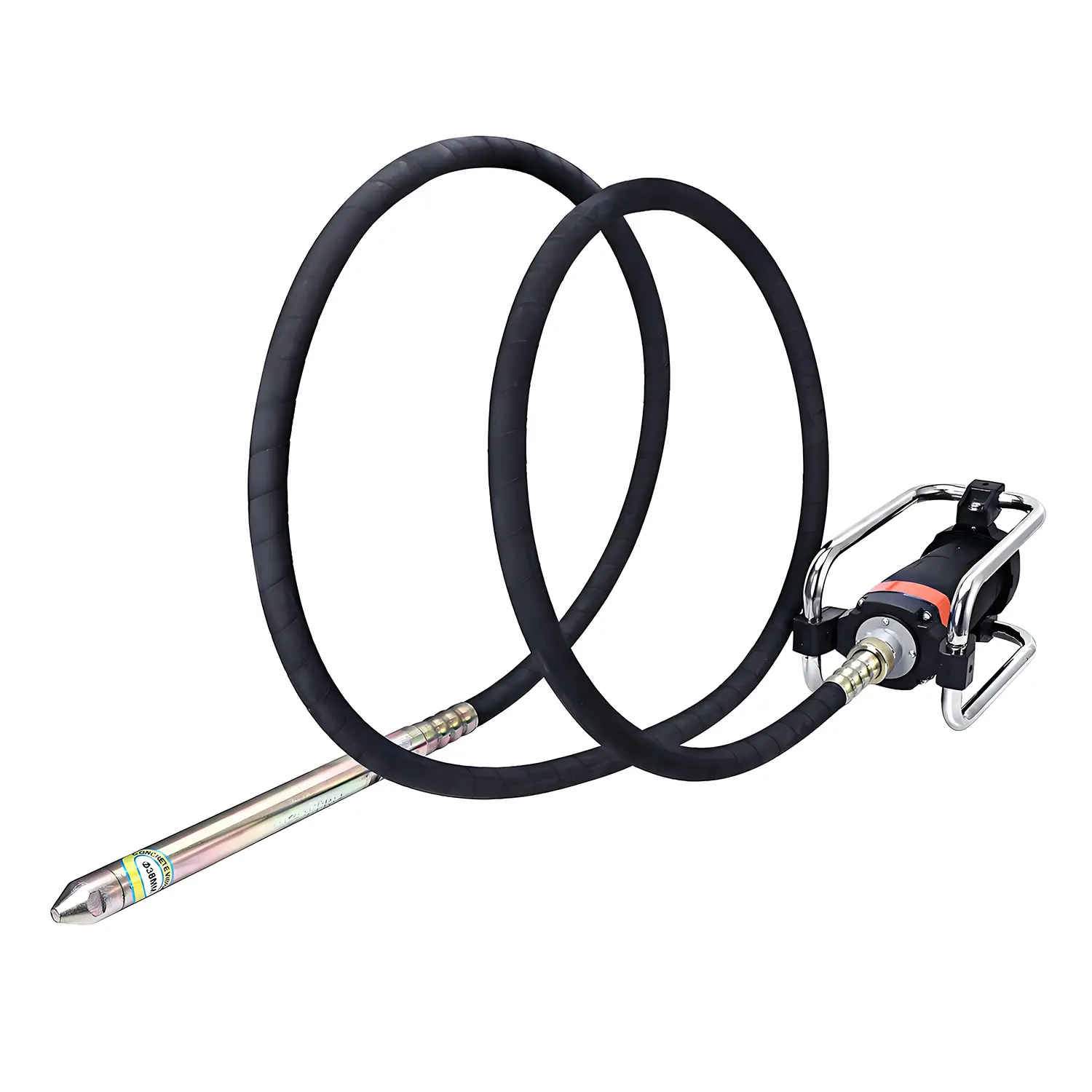 Eccentric shaft
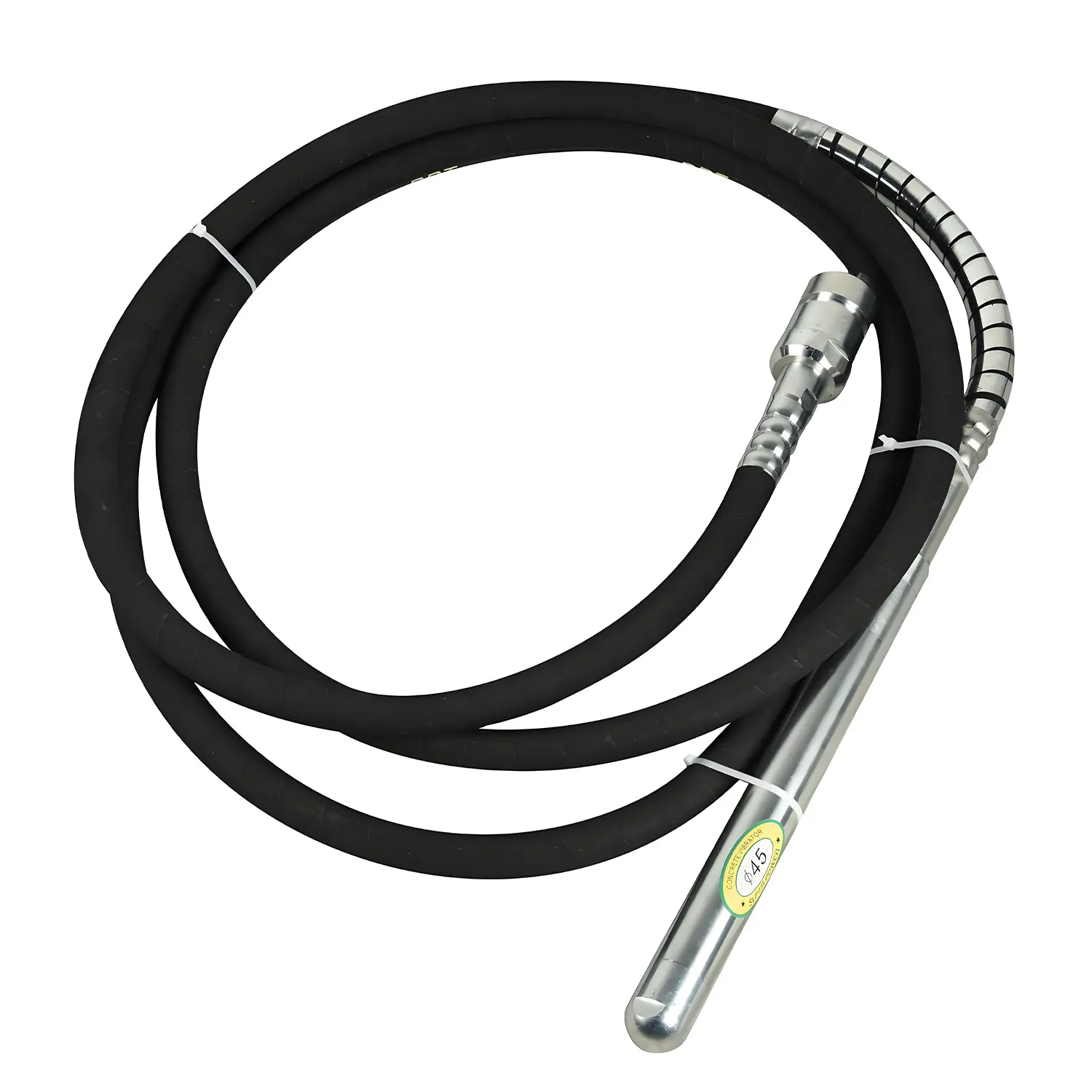 Pendulum shaft
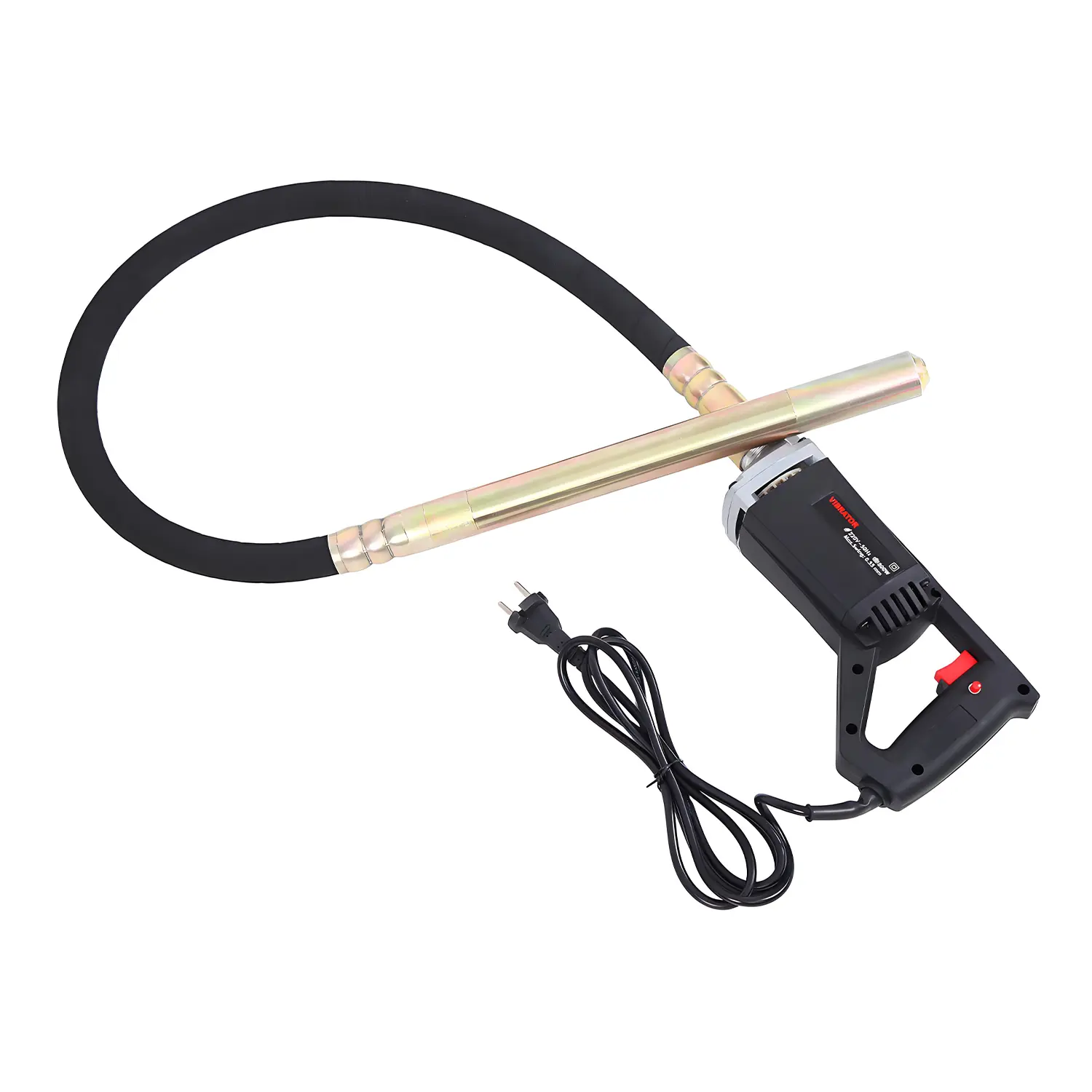 Portable vbrator shaft
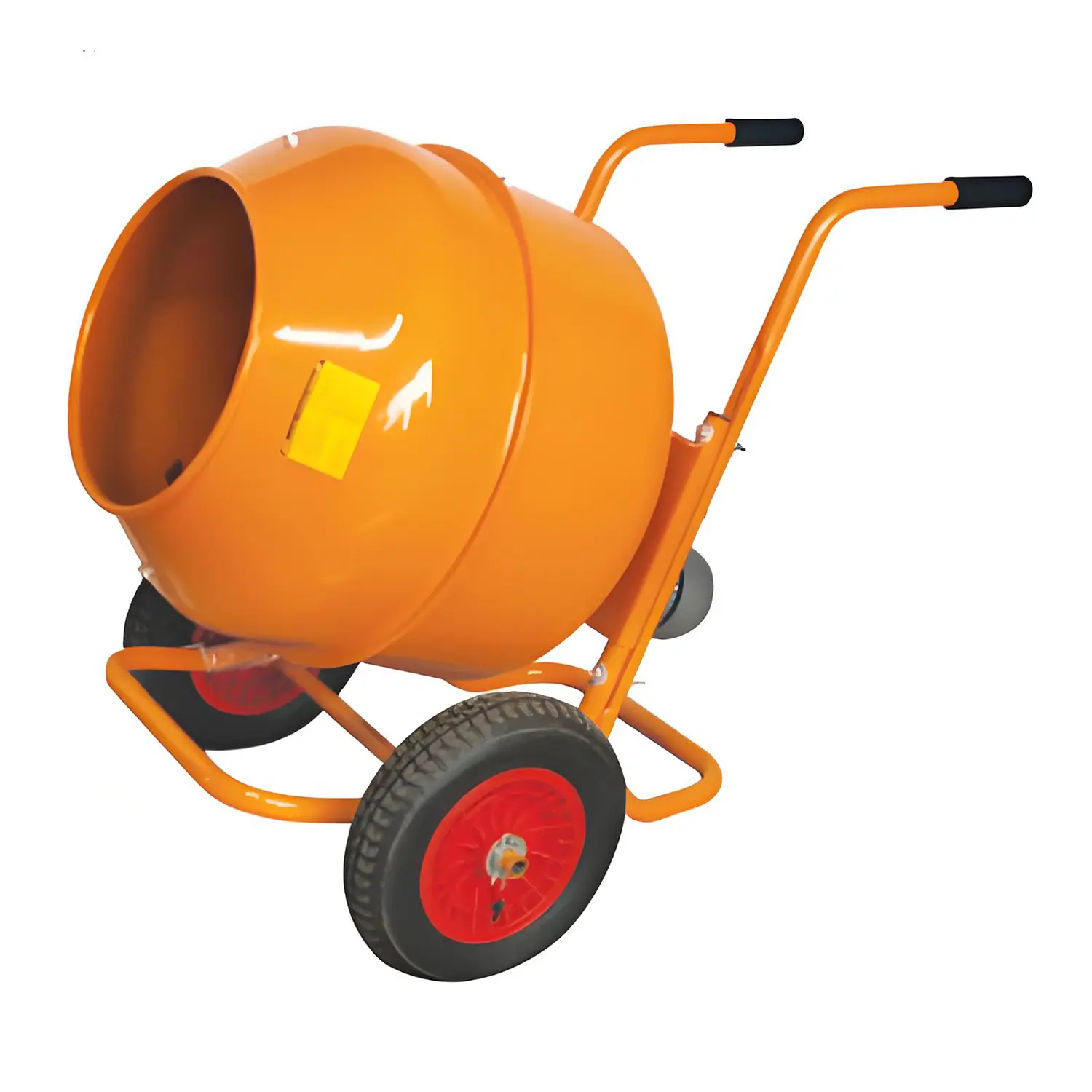 Portable concrete mixer
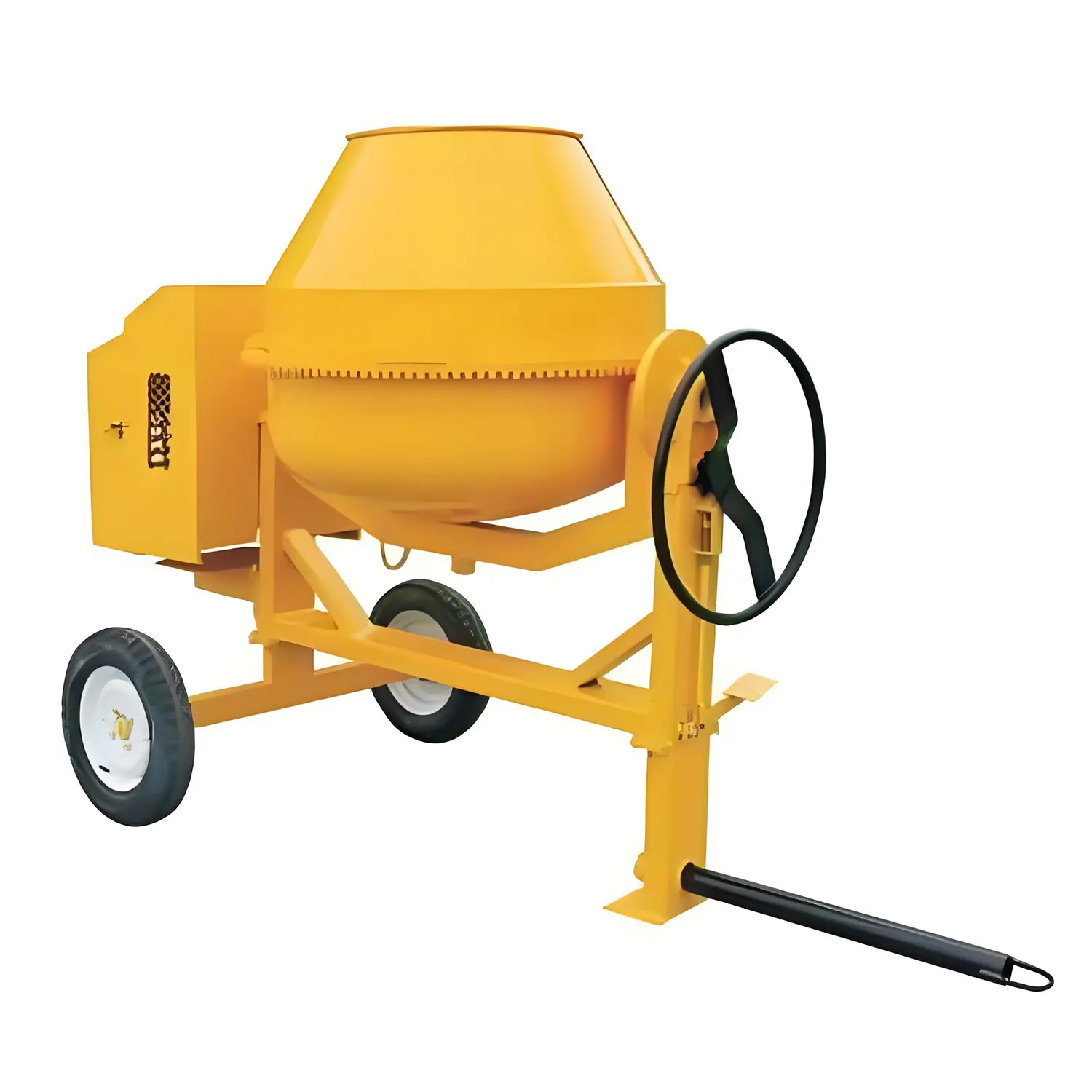 Vertical concrete mixer
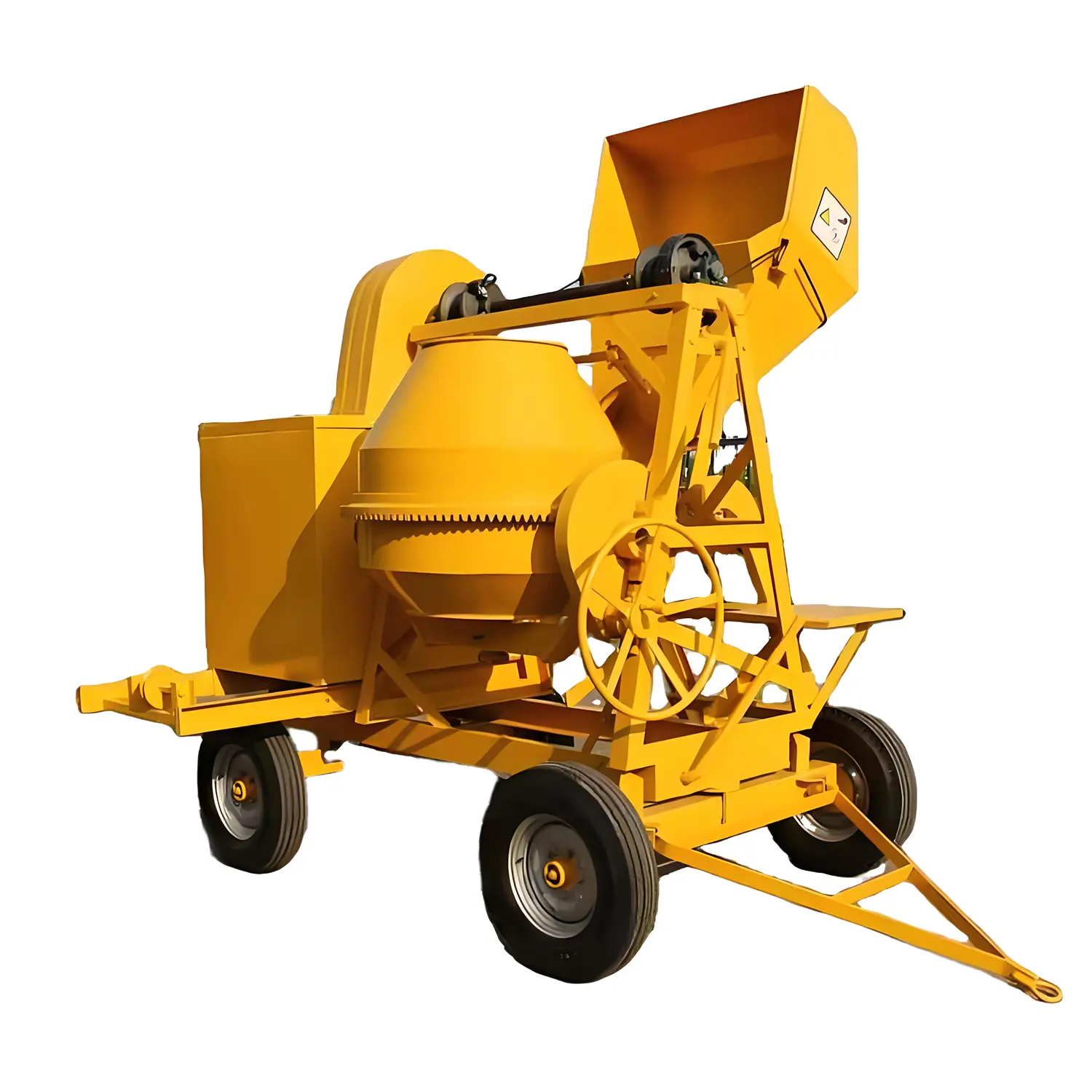 Hydraulic concrete mixer
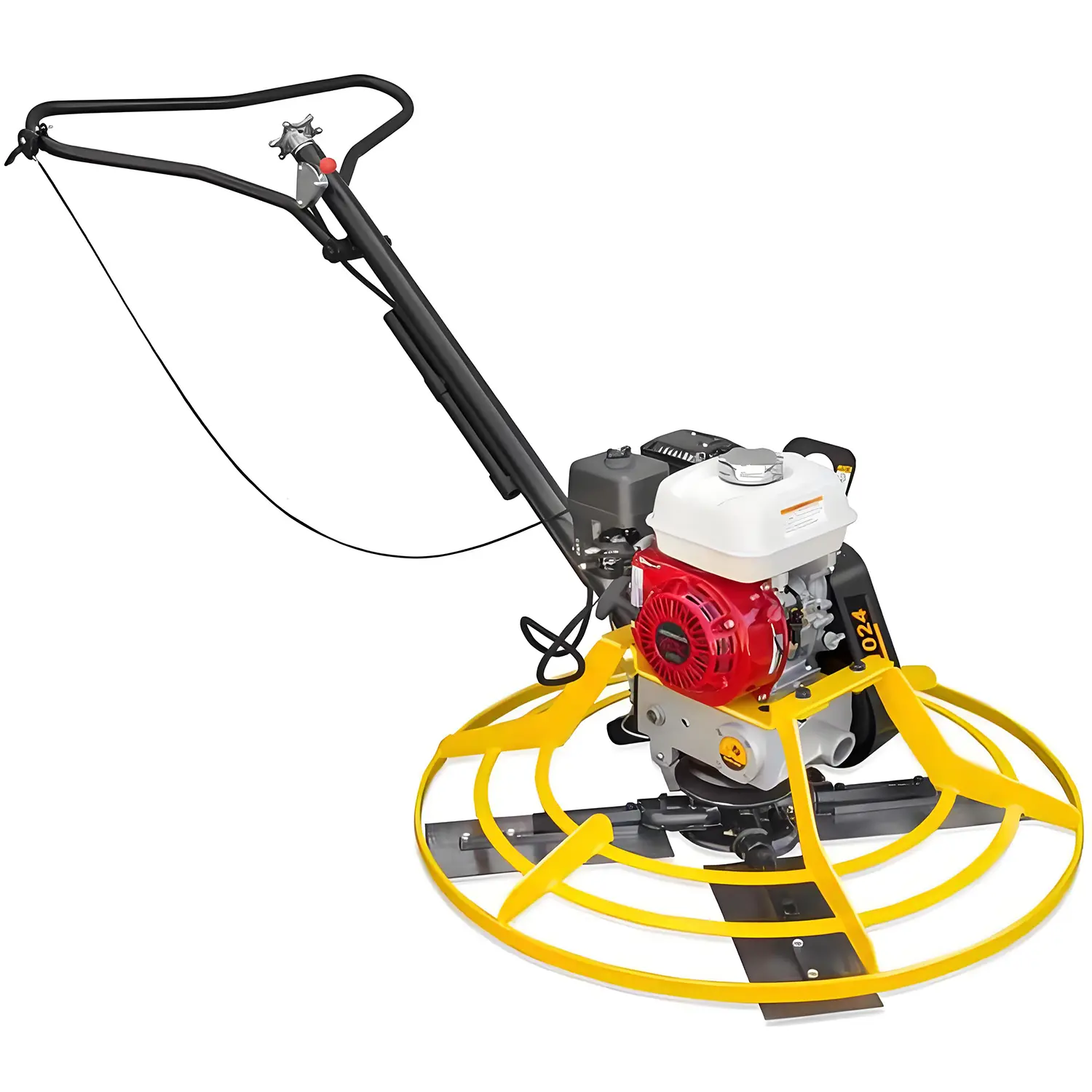 Walk behind power trowel
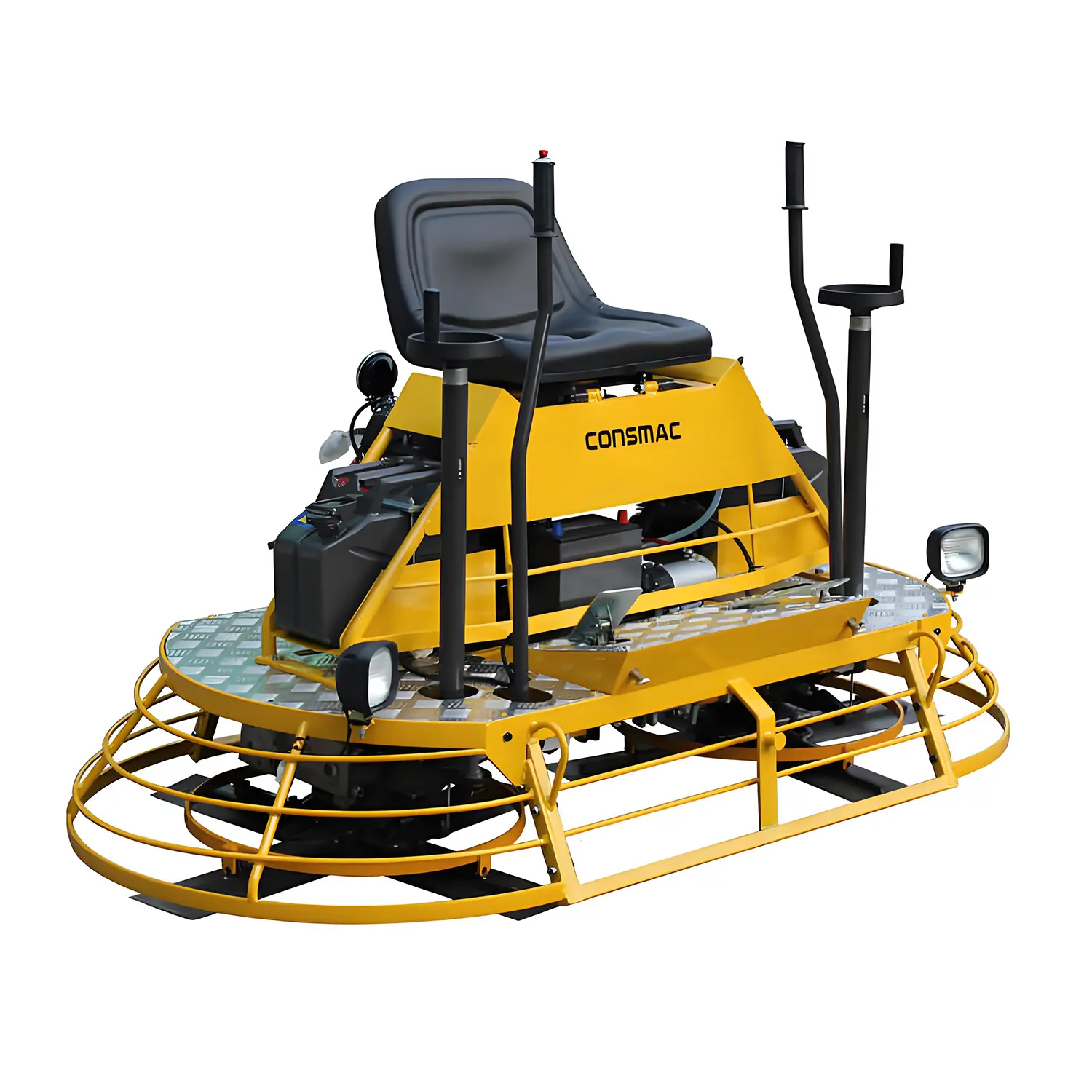 Ride on power trowel
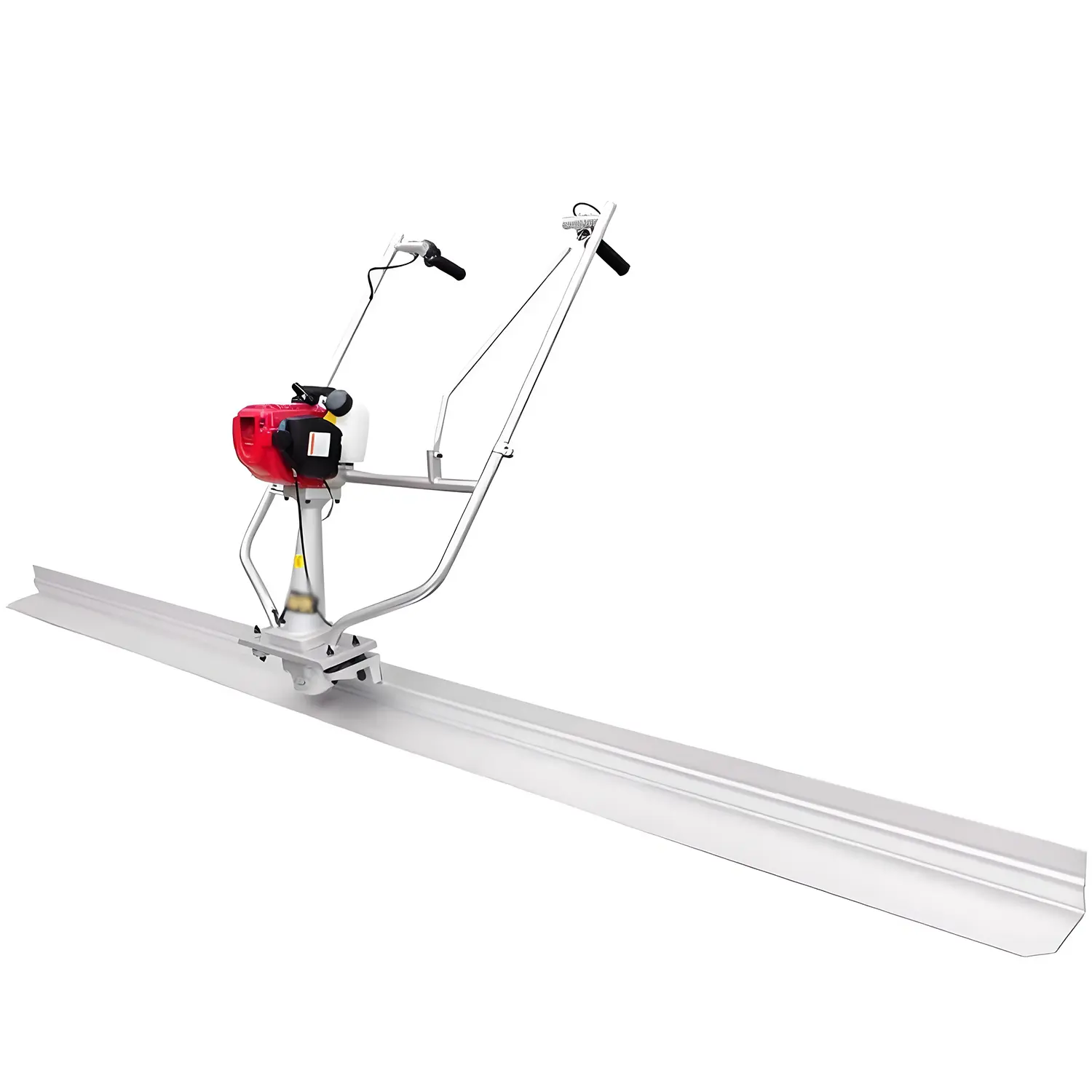 Concrete screed
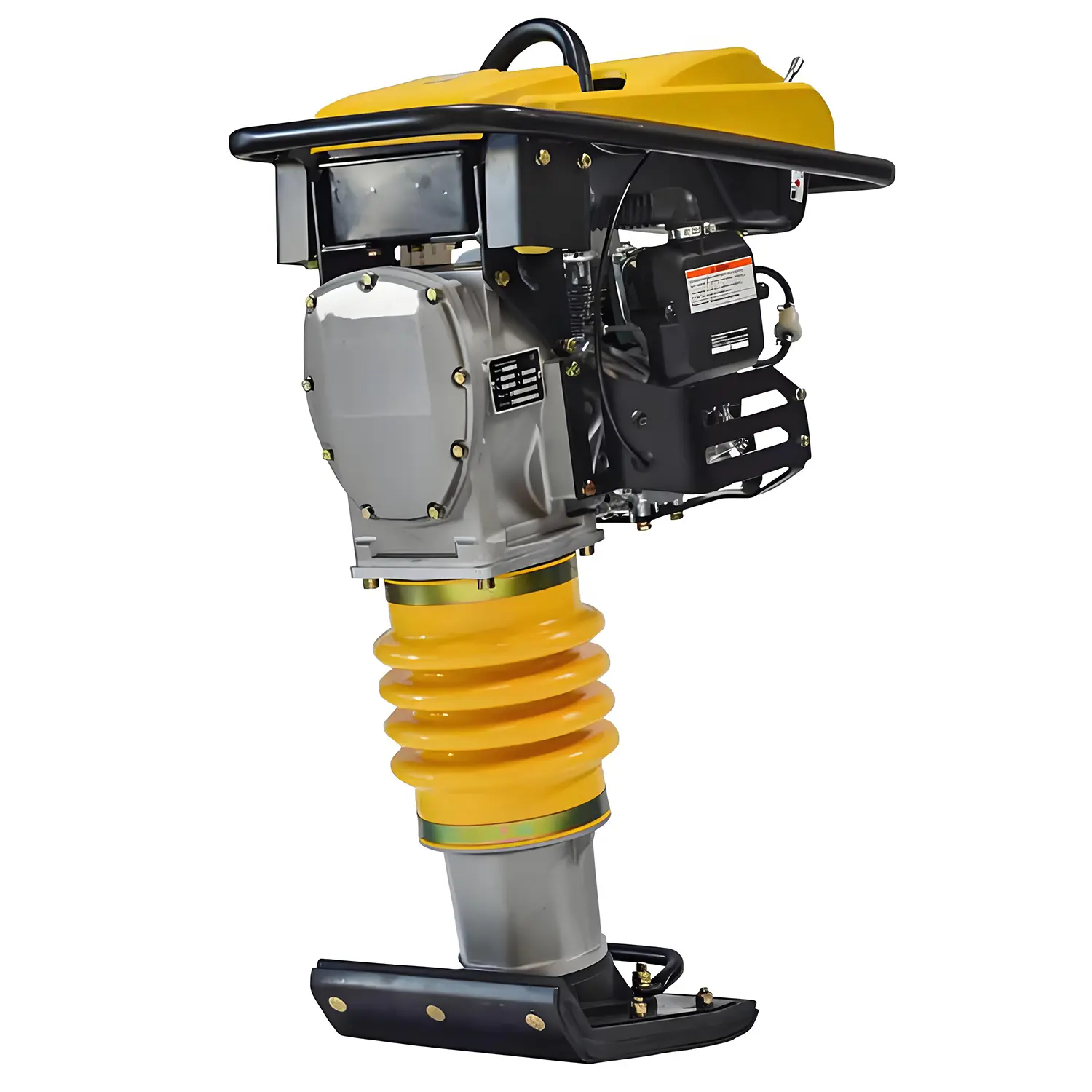 Tamping rammer
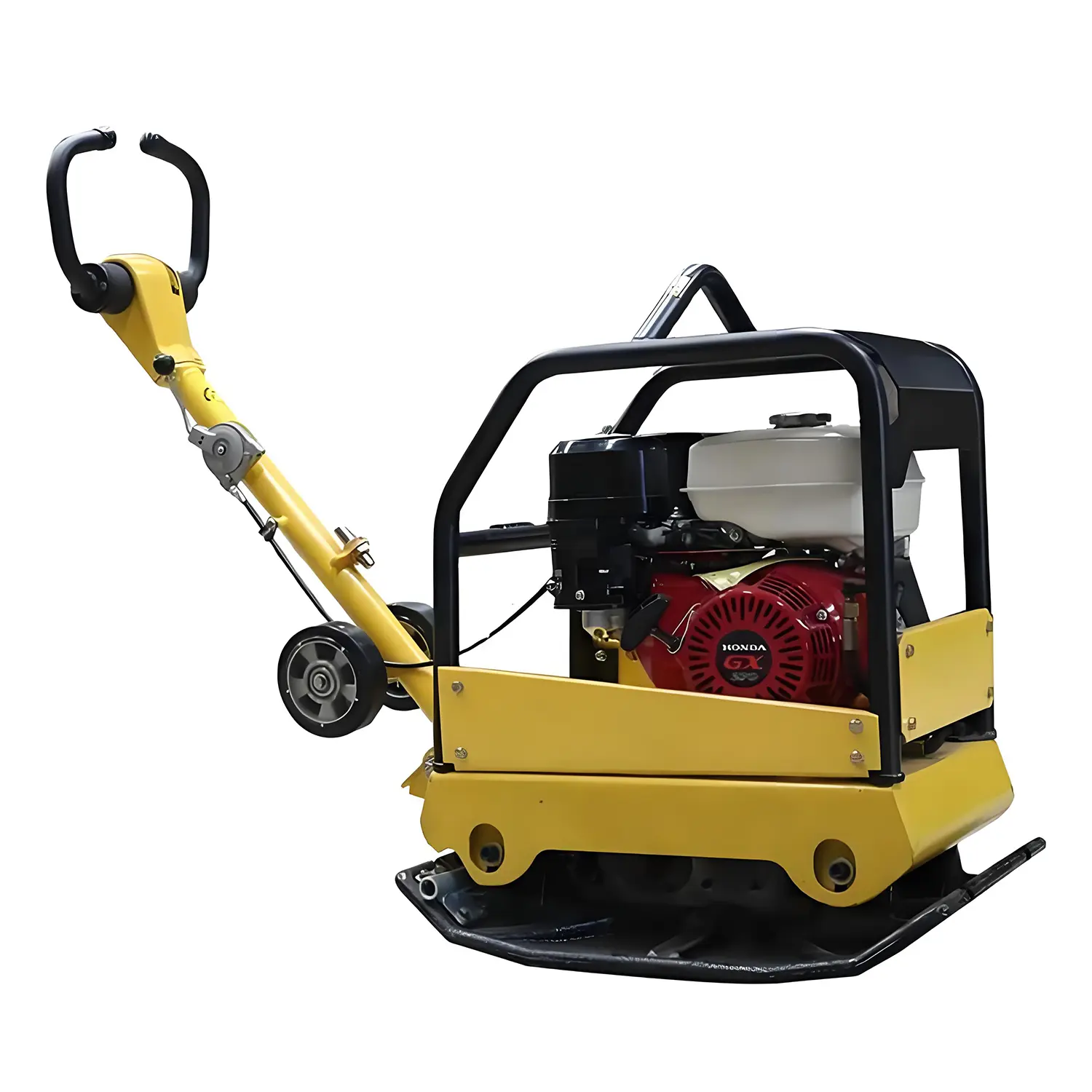 Plate compactor
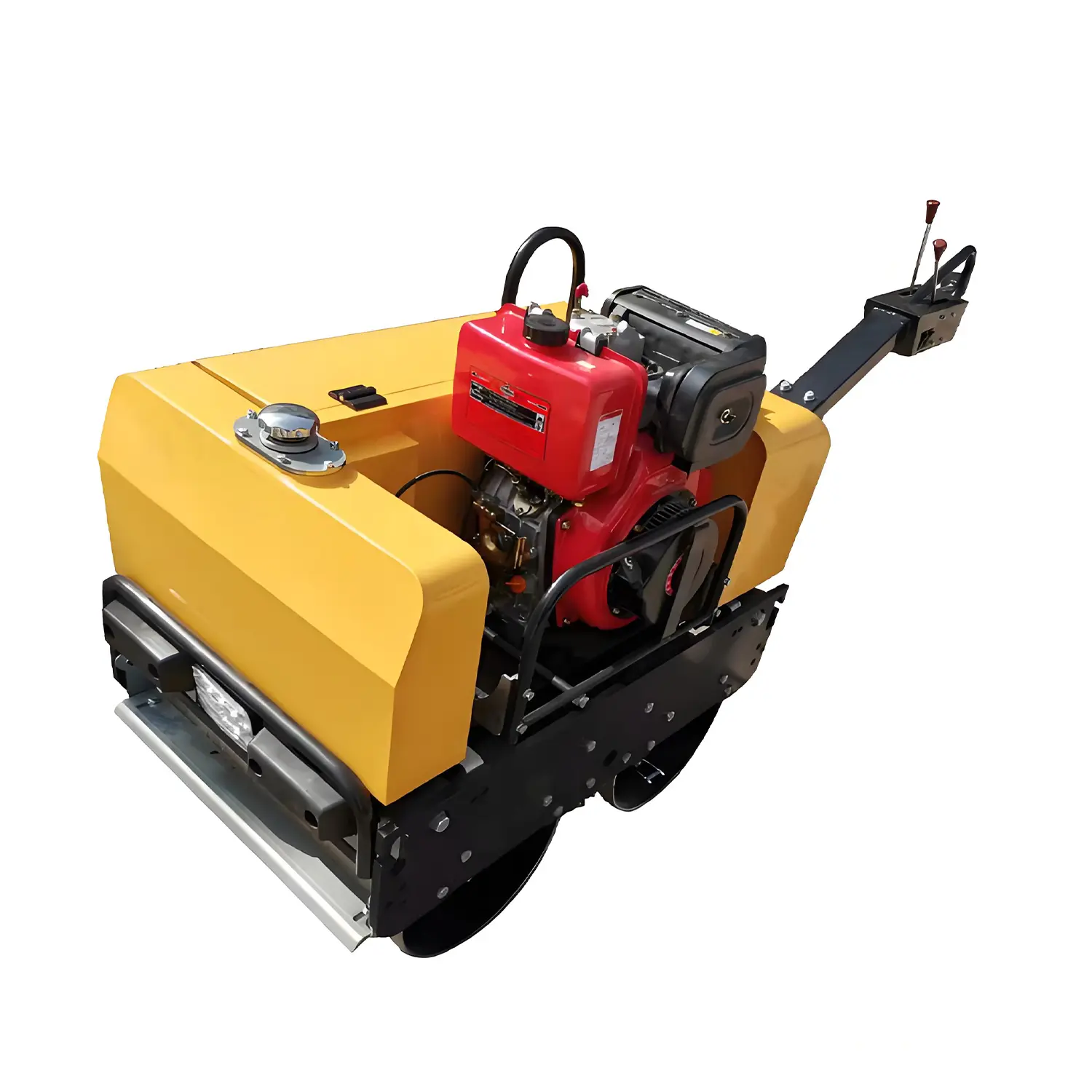 Vibratory roller