How to Choose the Right Concrete Vibrator Shaft for Your Projects?
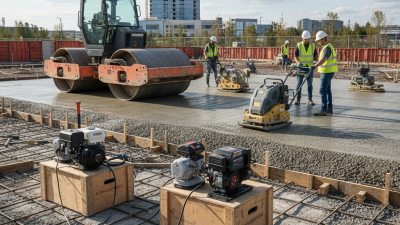
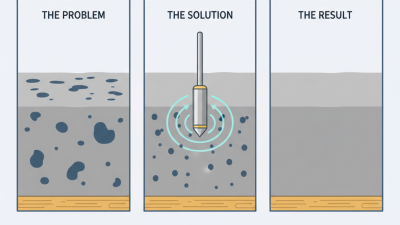
Choosing the right Concrete Vibrator Shaft is crucial for any construction project. A well-selected vibrator can ensure proper compaction, leading to stronger concrete structures. Reports from the American Concrete Institute indicate that incorrect vibration can decrease concrete strength by up to 30%. Industry expert John Smith notes, "The right vibrator shaft transforms the way concrete performs in its final form."
Not all projects require the same type of Concrete Vibrator Shaft. Different shaft lengths and diameters serve various purposes. A shaft that’s too long can lead to inefficiency in vibration. Conversely, a shaft that is too short may not reach deeper layers of concrete. Inadequate vibration can result in honeycombing, affecting durability.
Understanding project specifications is essential. Factors include concrete mix, size, and the pouring environment. Many contractors overlook these details, which can lead to costly mistakes. Recognizing the unique needs of each project can lead to successful outcomes. Specifying the right Concrete Vibrator Shaft shouldn’t be taken lightly. It is an often underappreciated yet critical aspect of construction.
Understanding Different Types of Concrete Vibrator Shafts and Their Uses
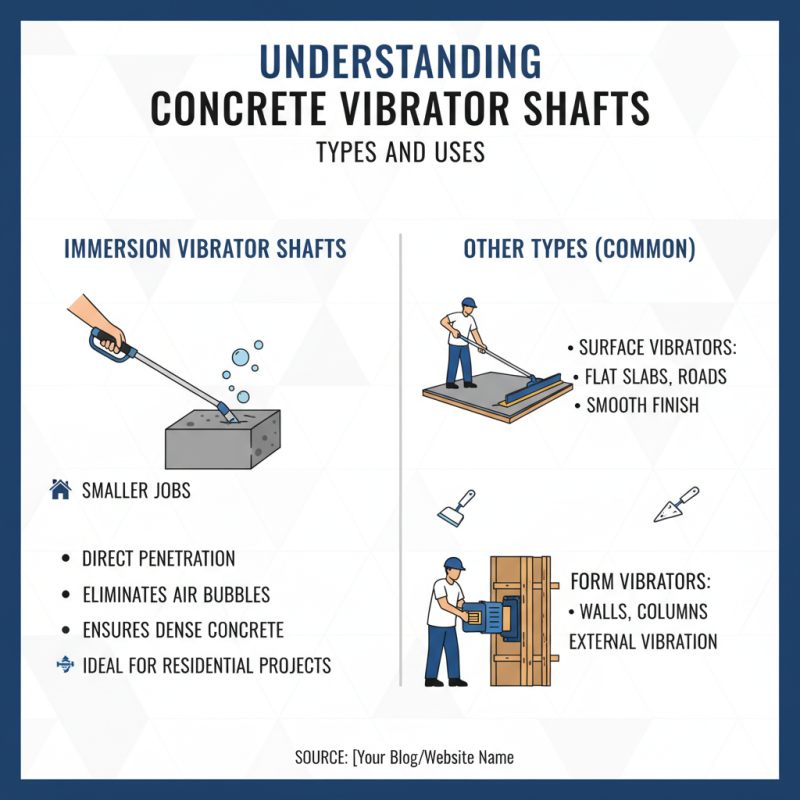
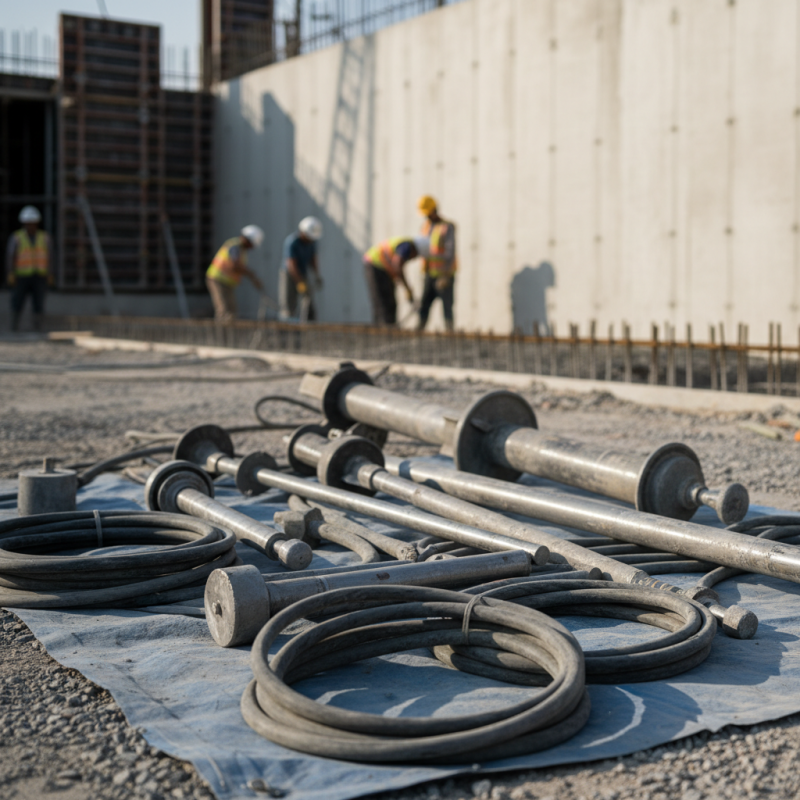
When selecting a concrete vibrator shaft, understanding the types is crucial. There are several variations available, each designed for specific applications. For instance, the immersion vibrator shafts are commonly used for smaller jobs and can penetrate the concrete directly. They help eliminate air bubbles, ensuring a dense final product. These are perfect for residential projects.
On the other hand, surface vibrators are better suited for large slabs. They rest on top of the concrete, vibrating it from above. Their operation is efficient for bigger surfaces where deep penetration isn’t as necessary. It’s important to consider the size and nature of your project when choosing a shaft type.
The quality of a vibrator shaft can also significantly affect the project outcome. A poorly designed shaft may not transmit vibrations effectively, leading to uneven compaction. It's essential to research and consider user experiences to avoid common pitfalls. Choosing the wrong shaft could waste time and resources on the project, highlighting the necessity of informed decision-making.
Key Factors to Consider When Selecting a Concrete Vibrator Shaft
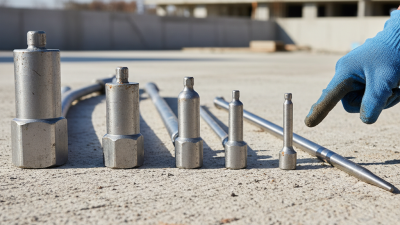
When selecting a concrete vibrator shaft, several key factors emerge. The diameter of the shaft impacts the vibration frequency. Typically, a thicker shaft generates deeper vibrations. According to industry reports, shafts between 1 and 2 inches in diameter are most common for various concrete projects. This choice often depends on the specific application and the type of concrete mix used.
Length is another crucial element. Longer shafts can reach deeper into concrete pours. However, they may also pose challenges in handling and maneuverability. A study by the ACI (American Concrete Institute) suggests that a length of 4 to 6 feet often provides an effective balance for most tasks. Yet, some professionals find that longer or shorter variations can yield better results based on their work environment.
The material of the shaft influences durability and performance. Steel shafts are known for their strength, while aluminum shafts are lighter and easier to handle. However, lighter shafts may not withstand heavy use as effectively. Understanding these material properties can guide contractors toward the right choice for their needs. Reflection on past experiences can also highlight the importance of selecting the correct specification for different projects, as improper choices often lead to compromised concrete integrity.
The Importance of Shaft Length and Diameter in Concrete Vibrators
Choosing the right shaft length and diameter for your concrete vibrator is crucial. A longer shaft can reach deeper areas of concrete but may lose some effectiveness. On the other hand, a shorter shaft might offer more power in shallower pours. This trade-off is important to consider based on your specific project needs.
Diameter also plays a significant role. A thicker shaft can handle more vibration and move concrete faster. However, it may not fit into tighter spaces as easily. For smaller projects, a thinner shaft might be more appropriate, allowing for greater versatility. It’s essential to balance these factors to achieve optimal compaction without compromising the integrity of your mix.
Reflecting on your project type and concrete thickness will help guide your choice. Every situation is unique and may require a different approach. Experimenting with various sizes could lead to better outcomes or new insights. Understanding these dynamics can enhance your efficiency on site, ultimately resulting in stronger, more durable concrete structures.
Industry Standards and Efficiency Ratings for Concrete Vibrator Shafts
Choosing the right concrete vibrator shaft is crucial for project success. Industry standards and efficiency ratings play a vital role in this decision. According to a study by the American Concrete Institute, the efficiency of vibrators can vary significantly, impacting the final quality of concrete. For example, a vibrator rated at 10,000 vibrations per minute can lead to optimal consolidation. Research indicates that improper vibratory frequency can leave entrapped air, reducing overall strength.
Consider shaft length and diameter based on your project's needs. For instance, shorter shafts might fit tighter spaces but may not penetrate deeper layers effectively. Conversely, longer shafts can reach deeper but may require more power. Be aware that selecting the wrong shaft can lead to job site inefficiencies. A report from the National Ready Mixed Concrete Association points out that using the right shaft can enhance the concrete's workability and longevity.
When choosing, keep these tips in mind: Select a shaft with the appropriate amplitude for your mix. A higher amplitude can be more efficient in consolidating thick mixes. Test the shaft with your specific concrete mixture to gather performance data. Adjust as necessary, learning from each project experience. Recognizing the importance of these standards can ensure you achieve the best results.
Comparison of Electric vs. Gas-Powered Concrete Vibrator Shafts
When choosing between electric and gas-powered concrete vibrator shafts, several factors come into play. Electric vibrators are often lighter and easier to handle. They provide consistent vibration with lower noise levels, making them ideal for residential projects. Industry reports suggest that electric models can reduce noise pollution by up to 50%. This feature can be crucial in noise-sensitive environments.
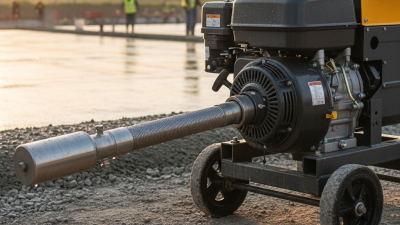
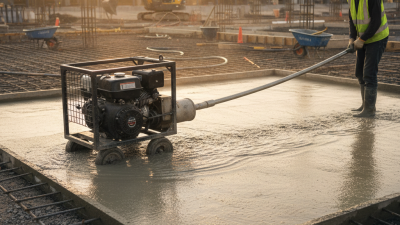
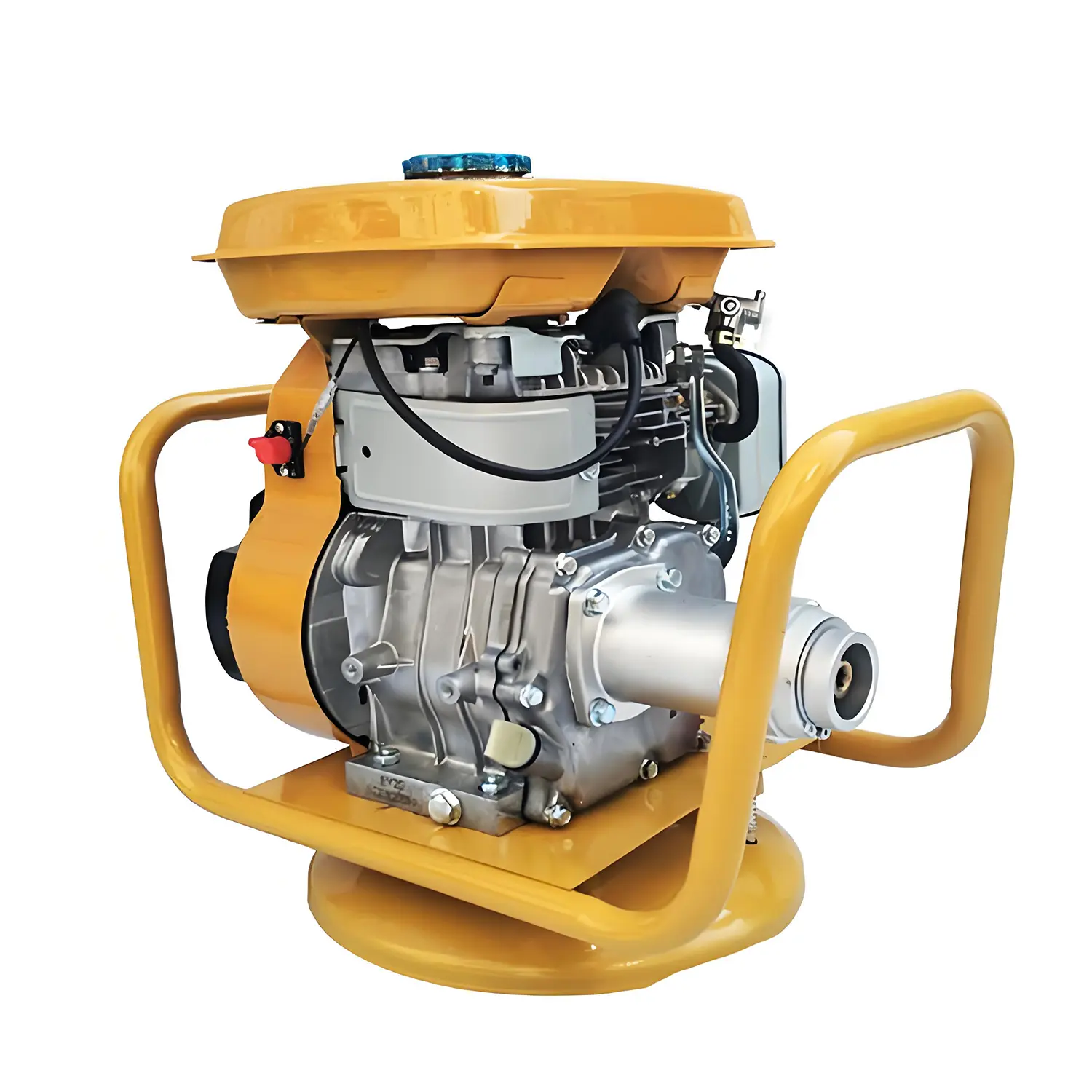
Conversely, gas-powered vibrators offer portability and unmatched power. When working on larger sites or remote locations, gas units shine. They can run for extended periods without the need for an electrical outlet. Industry data indicates that gas-powered shafts can effectively vibrate larger volumes of concrete, leading to more compact and durable finishes. However, they may require regular maintenance due to engine components, which could impact their longevity and reliability.
Both options have their pros and cons. Electric vibrators are generally easier on the environment, while gas models can handle demanding jobs. Users often reflect on their specific needs when making a choice. Understanding project requirements is essential for selecting the right shaft. The decision ultimately hinges on the balance between ease of use and project demands.

 Internal Vibrator
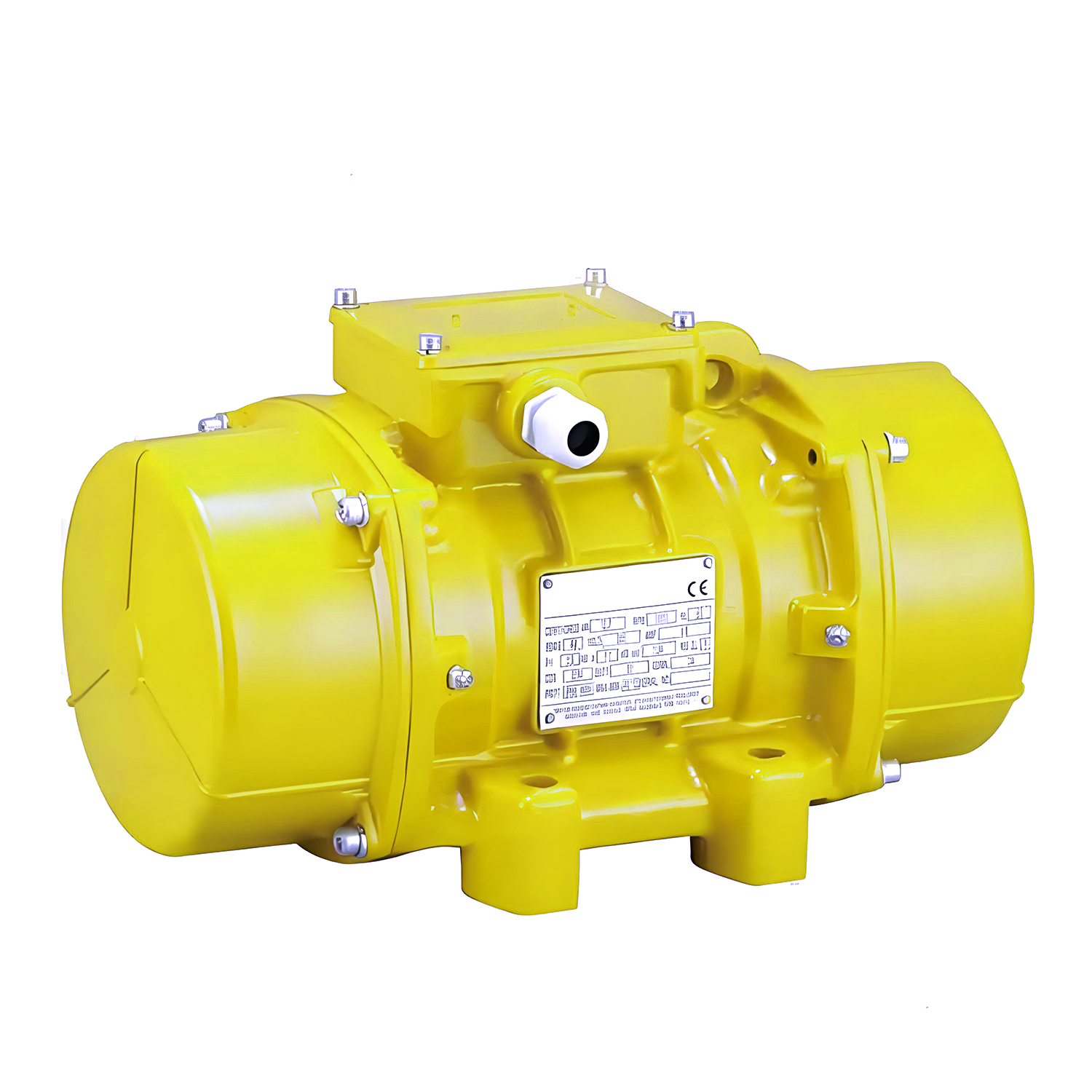 External Vibrator
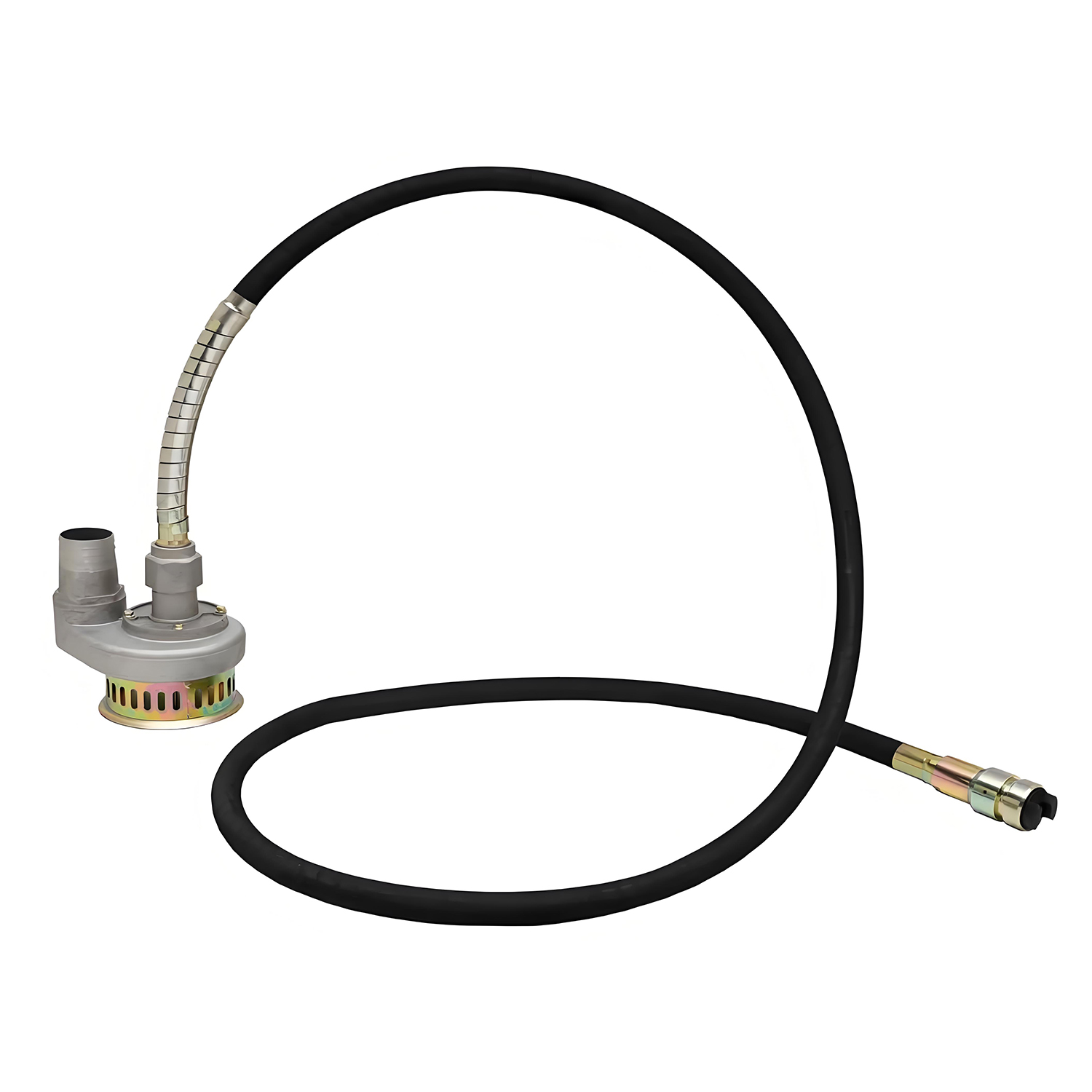 Submersible Pump
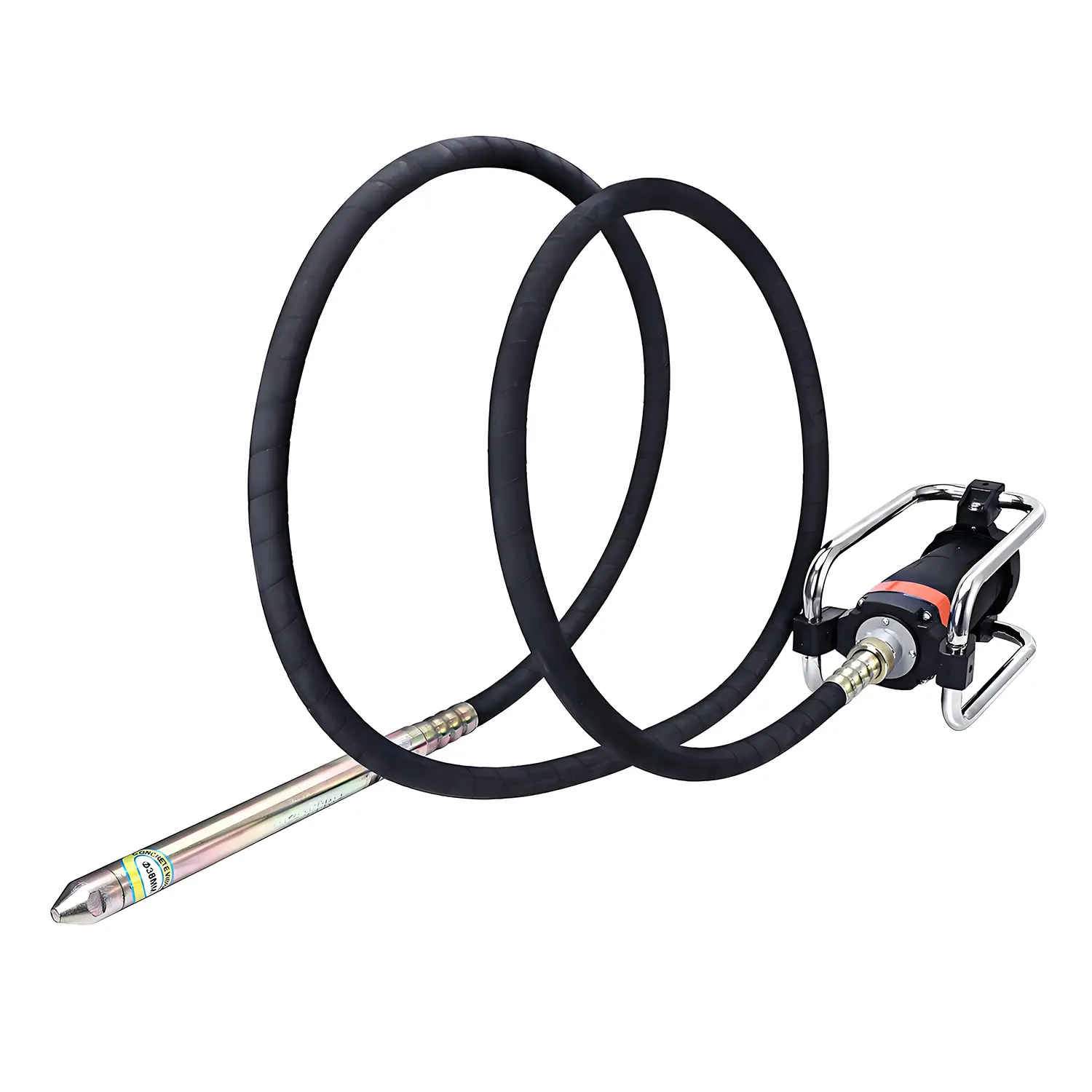 Eccentric shaft
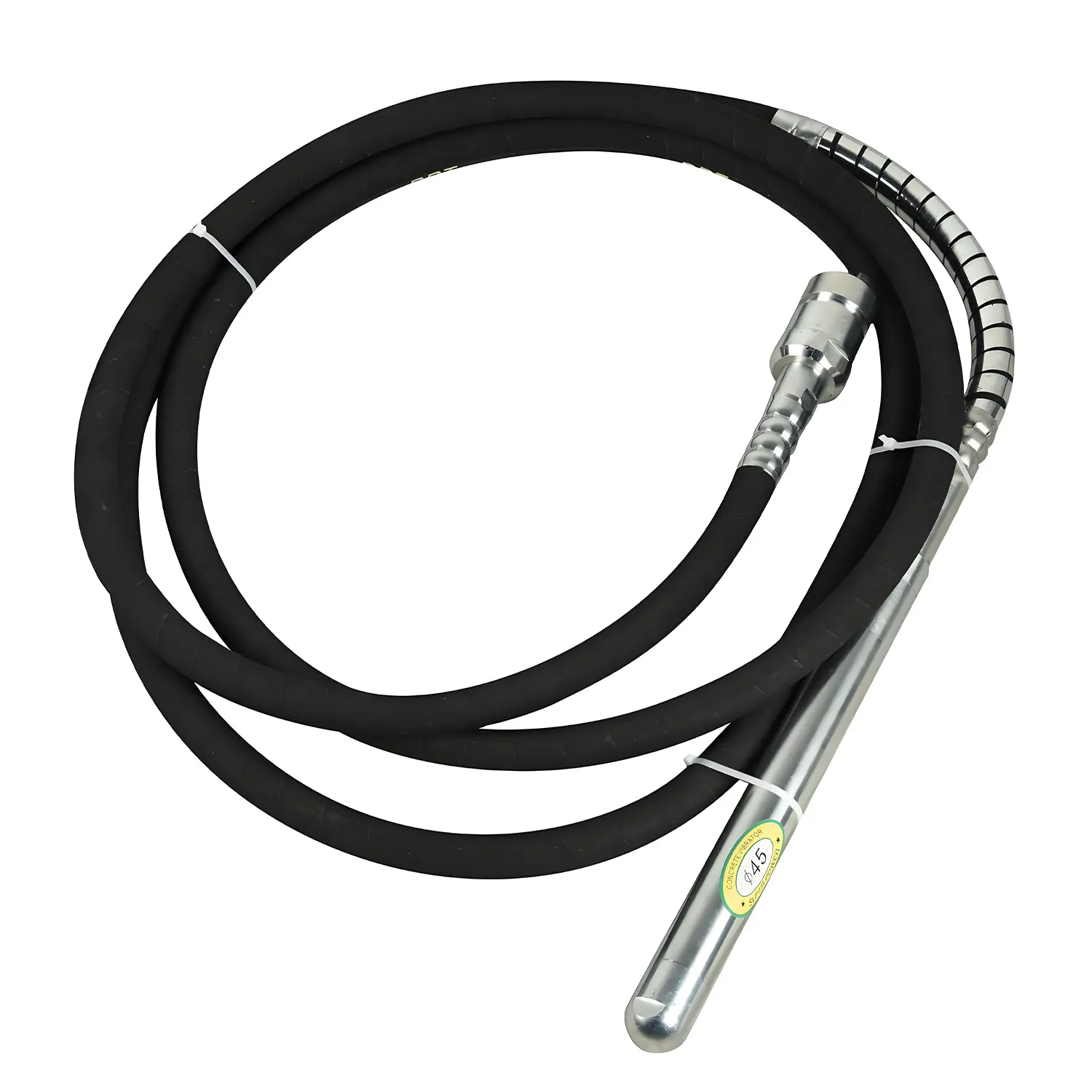 Pendulum shaft
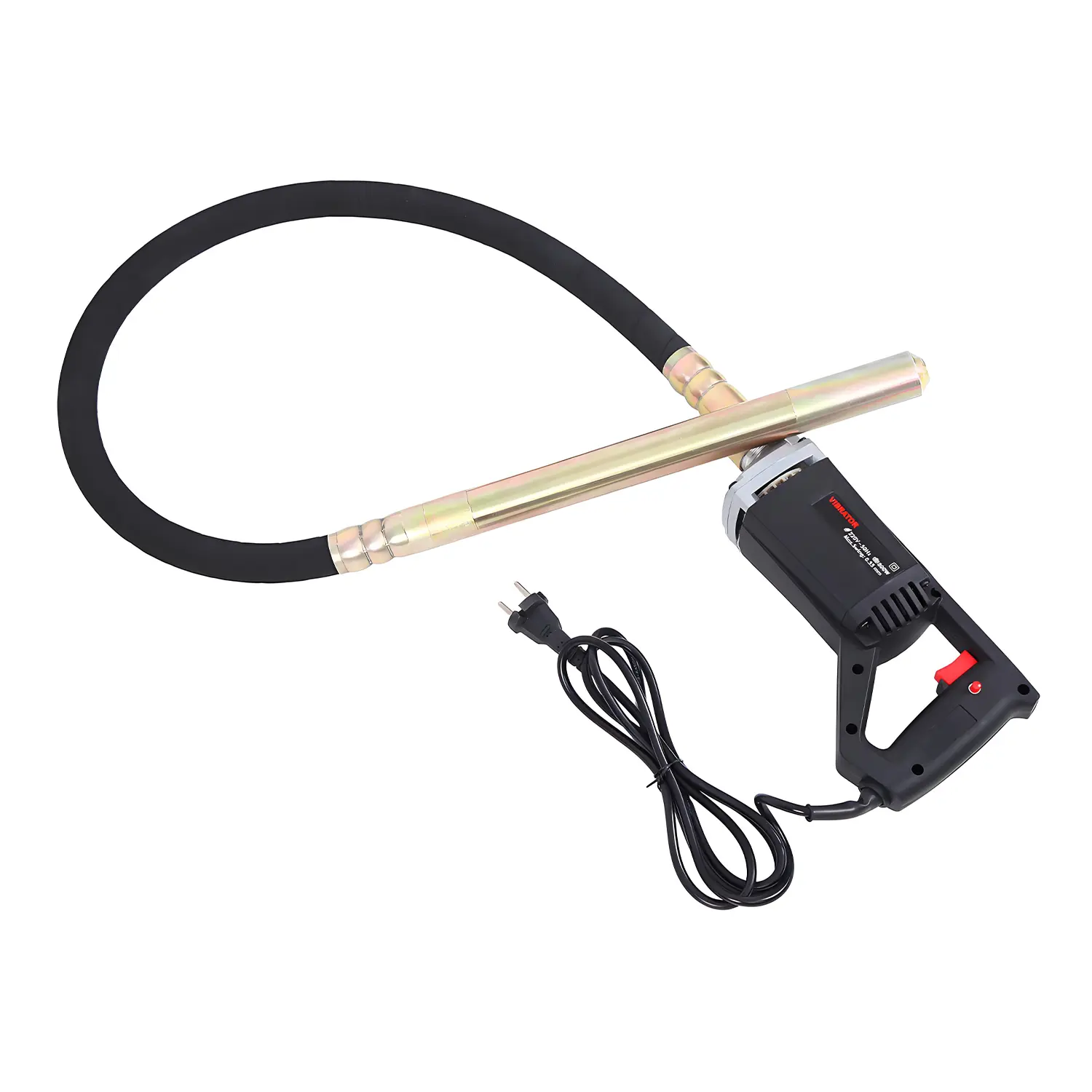 Portable vbrator shaft
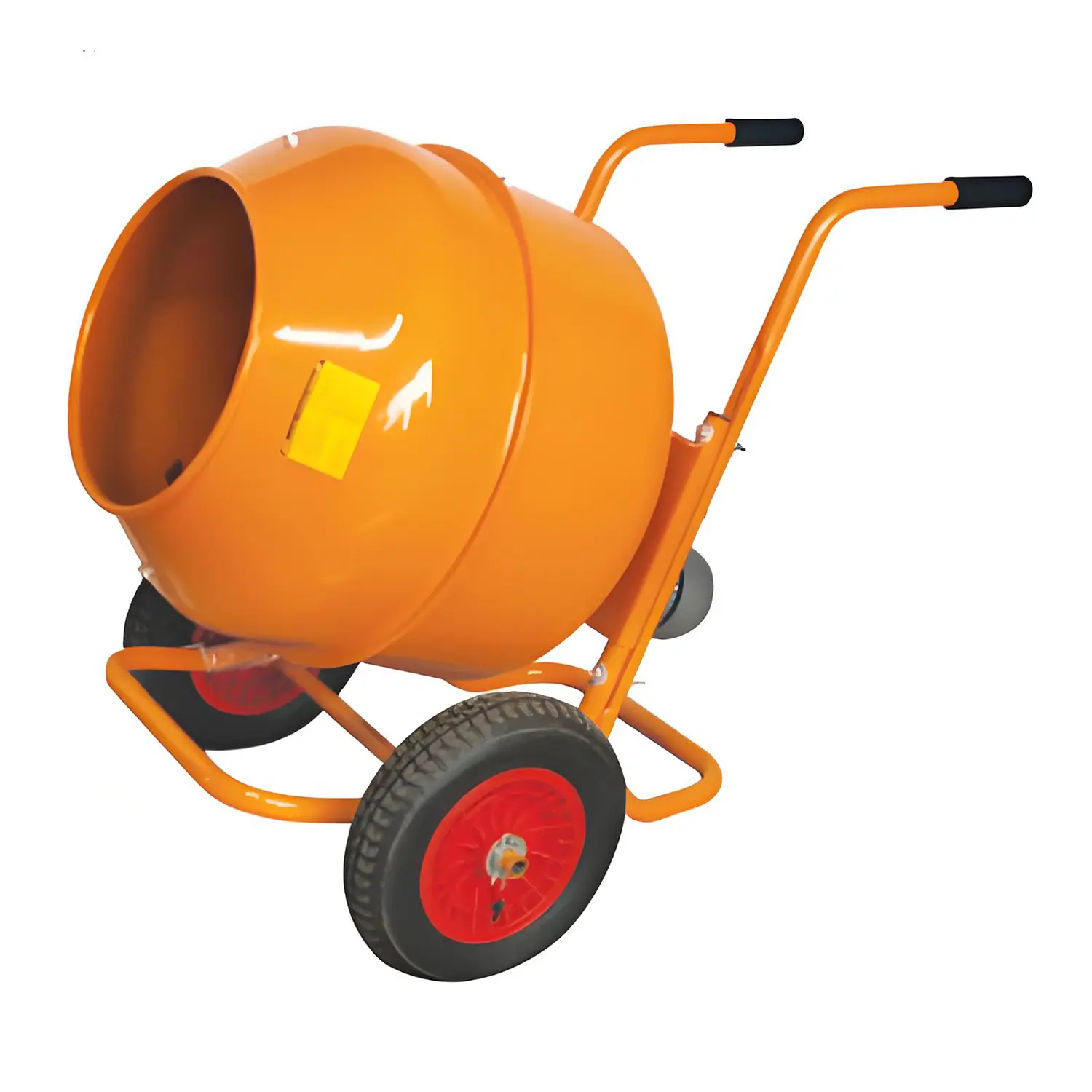 Portable concrete mixer
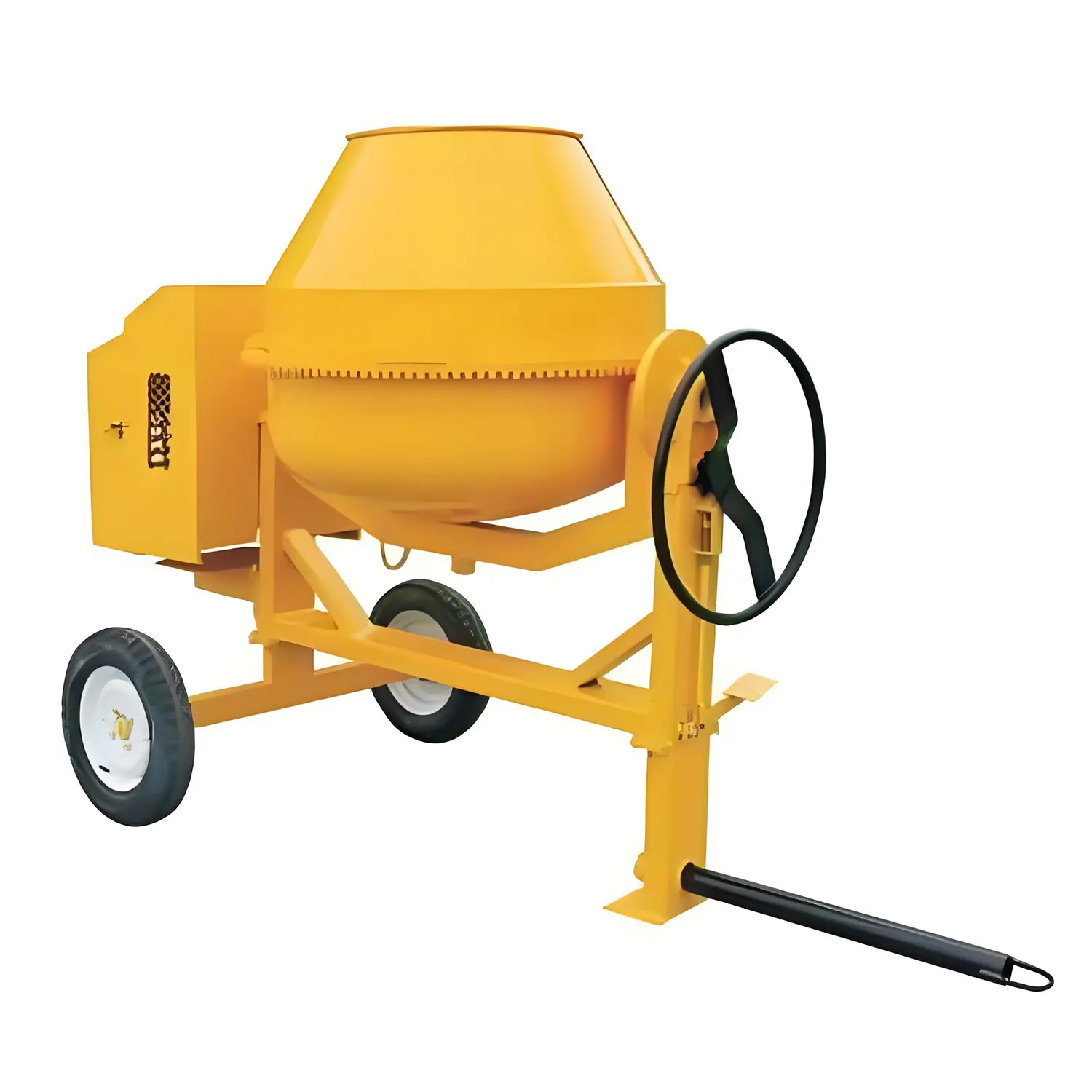 Vertical concrete mixer
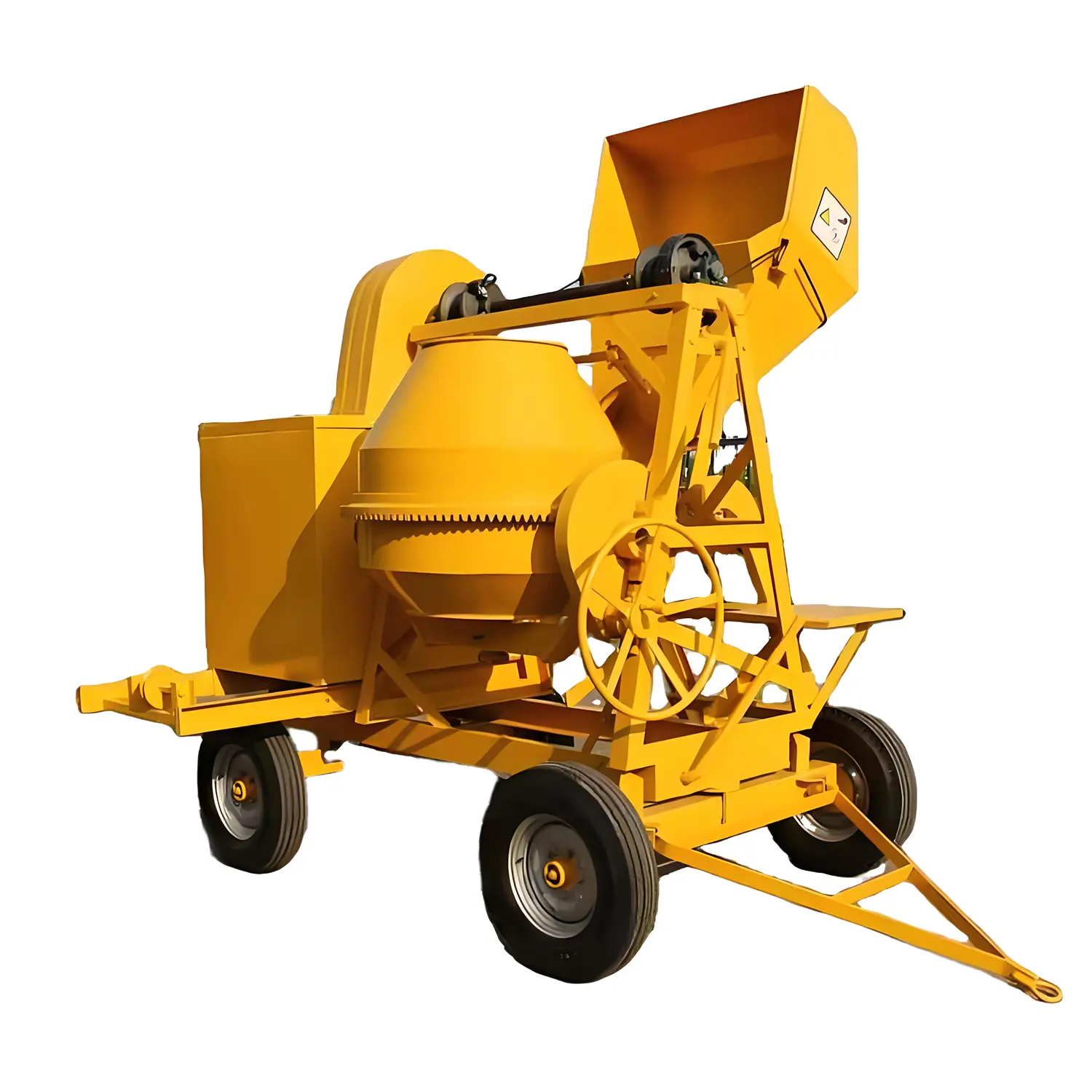 Hydraulic concrete mixer
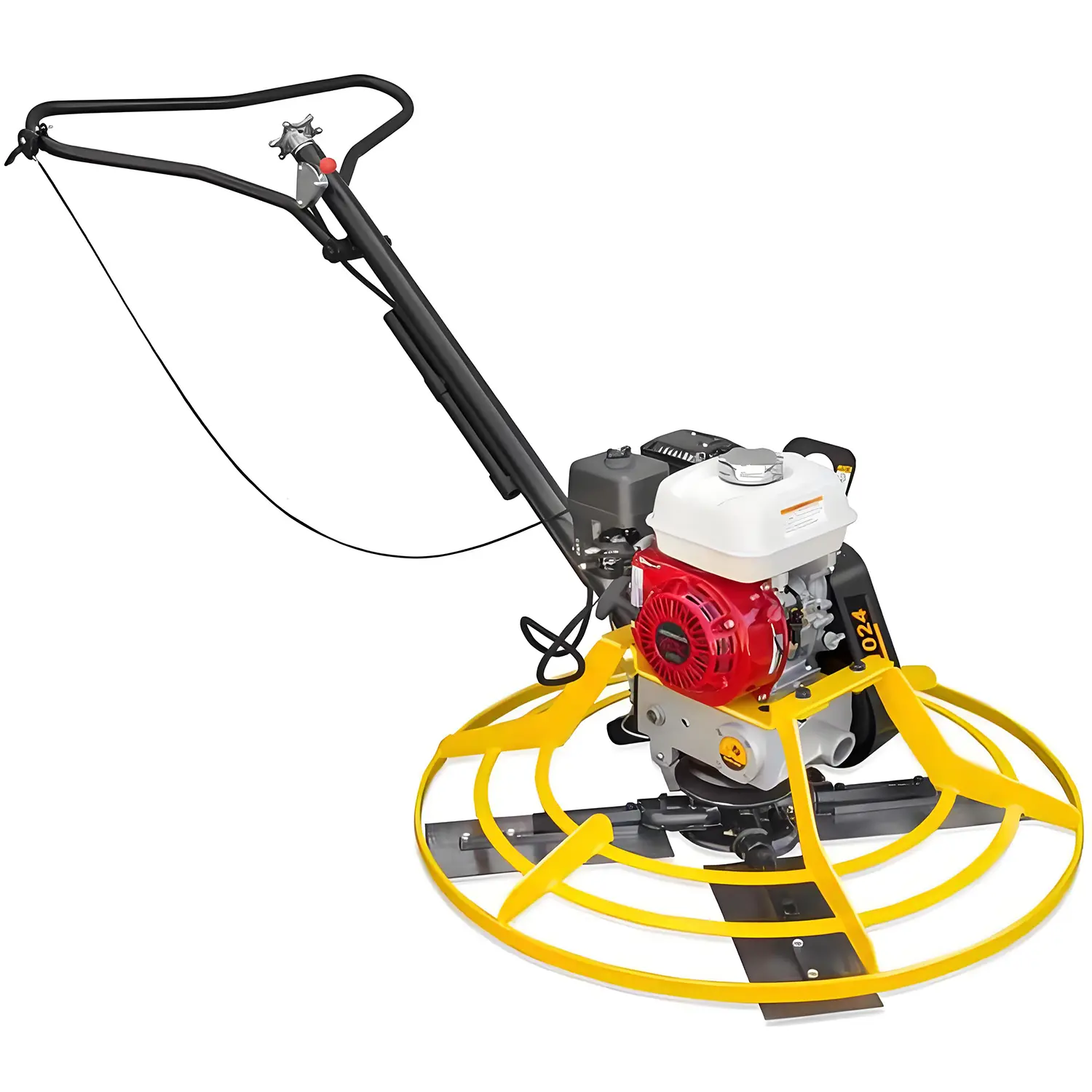 Walk behind power trowel
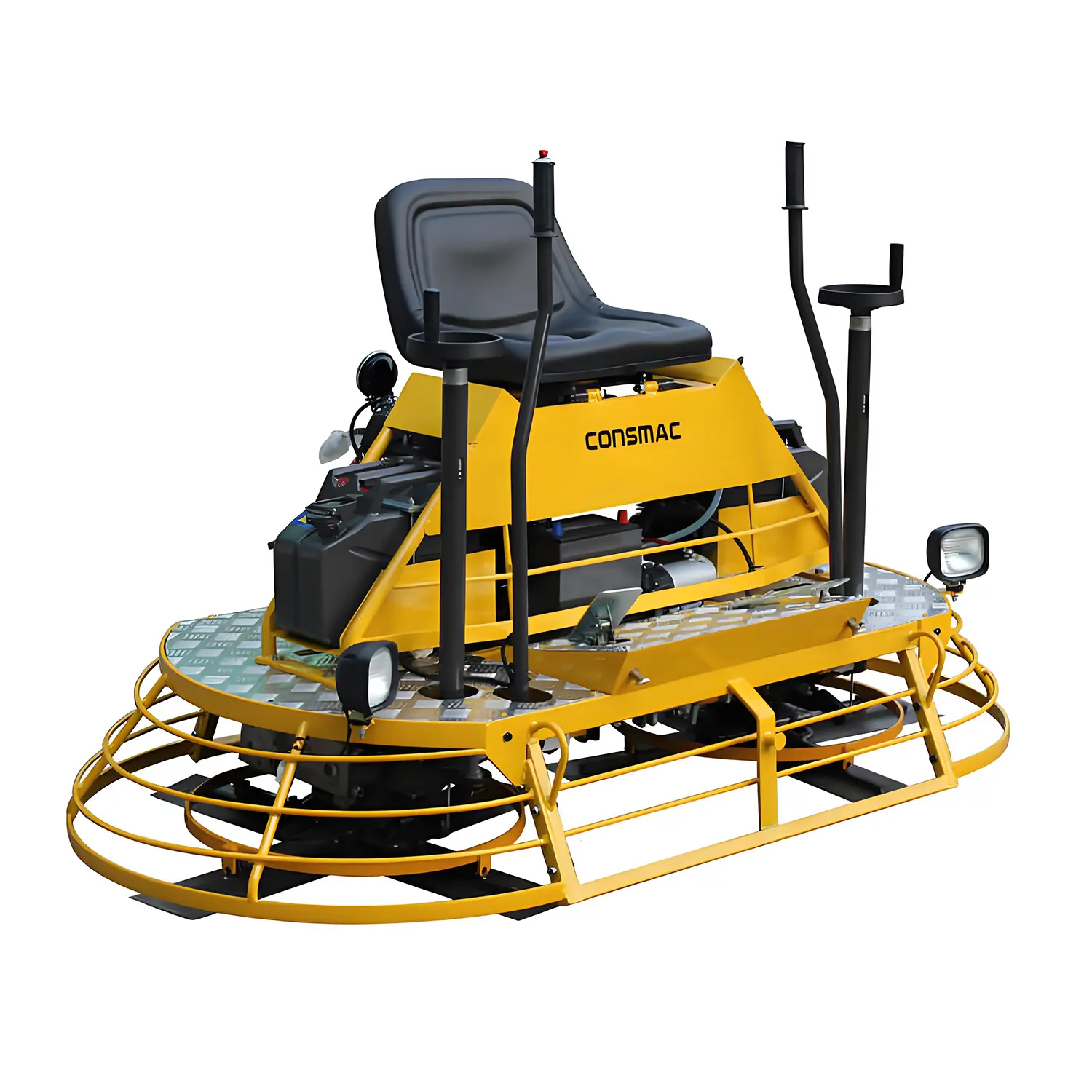 Ride on power trowel
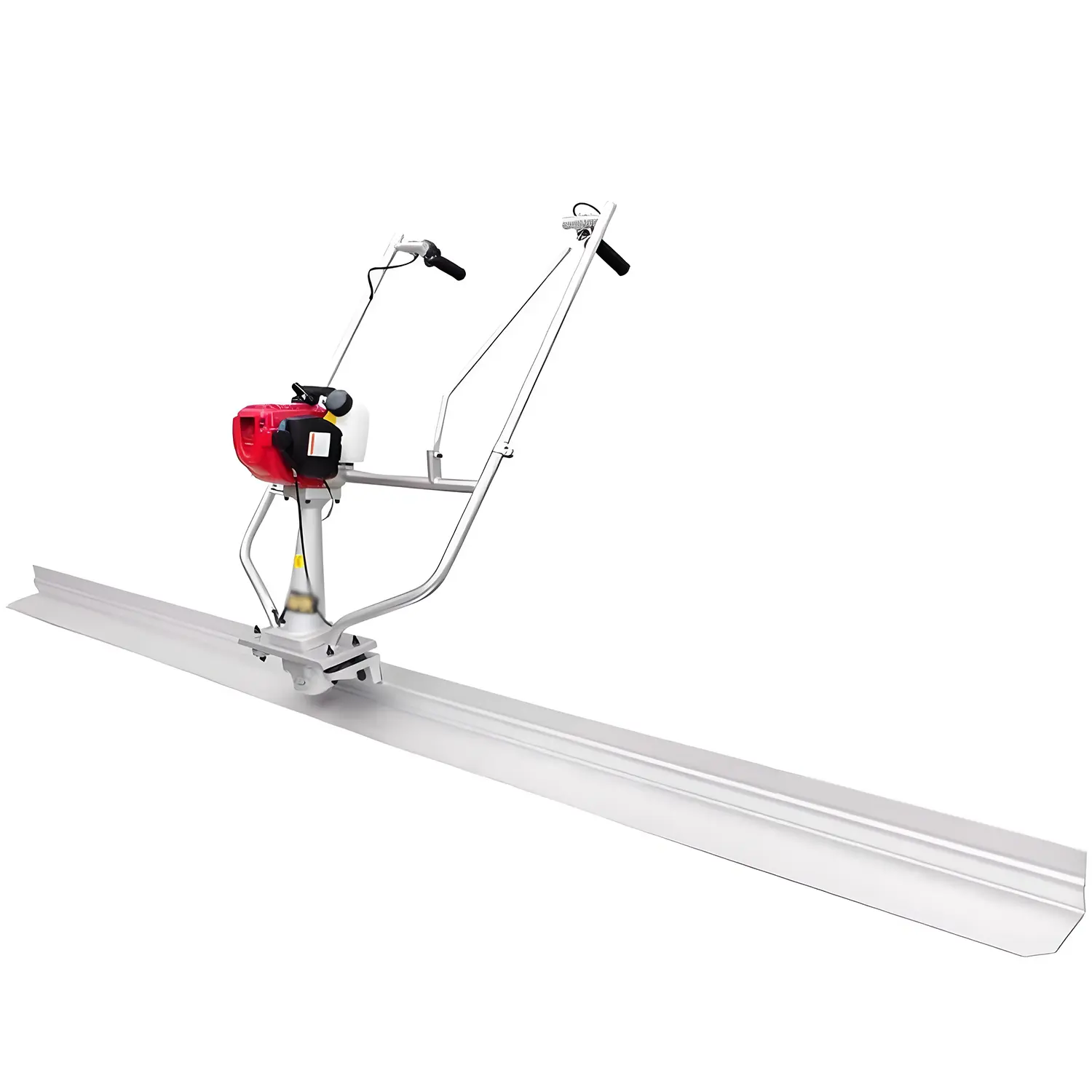 Concrete screed
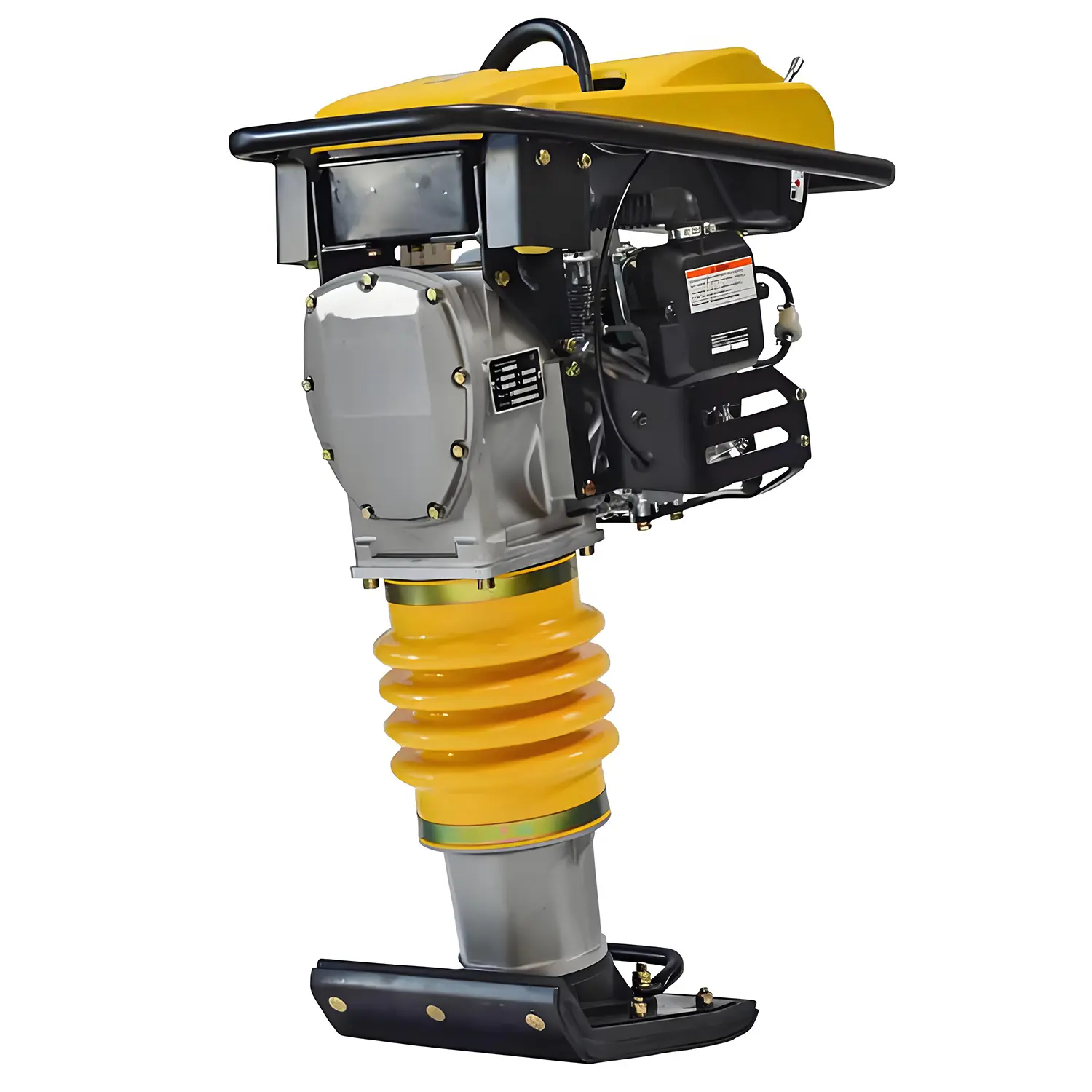 Tamping rammer
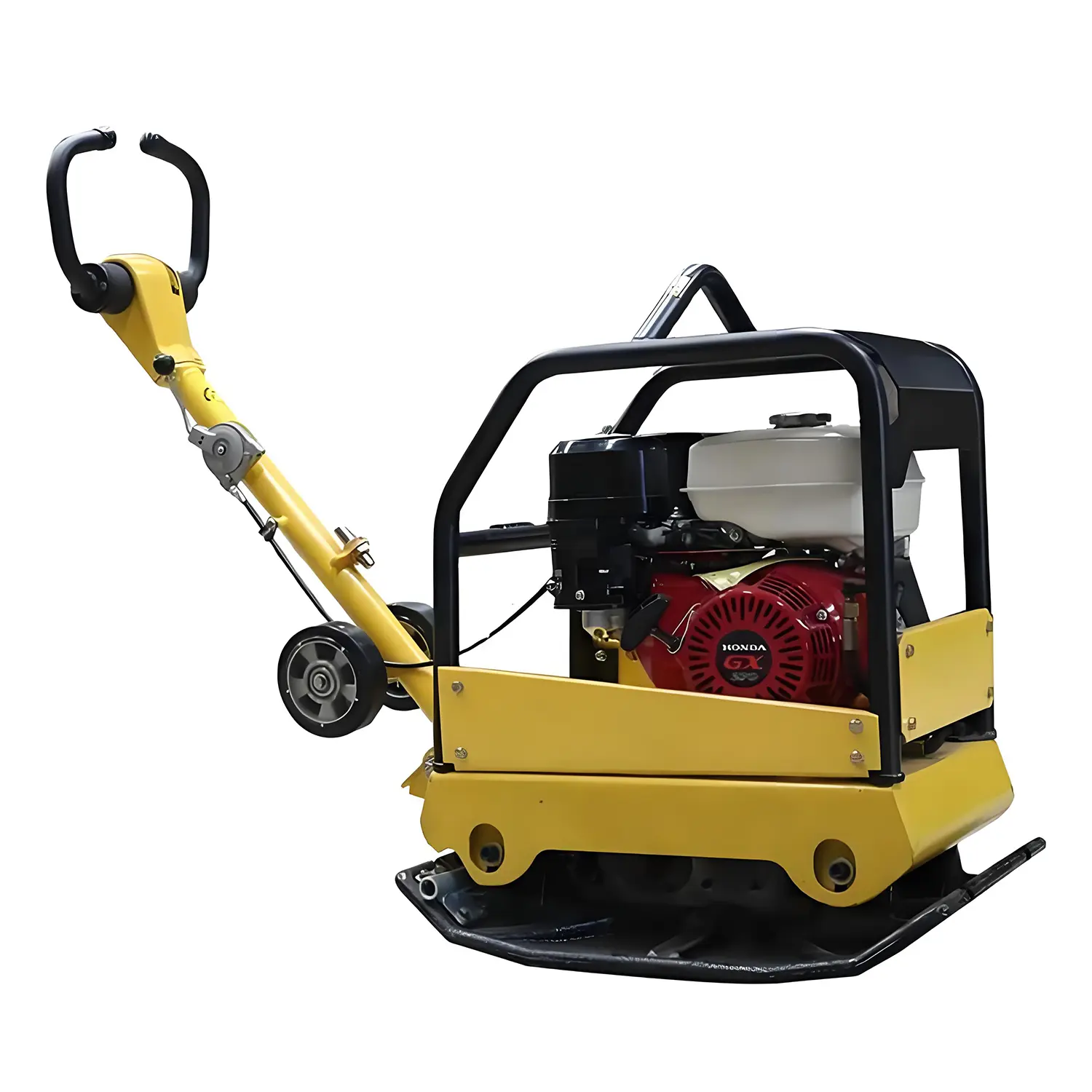 Plate compactor
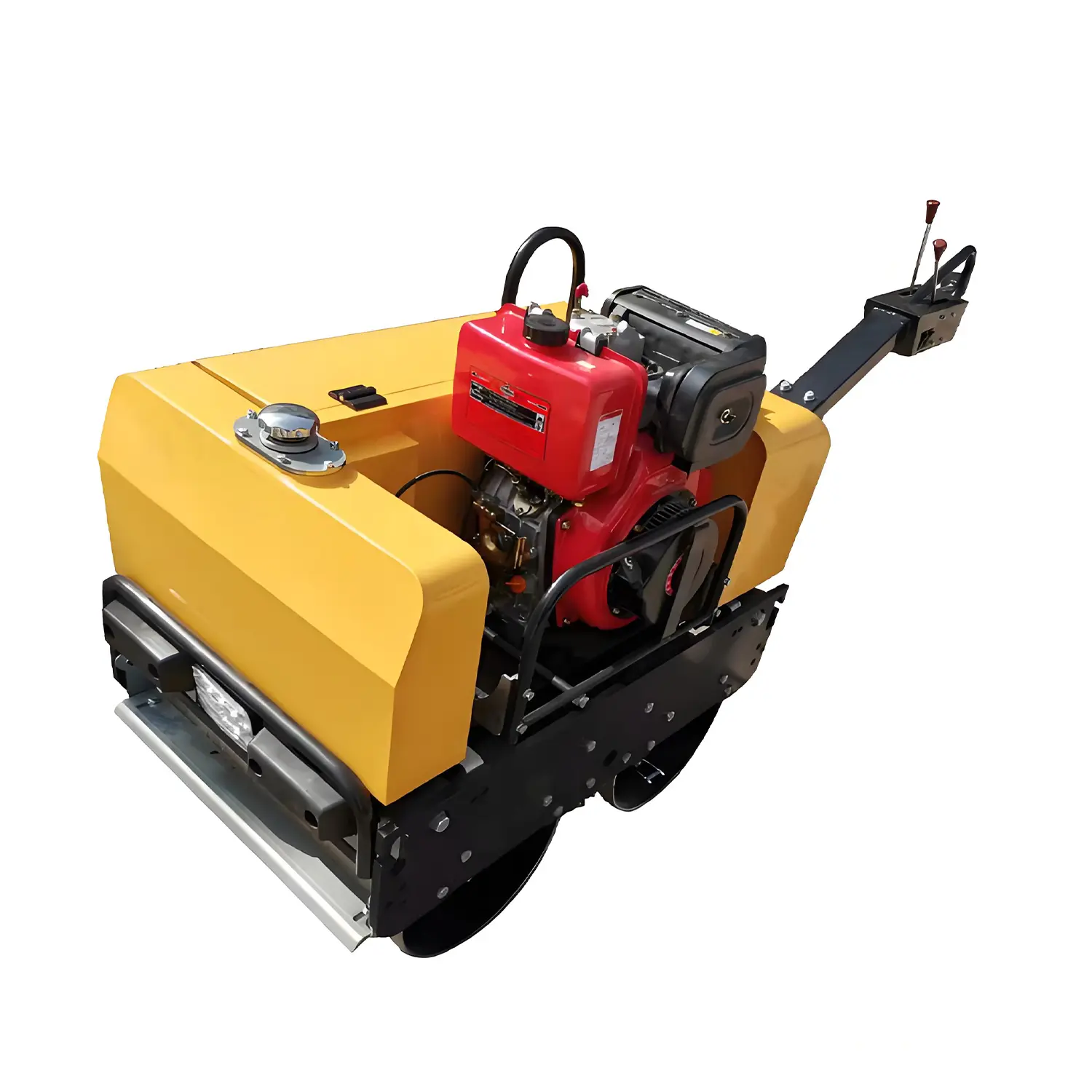 Vibratory roller