2026 How to Choose the Right Compactor Machine for Your Project?
Choosing the right compactor machine is crucial for project success. In the construction industry, an estimated 20% of project delays stem from equipment failures. The right machine helps avoid these issues. For instance, improper soil compaction can lead to structural problems. Thus, selecting a reliable compactor is vital for maintaining project timelines and budgets.
A compactor machine ensures optimal soil density. With better density, structures are less likely to settle or shift. Research shows that well-compacted soil improves load-bearing capabilities by up to 50%. This data highlights the importance of choosing the right compactor for specific conditions. Many projects overlook this factor, leading to underperforming results.
Compactors come in various types, including plate, rammer, and roller models. Each serves different purposes and soil types. However, many operators misjudge their needs, resulting in inefficient operations. The wrong choice can also increase fuel consumption and operational costs. It's essential to analyze project requirements thoroughly before making a decision. This prevents unnecessary expenses and ensures optimal performance in the long run.
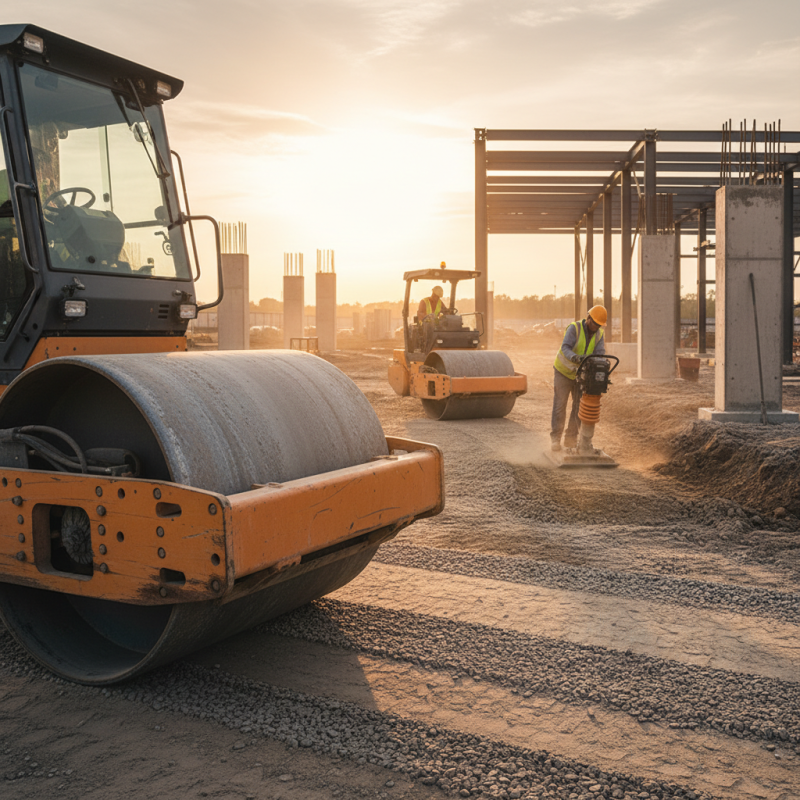
Understanding the Different Types of Compactor Machines Available
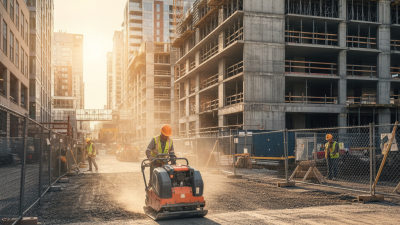
When selecting the right compactor machine, understanding the various types available is crucial. There are several kinds, each designed for specific tasks. Plate compactors are widely used for small jobs. They are ideal for compacting soil and asphalt in tight spaces. Walk-behind rollers are larger, suited for medium to large projects. They can handle heavy materials with ease.
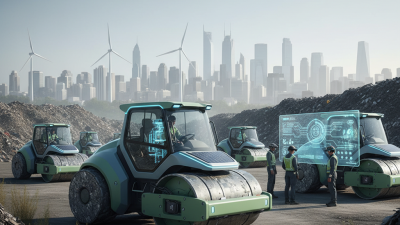
Another option is a single drum roller. This machine is great for compacting soil and gravel. It features a heavy drum that applies pressure effectively. Pneumatic tire rollers provide a different approach. They use tires to compress materials, making them suitable for asphalt applications. Choosing the right type depends on your project size and material type.
It can be confusing to pick the best machine. One may feel overwhelmed with available options. Sometimes, the wrong choice leads to poor results. Consider factors like project requirements, machine capabilities, and operating environment. Reflecting on these aspects can guide you to a more effective decision. Each type offers distinct advantages, but recognizing limitations is essential for success.
2026 Compactor Machine Types and Their Weight Capacities
Key Factors to Consider When Selecting a Compactor Machine
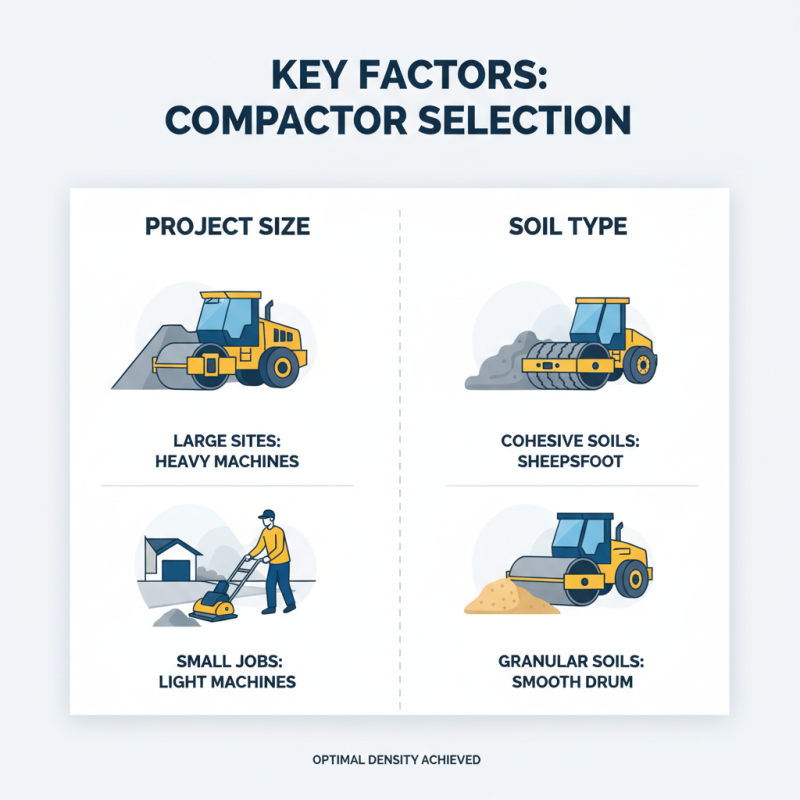
When selecting a compactor machine, several key factors come into play. The project size is crucial. For large sites, heavier models may be necessary. Smaller jobs can often be managed with lighter machines. Assess the soil type as well. Different soils require different compaction methods. For instance, cohesive soils need specific machines to achieve optimal density.
Power source is another vital consideration. Diesel engines offer strong performance but might not be suitable for all environments. Electric compactors are quieter and more eco-friendly but may lack the same power. Weight and size also matter. Heavier machines provide more force, but they can be challenging to maneuver in tight spaces.
Don’t forget about maintenance. Some machines are easier to service than others. Regular upkeep is essential for long-term performance. Review your budget, but be realistic. A cheaper model might lead to higher operational costs. Take the time to assess your specific needs. Reflecting on your project requirements can lead to the right choice.
Assessing Your Project Requirements for Compaction
When choosing a compactor machine, it's crucial to assess your project requirements.
Consider the type of soil you will work with.
Sandy soils require different compaction methods compared to clay soils.
You also need to think about the depth of compaction needed. Shallower layers may only need lightweight options. However, for deeper layers, a heavier machine may be necessary.
Analyze the space available on your job site. Some compactors are designed for tight spaces and can maneuver easily.
Others may be bulkier but manage more substantial loads. Consider the presence of obstacles like trees or structures.
A compact machine might save time and hassle in those cases.
Your project's timeline can also influence your choice. Sometimes, a more powerful, efficient machine can offset initial costs by speeding up the work.
Additionally, reflect on the volume of material you need to compact.
If your project requires extensive compaction, investing in a more advanced model may pay off.
But if the job is small and straightforward, a simpler option might suffice. Each decision has its trade-offs.
Strive for balance between capability and cost.
A thorough evaluation of these requirements will guide you in selecting the best compactor for your project.
Common Features and Specifications of Compactor Machines
When selecting a compactor machine for your project, understanding common features and specifications is crucial. Compactors come in various types, each designed for specific tasks. The weight of the machine often determines its efficiency. Heavier compactors can compress soil and asphalt better, while lighter versions are suitable for smaller jobs.
Engine power is another important specification. A powerful engine can handle tougher materials and larger areas. Look for features such as adjustable vibration settings. This allows more control over the compaction process, ensuring thorough results. It’s important to consider the size of the compactor as well. A compact machine can navigate tighter spaces but may take longer to complete a project.
Don’t overlook the importance of user comfort and safety features. Proper handles and controls can enhance usability. However, many compactors lack adequate safety warnings. This can lead to operator mistakes and potential accidents. Always review safety features before making a choice. Aim for machines that offer a balance between power and user-friendliness.
Budgeting for Compactor Machine Purchase or Rental Options
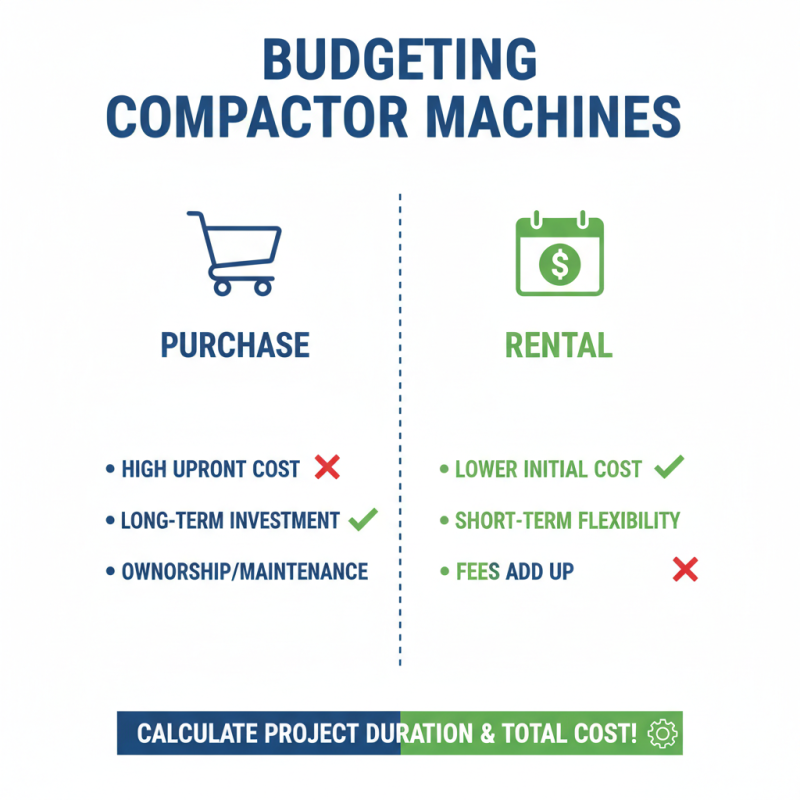
When planning to purchase or rent a compactor machine, budgeting is crucial. Understanding costs helps avoid unexpected financial stress. Rental options often have lower upfront costs. They can be an excellent choice for short-term projects. However, rental fees can add up over time. It’s essential to calculate your project duration and the total rental expenses.
Consider the purchase route if your project is long-term. Owning equipment can save money in the long run. Estimate maintenance and repair costs, as these can be significant. Additionally, research resale value if you plan to sell the machine later. These figures can impact your overall budget.
Don't forget about additional costs. Transportation fees, training for your team, and insurance might be necessary. These factors can raise your overall spending. Reflecting on these aspects before making a decision can lead to better financial outcomes. Balancing quality and cost shouldn’t be rushed. Take your time to explore all available options.

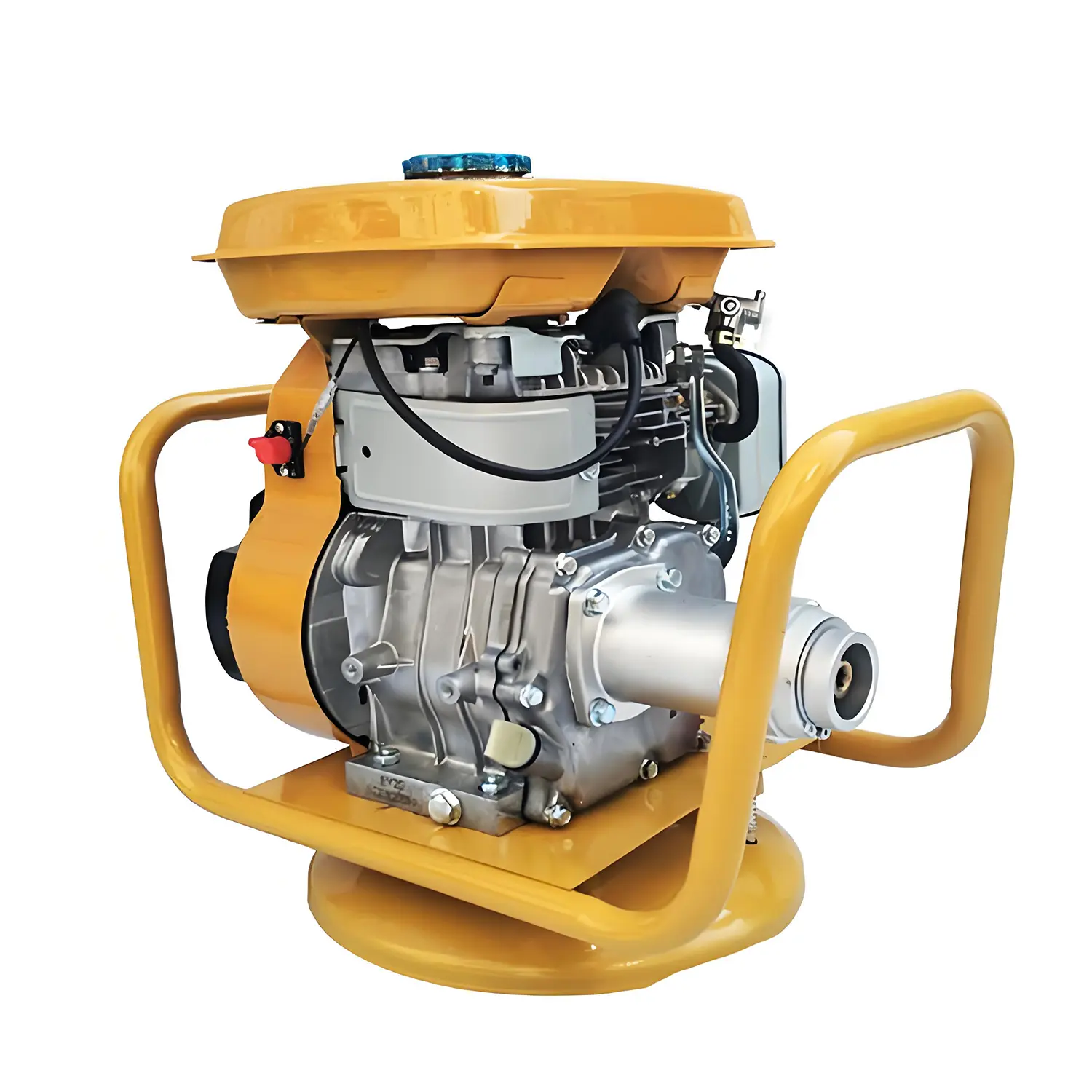 Internal Vibrator
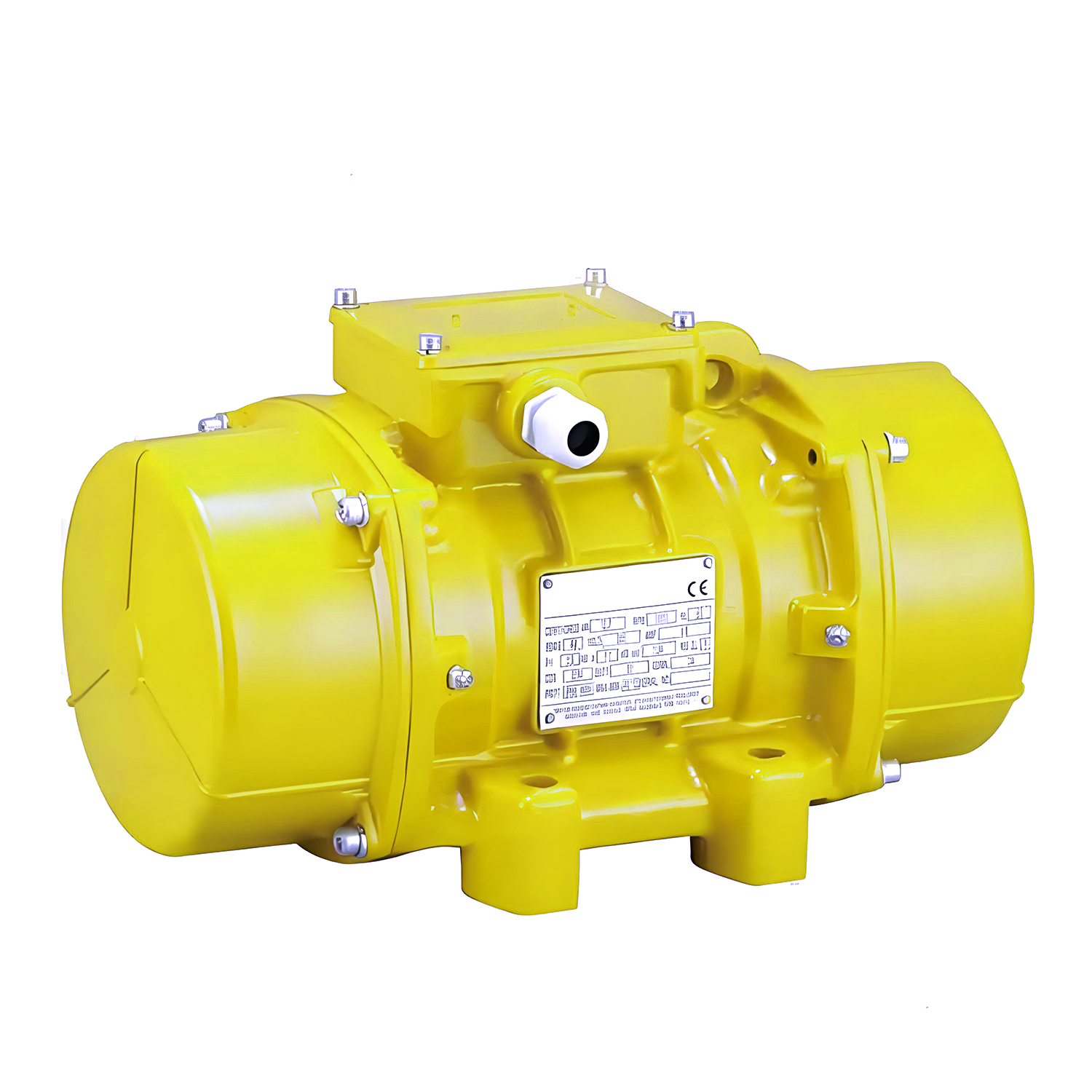 External Vibrator
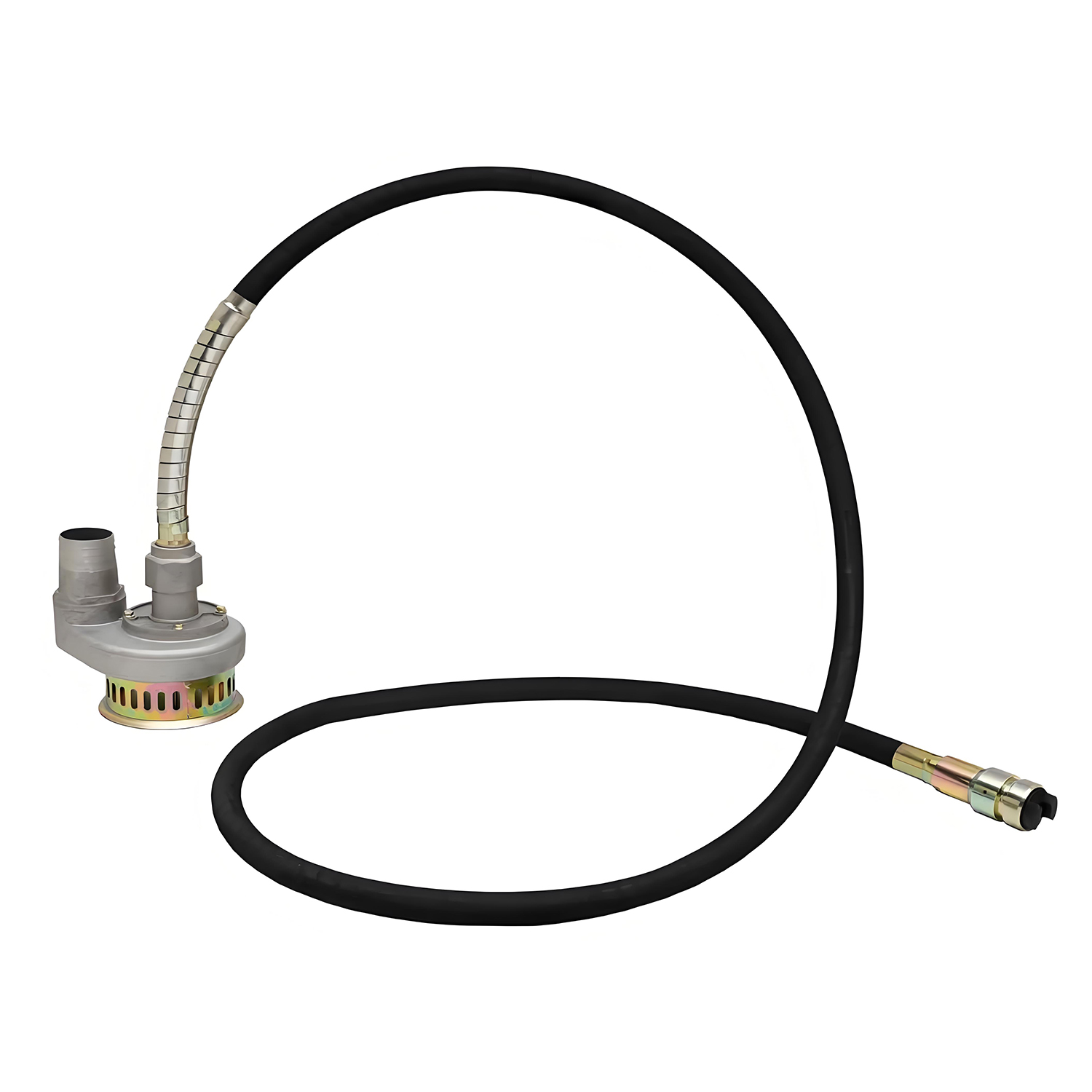 Submersible Pump
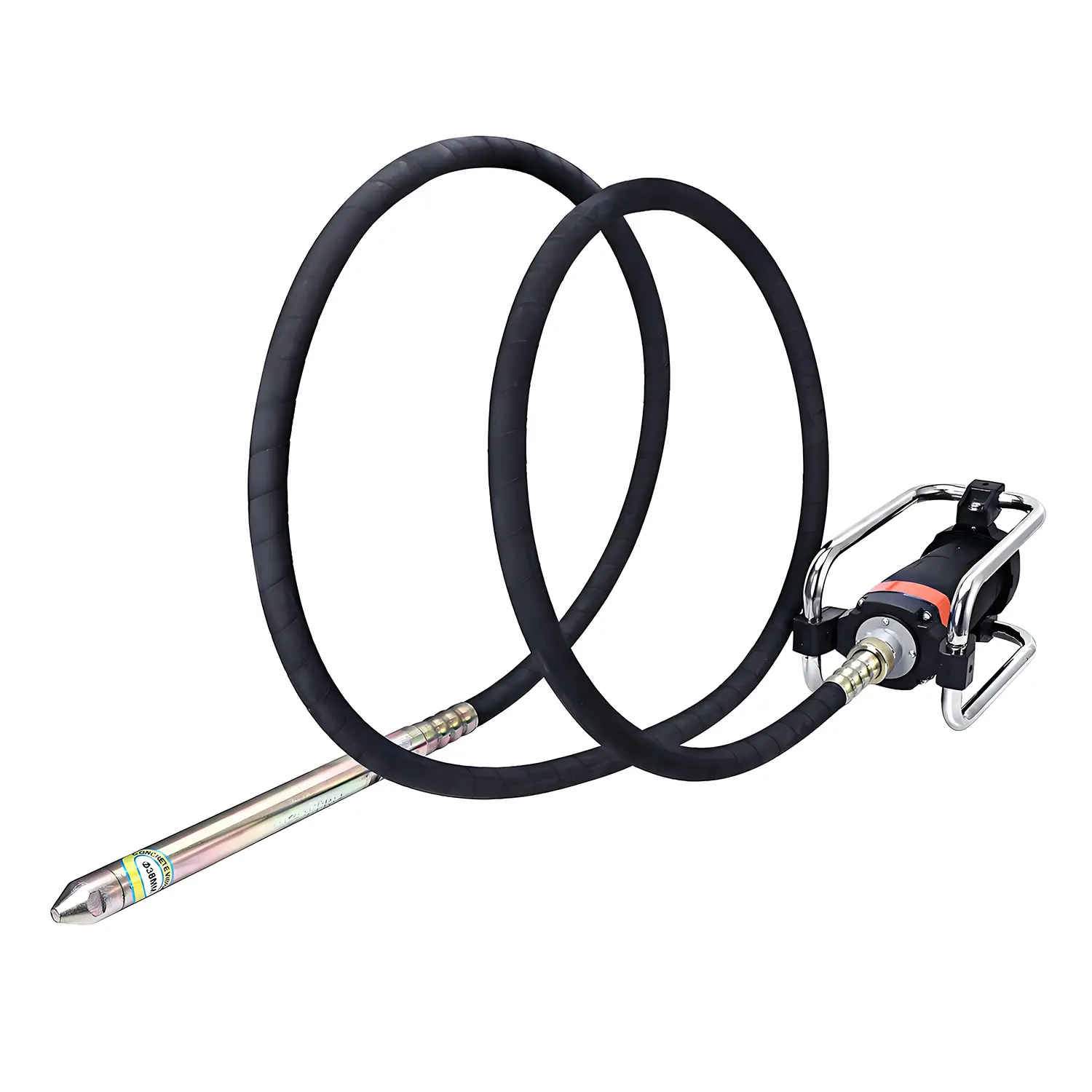 Eccentric shaft
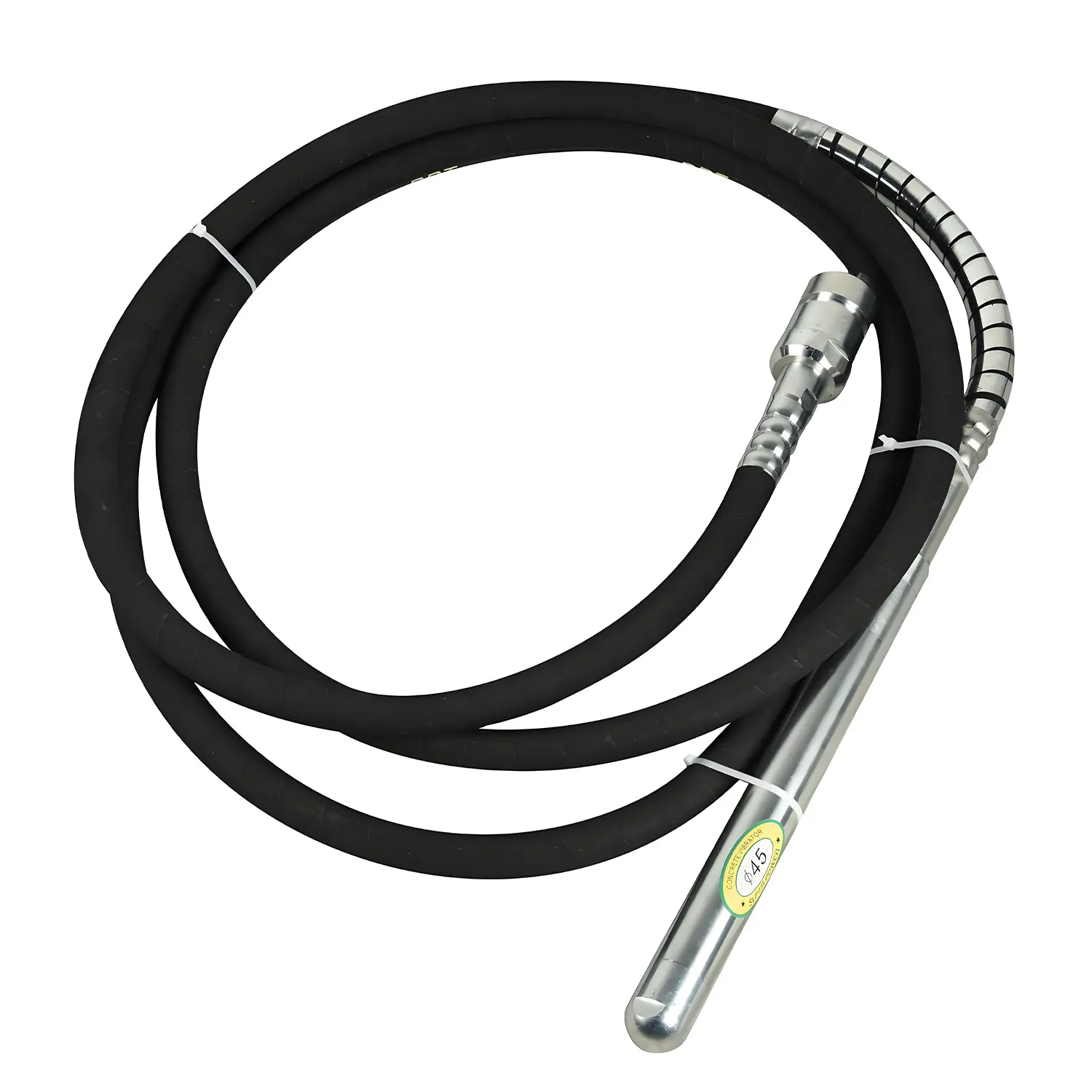 Pendulum shaft
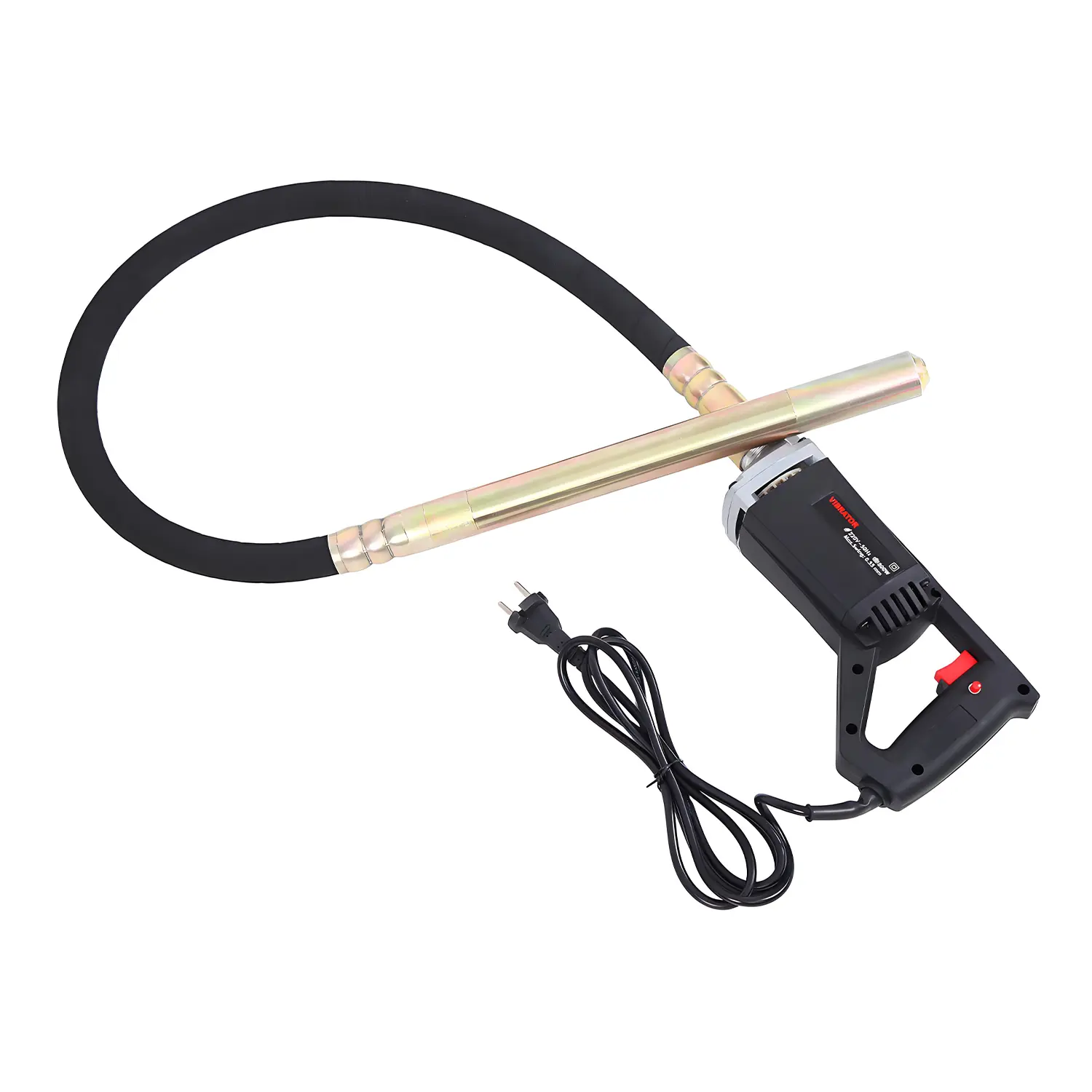 Portable vbrator shaft
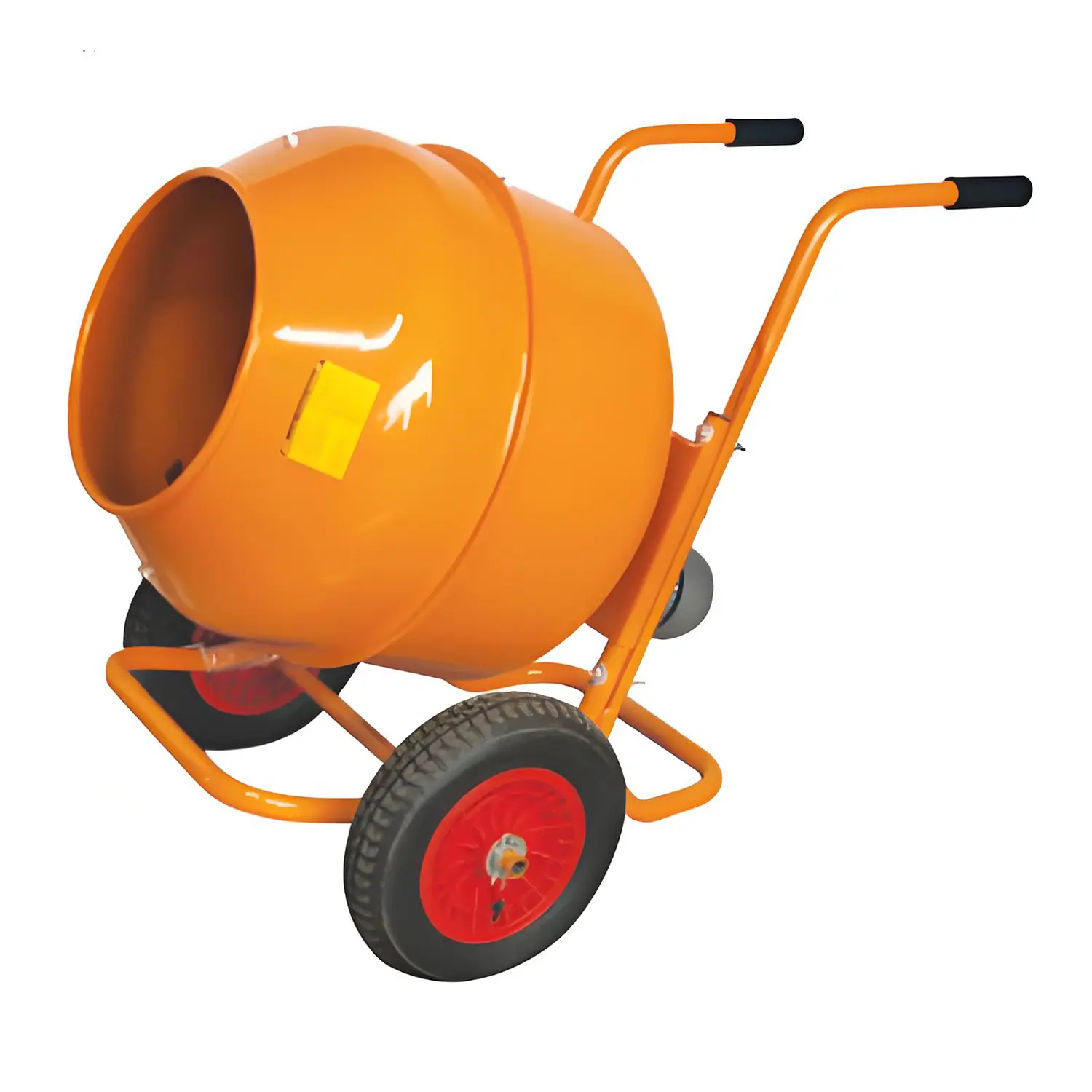 Portable concrete mixer
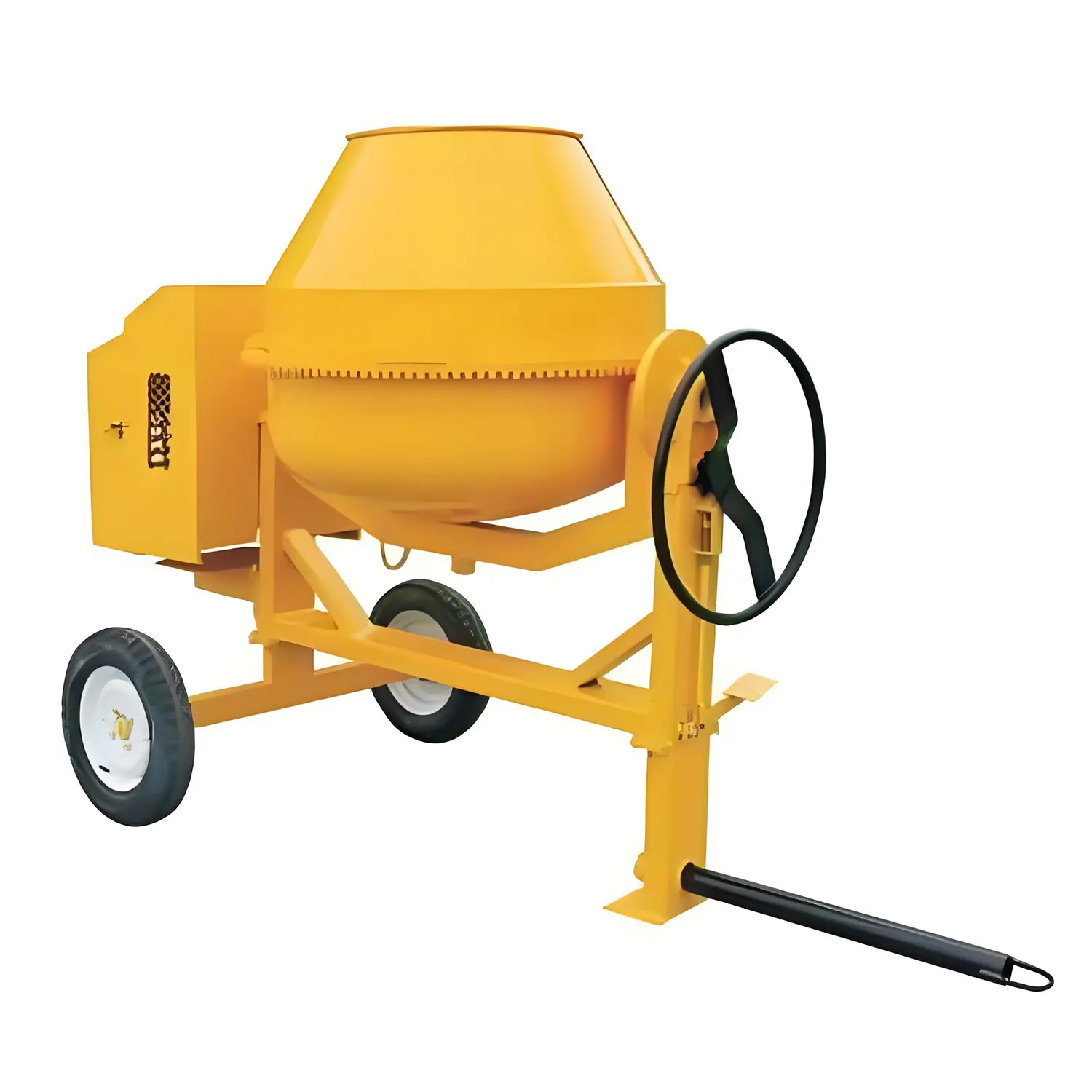 Vertical concrete mixer
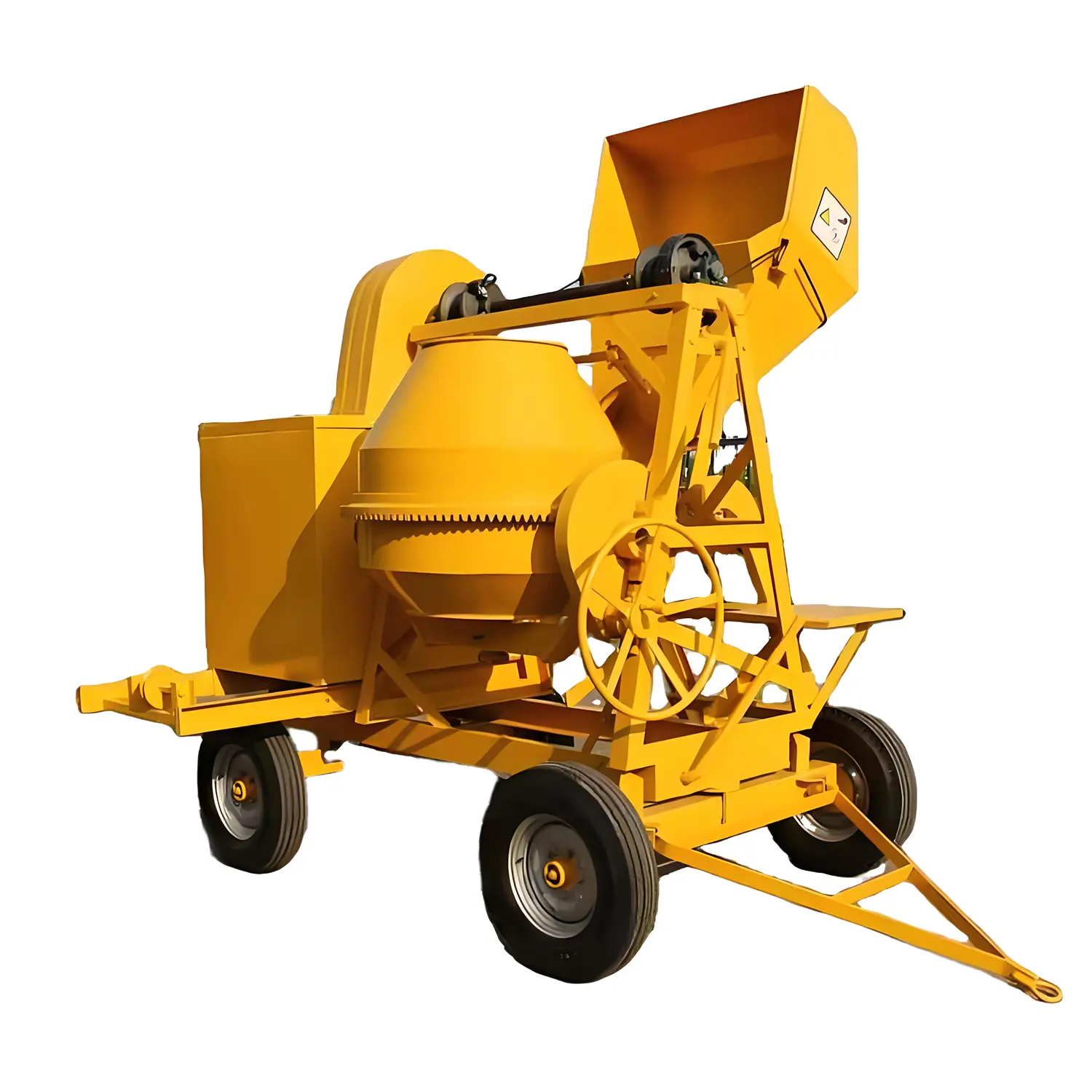 Hydraulic concrete mixer
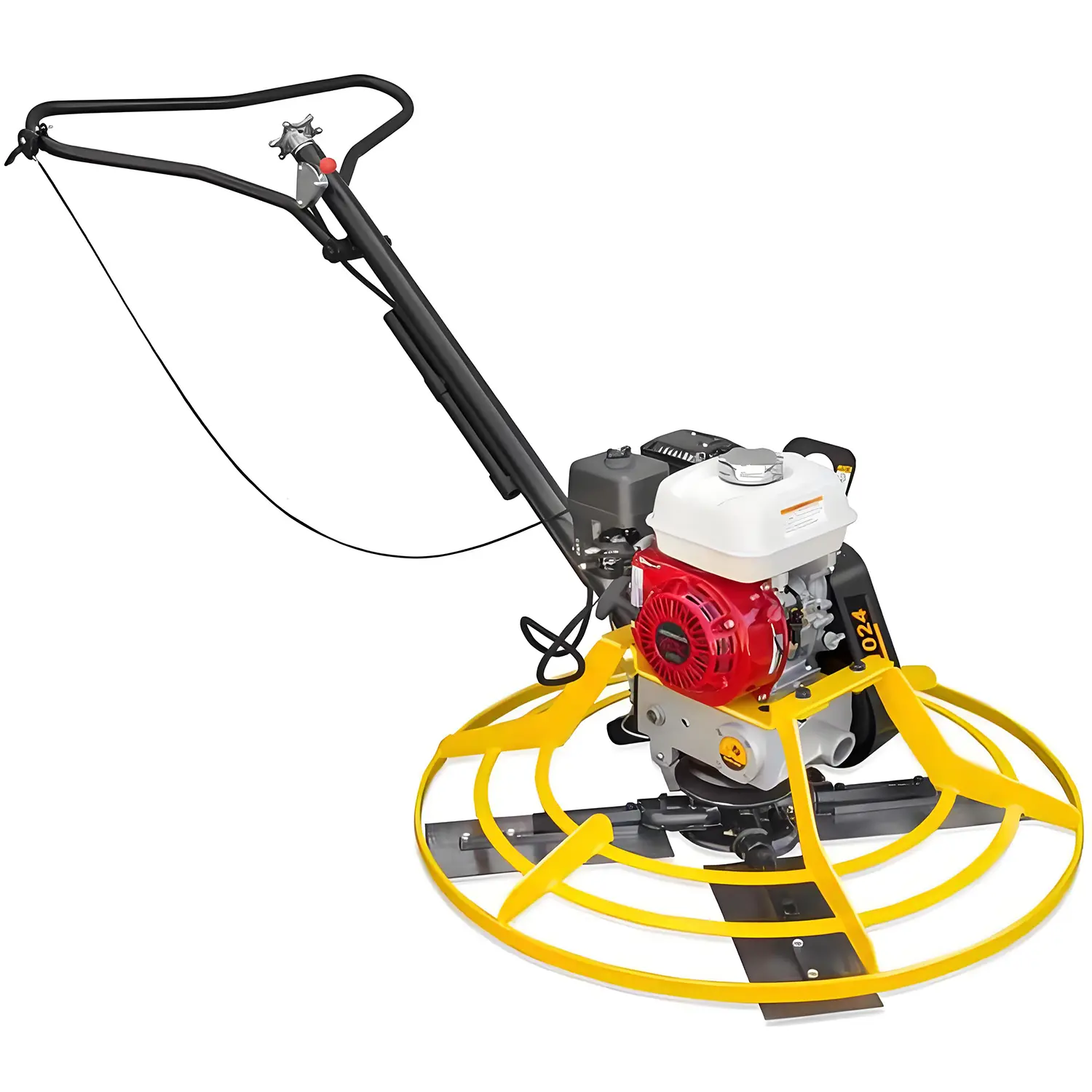 Walk behind power trowel
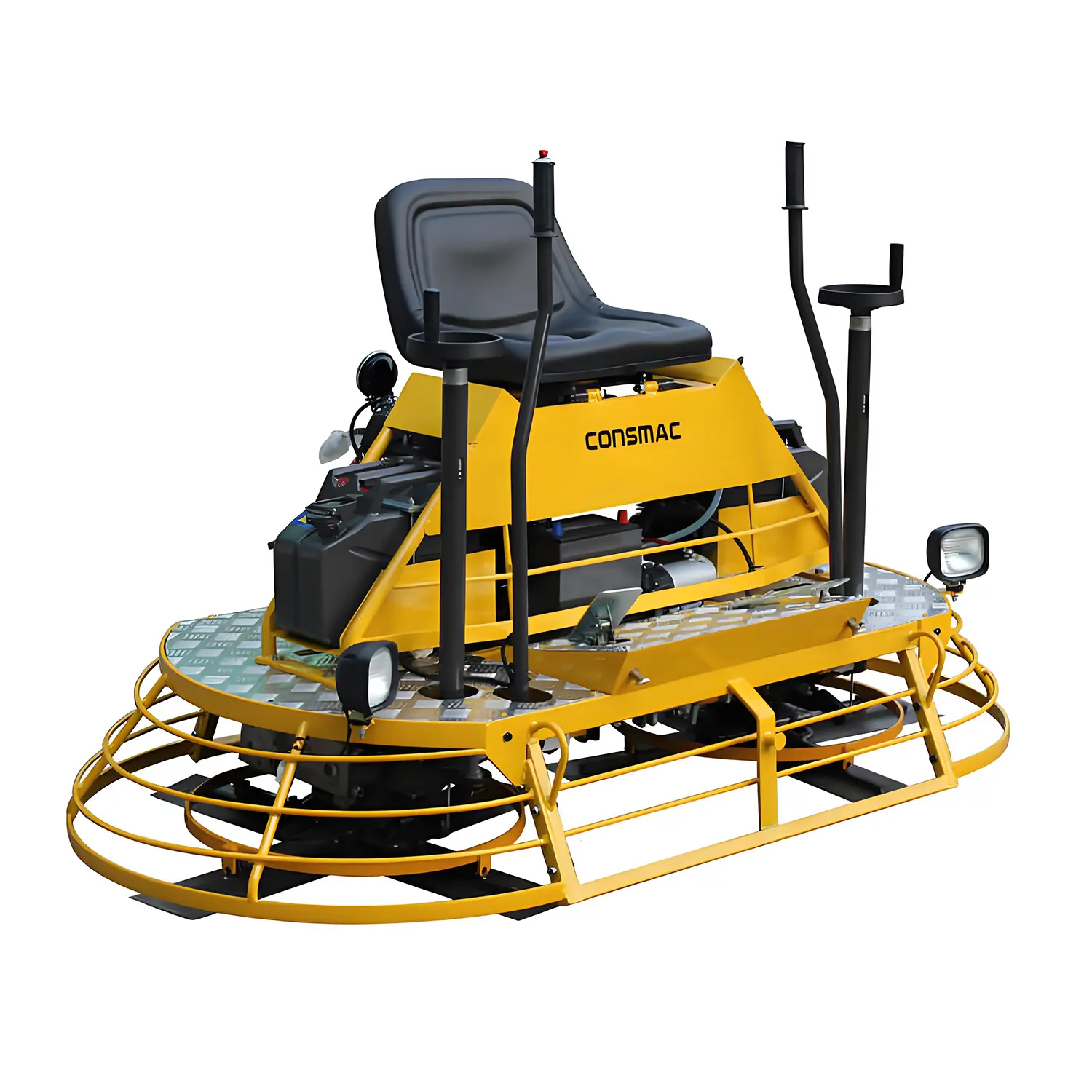 Ride on power trowel
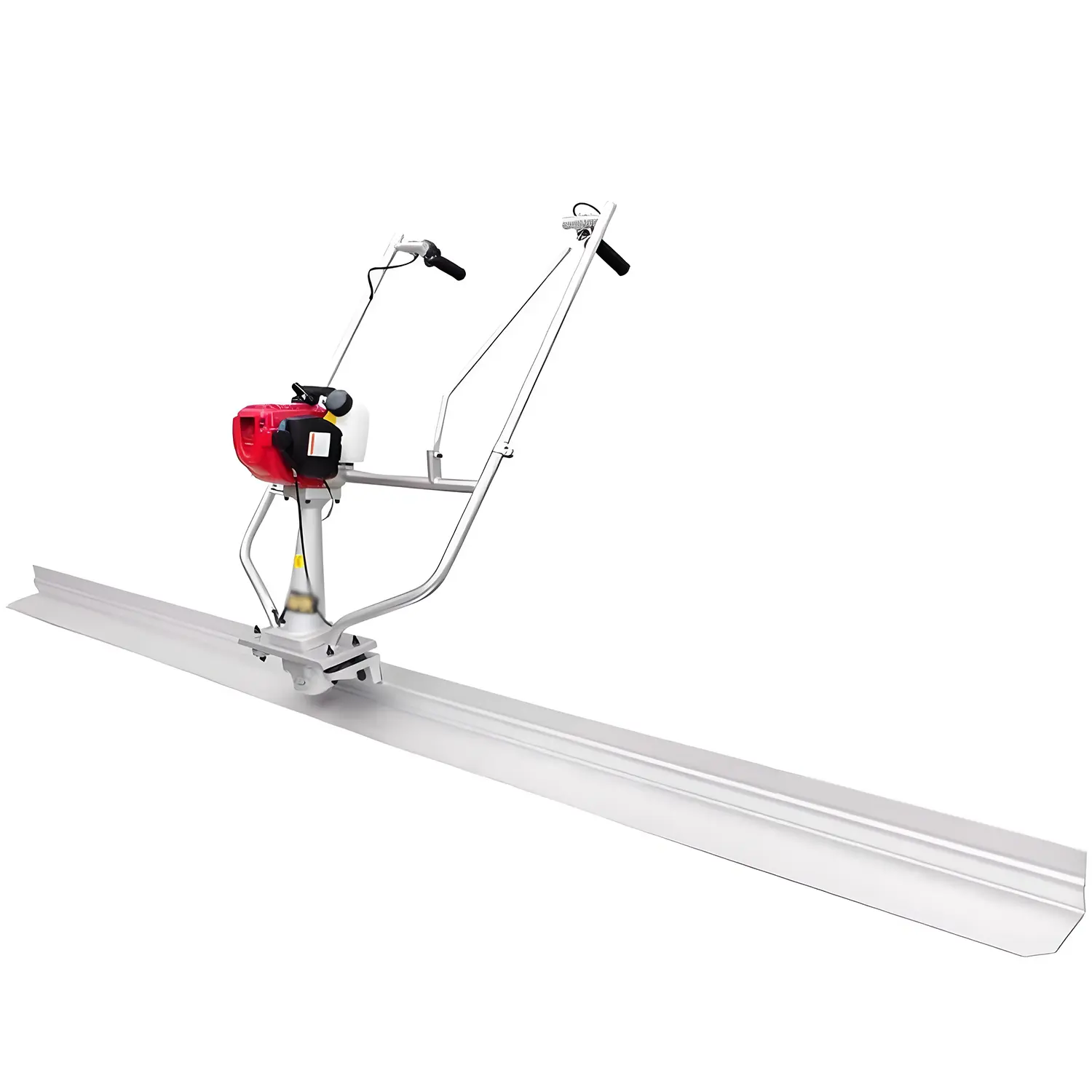 Concrete screed
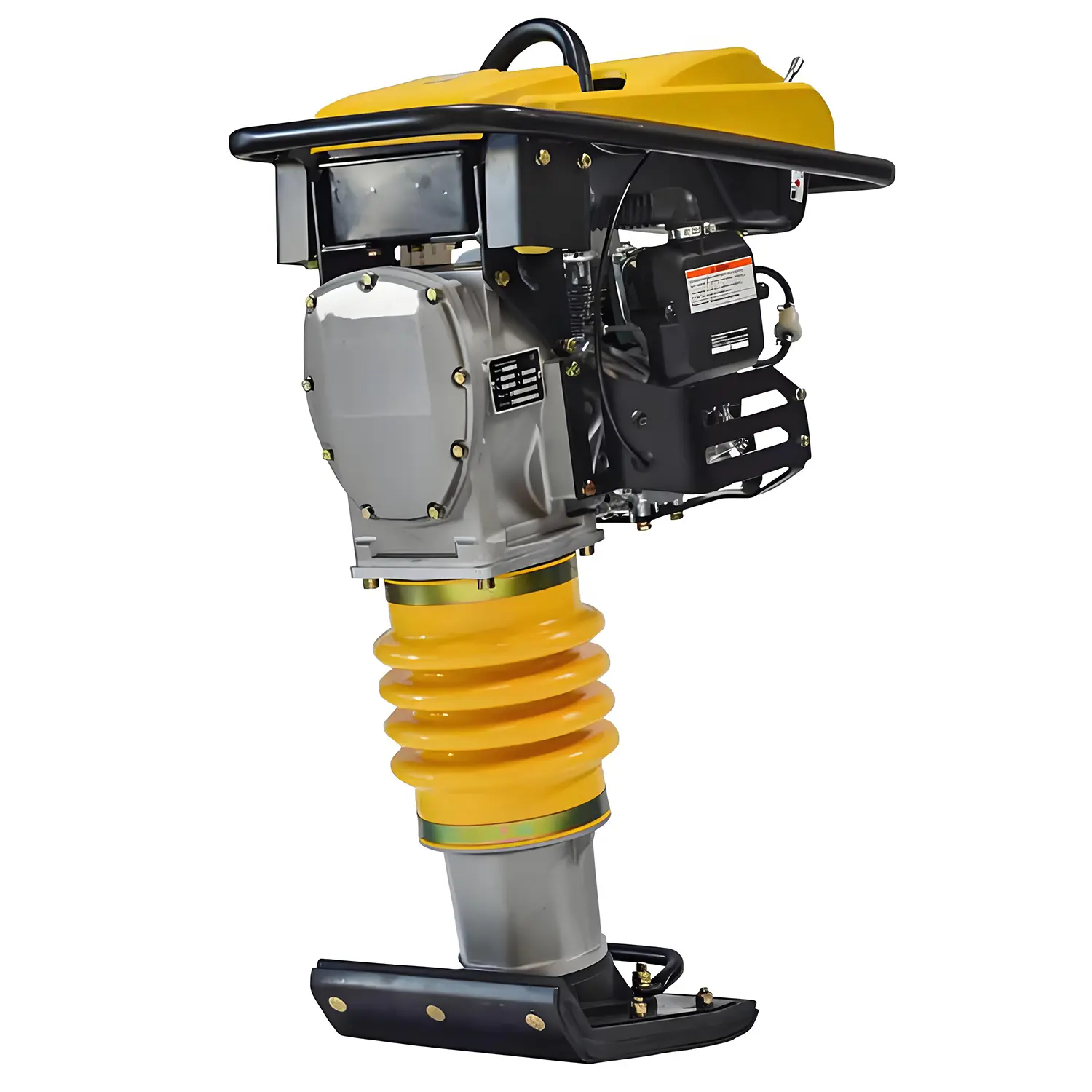 Tamping rammer
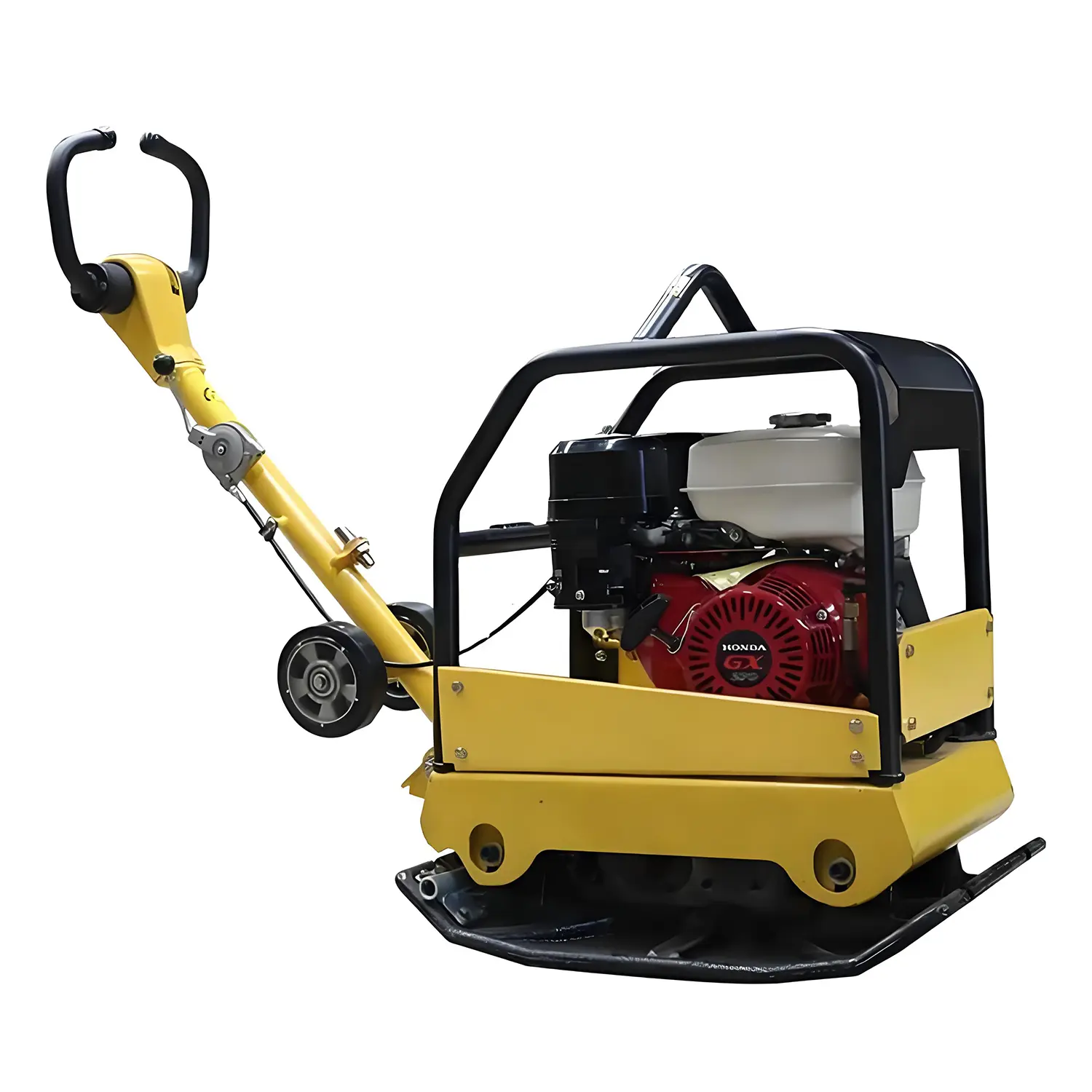 Plate compactor
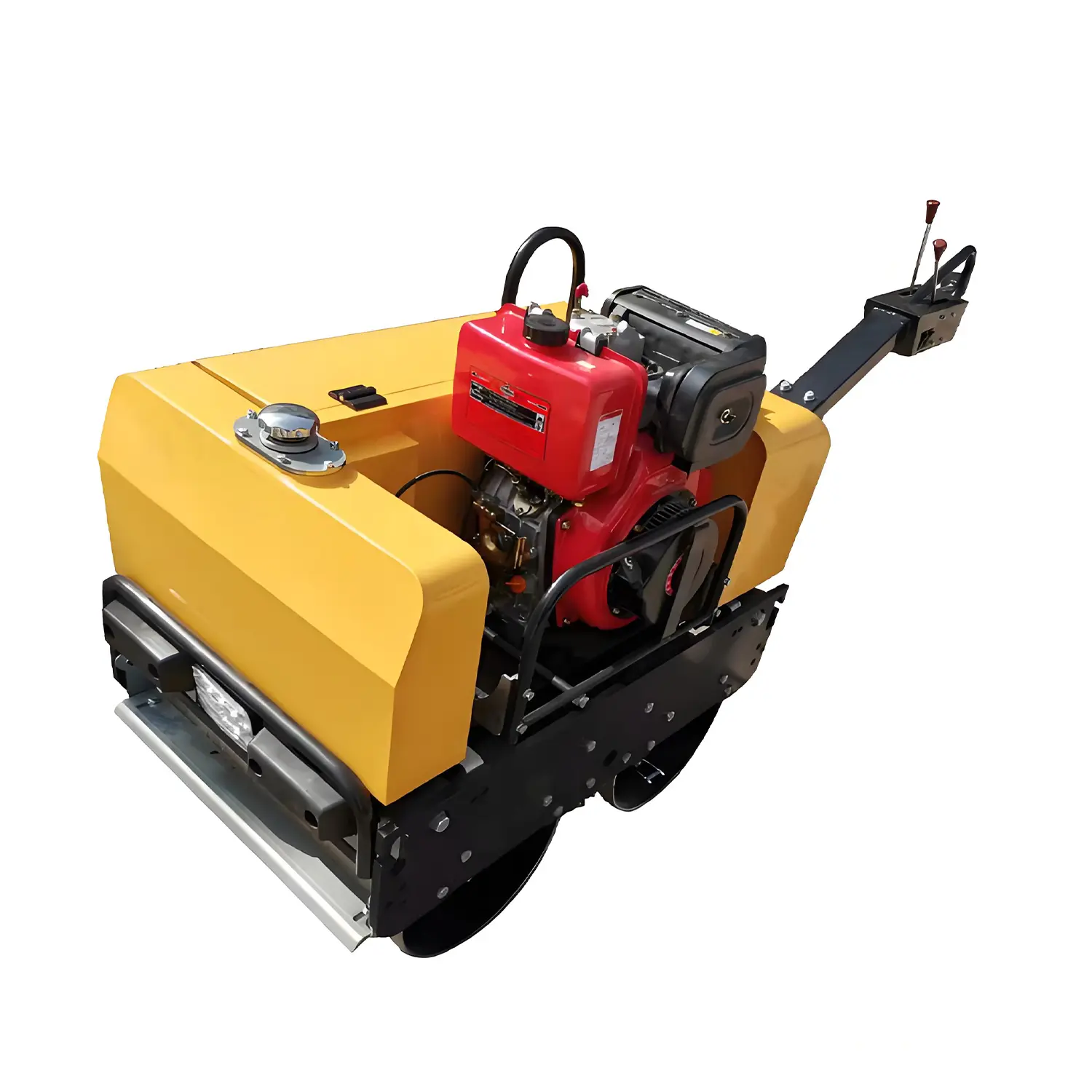 Vibratory roller