2026 How to Choose the Right Construction Compactor for Your Projects?
Choosing the right construction compactor can greatly impact project efficiency. Renowned expert John Smith emphasizes, "The right tool makes all the difference."
A construction compactor is essential for achieving stable ground. However, many overlook their specific needs when selecting machinery. The choice can become overwhelming with various options available. Each project has unique requirements. Factors like soil type and compaction depth matter.
Understanding these details transforms decision-making. It’s easy to get lost in specifications, but practical application is key. Many contractors have regretted their choices, realizing too late that a different compactor would have suited better. Investing time in research can avoid costly mistakes.
Understanding Different Types of Construction Compactors Available Today
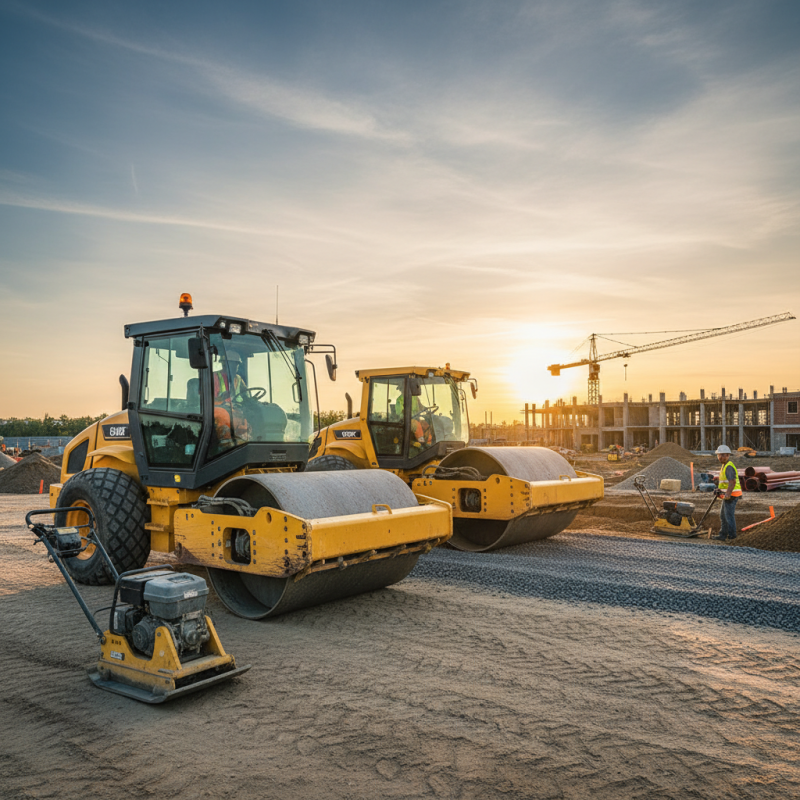
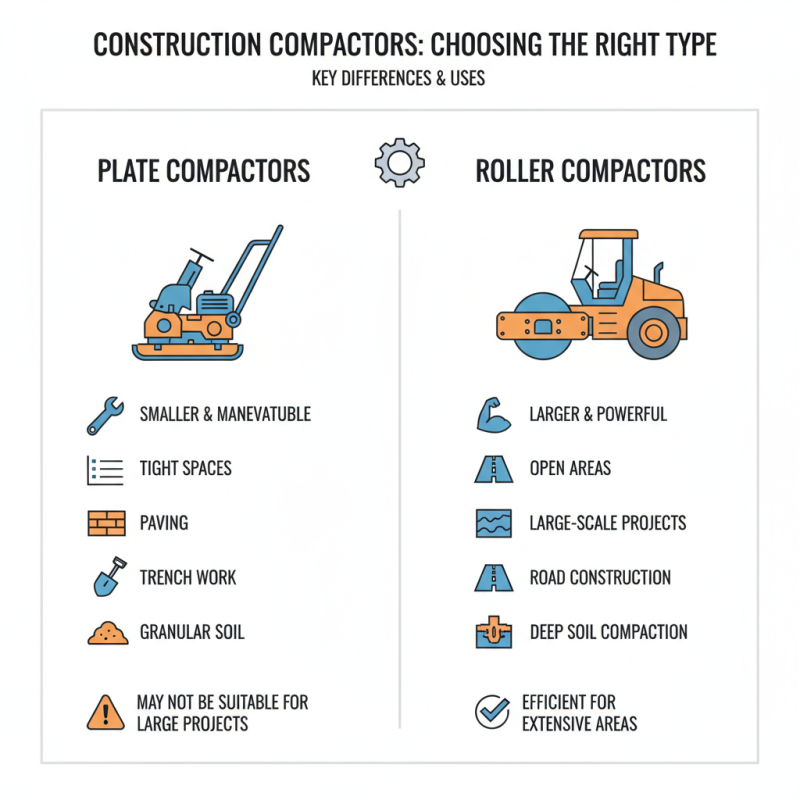
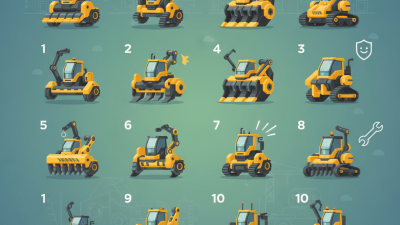
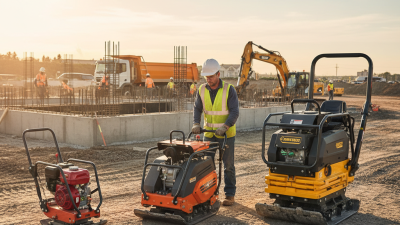
When selecting a construction compactor, understanding the different types is essential. There are two primary categories: plate compactors and roller compactors. Plate compactors are smaller and easier to maneuver. They are ideal for tight spaces and smaller jobs. You can use them for paving, trench work, and granular soil compaction. They are versatile but may not be powerful enough for larger projects.
On the other hand, roller compactors are designed for larger areas. They include smooth and padded drum rollers. Smooth drum rollers work well on asphalt and concrete. Padded drum rollers excel in compacting soil and aggregate. The choice depends on your project size and specific compaction needs. Don’t overlook the horsepower and weight of the machine. A heavier compactor typically provides better results.
Make sure to consider your project’s requirements. The ground conditions and materials influence the performance of each compactor type. A smaller site may benefit from a plate compactor. But, if you’re tackling a larger parking lot, a roller compactor might be necessary. Selecting the wrong type can lead to inadequate compaction. Always assess your unique challenges. Remember, it’s okay to seek advice if you feel unsure.
Key Factors to Consider When Selecting a Construction Compactor
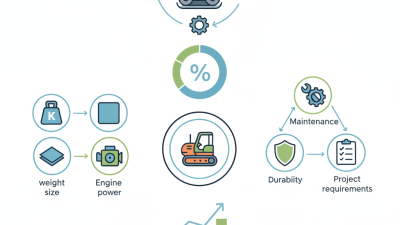
Selecting the right construction compactor can greatly impact project success. Several factors come into play when making a choice. First, the type of soil or surface is crucial. Different compactors handle various materials differently. The American Society of Civil Engineers notes that compaction levels can vary by 30% based on soil types. This means choosing a compactor suitable for your specific site conditions is vital.
Moreover, compactor weight is another critical factor. Heavier compactors provide better penetration into the ground. However, they can be challenging to maneuver, especially in tight spaces. According to industry reports, a compactor's weight should range between 1.5 to 4.5 tons for general use. This range helps achieve effective compaction without excessive strain on the machine or operator.
Power source is also an aspect worth considering. Compact construction projects often require flexibility in energy use. There are gas, electric, and diesel options available. Each type has pros and cons. An electric compactor may lower emissions but could be limited by battery life. Meanwhile, diesel can be more powerful. However, maintenance costs might be higher. Balancing these factors requires careful thought and consideration.
2026 How to Choose the Right Construction Compactor for Your Projects? - Key Factors to Consider When Selecting a Construction Compactor
| Factor |
Description |
Ideal Use Case |
Weight Range |
Vibration Level (m/s²) |
| Plate Size |
Determines the area covered in a single pass |
Large commercial projects |
100-200 lbs |
< 10 |
| Power Source |
Electric vs Gas vs Diesel |
Residential or light commercial work |
50-150 lbs |
< 5 |
| Frequency of Use |
How often the compactor will be used |
Rental for occasional jobs |
75-125 lbs |
< 7 |
| Terrain Type |
Soil, gravel, asphalt |
Compacting soil for foundations |
85-175 lbs |
< 9 |
| Maneuverability |
Size and weight impact ease of movement |
Tight spaces or residential areas |
40-100 lbs |
< 6 |
Evaluating the Size and Weight Requirements for Your Projects
When selecting a construction compactor, understanding size and weight is critical. Smaller machines are easier to maneuver. They fit well in tight spaces. However, they may lack the power needed for larger jobs. A study indicated that for projects requiring heavy materials, such as gravel or asphalt, weight becomes essential. Heavier compactors can achieve better density, ensuring a stable foundation.
Tip: Always assess the terrain before making a choice. Uneven ground can limit the effectiveness of lighter machines. For projects with various soil types, a versatile compactor is ideal. A machine between 1,000 to 2,500 pounds often works well in many applications. It balances weight and manageability.
Another aspect to consider is vibration frequency. Higher frequencies lead to better performance in granular soils. Research shows that frequencies ranging from 3,000 to 5,000 vibrations per minute yield optimal compaction. However, this may not be the best fit for cohesive soils, where lower frequencies might be more effective. Finding the right balance is crucial. Choosing based solely on size without understanding project demands can lead to inefficiencies. Always reflect on specific project needs before finalizing a decision.
2026 Construction Compactor Size and Weight Evaluation
Assessing the Terrain and Soil Conditions for Compaction Needs
When selecting a compactor, the type of terrain and soil conditions are crucial. Various soil types react differently to compaction efforts. For instance, clay soil is dense but can become problematic when wet. Sandy soil, on the other hand, gives good drainage but may require deeper compaction efforts for stability. According to a report by the American Society of Civil Engineers, nearly 30% of construction failures involve inadequate soil compaction.
Assessing terrain is equally important. Identify any potential obstacles that may hinder compaction. Rocky surfaces may complicate the process, as they can lead to uneven compaction. On steep slopes, specialized compactors are required to maintain safety and effectiveness. A study from the National Institute of Standards and Technology emphasizes the importance of adapting equipment to site-specific conditions.
Tips: Always test soil compaction with a nuclear density gauge. It provides accurate measurements of soil density. Consider moisture content too; it affects compaction. Be aware that not all compactors fit every job. Each project may require a different approach. Take time to analyze your site thoroughly before making a choice.
Maintenance Tips for Extending the Life of Your Construction Compactor
Maintaining a construction compactor is crucial for its longevity. Regular inspection and servicing can prevent costly repairs. Reports indicate that proper maintenance can extend equipment life by up to 30%. Simple tasks, like checking fluid levels and tire pressure, should be routine. Neglecting these might lead to unforeseen breakdowns.
Using the right fuel and oil types is non-negotiable. Using incorrect fluids can lead to engine wear. A staggering 25% of compactor failures are attributed to using the wrong specifications. Additionally, it's vital to clean the compactor after each use. Dirt and debris can cause corrosion and affect performance.
Operators should be cautious about overworking the machines. Running a compactor beyond its capacity can lead to increased wear. It's important to adhere to the manufacturer's load guidelines. If an operator doesn't, it can result in significant damage, impacting productivity. Reflecting on these practices can create a more efficient operation and ultimately save costs.

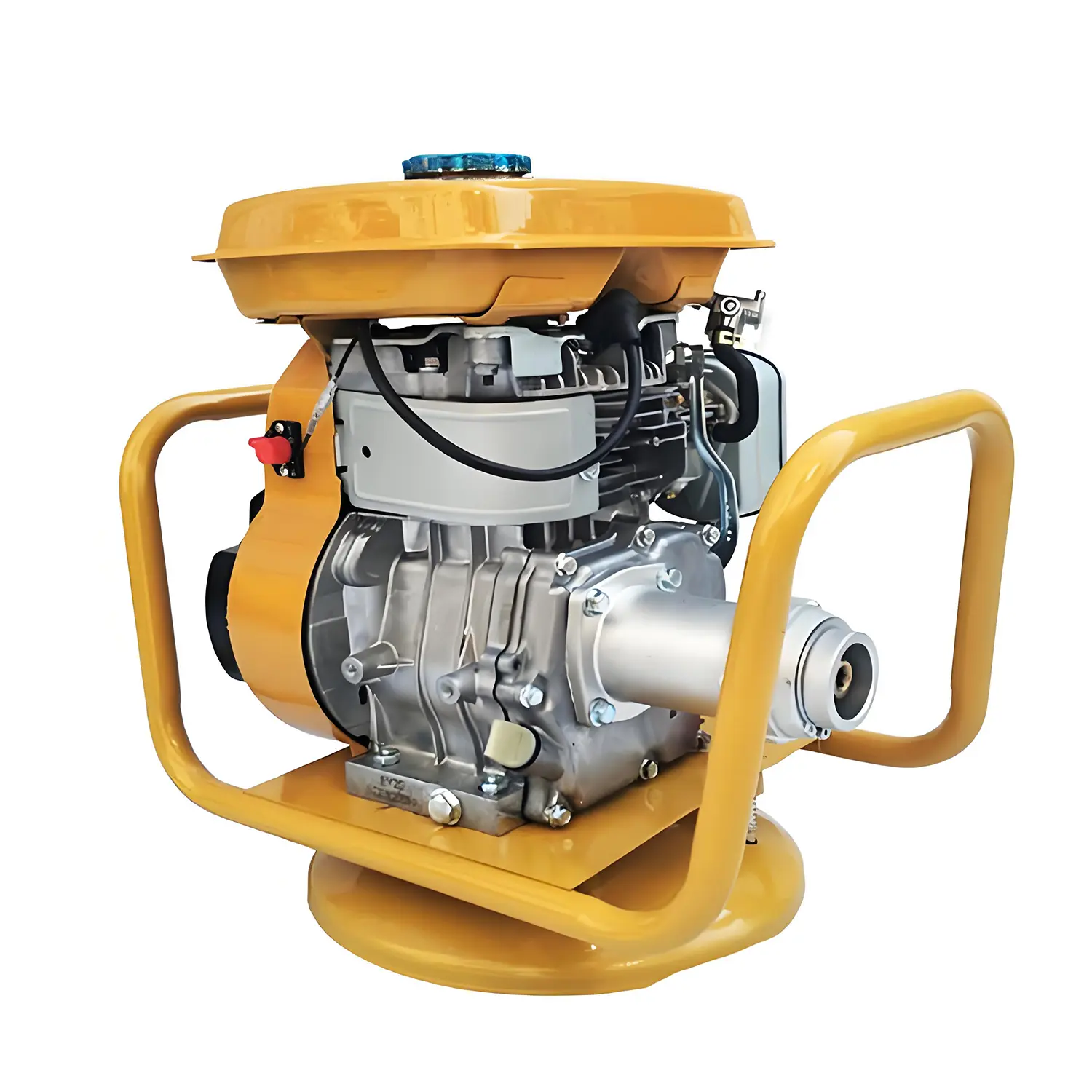 Internal Vibrator
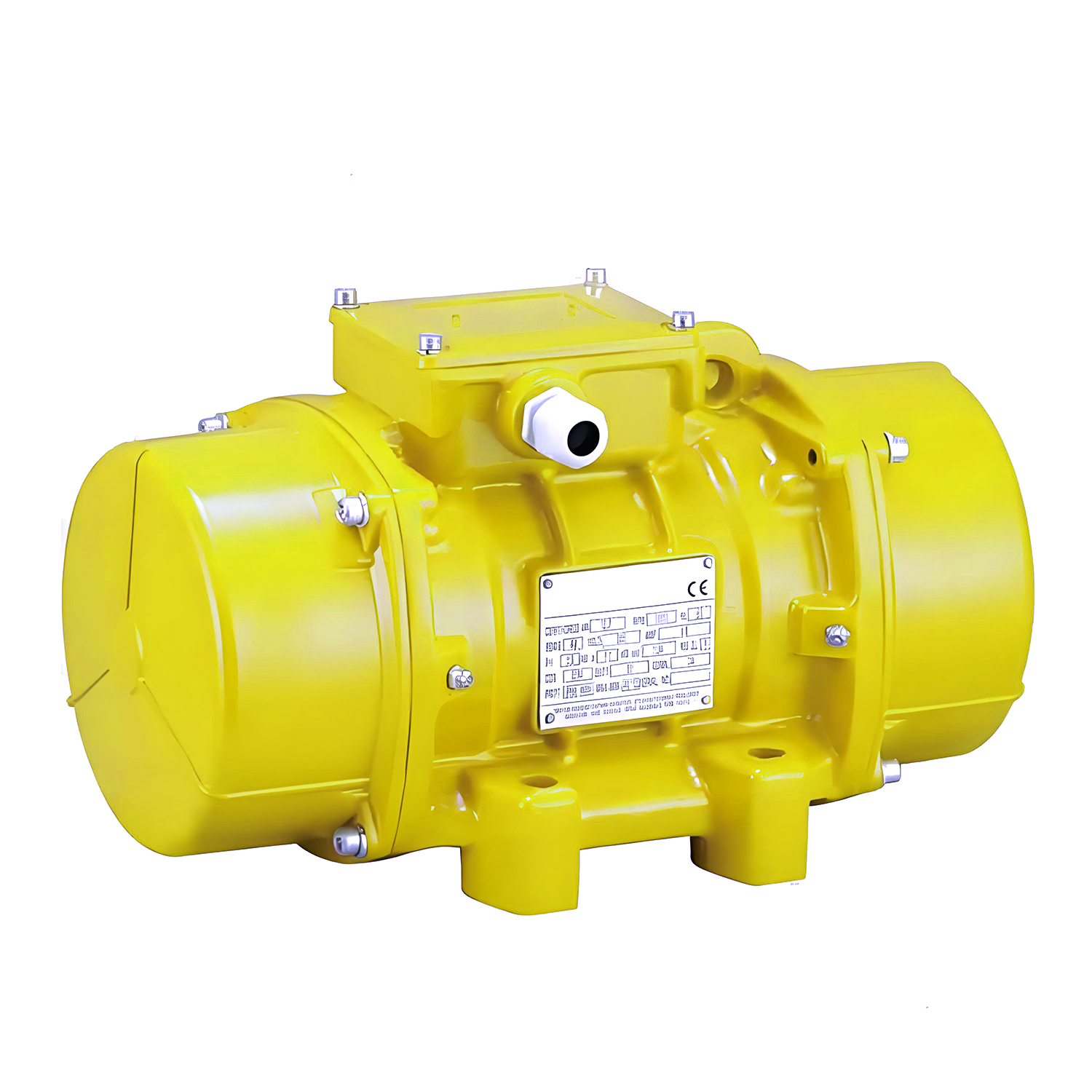 External Vibrator
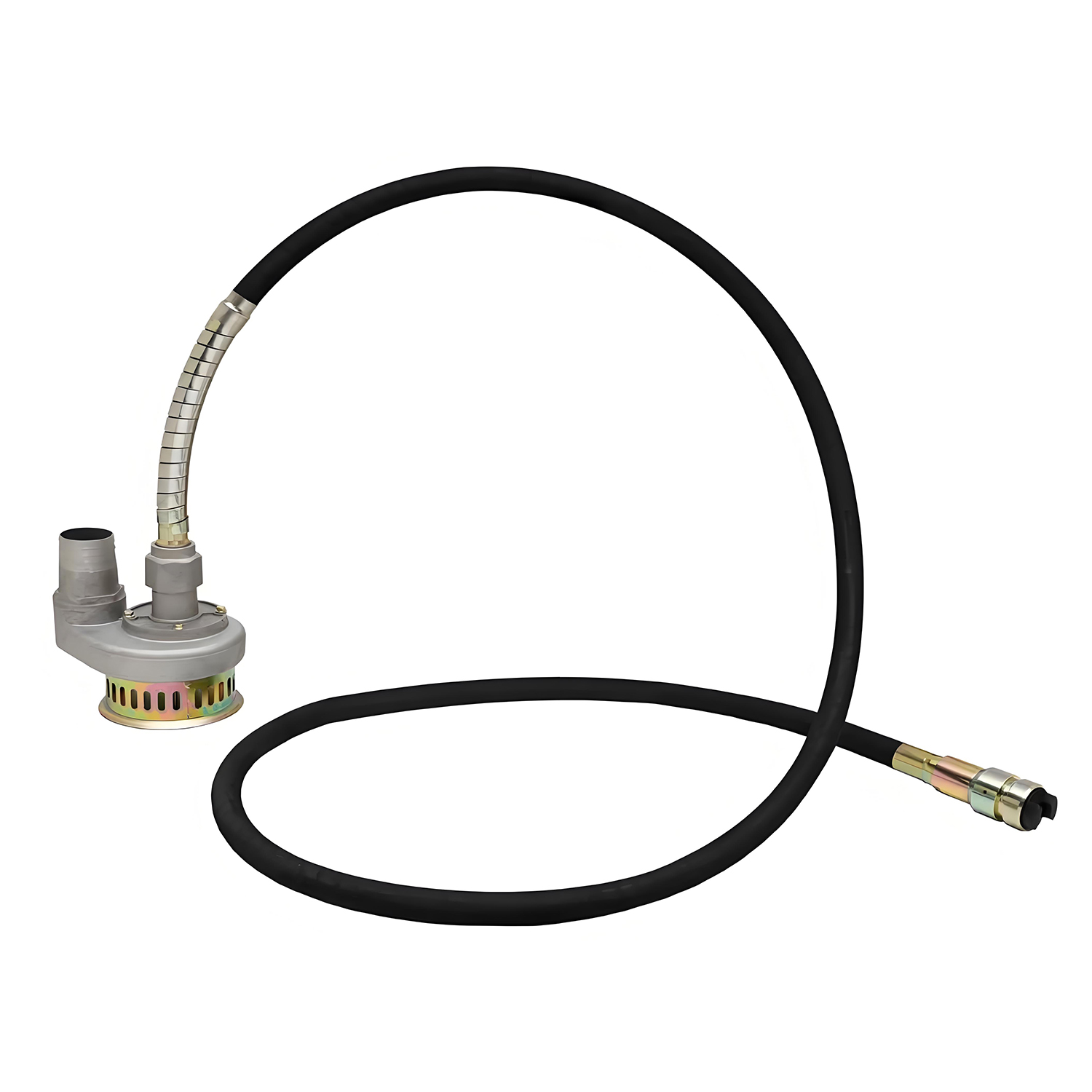 Submersible Pump
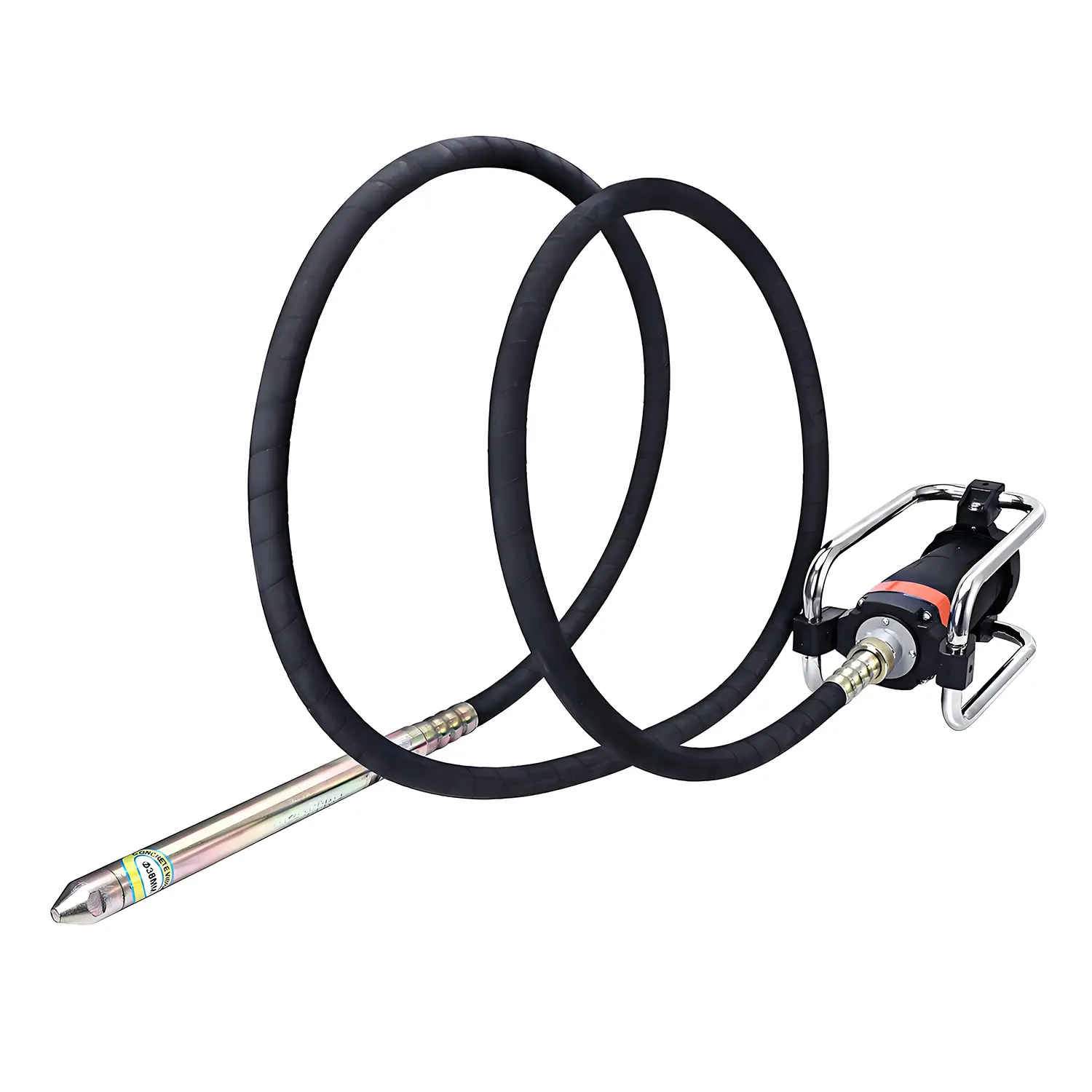 Eccentric shaft
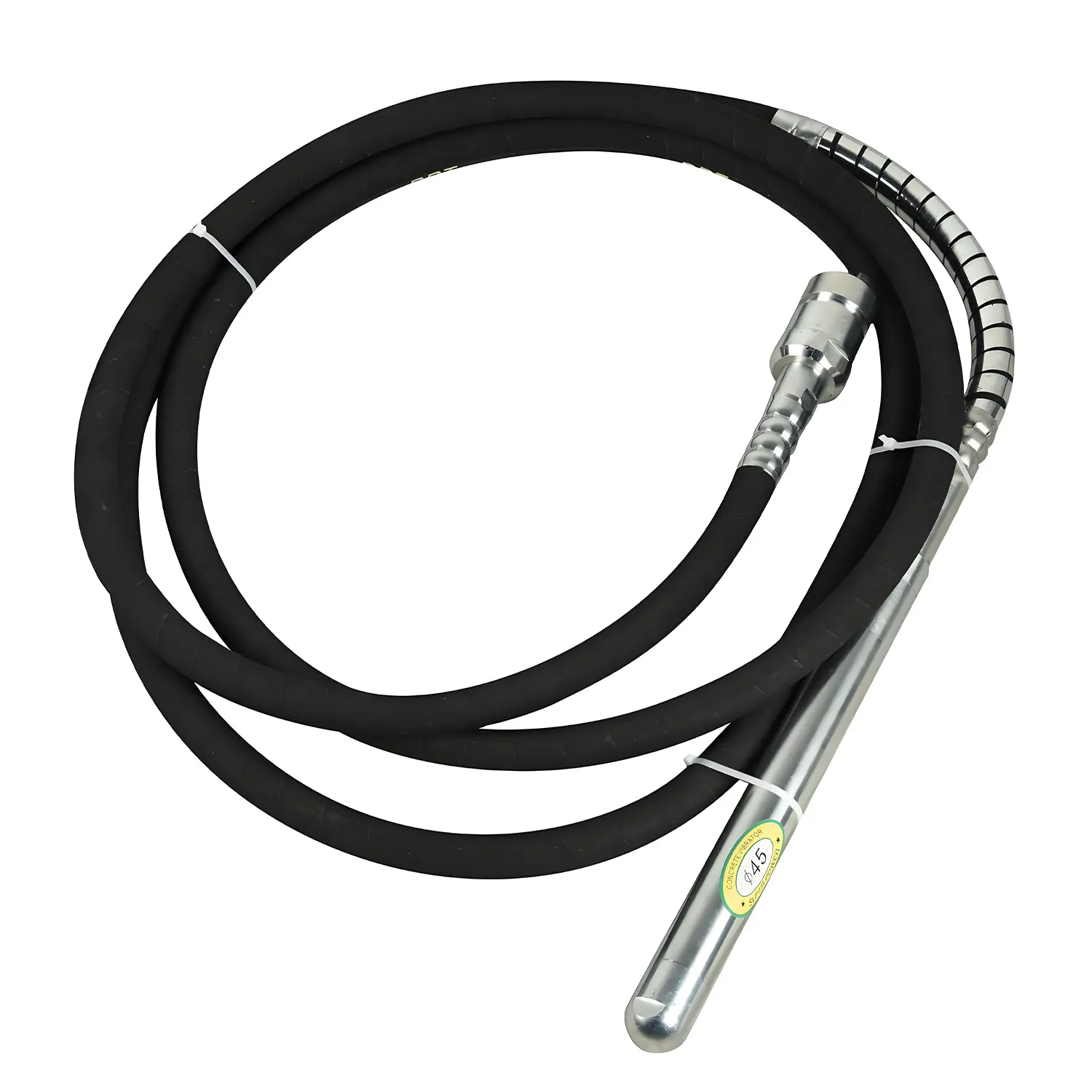 Pendulum shaft
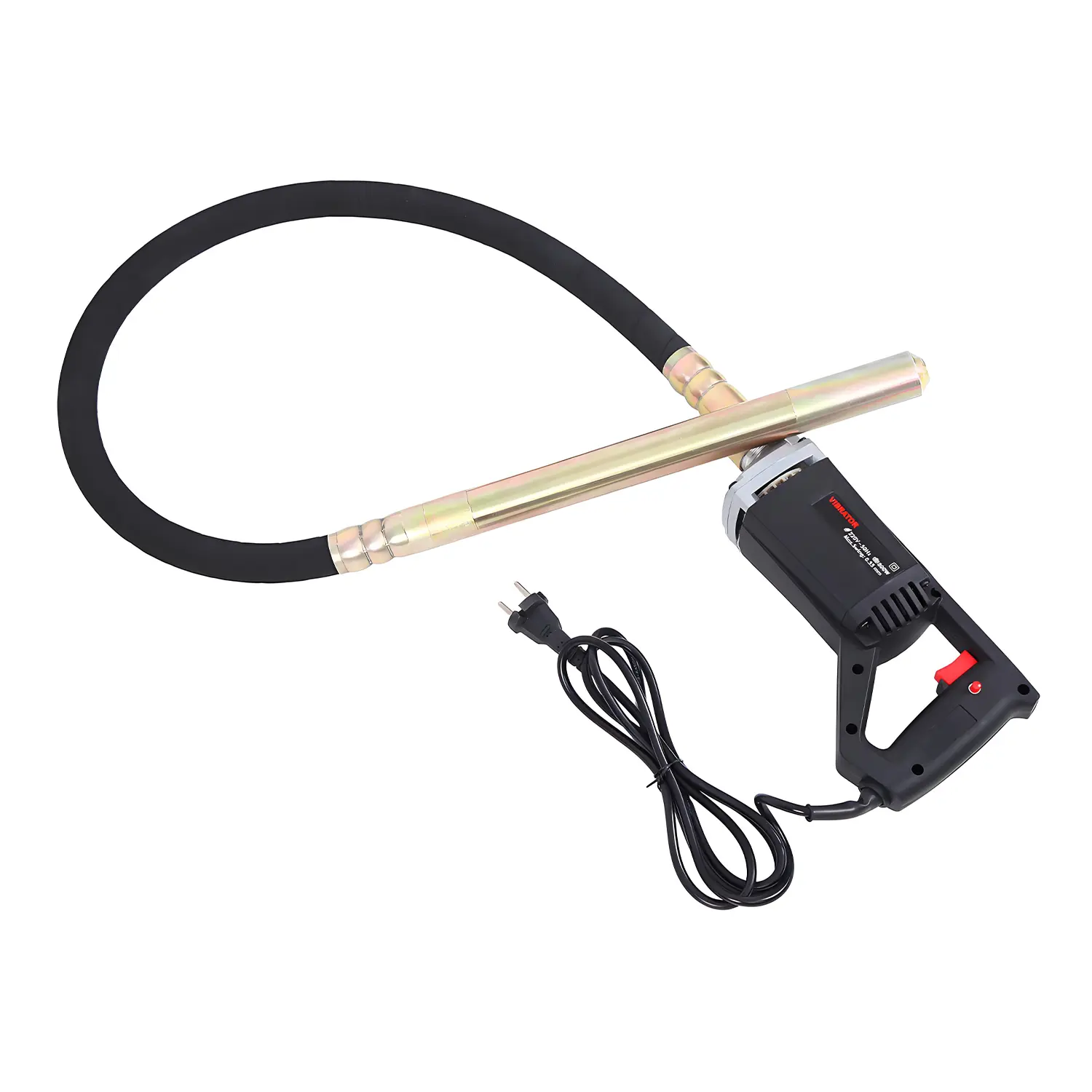 Portable vbrator shaft
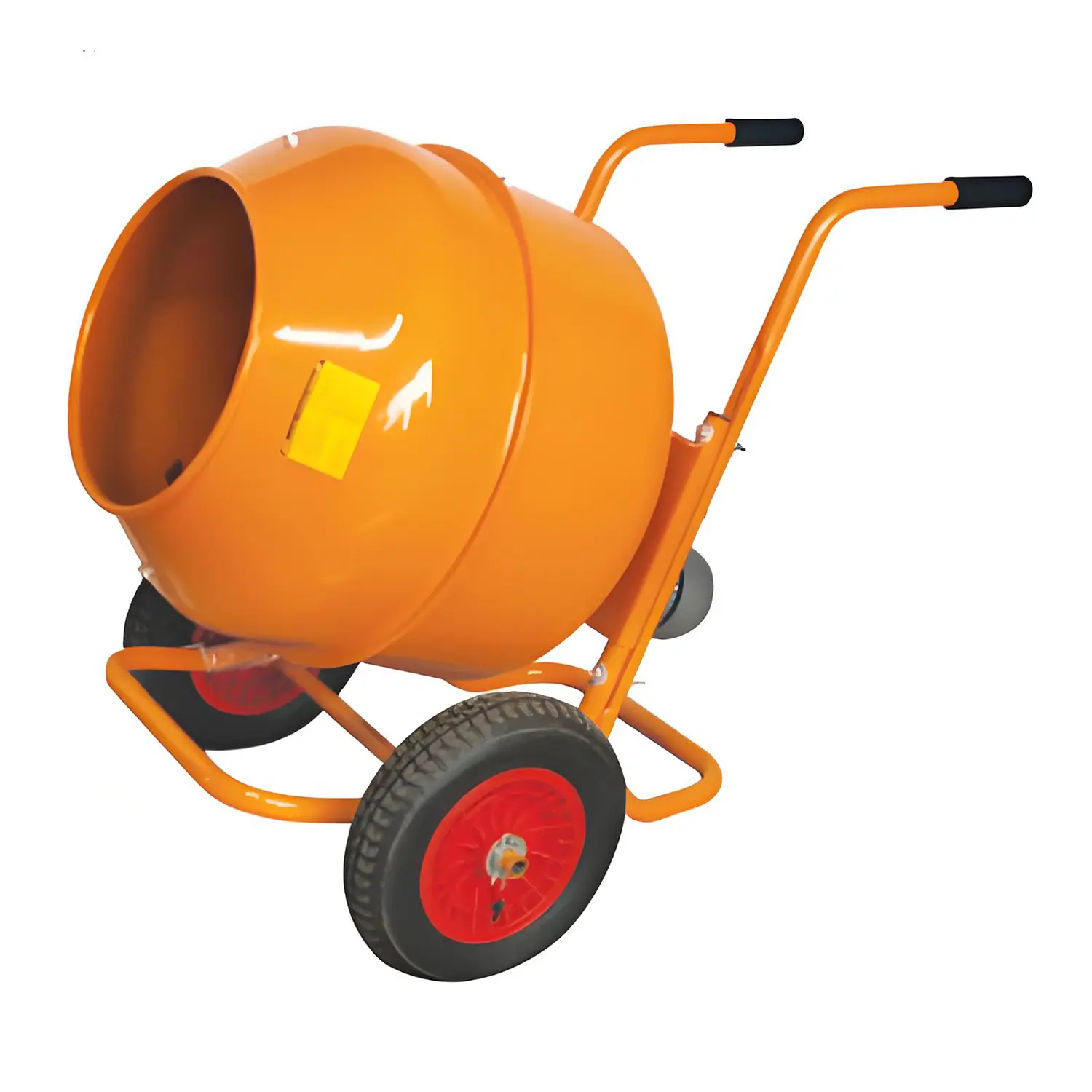 Portable concrete mixer
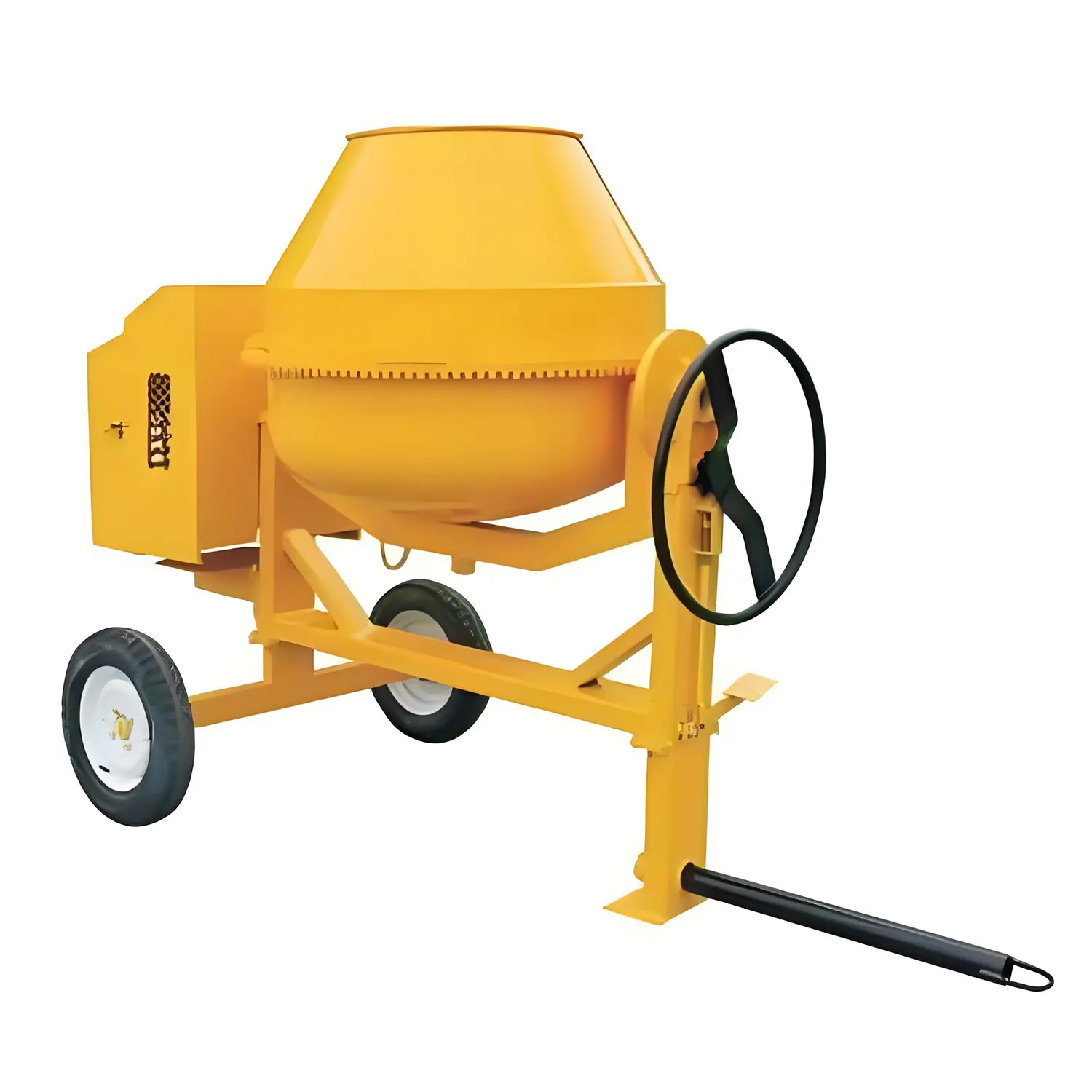 Vertical concrete mixer
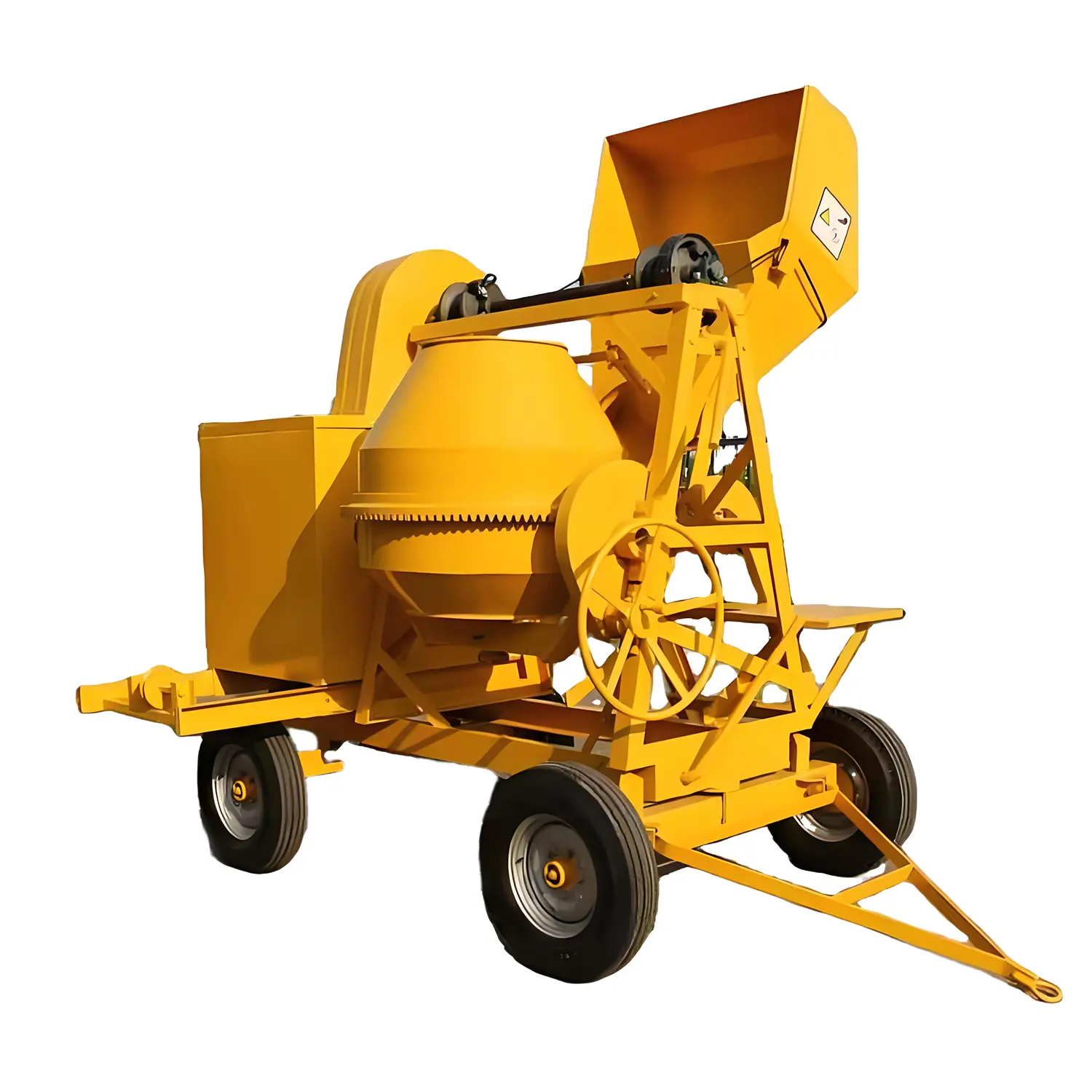 Hydraulic concrete mixer
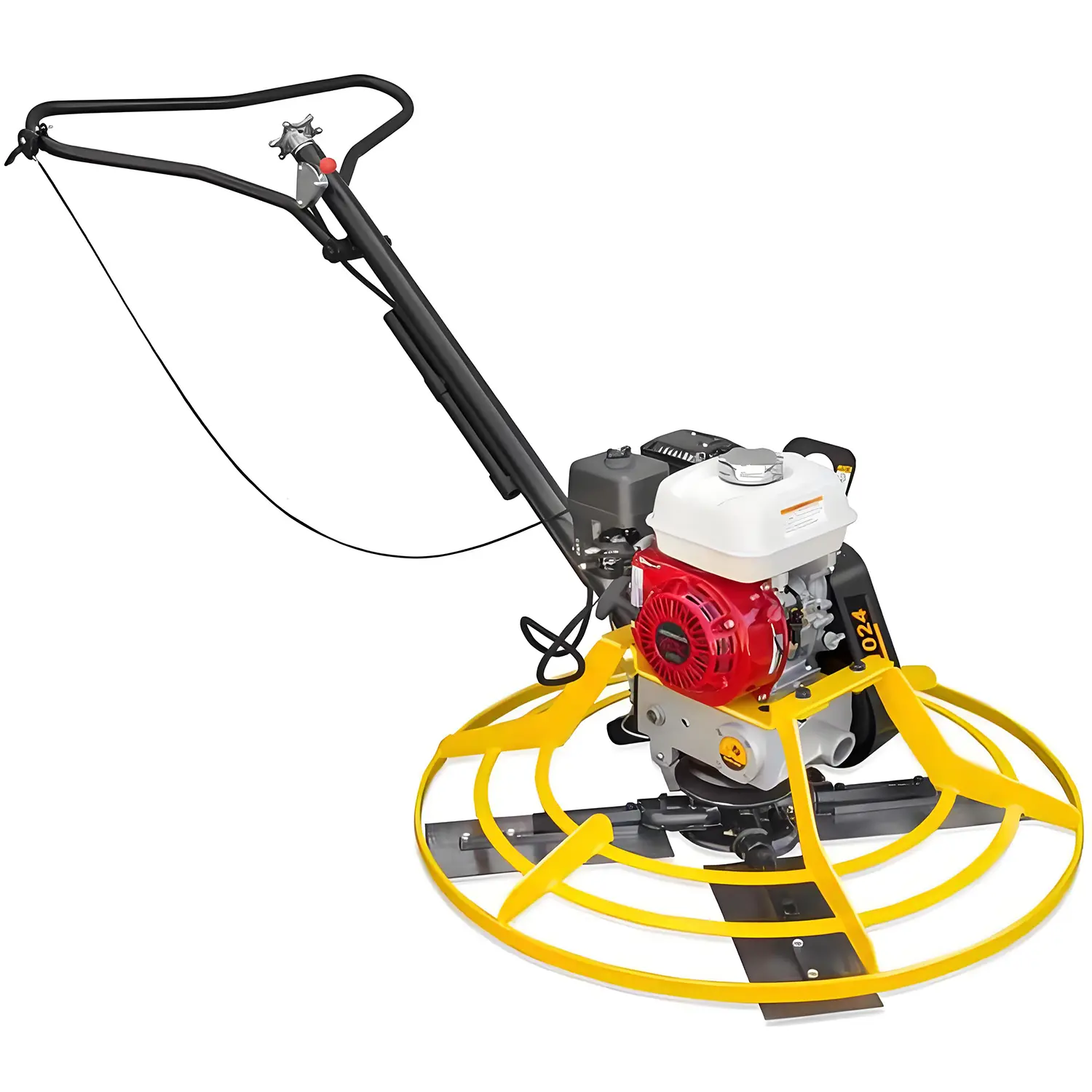 Walk behind power trowel
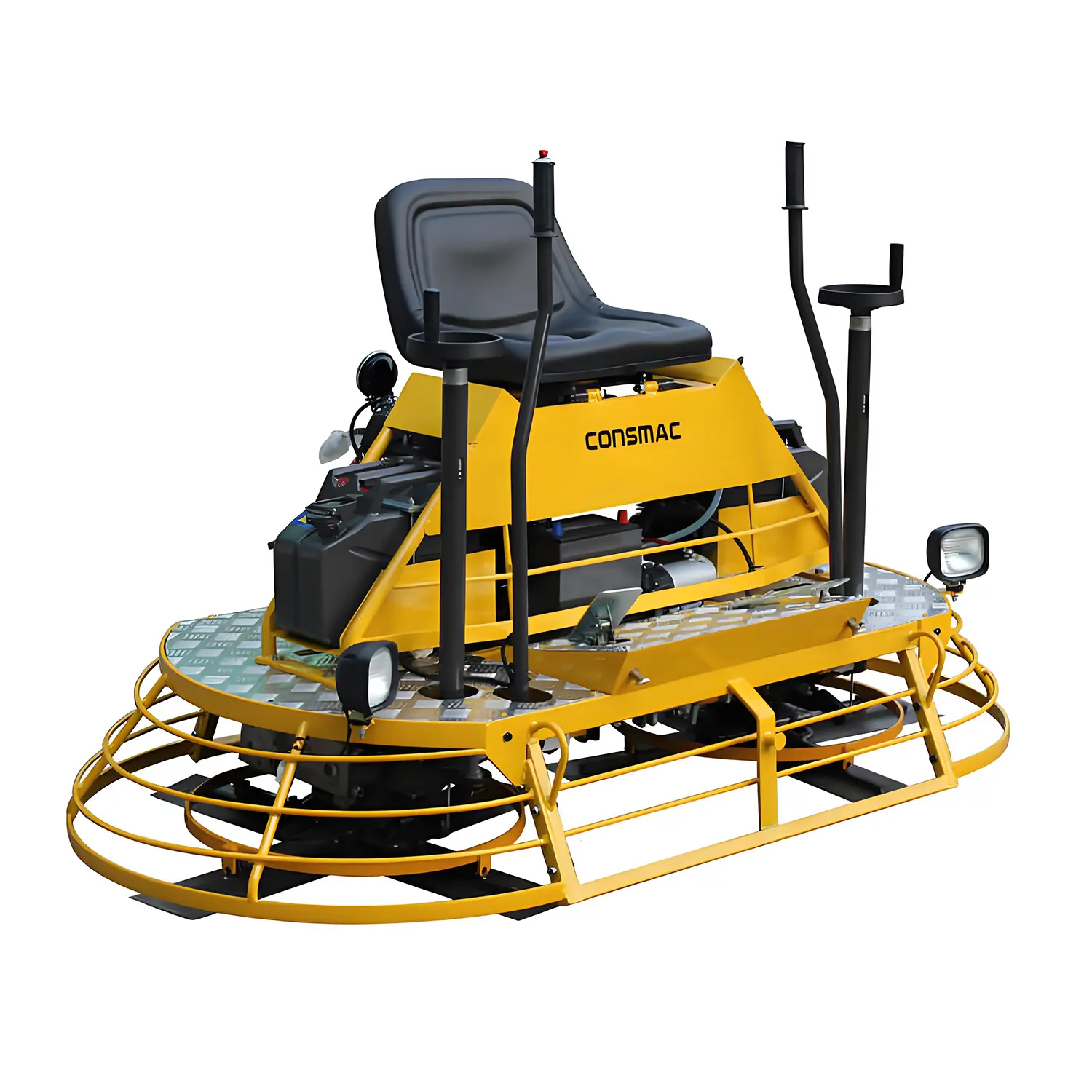 Ride on power trowel
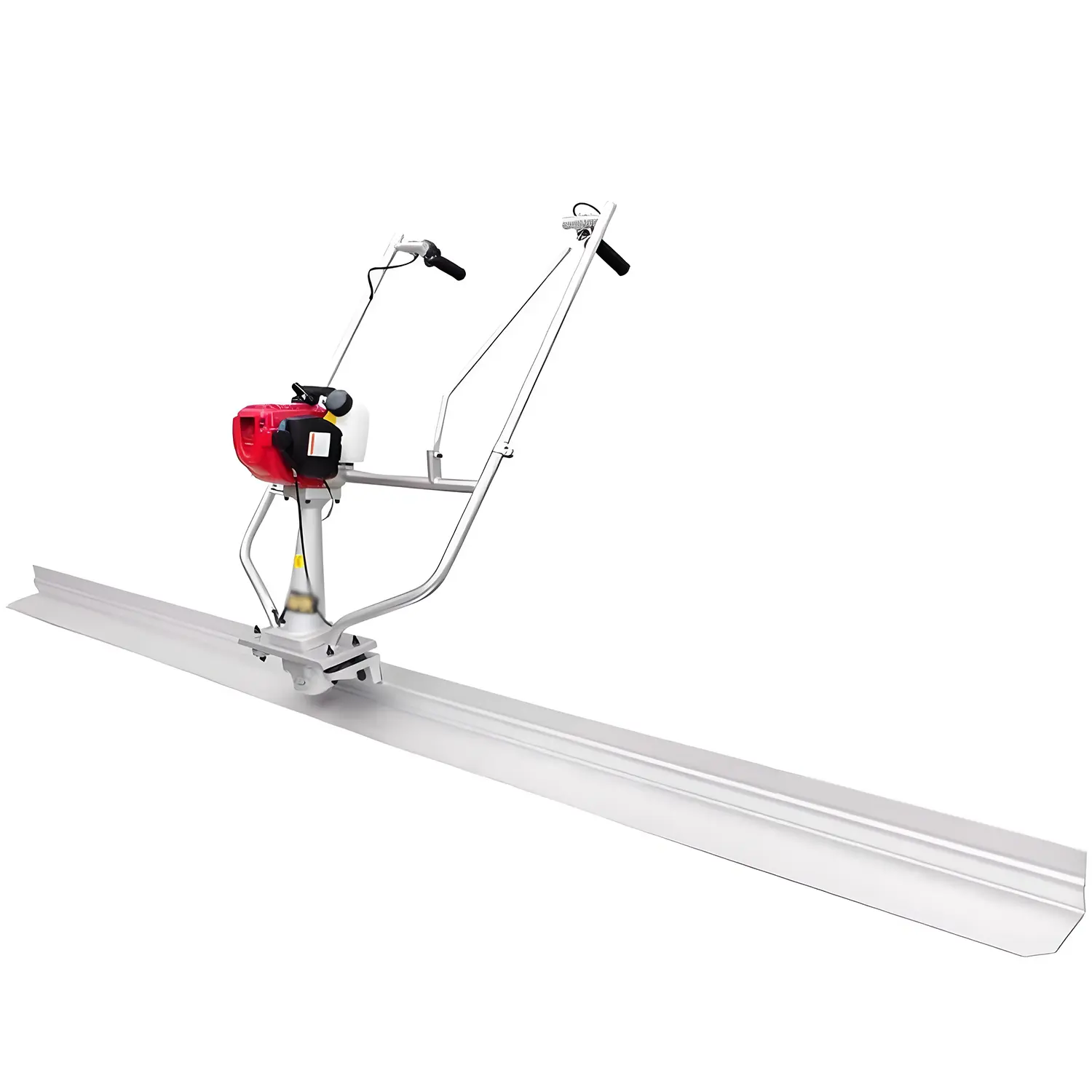 Concrete screed
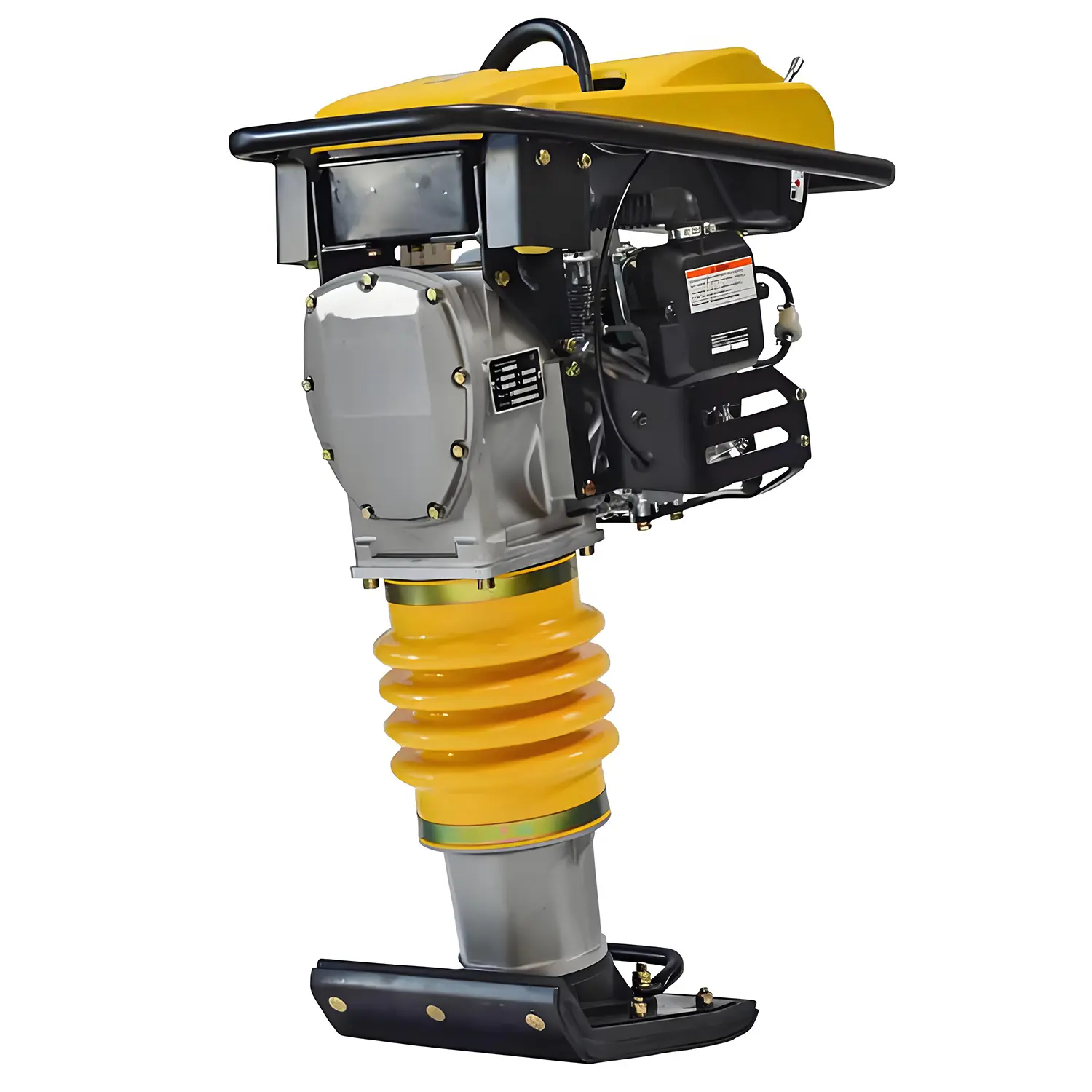 Tamping rammer
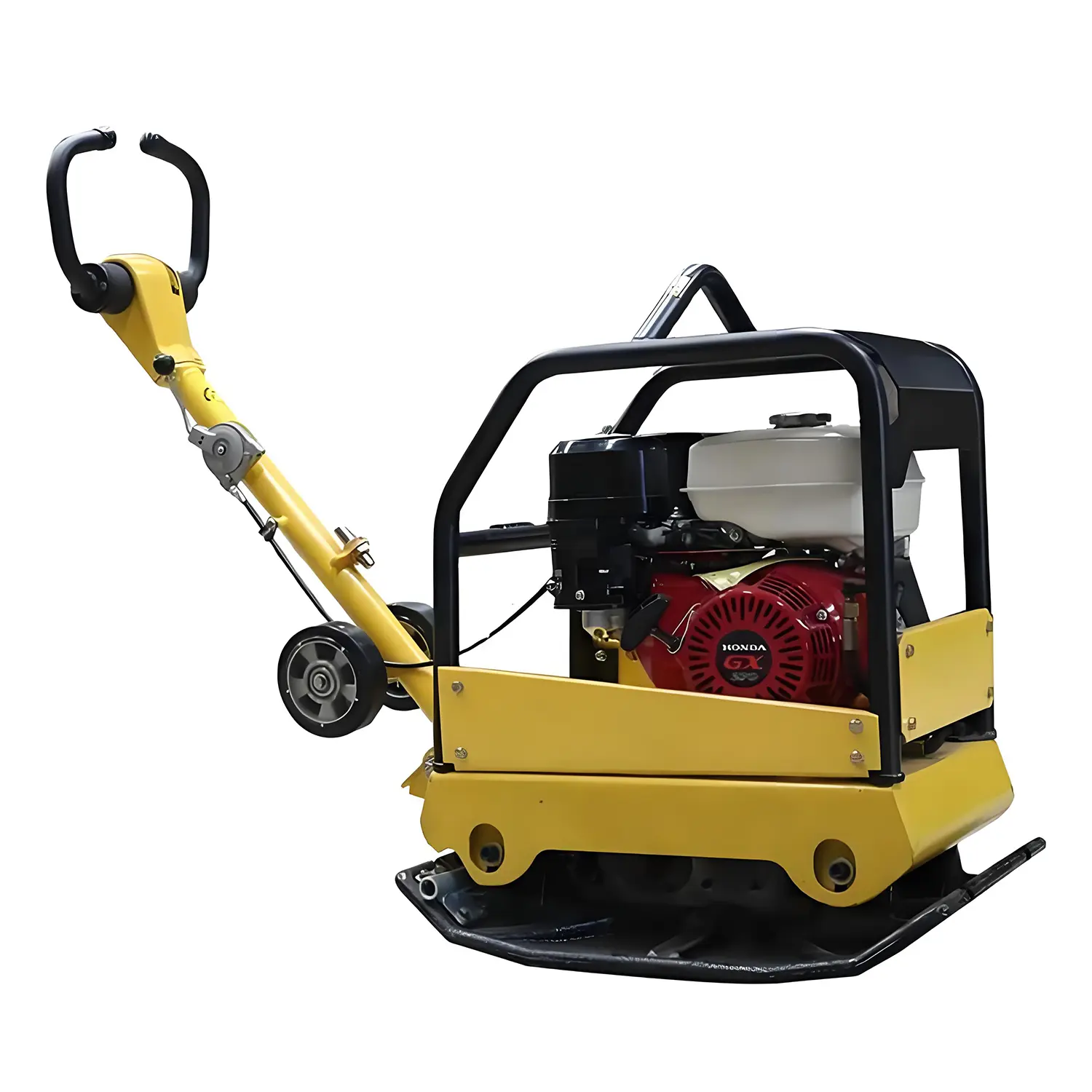 Plate compactor
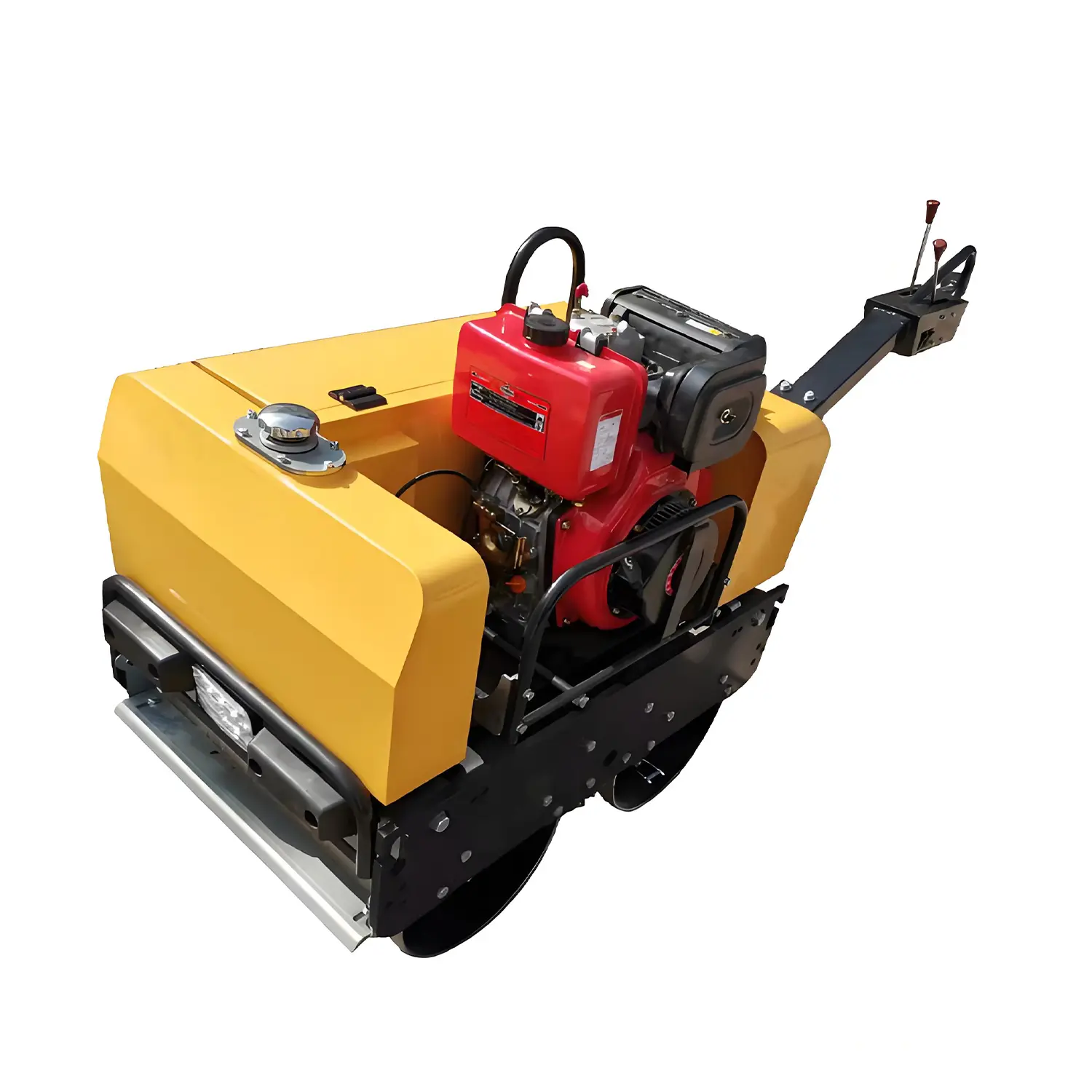 Vibratory roller