Why Choose a Heavy Duty Compactor for Your Construction Projects?
In the construction industry, the efficiency and effectiveness of project execution are paramount to success. As builders seek to optimize their processes, the choice of equipment plays a significant role in enhancing productivity and minimizing costs. One powerful tool that contractors increasingly rely upon is the Heavy Duty Compactor. According to a report by the World Bank, construction and demolition activities contribute approximately 40% of solid waste in urban areas, underscoring the need for robust compaction solutions to manage debris effectively and maintain site safety.
Heavy Duty Compactors are designed to handle tough material conditions, making them ideal for heavy construction projects that involve compacting soil, gravel, and asphalt. Studies show that using a Heavy Duty Compactor can reduce the number of passes required to achieve optimal density, thus decreasing labor hours and improving project timelines. The equipment's enhanced payload capacity ensures that contractors can manage larger volumes of material efficiently, which is particularly important in large-scale projects where time and resources are critical.
Furthermore, industry data indicates that inadequate compaction leads to costly issues such as settling and surface cracking, which can detrimentally affect the longevity of a structure. By investing in a Heavy Duty Compactor, construction teams can not only adhere to best practices in site management but also contribute to sustainable development goals by minimizing waste and maximizing resource use. Embracing this technology is not just a choice; it's a necessity for those committed to delivering high-quality projects in today’s competitive landscape.
Benefits of Using Heavy Duty Compactors in Construction Projects
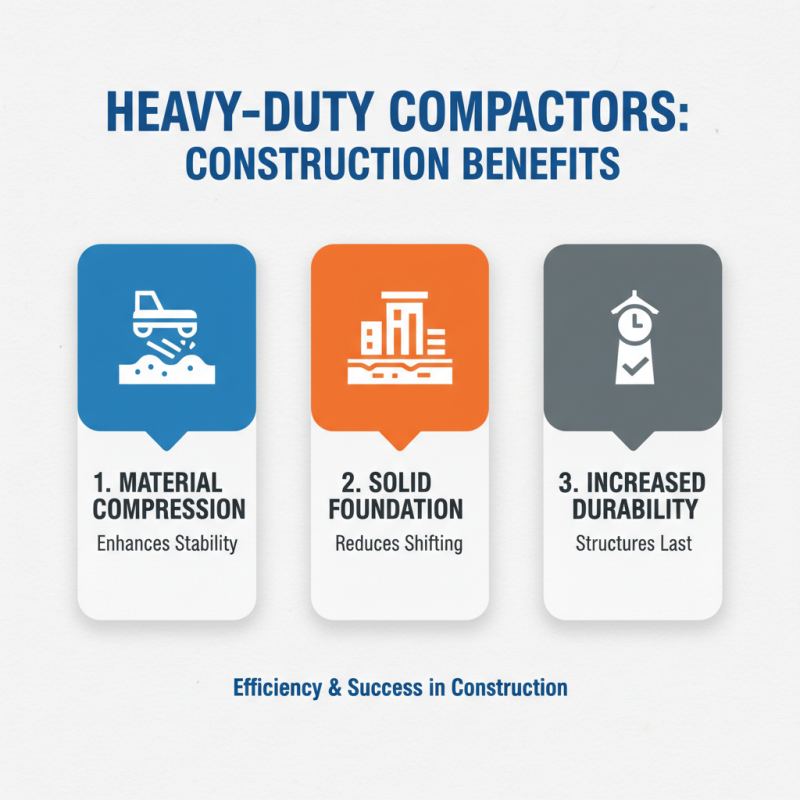
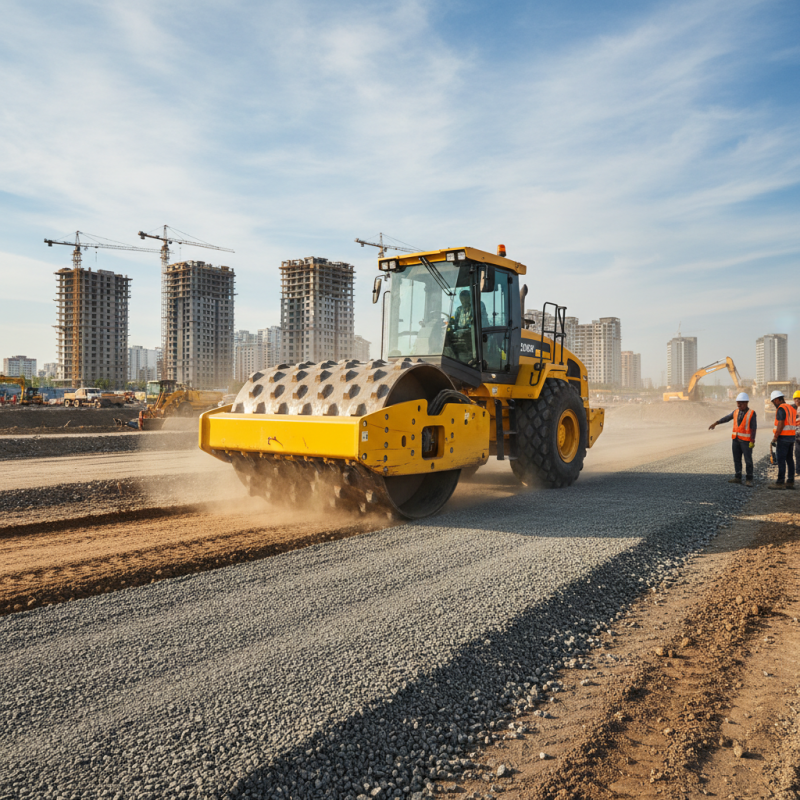
When it comes to construction projects, the choice of equipment plays a crucial role in the efficiency and success of the undertaking. Heavy duty compactors are essential tools that offer a multitude of benefits. These machines are designed to effectively compress soil, asphalt, and other materials, thereby enhancing the stability and durability of the construction site. By providing a solid foundation, heavy duty compactors help reduce the risks of settling and shifting, ensuring that structures stand the test of time.
One of the key advantages of using heavy duty compactors is their ability to save time and labor costs. Their robust design enables them to accomplish in minutes what would take laborers hours to do manually. This leads to quicker project completion timelines, allowing construction teams to move on to subsequent phases without unnecessary delays. Additionally, heavy duty compactors can handle various types of materials, making them versatile assets for different applications on a job site.
**Tips**: When selecting a heavy duty compactor, consider the specific requirements of your project. Assess the type of soil or material you’ll be working with to choose the right compactor settings for optimal results. Regular maintenance of the equipment is also crucial for ensuring its performance and longevity on the site. Investing in operator training can further enhance the efficiency and safety of using heavy duty compactors, leading to smoother operations throughout the project.
Key Features of Heavy Duty Compactors: Performance and Durability
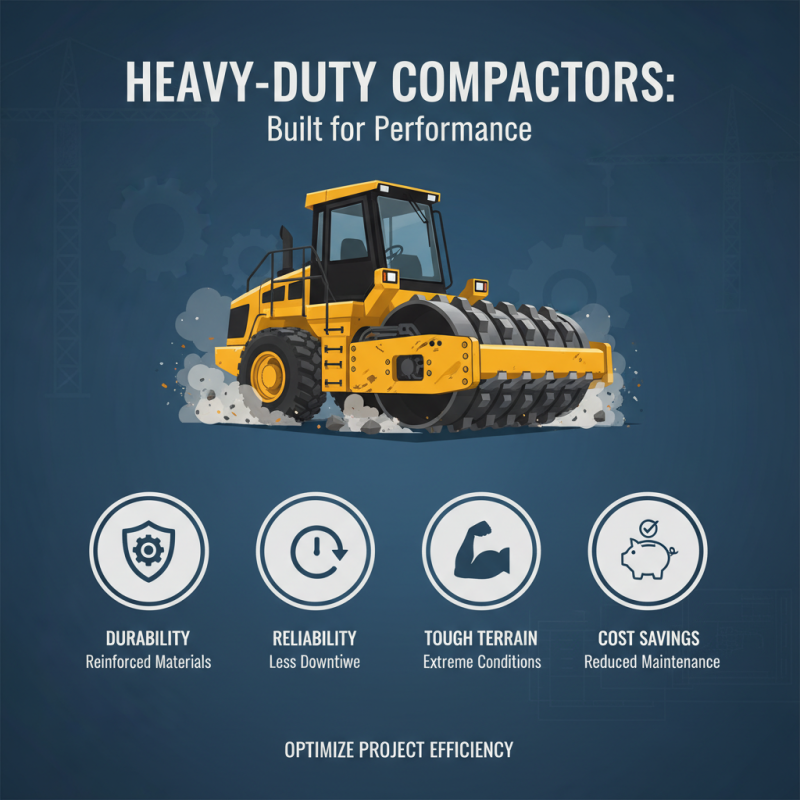
When selecting equipment for construction projects, the choice of a heavy-duty compactor can significantly influence performance and efficiency. Heavy-duty compactors are engineered for optimum durability and reliability, making them ideal for challenging job sites. One of the key features of these machines is their robust construction, often built with reinforced materials that can withstand harsh operating conditions, including extreme temperatures and rugged terrains. This durability ensures that the equipment remains operational for long periods, reducing downtime and maintenance costs, which is critical for keeping projects on schedule.
In addition to structural integrity, heavy-duty compactors excel in performance parameters such as compaction depth and force. They are designed to handle various materials, from soil to asphalt, providing excellent compaction results. Advanced vibration technology in these machines enhances their ability to compact material effectively, resulting in a stable and solid foundation for subsequent construction activities. Whether performing trench work, road building, or any other heavy equipment operation, relying on a heavy-duty compactor ensures superior results, meeting the demands of even the most rigorous construction tasks.
Comparing Heavy Duty Compactors: Cost-Effectiveness vs. Standard Models
When it comes to selecting equipment for construction projects, the choice between heavy duty compactors and standard models can significantly impact both performance and long-term costs. Heavy duty compactors are designed for tough conditions, making them ideal for projects that require intensive soil compaction and stability. These machines can handle larger volumes and denser materials, which can enhance the efficiency and effectiveness of construction work, ultimately saving time and labor costs.
However, the initial investment in heavy duty compactors can be higher than that of standard models. It’s essential to consider long-term savings. While standard compactors may be less expensive upfront, they may not offer the same durability or efficiency in demanding environments. This often results in more frequent repairs or replacements, which can raise overall project costs. Heavy duty compactors, while pricier initially, are a cost-effective solution for projects needing reliable performance over time.
Tips: Before making a decision, assess the specific requirements of your project, including soil type and compaction depth. Additionally, calculate the lifespan and maintenance costs of each option based on your expected usage. Investing in a machine that aligns with your project needs can lead to significant savings in the long run, ensuring that you are not compromising on quality while managing costs effectively.
Understanding the Impact of Soil Density on Compaction Efficiency
Soil density plays a crucial role in the compaction efficiency of any construction project. The relationship between soil density and compaction is well documented, with research indicating that achieving optimal density can significantly enhance the load-bearing capacity of the foundation. According to a report by the American Society of Civil Engineers, compacted soils can exhibit increases in strength by up to 50% compared to unconsolidated soil. This emphasizes the importance of selecting the right equipment, such as a heavy-duty compactor, to achieve desired soil density levels efficiently.
Heavy-duty compactors are designed to exert sufficient force to push soil particles closer together, thereby eliminating air pockets and ensuring maximum density. The effectiveness of a compactor is often measured in pounds per square foot; for example, a compactor that applies 10,000 pounds per square foot can effectively reduce the moisture content and increase the cohesive strength of granular soils. Research has shown that compacting soil to a density exceeding 95% of the Proctor density maximum can lead to fewer construction failures and reduced settling over time, making heavy-duty compactors an indispensable tool on construction sites.
Why Choose a Heavy Duty Compactor for Your Construction Projects? - Understanding the Impact of Soil Density on Compaction Efficiency
| Soil Type |
Optimal Density (pcf) |
Compaction Method |
Compaction Efficiency (%) |
Recommended Compactor Type |
| Clay |
110 |
Static Plate |
90 |
Heavy Duty Vibratory Compactor |
| Sand |
100 |
Vibratory Plate |
95 |
Heavy Duty Rammers |
| Gravel |
125 |
Sheepsfoot Roller |
90 |
Heavy Duty Vibratory Roller |
| Silt |
105 |
Vibratory Drum |
85 |
Heavy Duty Compactor |
| Mixed Soils |
115 |
Dual Drum Roller |
92 |
Heavy Duty Compactor |
Industry Statistics on Compaction Methods and Equipment Utilization Rates
When considering compaction methods for construction projects, it’s essential to look at industry statistics that showcase equipment utilization rates. According to recent studies conducted by industry experts, effective compaction can increase the load-bearing capacity of soil by up to 30%, leading to decreased future maintenance costs. Moreover, the use of heavy-duty compactors, especially in large-scale infrastructure projects, has shown a utilization rate of nearly 85%, as reported in the 2022 Construction Equipment Market Analysis. This high rate indicates a preference for robust solutions that ensure durability and reliability.
**Tip:** To optimize compaction efforts, always assess the soil type and moisture content before selecting your equipment. Adjusting the operational parameters to match these conditions can significantly enhance performance.
In addition, it has been found that projects utilizing heavy-duty compactors experience a reduction in project timelines by approximately 15%. This decrease is primarily due to the efficiency and effectiveness of heavy-duty machines in achieving and maintaining desired compaction levels quickly. The study also indicates that proper training for operators can lead to a 20% boost in the effective use of compaction equipment.
**Tip:** Don’t overlook the importance of regular maintenance for your compaction equipment. Well-maintained machinery runs more efficiently and prolongs the lifespan of your investment.
Heavy Duty Compactor Utilization Rates by Method

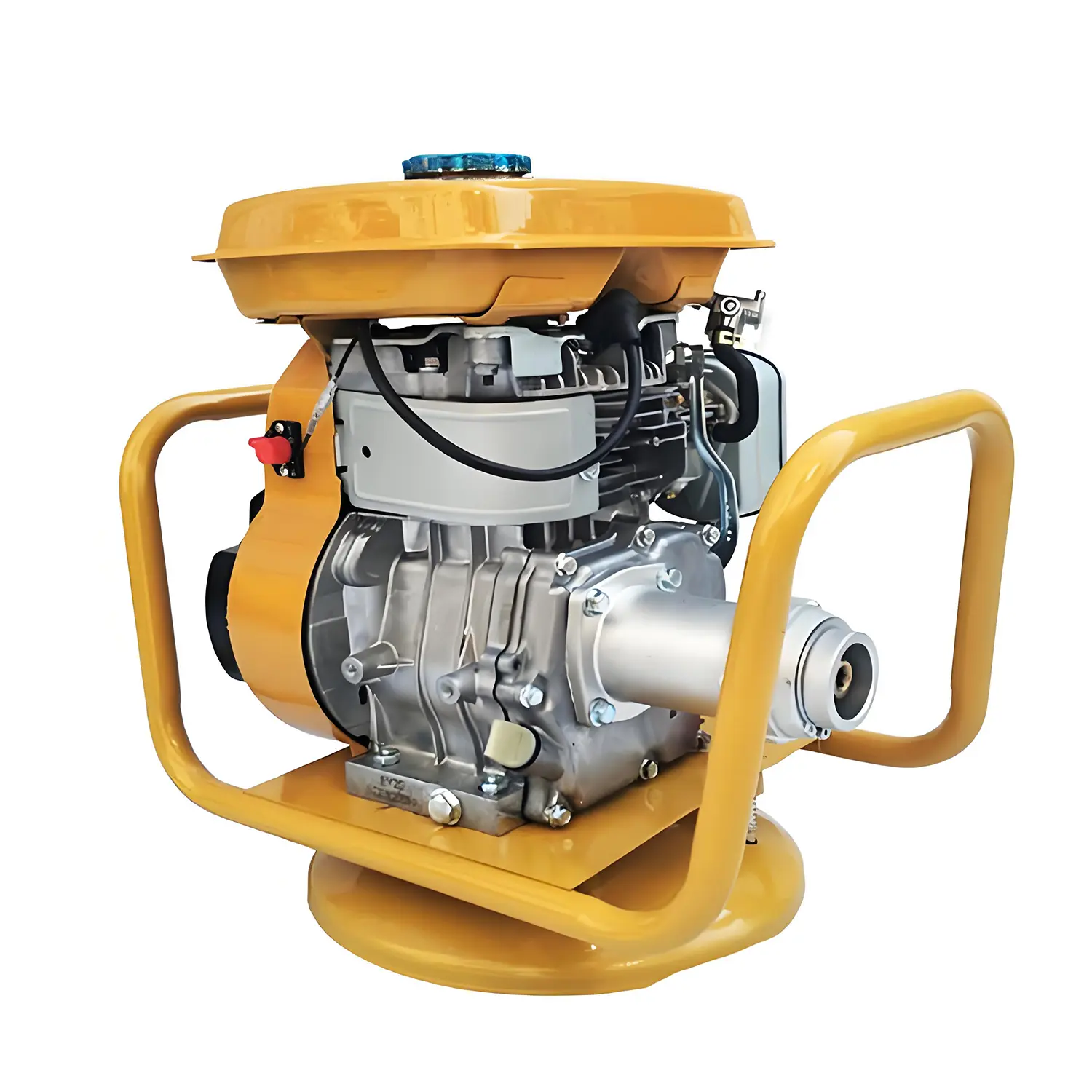 Internal Vibrator
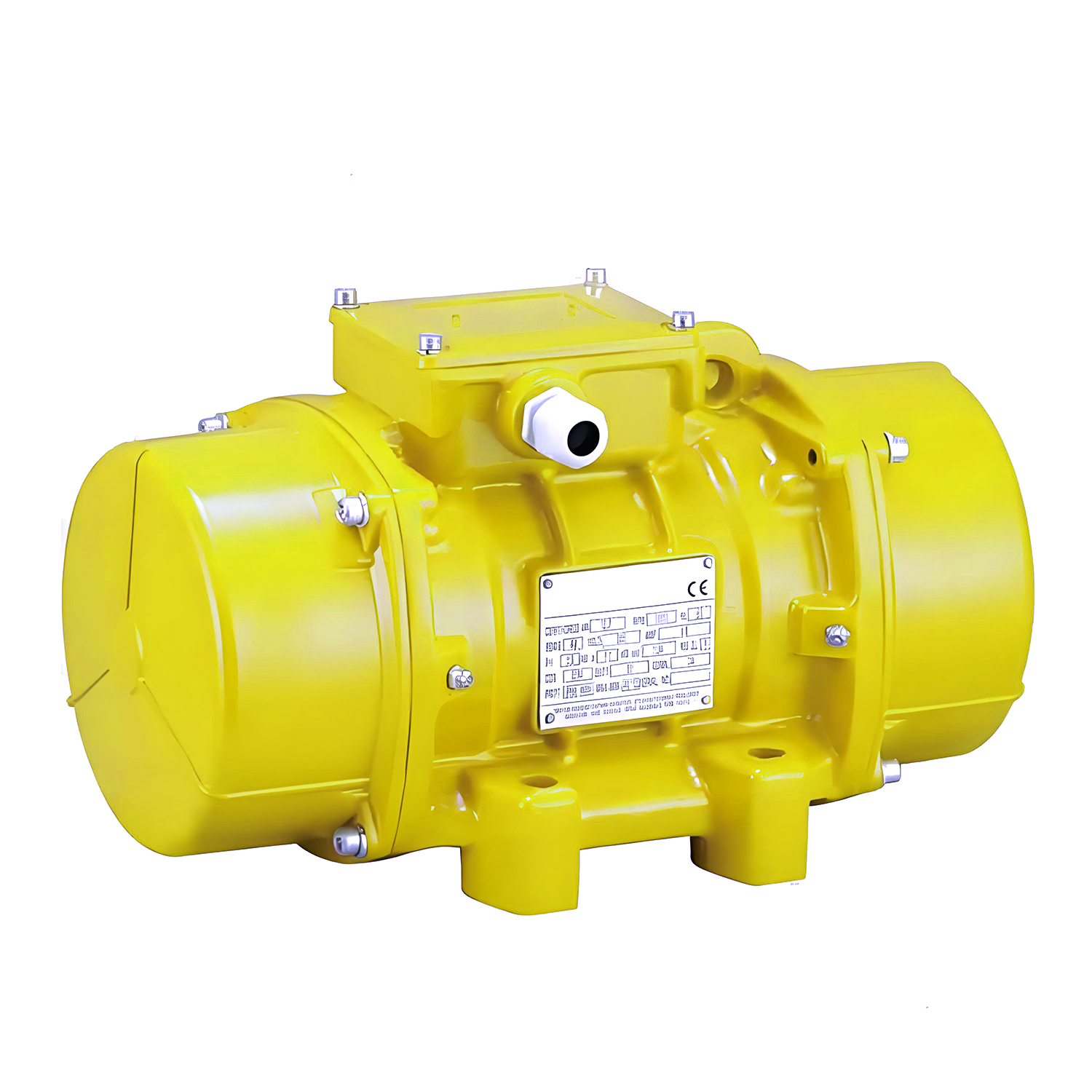 External Vibrator
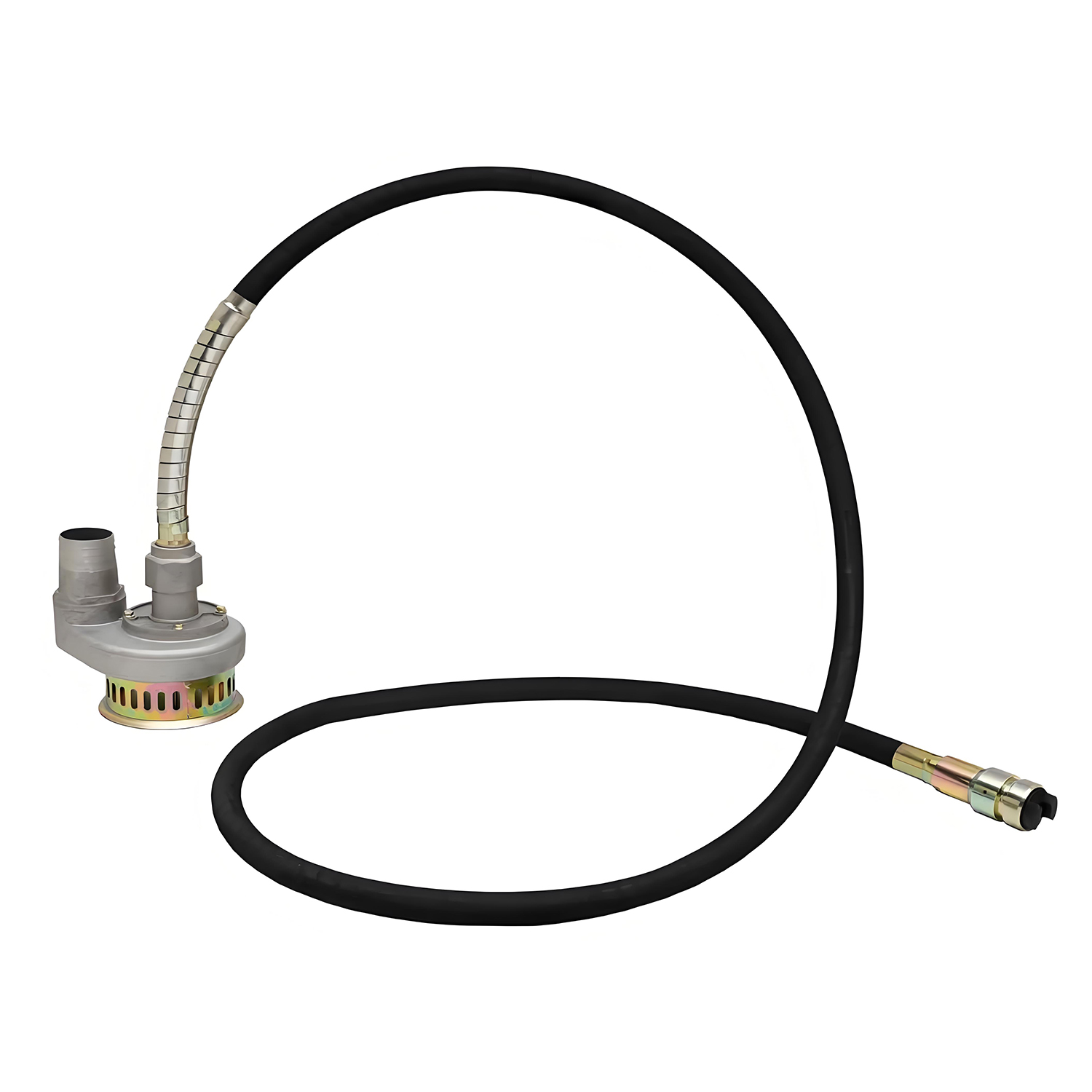 Submersible Pump
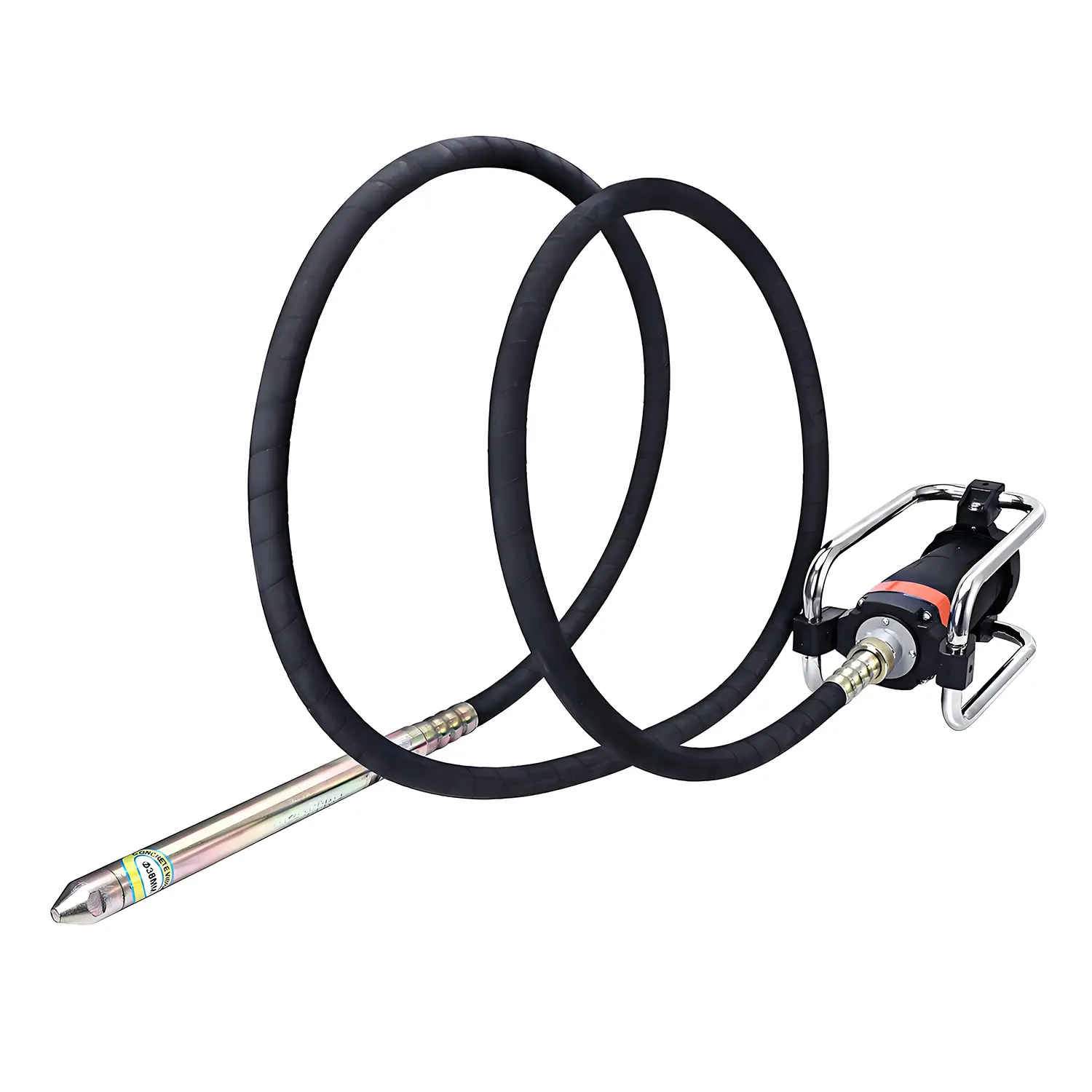 Eccentric shaft
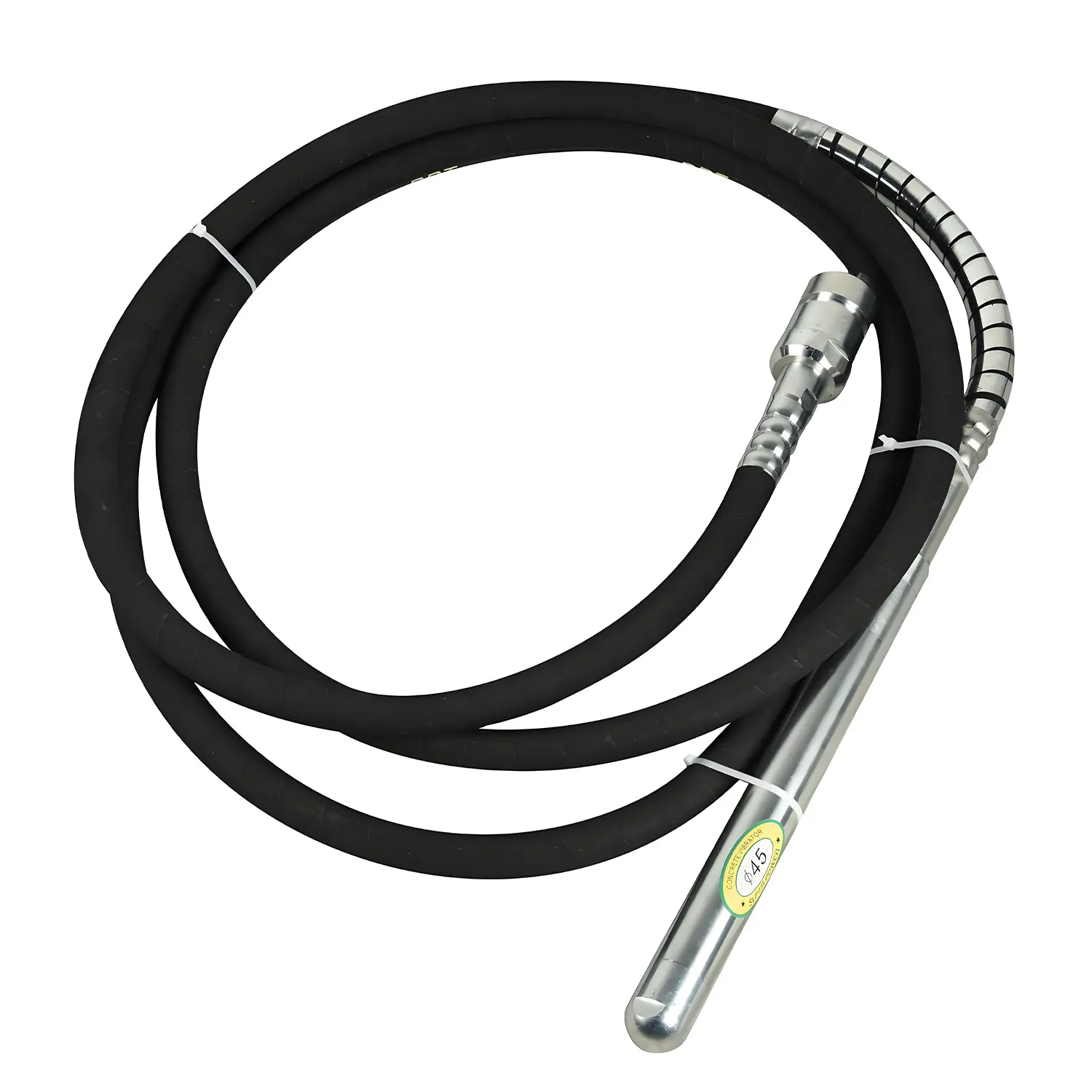 Pendulum shaft
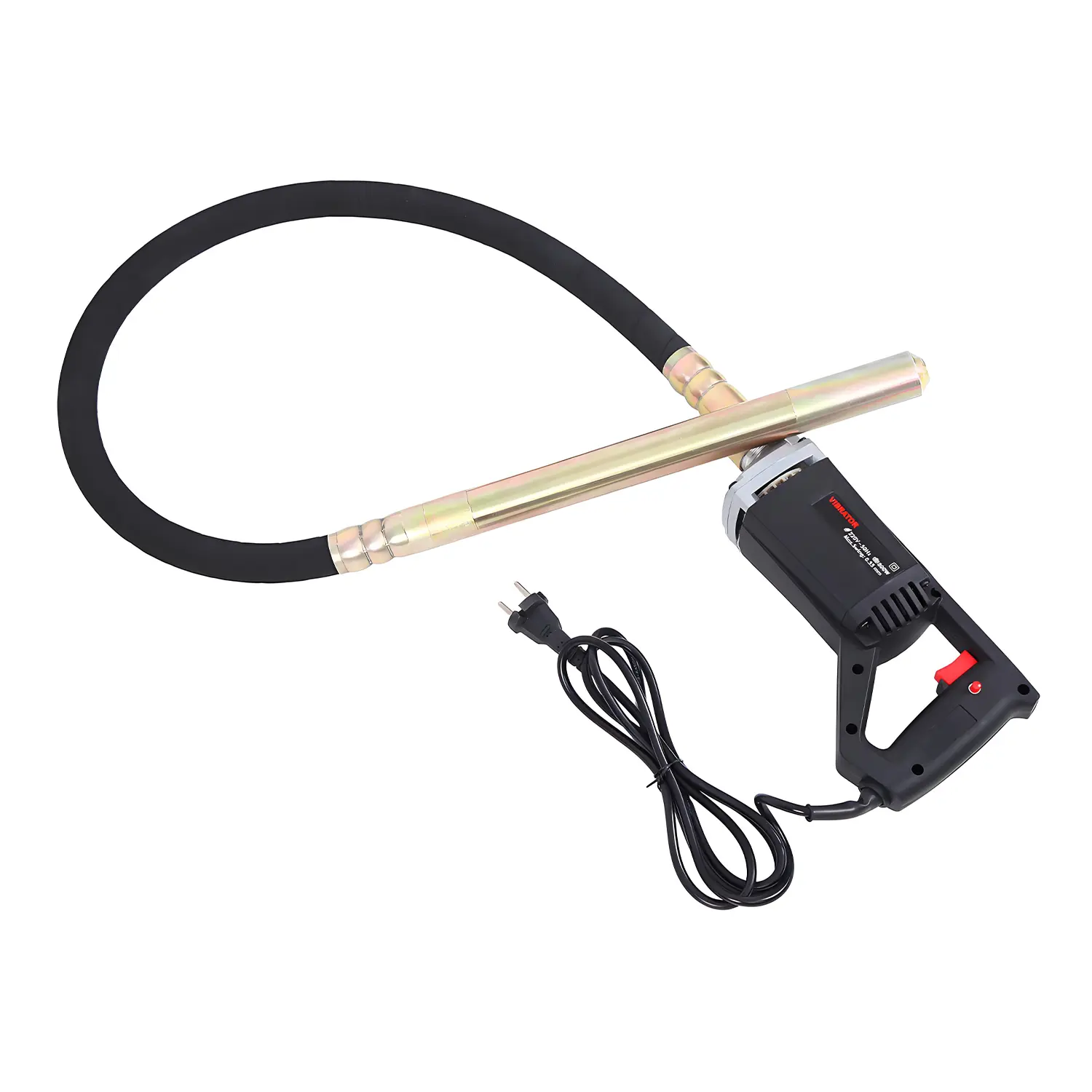 Portable vbrator shaft
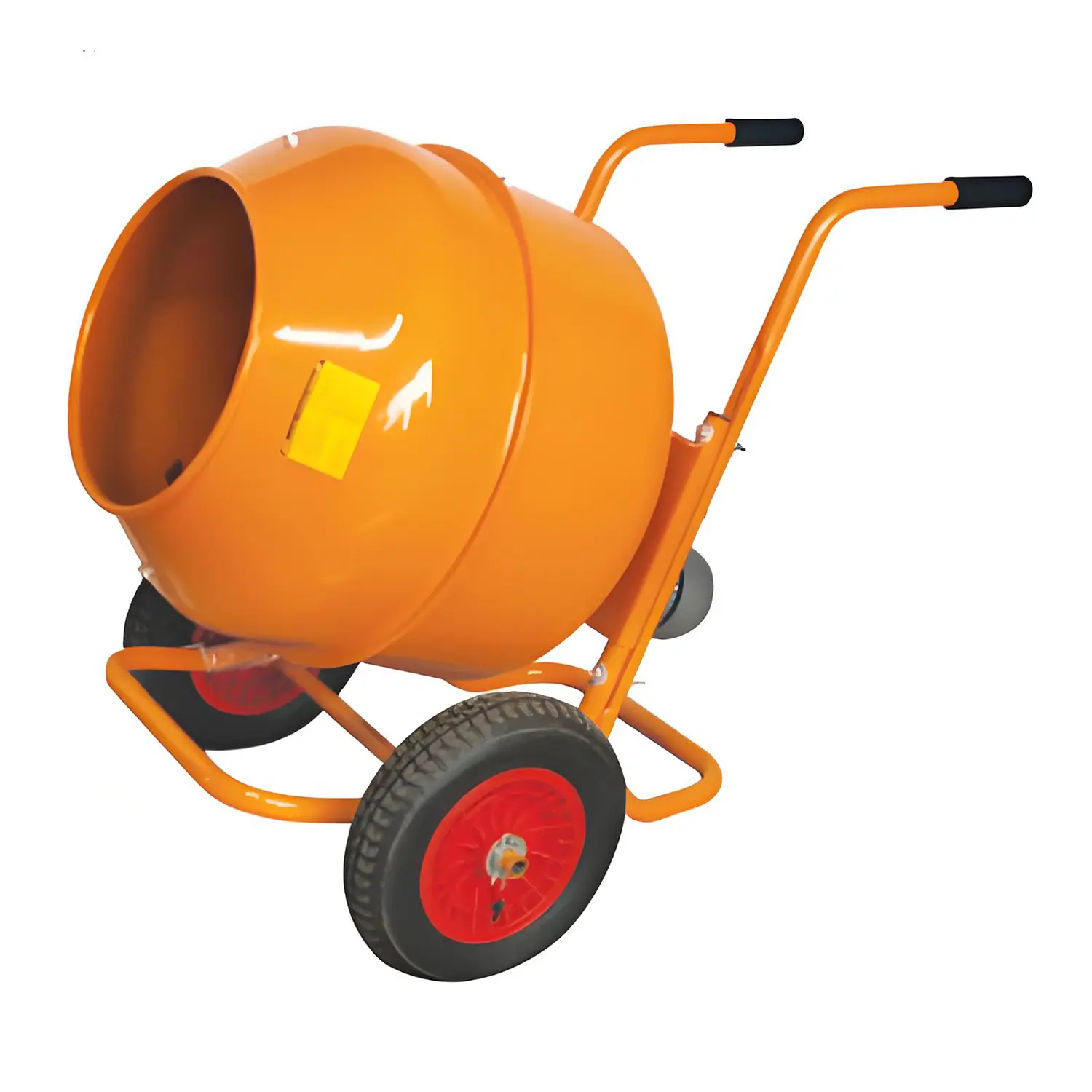 Portable concrete mixer
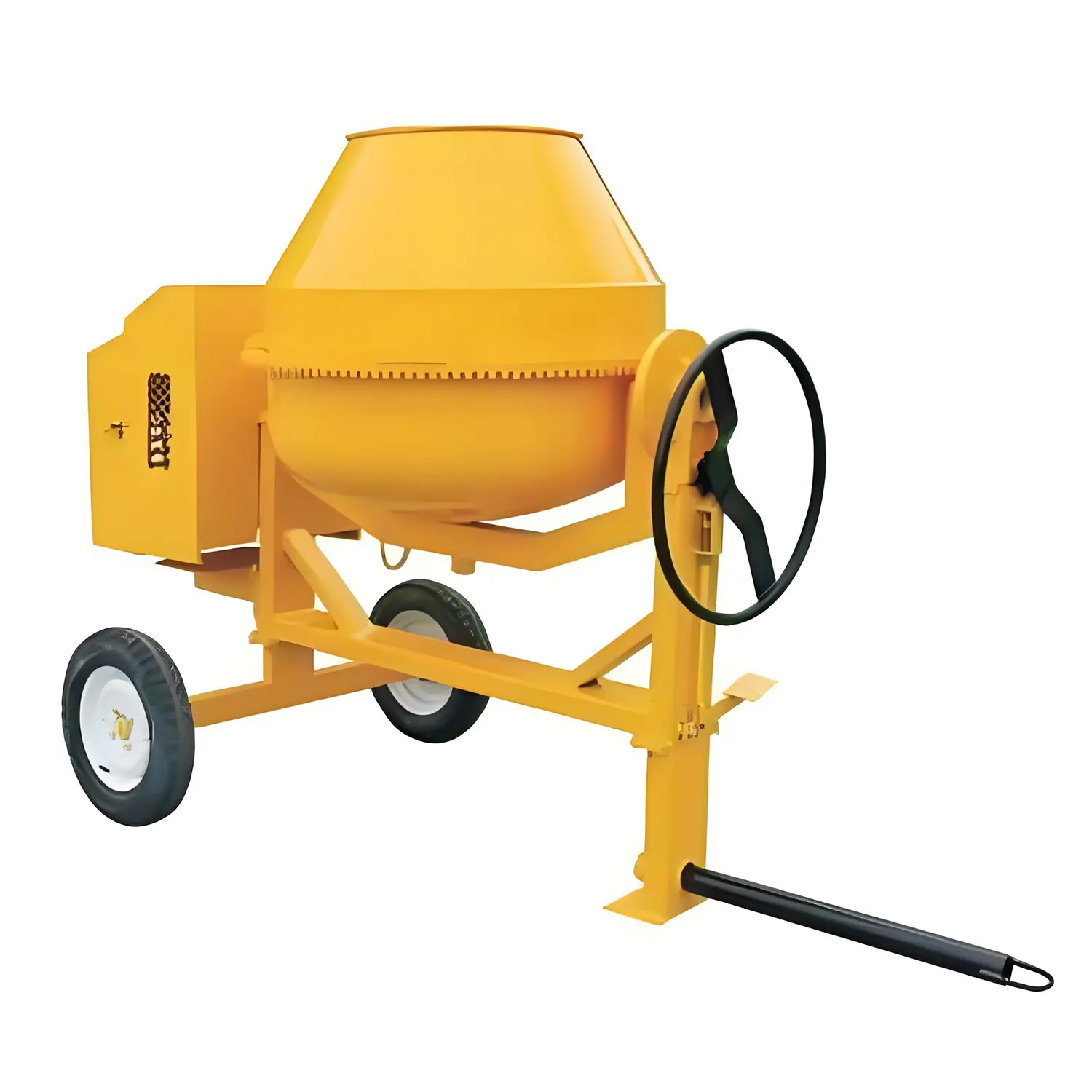 Vertical concrete mixer
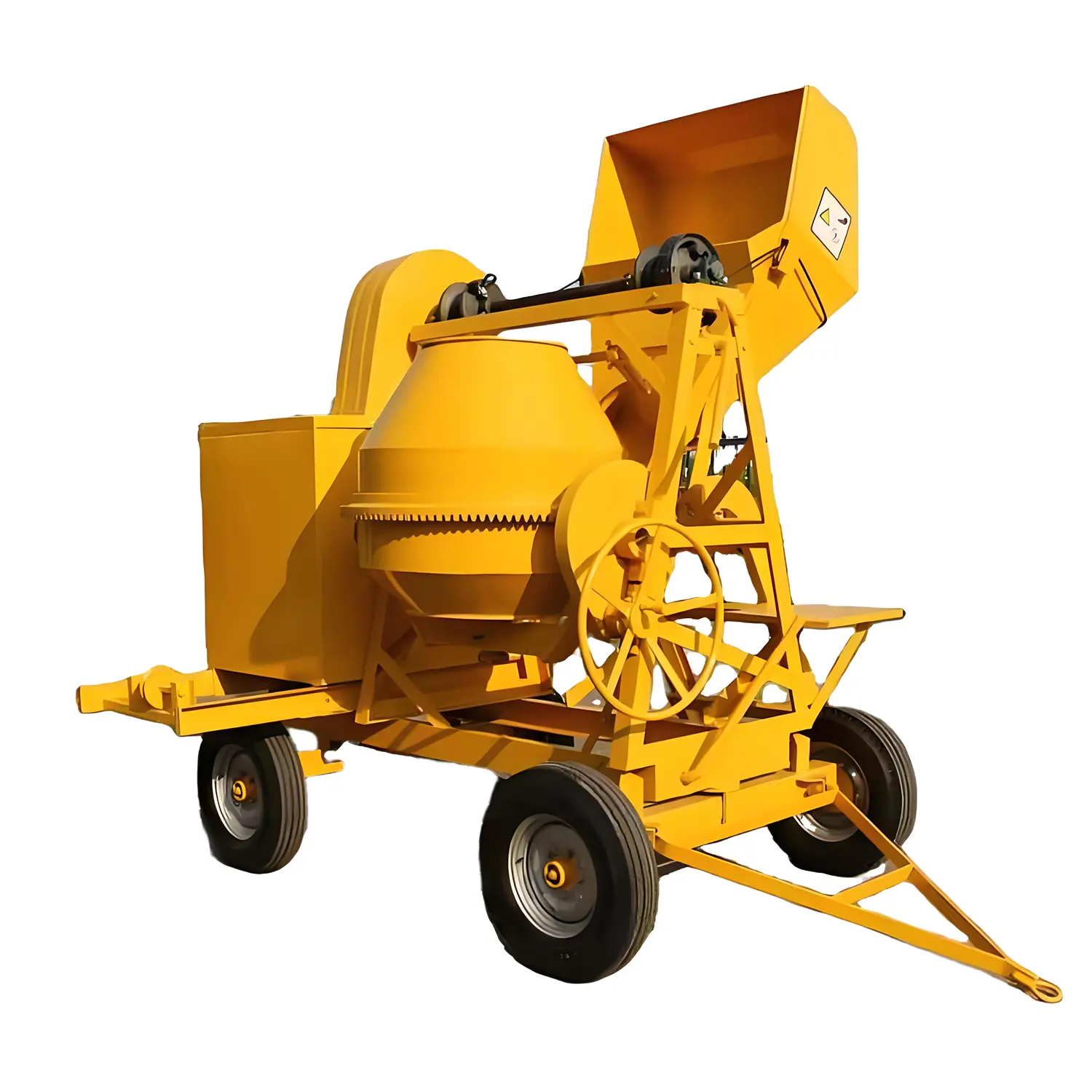 Hydraulic concrete mixer
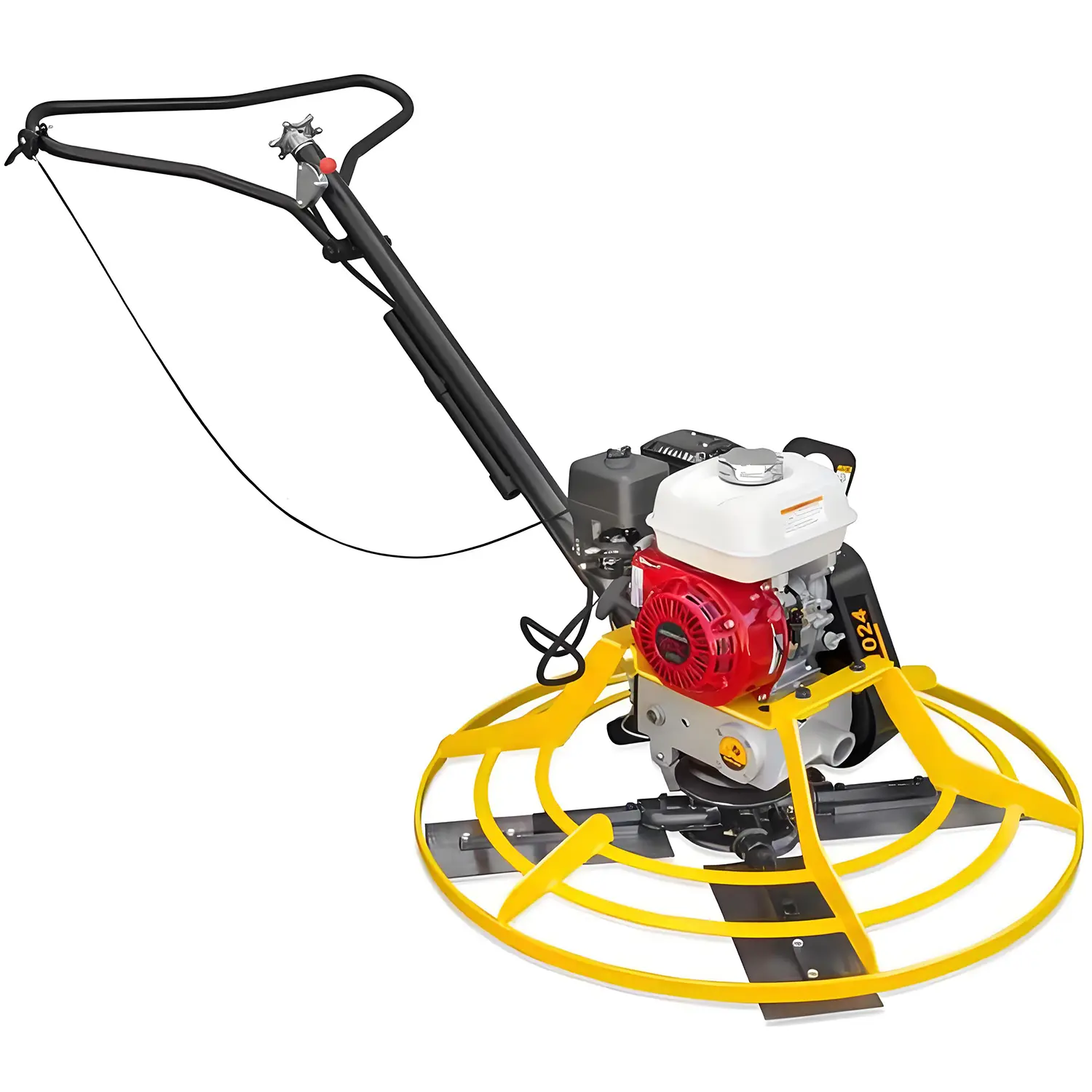 Walk behind power trowel
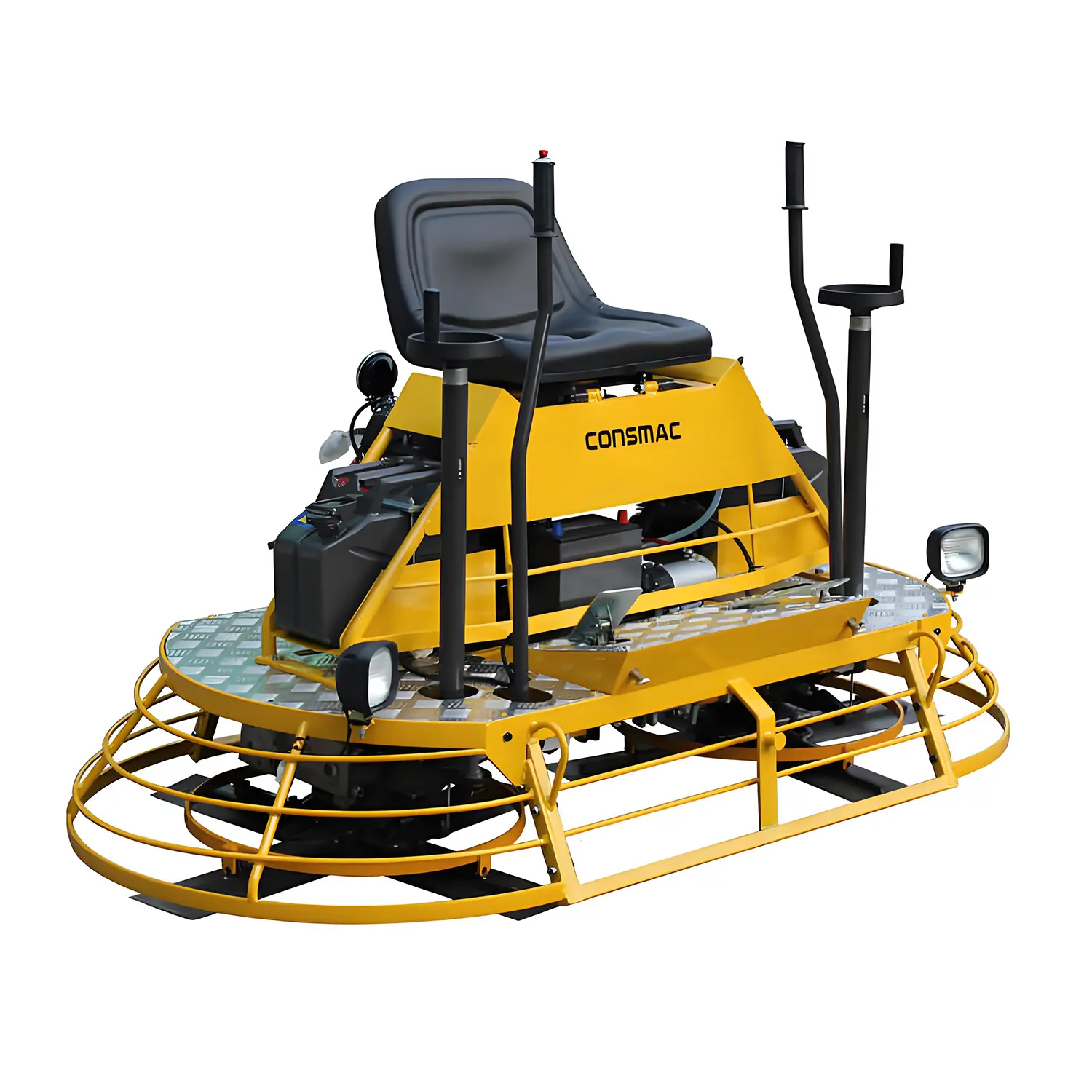 Ride on power trowel
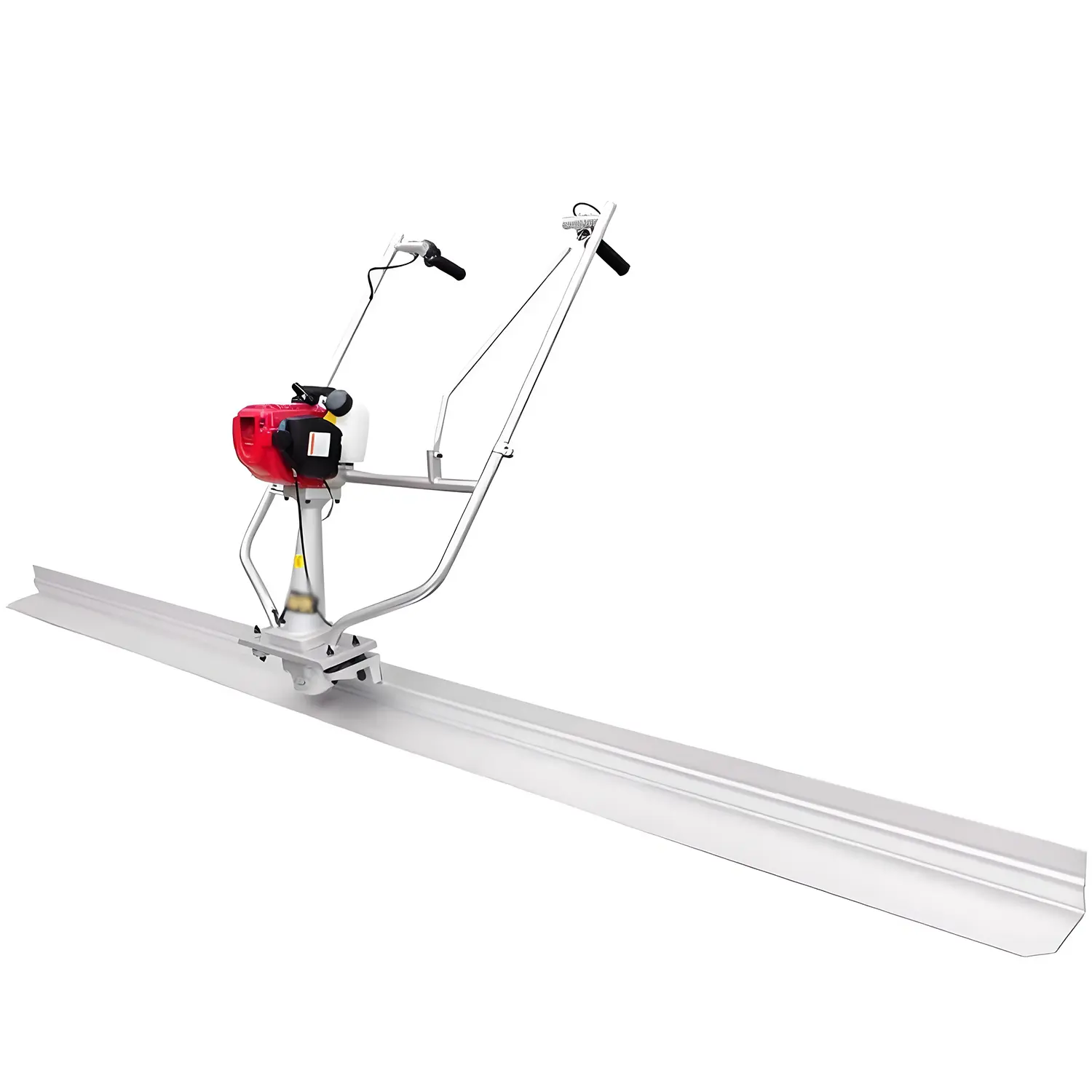 Concrete screed
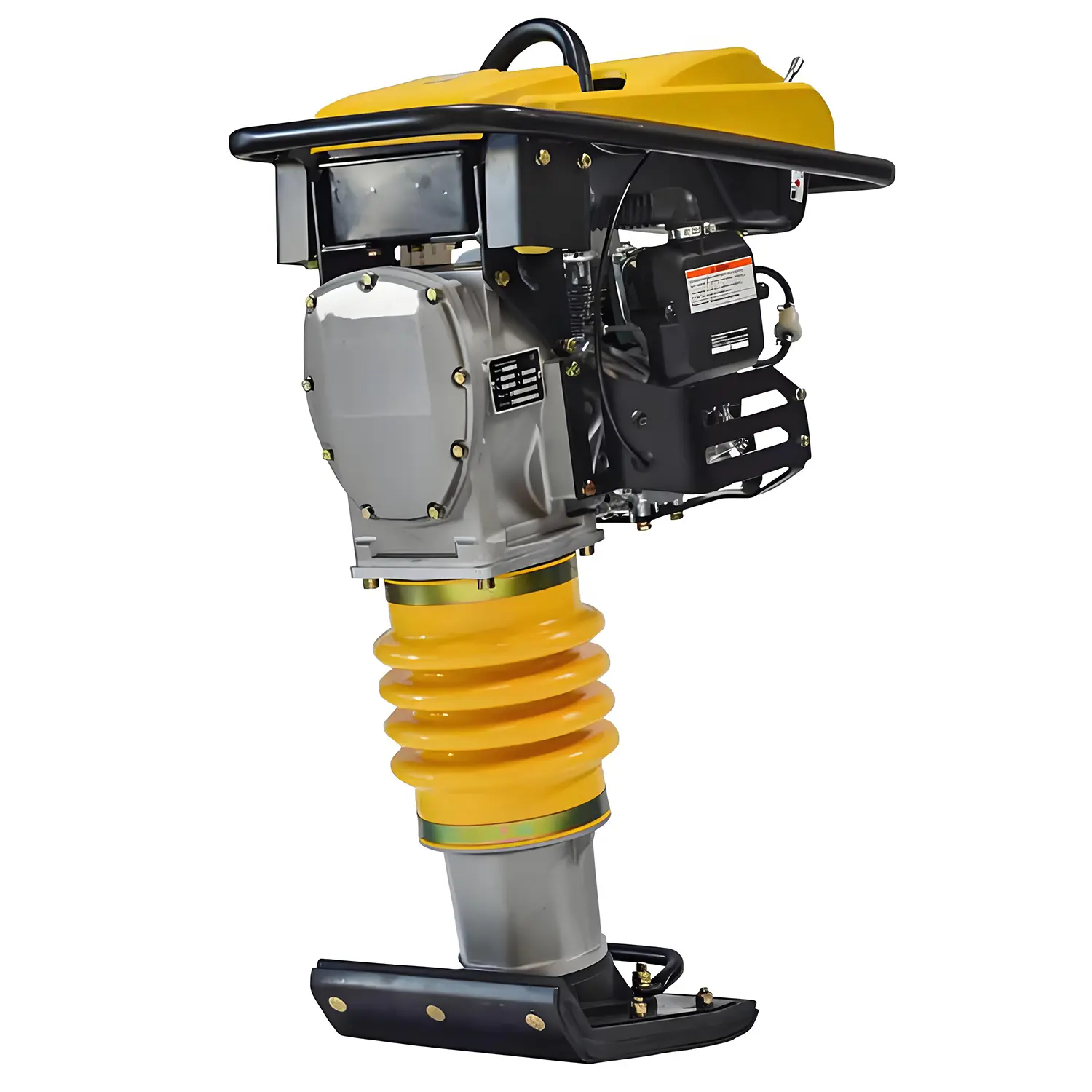 Tamping rammer
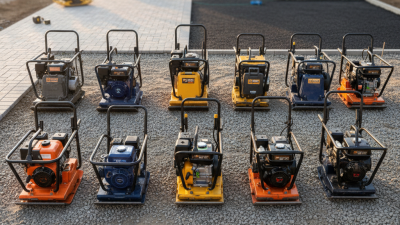
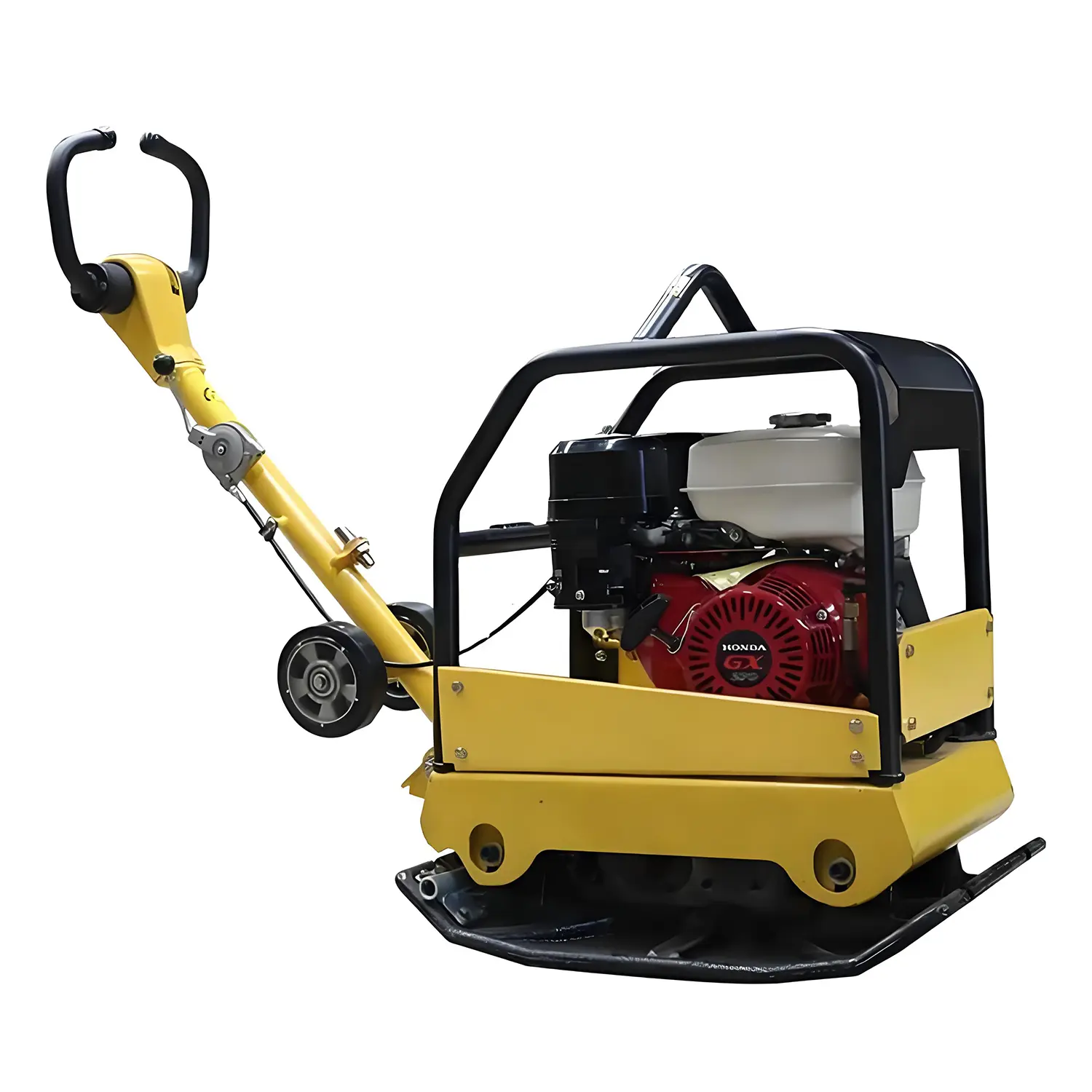 Plate compactor
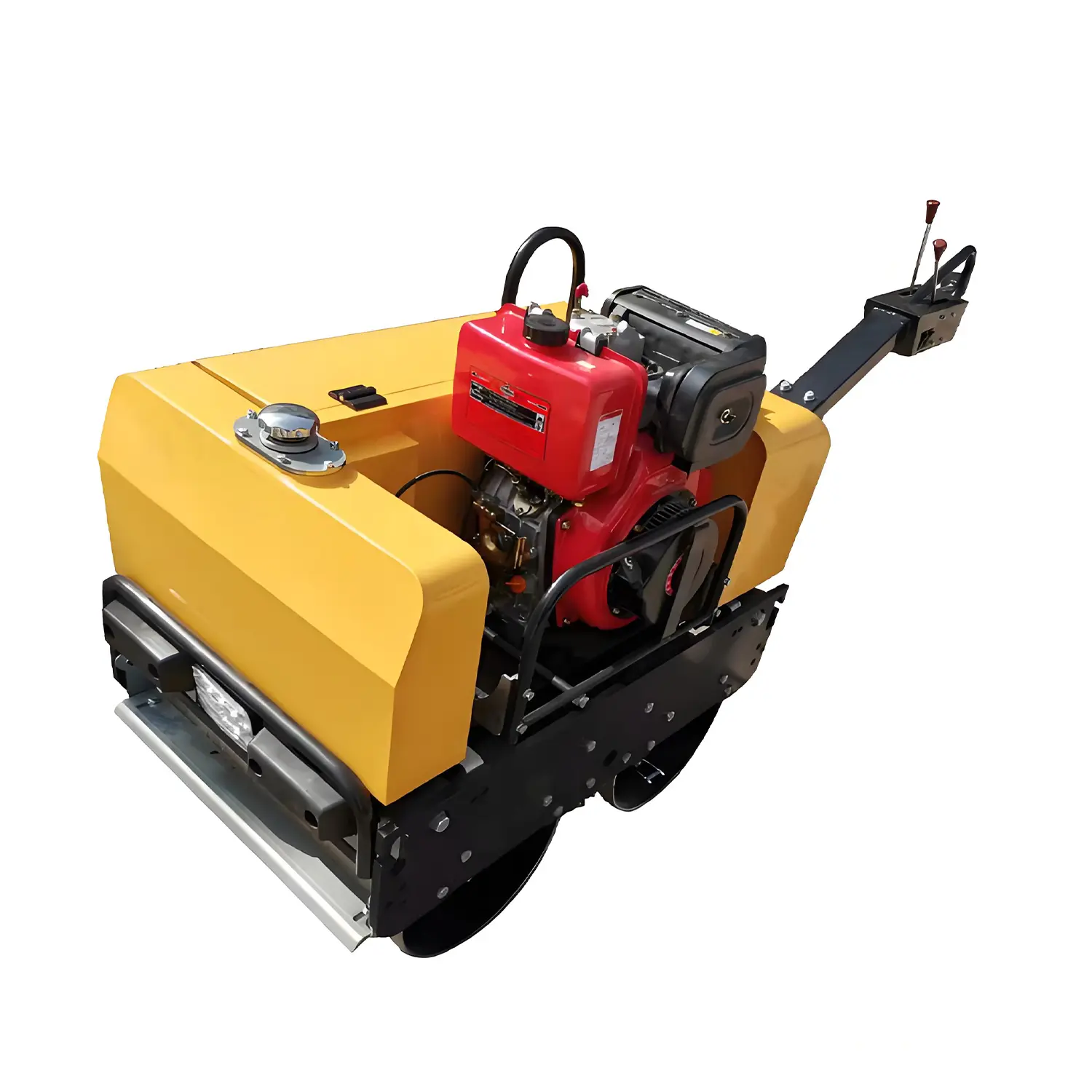 Vibratory roller