2026 Best Reversible Compactor Reviews and Buying Guide?
When it comes to construction and landscaping projects, a Reversible Compactor can be an essential tool. This machine is designed to efficiently compact soil, gravel, and asphalt. According to the North American Construction Equipment Industry report, the demand for compactors is projected to grow by 5% annually. This suggests that more professionals are recognizing the value of investing in high-quality compactors.
In choosing the right Reversible Compactor, key features need consideration. Factors like weight, plate size, and engine power influence performance. For example, heavier compactors typically provide more force, ideal for tough ground conditions. However, lighter models are easier to maneuver for smaller tasks. This balance is crucial for effective operation.
While many products offer impressive specifications, buyers often overlook maintenance needs. Durability is paramount, but a lack of routine care can lead to costly repairs. It’s worth reflecting on what features meet your project requirements. An informed decision can elevate your work efficiency and quality, making that investment in a Reversible Compactor truly worthwhile.
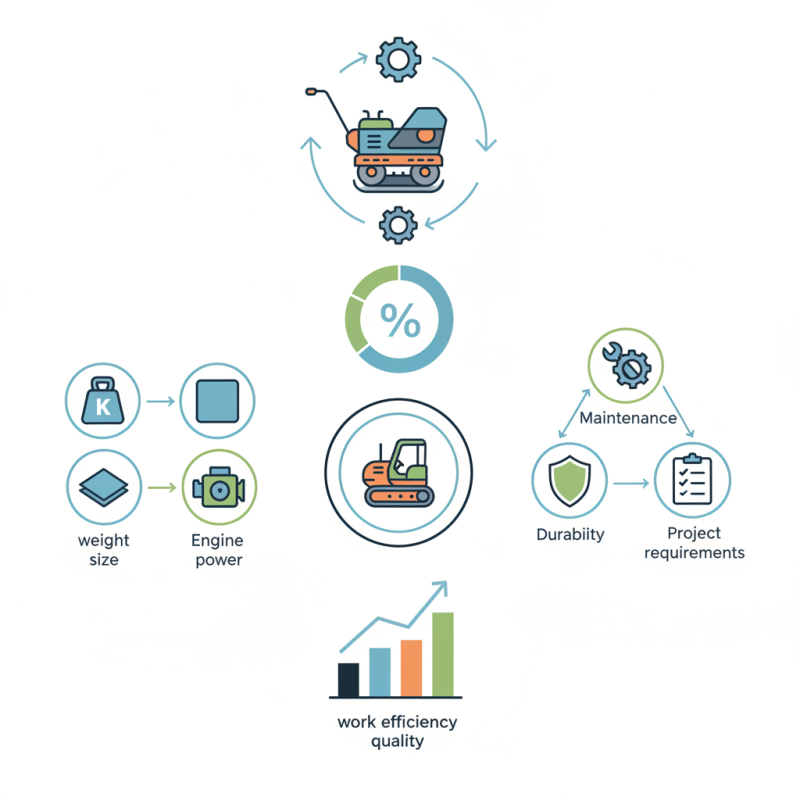
Overview of Reversible Compactors: Key Features and Benefits
Reversible compactors are essential in construction and landscaping. They provide efficient soil and asphalt compaction. Their versatility makes them a popular choice among contractors. According to the Construction Equipment Association, 72% of construction projects now use this type of equipment. This trend highlights the reliability of reversible compactors in various conditions.
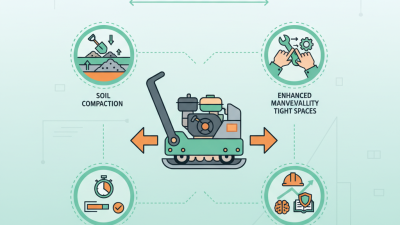
Key features of reversible compactors include dual-direction vibration and compacting power. The dual-direction function allows for better maneuverability. This feature is crucial on tight job sites where space is limited. Additionally, these machines often weigh between 300 and 800 pounds, providing ample compaction force. However, heavier models may be harder to operate for some users.
Benefits extend beyond mere performance. Reversible compactors improve work efficiency, reducing labor costs. A study by the International Journal of Engineering revealed that they can cut compaction time by up to 40%. Yet, operators must be trained properly. Misuse can lead to uneven compaction, resulting in costly rework. It’s essential to consider both benefits and potential pitfalls.
Types of Reversible Compactors: Choosing the Right One for Your Needs
When selecting a reversible compactor, understanding your specific needs is crucial. There are various types available, such as plate compactors, trench compactors, and double-drum rollers. Each serves a unique purpose and is suited for different project requirements. According to industry reports, the demand for reversible compactors has seen a 15% increase since 2020, indicating a growing need for effective soil and asphalt compaction.
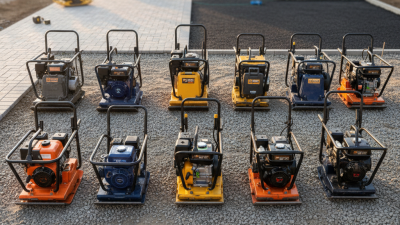
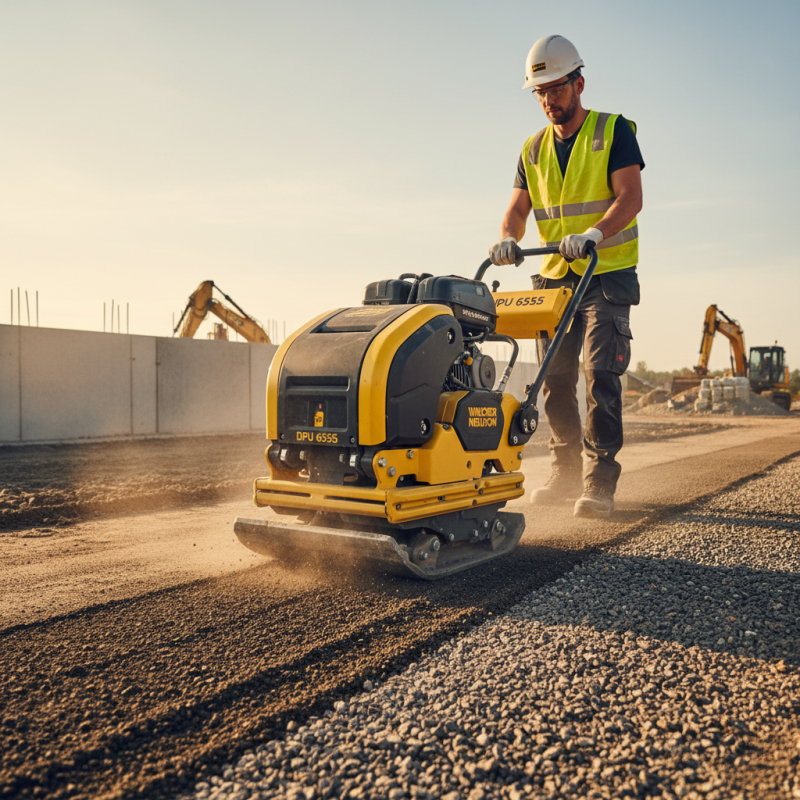
Plate compactors are commonly used for smaller areas. They are portable and can handle a variety of materials. Trench compactors, on the other hand, are ideal for narrow spaces, such as trenches or utility installations. Their design allows for efficient compaction in hard-to-reach areas. Meanwhile, double-drum rollers are perfect for larger projects, providing superior stability and compaction effectiveness.
It's important to consider factors such as engine power, weight, and ease of operation. The wrong choice can lead to inefficient compaction and result in project delays. Furthermore, not all reversible compactors are user-friendly. Some models can be heavy, making them challenging to maneuver. Engaging with user reviews and professional insights can help refine your options. Make sure to analyze your site's specific needs and the type of projects you will undertake before making a decision.
Top Brands and Models: 2026 Best Reversible Compactor Reviews
When searching for the best reversible compactor in 2026, many choices await you. These machines are essential for various construction and landscaping projects. They simplify the process of compacting soil or asphalt. Choosing the right model can be overwhelming. Features vary significantly among them. Some offer advanced vibration technology, while others focus on user-friendly operations.
Top models often highlight a balance between power and portability. Look for compactors that are lightweight yet robust. Make sure to consider the engine's reliability. Easy maintenance is crucial too. Many users appreciate models with larger base plates. They can cover more ground, saving time. However, weight can affect maneuverability. Test out different options before purchasing.
Take the time to read customer reviews. They provide valuable insights into real-world performance. Pay attention to any recurring issues. Sometimes, even the best models have design flaws. The goal is to find a machine that suits your specific needs. Investing time in research will help avoid regrets later.
2026 Best Reversible Compactor Comparison
The chart above compares three different models of reversible compactors based on various specifications such as weight, ram size, maximum load capacity, vibration frequency, and horsepower. These factors are crucial for determining the performance and suitability of each model for different compaction tasks.
Buying Guide: Essential Factors to Consider When Purchasing
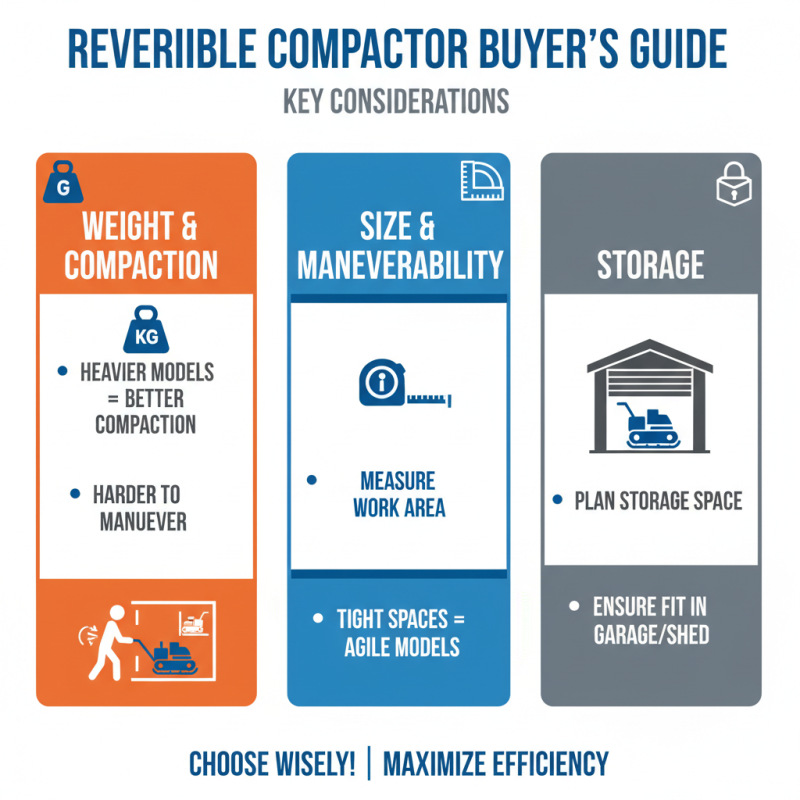
When purchasing a reversible compactor, consider its weight and size. A heavy model may provide better compaction, but it can be harder to maneuver. Measure your work area to ensure the compactor fits. Compact spaces require smaller, more agile models. Think about where you will store it too.
Power source is another critical factor. Gas models may offer more power, yet they often require more maintenance. Electric models are quieter but may lack some performance. Evaluate the noise levels that your project site can handle. Battery-operated versions offer convenience but have limited run time.
User-friendliness is vital. Look for intuitive controls that aren't overwhelming. Some features, like automatic shut-off, can help prevent accidents. However, these features may increase costs. Be cautious about overspending on bells and whistles. Read reviews to find common issues with a model before buying. It’s easy to get caught up in brand names or flashy designs, so prioritize functionality over aesthetics.
Maintenance Tips for Reversible Compactors: Keeping Your Equipment Optimal
Maintaining reversible compactors is crucial for their performance and longevity. Regular upkeep can help prevent costly repairs. Industry reports indicate well-maintained equipment can last up to 30% longer than poorly maintained units.
Ensure regular checks on hydraulic systems. Leaks can be detrimental and lead to expensive downtime. Inspect hoses and connections frequently. Clean the compactor daily to remove debris. Simple maintenance actions can prevent major breakdowns.
Tips: Keep fluid levels topped off. This simple step can provide smoother operation. Also, check drum condition often. A worn drum can lead to uneven compaction. Address small issues immediately to avoid larger failures in the future. Ignoring these maintenance needs invites trouble down the line. The right care will keep your reversible compactor operating at its best.

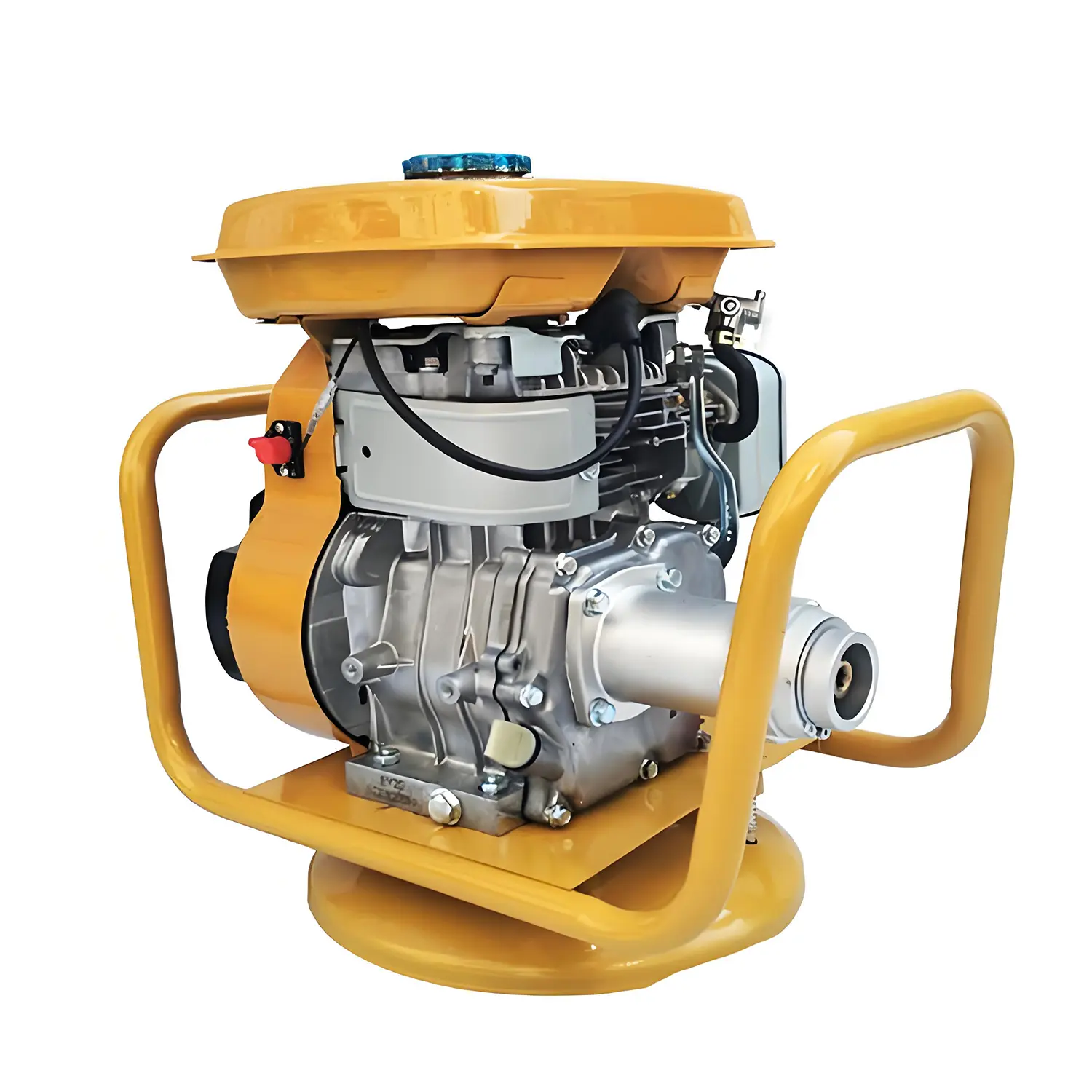 Internal Vibrator
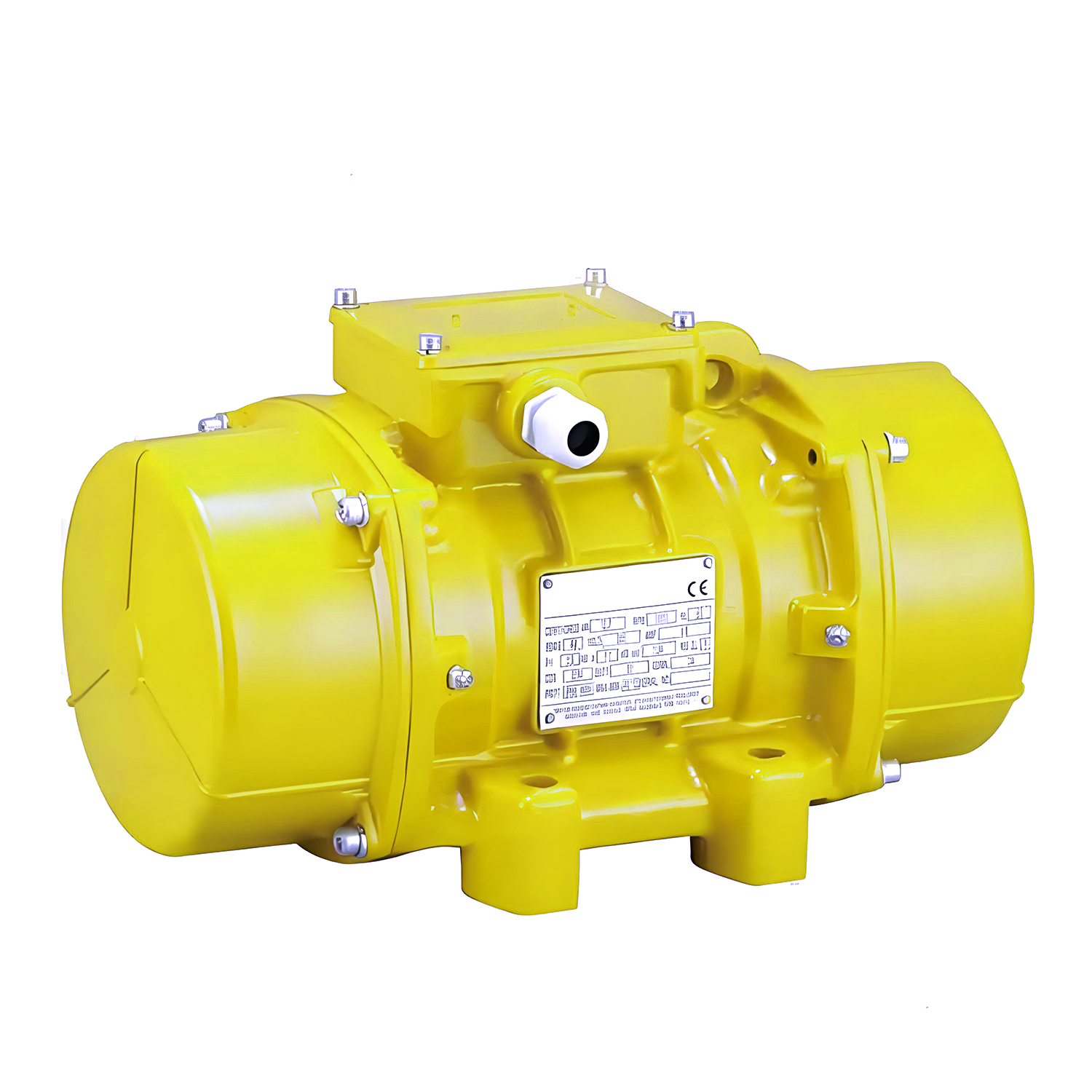 External Vibrator
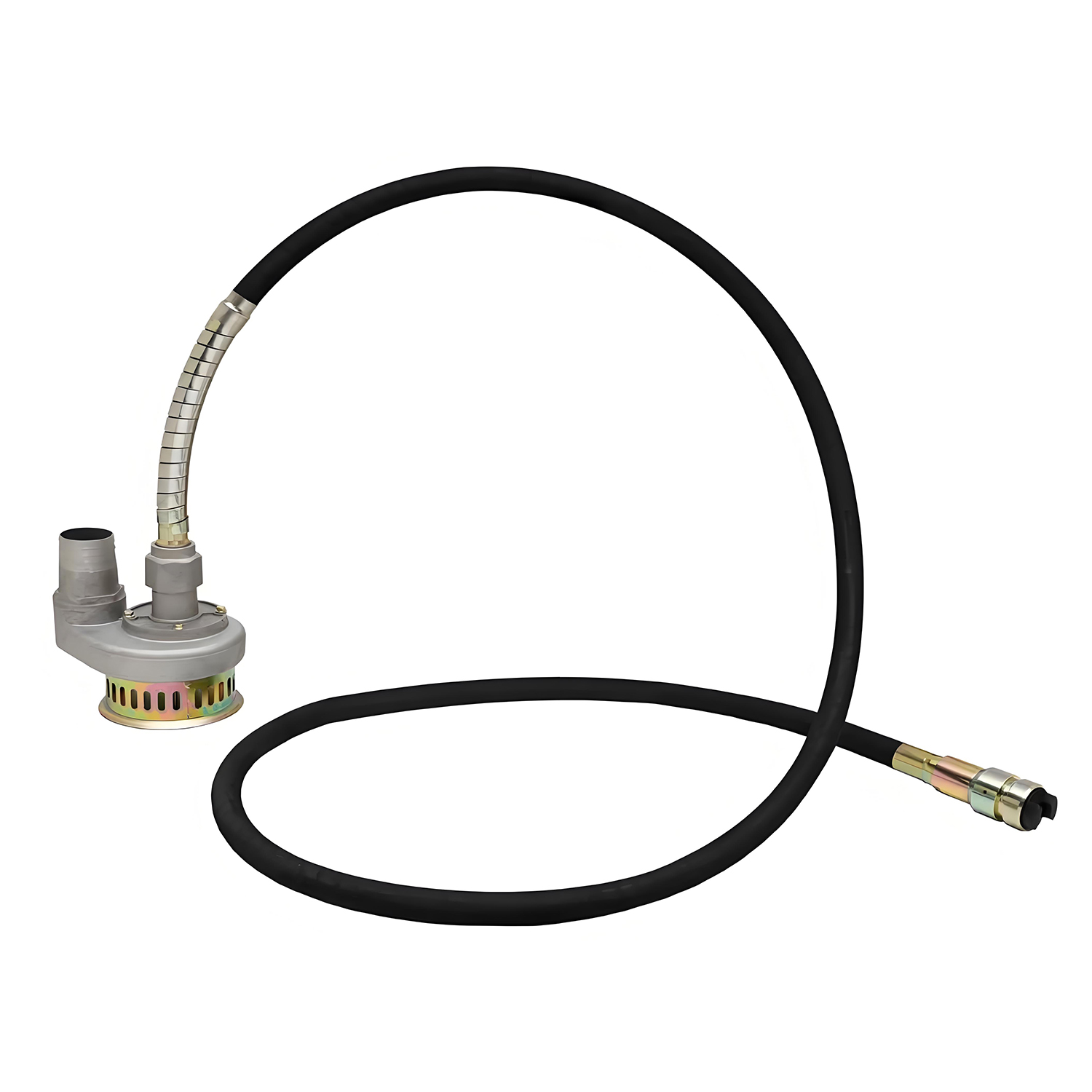 Submersible Pump
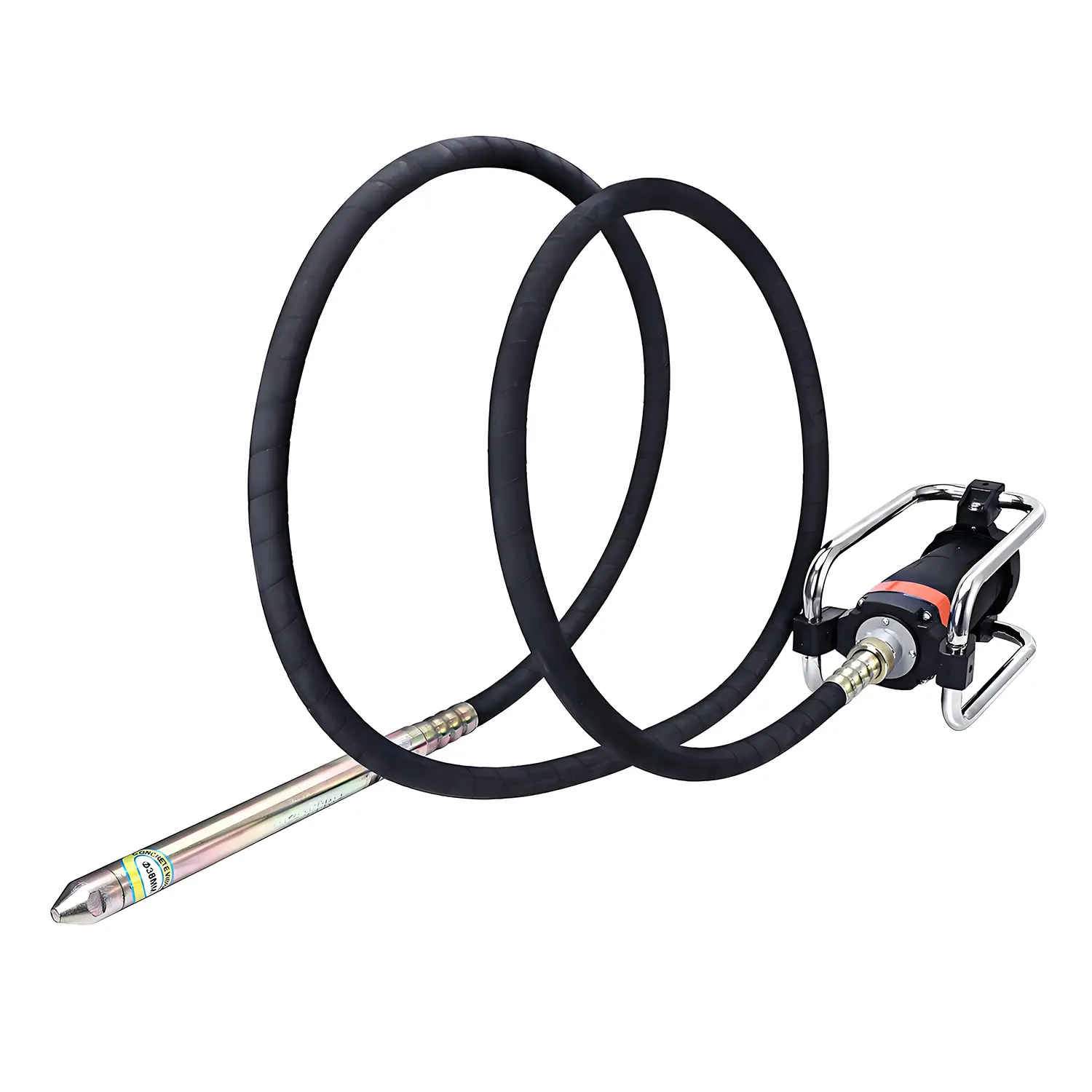 Eccentric shaft
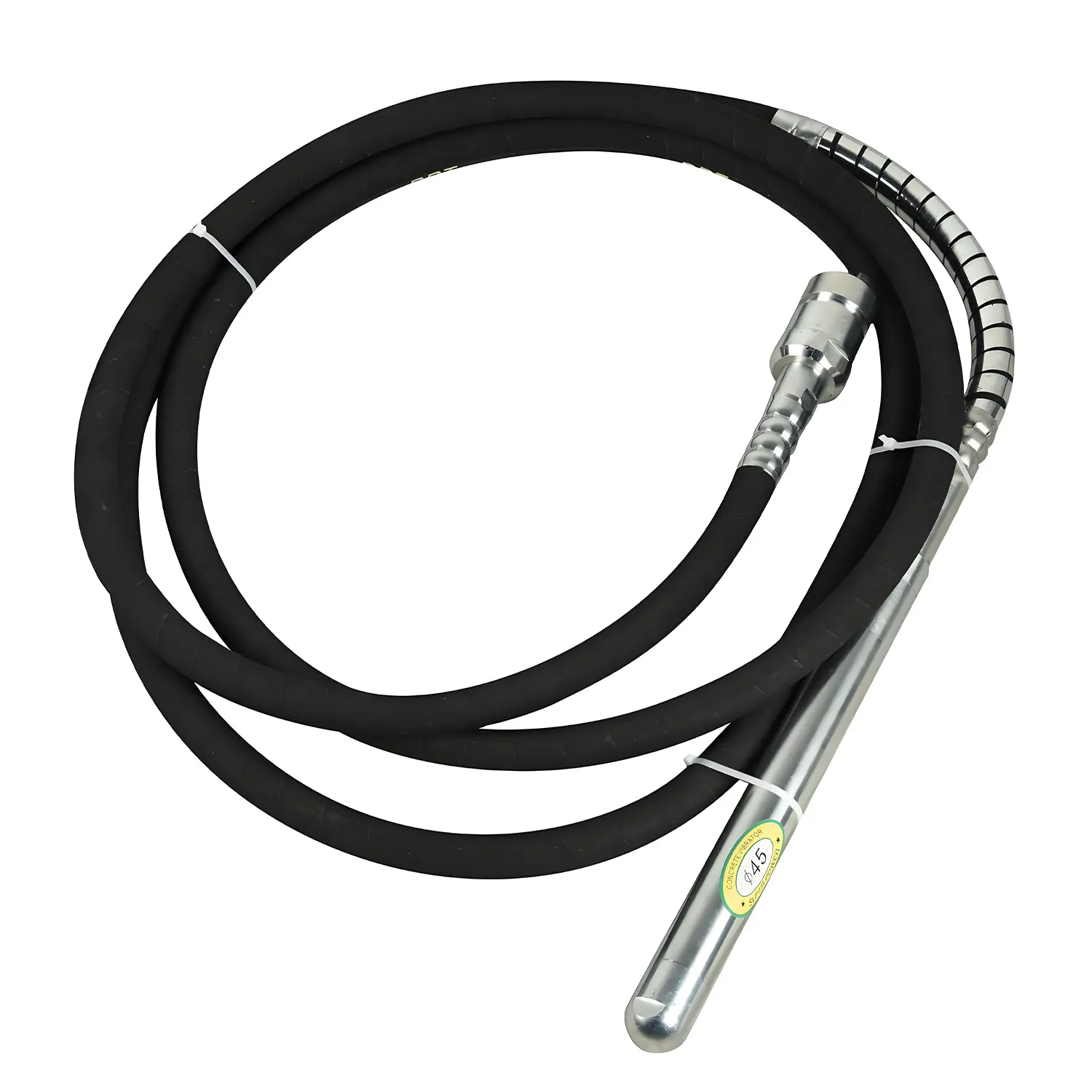 Pendulum shaft
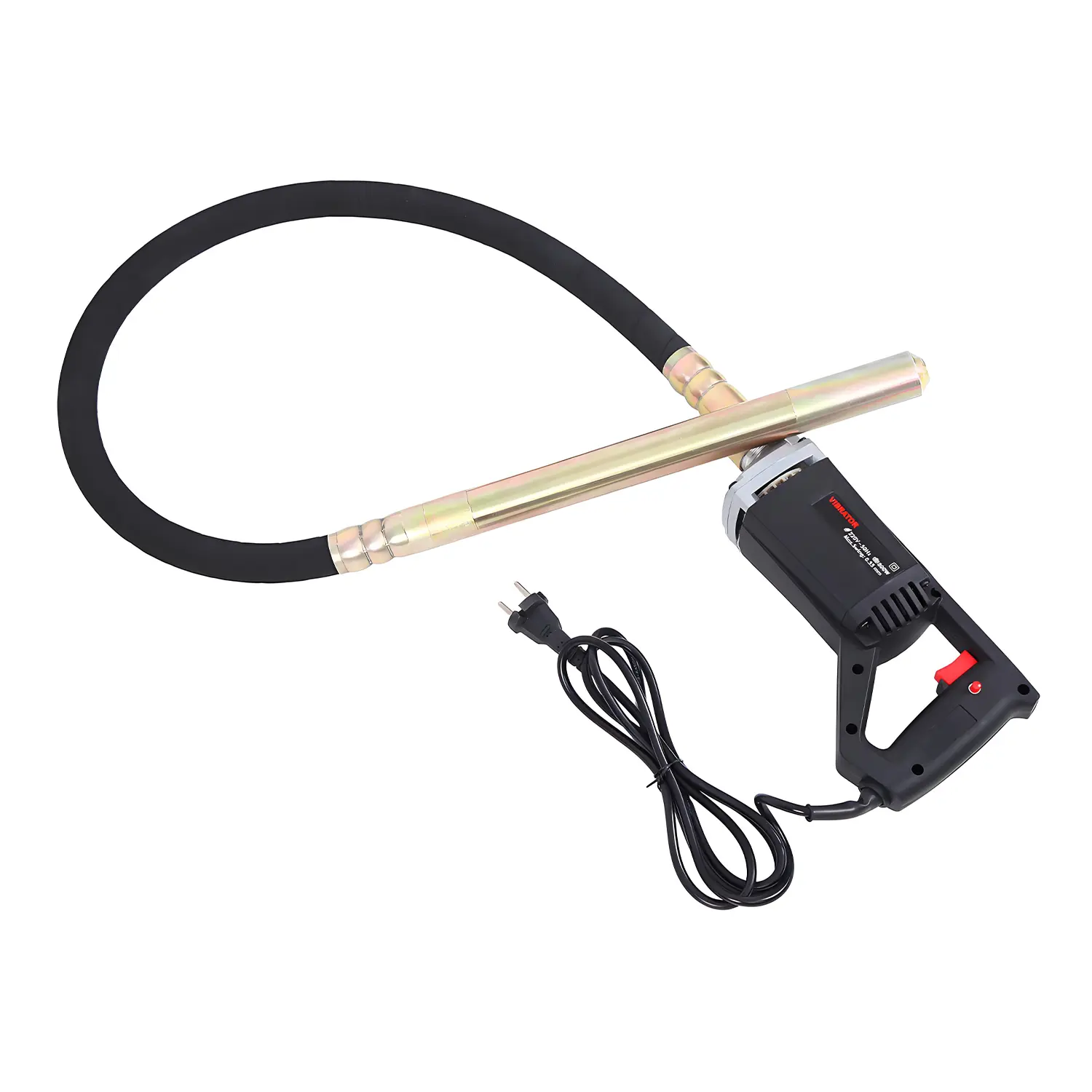 Portable vbrator shaft
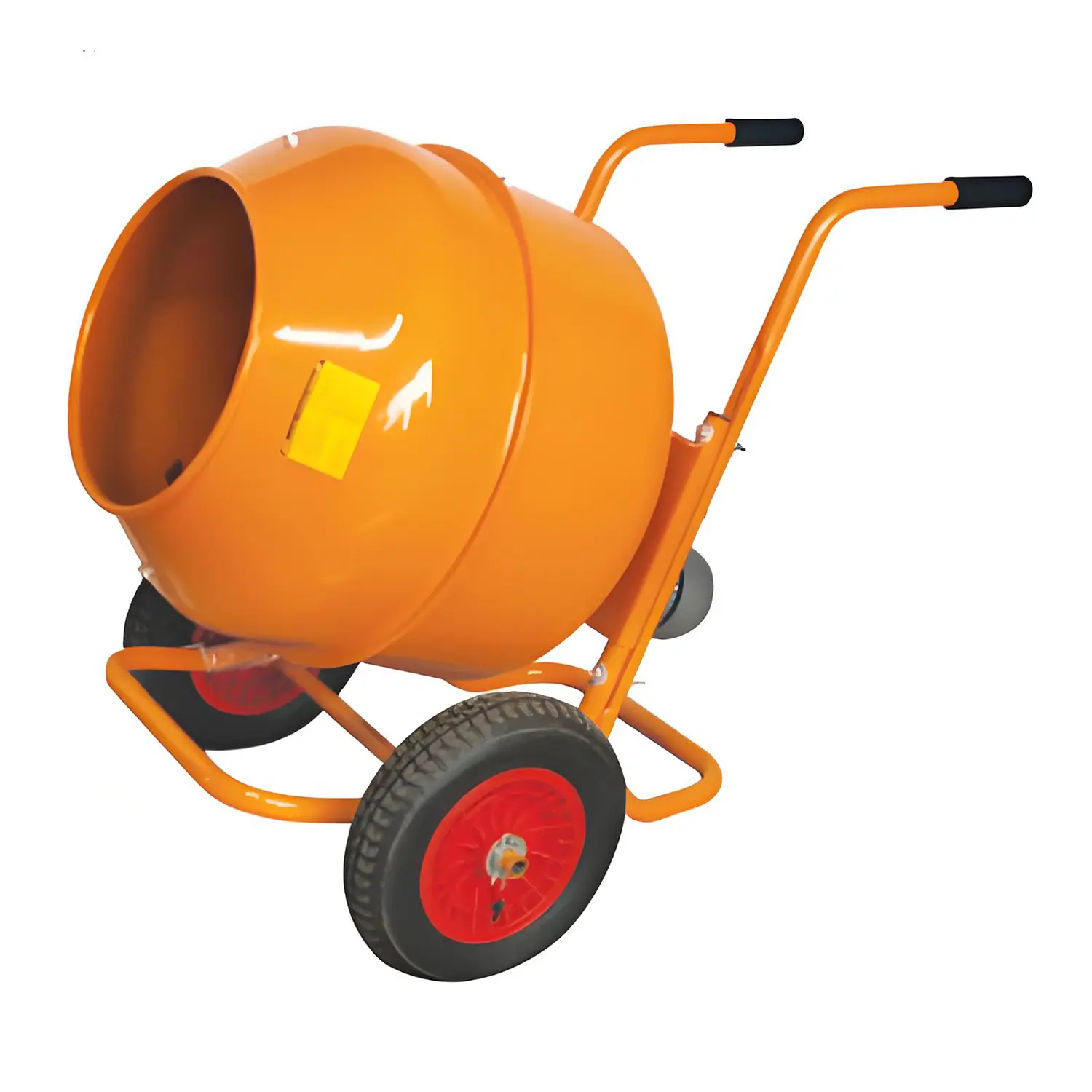 Portable concrete mixer
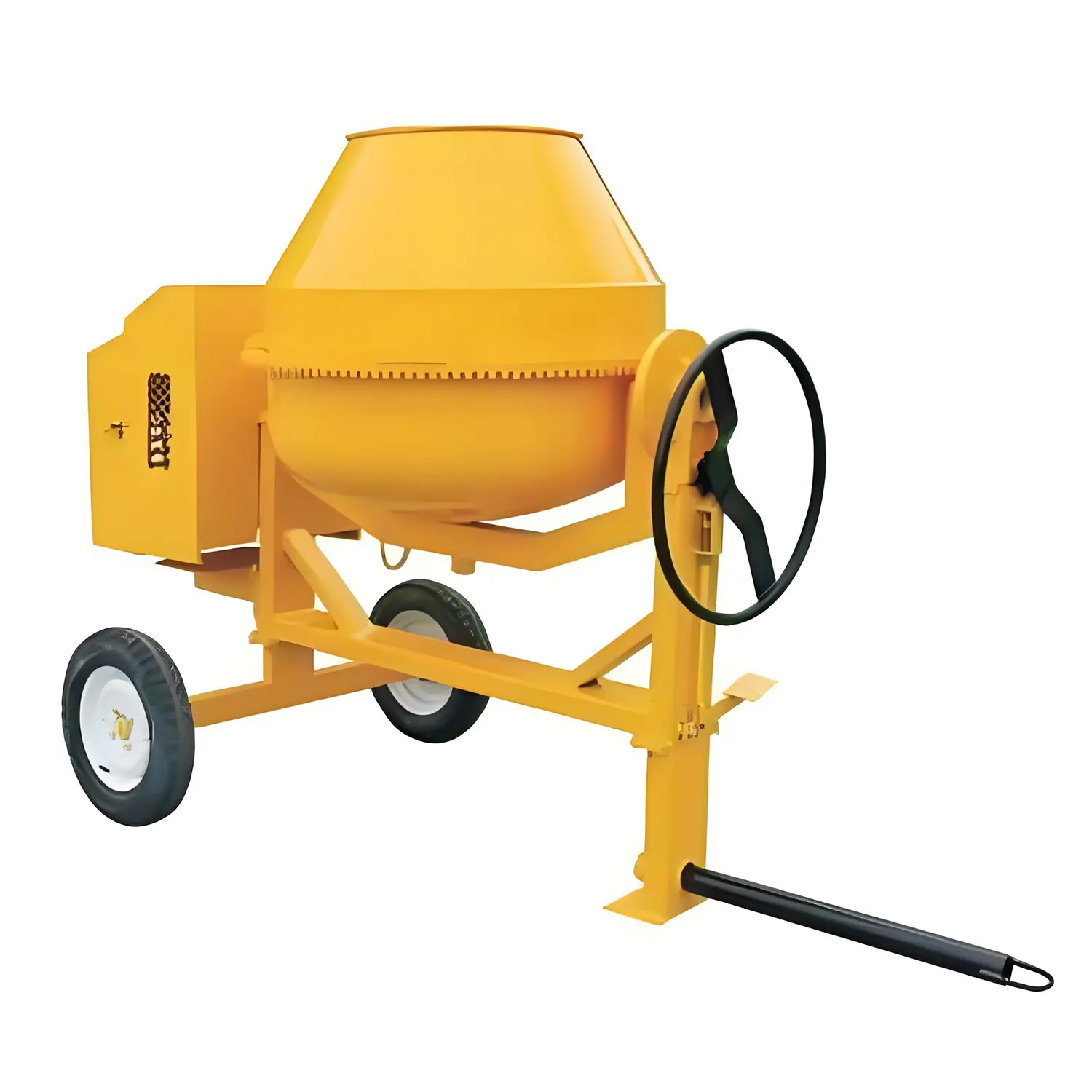 Vertical concrete mixer
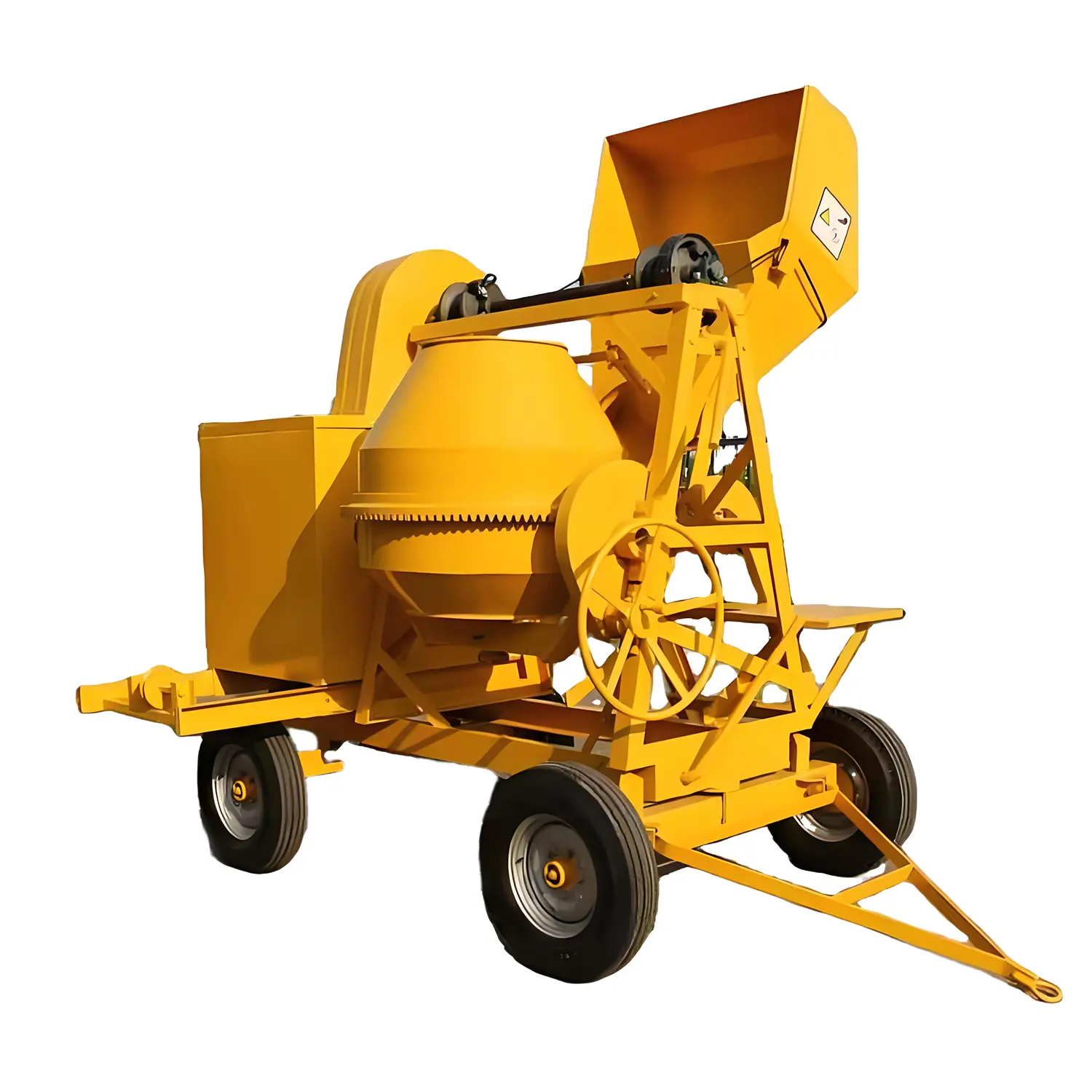 Hydraulic concrete mixer
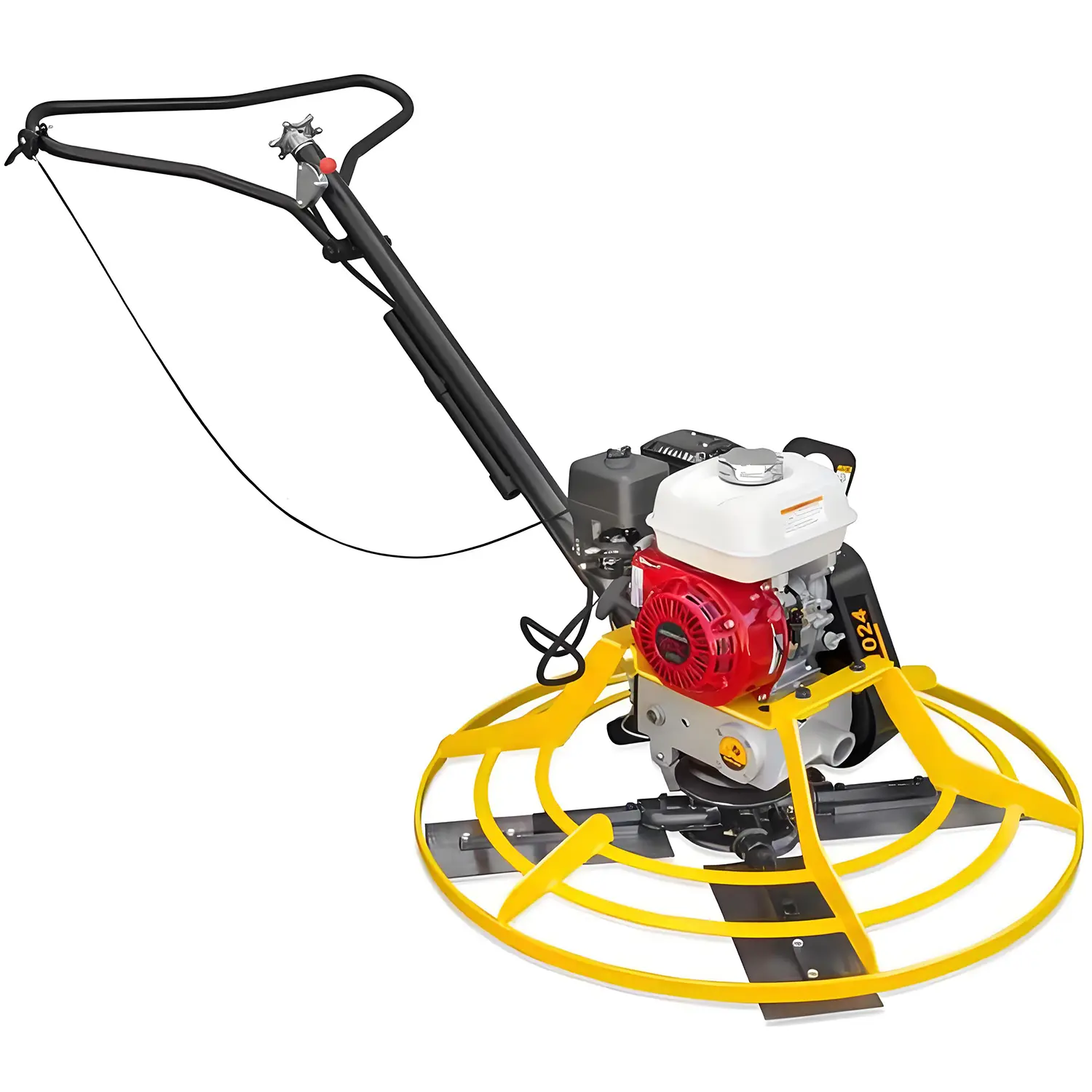 Walk behind power trowel
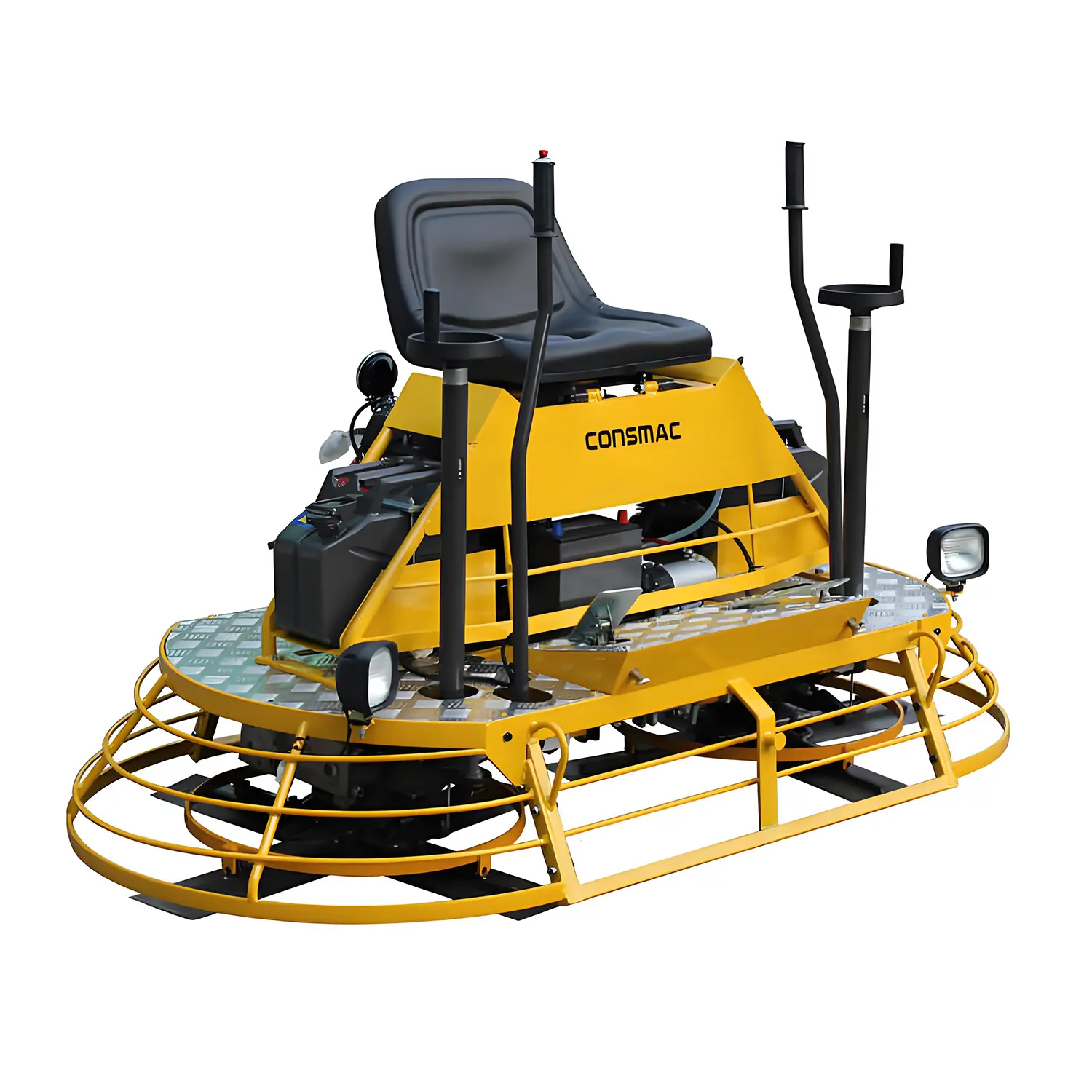 Ride on power trowel
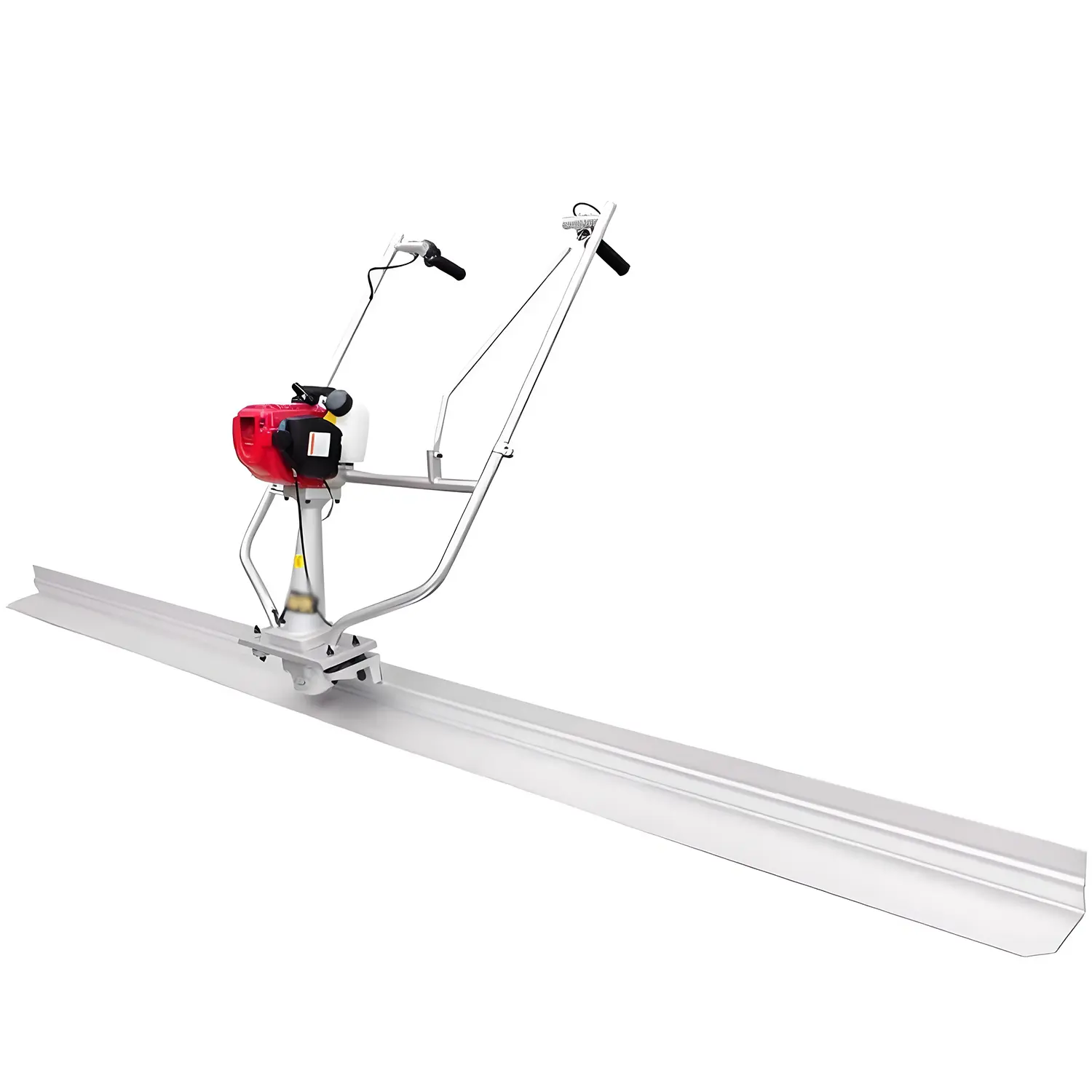 Concrete screed
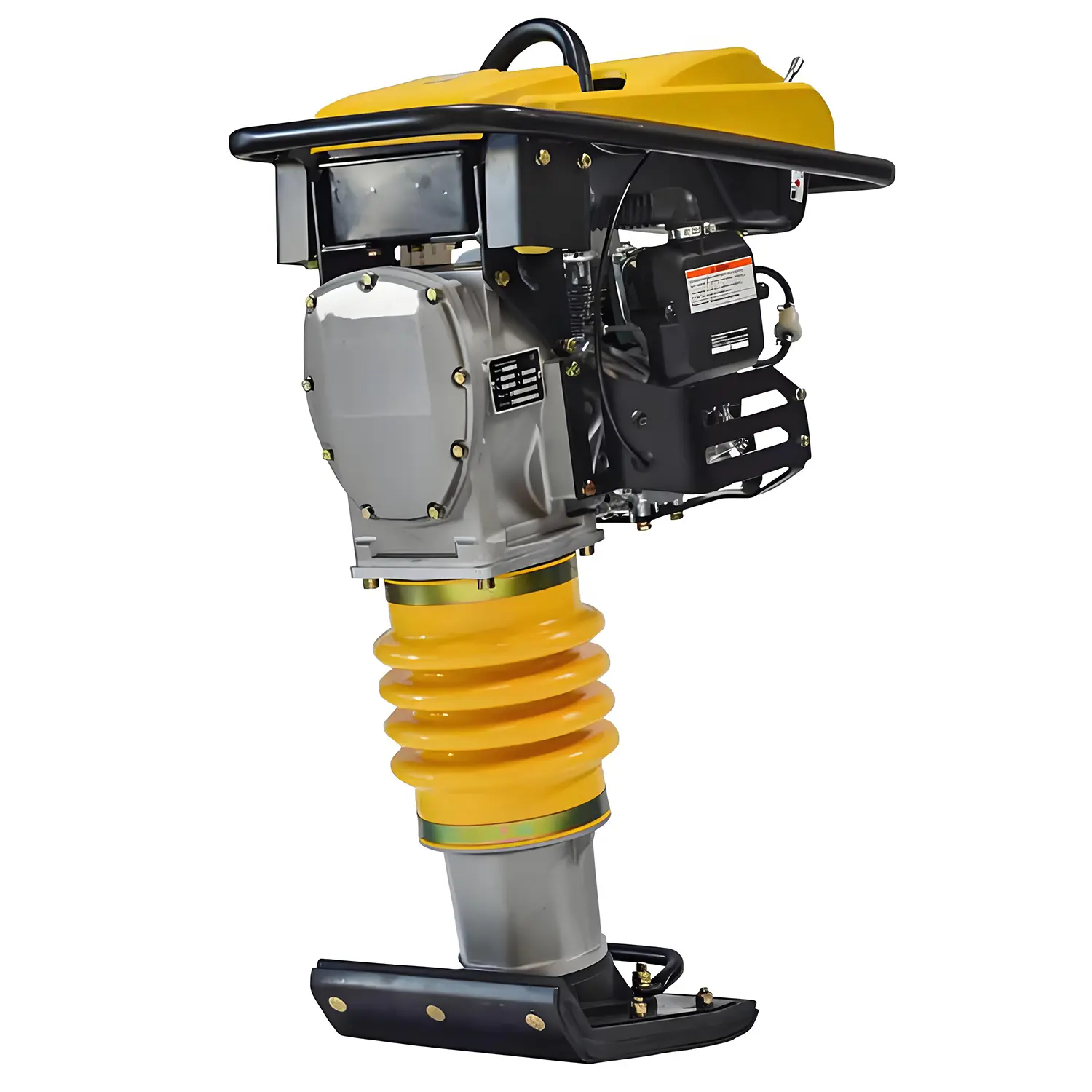 Tamping rammer
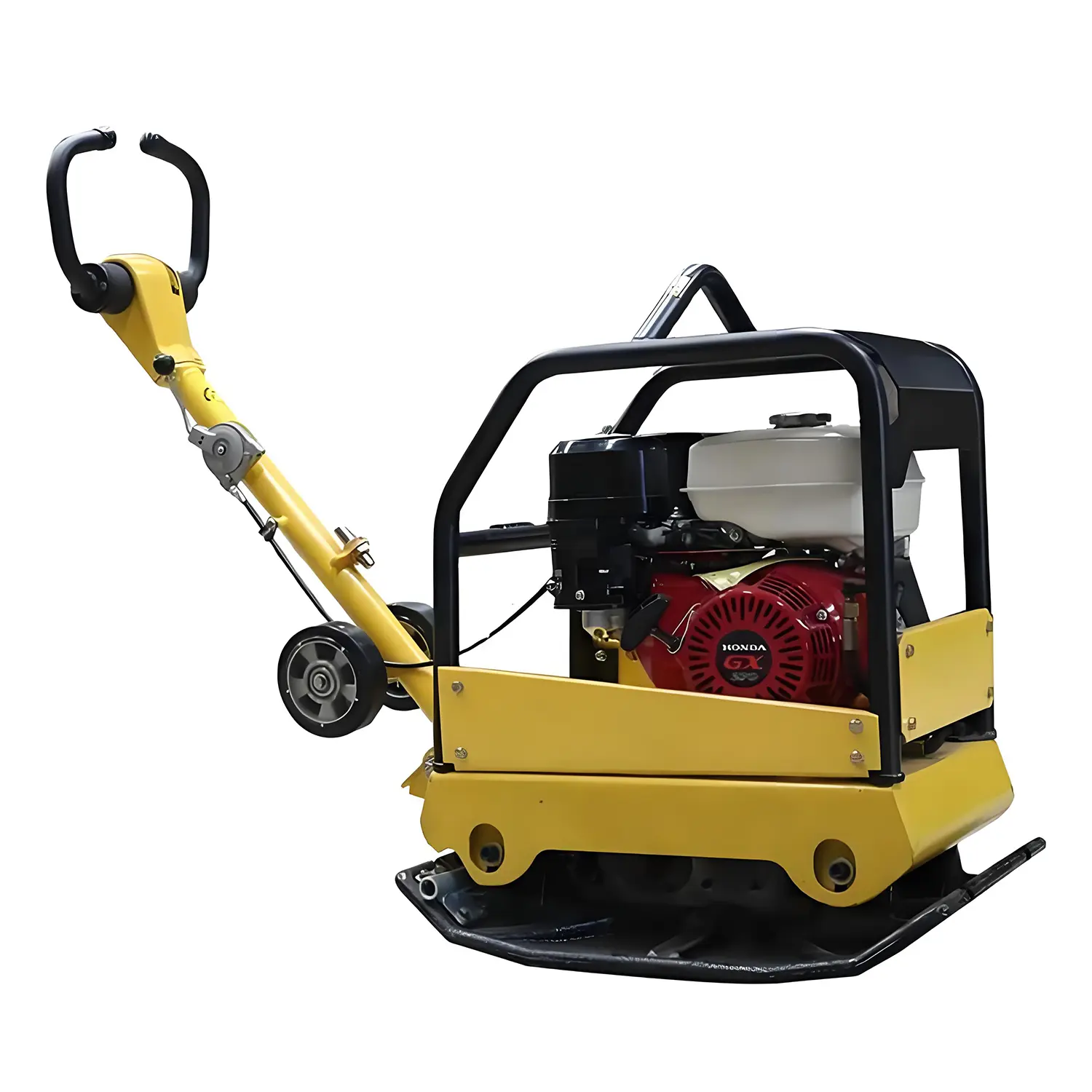 Plate compactor
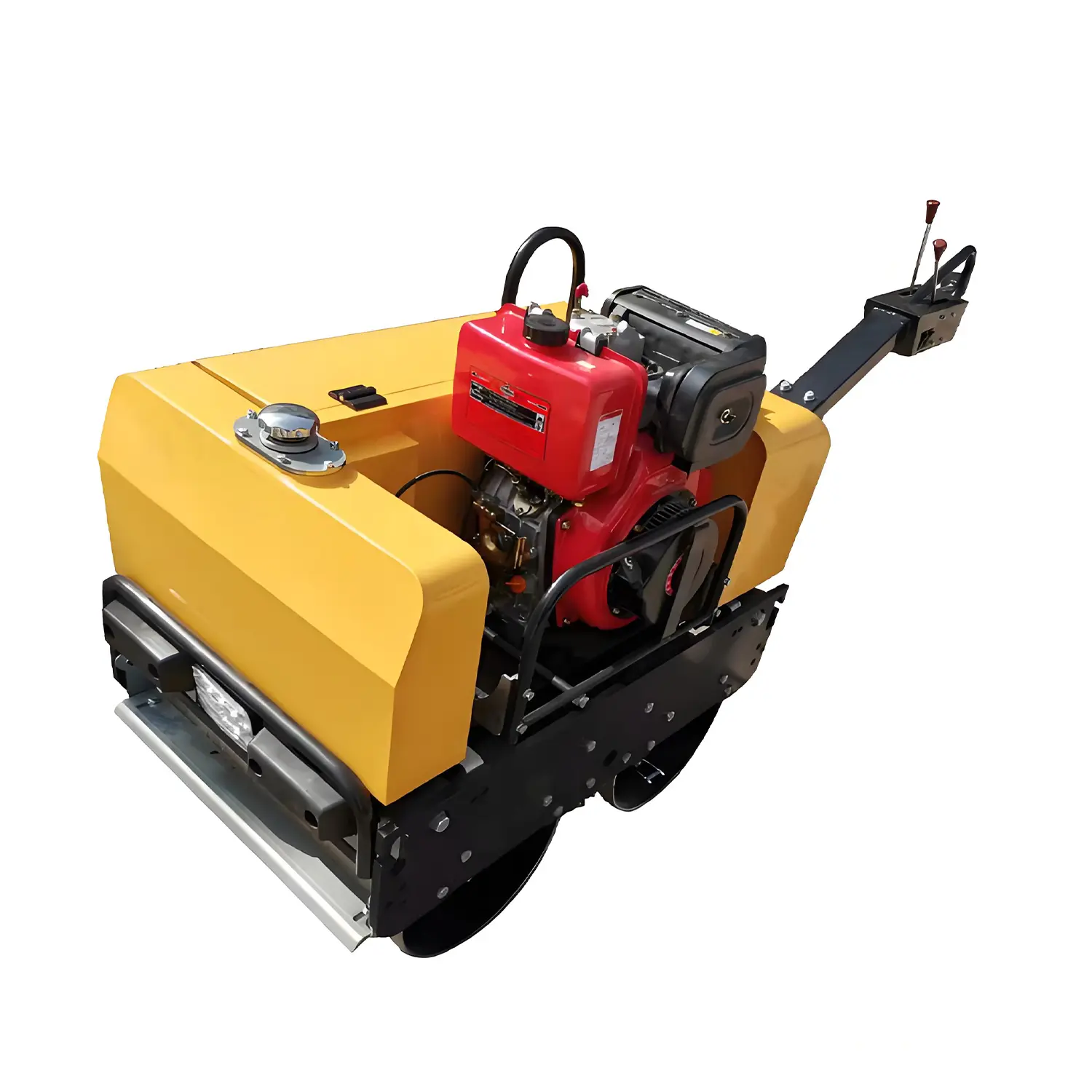 Vibratory roller