10 Best Rammer Compactor Options for Efficient Ground Compaction?
In the world of construction, ground compaction is crucial. A well-chosen Rammer Compactor can make a significant difference. John Smith, a renowned expert in compacting technology, once said, “Choosing the right Rammer Compactor will shape the success of your project.” This statement underlines the importance of understanding various options.
Rammer Compactors are designed to efficiently compress soil and other materials. They are essential for creating sturdy foundations. Yet, not all models are created equal. Some may lack durability or efficiency, which can lead to project delays. Contractors must consider quality and performance while selecting a Rammer Compactor.
Each project is unique, and the requirements vary. It is easy to overlook specific needs. Sometimes, budget constraints lead to poor choices. Remember, investing in a reliable Rammer Compactor can save time and costs in the long run. As you explore the best options, consider both features and your project's demands.
Understanding the Importance of Ground Compaction in Construction Projects
Ground compaction is essential in construction projects. It improves soil stability and ensures a solid base for structures. Proper compaction minimizes settlement and prevents future cracks in buildings. Skipping this step can lead to significant issues later on. It is crucial to choose the right tools for effective compaction.
When using a rammer compactor, pay attention to the soil type. Clay soil requires different techniques than sandy soil. Adjusting moisture content can enhance compaction efficiency. Use compactors that fit the specific project needs. Remember, not all projects are the same.
Here are some tips: Always test soil before compaction. This can prevent unexpected challenges. Additionally, compact in layers. Working in thin lifts can achieve denser results. Lastly, ensure you monitor the equipment’s performance regularly. Well-maintained equipment performs better and lasts longer. Neglecting maintenance could lead to breakdowns and delays.
Key Features to Consider When Choosing a Rammer Compactor
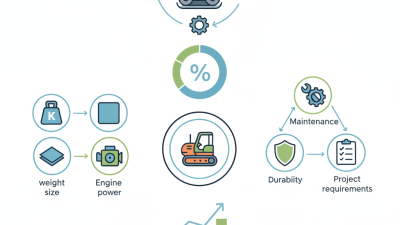
When choosing a rammer compactor, certain key features must be prioritized.
Weight plays a crucial role in compaction efficiency.
A heavier unit often provides better results, especially on cohesive soils.
According to the Construction Equipment Association, compactors weighing between 90 to 150 pounds are optimal for general landscaping,
achieving compaction densities of 95% to 100% within specified areas.
Another essential aspect is engine performance. A robust engine will deliver consistent power.
Most compaction units use vibratory technology to enhance ground penetration.
Research indicates that vibratory compactors can improve soil uniformity by 20% compared to manual methods.
Noise levels should also be considered. Excessive noise can be disruptive, affecting jobsite productivity.
Operators should aim for models with noise reduction features.
Furthermore, ease of use and maintenance cannot be overlooked.
User-friendly controls and a simple design facilitate operation.
Regular maintenance ensures longevity and reliability, which many operators overlook.
Without proper upkeep, even the best machines can falter, leading to inefficient compaction and increased downtime.
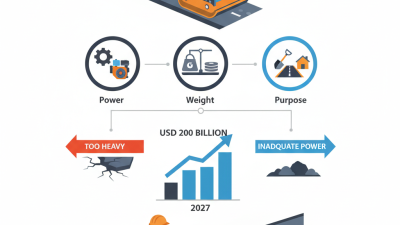
The balance between power, weight, and usability is vital for achieving optimal results in different soil conditions.
Top 10 Rammer Compactors: A Comparative Overview
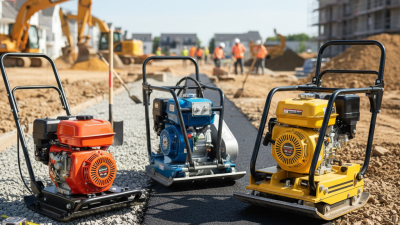
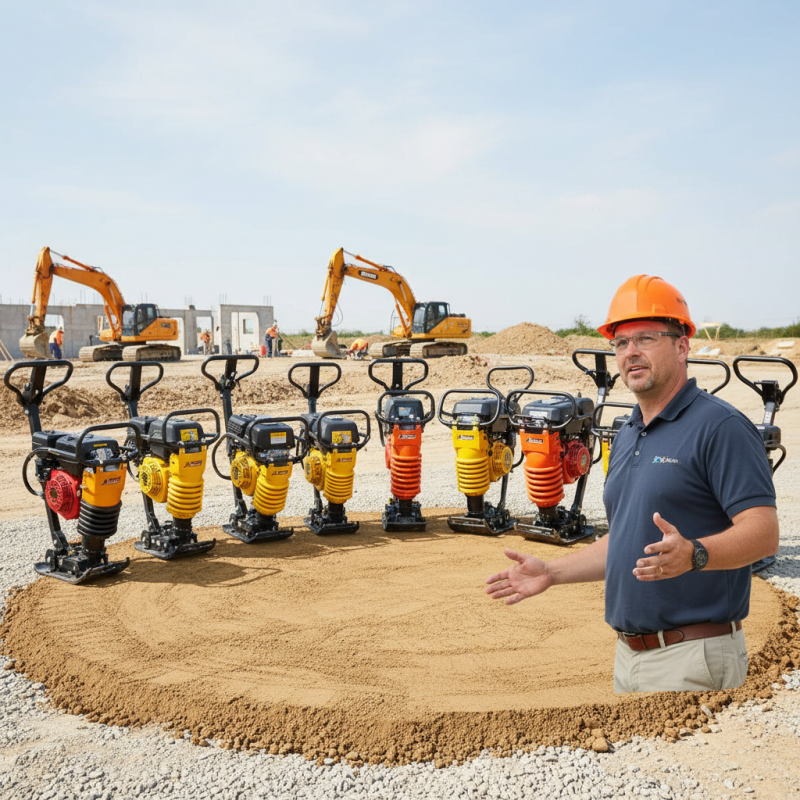
When it comes to ground compaction, rammers are vital tools. Their effectiveness lies in generating powerful impact forces. The best options vary in weight, power, and versatility. A lightweight model may be ideal for small jobs, while heavier ones might handle tougher terrains.
Choosing the right rammer compactor can feel overwhelming. Some units are easy to maneuver, but lack the force needed for dense soils. Others offer robust performance but can be cumbersome. Operators need to assess their specific projects. Understanding soil types is crucial in making a choice. It’s easy to overlook this detail, leading to less efficient work.
Many users report challenges with maintenance. Over time, parts can wear out. Regular checks are essential to keep machines in shape. Neglecting maintenance can lead to unexpected breakdowns. This often results in project delays. Finding a balance between efficiency and upkeep is key for successful compaction efforts.
How to Properly Operate a Rammer Compactor for Best Results
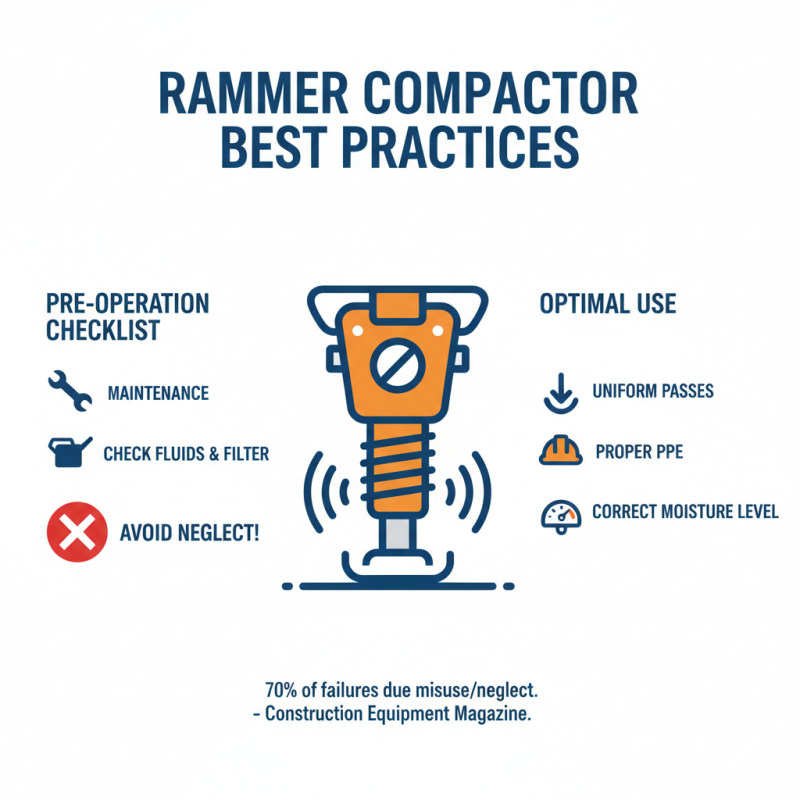
Operating a rammer compactor correctly is crucial for achieving optimal results in ground compaction. Begin by ensuring the machine is well-maintained. A report by Construction Equipment Magazine indicates that 70% of compaction failures can be traced back to equipment misuse or neglect. Check the oil levels, and inspect the air filter regularly. Neglecting these simple checks can lead to inefficient performance.
When using the rammer compactor, position yourself correctly. Stand with feet shoulder-width apart for stability. Avoid leaning too far forward or back. This position enhances control and reduces fatigue. Compaction should occur in overlapping passes, approximately 50% overlap is ideal. Studies suggest this technique can increase compaction density by up to 30%. Remember to adjust the speed based on soil type; sandy soils require faster passes, while clay needs a slower approach.
Pay attention to environmental conditions. Compaction on wet or saturated soils can lead to poor outcomes. A survey noted that 60% of professionals experienced issues with compaction in wet conditions, leading to unnecessary rework. Always observe the moisture levels and adapt your technique accordingly. Recognizing these factors is essential for proper operation and effective ground compaction.
Maintenance Tips for Extending the Life of Your Rammer Compactor
Maintaining a rammer compactor is crucial for its longevity. Regular cleaning after each use helps prevent dirt buildup. Just a bit of grease on the moving parts can make a big difference. Check the air filter too. A clogged filter can reduce performance.
Inspecting the engine is another key step. Look for signs of wear and tear. Change the oil regularly, as dirty oil can harm the engine. Keep fuel fresh to avoid starting issues. It sounds simple, but many overlook this detail.
Worn-out parts can lead to poor compaction results. Regularly check the rammer’s base plate and replace it if necessary. This is often an afterthought, but it's essential to get it right. A well-maintained rammer compactor not only performs better but also lasts longer.
10 Best Rammer Compactor Options for Efficient Ground Compaction
This bar chart displays key specifications of different rammers, highlighting their weight, vibration frequency, compaction depth, engine power, and tank capacity. These metrics are essential for understanding the effectiveness and performance of rammer compactors.

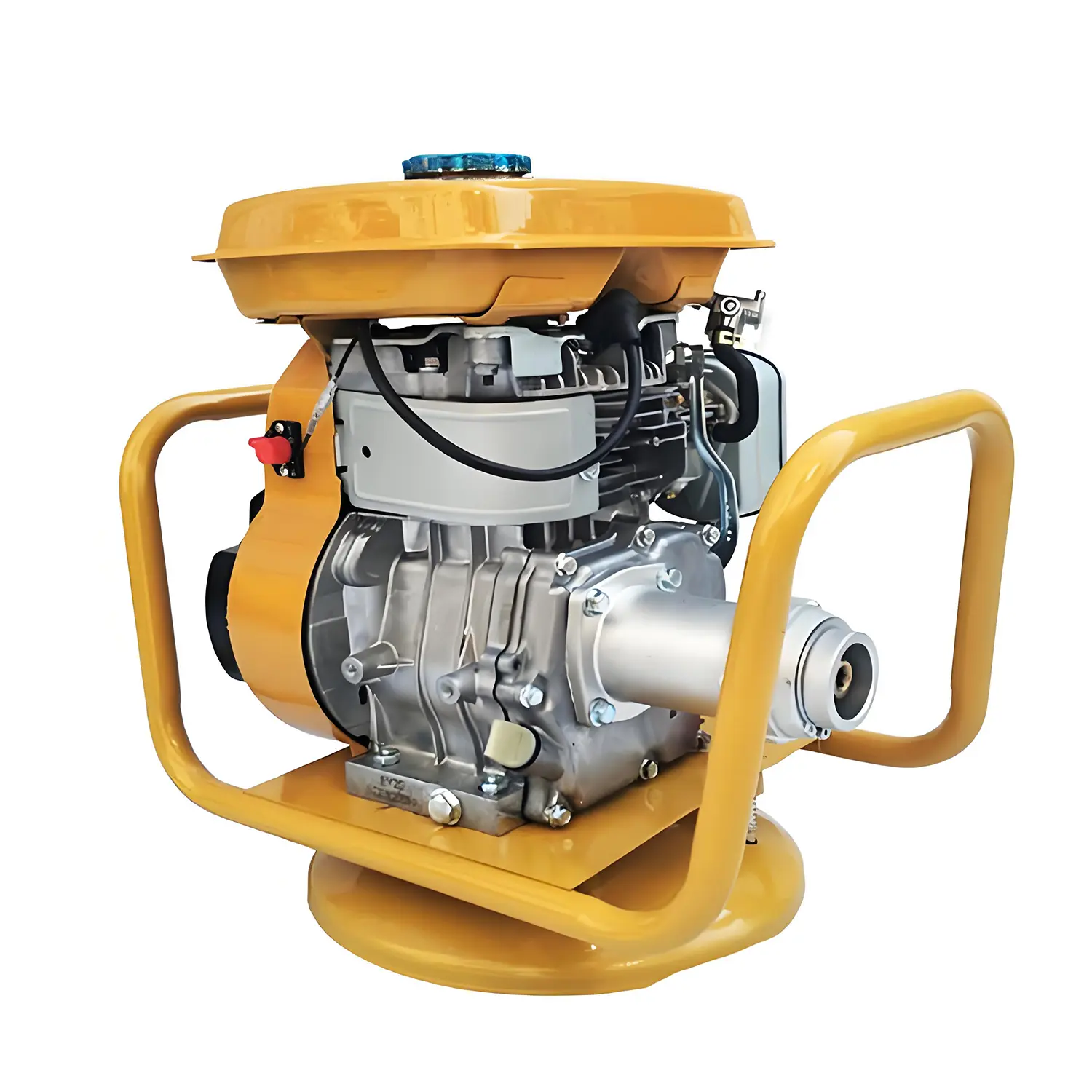 Internal Vibrator
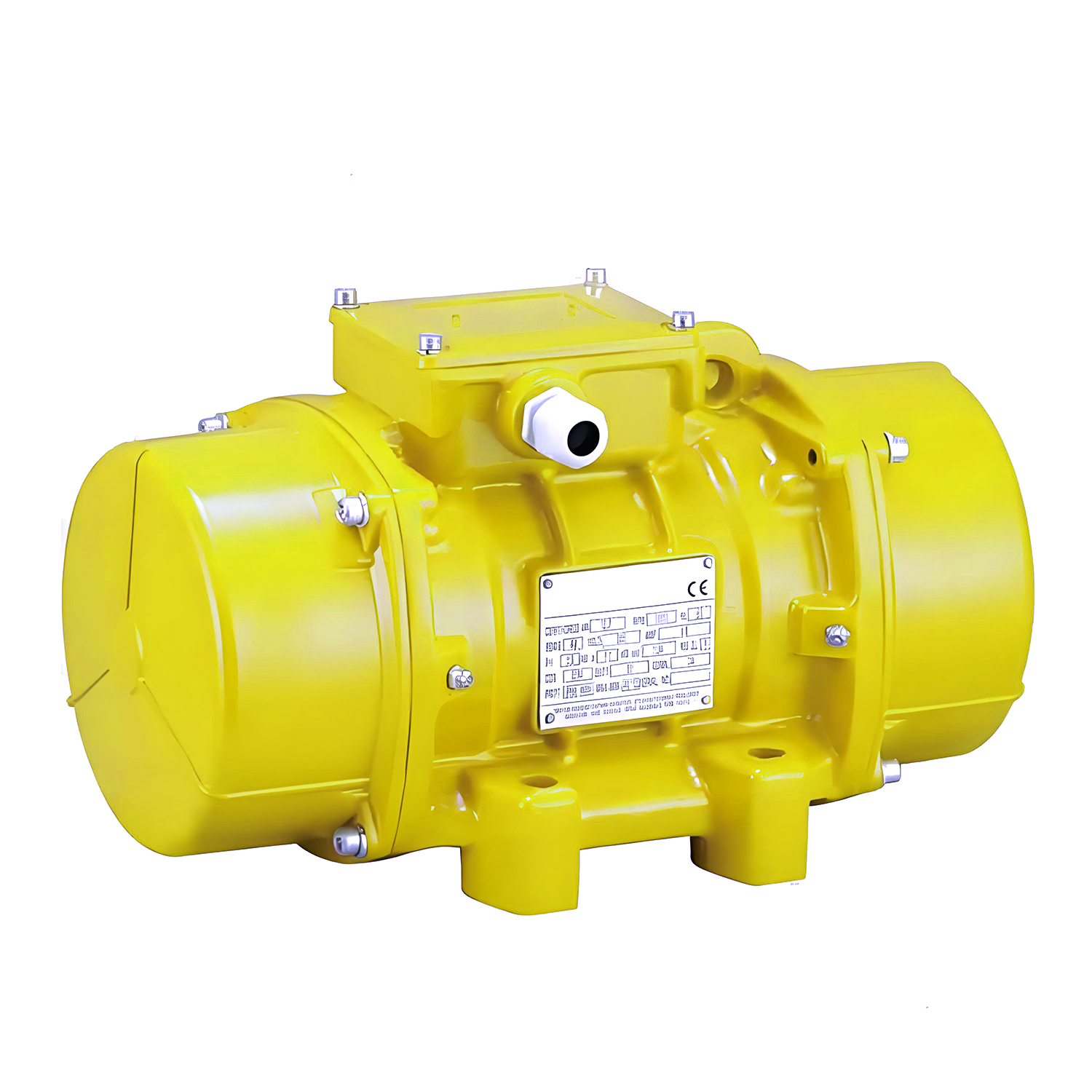 External Vibrator
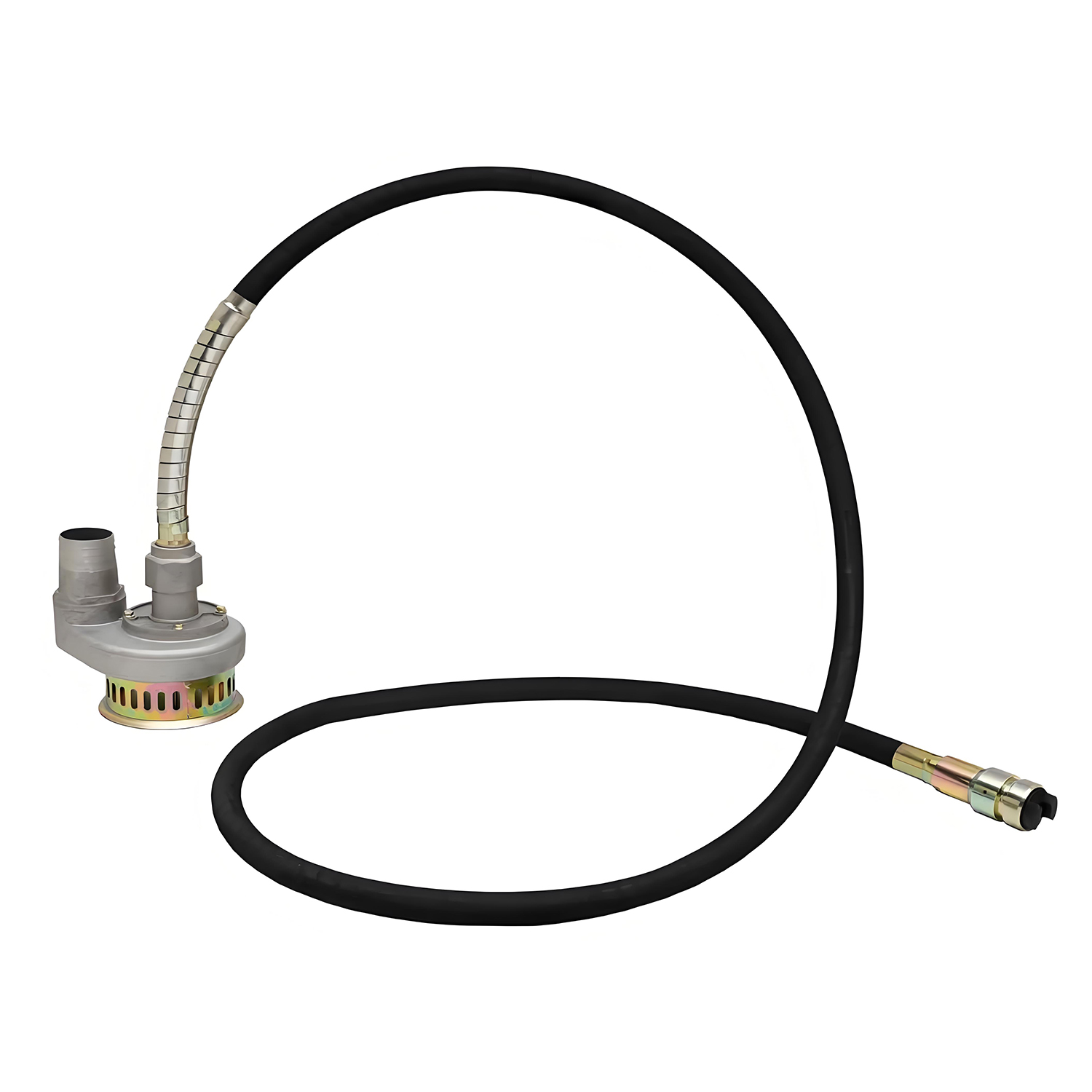 Submersible Pump
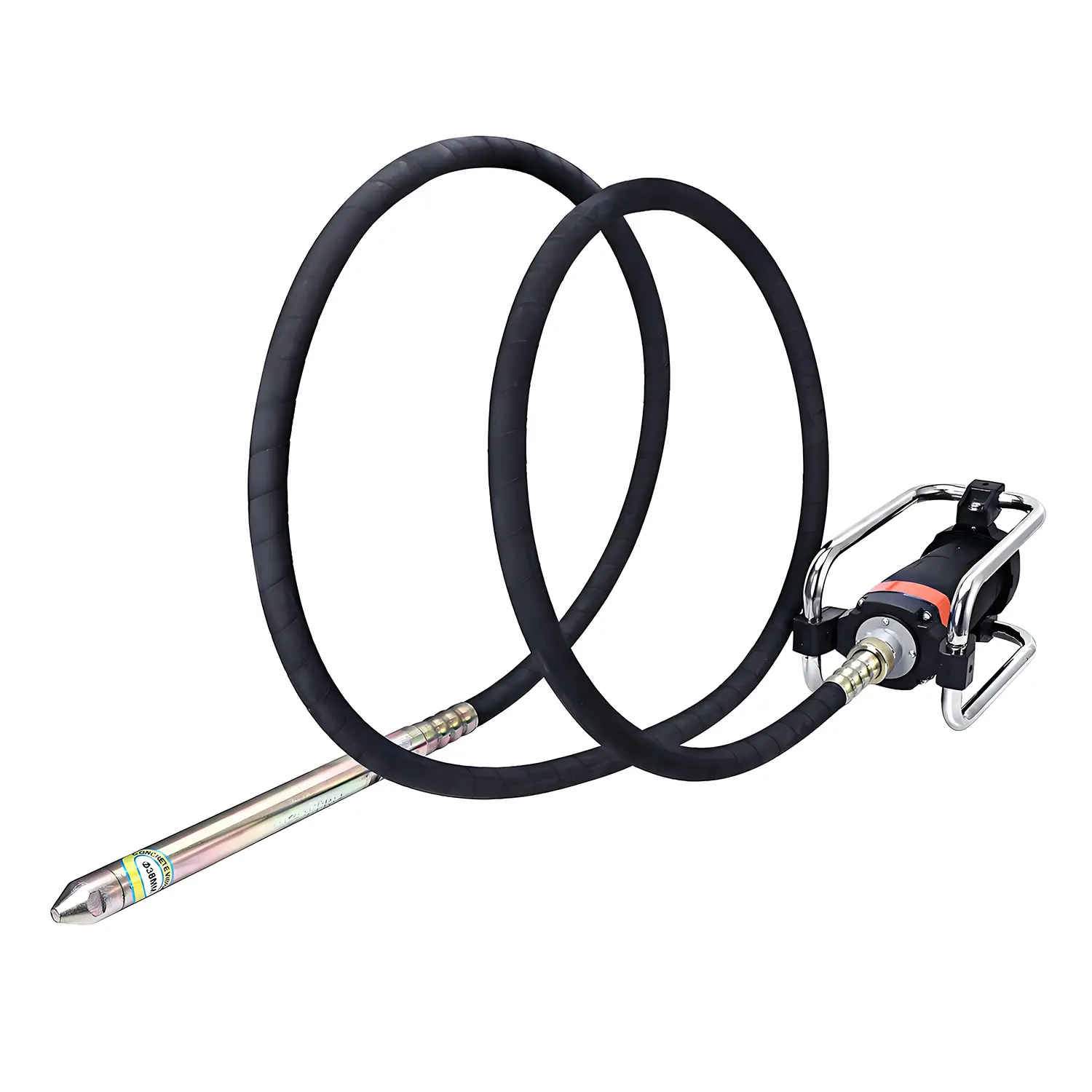 Eccentric shaft
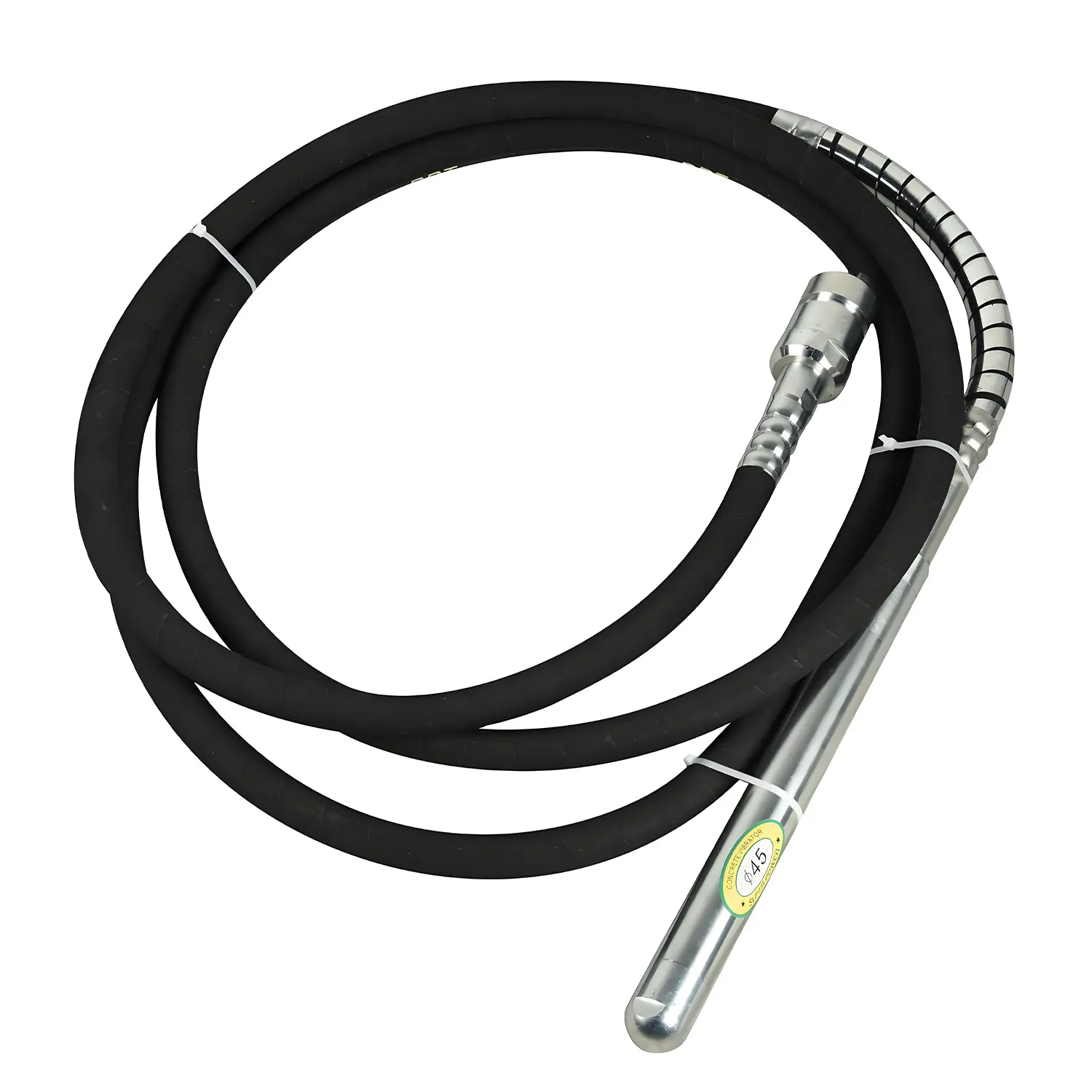 Pendulum shaft
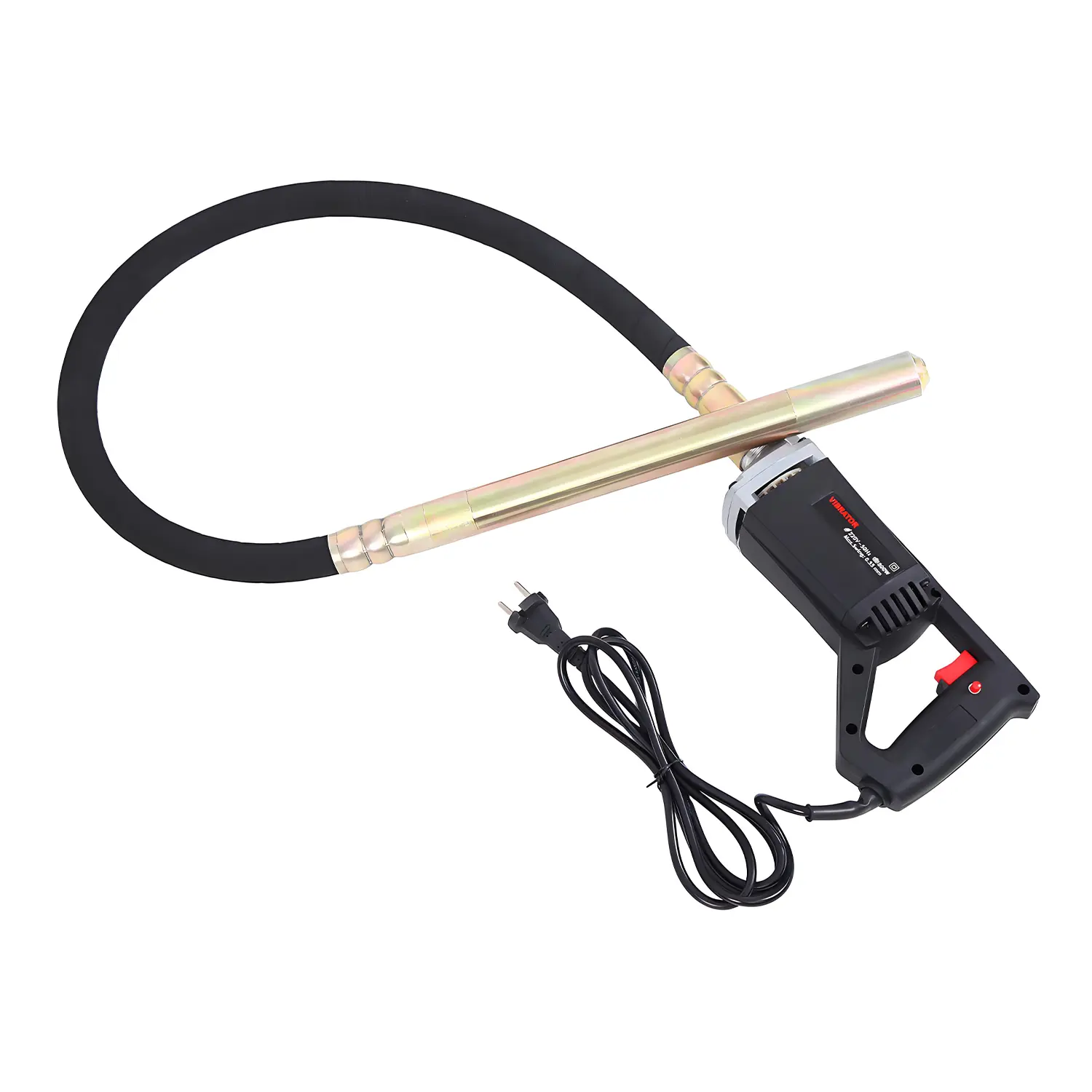 Portable vbrator shaft
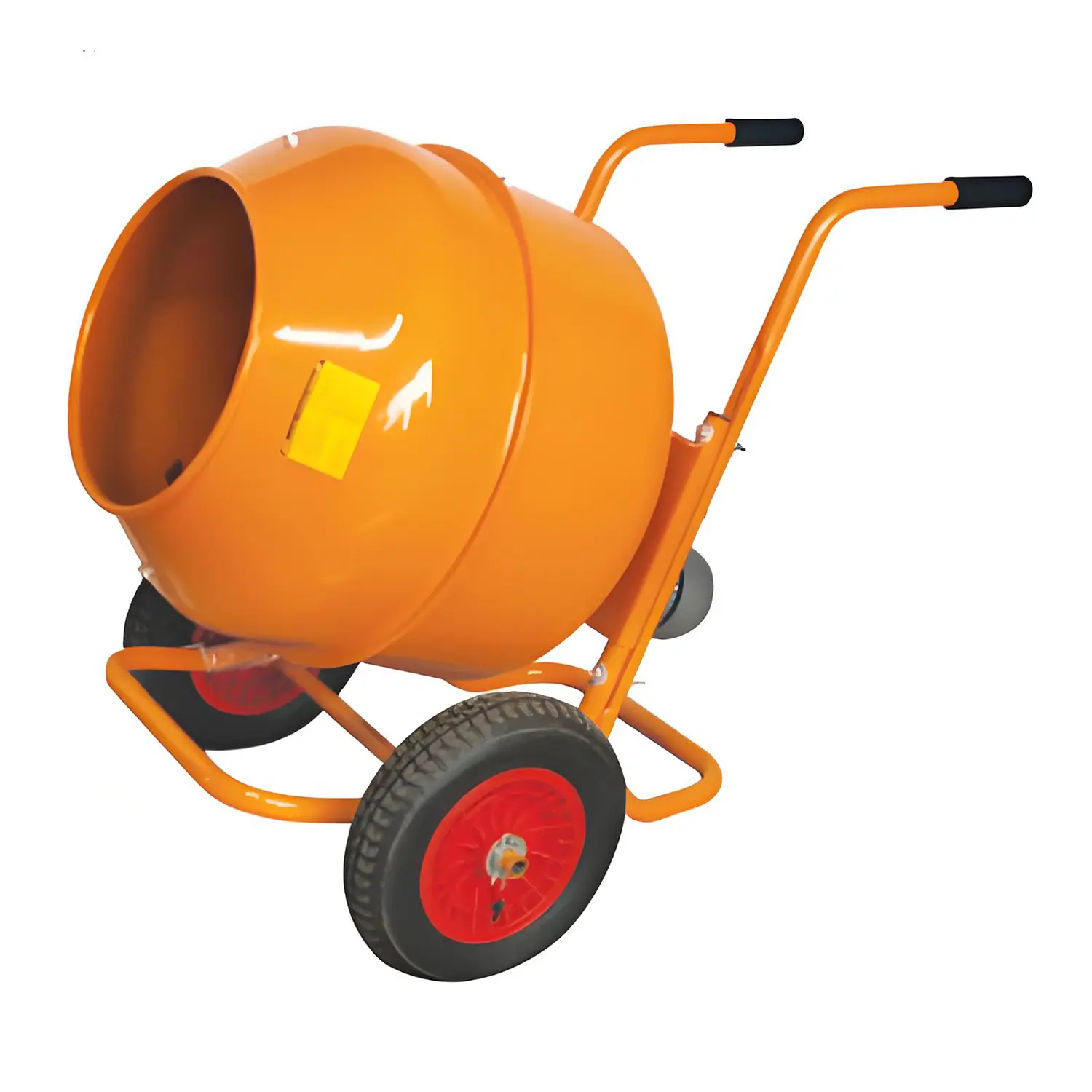 Portable concrete mixer
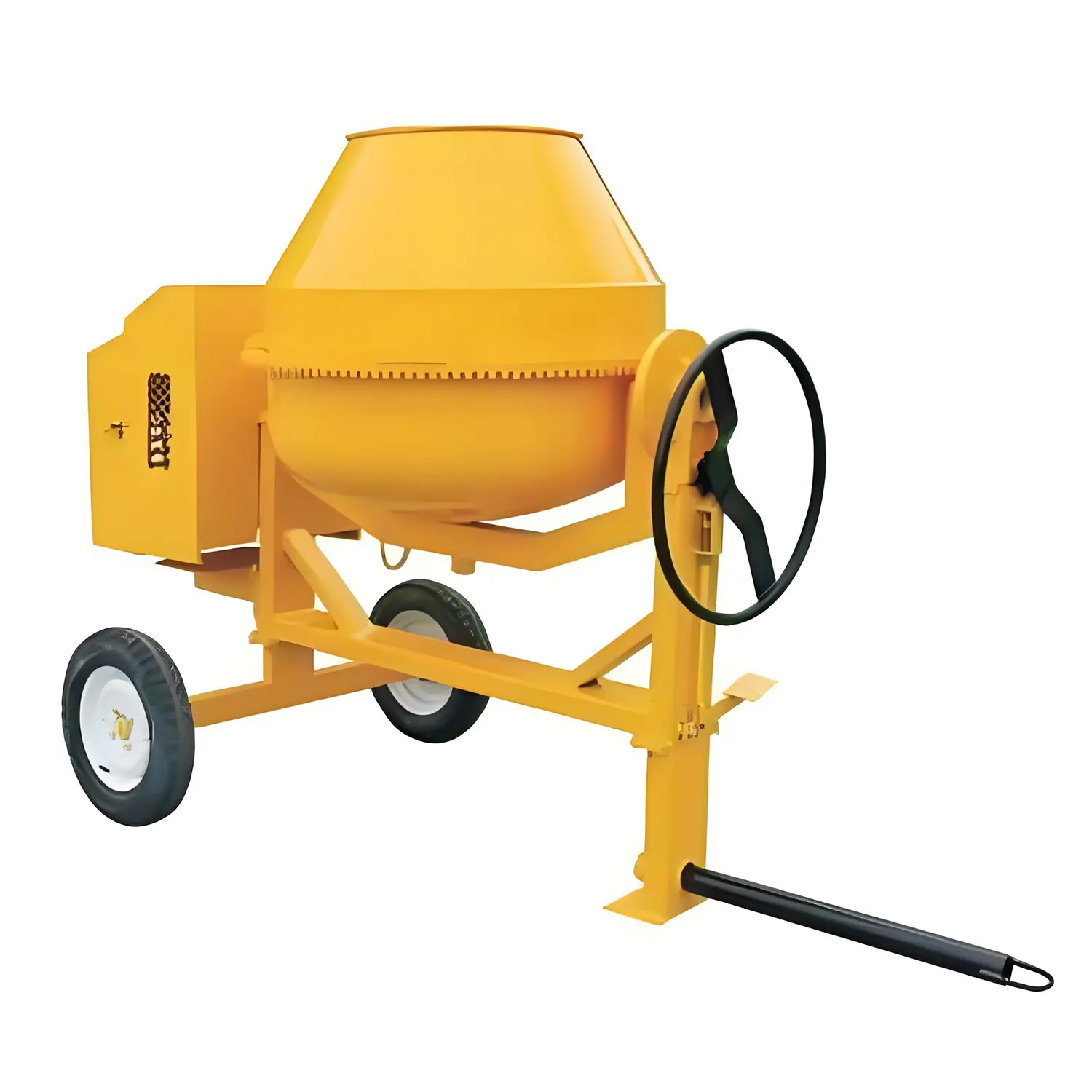 Vertical concrete mixer
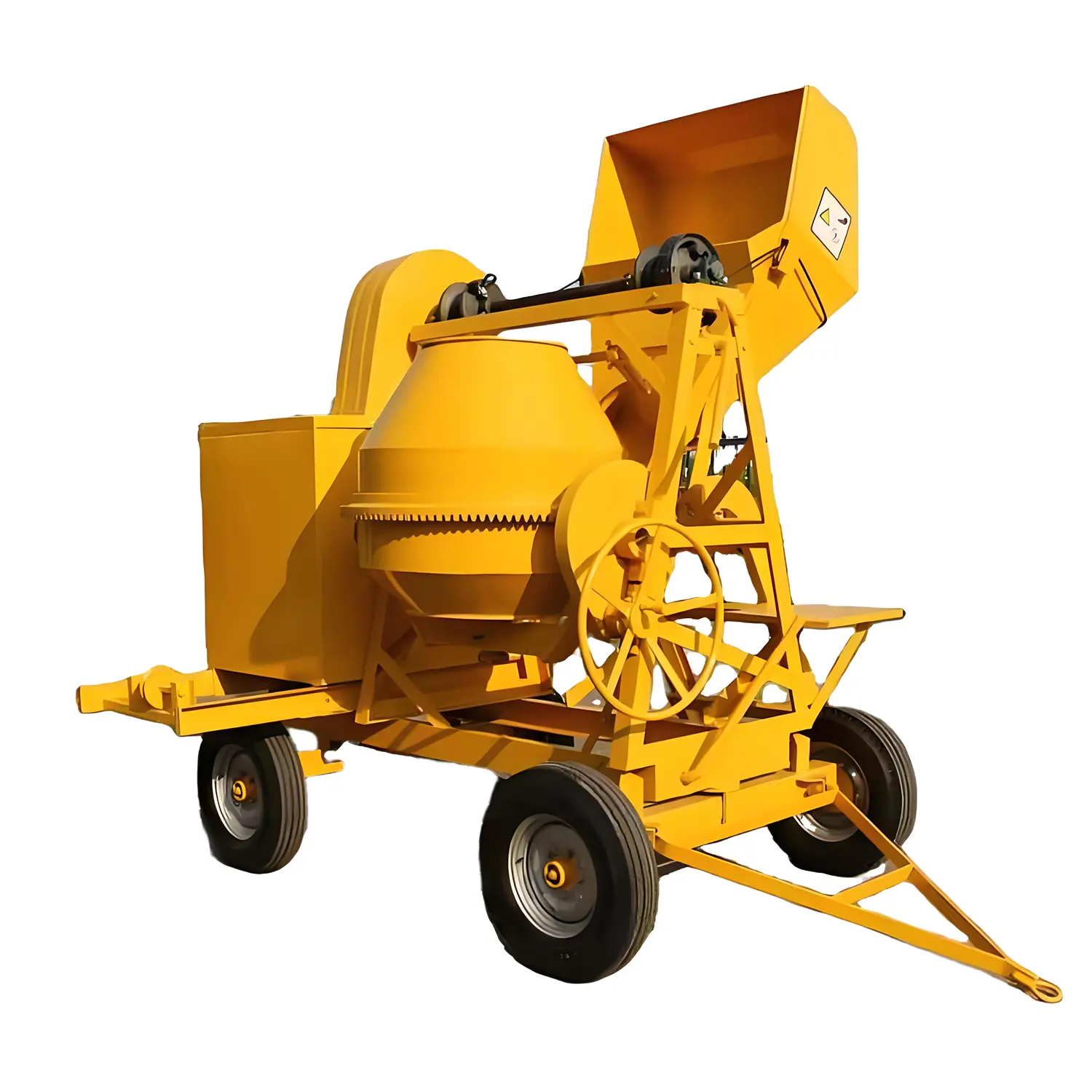 Hydraulic concrete mixer
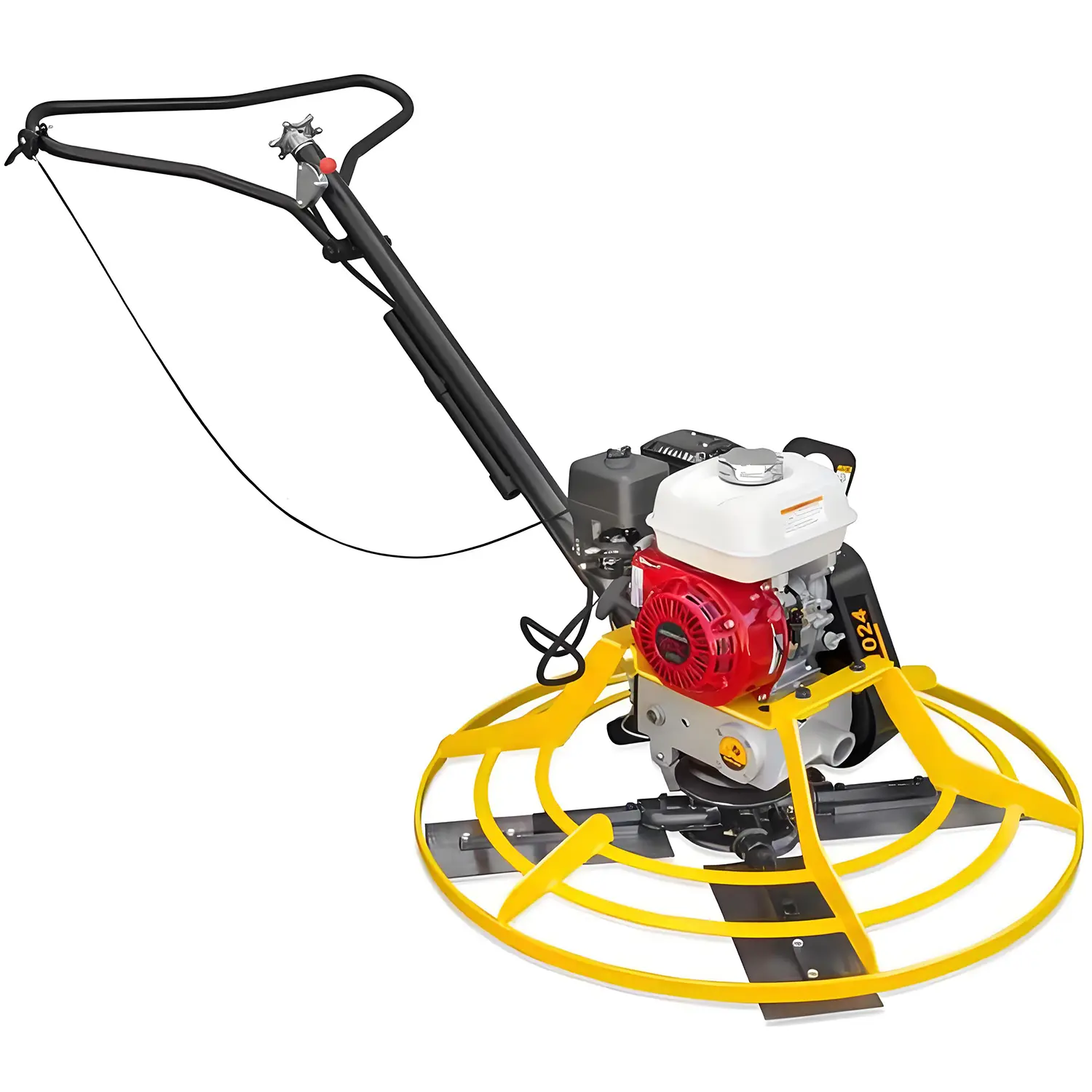 Walk behind power trowel
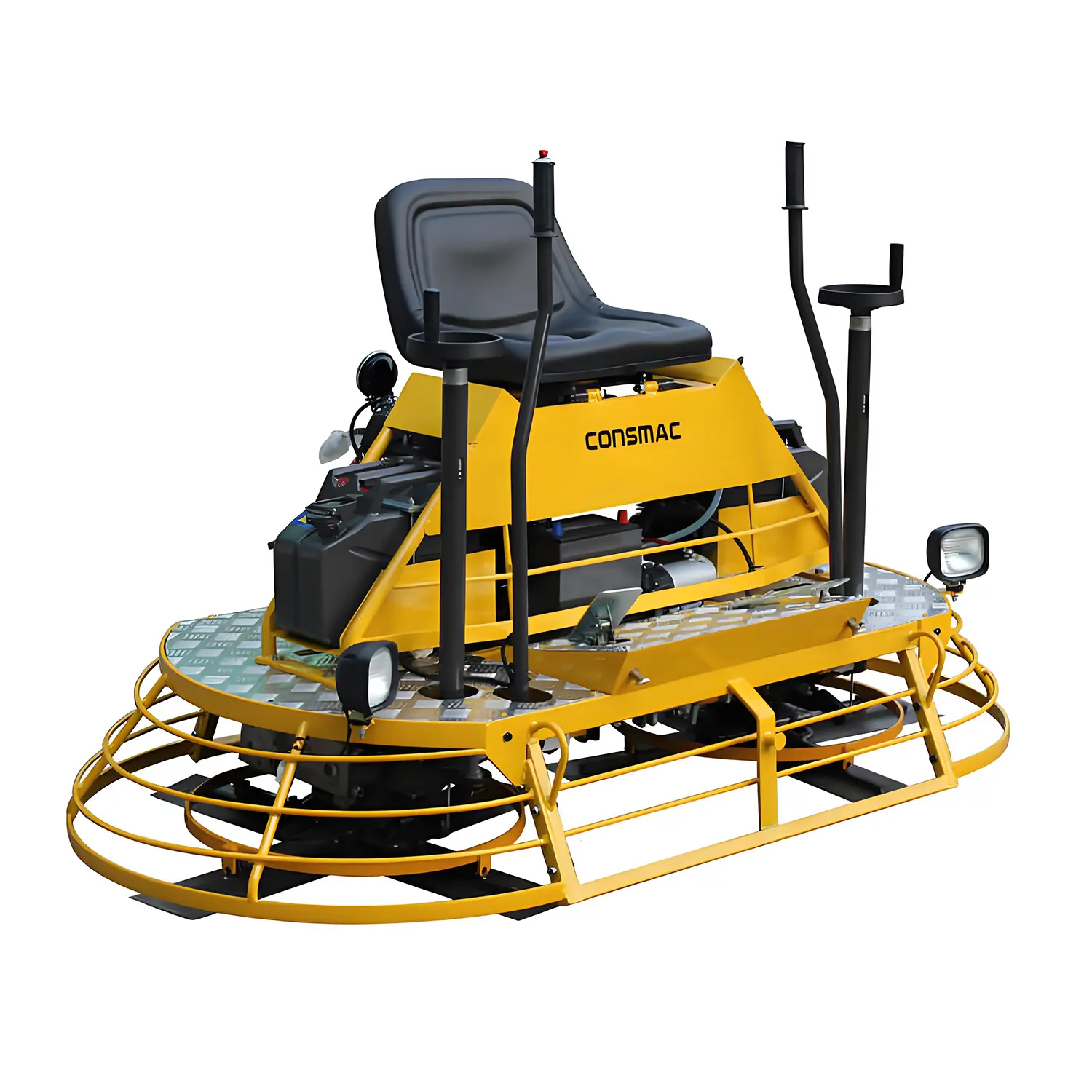 Ride on power trowel
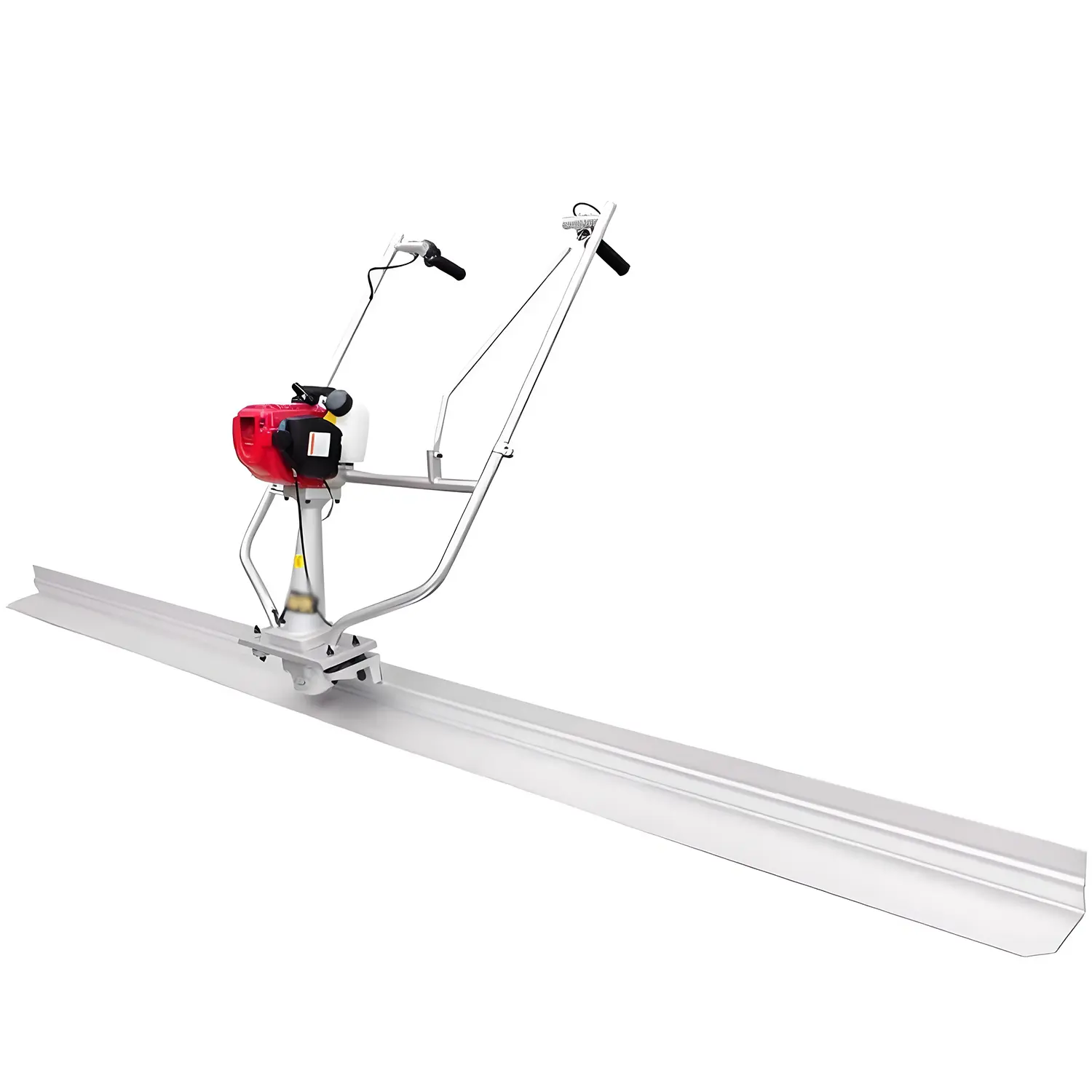 Concrete screed
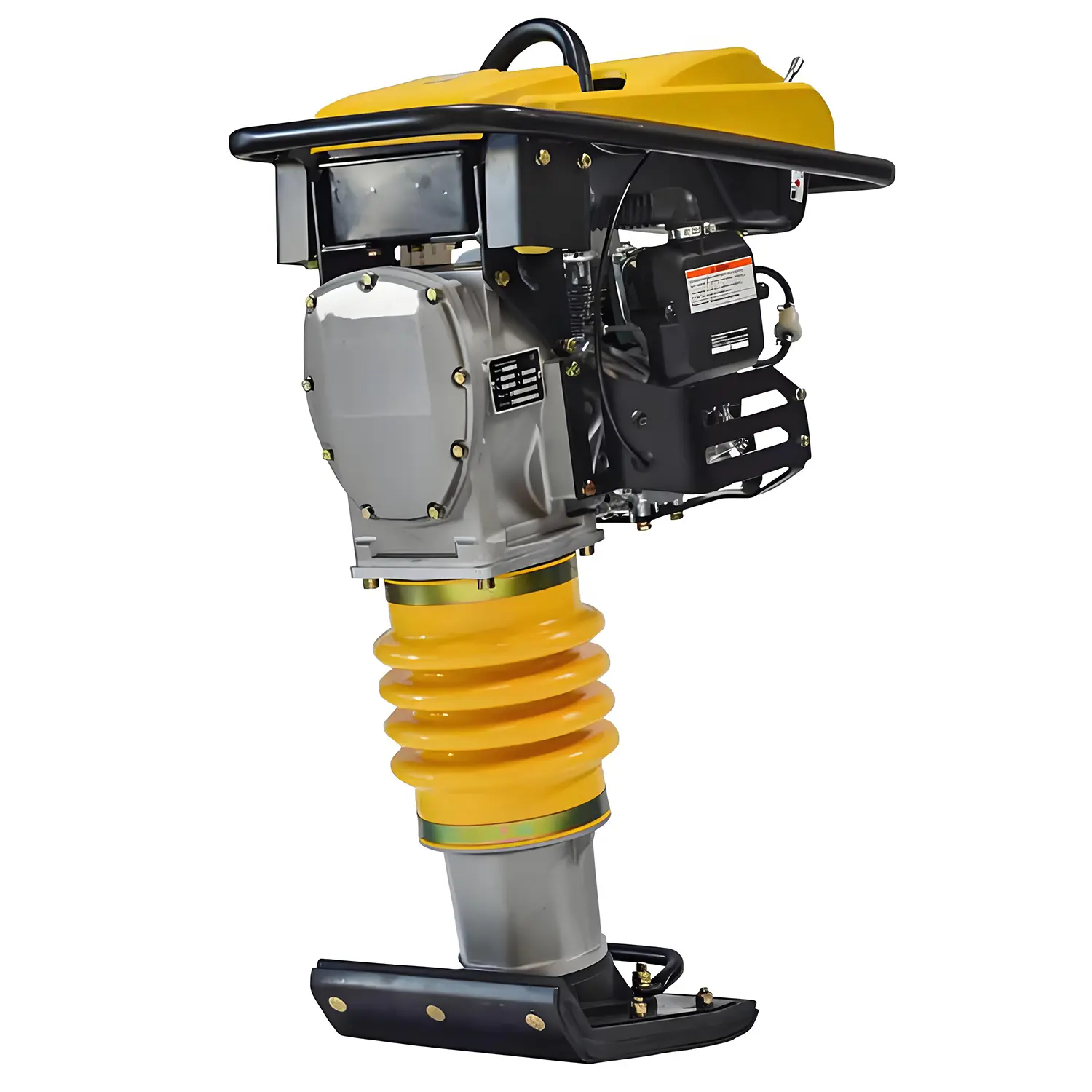 Tamping rammer
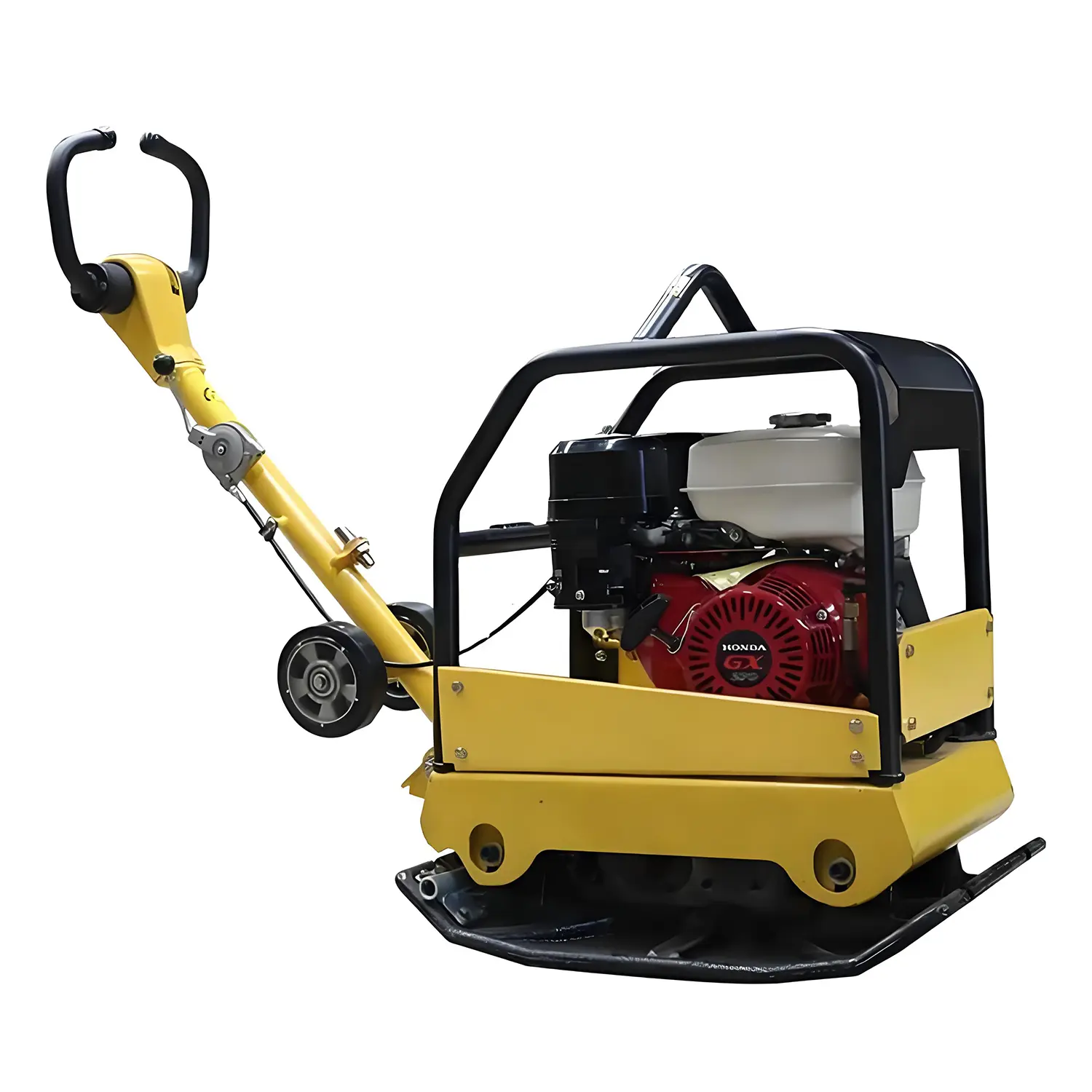 Plate compactor
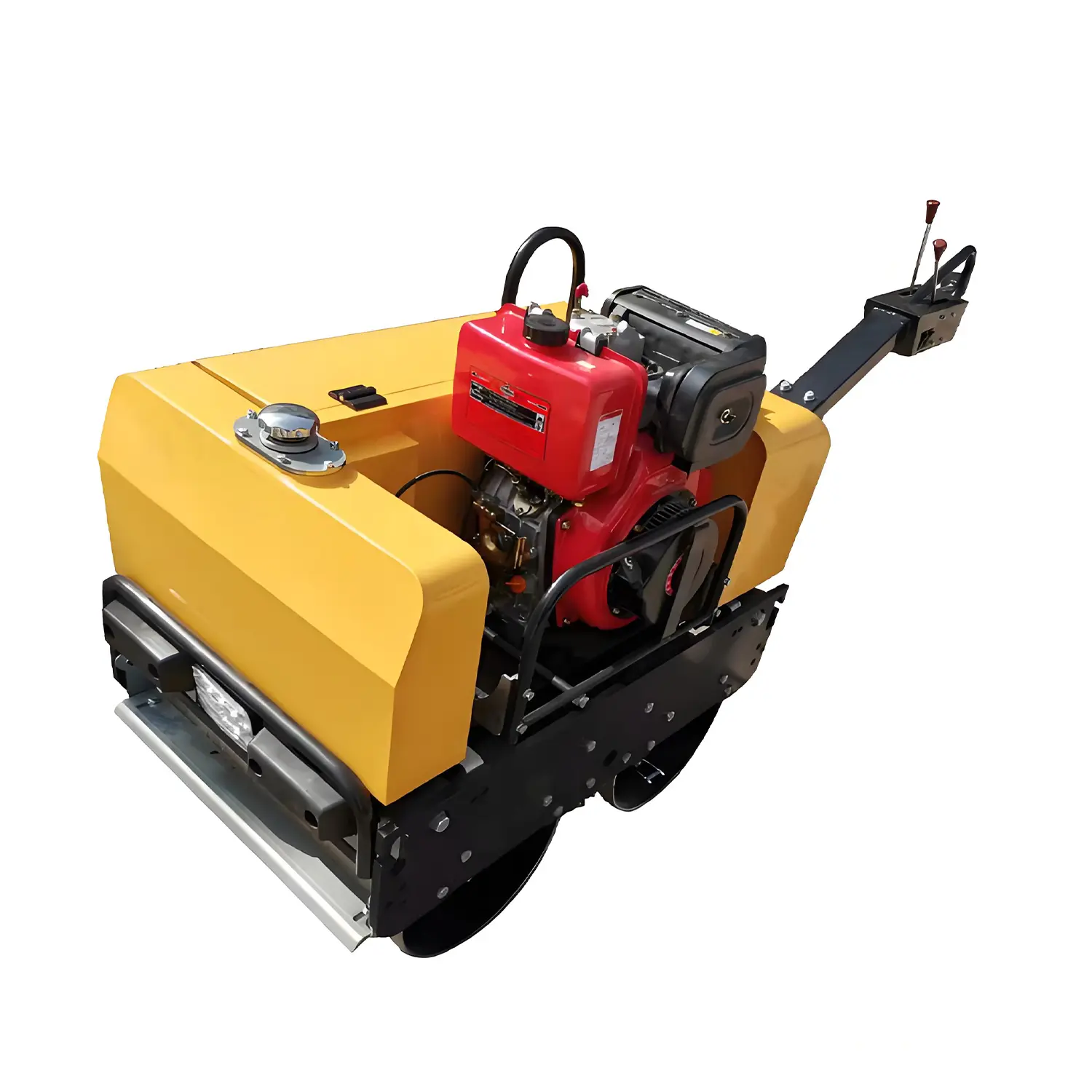 Vibratory roller