2026 Top Reversible Compactor Models for Efficient Construction Projects?
Reversible compactors play a crucial role in construction projects, ensuring efficient soil compaction and optimal site preparation. According to a recent report by the Global Construction Equipment Market, the demand for compaction equipment is expected to grow by 6% annually. This trend underscores the importance of selecting the right model for specific project needs.
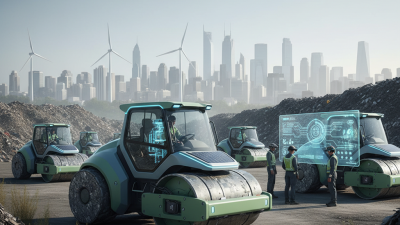
In 2026, several top reversible compactor models are anticipated to lead the market. Features such as enhanced maneuverability and advanced vibration control highlight their efficiency. However, project managers often overlook the importance of maintenance and operator training. Neglecting these areas can lead to decreased performance and costly downtime.
Choosing the right reversible compactor involves understanding the unique requirements of each job site. Not all models are suitable for every condition. As the industry evolves, so do the technologies and features available in reversible compactors. Construction professionals must navigate this landscape carefully, balancing innovation with practical application to achieve reliability and success in their projects.

Overview of Reversible Compactors in Construction
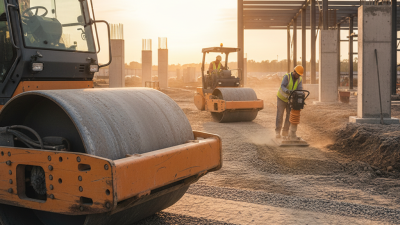
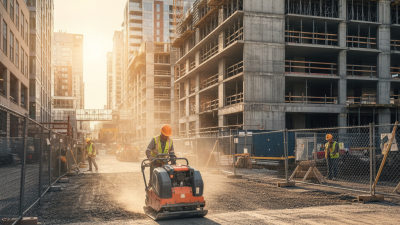
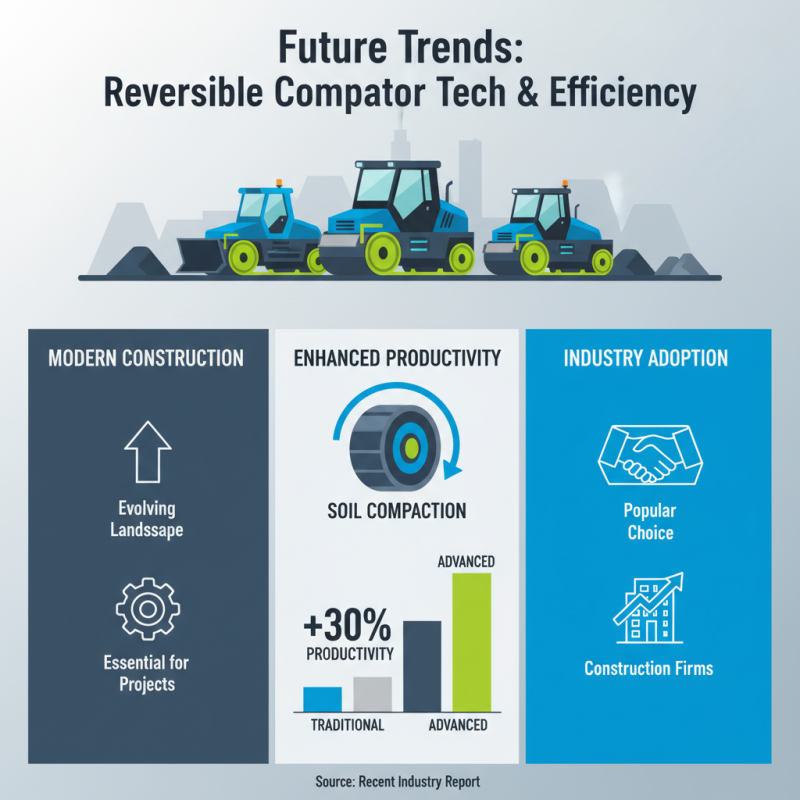
Reversible compactors are vital in construction, particularly for soil and asphalt applications. Their design allows for efficient compaction in tight spaces. These machines can significantly reduce the labor required for earthworks. According to industry reports, reversible compactors can enhance productivity by up to 25%. This kind of efficiency is crucial in project timelines, especially during peak construction seasons.
Compact construction equipment needs to balance power and maneuverability. A focus on weight distribution can improve compaction results. Data from recent studies highlights that the right compactor can increase compaction depth by 50% on certain materials. It is also essential to consider operator training. Skilled operators are more likely to achieve optimal results. However, many operators may not receive adequate training, leading to subpar outcomes.
The construction industry continually seeks innovation. Understanding which models stand out for efficiency is a challenge. Compactors must meet specific project needs, yet the market can be overwhelming. Not every available model aligns perfectly with every project type. Identifying the right balance of features and performance remains a key concern for many construction managers.
Key Features to Consider in 2026 Reversible Compactors
When selecting a reversible compactor for your construction projects in 2026, there are several key features to consider. Look for a model with a strong engine that offers reliable power. A compact design is essential for maneuverability on tight sites. Hydraulic systems that allow for easy operation can save time and reduce fatigue for operators.
Weight is another critical factor. A heavier compactor often provides better performance on dense materials. However, too much weight can hinder mobility. Assess the balance between weight and size to match your specific needs. Consider user-friendly controls that can enhance productivity. Some models feature ergonomic handles that allow better grip and comfort during extended use.
Don’t overlook the importance of maintenance. Compacting equipment can face wear and tear, making durability crucial. Investigate the availability of replacement parts and service options. Factors like noise levels and vibration are also notable. Excessive vibration can impact operator comfort and safety. Evaluating these aspects can lead to more informed decisions in selecting a reversible compactor for your project.
2026 Top Reversible Compactor Models for Efficient Construction Projects
| Model |
Operating Weight (kg) |
Compaction Force (kN) |
Vibration Frequency (Hz) |
Plate Size (mm) |
Key Feature |
| RC-100 |
1000 |
30 |
70 |
500 x 780 |
Ergonomic Handle |
| RC-200 |
1200 |
35 |
65 |
600 x 800 |
Adjustable Speed |
| RC-300 |
1400 |
40 |
75 |
700 x 900 |
High Fuel Efficiency |
| RC-400 |
1600 |
45 |
80 |
800 x 1000 |
Noise Reduction Technology |
| RC-500 |
1800 |
50 |
85 |
900 x 1200 |
Compact Size for Easy Transport |
Top Reversible Compactor Models for Various Construction Needs
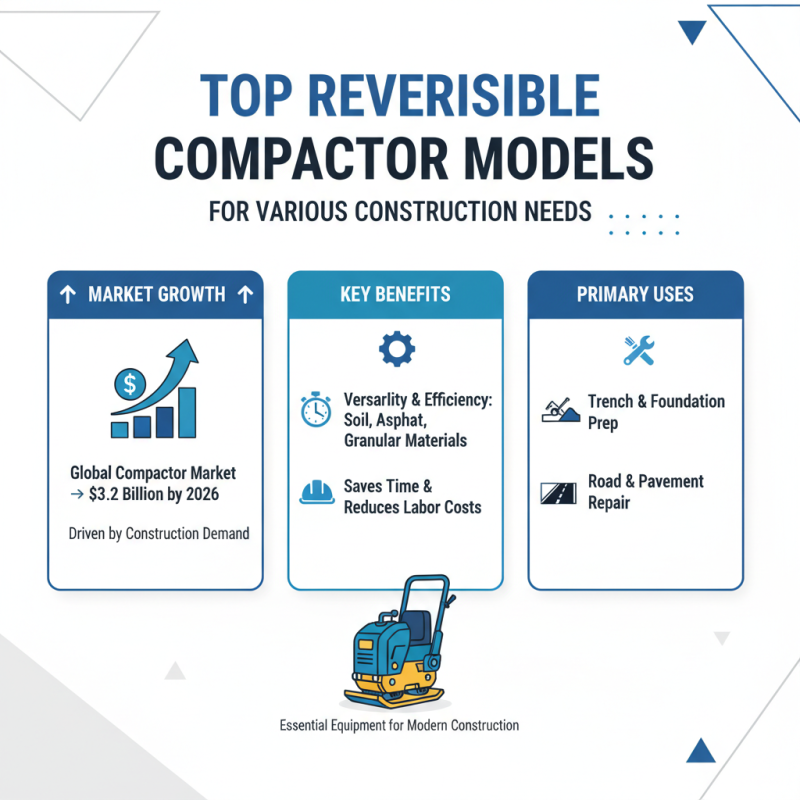
In recent years, the demand for reversible compactors has surged in the construction industry. According to a recent report, the global market for compactors is expected to reach $3.2 billion by 2026. This growth emphasizes the need for efficient equipment that meets diverse construction requirements. Reversible compactors are well-known for their versatility, making them essential for various tasks, including trench and road repairs. Their ability to compact soil, asphalt, and granular materials efficiently saves time and reduces labor costs.
Different construction projects require specific features in compactors. Some models excel in narrow trenches, while others are designed for larger areas. The average compaction depth achieved by these machines ranges from 12 to 15 inches, depending on the soil type. Operators must consider the weight and vibration frequency to select the appropriate model. Heavy units provide greater compaction, while lighter models are suitable for delicate jobs. Misjudgment in choosing the right compactor can lead to inadequate results, such as uneven surfaces or ineffective soil stabilization.
User feedback indicates that maintenance practices significantly influence performance. Regular servicing is essential for efficient operation. Observing unusual vibrations or noises often signals the need for expert evaluation. Being aware of these details can ensure optimal functioning, which is critical for meeting project timelines. Awareness of the equipment's limitations is equally important. A compactor that fits one project's needs might not perform well in another. Recognizing these factors can enhance decision-making processes in equipment selection.
Safety and Maintenance Tips for Reversible Compactors
When operating reversible compactors, safety comes first. According to a 2022 report by the Construction Safety Council, improper use contributes to 30% of equipment-related injuries in construction. Wearing appropriate personal protective equipment (PPE) is essential. Operators should always wear hard hats, safety goggles, and hearing protection. Additionally, clear communication among team members can prevent accidents on site.
Maintenance is crucial for the efficiency and longevity of reversible compactors. Regular checks can reduce downtime. The National Institute for Occupational Safety and Health (NIOSH) recommends daily inspections of the hydraulic systems, belts, and engines. Lubricating moving parts should also be done routinely. Overlooking these tasks can lead to inefficiencies. For instance, neglected equipment can consume up to 25% more fuel due to friction.
Training operators thoroughly in proper handling techniques is vital. A study by the Equipment and Tool Institute revealed that 70% of accidents stem from operator error. Frequent refresher courses can enhance skills. Not all operators may be aware of the specific features of their equipment. This knowledge gap can lead to preventable mistakes. Ensuring that every operator understands how to use compactors effectively enhances safety and productivity.

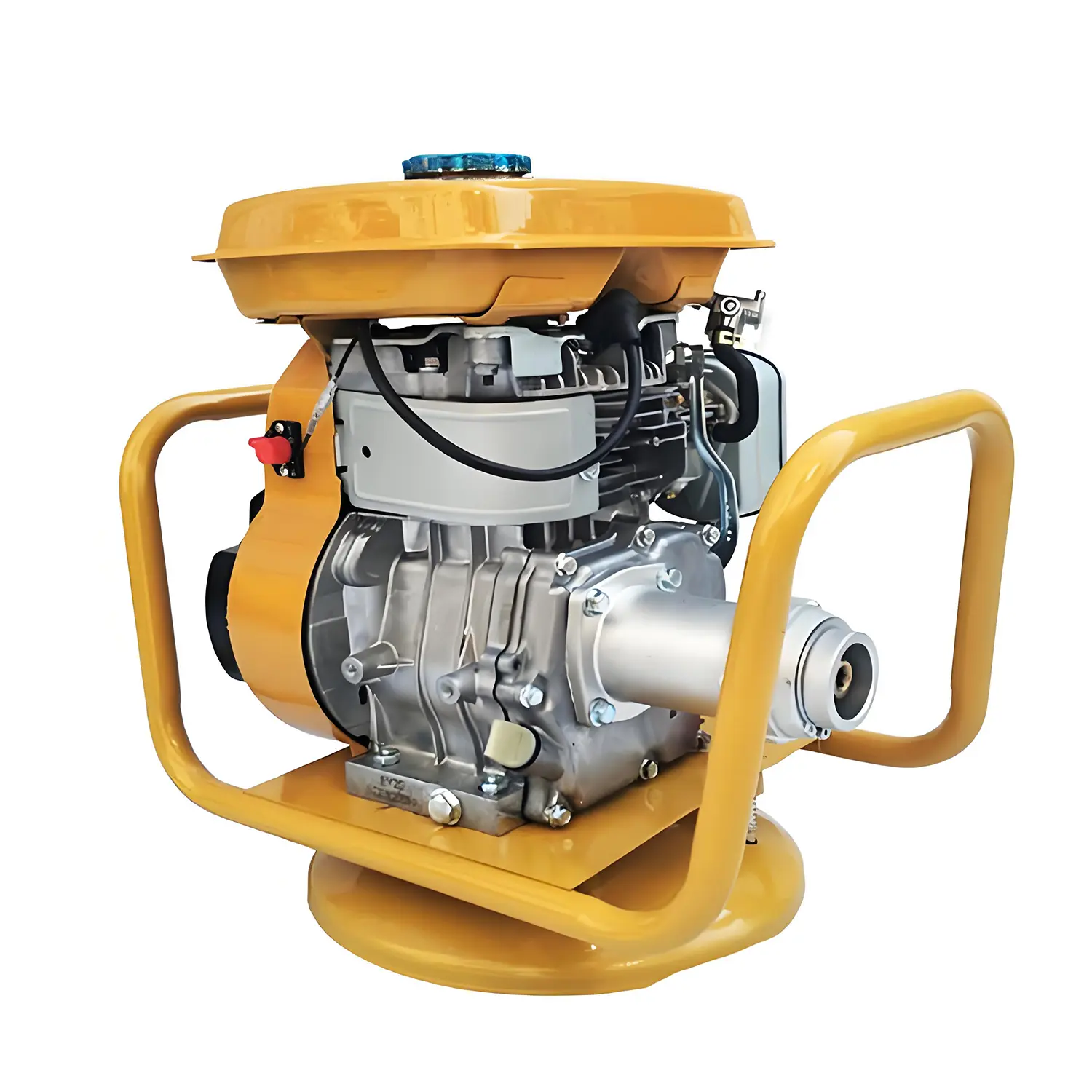 Internal Vibrator
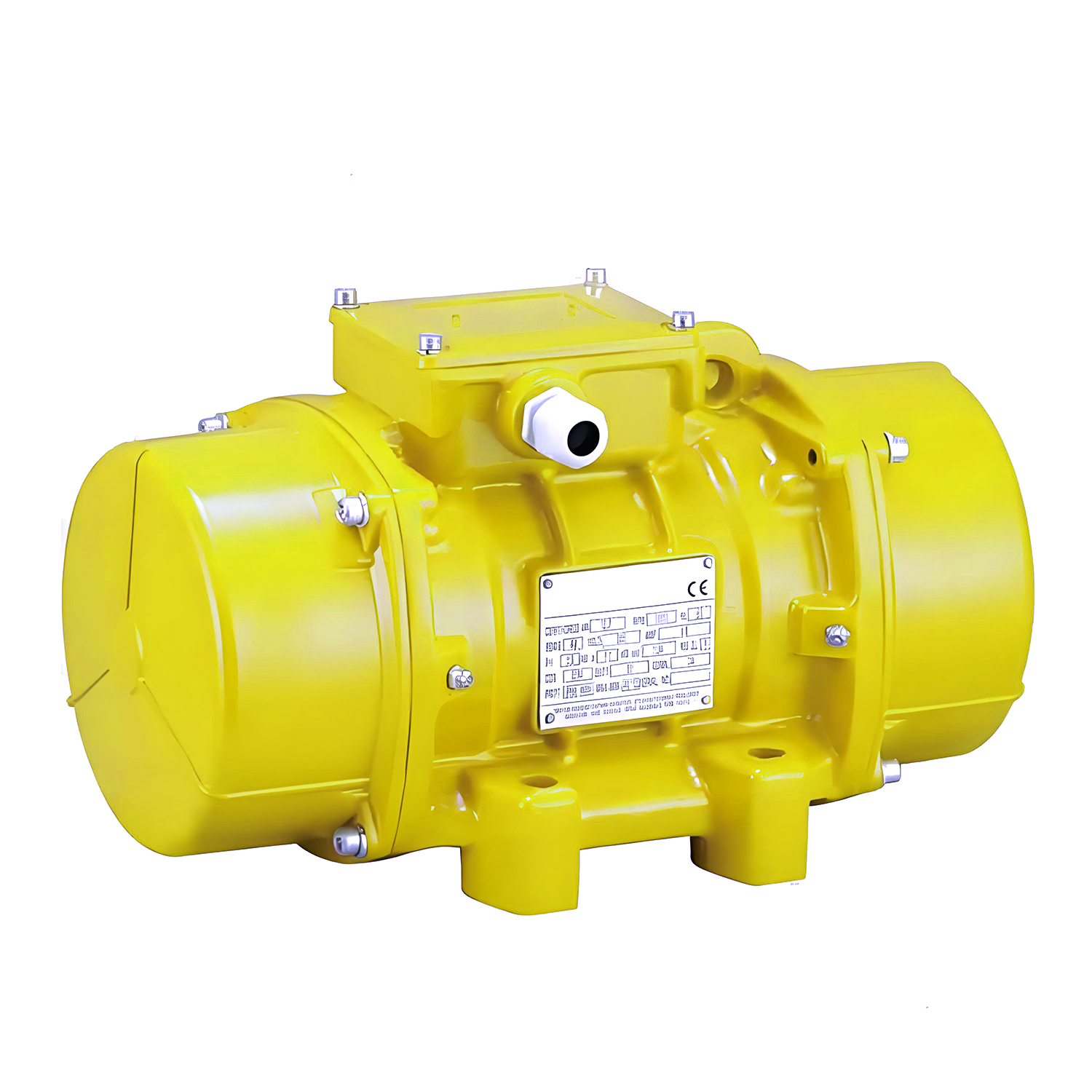 External Vibrator
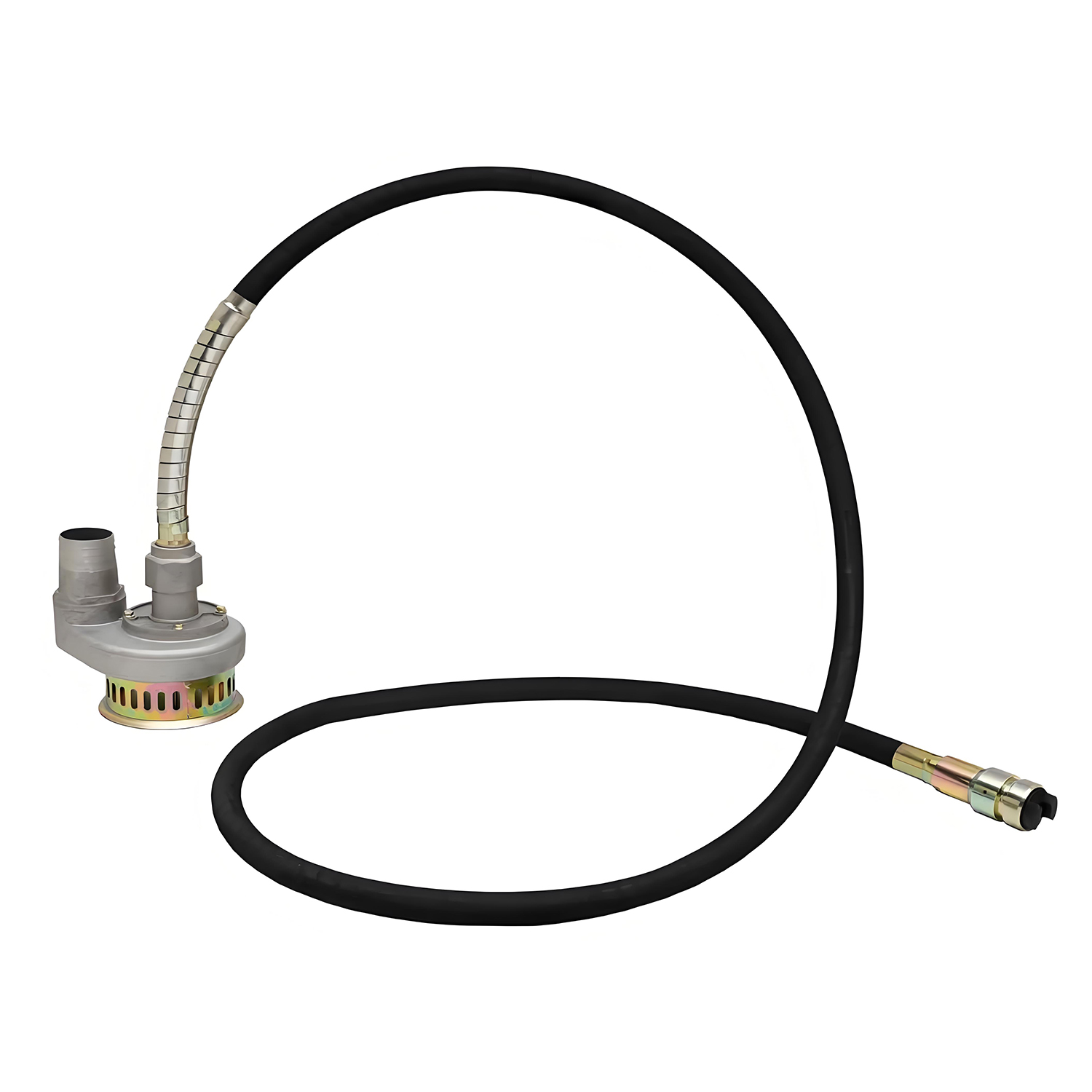 Submersible Pump
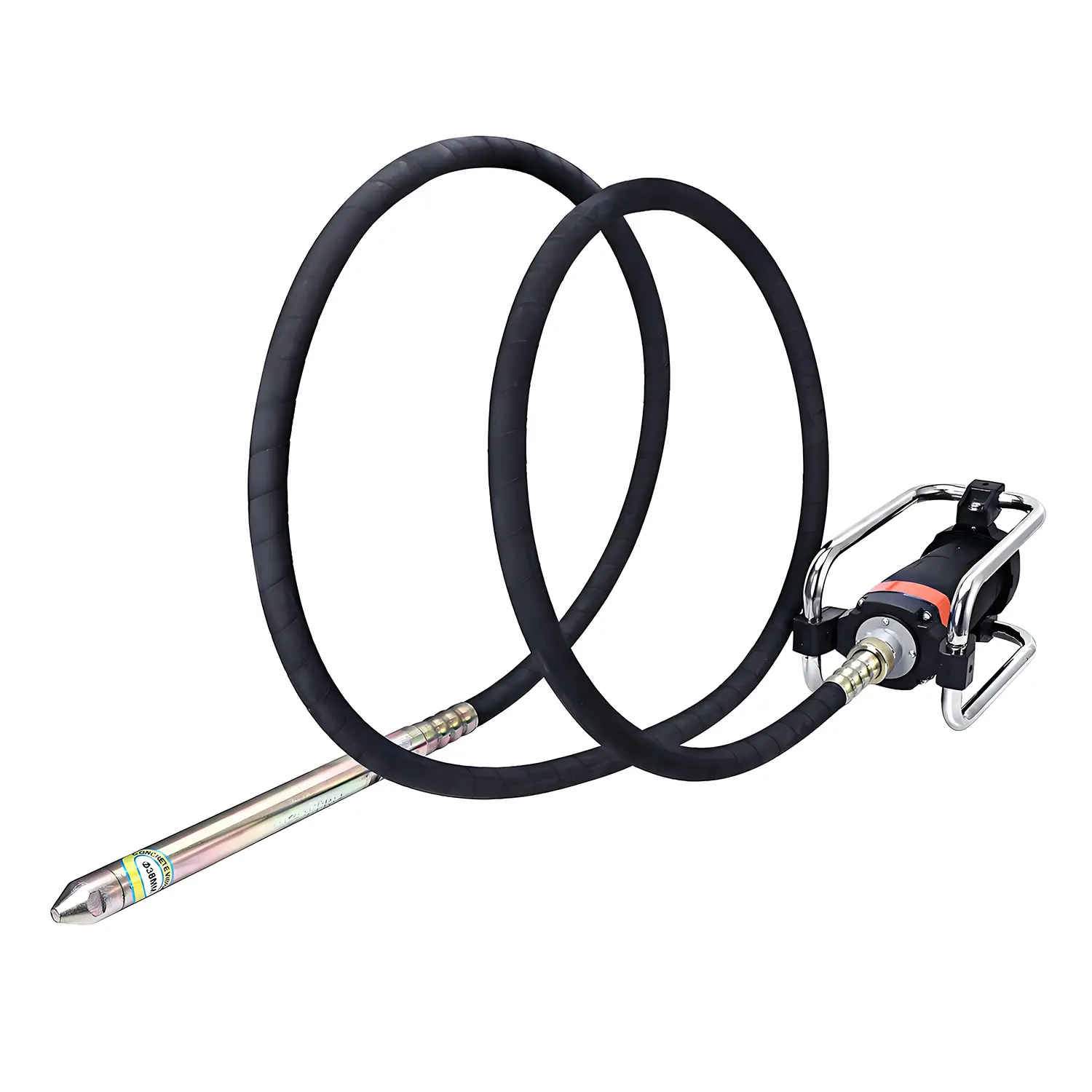 Eccentric shaft
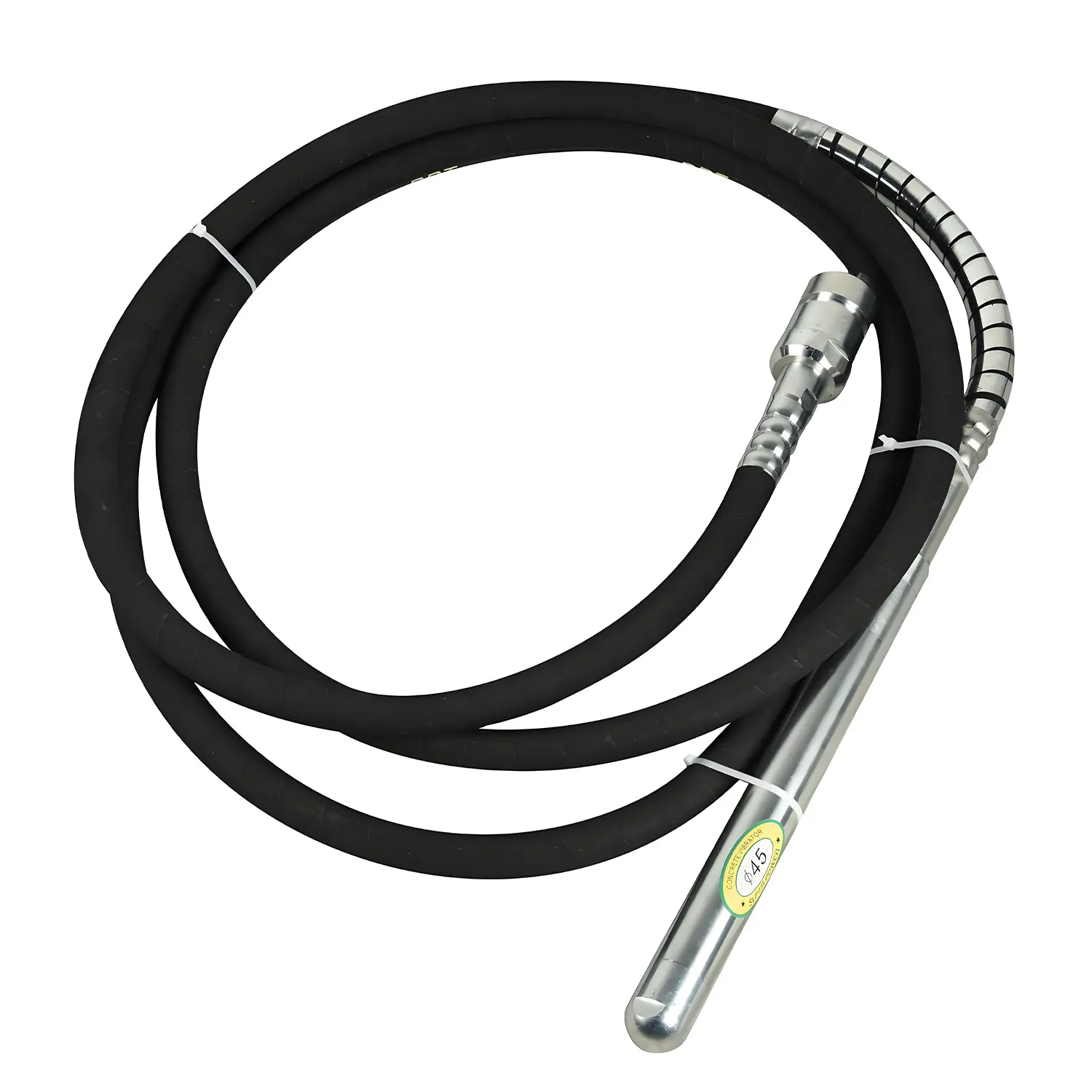 Pendulum shaft
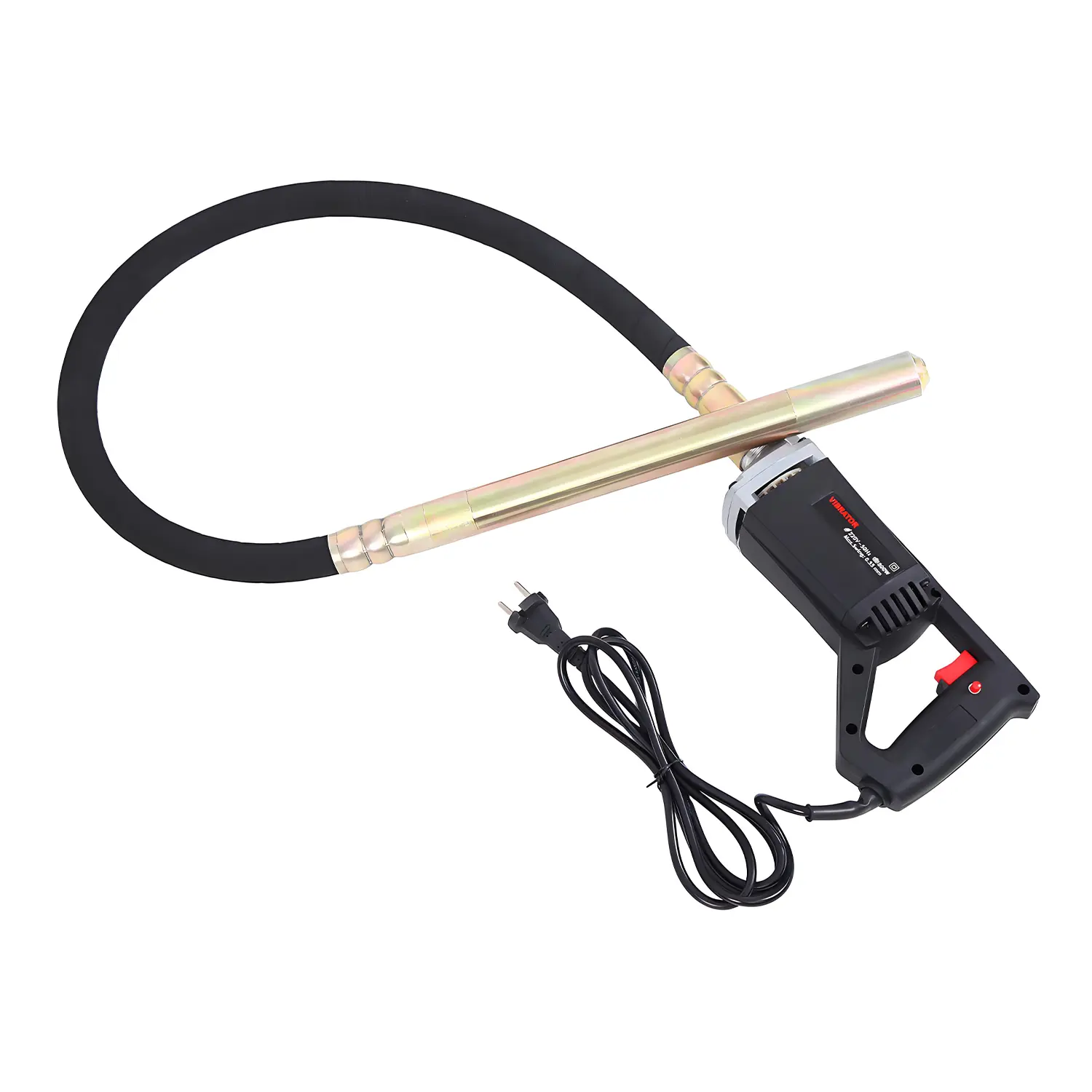 Portable vbrator shaft
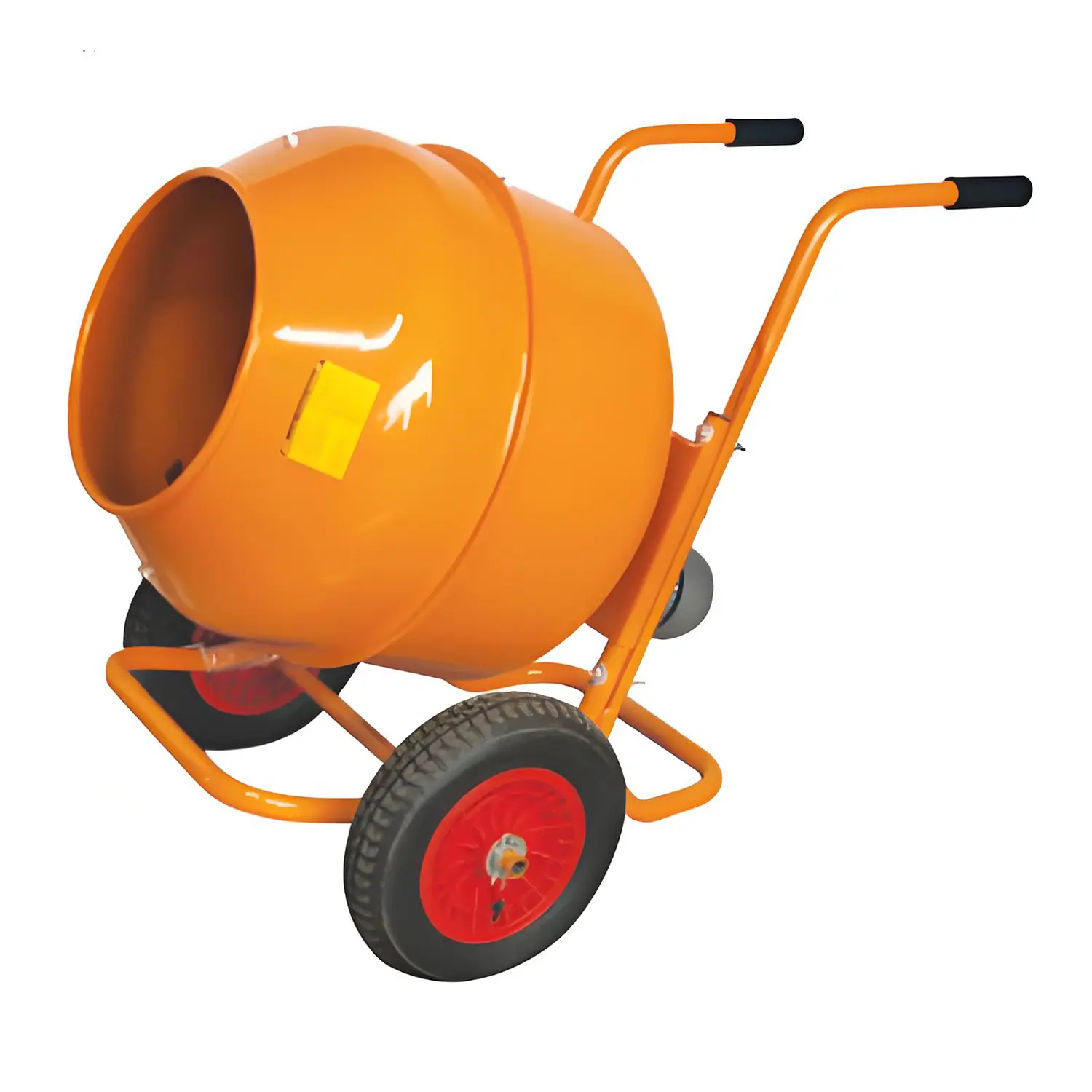 Portable concrete mixer
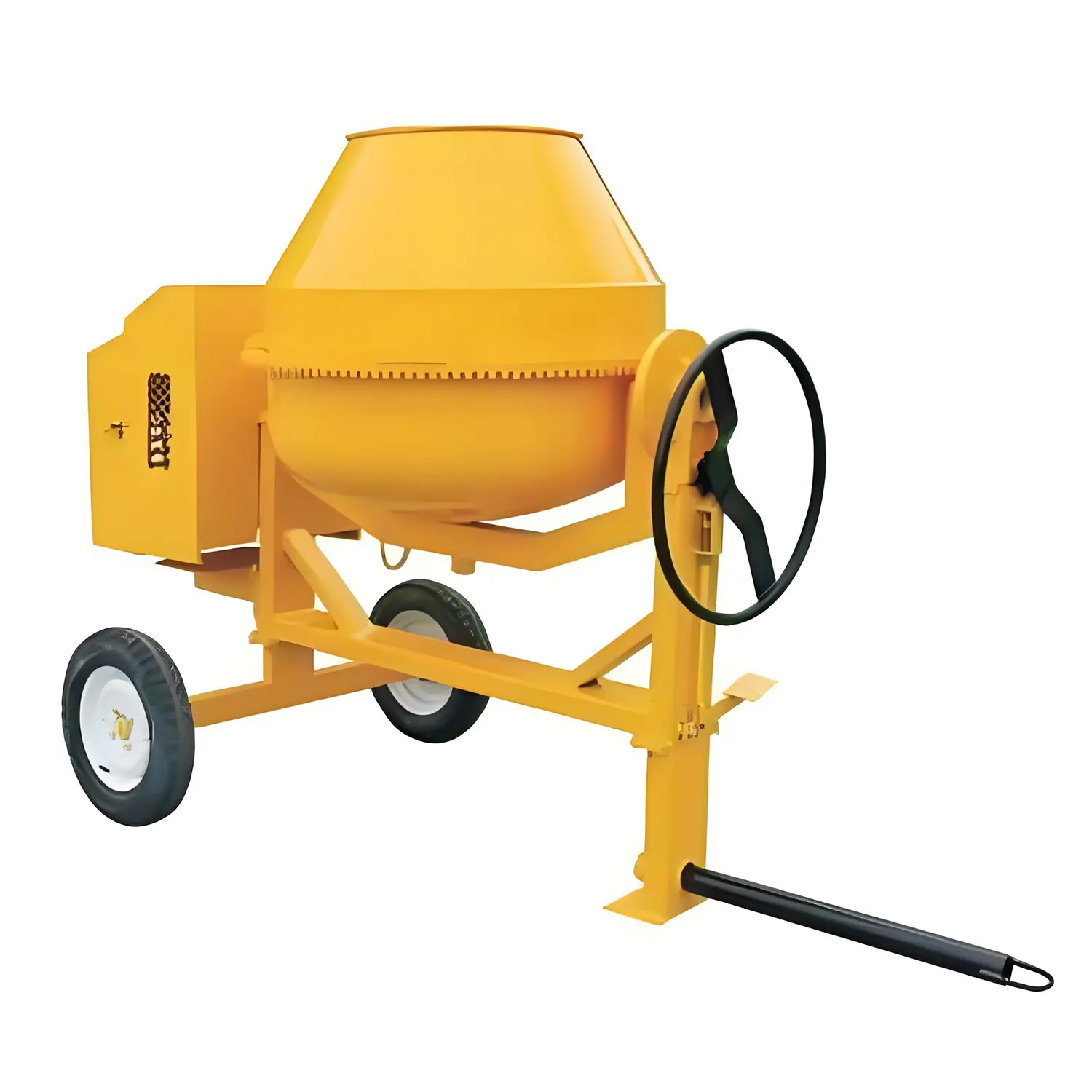 Vertical concrete mixer
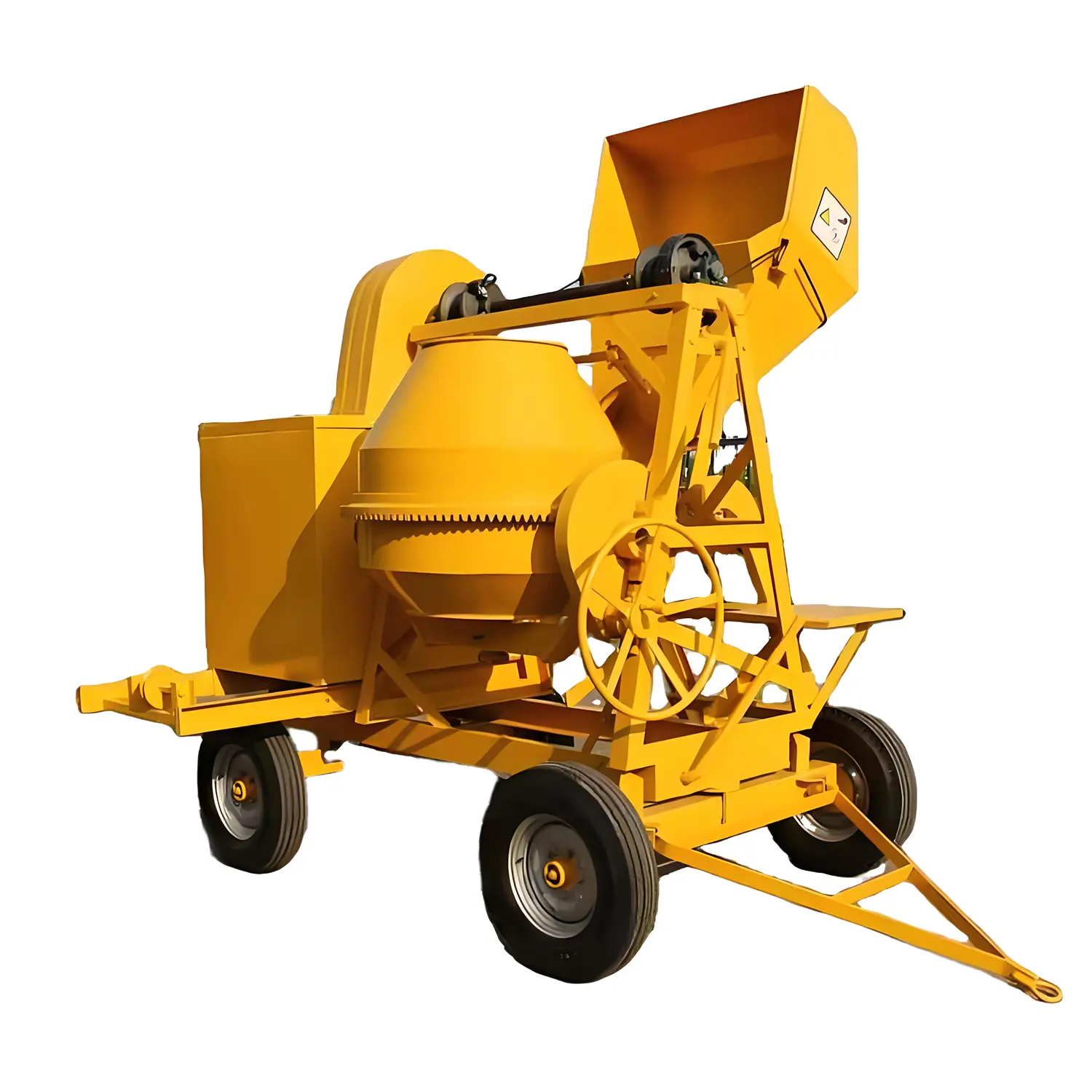 Hydraulic concrete mixer
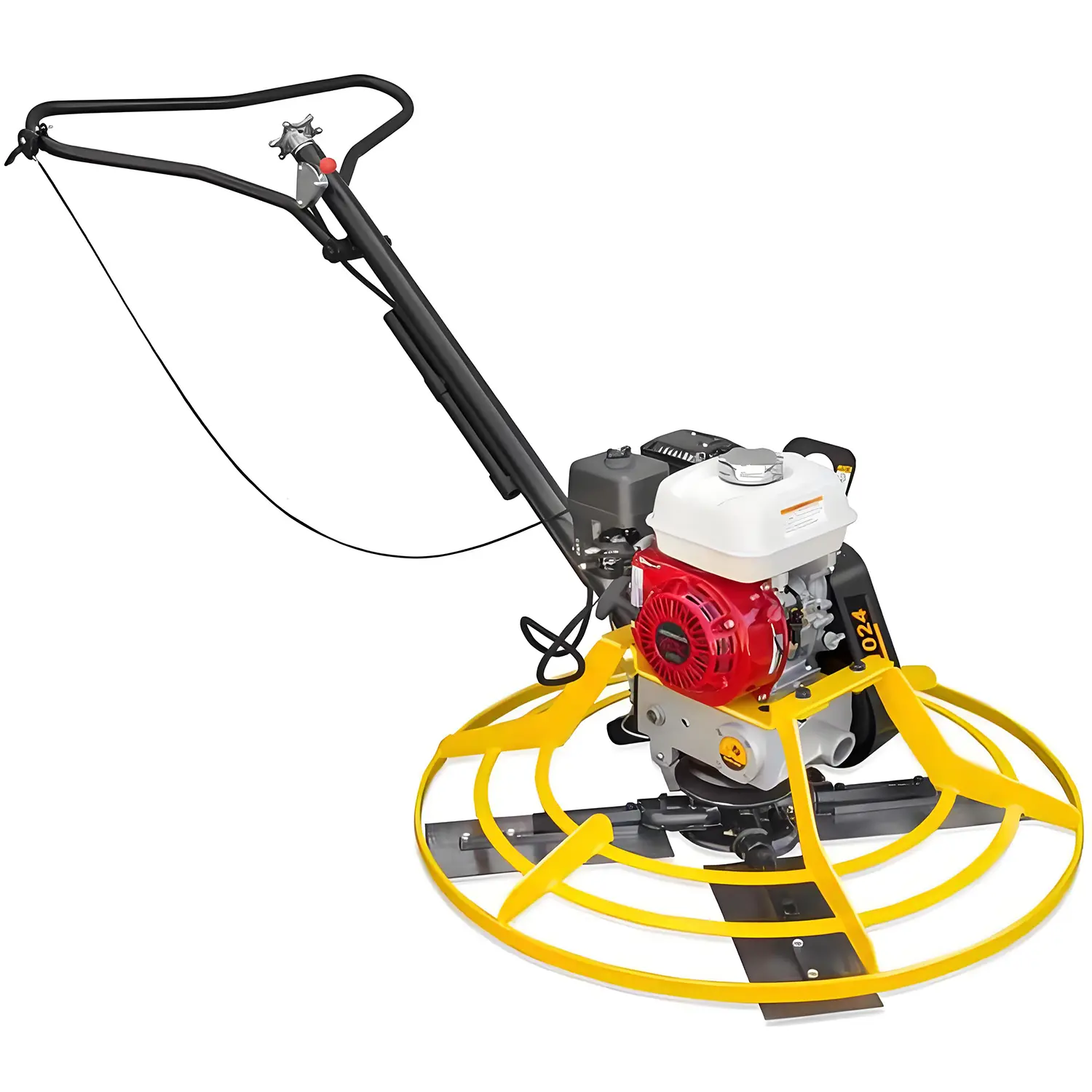 Walk behind power trowel
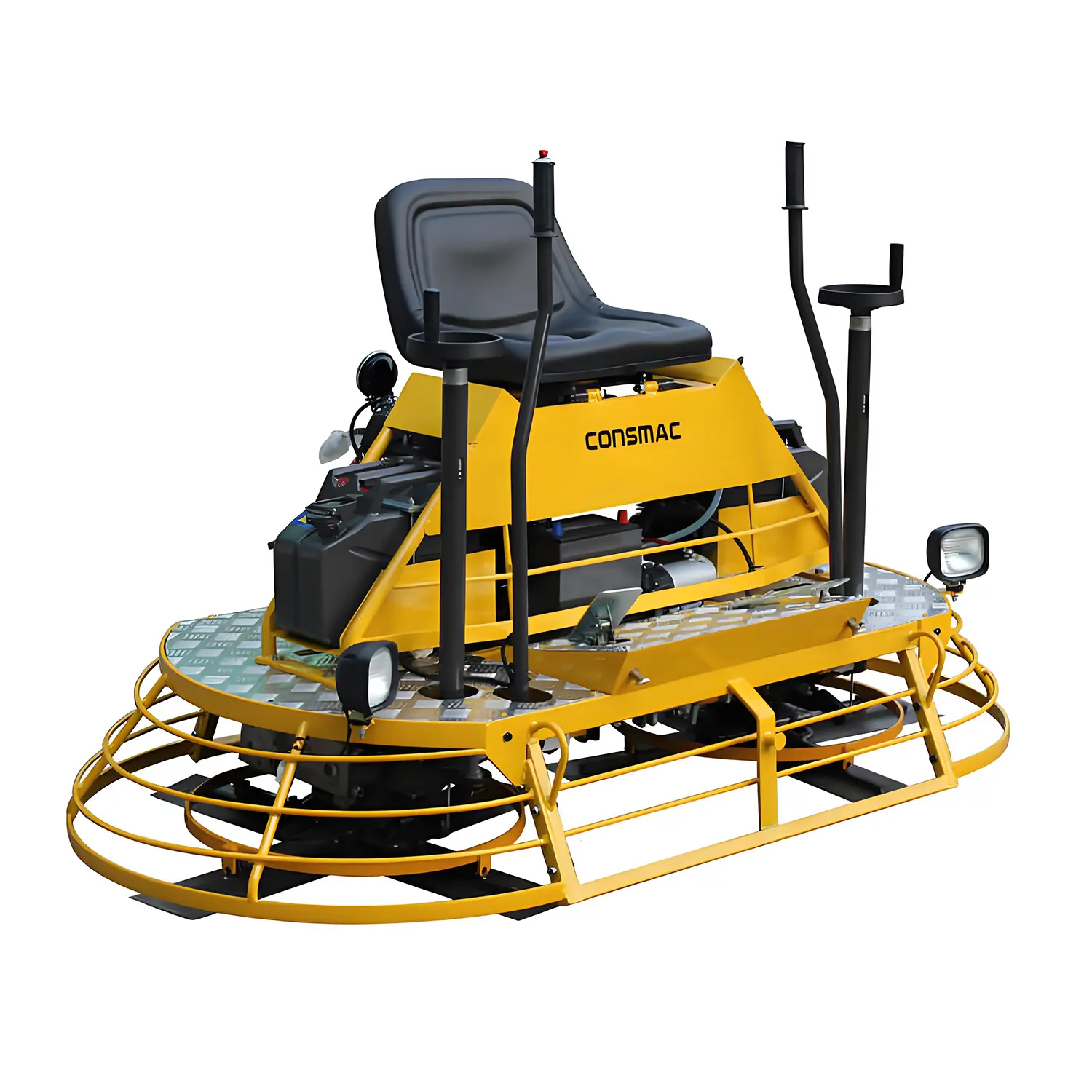 Ride on power trowel
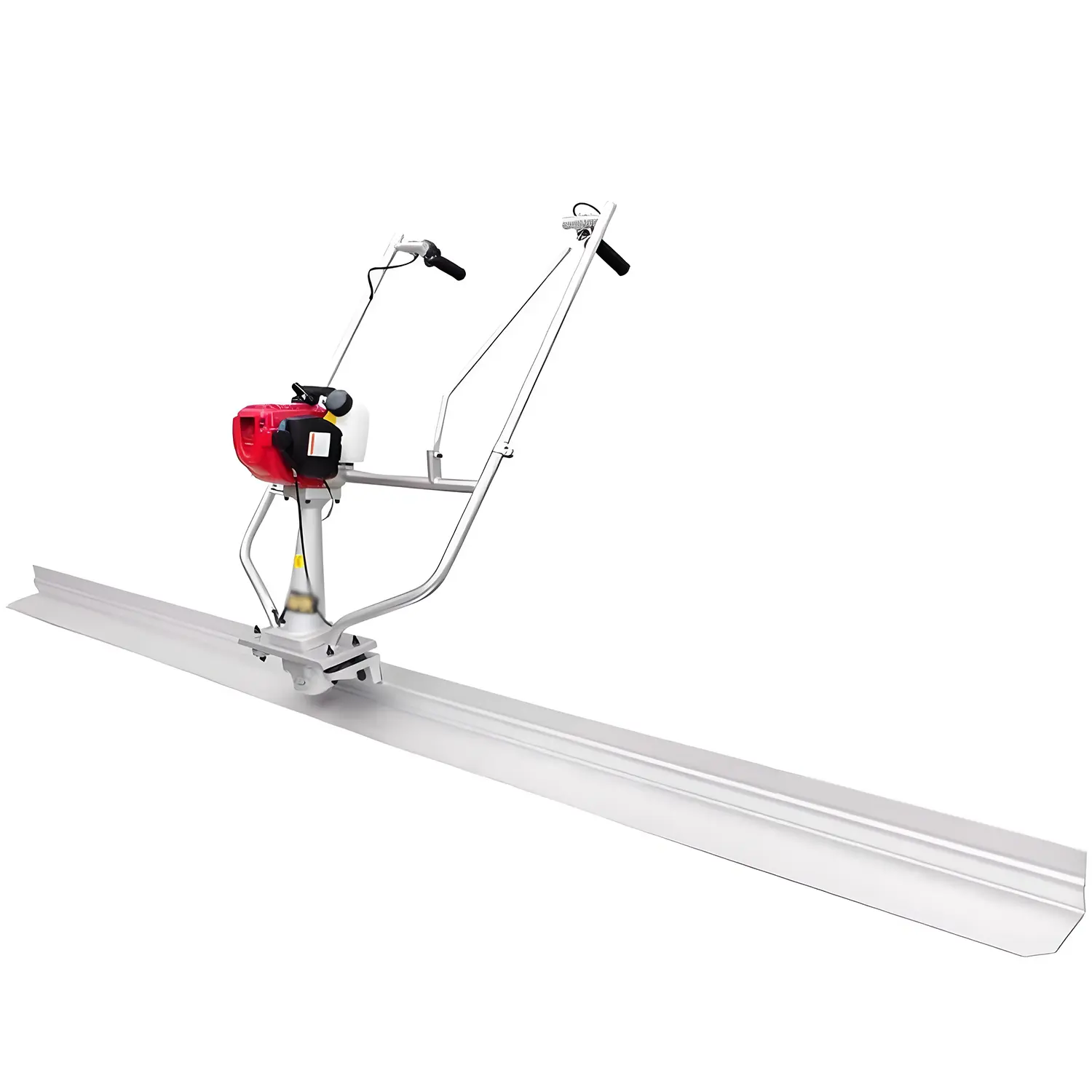 Concrete screed
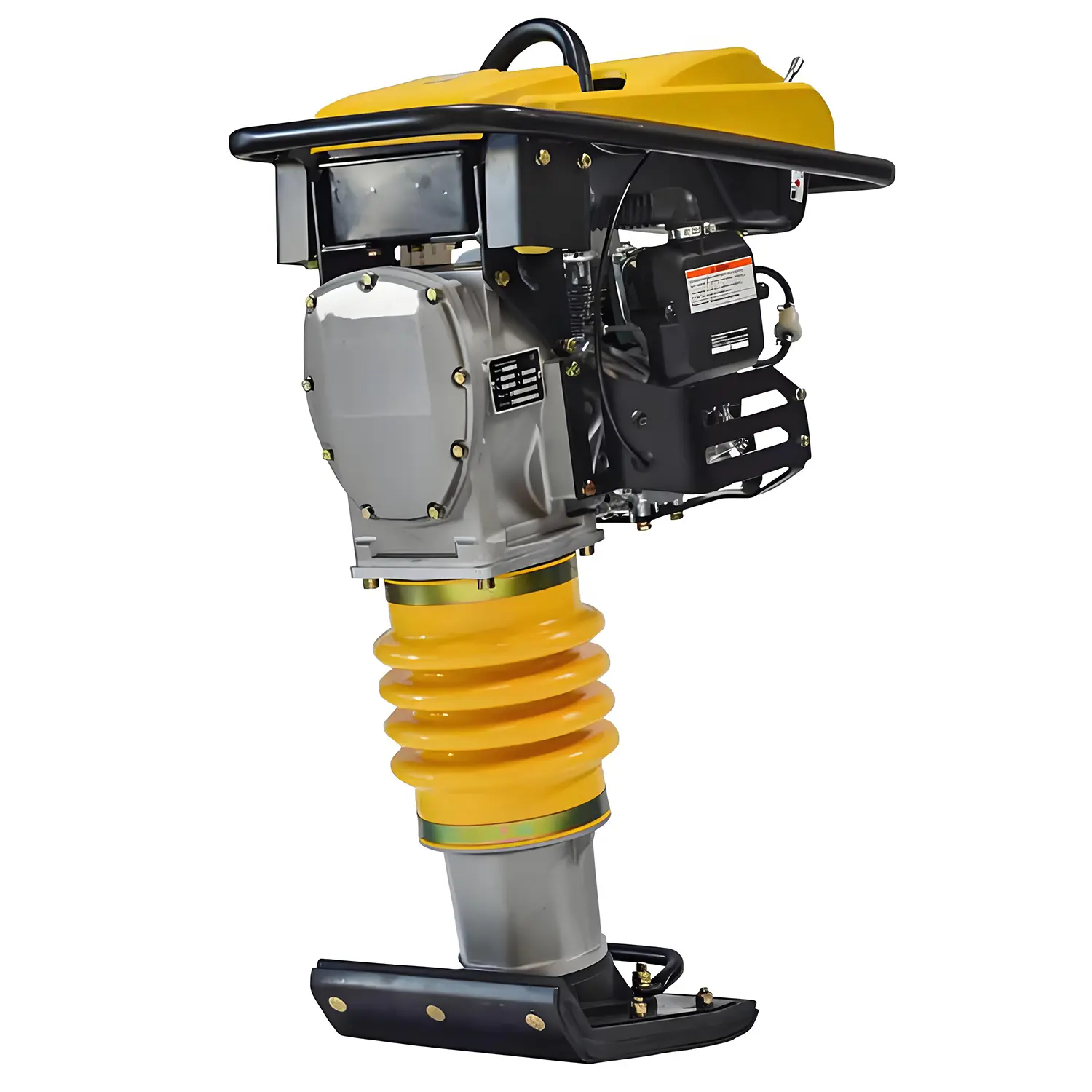 Tamping rammer
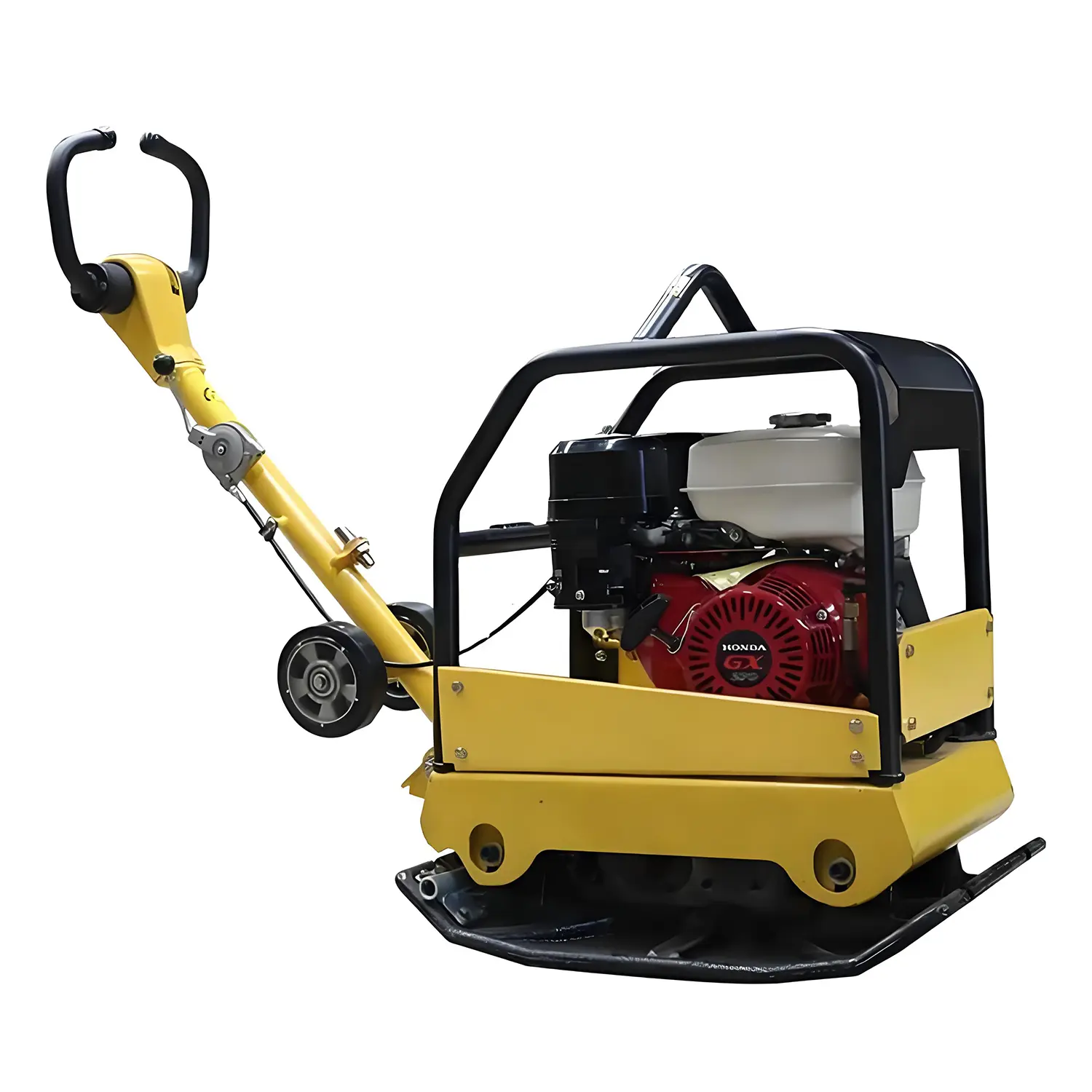 Plate compactor
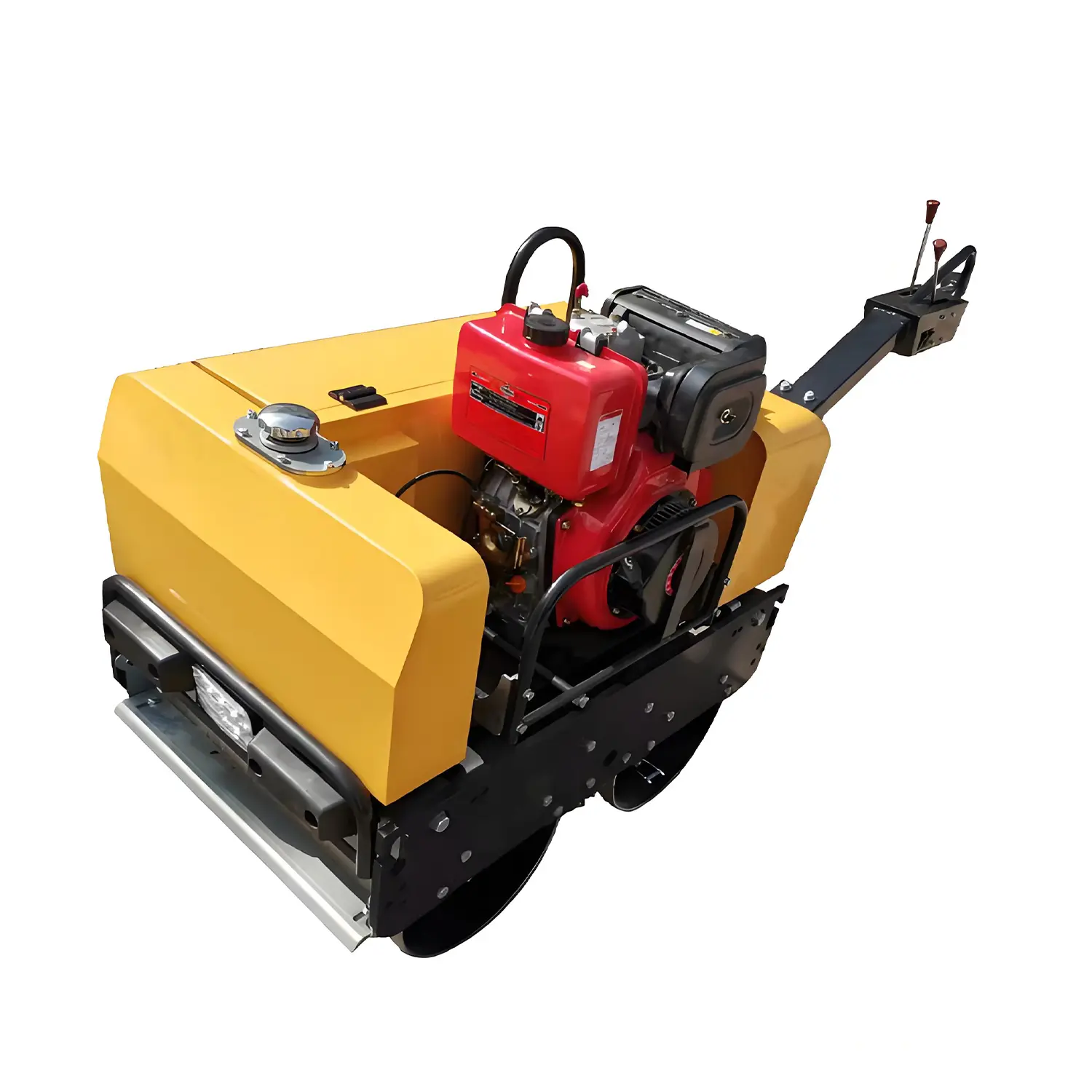 Vibratory roller