2026 Top Compactor Equipment Trends What to Know?
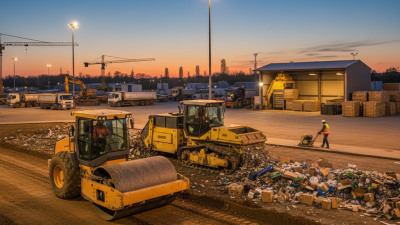
As the construction and waste management industries evolve, understanding the latest trends in Compactor Equipment becomes essential. In 2026, we anticipate significant innovations that will reshape how compactor machines are designed and used. These changes reflect the industry's response to environmental concerns and efficiency demands.
New compactor designs aim to improve waste compression rates and reduce operational costs. Features like smart technology integration will be more common. However, adapting to these advancements may pose challenges for some companies. It requires training and investment, which not all businesses are equipped for.
Additionally, sustainability will play a crucial role in future Compactor Equipment trends. Eco-friendly materials and energy-efficient machines will gain popularity. Embracing this shift can be daunting for some operators. They must balance tradition with modern needs. The next few years will demand reflection on how these trends affect operations and profitability.
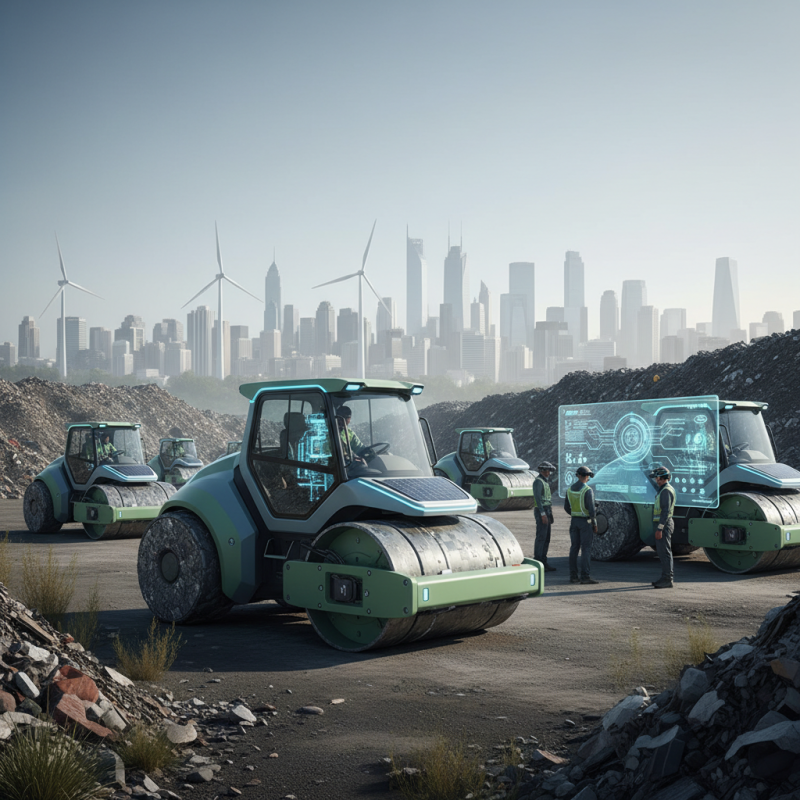
2026 Compactor Equipment Market Overview and Growth Projections
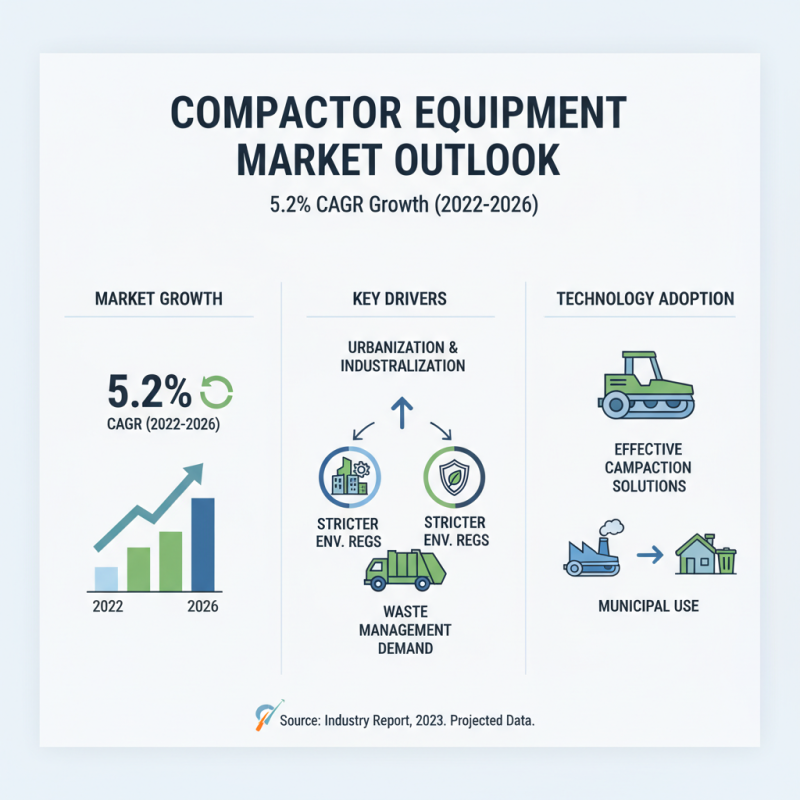
The compactor equipment market is expected to witness significant growth by 2026. According to a recent industry report, the market is projected to expand at a CAGR of around 5.2% from 2022 to 2026. This growth is driven by the increasing demand for effective waste management solutions. Urbanization and stricter environmental regulations are pushing industries to adopt compaction technology.
Data suggests that the construction sector will be a key contributor to this growth. With new infrastructure projects on the rise, the demand for compactors is surging. Furthermore, the recycling industry is also expanding. Compactors are critical for reducing waste volume and enhancing recycling efficiency. Some industry experts highlight the need for equipment that integrates advanced technology, yet many users find it hard to adapt.
However, challenges remain. Many companies still rely on outdated equipment. This often results in inefficiencies. Maintenance costs can be high due to wear and tear. As companies make decisions about upgrading, they should weigh the long-term benefits against initial investments. Looking ahead, the focus should be on innovation and sustainability in compactor technology.
Key Technological Advancements in Compactor Equipment by 2026
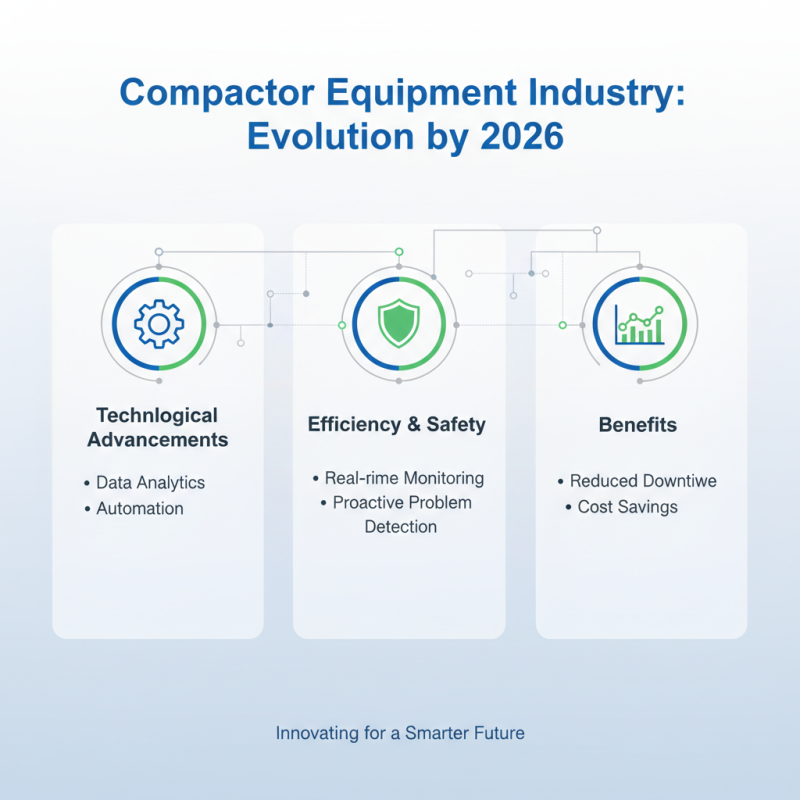
The compactor equipment industry is evolving rapidly. By 2026, we can expect significant advancements in technology. These changes will impact efficiency and safety. New tech will focus on data analytics and automation. Real-time monitoring will become standard. This allows users to track performance closely. Sensors will detect problems before they escalate. This proactive approach can save time and costs.
In addition to analytics, greener solutions are gaining traction. Electric compactors are becoming more common. They reduce emissions and noise pollution. This shift towards sustainability reflects broader industry trends. However, challenges remain. Transitioning to new technology can be complex. Operators may struggle to adapt to advanced systems. Training is essential to maximize efficiency. Upgrading may also come with higher initial costs, which can deter some users.
As we look ahead, safety innovations will play a key role. Enhanced visibility features are on the rise. Cameras and sensors can help prevent accidents. However, reliance on technology can lead to overconfidence. It’s crucial to maintain human oversight. Balancing technology and operator skills will be vital for success. This ongoing journey will shape how compactors function in 2026 and beyond.
Sustainability Trends Influencing the Compactor Equipment Industry
Sustainability is reshaping the compactor equipment industry. According to a recent market report, approximately 70% of companies are prioritizing eco-friendly practices. This push aligns with global recycling goals. Compacting waste reduces landfill use and minimizes environmental impact.
Innovations in materials are crucial. Many manufacturers are now using recycled steel for compactor frames. This change lowers carbon footprints significantly. However, not all companies are adapting quickly enough. Some still rely on outdated processes, which can hinder sustainability efforts.
Energy-efficient models are gaining traction. Reports indicate a 40% rise in demand for machines that consume less energy. These models can lead to decreased operational costs over time. Yet, challenges remain. Many organizations struggle to invest in the latest technologies. Transitioning to sustainable practices requires a balanced approach. The industry must find ways to evolve while meeting immediate operational needs.
Impact of Automation and IoT on Compactor Equipment Efficiency
The role of automation and IoT in compactor equipment is intriguing but complex. These technologies enhance efficiency in waste management. With sensors and smart technology, compactors can streamline operations. They monitor waste levels and adjust cycles accordingly. This results in optimized collection and reduced energy use.
However, the reliance on technology brings challenges. Systems can fail, leading to unexpected downtime. Not all equipment is equipped with advanced features, creating a gap in efficiency. Moreover, training staff to handle automated systems is essential but often overlooked. Some contribute to misunderstanding, which hinders performance.
Despite the hurdles, the combination of automation and IoT is promising. These innovations can reduce operational costs and environmental impacts. However, businesses must balance technology integration with traditional methods for best results. There's much potential, but the path requires careful navigation and ongoing assessment.
2026 Top Compactor Equipment Trends
| Trend |
Description |
Impact on Efficiency |
Projected Growth (%) |
| Automation |
Increased use of automated systems for material handling and compaction. |
Improves speed and reduces manual labor costs. |
15% |
| IoT Integration |
Utilization of IoT devices for real-time tracking and monitoring of compaction performance. |
Enhances data collection leading to informed decision-making. |
20% |
| Energy Efficiency |
Focus on producing energy-efficient compactors to reduce operational costs. |
Lower energy consumption directly translates to cost savings. |
10% |
| Smart Sensors |
Implementation of smart sensors to optimize compaction cycles. |
Reduces wear and tear by adjusting to material density. |
18% |
| Data Analytics |
Utilizing data analytics for predictive maintenance of compactor equipment. |
Prevents downtime by addressing issues before they lead to failure. |
25% |
Regional Market Analysis: Leading Countries in Compactor Equipment Sales
The compactor equipment market is evolving rapidly. Different regions showcase varying trends in demand and usage. Countries like the US, Germany, and China lead in compactor equipment sales. These nations invest heavily in construction and infrastructure projects. The growth in urbanization boosts the need for efficient waste management systems.
In North America, compactors are essential for construction sites. The trend is towards fuel-efficient models that reduce emissions. Meanwhile, Europe has a strong focus on sustainable practices. This region prefers electric compactors to minimize environmental impact. Asian markets are also seeing a rise in compactors, primarily due to urban development and population growth.
Tips: When choosing compactor equipment, consider your specific needs. Evaluate whether electric or diesel models fit your operations best. Also, check local regulations that might influence your purchase decisions. It’s important to analyze regional trends. Stay updated on innovations in technology and efficiency. Implementing modern solutions can save costs long-term.

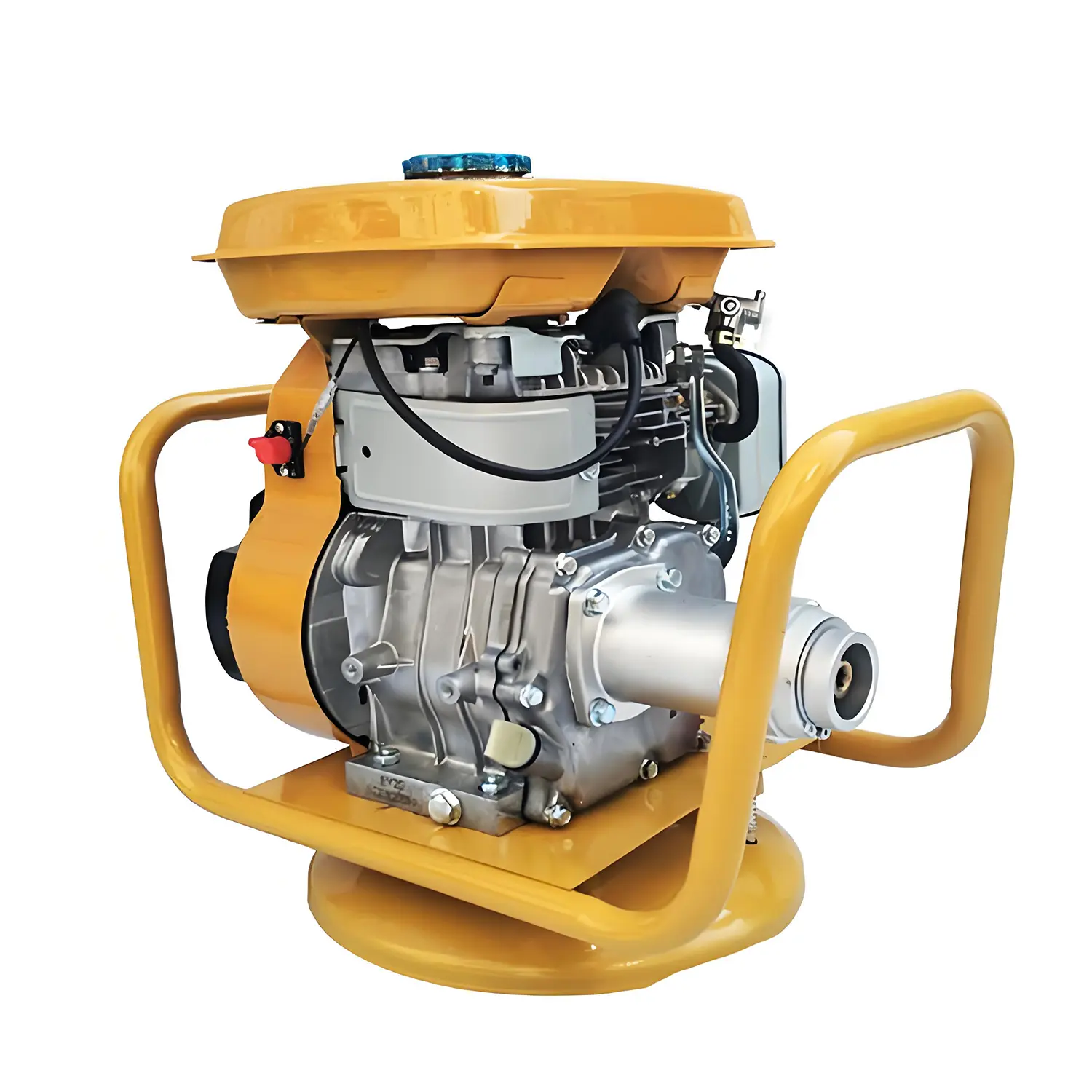 Internal Vibrator
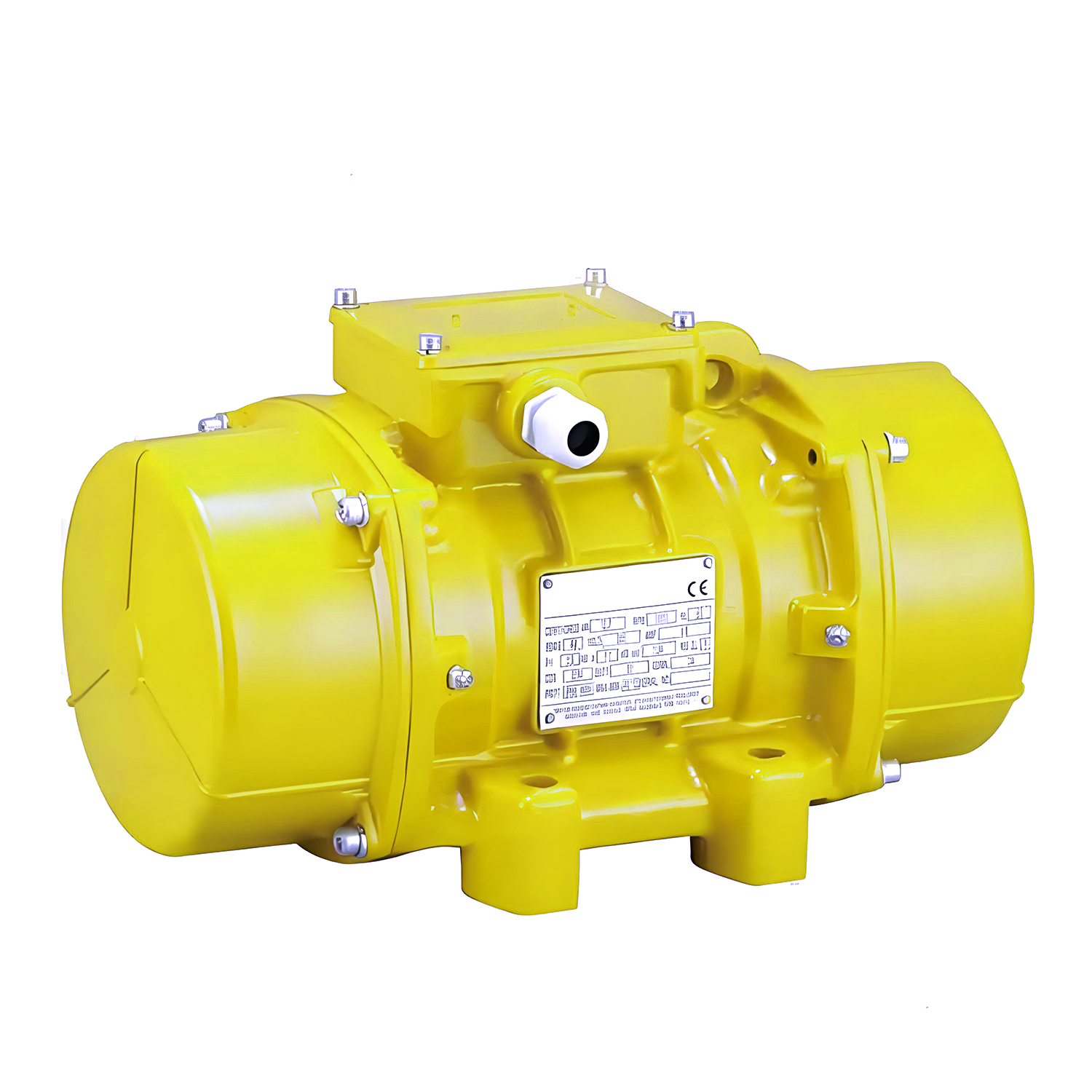 External Vibrator
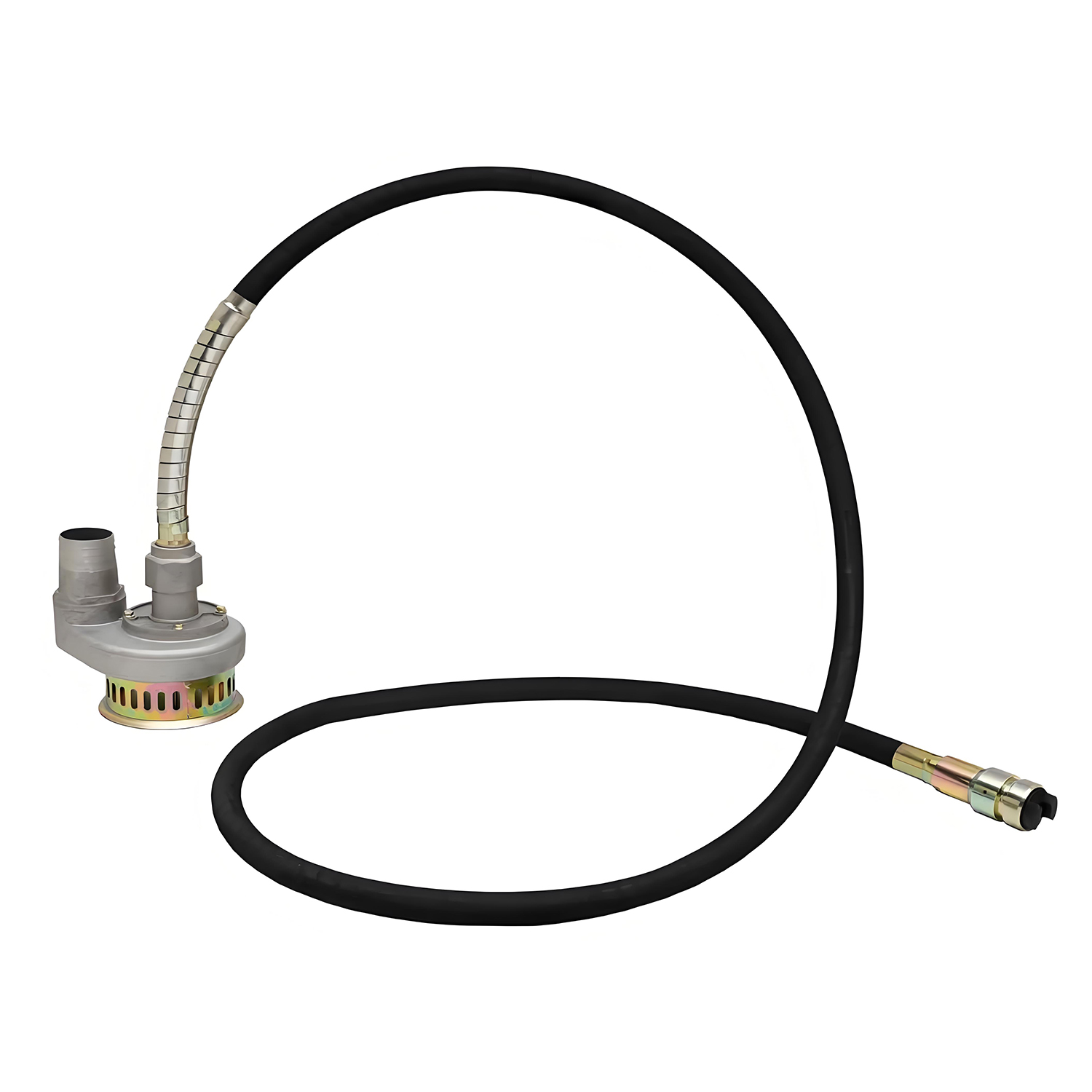 Submersible Pump
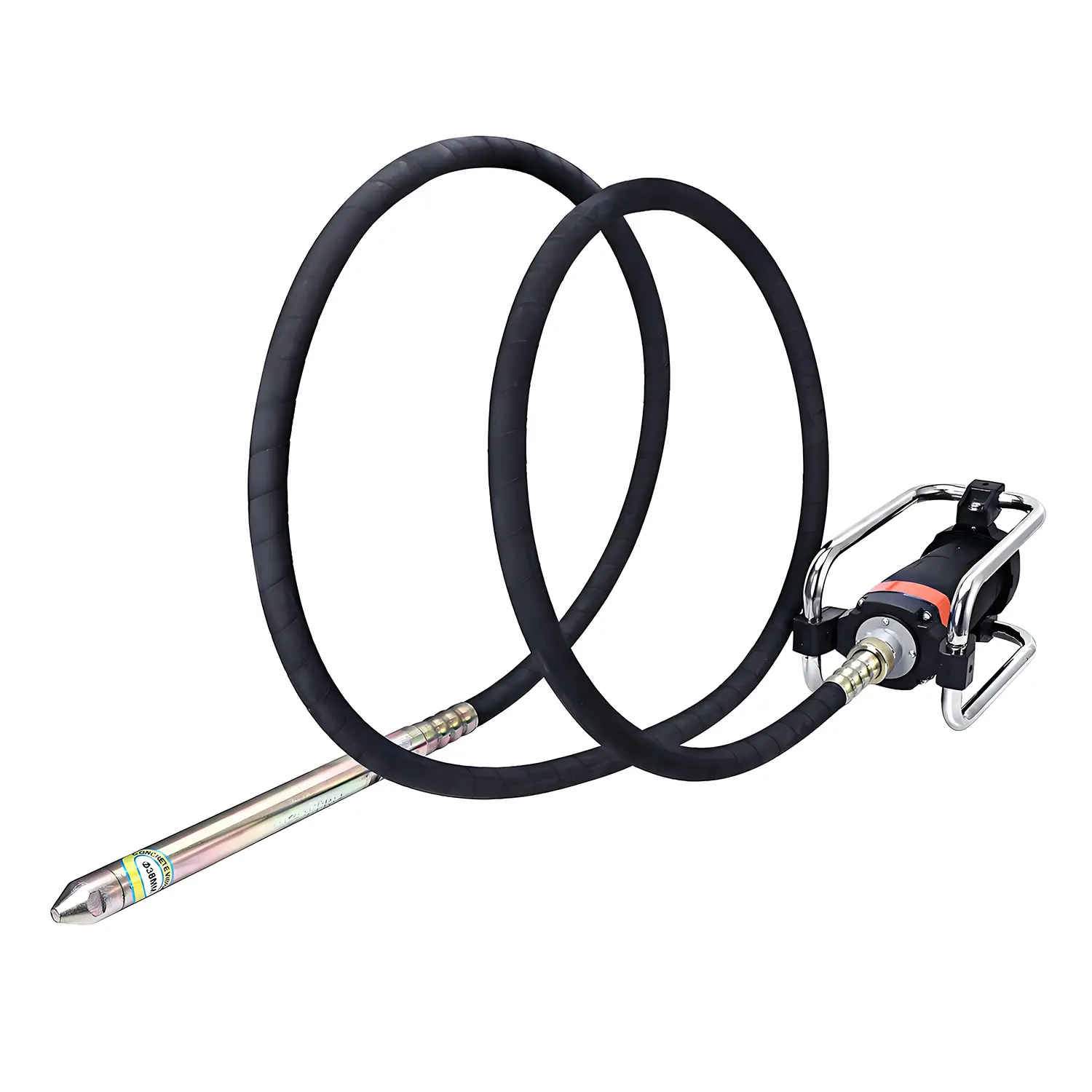 Eccentric shaft
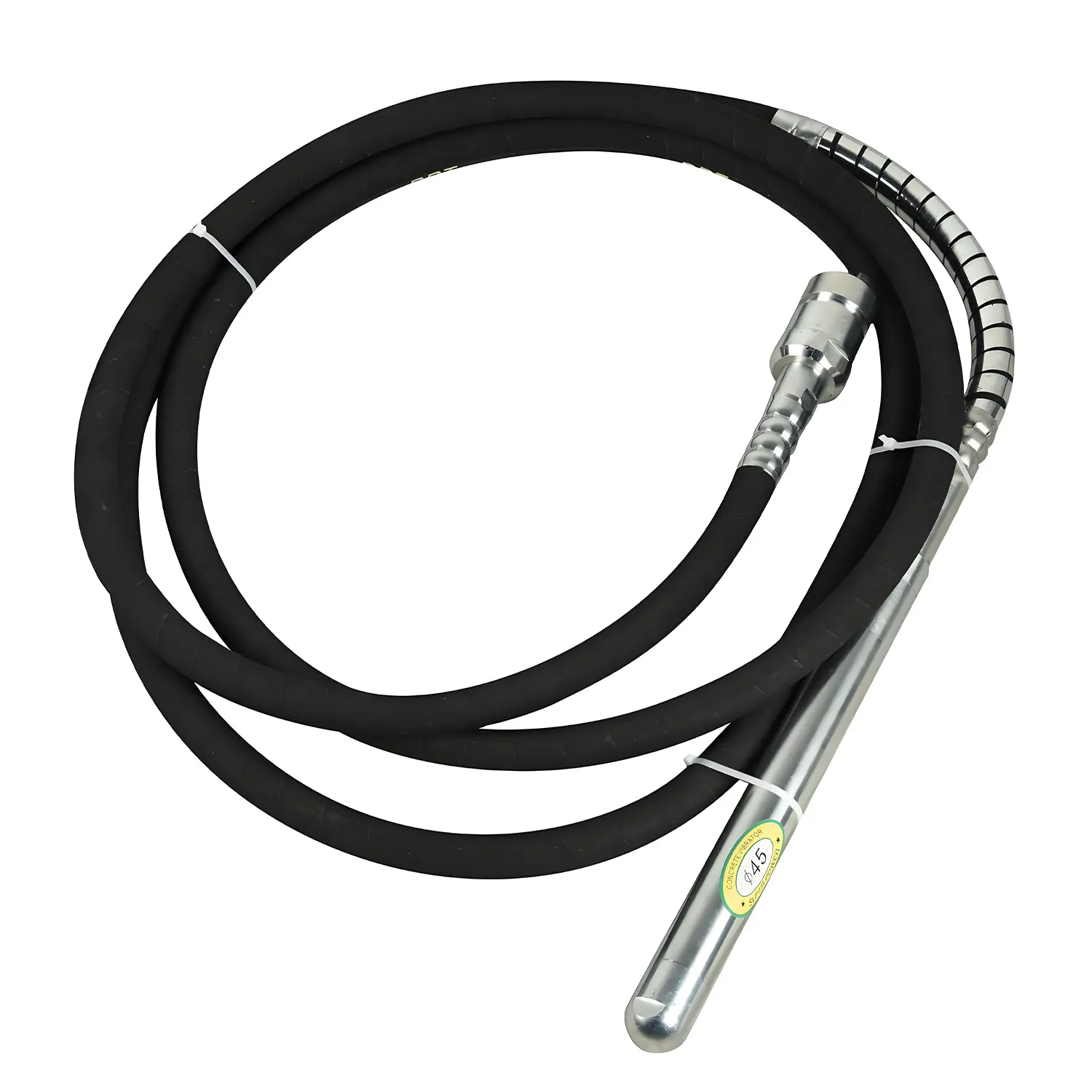 Pendulum shaft
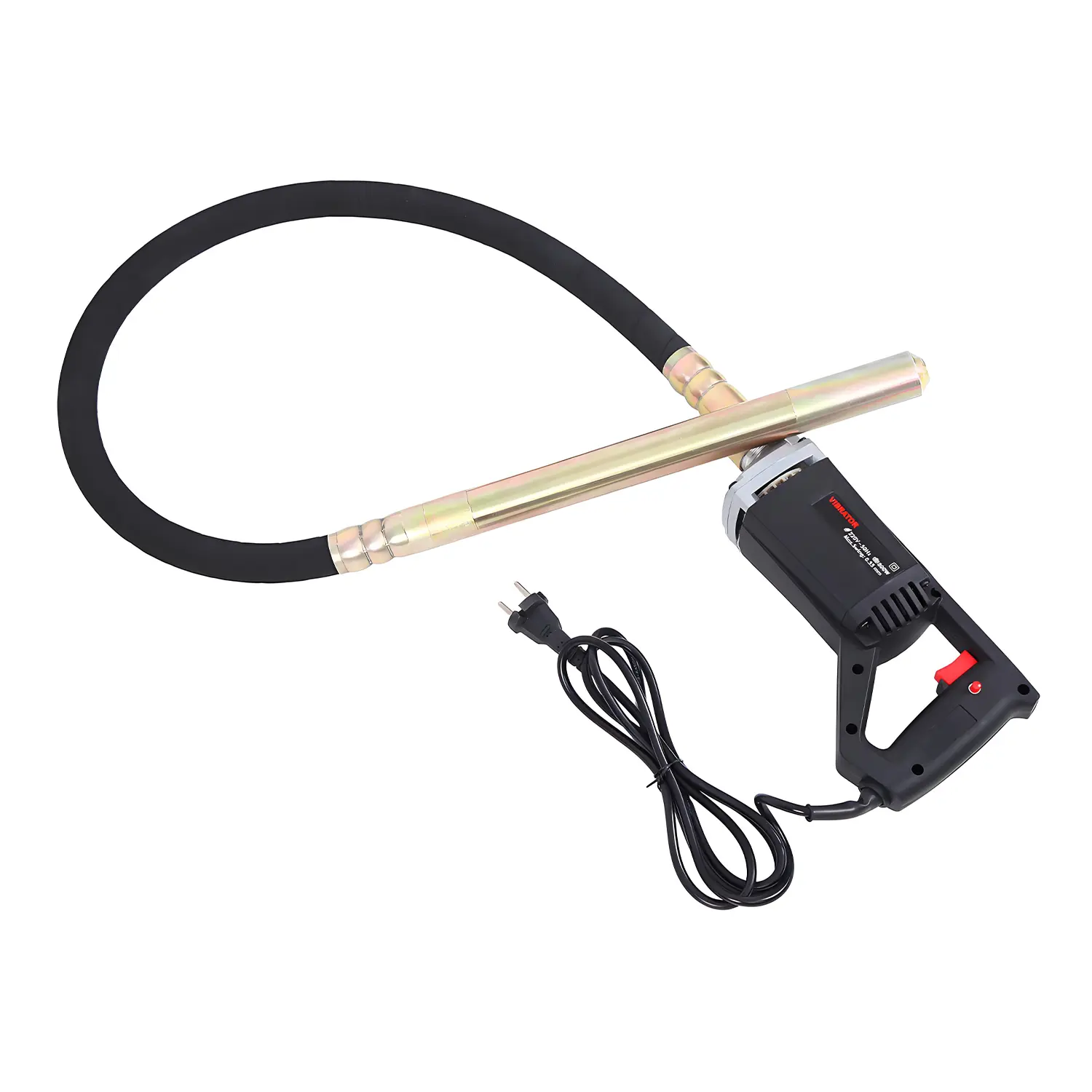 Portable vbrator shaft
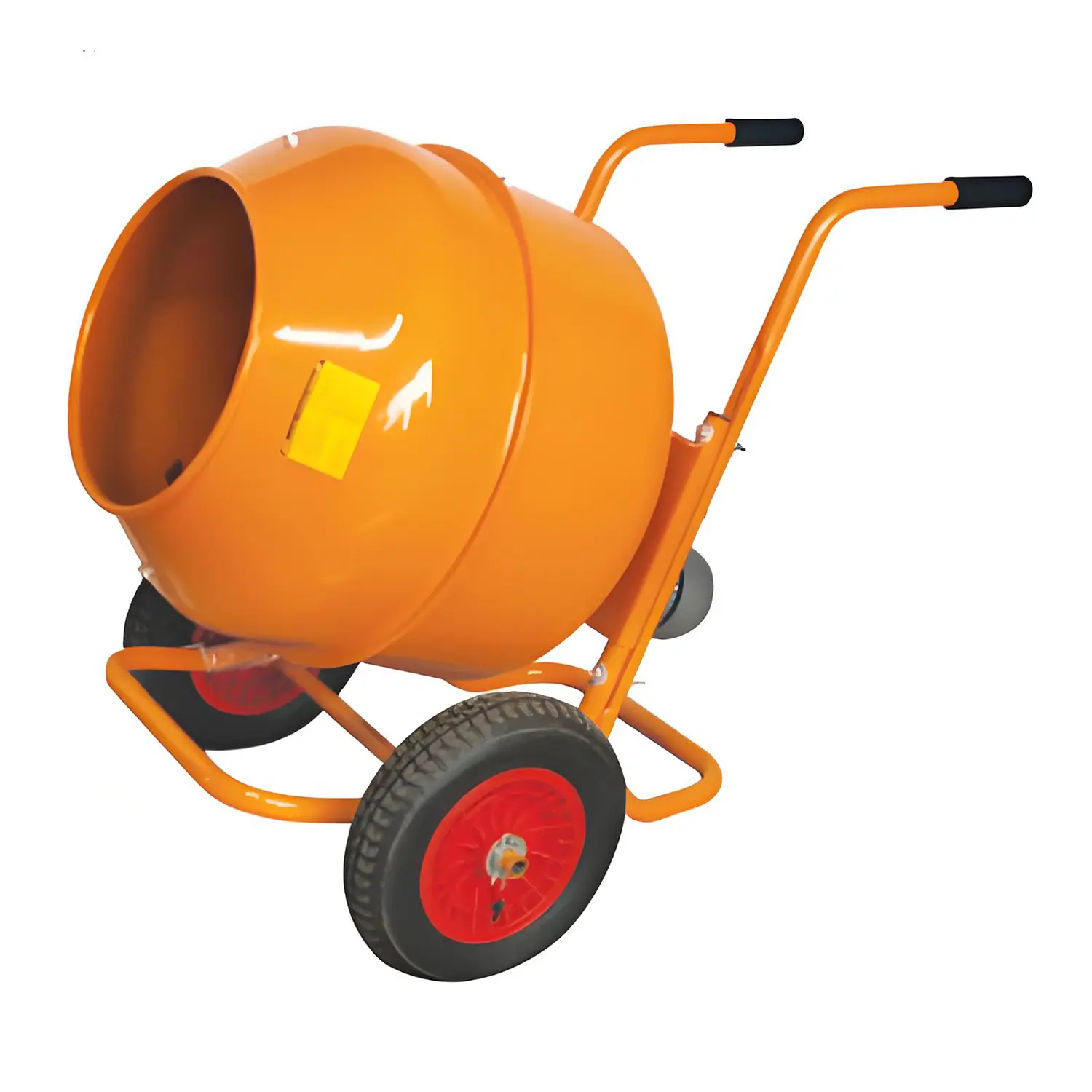 Portable concrete mixer
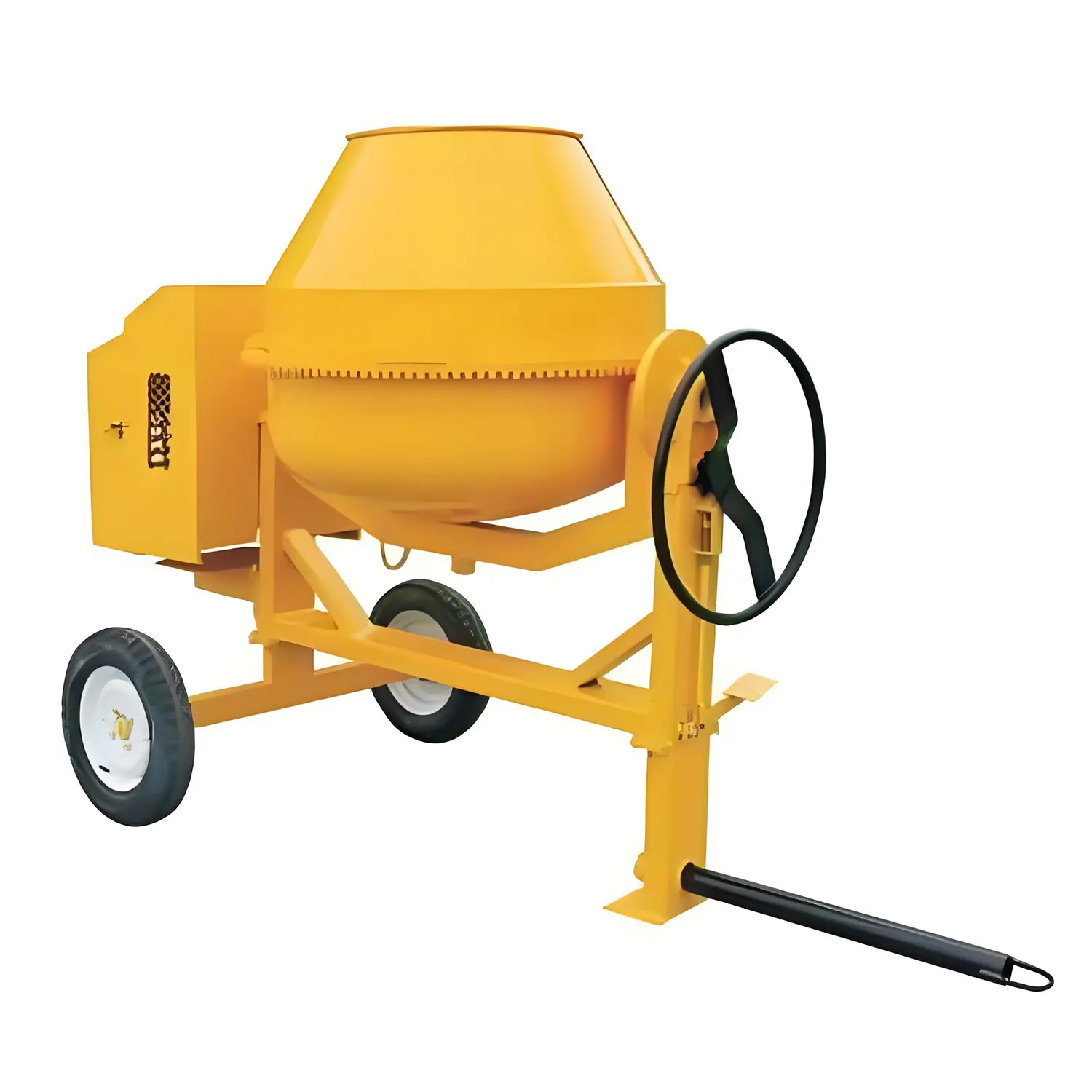 Vertical concrete mixer
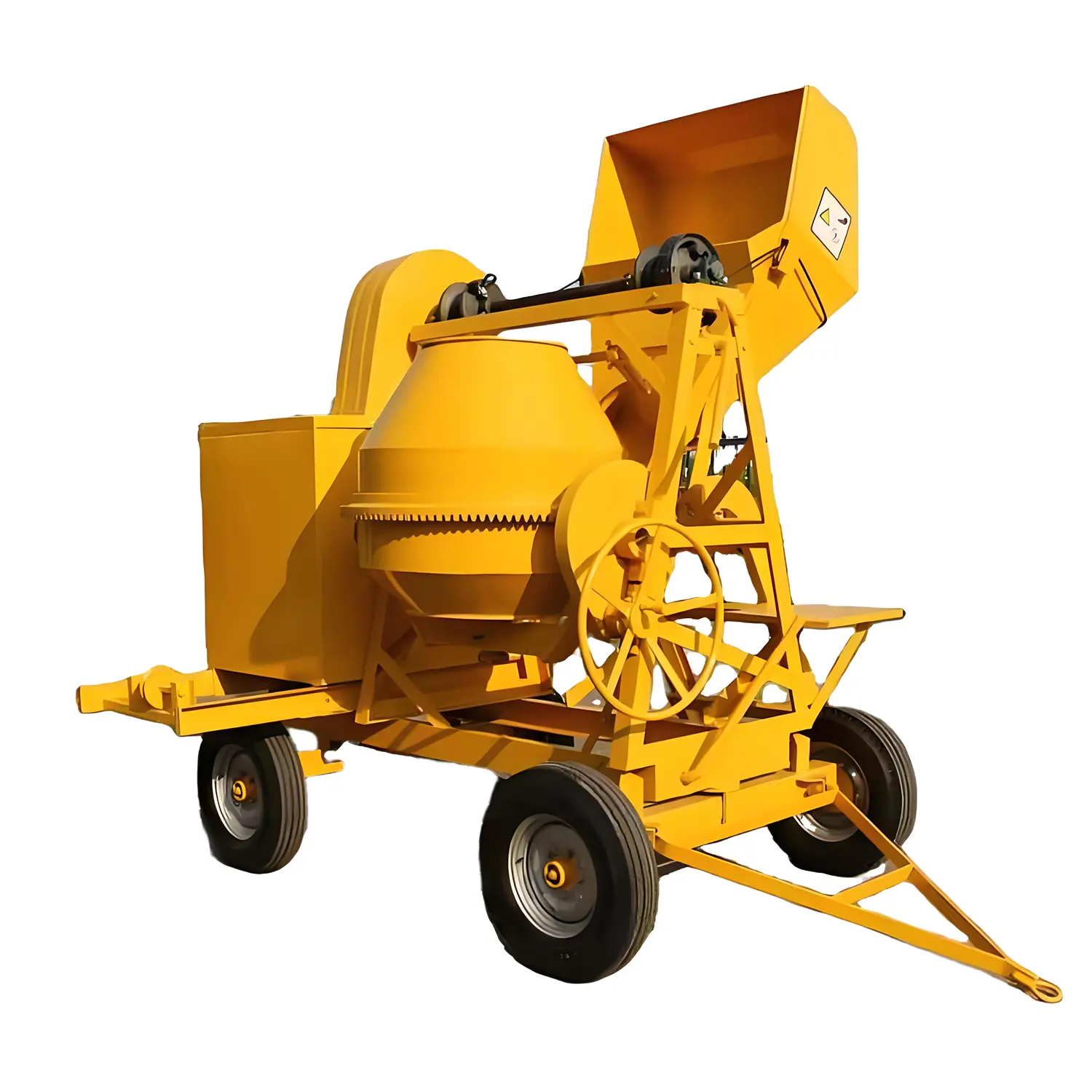 Hydraulic concrete mixer
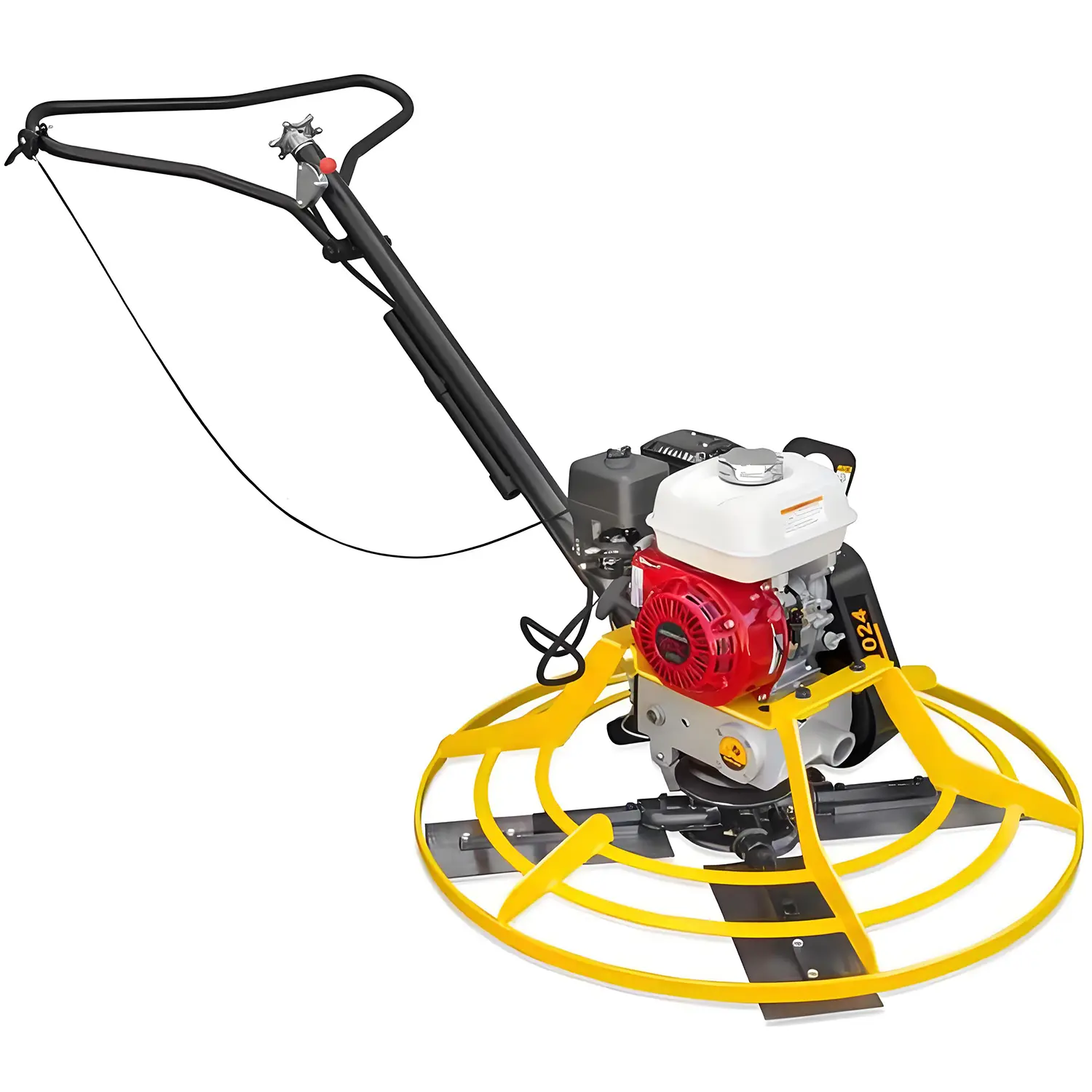 Walk behind power trowel
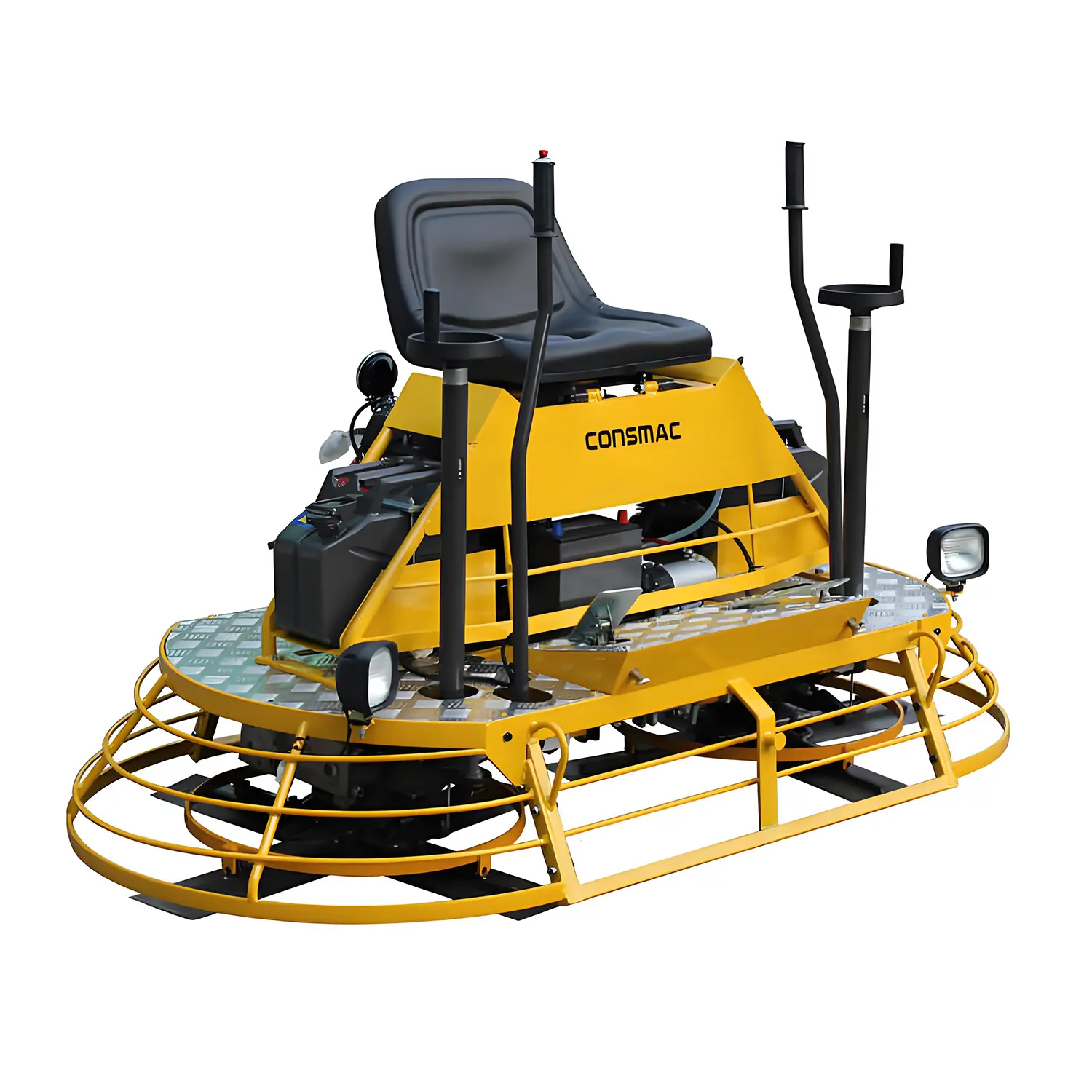 Ride on power trowel
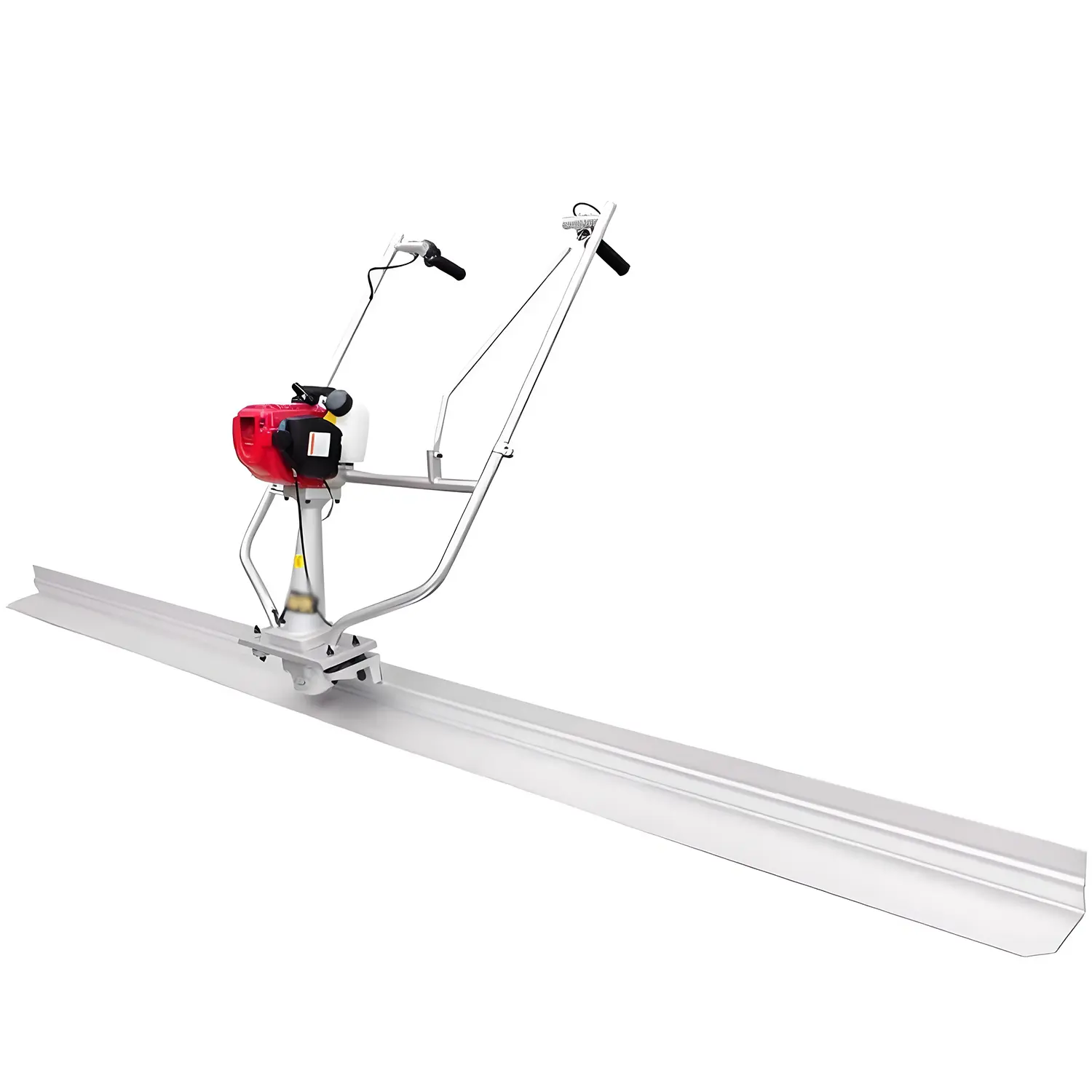 Concrete screed
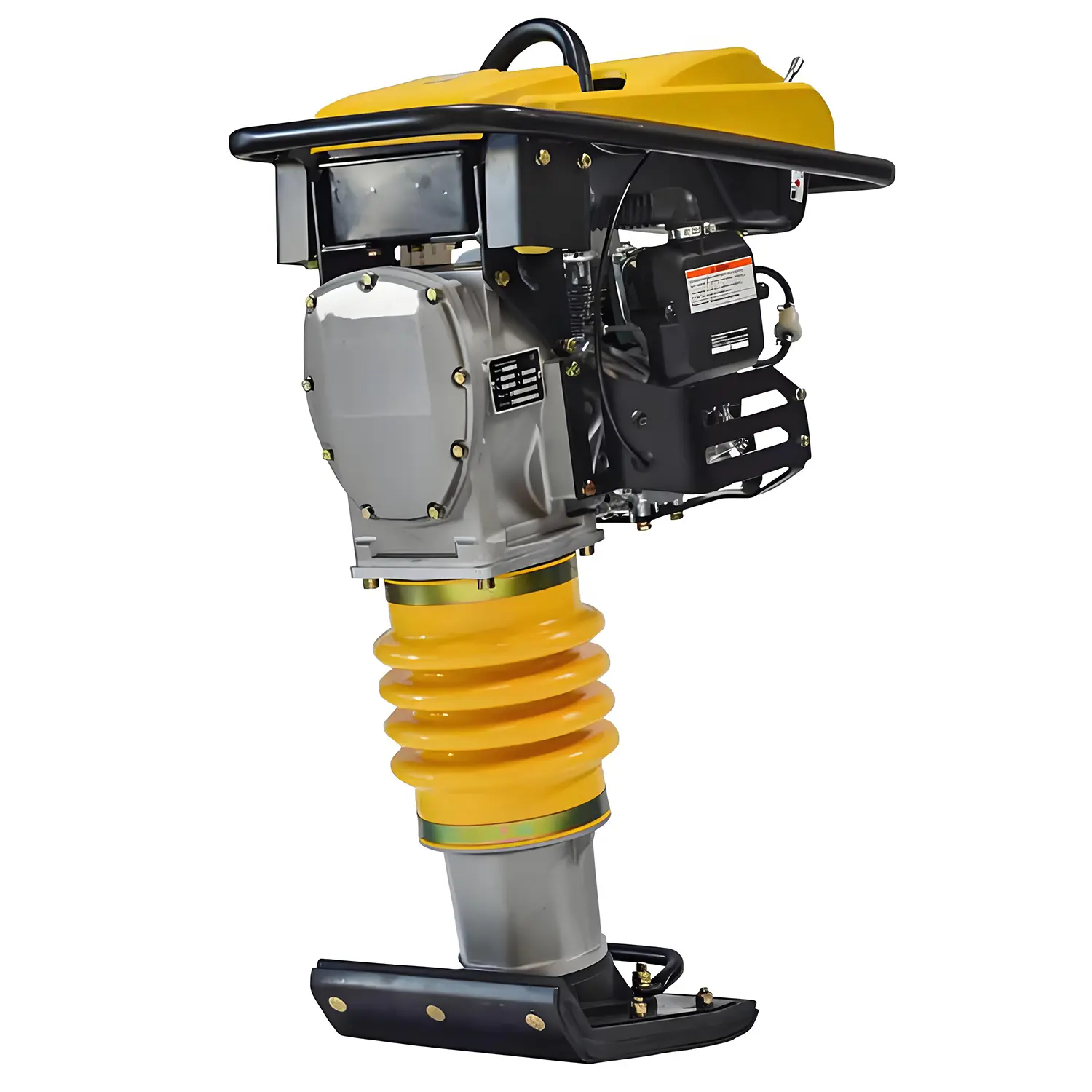 Tamping rammer
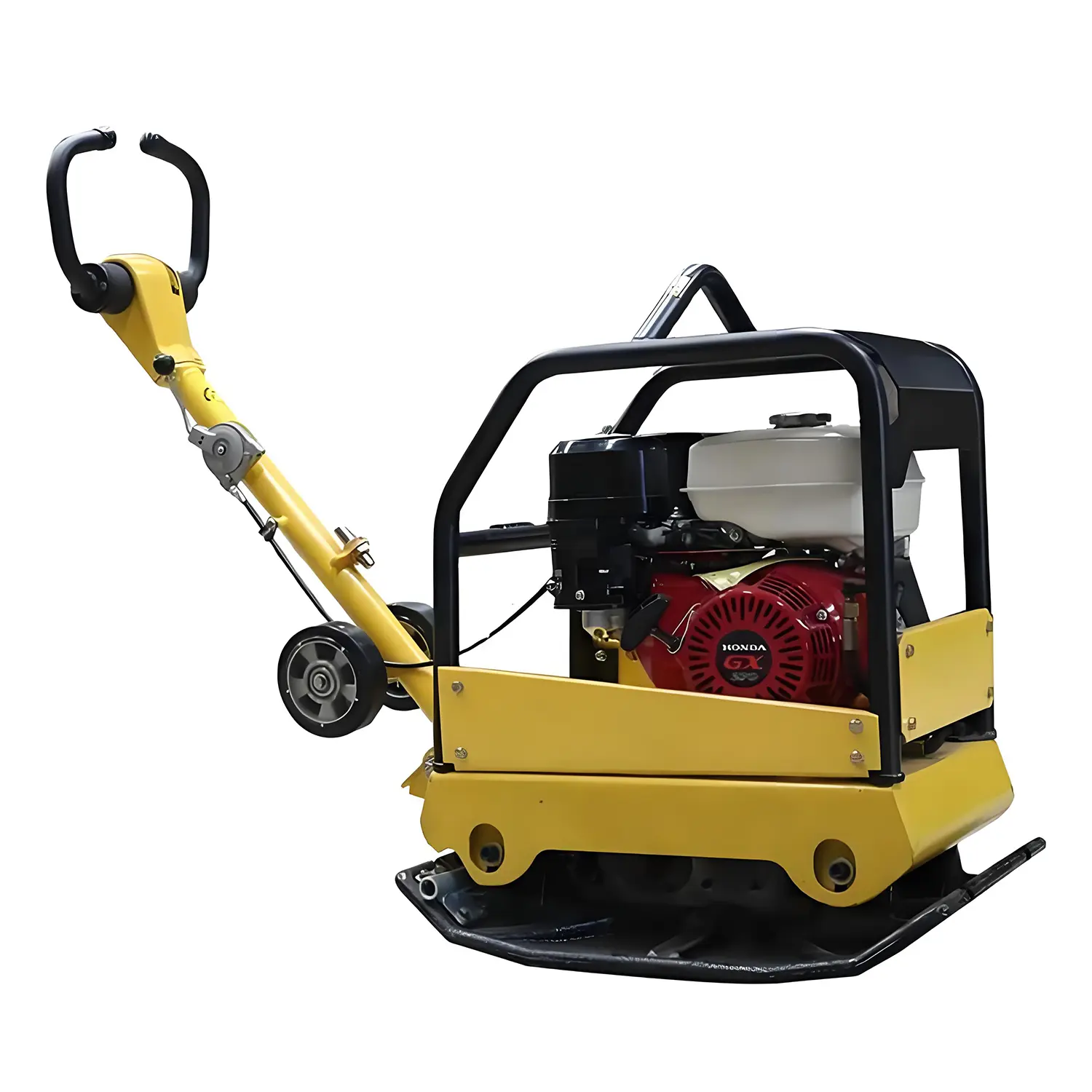 Plate compactor
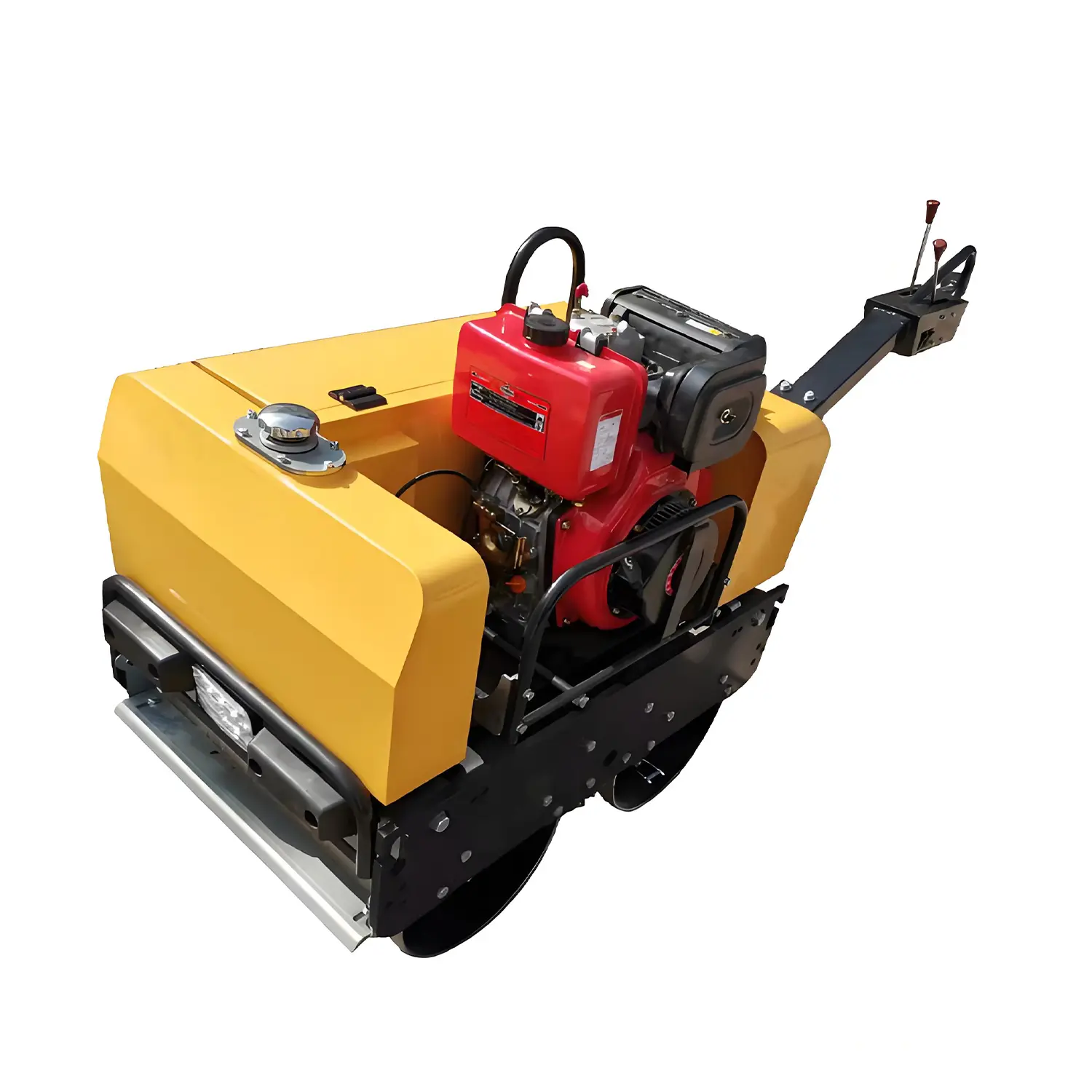 Vibratory roller