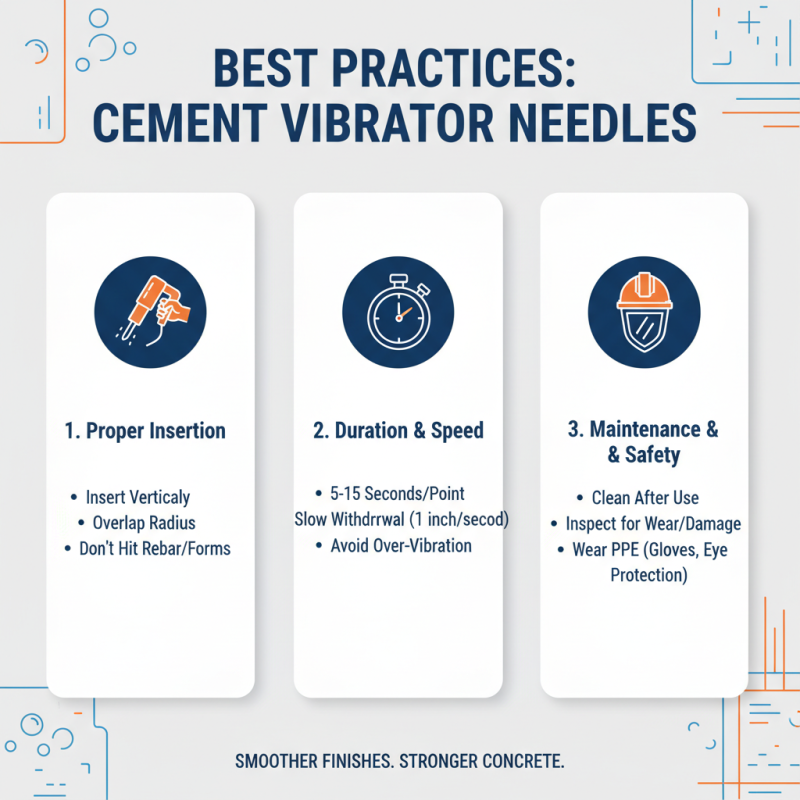
2026 Top Cement Vibrator Needle Features and Innovations to Know?
In the evolving construction industry, the innovation of Cement Vibrator Needles plays a crucial role. These tools enhance the efficiency and quality of concrete compaction, essential for durable structures. A recent market research report indicates a projected growth rate of 5.5% annually for construction equipment, highlighting the increasing demand for advanced solutions.
The 2026 Canton Fair showcases the latest in manufacturing and construction technology, from April 15 to May 5. Emphasizing new manufacturing tactics, the event integrates AI tools to improve supplier selection. These technological advancements also influence Cement Vibrator Needle designs, leading to improvements in material and efficiency. Suppliers at the fair are expected to feature products that meet critical certifications like ISO and CE.
Despite these advancements, challenges remain. Some technologies may not fully meet the evolving needs of construction sites. There is an ongoing debate within the industry regarding the best practices for using Cement Vibrator Needles effectively. As construction projects grow in complexity, the demand for innovative tools continues to rise. The importance of adapting to these changes cannot be understated.

Overview of Cement Vibrator Needles: Types and Uses
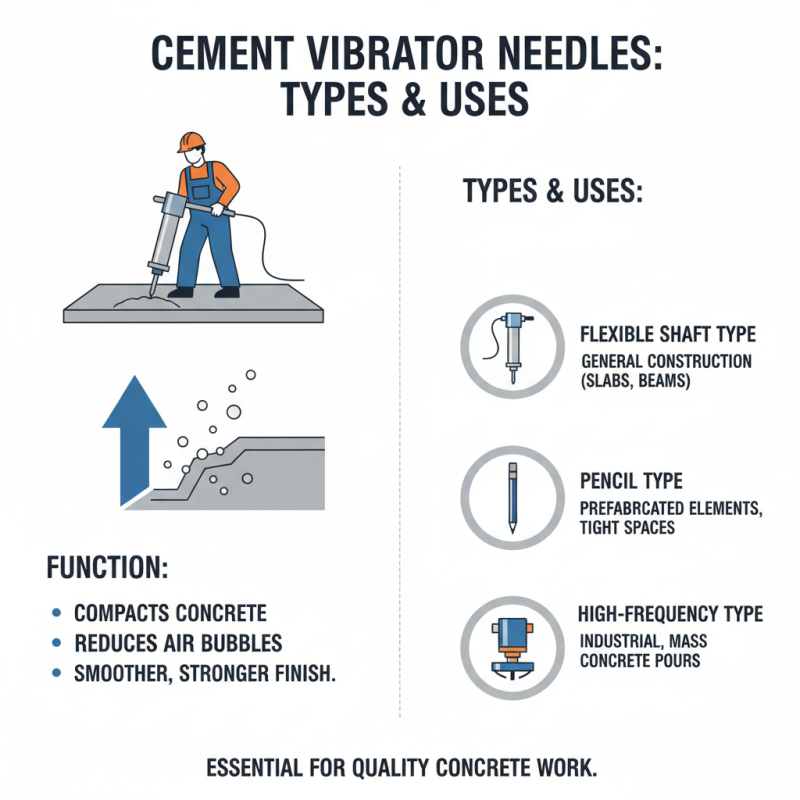
Cement vibrator needles are essential tools in construction. They are used for compacting concrete. This process ensures fewer air bubbles and a smoother finish. There are different types of needles. Each one serves a unique purpose based on the job requirements.
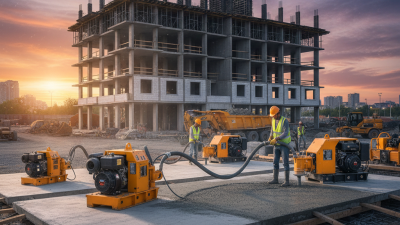
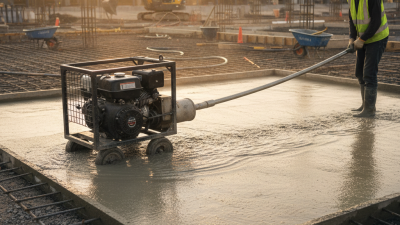
The most common types include needle vibrators, external vibrators, and internal vibrators. Needle vibrators are ideal for small areas. They are lightweight and easy to handle. External vibrators connect to the outside of forms, while internal vibrators are submerged directly into the concrete mix. Each has its own strengths and weaknesses. Choosing the right type needs careful consideration of the job at hand.
In recent years, innovations in design and technology have improved efficiency. Some needles now come with adjustable vibration frequencies. This allows workers to adapt to various conditions, wet or dry. However, some users still struggle to maximize these features. It can take time to learn the best techniques. Proper training is essential for optimal performance. Understanding these tools helps in achieving better concrete results.
Key Features of 2026 Cement Vibrator Needles: What to Look For
When selecting a cement vibrator needle, it's essential to focus on key features that enhance performance. One critical aspect is vibration frequency. According to industry reports, the optimal frequency ranges from 10,000 to 14,000 vibrations per minute. This range ensures efficient consolidation of concrete, reducing air pockets and ensuring a smooth finish.
Another important feature is the needle diameter. Most professionals recommend a diameter between 1 inch and 2 inches. This size allows for better penetration in various concrete mixes. Larger needles may cause segregation, while smaller needles can be ineffective in dense mixes.
Durability is also a significant consideration. The materials used should resist wear from abrasive concrete mixtures. Research suggests that high-quality steel significantly reduces replacement costs and downtime. Many operators overlook this aspect, leading to frequent repairs and increased maintenance costs.
Ease of operation is crucial too. Ergonomic designs can minimize user fatigue. Long operation hours require tools that reduce strain. Many needles now come with flexible shafts, allowing for better maneuverability. However, some designs may compromise on strength, so it's essential to find a balance.
Innovations in Cement Vibrator Needle Technology for Enhanced Performance
The cement vibrator needle has evolved significantly in recent years. Engineers prioritize increased efficiency and performance in construction. New designs feature improved vibration frequencies. These advancements lead to better consolidation of concrete. As a result, the end product is stronger and more durable.
The integration of smart technology is another significant innovation. Many needles now come with sensors that monitor performance in real-time. Users can track the vibration intensity and adjust accordingly. This immediacy helps avoid common issues like air pockets in concrete. However, relying solely on technology can sometimes overlook human judgment.
Lightweight materials are also gaining popularity in needle design. They make handling easier and reduce operator fatigue. Yet, achieving a balance between weight and durability remains challenging. Innovations continue to emerge, but some may compromise strength for ease of use. These trade-offs warrant thoughtful consideration from users.
2026 Top Cement Vibrator Needle Features and Innovations to Know
| Feature |
Description |
Innovation Type |
Benefits |
| High Frequency Vibration |
Increases consolidation efficiency within the cement mix. |
Performance Improvement |
Reduces air pockets and enhances strength of finished product. |
| Variable Speed Control |
Allows users to adjust vibration intensity based on the application. |
User Customization |
Enhances operator control and prevents over-vibration. |
| Compact Design |
Reduced size for better handling and maneuverability. |
Portability |
Facilitates use in confined spaces and various job sites. |
| Energy Efficiency |
Designed to consume less power without sacrificing performance. |
Sustainability |
Lowers operating costs and reduces environmental impact. |
| Noise Reduction Technology |
Minimizes operational noise during use. |
User Comfort |
Improves working conditions for users. |
Comparative Analysis of Leading Brands: 2026 Cement Vibrator Needle Models
When evaluating the latest models of cement vibrator needles, several key features stand out. These devices are designed to enhance concrete placement efficiency. Many new models offer improved vibration frequency and amplitude control. This leads to better consolidation of concrete. Users may notice less segregation and air entrapment in the finished product. However, the effectiveness can vary significantly between brands.
In comparing leading products, consider aspects like weight, durability, and ease of use. Some models are lighter, making them easier to maneuver on job sites. Other versions boast sturdier materials, which may increase their lifespan. Operating noise levels can also differ. Quieter machines can reduce worker fatigue. Yet, some high-performance models generate more sound, potentially leading to discomfort.
While innovation is evident, user reviews indicate mixed feelings. Some operators praise the efficiency of newer models. However, others report issues with maintenance and repair. These challenges can affect productivity. It’s essential to research thoroughly before making an investment. By prioritizing specific needs, users can choose a cement vibrator needle that truly meets their requirements.

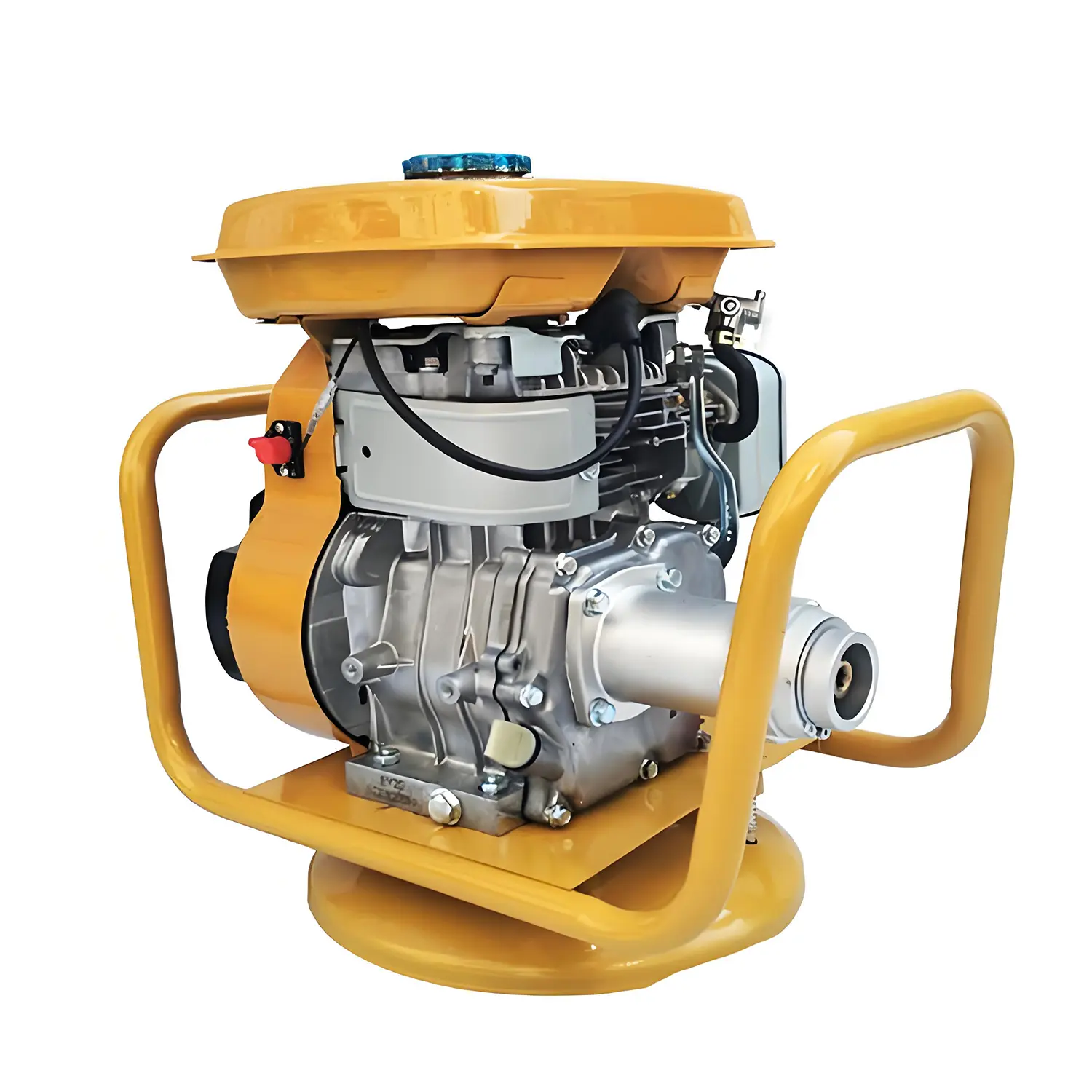 Internal Vibrator
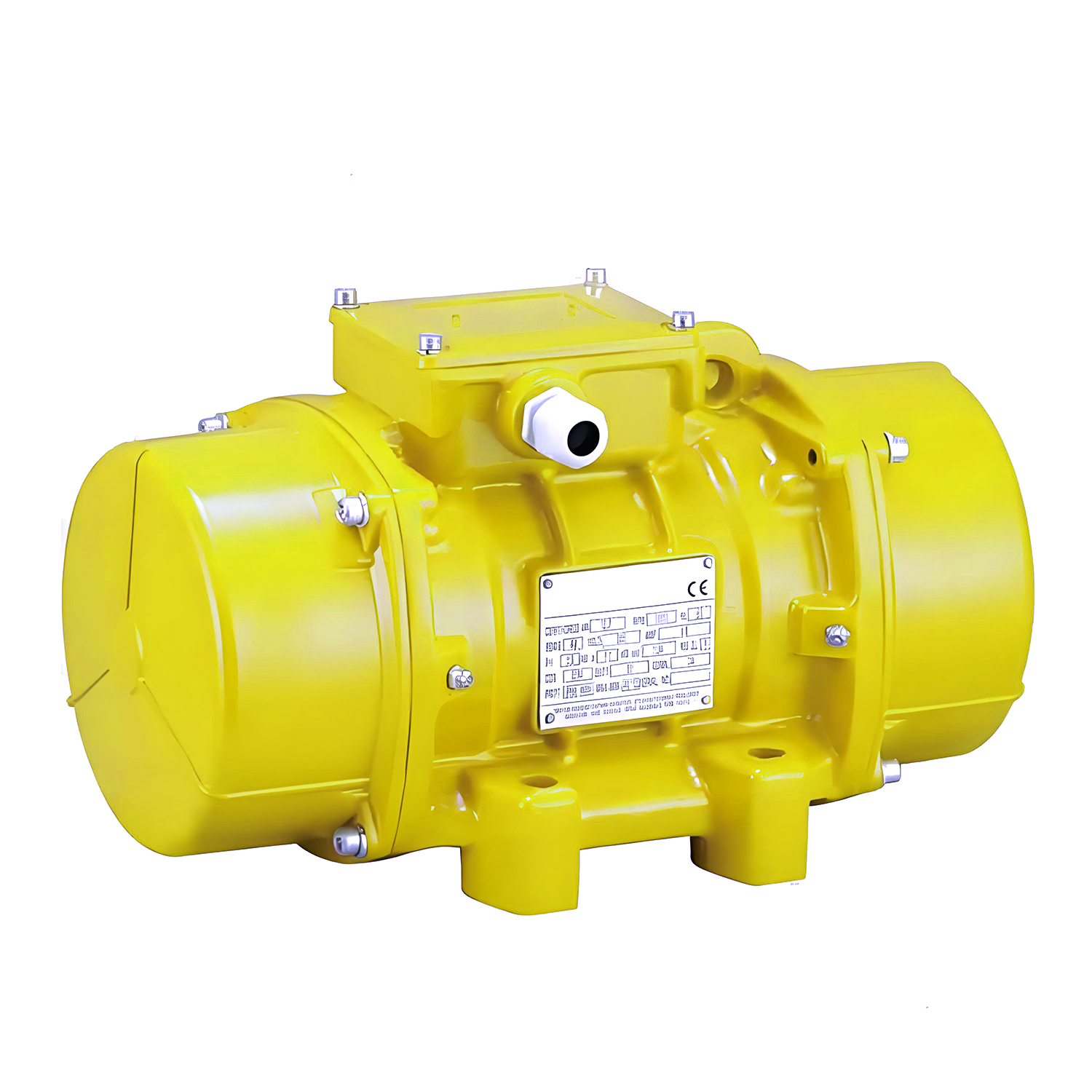 External Vibrator
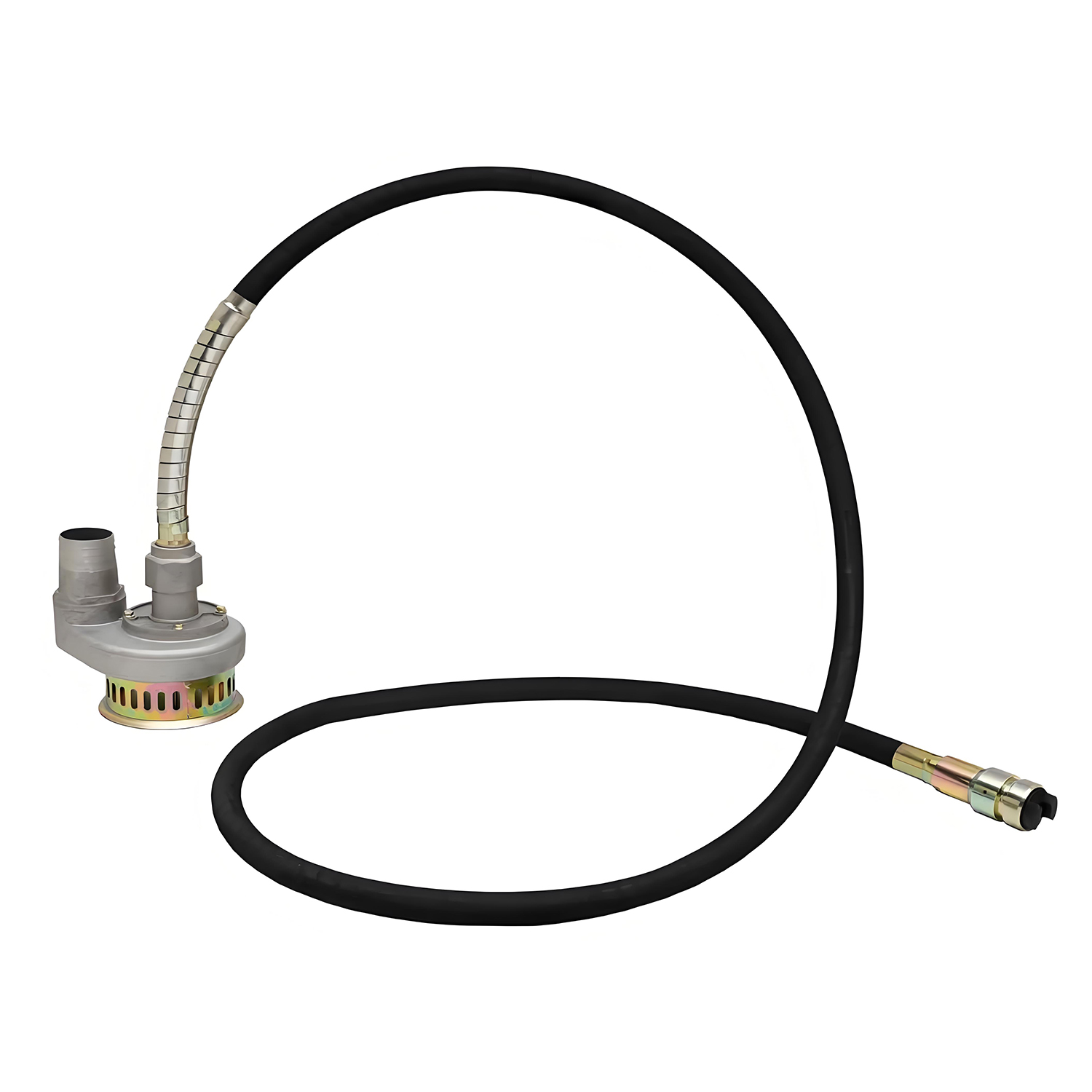 Submersible Pump
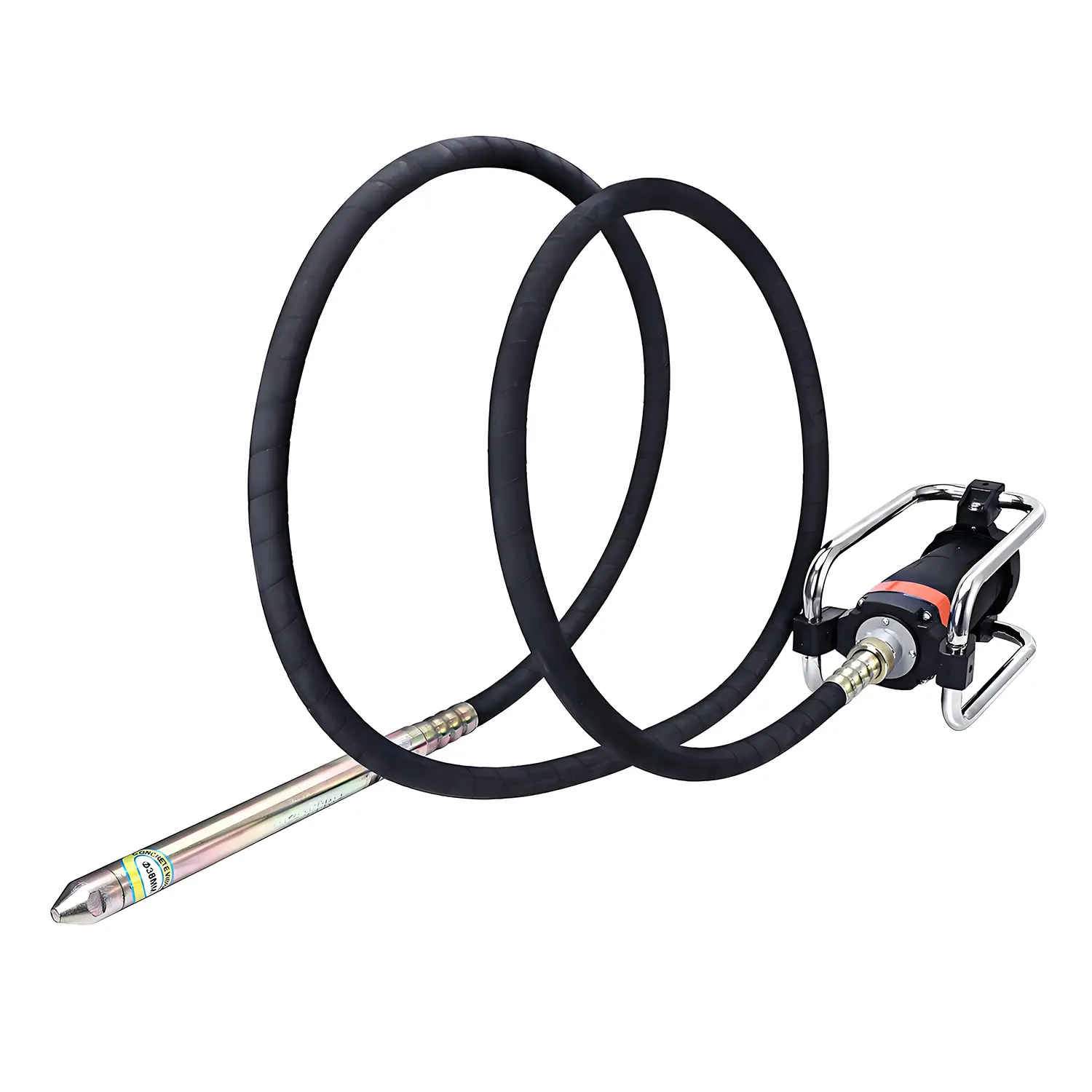 Eccentric shaft
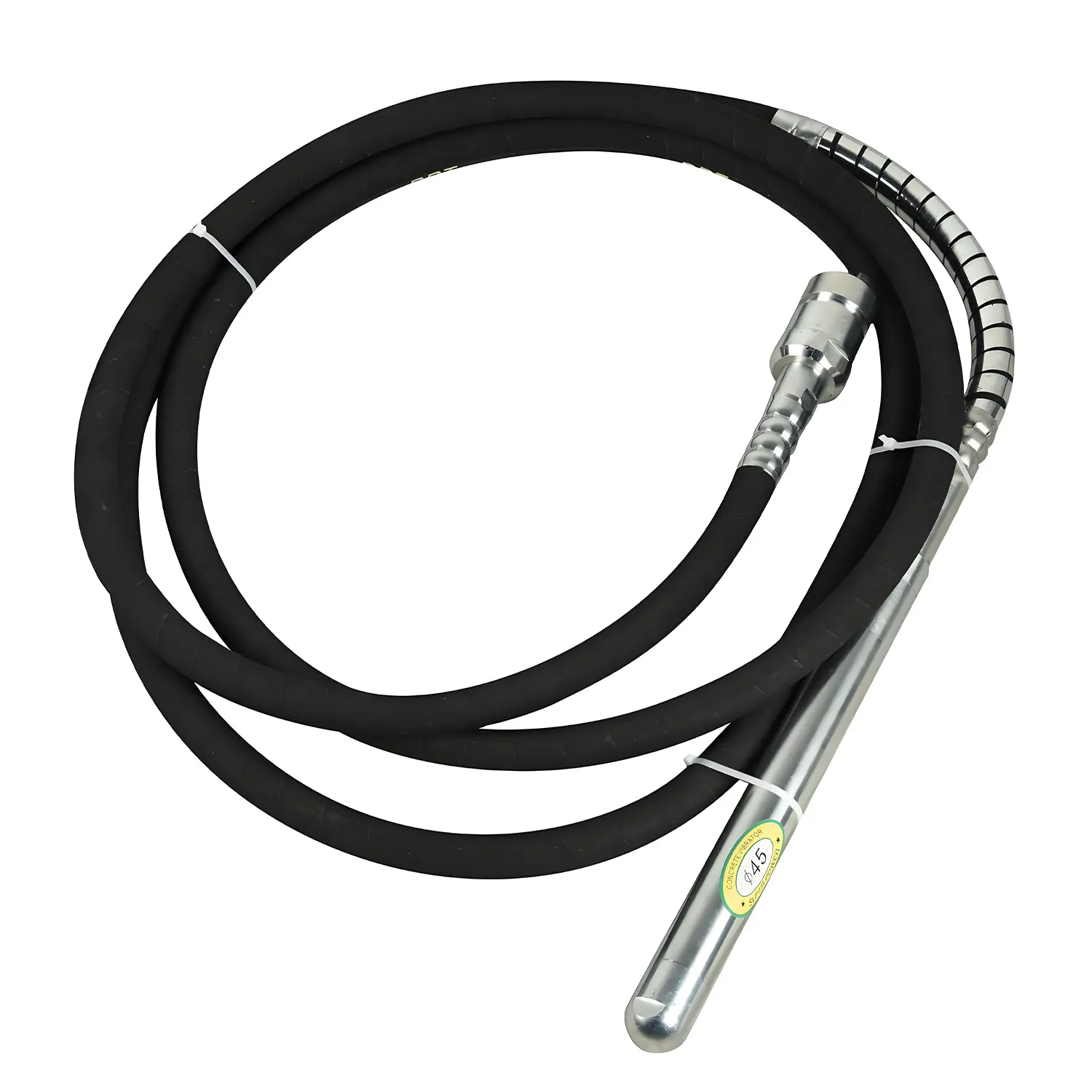 Pendulum shaft
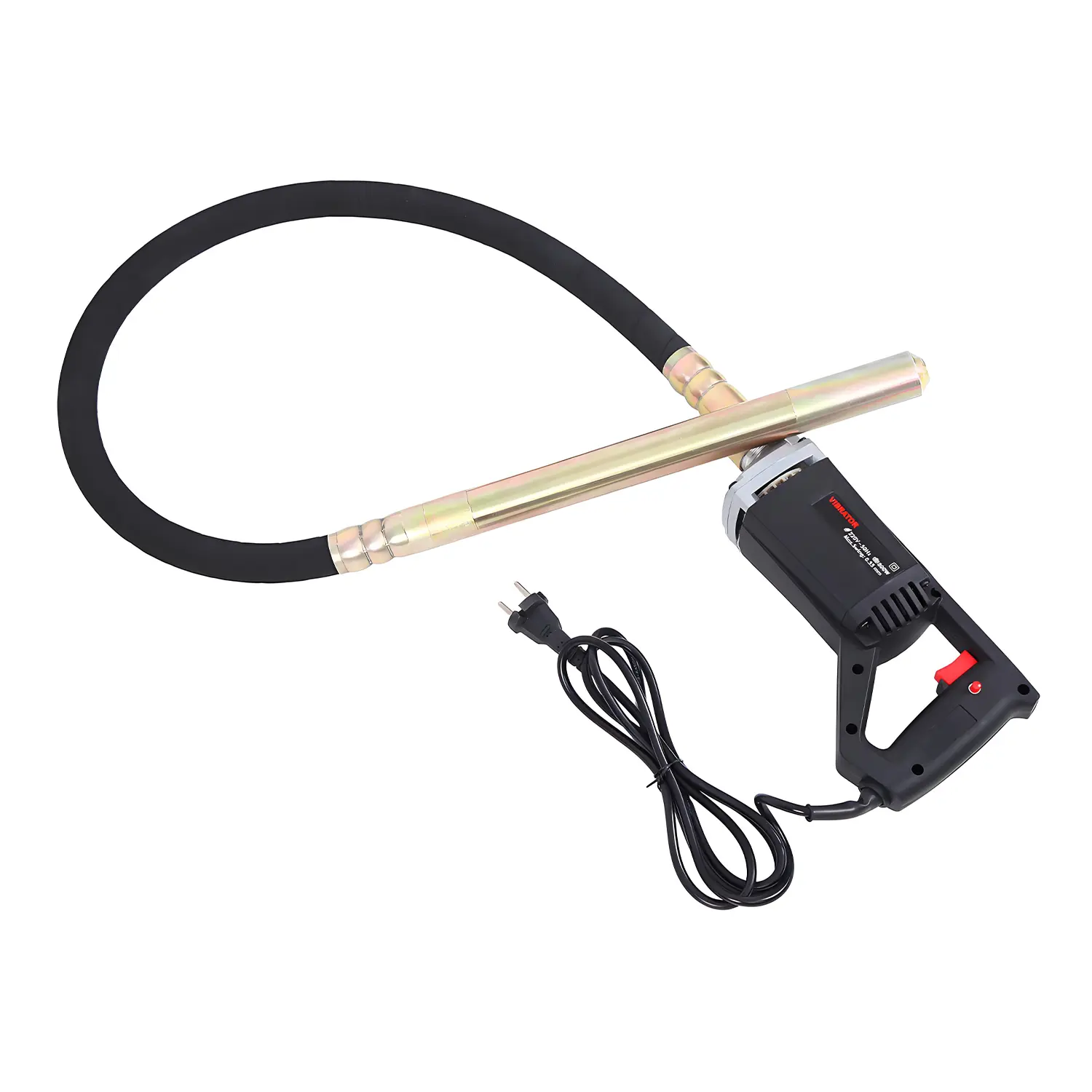 Portable vbrator shaft
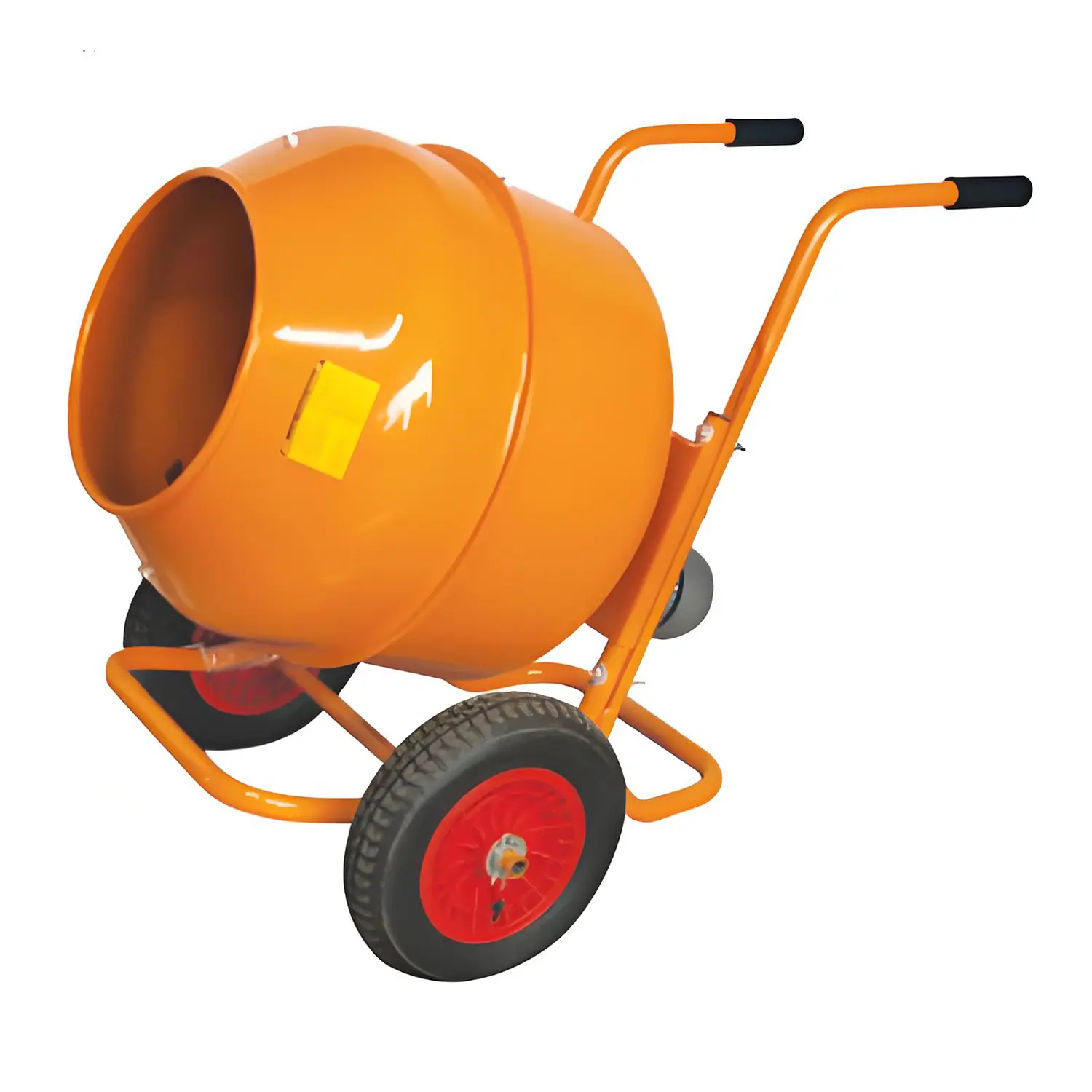 Portable concrete mixer
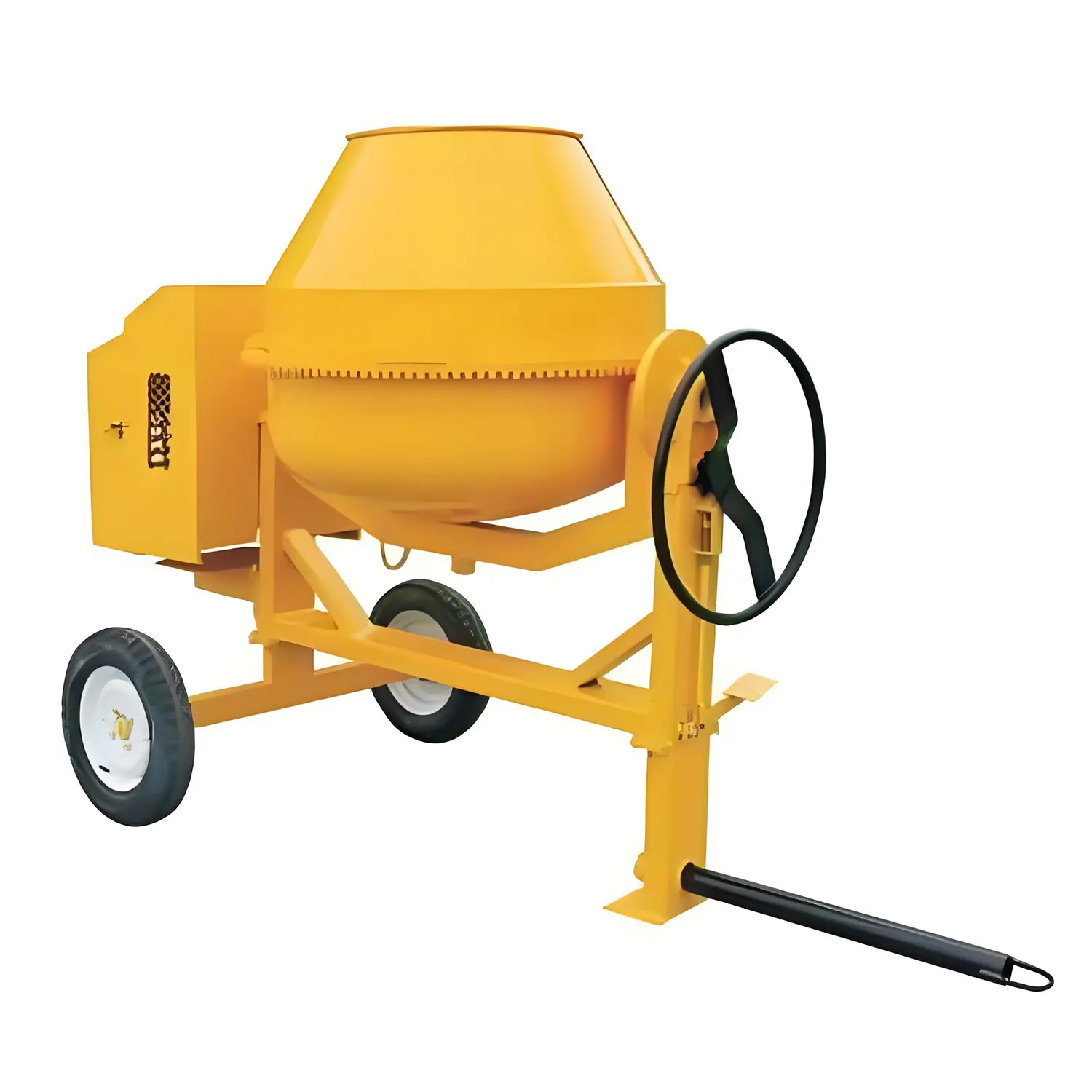 Vertical concrete mixer
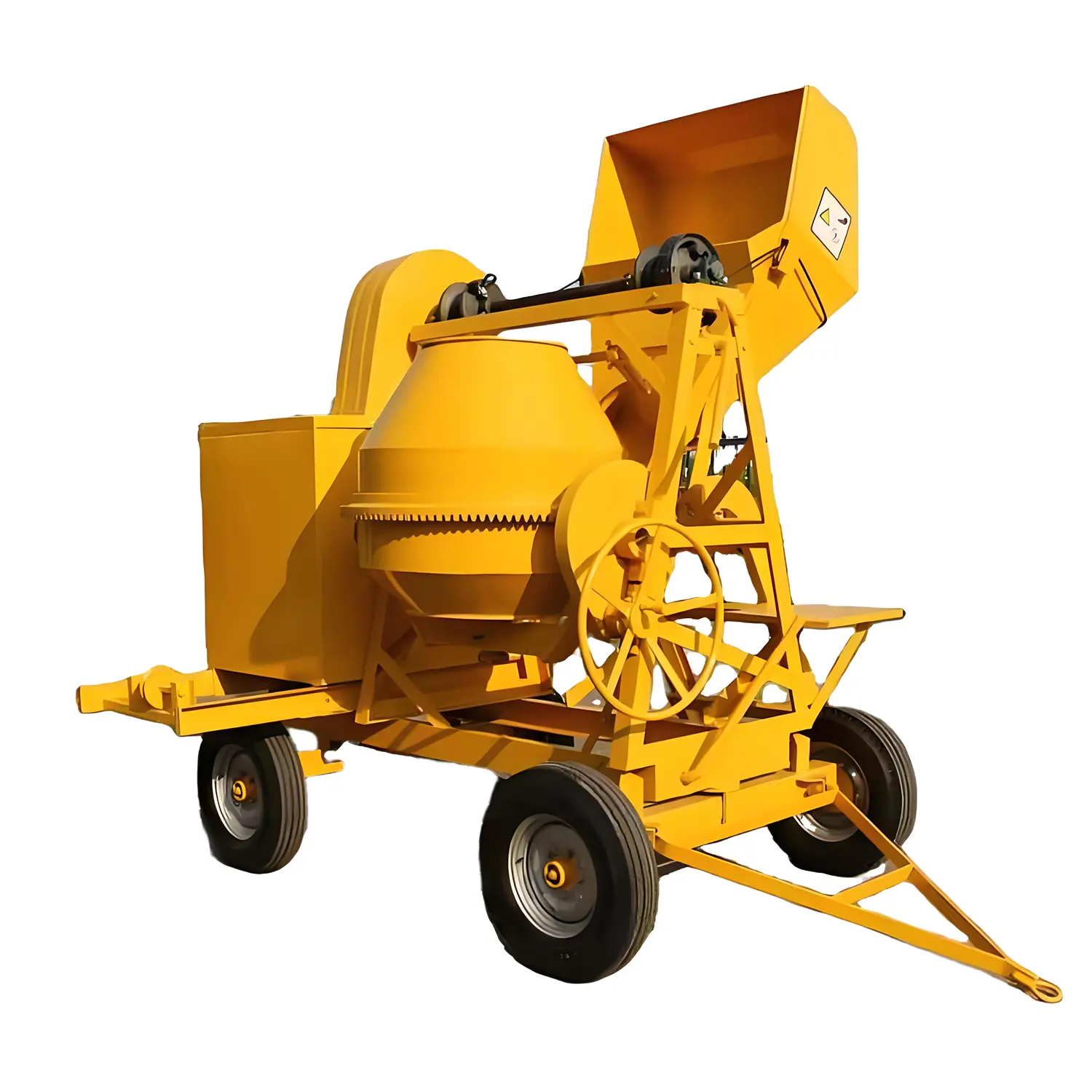 Hydraulic concrete mixer
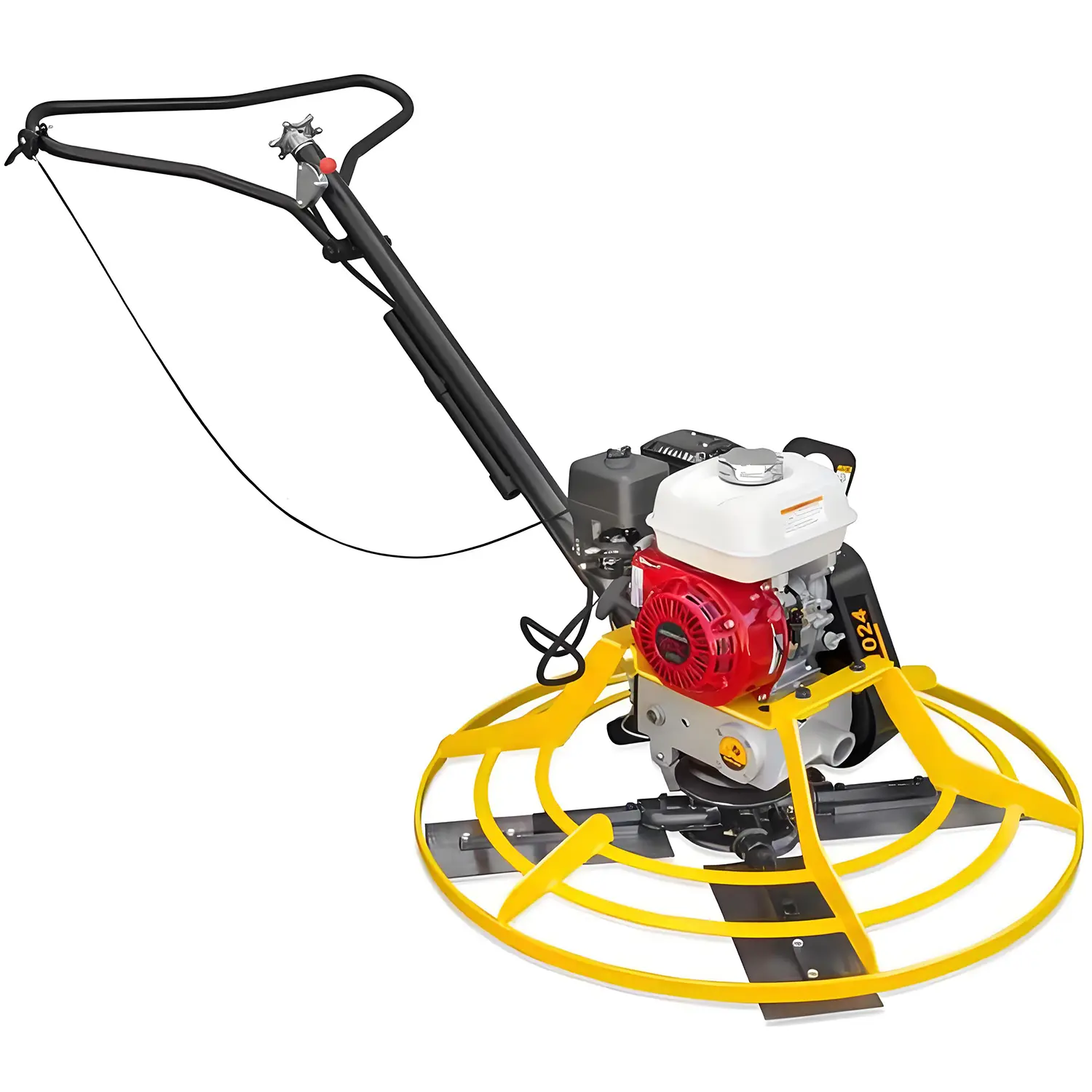 Walk behind power trowel
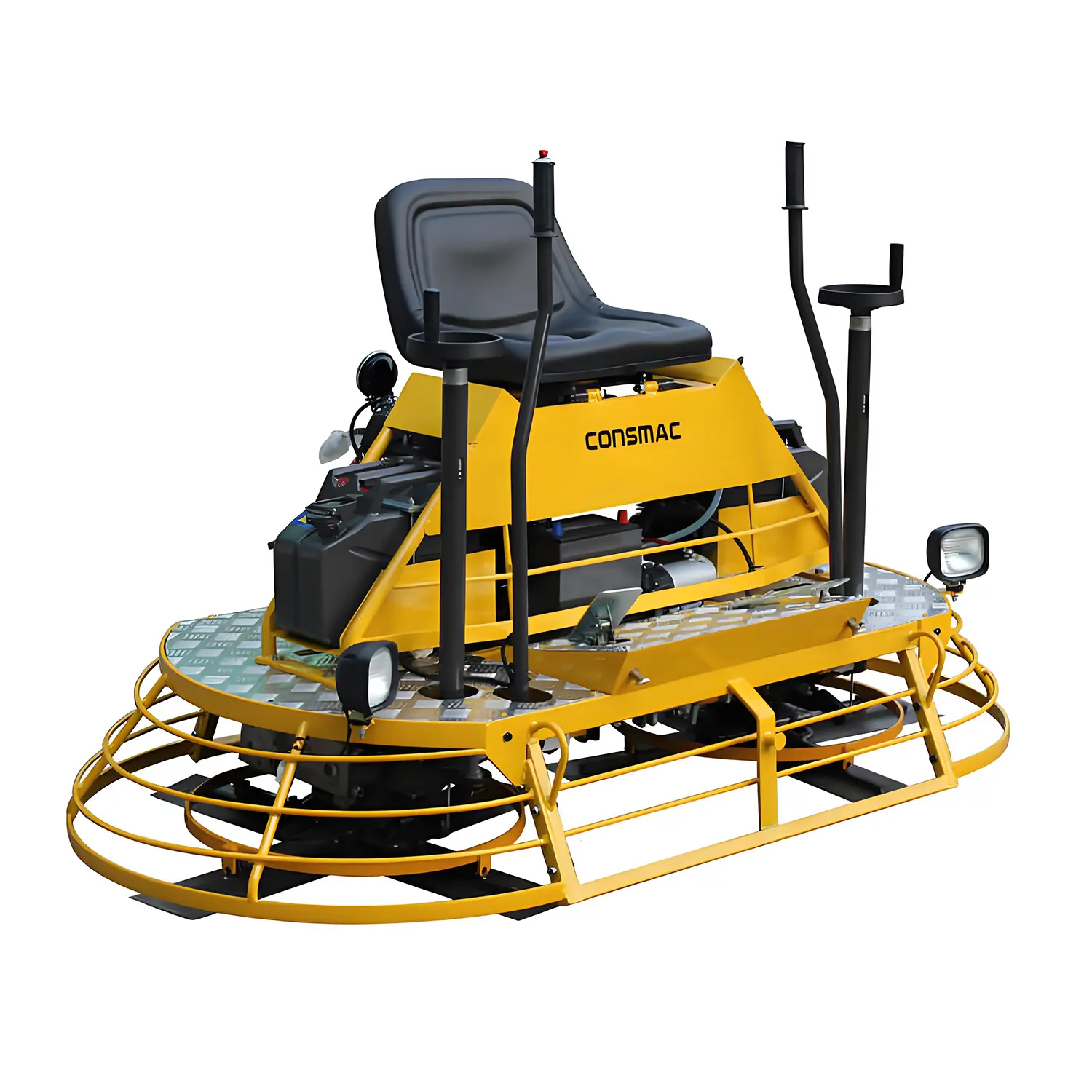 Ride on power trowel
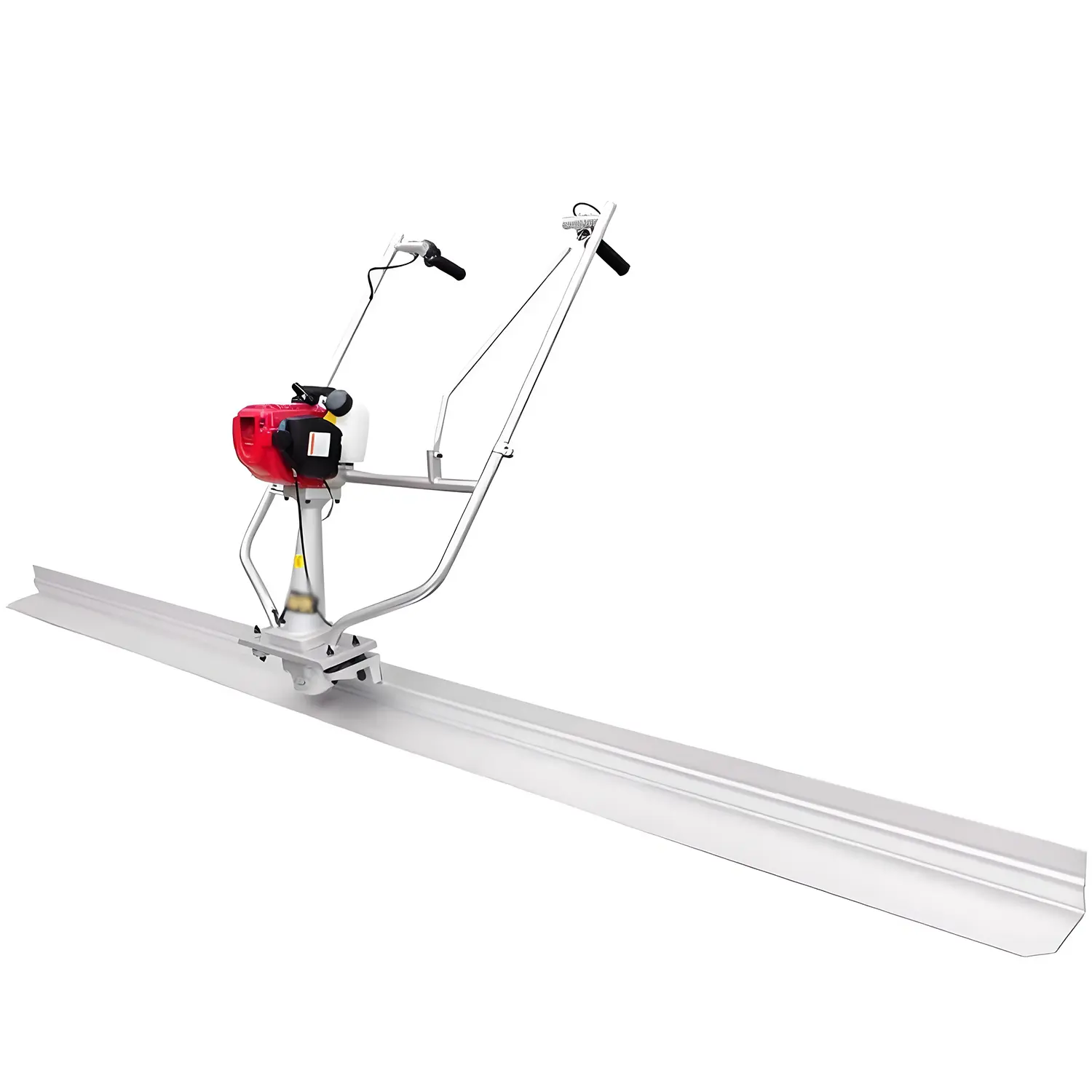 Concrete screed
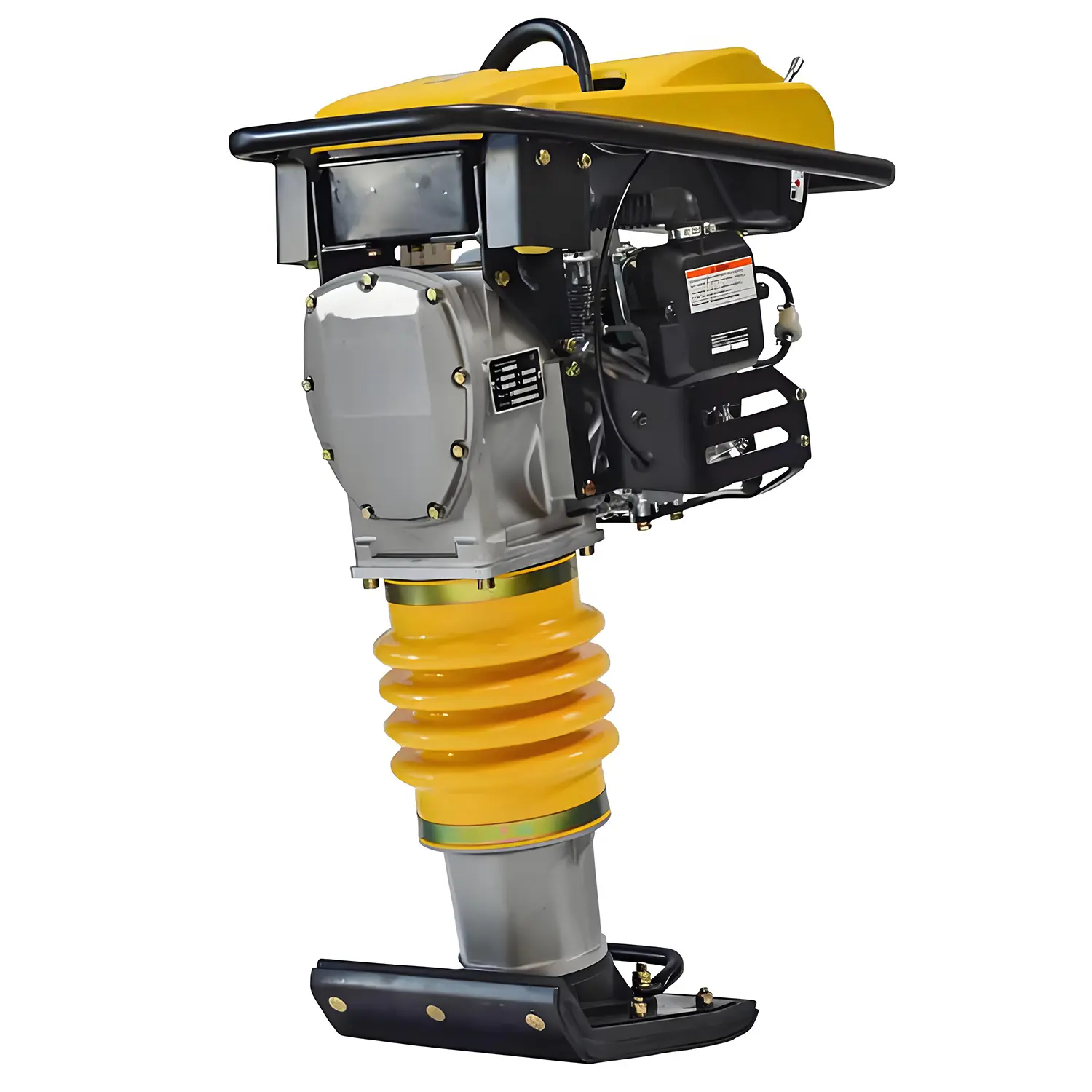 Tamping rammer
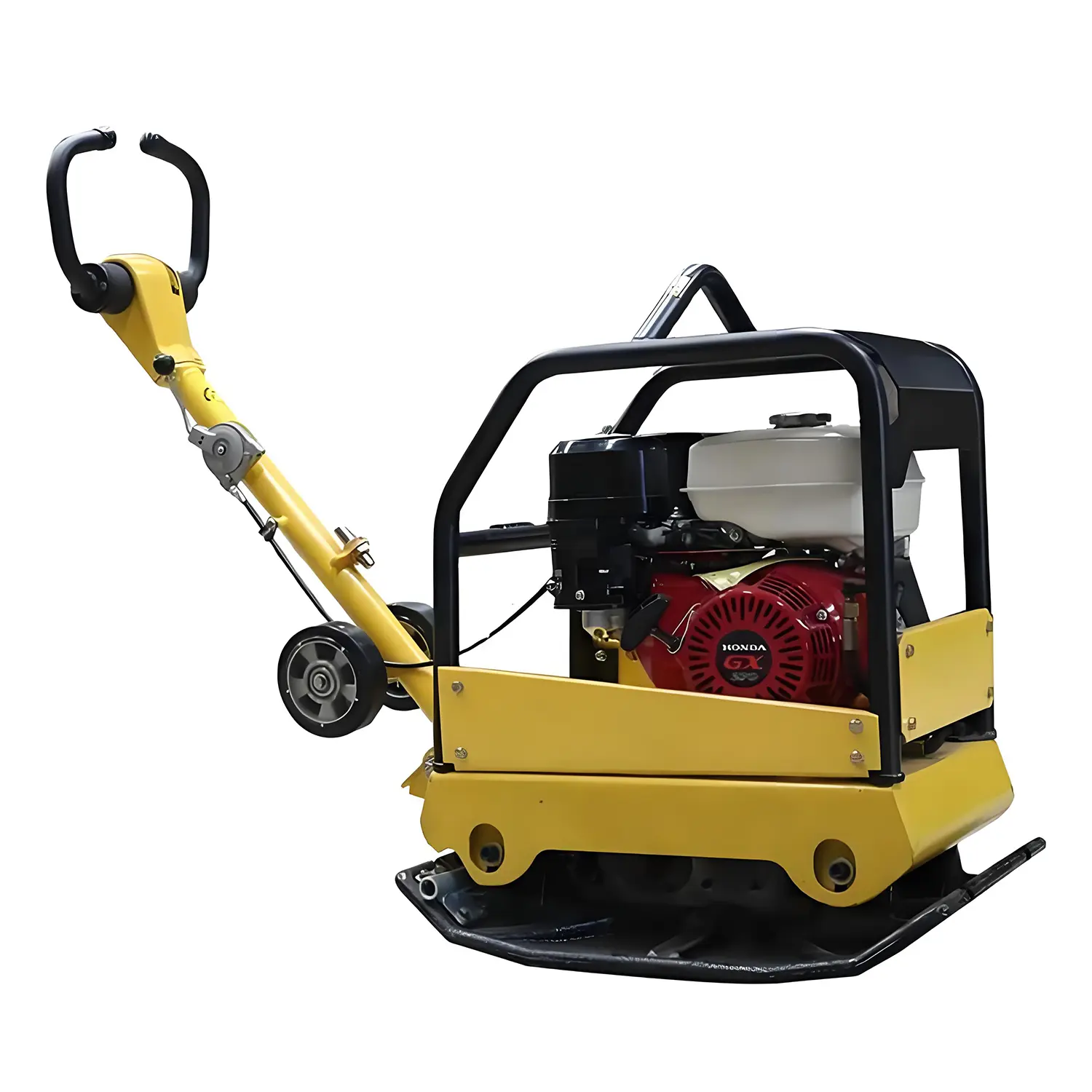 Plate compactor
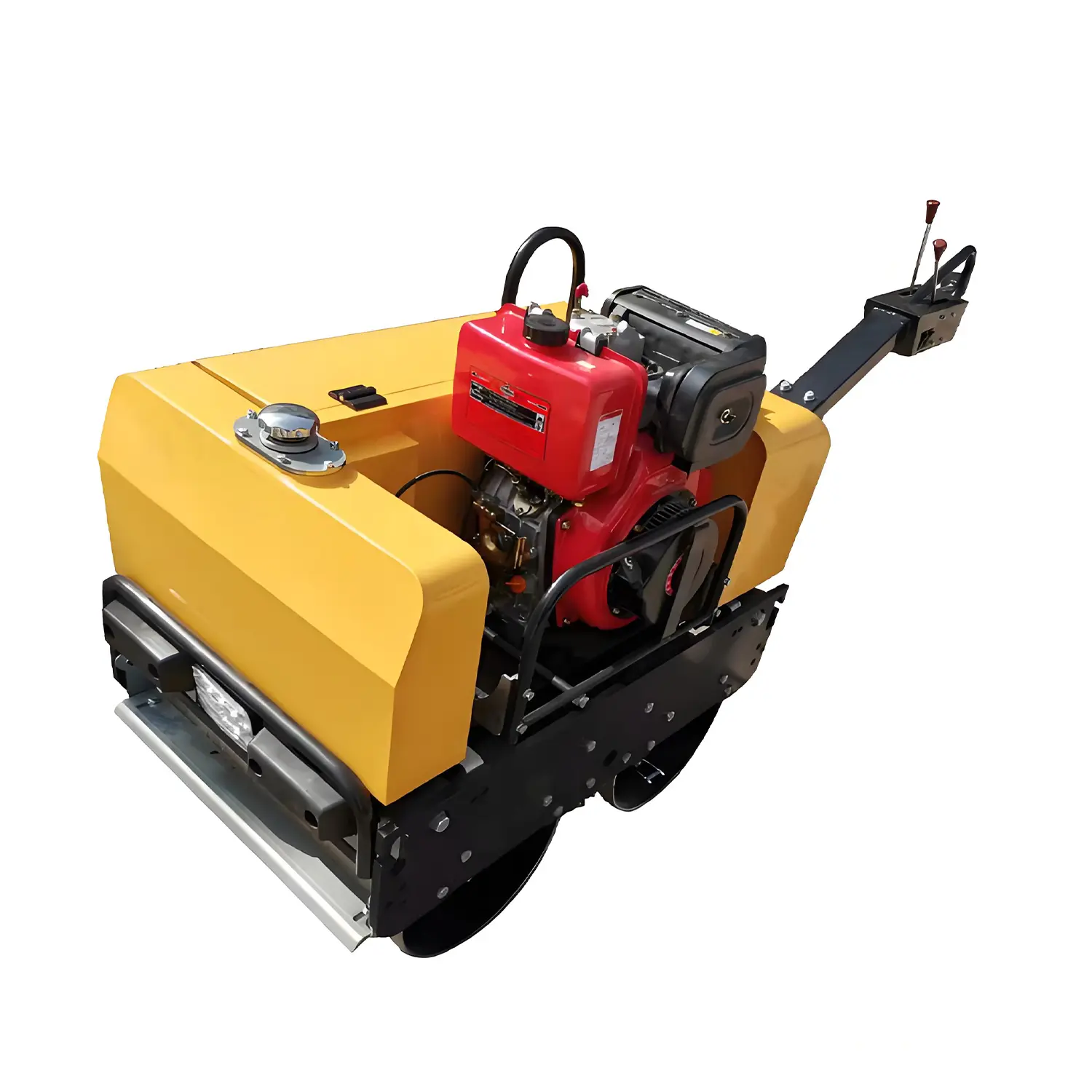 Vibratory roller