2026 Best Compactor Equipment for Efficient Waste Management Solutions?
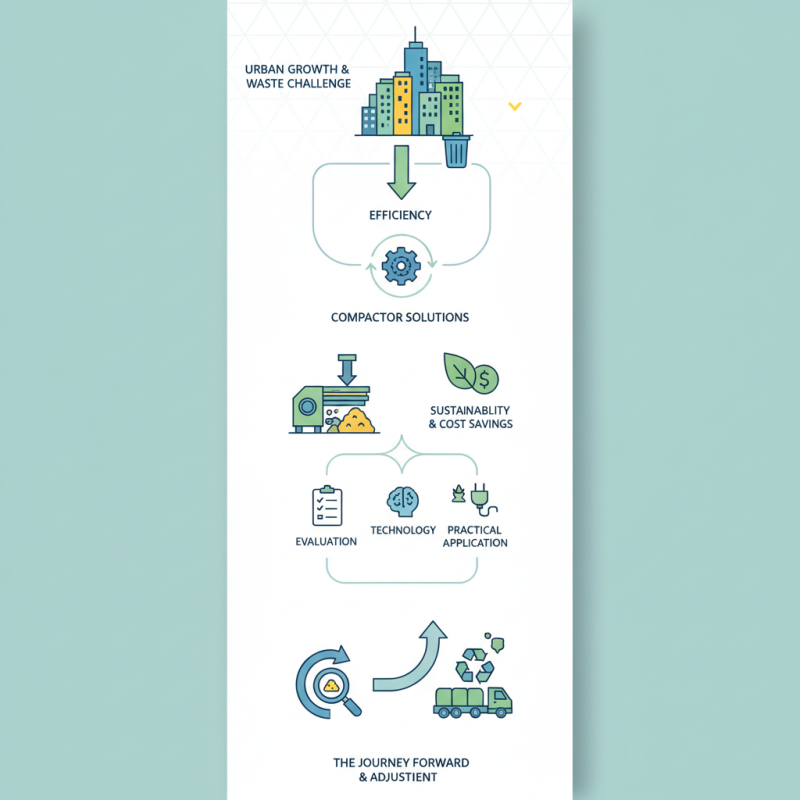
As urban areas grow, efficient waste management becomes critical. In this context, compactor equipment plays a pivotal role. Experts like John Smith, a leader in waste management solutions, highlight its importance: “Investing in the right compactor equipment can significantly reduce waste volume.”
Choosing the best compactor equipment is not just about efficiency; it’s also about sustainability. Many options exist, but selecting one requires careful consideration. A well-suited compactor can lead to a cleaner environment and lower costs in the long run. However, not all equipment performs equally well.
Reflection is necessary in this fast-evolving industry. Often, facilities invest in high-tech solutions without evaluating their specific needs. This oversight can lead to waste of resources. Balancing technology with practical application is crucial. The journey toward effective waste management is ongoing, requiring constant assessment and adjustment.
2026 Trends in Waste Management: The Role of Compactor Equipment
In 2026, trends in waste management are shifting significantly. The role of compactor equipment is becoming essential in addressing waste efficiently. According to a recent industry report, nearly 70% of waste can be compacted, reducing overall volume and disposal costs. Many facilities are adopting compactors to save space and optimize waste handling processes.
Compact waste solutions are gaining traction. Data indicates that companies employing compactors have reported up to a 50% reduction in waste collection frequency. This leads to lower transportation costs. However, some facilities still struggle with the initial investment costs. Balancing upfront costs and long-term savings remains a critical concern.
Environmental impact is also a major consideration. The push for sustainable practices is strong. Reports show that compactors can contribute to a significant decrease in greenhouse gas emissions. Yet, not all compactor systems are created equal. Certain models require frequent maintenance, which can hinder efficiency. Businesses need to reflect on their specific needs before choosing a compactor. Effective waste management demands careful selection and a commitment to ongoing evaluation.
2026 Trends in Waste Management: The Role of Compactor Equipment
Types of Compactor Equipment: Comparing Features and Capabilities
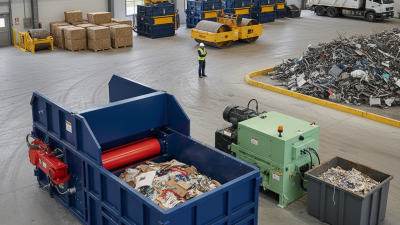
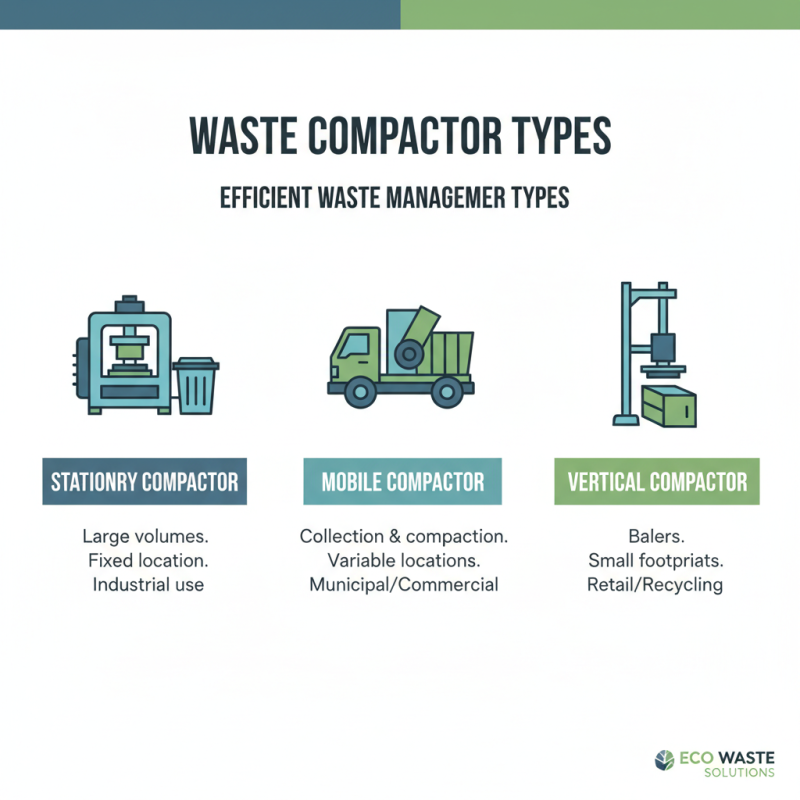
Efficient waste management relies heavily on compactor equipment. Understanding various types can enhance performance. There are three main types: stationary, mobile, and vertical compactors. Each has unique features tailored to different waste management needs.
Stationary compactors hold large volumes of waste. They are ideal for businesses producing substantial waste. A recent report indicates they can reduce trash volume by up to 80%. However, their setup requires space and proper maintenance. Mobile compactors are versatile, suitable for sites with limited space. They are easy to relocate and operate. Yet, they may not handle the same volume as stationary units.
**Tips:** Regular maintenance ensures longevity. Check seals and hydraulic systems often. Vertical compactors save space and can manage various materials. They are efficient but may have limitations on material types. Always assess your needs before investing. Sometimes, overspending on features can lead to dissatisfaction if they aren't necessary. Evaluate what suits your waste management plan best.
Efficiency Metrics: Measuring the Performance of Waste Compactors
Efficiency metrics are crucial in evaluating the performance of waste compactors. These machines play an essential role in waste management by compressing materials, which reduces the volume of waste. A well-designed compactor can significantly lower disposal costs and improve recycling rates.
To truly measure performance, several factors must be considered. One important metric is the compaction ratio, which shows the volume reduction achieved. High ratios indicate effective compression. Another metric is operational efficiency, including how often the machine needs to be emptied. More frequent emptying may suggest a need for a larger capacity or better design.
However, the journey to efficiency isn't always smooth. Operators may overlook maintenance, leading to decreased performance. Ignoring regular checks can result in equipment downtime. This often reflects on overall waste management effectiveness. It's vital to track these metrics diligently and adjust practices accordingly for continuous improvement.
2026 Best Compactor Equipment for Efficient Waste Management Solutions
| Model |
Compaction Force (tons) |
Container Capacity (cubic yards) |
Cycle Time (minutes) |
Energy Consumption (kWh) |
Noise Level (dB) |
| Model A |
20 |
30 |
1.5 |
3.5 |
75 |
| Model B |
25 |
35 |
1.8 |
4.0 |
80 |
| Model C |
30 |
40 |
2.0 |
4.5 |
78 |
| Model D |
15 |
25 |
1.2 |
3.0 |
70 |
Environmental Impact: How Compactors Reduce Waste Footprint
Compactors play a crucial role in waste management. They significantly reduce the volume of waste, contributing to environmental sustainability. According to the Environmental Protection Agency (EPA), compactors can reduce waste volume by up to 75%. This reduction leads to fewer trips to landfills, ultimately cutting transportation emissions.
These machines also help in a broader context. In 2020, the Global Waste Management Market was valued at approximately $2.1 trillion. With a projected annual growth rate of 5% through 2028, compactors are essential for streamlining operations. However, challenges persist. Despite their effectiveness, many facilities lack proper maintenance, reducing overall efficiency. It's vital to reassess equipment regularly.
While compactors can reduce waste footprints, they are not a complete solution. Their usage generates energy and resources that must be accounted for. Some users overlook this aspect. More user education is necessary. Raising awareness about full-life-cycle impacts can help improve their overall effectiveness in waste reduction strategies.
Cost Analysis: Evaluating ROI for Investing in Compactor Technology
Investing in compactor technology can yield significant benefits for waste management. A 2022 report from the Waste Equipment Technology Association shows that compactors can reduce waste volume by up to 80%. This reduction leads to fewer pickups, lowering transportation costs. For businesses generating substantial waste, this is a compelling argument.
However, the initial investment can be daunting. Compactors may cost between $5,000 and $20,000, depending on size and specifications. Analyzing the return on investment (ROI) is critical. A study by the Environmental Protection Agency indicates that organizations experience ROI within two to five years. This timeframe can hinge on waste generation rates and disposal fees.
Maintaining compactors is another aspect often overlooked. Regular maintenance is necessary to avoid costly repairs. Unforeseen breakdowns can disrupt operations and lead to increased waste. Companies need to weigh the upfront costs against long-term savings. In some cases, the ROI may not be as attractive as anticipated. Each business scenario is unique, warranting careful evaluation.

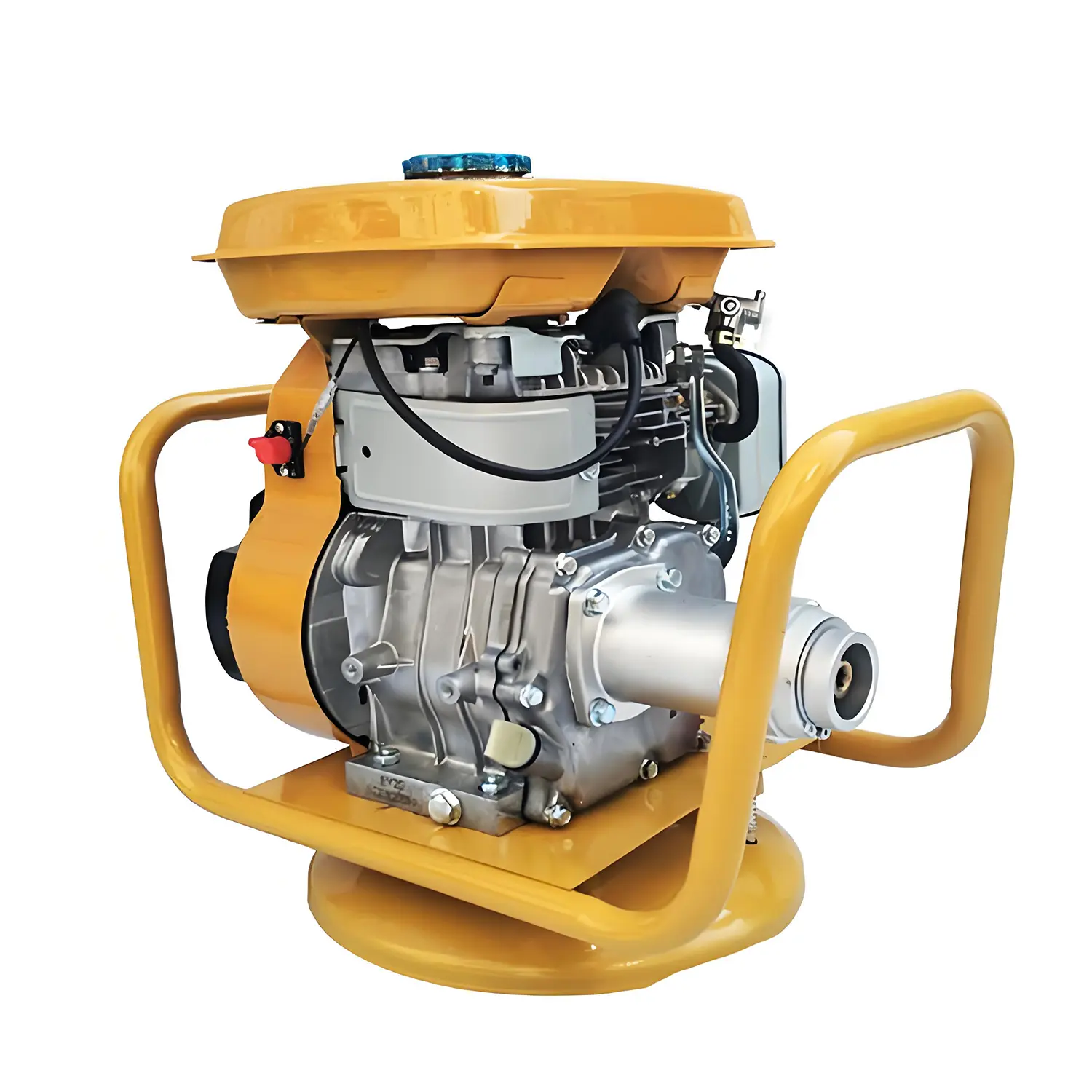 Internal Vibrator
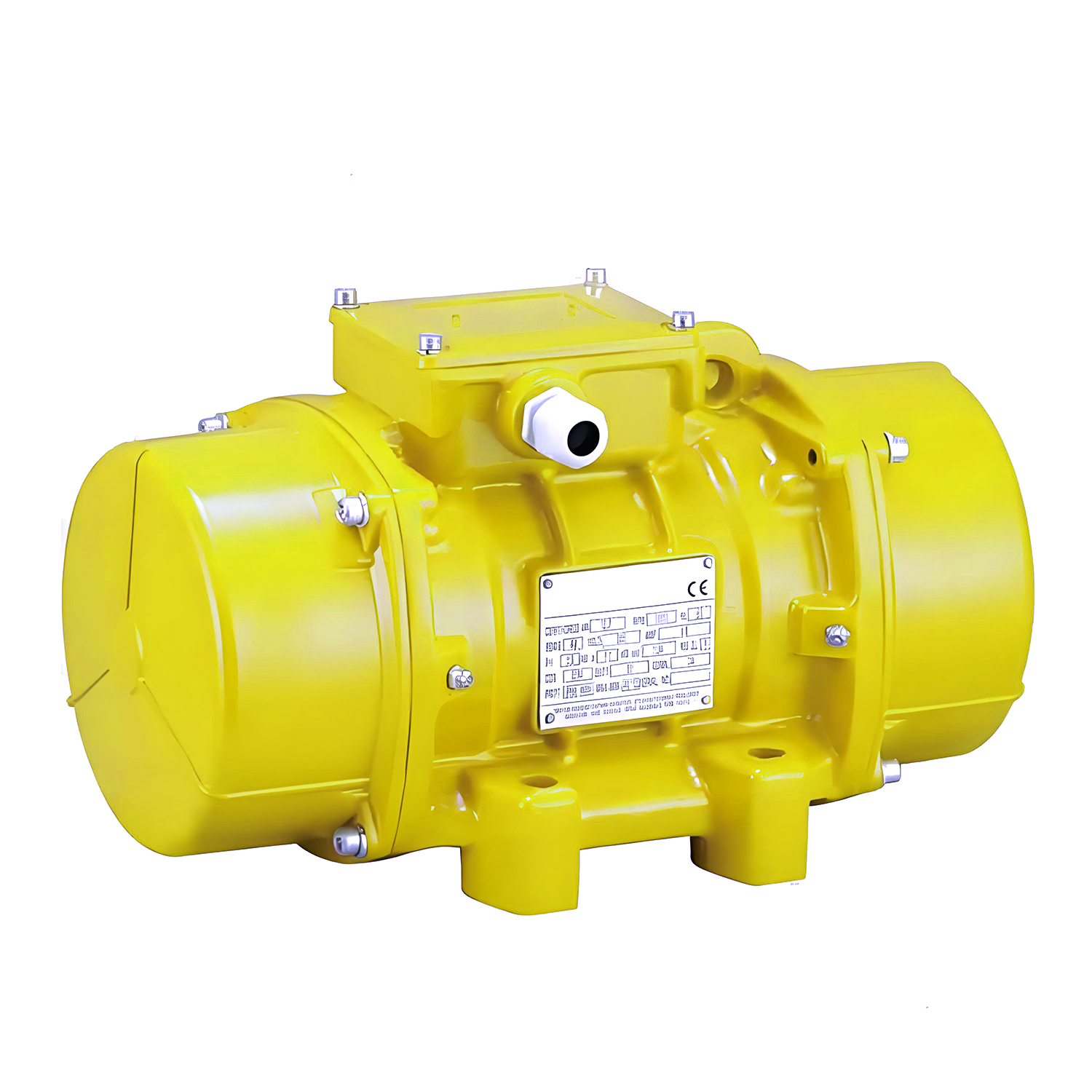 External Vibrator
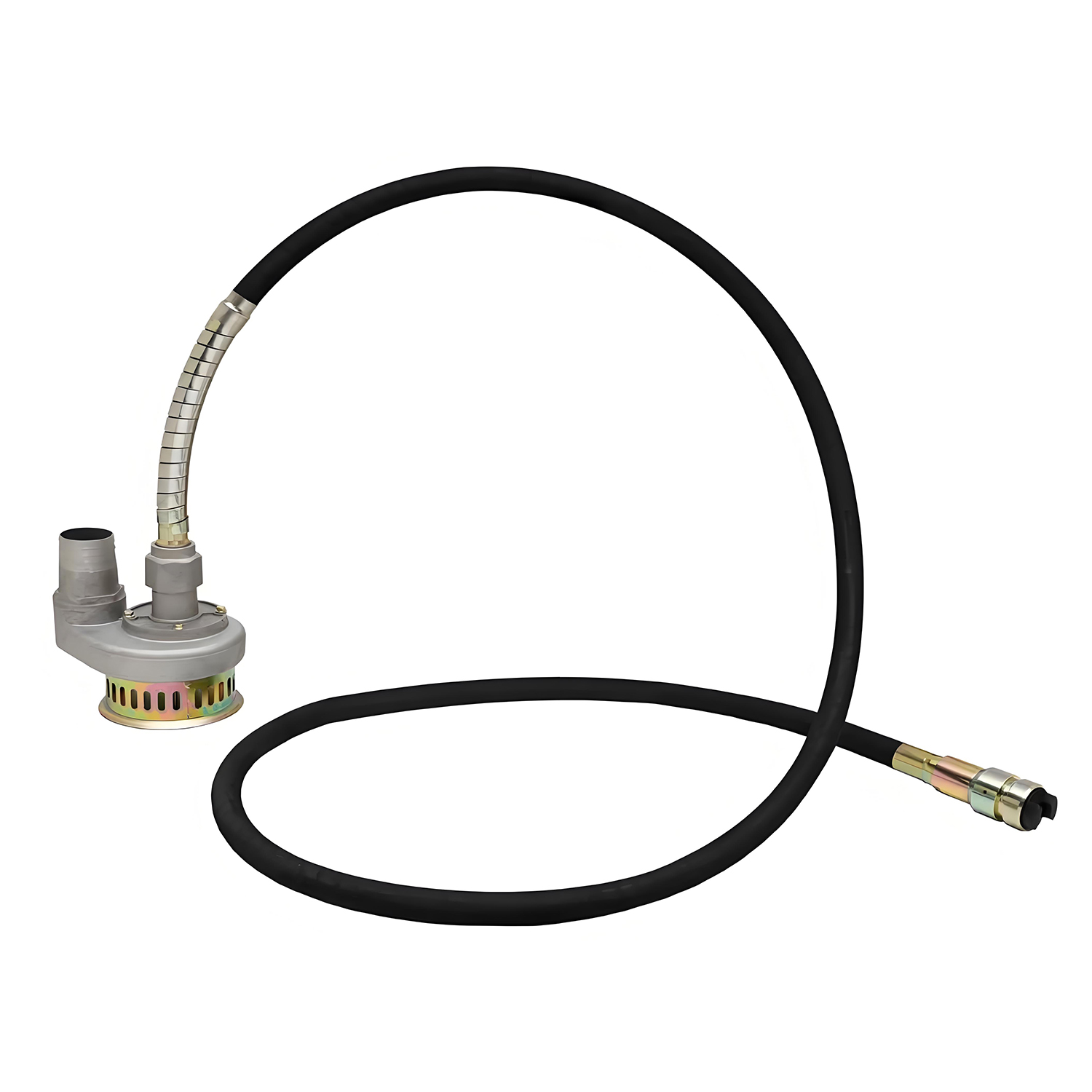 Submersible Pump
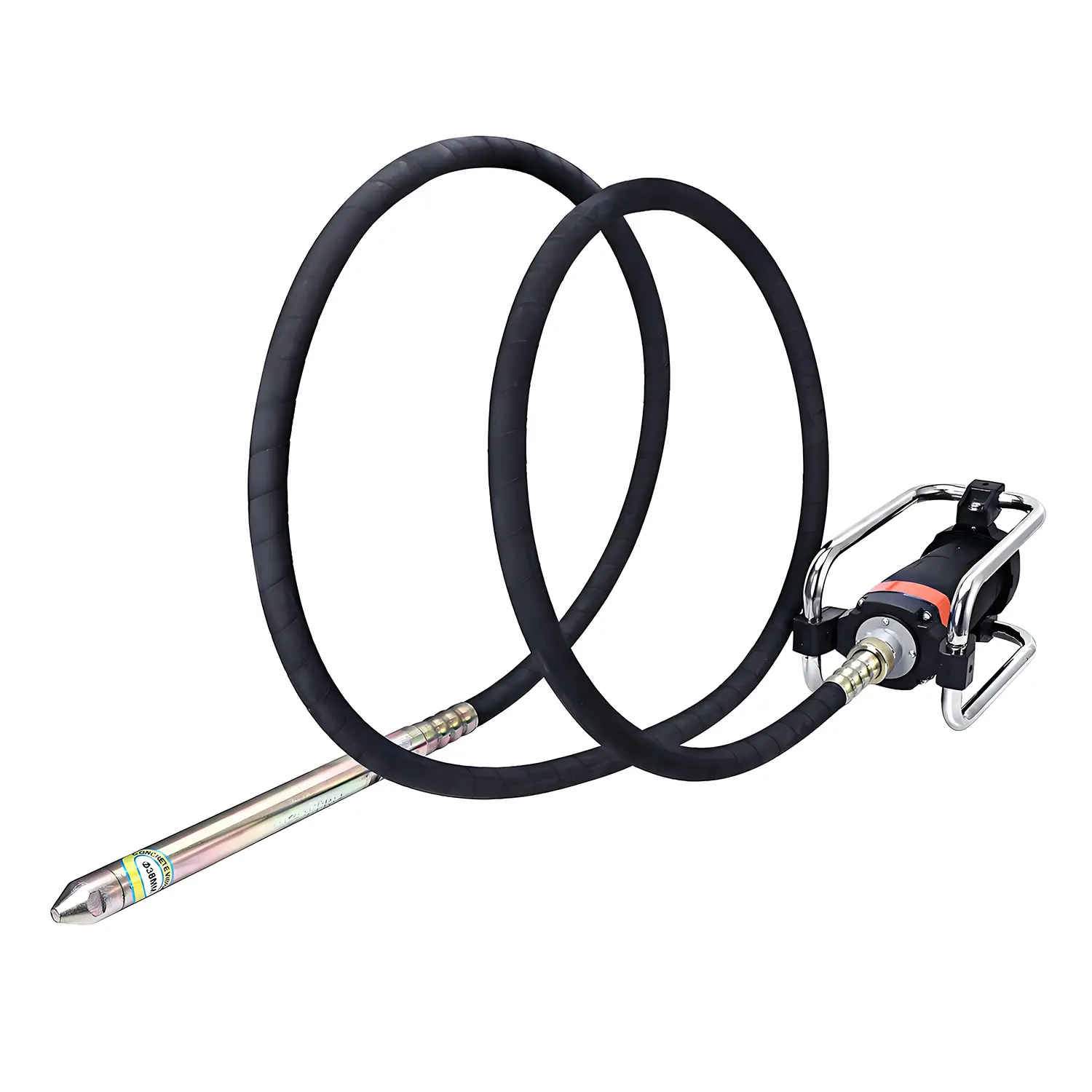 Eccentric shaft
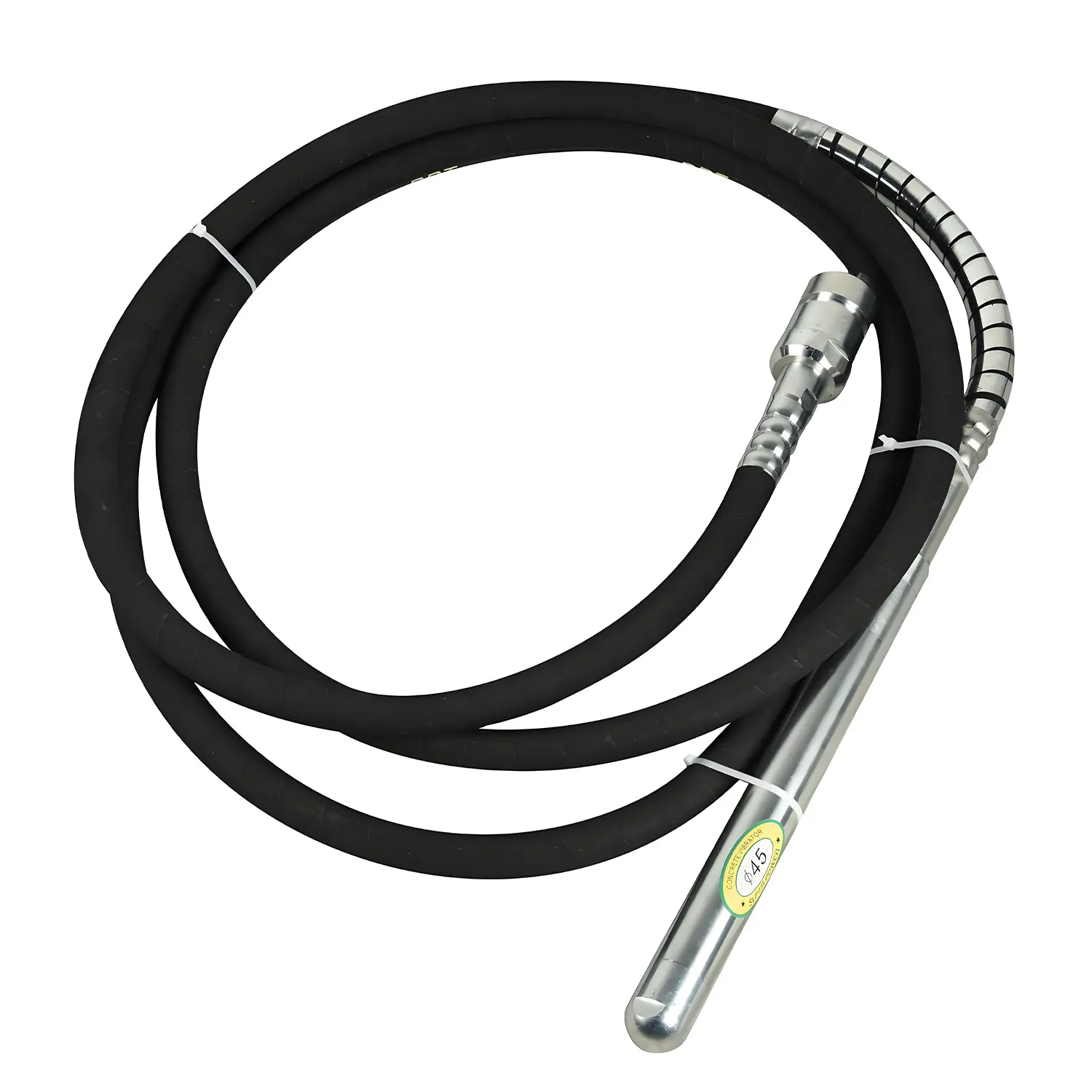 Pendulum shaft
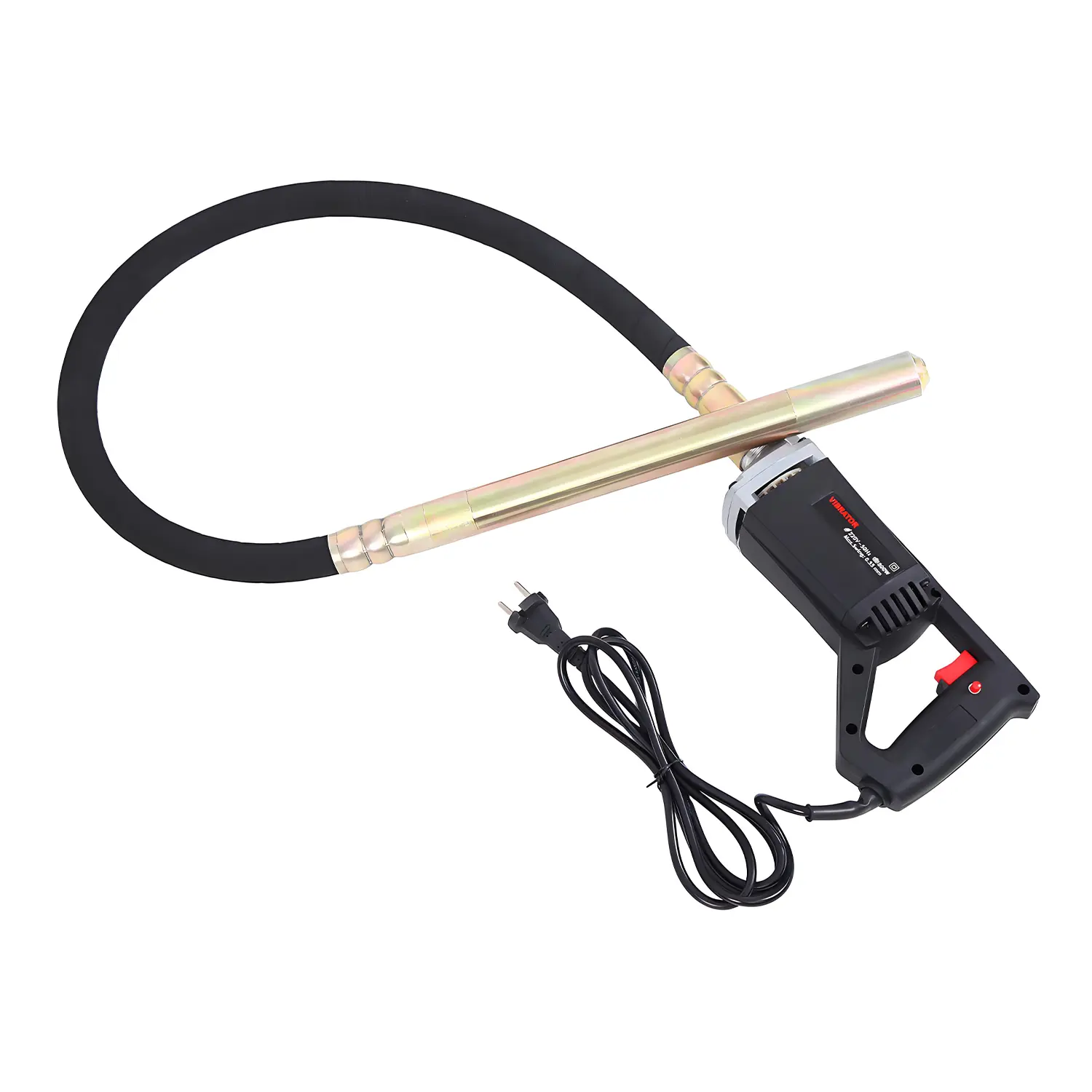 Portable vbrator shaft
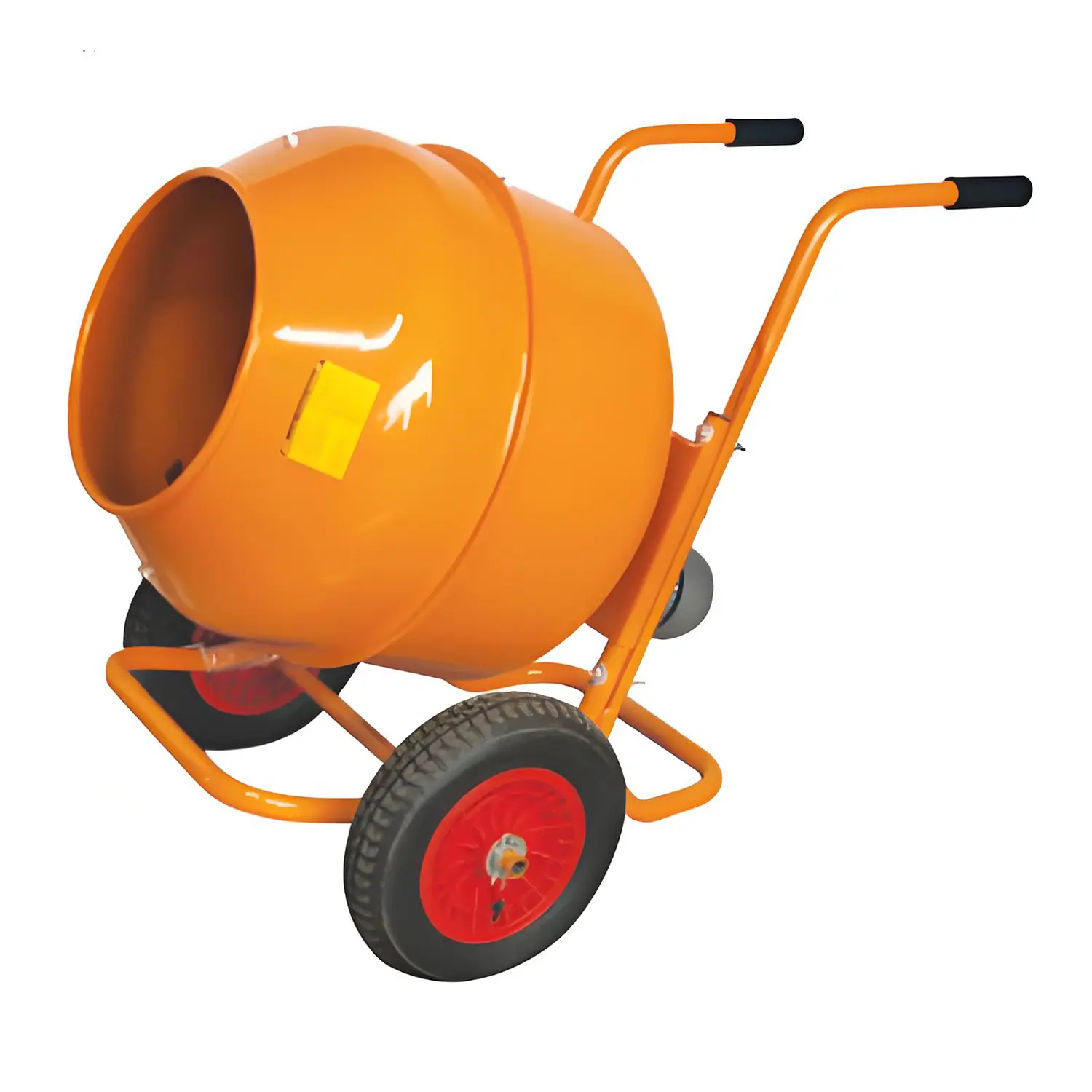 Portable concrete mixer
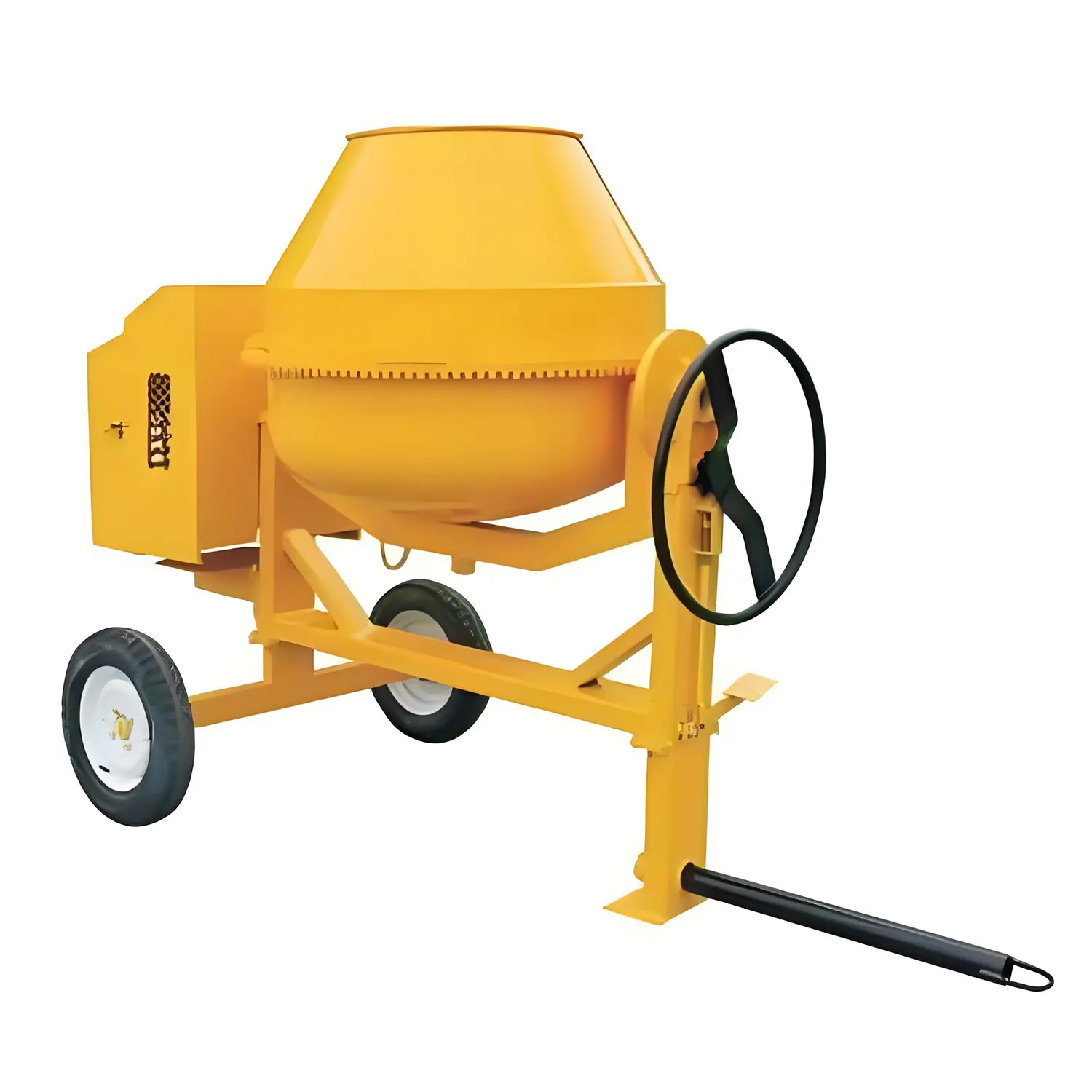 Vertical concrete mixer
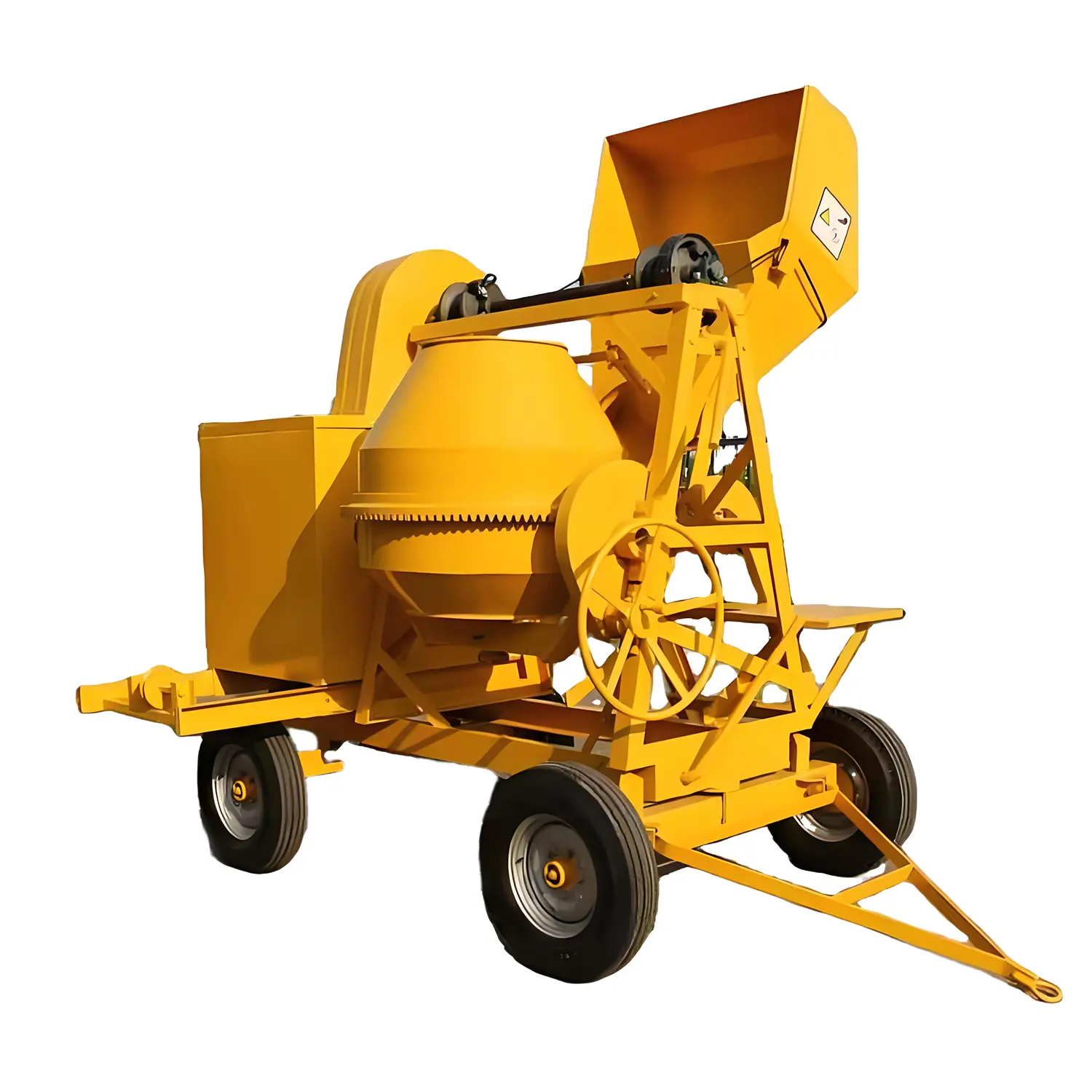 Hydraulic concrete mixer
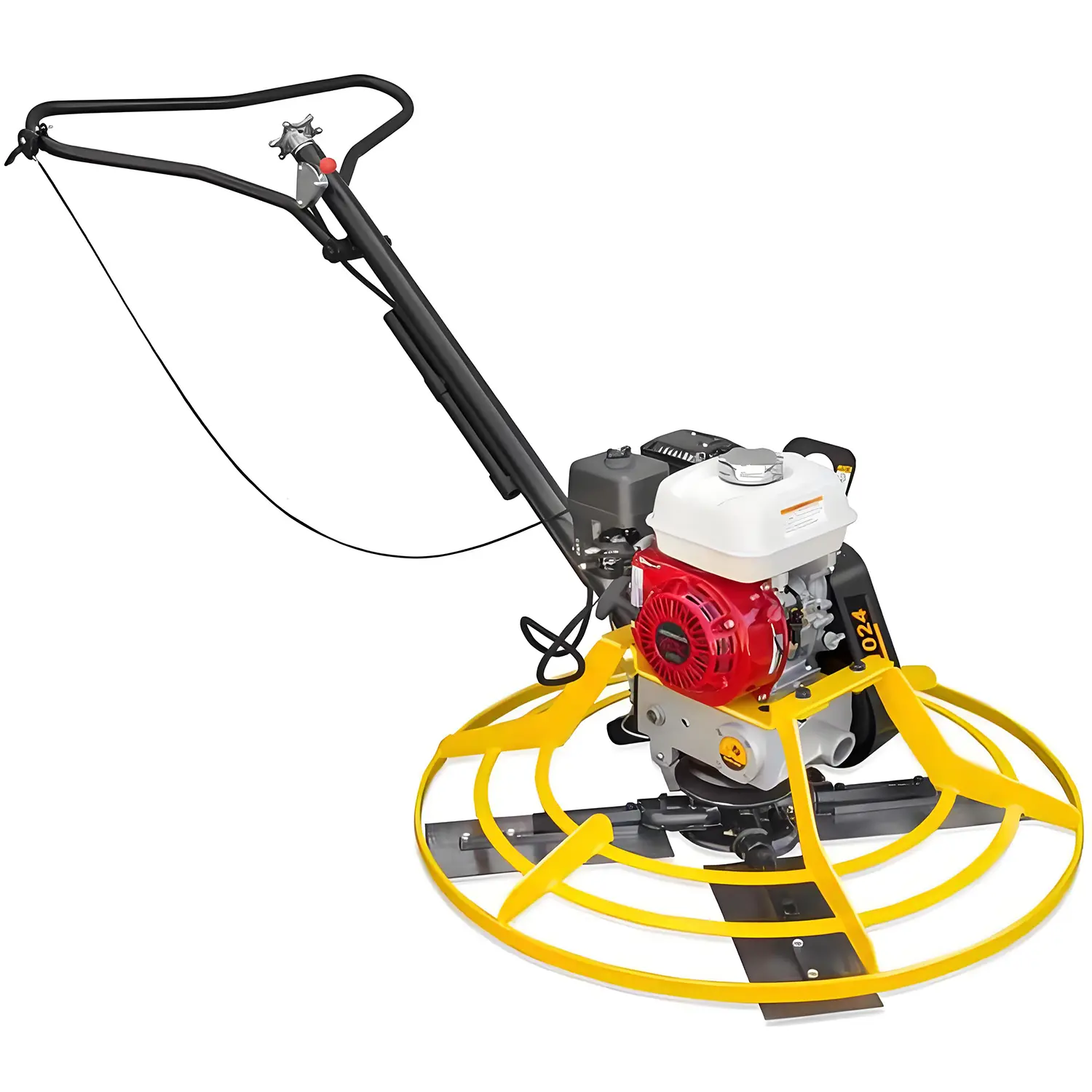 Walk behind power trowel
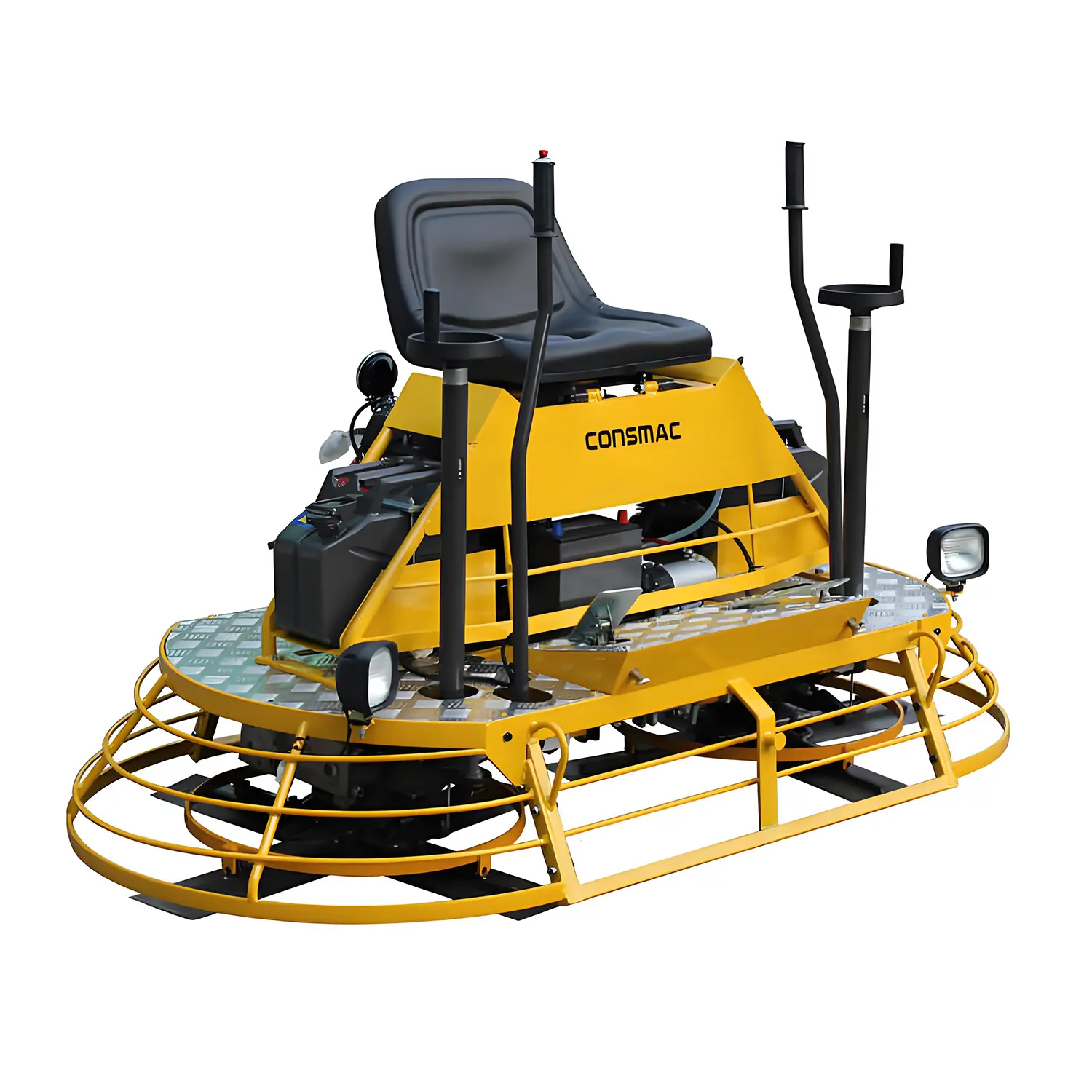 Ride on power trowel
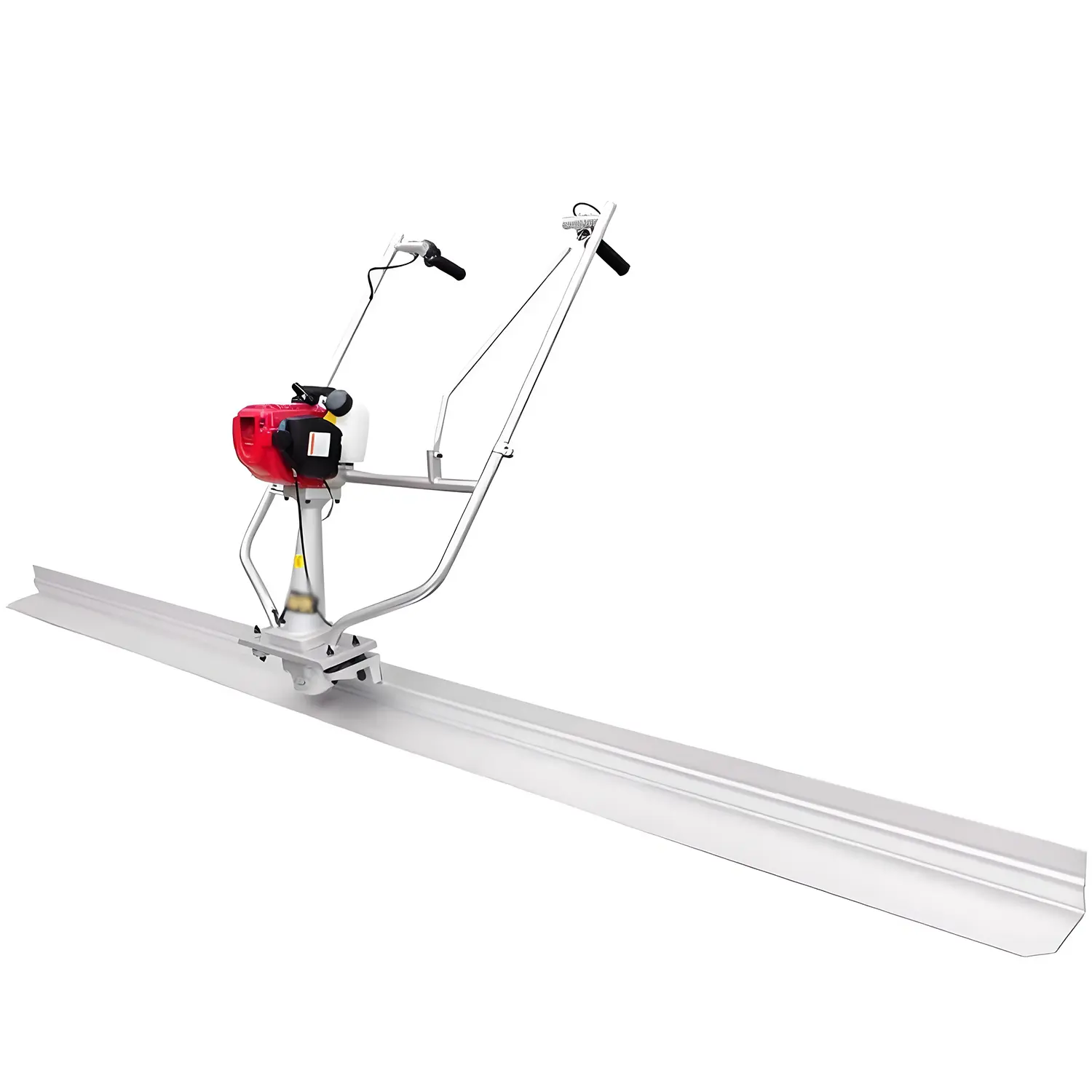 Concrete screed
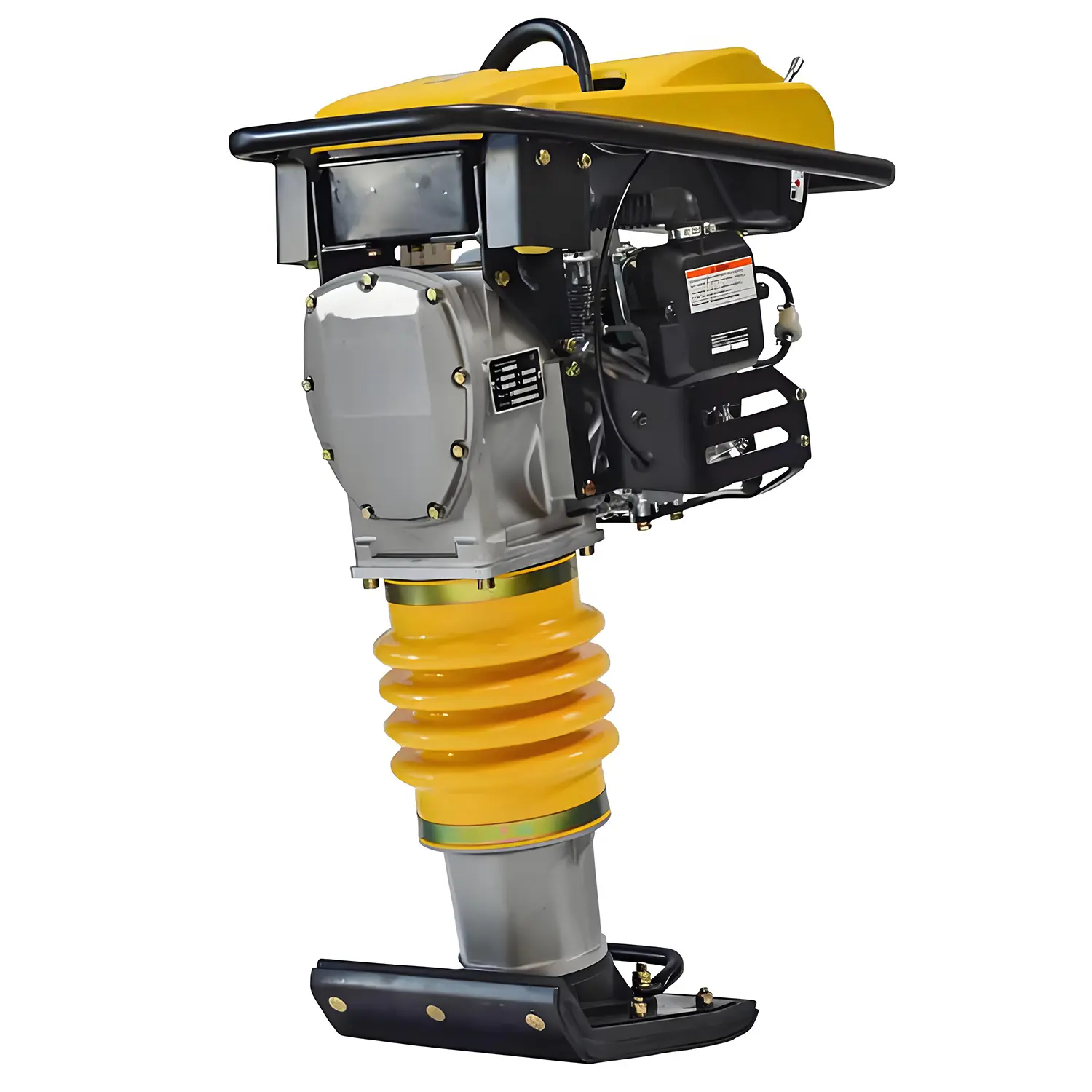 Tamping rammer
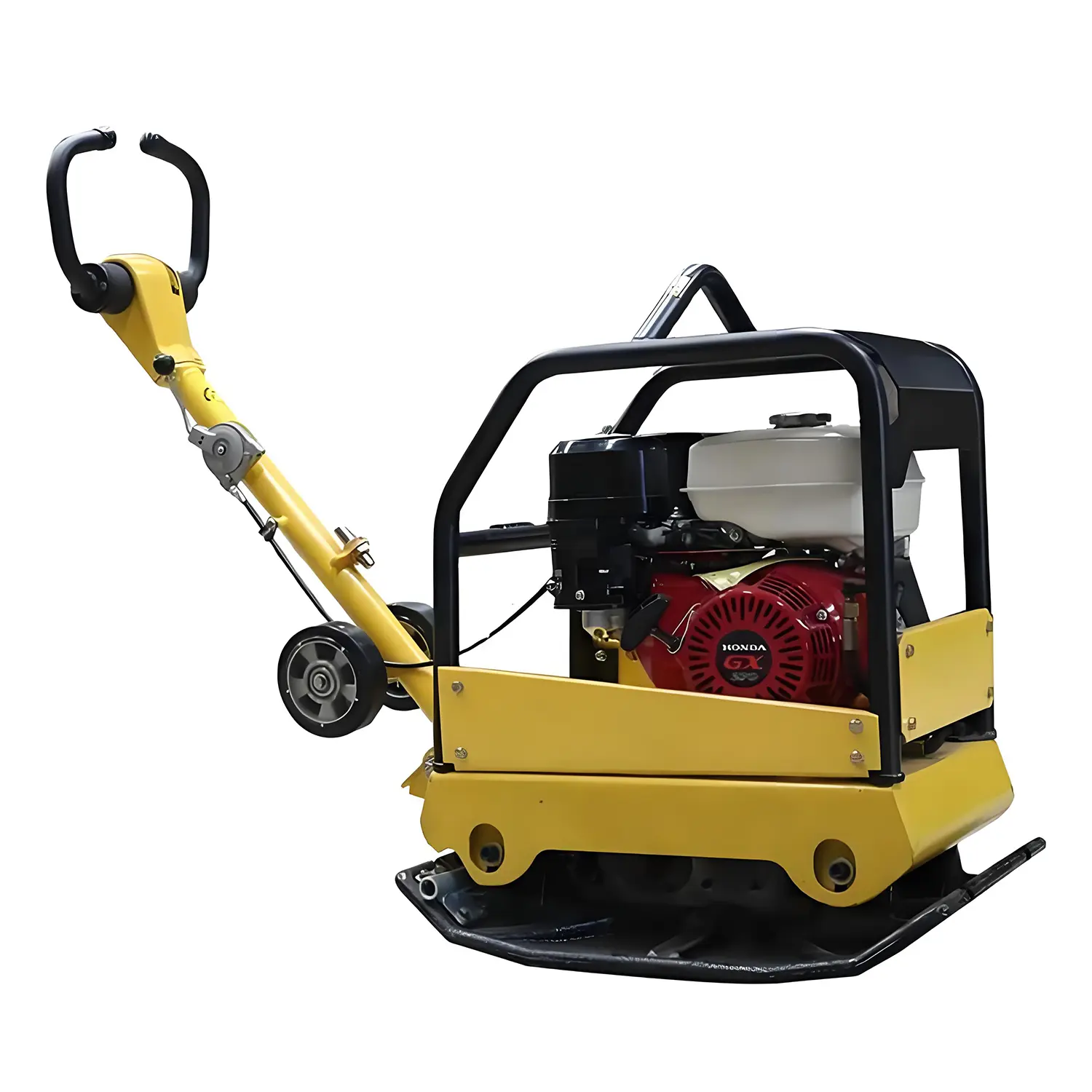 Plate compactor
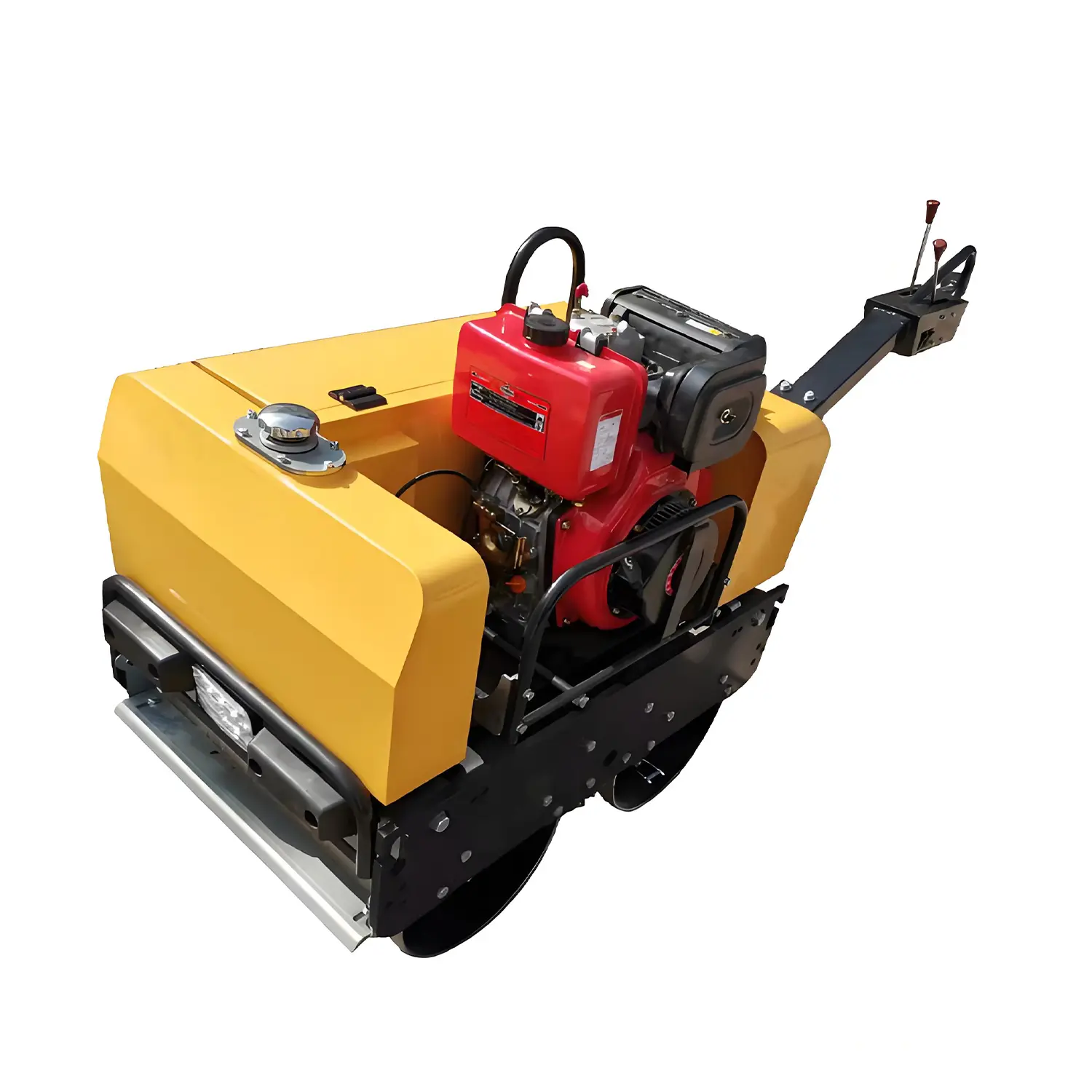 Vibratory roller