400-181-1680
Leave Your Message

Why Choose a Concrete Mixer for Your Construction Needs?

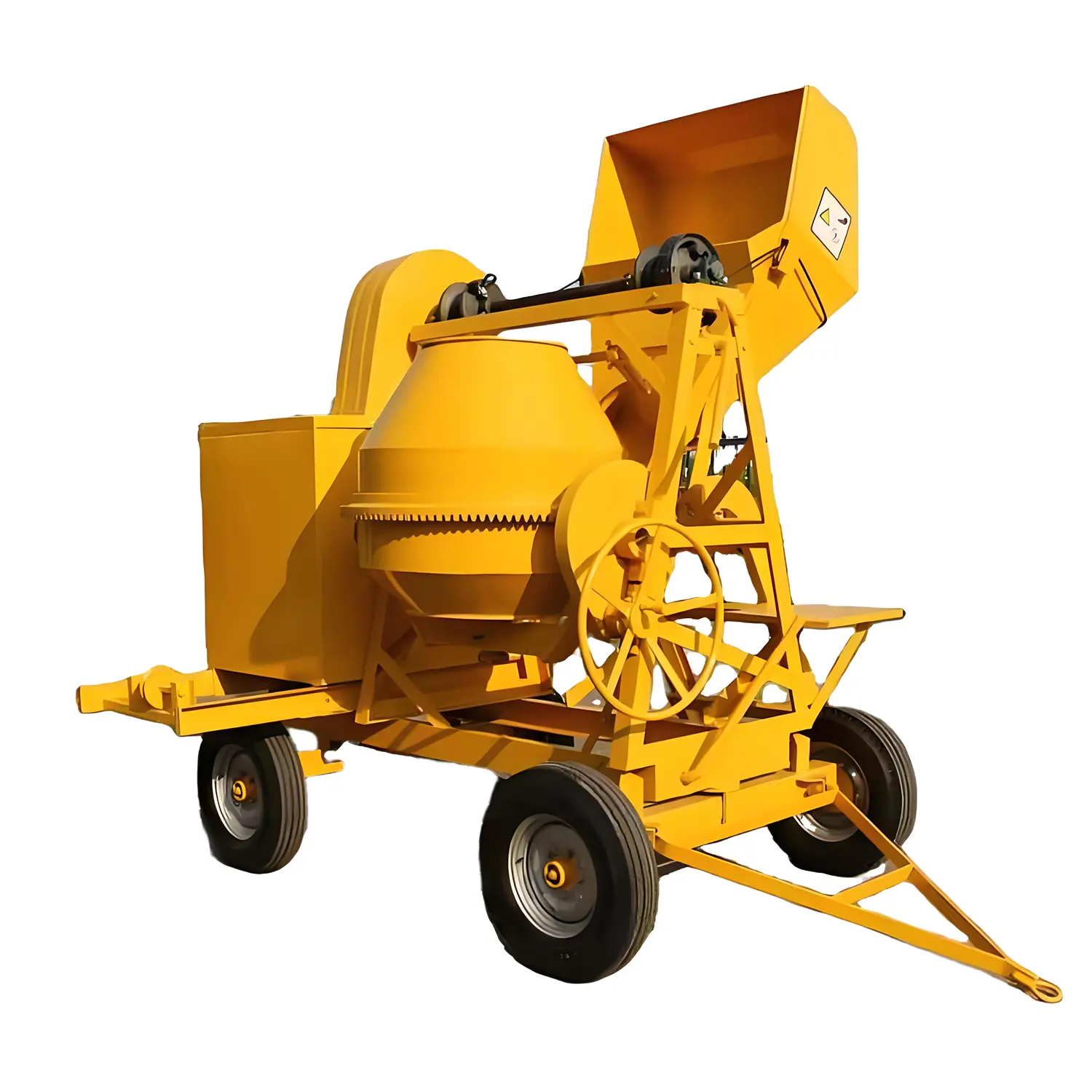
Choosing the right Concrete Mixer can shape an entire construction project. It affects batching speed, material consistency, labor demands, and daily operating costs. A reliable mixer turns cement, aggregates, water, and additives into a workable blend with fewer interruptions. That matters on foundations, roads, walls, and small repair sites.

Dr. Karen Scrivener, a leading cement scientist, has emphasized concrete’s enormous global use, describing it as “the second most consumed substance on Earth after water.” Her observation gives this equipment wider importance. Every uneven batch can create weak spots, surface defects, or expensive delays. A properly selected Concrete Mixer helps control these risks through steady rotation, measured capacity, and repeatable mixing performance. Drum mixers often suit general building work, while forced-action mixers can handle stiff or specialized materials. The best choice depends on production volume, aggregate size, site access, power supply, and cleaning requirements.

Small details matter.

A mixer that looks powerful may still waste time if its discharge opening is narrow. A low-cost model may also require more maintenance than expected. I have seen project plans focus on purchase price while overlooking transport, fuel, operator training, and replacement parts. That approach deserves reconsideration. Manufacturers’ specifications should be checked against real working conditions, not showroom claims. Operators should inspect blades, belts, guards, and electrical connections before use. Safe procedures protect people and preserve equipment reliability. No mixer solves poor proportioning or careless supervision. Still, the right Concrete Mixer gives crews a practical foundation for consistent production, better scheduling, and more predictable results.
Why Choose a Concrete Mixer for Your Construction Needs?

Concrete Mixer Types and Typical Batch Capacities from 0.1 to 12 m³

Why Choose a Concrete Mixer for Your Construction Needs?

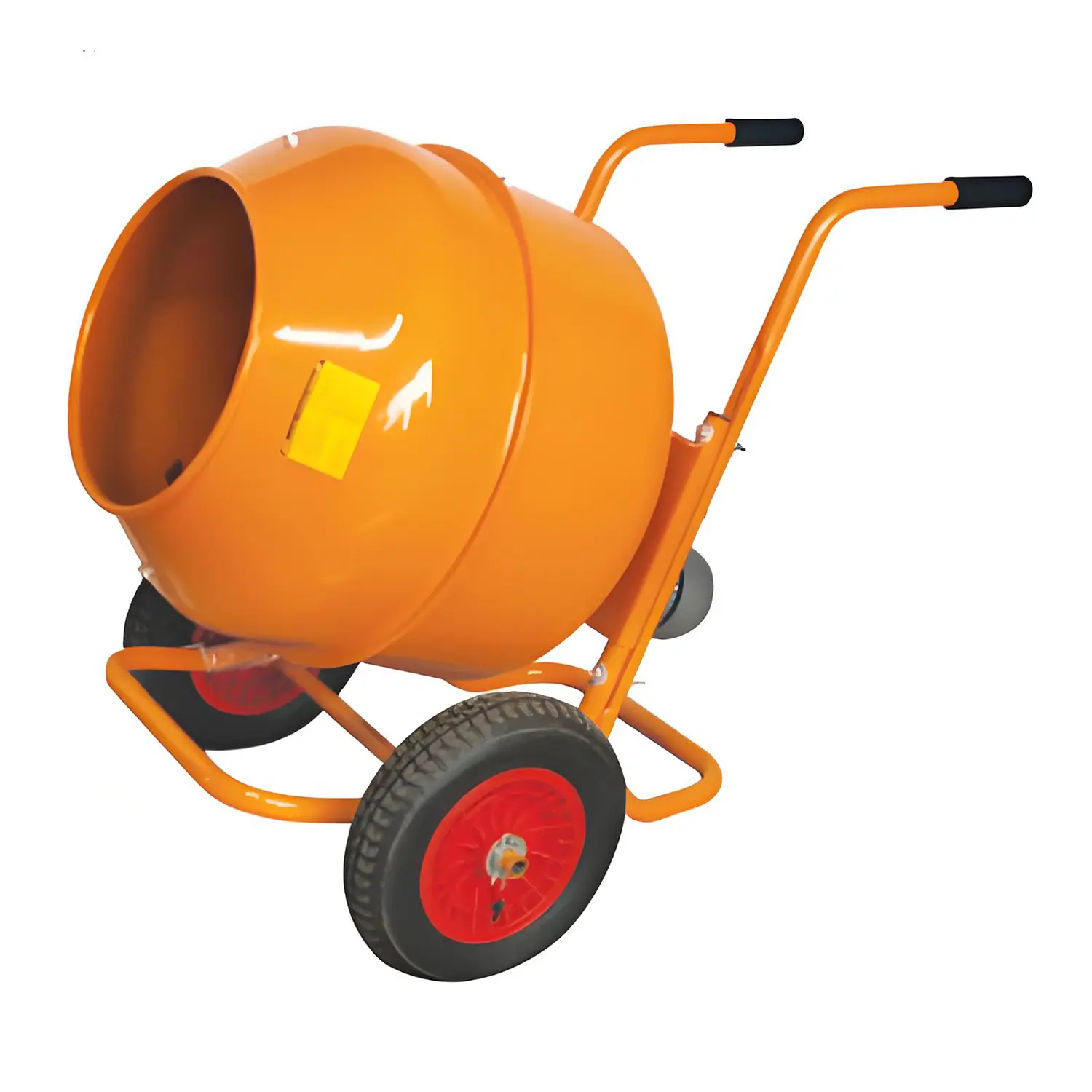
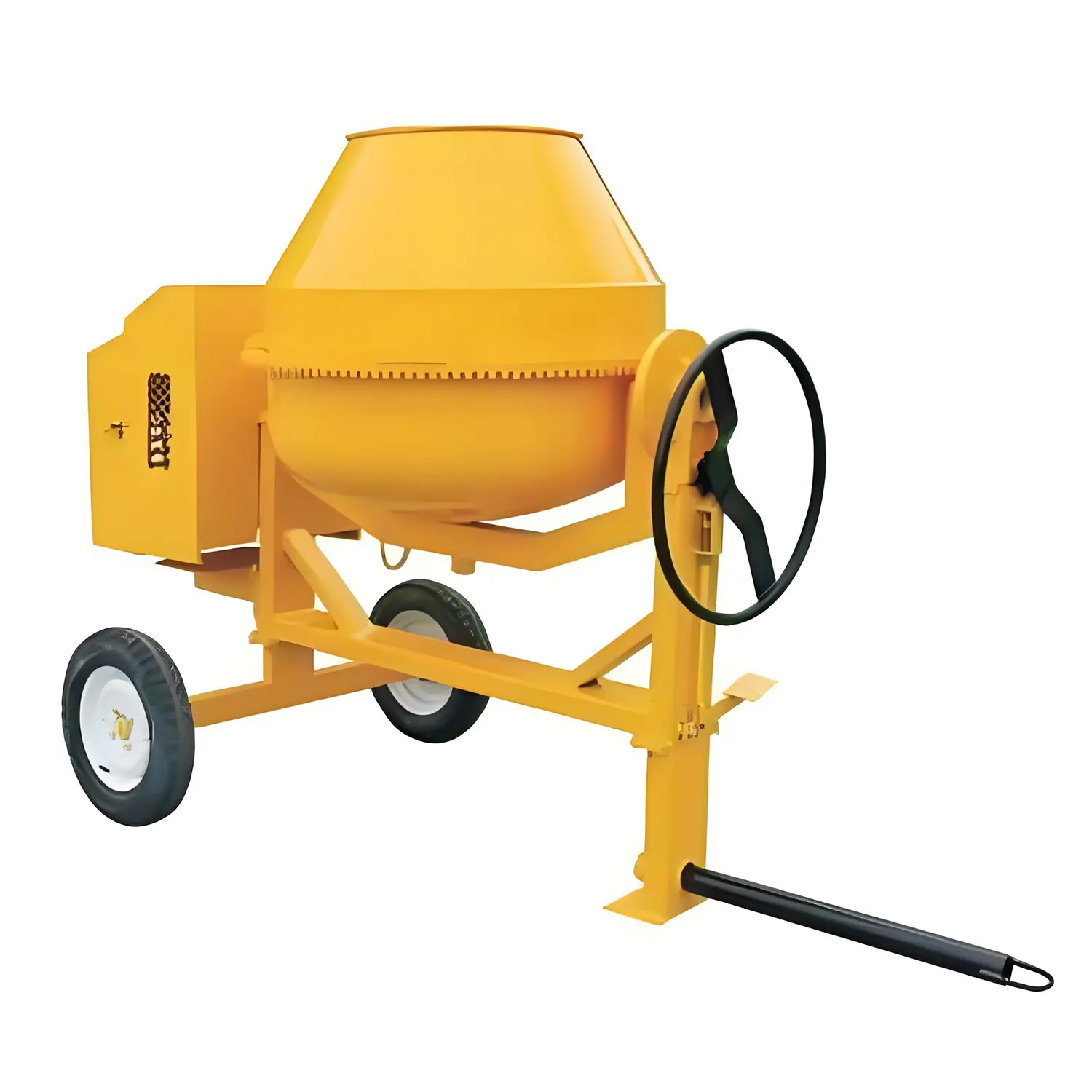
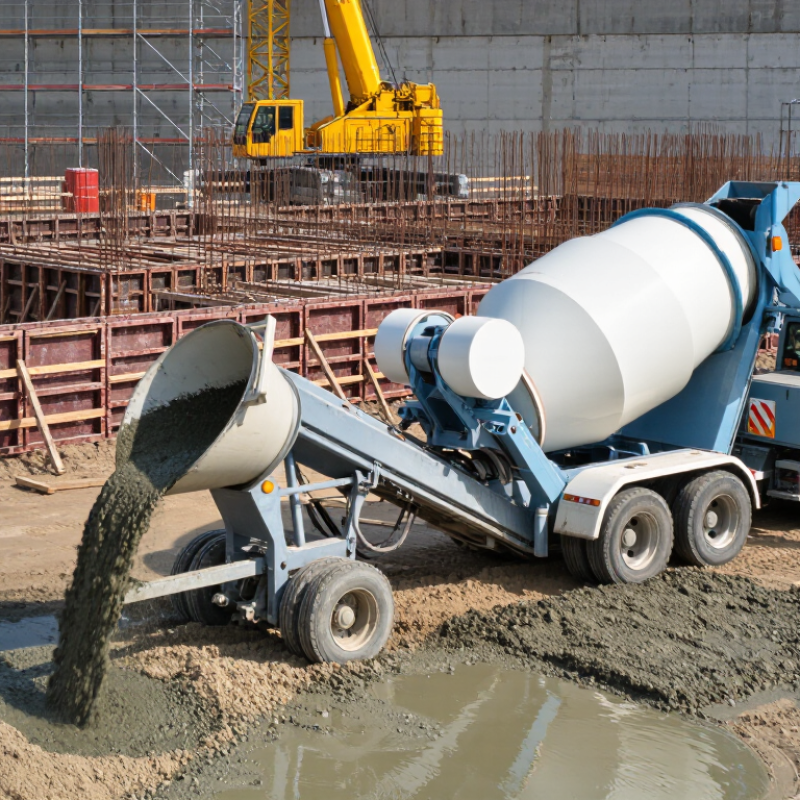
Concrete mixer selection should begin with batch capacity, not appearance. Small pan or drum mixers usually handle 0.1 to 0.5 m³ per batch. They suit repairs, footings, paths, and restricted sites. Medium drum mixers commonly produce 0.5 to 2 m³. They offer practical mobility for housing and small commercial work.

For steady production, twin-shaft mixers often range from 1 to 6 m³ per batch. Larger models can reach 8 to 12 m³. Planetary mixers are useful when uniform mixing matters, especially for dry or demanding concrete blends. Actual output is rarely equal to the advertised capacity. Moisture, aggregate size, loading time, and discharge speed all affect production. Bigger is not always better. I have seen crews choose a 12 m³ mixer, then lose time because trucks arrived too slowly. A smaller batch can sometimes keep the whole site moving.

Tips: Check the required concrete volume per hour, not only per batch. Leave space for uneven loading. Confirm the mixer’s power supply, access width, cleaning needs, and discharge height. Record actual cycle times during a trial pour. This simple test often reveals planning errors. Also, review the mix design with a qualified technician, because capacity alone cannot guarantee consistent concrete quality.
Mixing Quality: ASTM C94/C94M Uniformity and Slump Requirements

Why Choose a Concrete Mixer for Your Construction Needs?

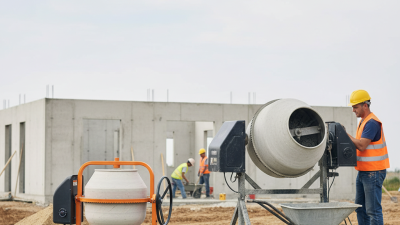
On active sites, I have watched a workable load become harsh after uneven mixing. A concrete mixer reduces that risk by combining cementitious material, aggregate, water, and admixtures more consistently. Consistency matters. Under ASTM C94/C94M, uniformity is not a visual impression. It is evaluated through measured differences in samples from the same batch. This makes mixing quality a practical acceptance issue, not merely an equipment preference.

A suitable mixer should produce a stable blend throughout the drum. Operators must control loading sequence, mixing time, and discharge speed. ASTM C94/C94M addresses uniformity testing, including variation in slump between portions of one batch. Slump must match the specified requirement at the agreed testing point. Adding water casually may improve flow, but it can change the water-cement ratio and reduce performance. That shortcut is tempting. It is also difficult to defend.

Good practice includes checking aggregate moisture, inspecting mixing blades, and recording batch times. Field technicians should sample concrete correctly and test slump with calibrated equipment. A mixer cannot correct poor proportioning or neglected maintenance. I have learned that small buildup inside the drum can disturb an otherwise careful batch. Weather, haul time, and discharge delays can expose weaknesses that a brief test misses. Review the specification, train the crew, and treat every slump result as evidence, not a promise.

Why Choose a Concrete Mixer for Your Construction Needs? – Mixing Quality: ASTM C94/C94M Uniformity and Slump Requirements
A concrete mixer supports consistent proportioning, dispersion, and workability control when producing ready-mixed concrete. The benchmarks below summarize commonly used ASTM C94/C94M uniformity criteria; project specifications and the applicable standard edition always govern.
Quality Dimension ASTM C94/C94M Benchmark Typical Field Interpretation How Mixer Selection Helps Recommended Record
Slump Uniformity Maximum difference between comparative slump results: 25 mm (1 in.) when the average slump is 100 mm (4 in.) or less; 38 mm (1.5 in.) when the average slump is greater than 100 mm (4 in.). Stable slump indicates that the concrete remains workable without excessive variation between portions of the same batch. Adequate mixing time, effective drum or paddle geometry, and controlled water addition help distribute cement paste and admixtures evenly. Record batch number, discharge time, sampling location, slump result, concrete temperature, and any water or admixture additions.
Air Content Uniformity Comparative air-content results should not differ by more than 1.0 percentage point. Consistent air content is important for freeze-thaw durability and for maintaining the intended fresh-concrete volume. Uniform mixing improves the distribution of air-entraining admixture and reduces localized over-aeration or air loss. Record air content as a percentage, test method, concrete temperature, admixture dosage, and elapsed time after discharge.
Air-Free Unit Weight of Mortar The difference between comparative results should not exceed 1.6% of the average. This check helps identify segregation or uneven distribution of mortar within the batch. Proper drum loading, blade condition, rotational speed, and mixing duration promote uniform mortar distribution. Record unit weight, container volume, test temperature, batch size, and the relative position of each sample in the discharge.
Coarse Aggregate Content Comparative coarse-aggregate content results should not differ by more than 6.0% of the average. A small difference indicates that coarse aggregate is being carried through the batch without significant segregation. Correct mixer capacity, appropriate filling level, and sufficient mixing energy reduce aggregate clustering and paste separation. Record aggregate content, aggregate moisture condition, batch volume, mixer capacity, and sampling position.
Compressive Strength Uniformity Comparative average compressive-strength results at the specified test age should generally remain within 7.5% of the average, where the applicable ASTM uniformity provision is used. Strength consistency reflects the combined effect of material proportioning, mixing, sampling, molding, curing, and testing. Consistent mixing reduces cement-rich and cement-lean pockets that can create avoidable strength variation. Record specimen identification, batch number, placement location, curing conditions, test age, and individual strength results.
Mixing Time and Energy ASTM C94/C94M requires the producer to establish suitable mixing and delivery procedures; the required time depends on the equipment, materials, and demonstrated uniformity. Time alone does not prove uniformity. The mixer should achieve the required performance without excessive delay or premature stiffening. Variable-speed control, a calibrated timer, and a documented mixing procedure make batch-to-batch operation more repeatable. Record loading sequence, mixing duration, drum speed or paddle speed, discharge duration, and interruptions.
Water and Admixture Control Slump and air-content results must remain within the approved mixture-design and project specification limits. ASTM C94/C94M does not establish one universal slump value for every application. Additional water may increase slump but can alter the water-cementitious materials ratio and affect strength and durability. Metered water systems and controlled admixture dosing improve repeatability and reduce unauthorized or unrecorded adjustments. Record approved water-cementitious materials ratio, water added, admixture dosage, moisture corrections, and responsible operator.
Discharge Consistency Concrete should be delivered and discharged according to the approved delivery procedure so that segregation, excessive slump loss, and contamination are avoided. Consistent discharge helps preserve the uniformity achieved during mixing until the concrete reaches the placement area. A properly maintained discharge chute, controlled discharge rate, and suitable drum rotation help minimize segregation during unloading. Record arrival time, start and finish of discharge, ambient conditions, concrete temperature, and visible segregation observations.
Illustrative Slump Targets Example project targets may include 75 ± 25 mm for conventional foundations, 100 ± 25 mm for general reinforced concrete, or a specified flow requirement for highly congested sections. These are examples, not universal ASTM limits. The selected target should match reinforcement density, placement method, pumping requirements, finishing needs, and durability requirements. A mixer with reliable blending and controlled dosing can achieve the specified workability without relying on uncontrolled water addition. Record the approved target, permitted tolerance, actual slump, placement method, and corrective action for out-of-range results.
Important: ASTM C94/C94M uniformity requirements are performance-based and should be reviewed against the current adopted edition, contract documents, approved mixture design, and applicable local requirements. Slump tolerances shown in this table should not replace the project engineer’s specified acceptance criteria.
Reference framework: ASTM C94/C94M, Standard Specification for Ready-Mixed Concrete; related fresh-concrete tests commonly include ASTM C143/C143M for slump, ASTM C231 or ASTM C173/C173M for air content, ASTM C138/C138M for density and yield, and ASTM C39/C39M for compressive strength.

Production Efficiency: Output Measured in Cubic Metres per Hour

Why Choose a Concrete Mixer for Your Construction Needs?

Production efficiency is often measured in cubic metres per hour. This figure helps contractors compare equipment with actual project demands. A mixer producing 8 cubic metres hourly can support steady slab or foundation work. However, the advertised output is not always the site output. Loading delays, water adjustments, discharge time, and poor access can reduce productivity.

The mixing cycle must suit the concrete specification. A consistent blend supports reliable strength, workable slump, and fewer rejected batches. On busy sites, operators should record loading times and completed volumes. These records reveal whether the mixer is meeting its practical capacity. A common planning mistake is trusting maximum output without allowing for cleaning or repositioning. Real conditions are less perfect.

Tips: Measure production across a full shift, not one ideal hour. Check aggregate moisture before adjusting water. Keep the loading area clear and level. Train operators to follow the correct mixing sequence. Small delays become expensive quickly.

Choose capacity according to placement speed, crew size, and site access. A larger mixer may appear faster but can create waiting time at the discharge point. A smaller unit may provide smoother control on restricted projects. Reliable production comes from matching the mixer to the whole workflow, not just its hourly specification.

Power and Capacity: Match Motor Rating to 2,400 kg/m³ Concrete Density

Why Choose a Concrete Mixer for Your Construction Needs?

Power and capacity must match the real weight of fresh concrete. At 2,400 kg/m³, every cubic metre places serious demand on the mixing system. A 0.5 m³ batch can weigh about 1,200 kilograms before considering drum friction, moisture, and aggregate shape. The motor must deliver steady torque, especially during startup and discharge.

Do not judge a mixer by motor rating alone. Check the effective mixing capacity, gearbox strength, duty cycle, and electrical supply. A larger motor may improve overload tolerance, but it can also increase energy use and operating costs. The calculation is useful, but imperfect. Dense aggregate can make one batch harder to turn than another batch with the same volume.

On active construction sites, operators often achieve better results by loading gradually instead of filling the drum suddenly. This reduces shock on the motor and helps the blades distribute cement evenly. Leave practical headroom below the stated maximum capacity. That small margin matters. Routine inspection also supports reliable performance: examine belts, bearings, blades, and emergency controls before heavy work begins. A mixer selected around both mass and torque will usually produce more consistent concrete and fewer interruptions.

Safety Compliance: OSHA 1926.702 Guarding Rules for Mixer Operations

Why Choose a Concrete Mixer for Your Construction Needs?

A concrete mixer supports consistent batches, faster placement, and better control on active construction sites. However, productivity cannot replace guarding. Under OSHA 1926.702, mixer operations require protection around dangerous moving parts and loading skips. Larger skips need suitable mechanical devices for clearing materials. The skip must remain raised while that device operates. Workers should never stand beneath a raised skip.

Guarding must be practical, secure, and visible during normal work. Before each shift, a competent person should inspect the drum, skip, rails, access points, controls, and emergency stops. Look for missing bolts, bent guards, exposed chains, and worn cables. Small defects can become serious quickly. Keep hands, loose clothing, and tools away from rotating components. Use a shovel or approved tool, not bare hands, to clear buildup.

Clear communication matters during loading and discharge. One trained operator should control movement, while nearby workers stay outside the swing and discharge zones. A spotter can help when visibility is poor. Stop the mixer before cleaning, adjustment, or maintenance, and follow applicable energy-control procedures. In practice, rushed crews may treat guards as obstacles, especially near the end of a pour. That attitude needs correction. A guard that slows access slightly may prevent crushing or entanglement. Site conditions differ, so supervisors should verify the equipment instructions and current OSHA requirements before work begins.

Why Choose a Concrete Mixer for Your Construction Needs?

Safety Compliance: OSHA 1926.702(a) Guarding Rules for Mixer Operations

OSHA 29 CFR 1926.702(a) requires concrete mixers with loading skips of one cubic yard or larger to have a mechanical device for clearing material from the skip and guardrails on both sides of the skip. The chart presents the three specific safeguard provisions identified by the standard.

Source: U.S. Occupational Safety and Health Administration, 29 CFR 1926.702(a).